Complete Guide to Manaslu Circuit Trek
March 8, 2026 Lhasso Adventure
This Manaslu Circuit Trek guide includes everything you need to plan and complete this Himalayan journey, including permits, itinerary, cost, difficulty level, best time to visit, packing essentials, and the booking process. The trek circles Mount Manaslu (8,163 m), the world’s eighth-highest peak, and typically takes 14 to 16 days, with daily trekking hours of around 6 to 8 hours.
As a restricted trekking region in Nepal, the Manaslu Circuit requires special permits such as the Manaslu Restricted Area Permit (RAP), Manaslu Conservation Area Permit (MCAP), and Annapurna Conservation Area Permit (ACAP). Travelers must also trek with a licensed guide through a registered trekking agency. The highest point of the trek is Larkya La Pass (5,106 m), making proper acclimatization and preparation essential.
This Manaslu Circuit Trek guide provides clear, practical, and up-to-date information based on real trekking requirements and current conditions, helping you plan confidently and understand what to expect at every stage of the journey. This Manaslu Circuit Trek guide is prepared by Lhasso Adventure, a Nepal-based trekking company with over 15 years of experience in organizing Himalayan treks.
Manaslu Circuit Trek at a Glance
The Manaslu Circuit Trek circles around Mount Manaslu, the eighth-highest mountain in the world at 8,163 meters.
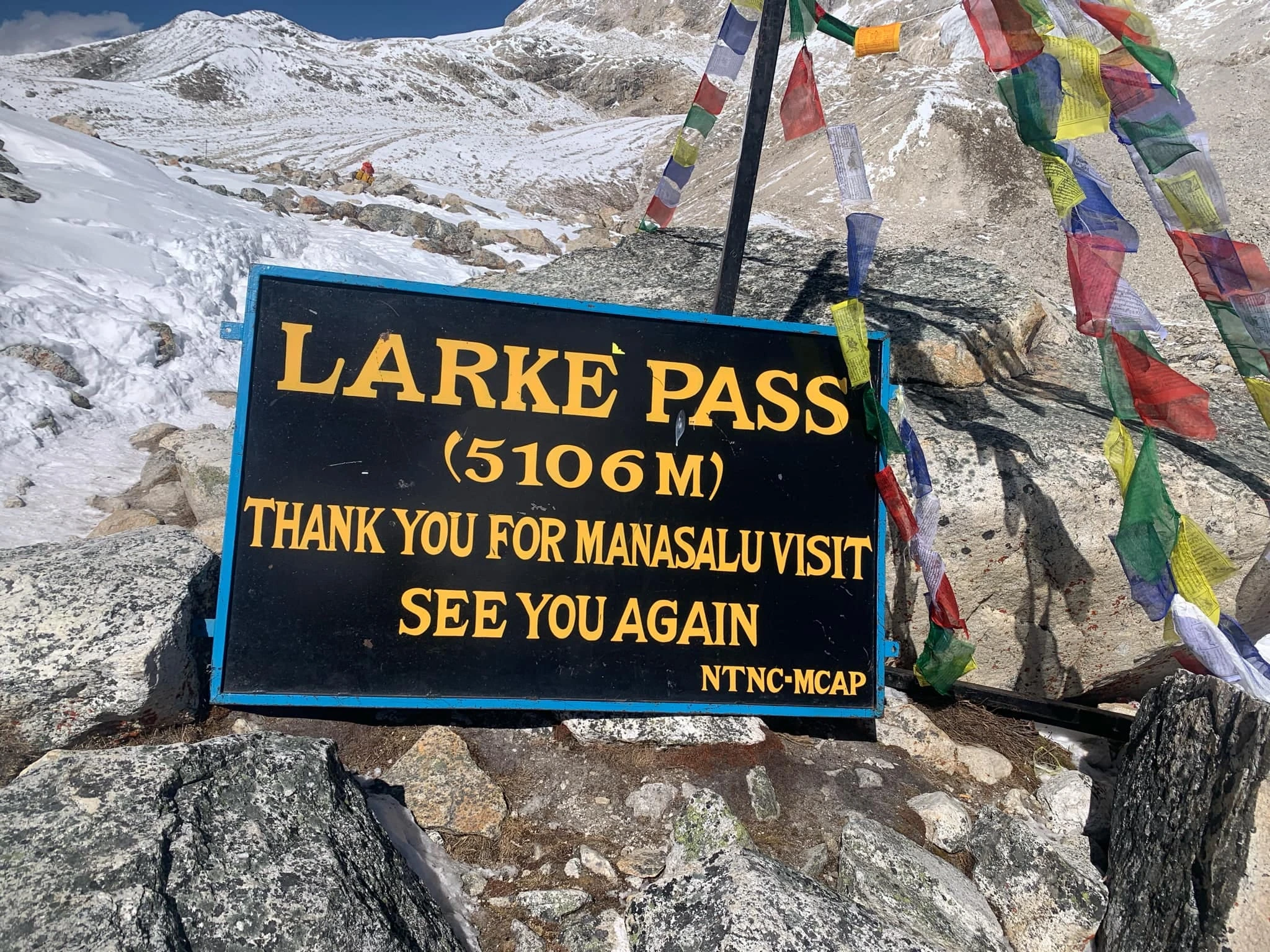
The highest point of the trek is Larkya La Pass at 5,106 meters. This altitude is officially documented in multiple trekking references and route guides.
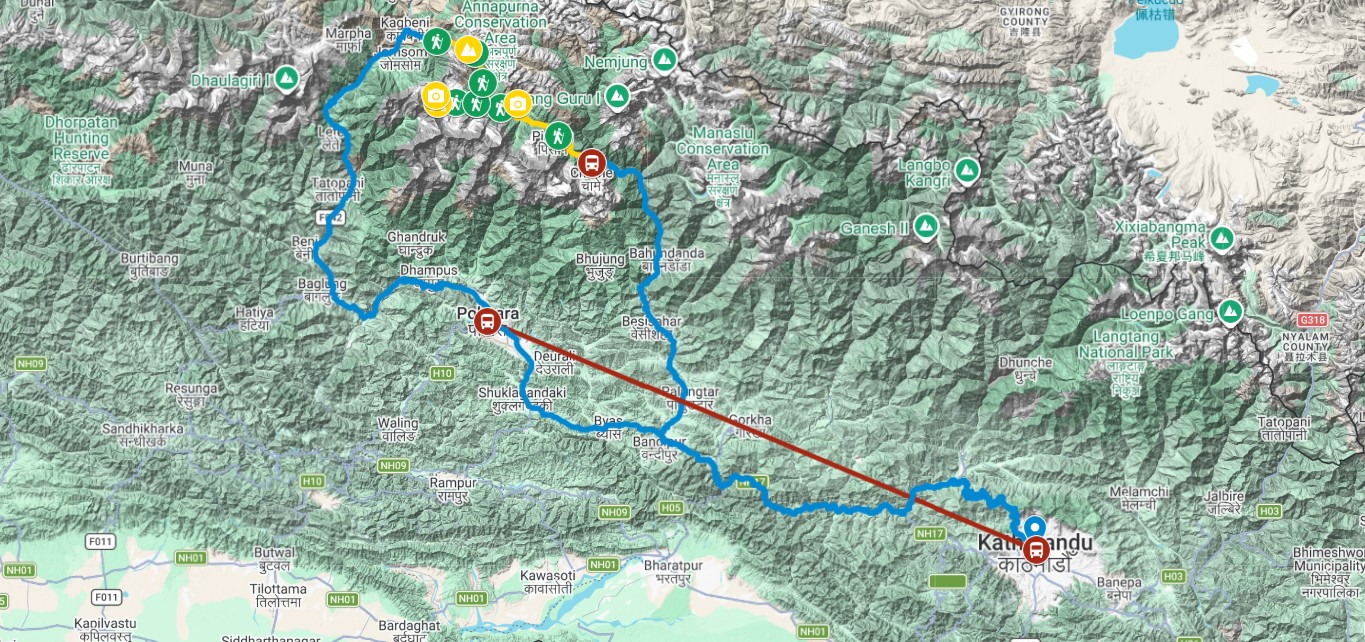
The trek is located in the Manaslu Region of Nepal, near the Tibetan border. It typically takes 14–18 days, depending on itinerary structure.
Unlike the Everest Base Camp route, the Manaslu route sees fewer trekkers because it is a restricted area with controlled permits.
What Makes Manaslu Different from Other Treks?
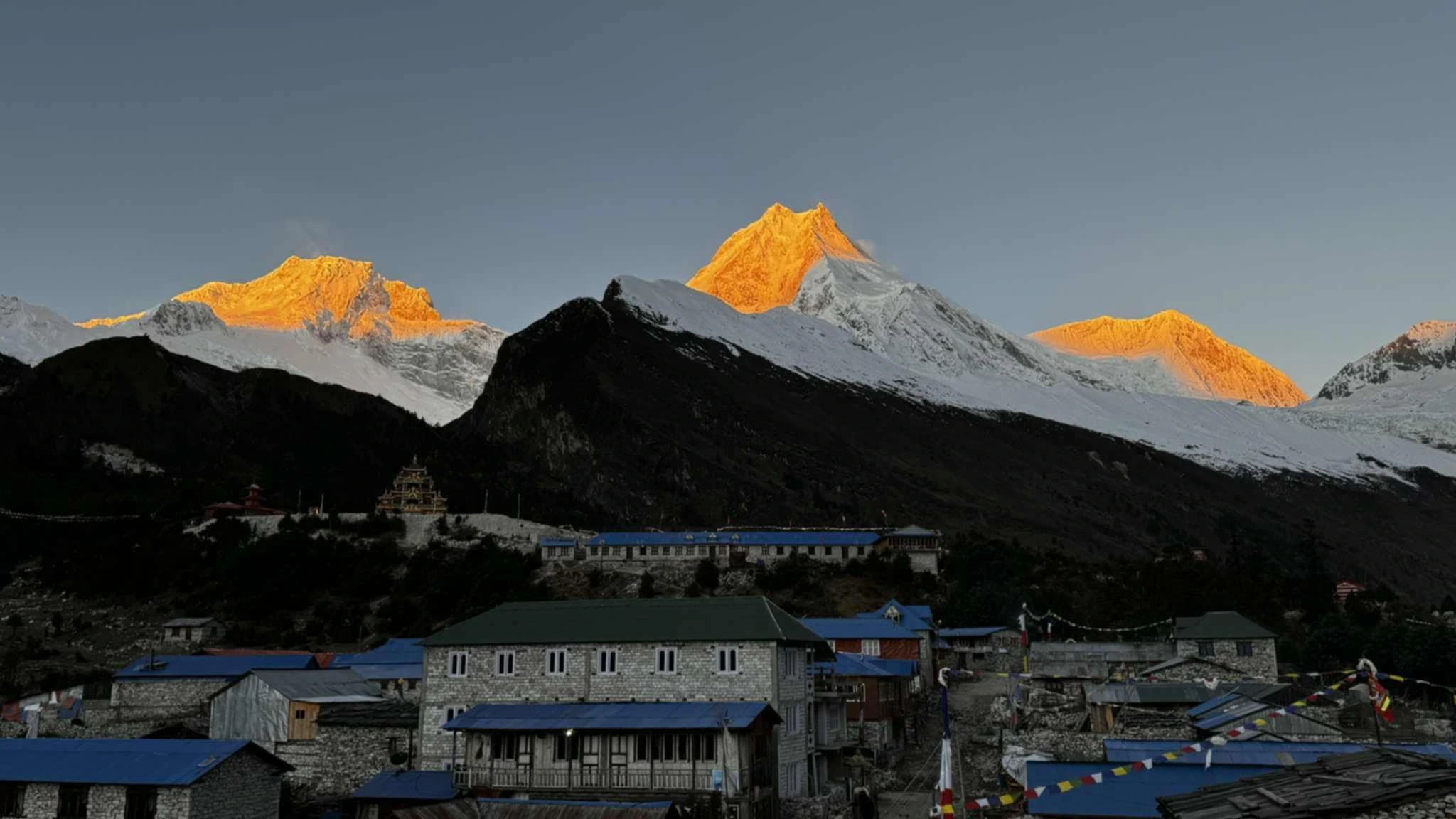
Manaslu is considered more remote and culturally preserved compared to the Everest and Annapurna routes.
Because it is a restricted region, fewer independent trekkers visit each year. The Government of Nepal regulates entry through a special permit system.
This limited access keeps:
- Trails less crowded
- Villages more traditional
- Landscapes more untouched
Trekkers move from subtropical river valleys to alpine highlands, crossing suspension bridges, stone villages, and eventually snow-covered terrain near Larkya La.
Understanding the Difficulty Level
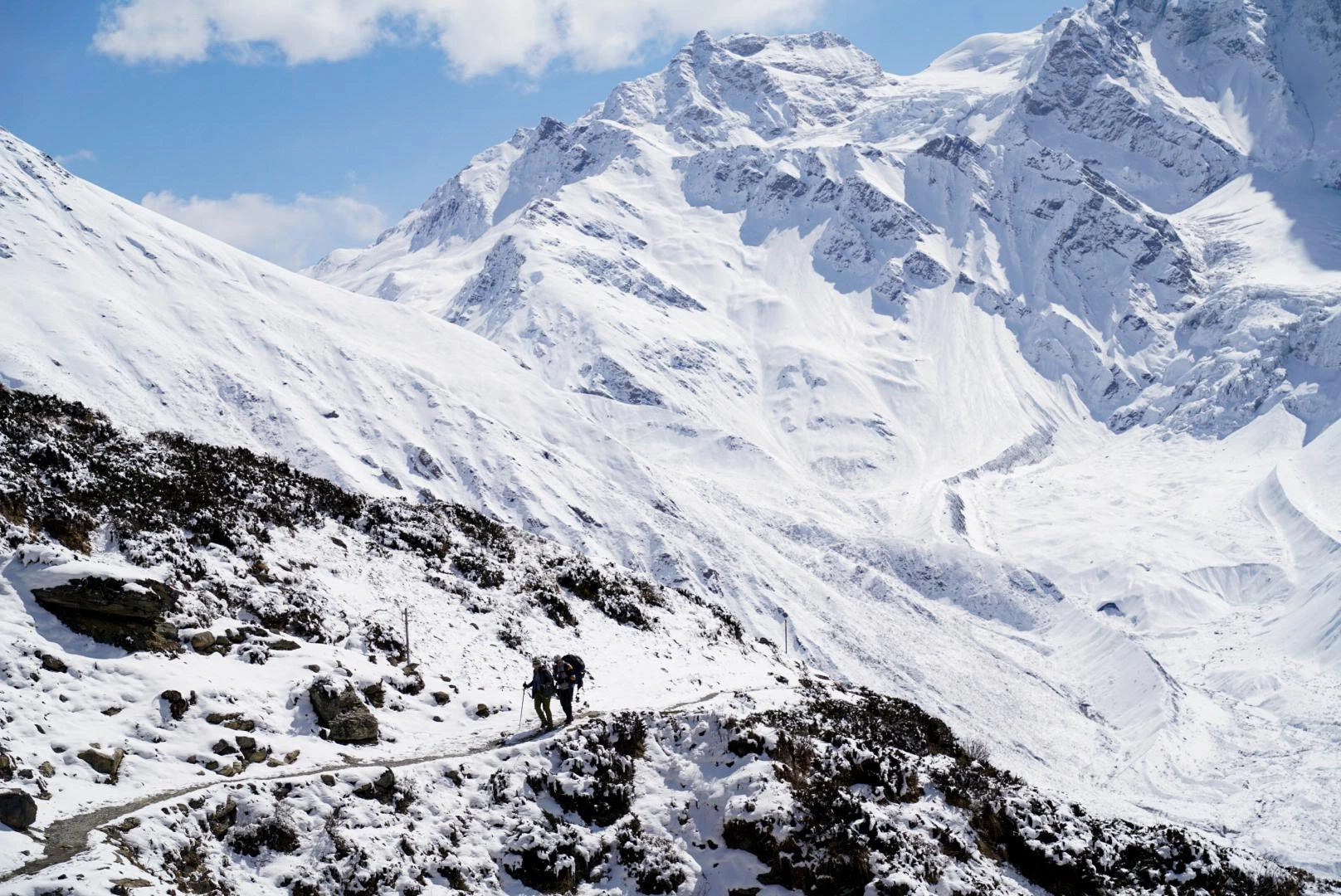
The Manaslu Circuit Trek is generally rated as moderate to challenging. This classification is based on altitude, walking hours, and terrain variation.
What makes it challenging?
- Daily walking: 6–8 hours on average
- Significant altitude gain
- Long ascent to 5,106 meters
However, it is not a technical climbing trek. No mountaineering skills are required.
If you can:
- Walk 6 hours comfortably
- Train with stair climbing or uphill hikes
- Maintain steady pacing
You can complete this trek.
Altitude: The Real Risk Factor
Altitude is the biggest safety concern on Manaslu.
According to high-altitude medical guidelines referenced by trekking operators, Acute Mountain Sickness (AMS) can occur above 2,500 meters.
Symptoms include:
- Headache
- Nausea
- Dizziness
- Loss of appetite
The standard acclimatization strategy includes:
- Slow ascent
- Rest days
- Hydration
- Avoiding rapid altitude gain
Rescue evacuation by helicopter is possible in Nepal, but it requires proper insurance coverage .
This is why experienced guides play an important role in monitoring health.
Permit Rules and Why Solo Trekking Is Not Allowed
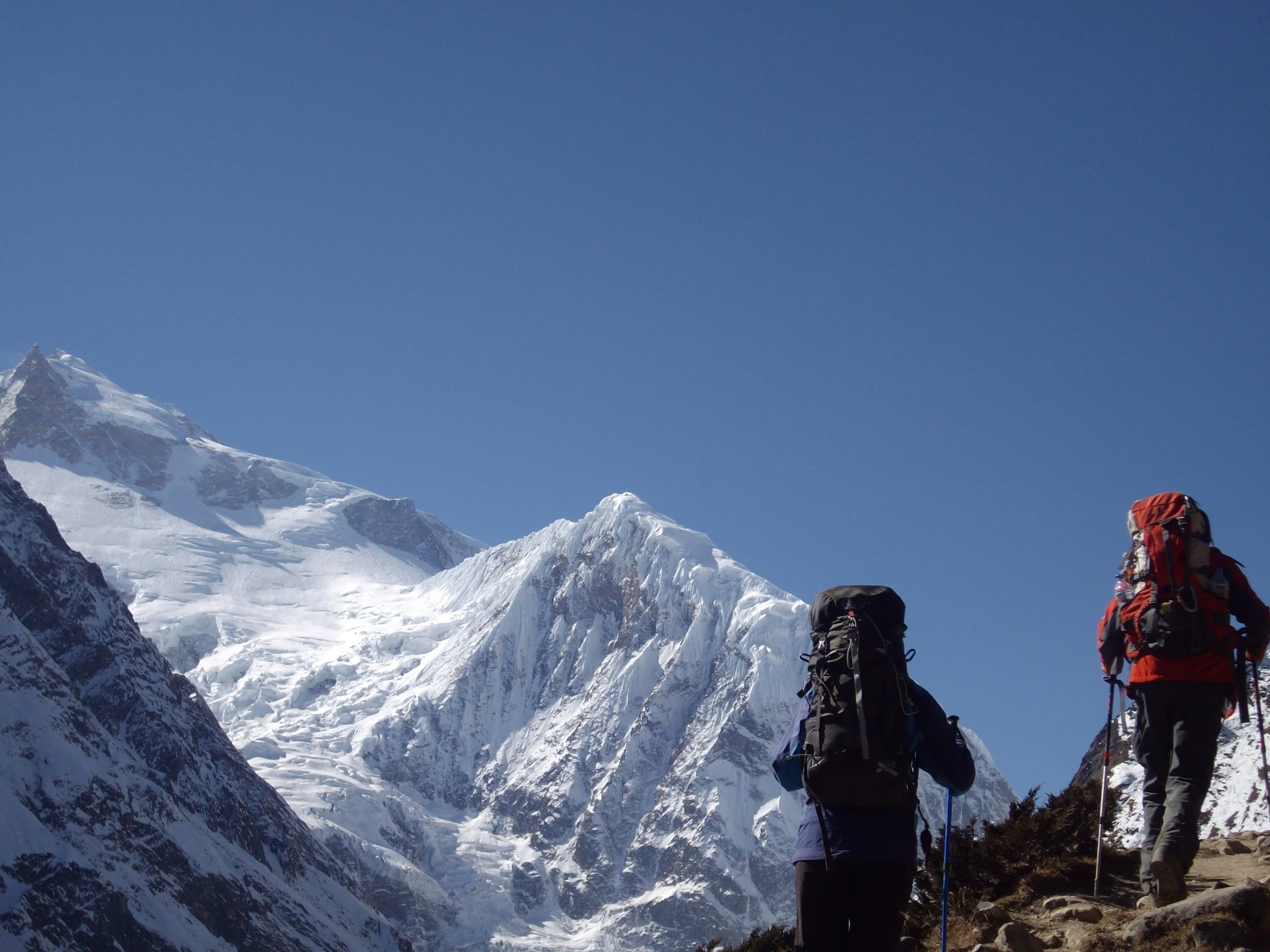
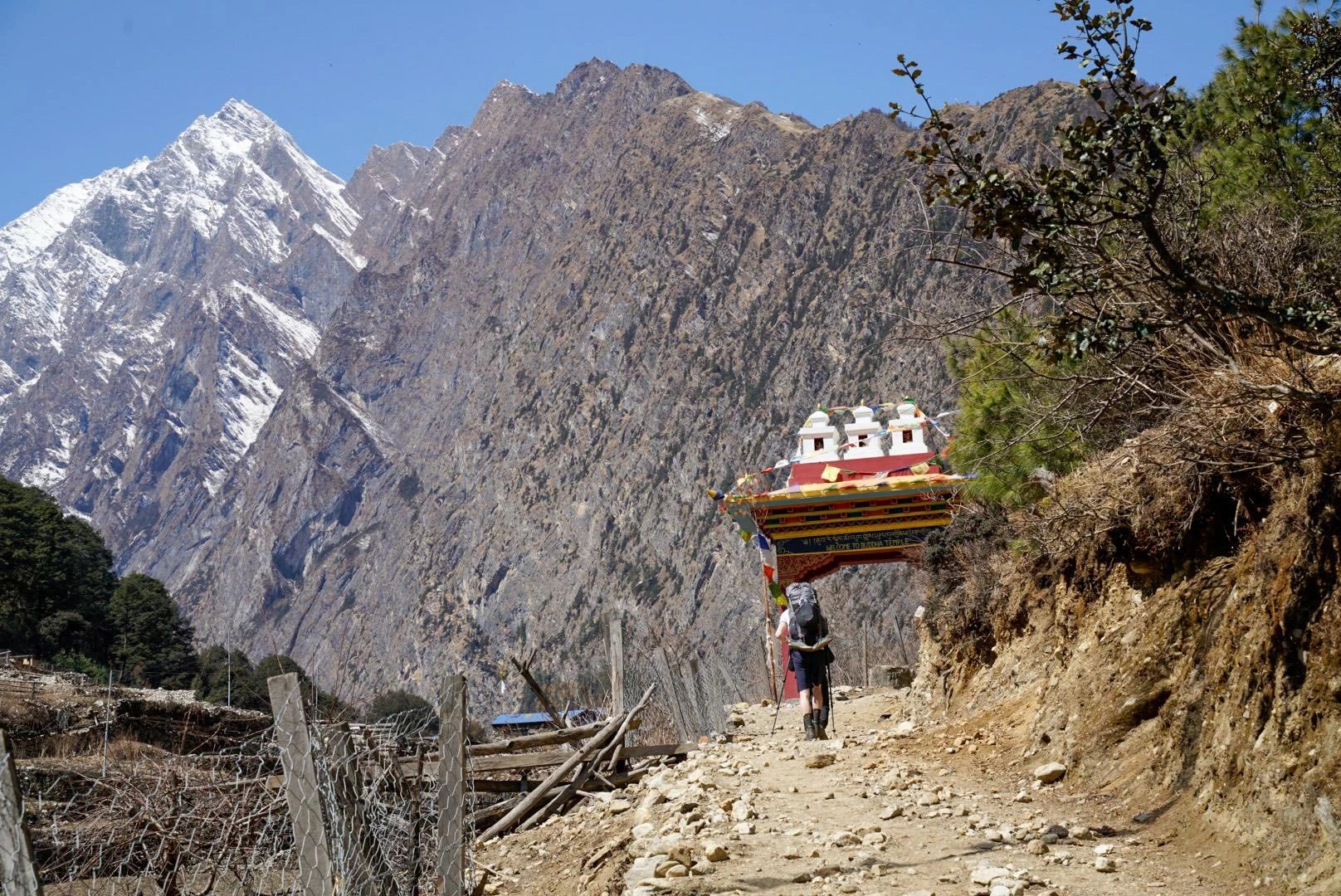
Manaslu is officially categorized as a restricted trekking area by the Government of Nepal.
According to Nepal Immigration regulations:
- A Restricted Area Permit (RAP) is mandatory
- Trekkers must travel in a group of at least two
- A licensed guide is compulsory
Additionally, trekkers must obtain:
- Manaslu Conservation Area Permit (MCAP)
- Annapurna Conservation Area Permit (ACAP)
These regulations are designed for safety and regional control.
Because of this structure, independent solo trekking is not permitted in Manaslu.
Best Time to Trek Manaslu Circuit
The weather significantly affects the experience.
Spring (March–May)
Stable temperatures and clear mountain views.
Autumn (September–November)
Considered the best overall season with clear skies and consistent conditions.
Winter (December–February)
Heavy snow near Larkya La can block the pass.
Monsoon (June–August)
High rainfall increases landslide risk and leech presence.
For most trekkers, October and April are considered optimal months.
Accommodation and Food on the Trail
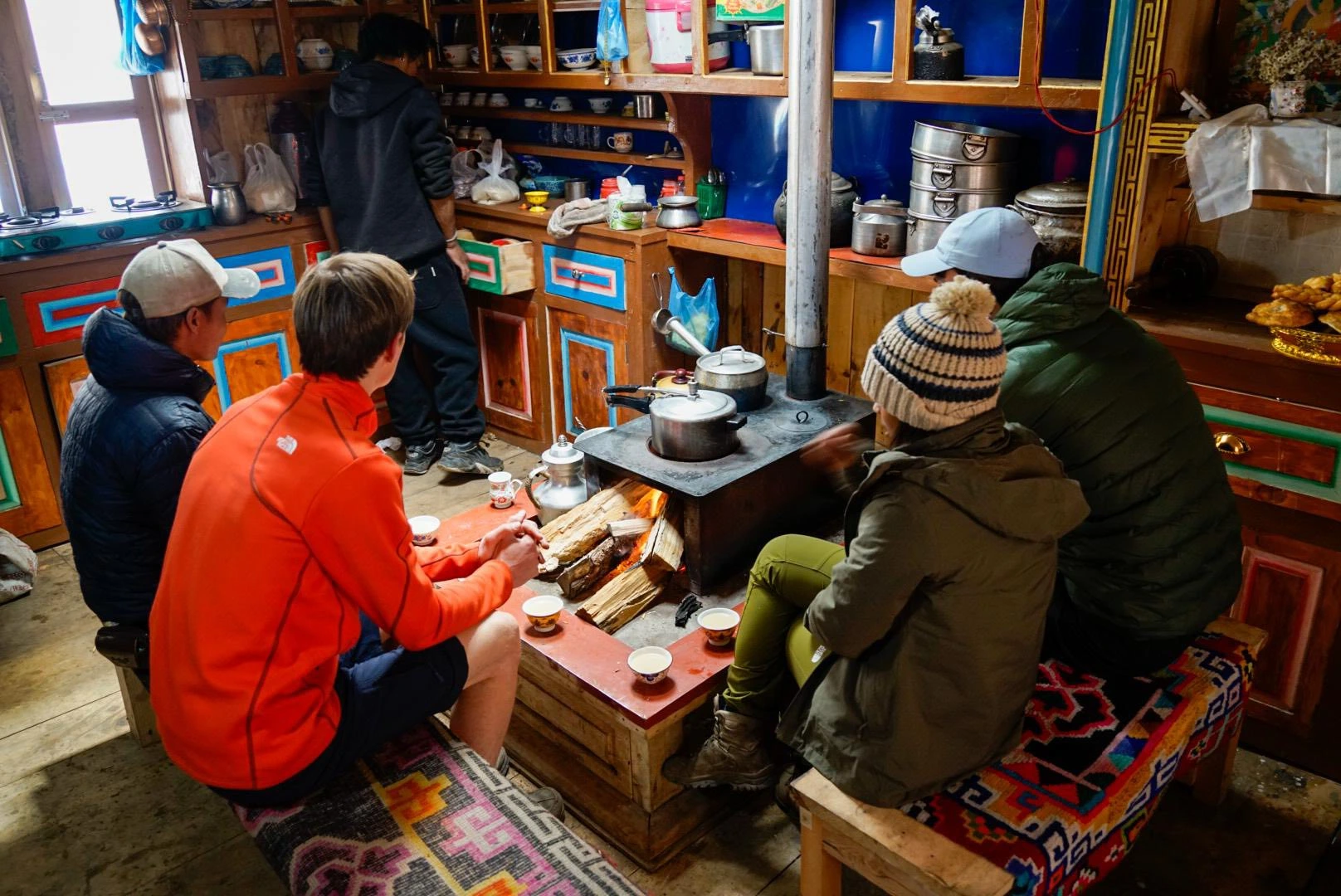
Accommodation is in local teahouses.
Expect:
- Basic twin-sharing rooms
- Shared bathrooms
- Limited heating at higher altitudes
Food options typically include:
- Dal Bhat (rice and lentils)
- Noodles
- Fried rice
- Tibetan bread
Charging devices and WiFi are often available for an additional fee.
Facilities become more basic as altitude increases.
Understanding the Real Cost
Manaslu’s cost depends on several components.
Permit fees vary by season and duration.
Typical cost elements include:
- Restricted Area Permit
- MCAP & ACAP permits
- Licensed guide
- Porter (optional but recommended)
- Transportation
- Accommodation and meals
Because of remoteness, prices increase in higher villages due to supply difficulty.
Compared to Everest Base Camp, Manaslu is generally slightly less expensive overall, but it depends on the services chosen.
Packing Smart for Manaslu
Key essentials:
- Layered clothing system
- Warm down jacket
- Waterproof outer layer
- Good trekking boots
- Trekking poles
- Basic first aid kit
- Water purification tablets
Temperatures can drop below freezing near Larkya La even in peak season.
Overpacking is common, but heavy bags increase fatigue.
Logistics First-Timers Often Underestimate
Transport to the starting point involves long road journeys from Kathmandu.
Road conditions can be rough depending on the season.
Mobile connectivity is limited in higher regions, though some villages provide basic network or WiFi.
Travel insurance covering high-altitude evacuation is strongly recommended.
Comparing Manaslu with Everest and Annapurna
Manaslu vs Everest Base Camp:
- Less crowded
- More remote
- Stronger Tibetan cultural influence
- Similar altitude challenge
Manaslu vs Annapurna Circuit:
- More restricted
- Fewer road sections
- More controlled tourism
If you want solitude and cultural depth, Manaslu is often preferred.
Responsible Trekking in Manaslu
Because it is a conservation area, trekkers must:
- Respect local customs
- Avoid plastic waste
- Follow permit checkpoints
- Dress modestly in villages
Permit revenue contributes to regional conservation management.
Final Thoughts: Is Manaslu Worth It?
The Manaslu Circuit Trek is not the easiest trek in Nepal. It is not the most luxurious either.
But it offers:
- Dramatic Himalayan scenery
- Deep cultural immersion
- A real sense of remoteness
- Controlled and less crowded trails
If you are prepared physically and mentally, it is one of the most rewarding trekking circuits in Nepal.