
Chandra Bahadur Rai
- Adventure Consultant and Trip leader
"Live The Adventure Of A Lifetime"
The Luxury Everest Base Camp Trek combines one of the world’s most iconic trekking adventures with a level of comfort rarely found in the high Himalayas. Following the legendary trail through the Khumbu region, this journey takes you to the foot of Mount Everest while allowing you to enjoy premium accommodations, excellent service, and carefully planned logistics throughout the trek.
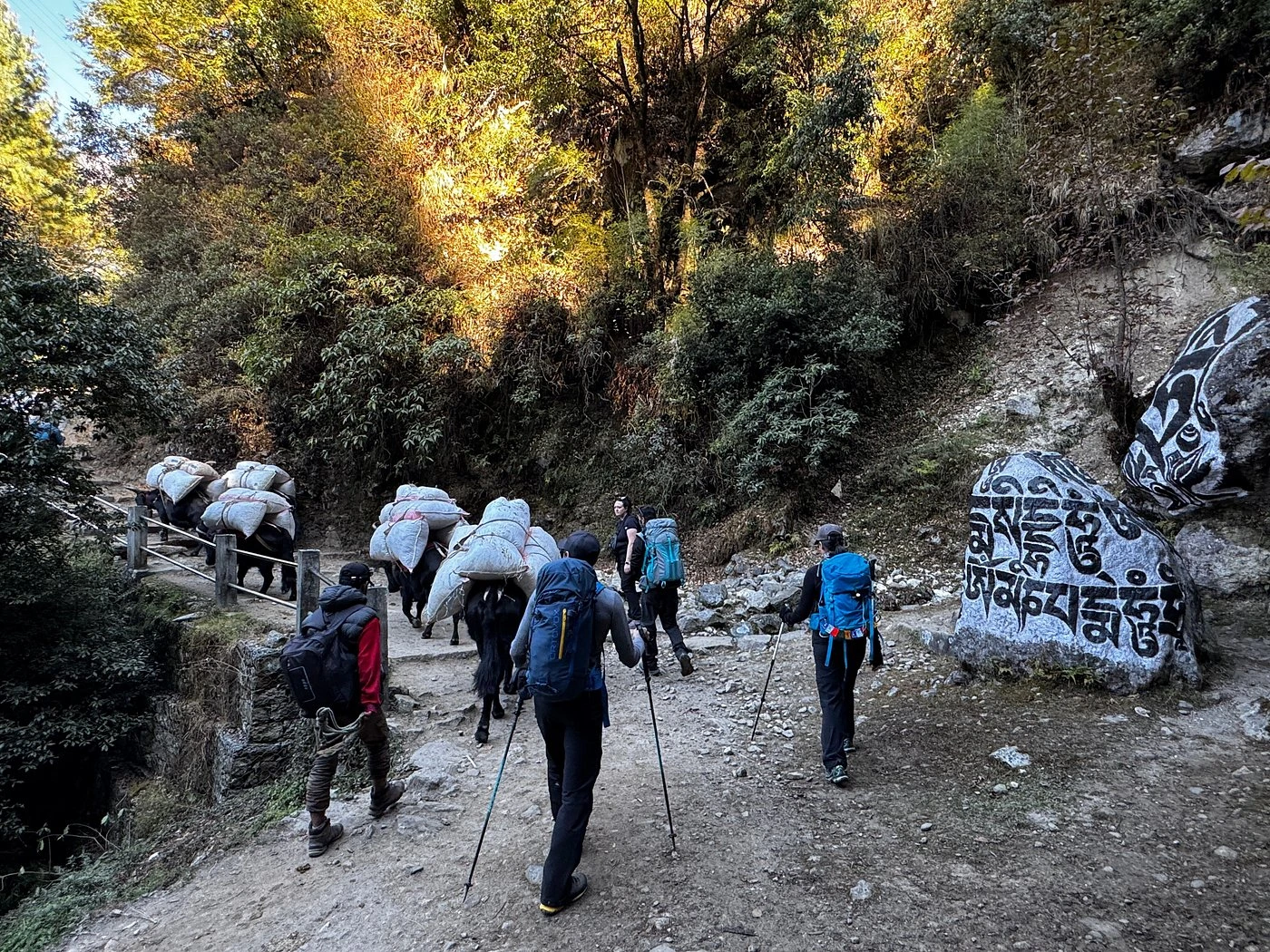
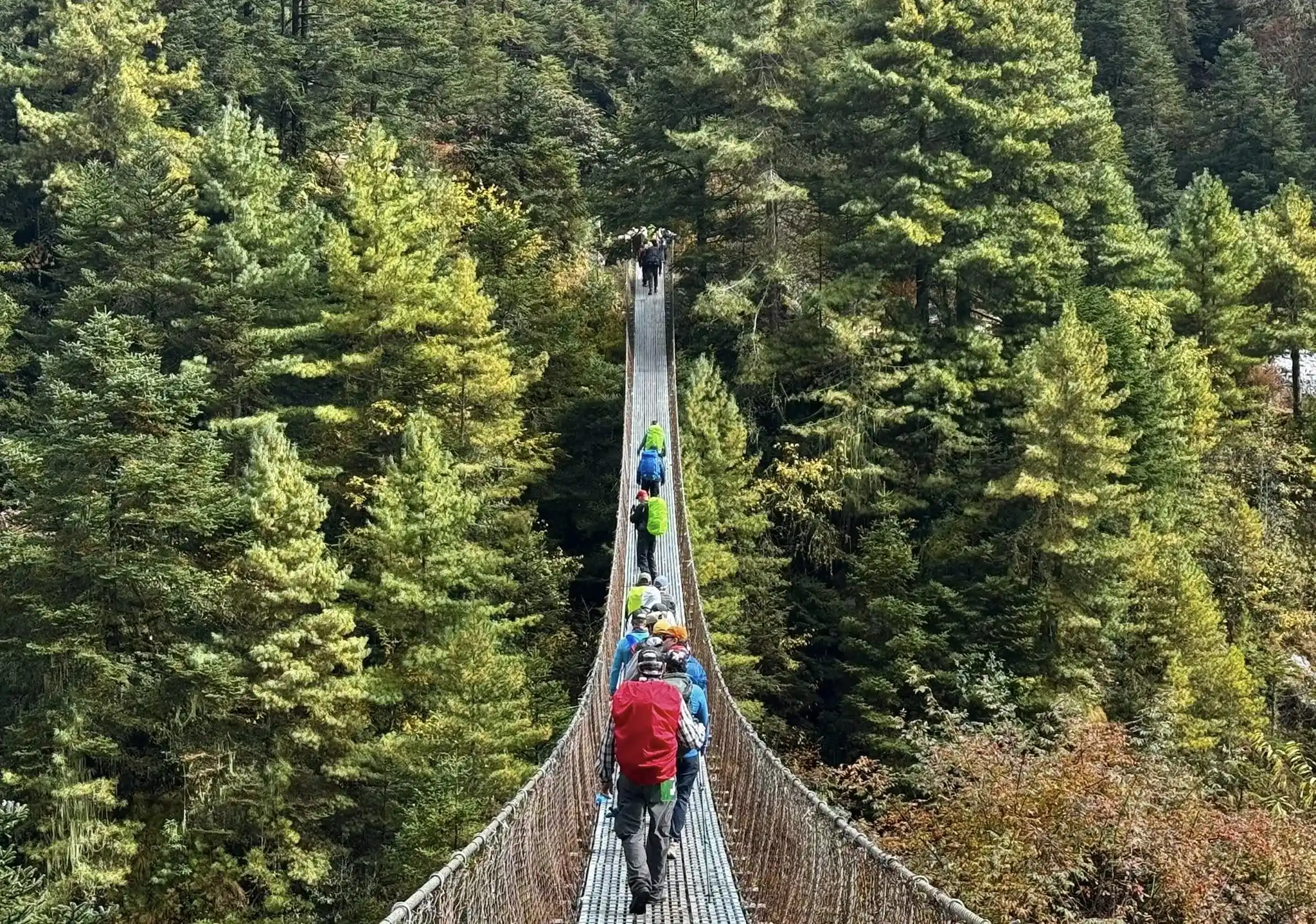
From the bustling streets of Kathmandu to the mountain air of Lukla, every day brings a new perspective of the Everest region. The trail winds through traditional Sherpa villages, ancient monasteries, pine forests, and dramatic suspension bridges draped with colorful prayer flags. Along the way, you’ll be rewarded with spectacular views of Everest, Lhotse, Nuptse, Ama Dablam, Thamserku, and many other Himalayan giants that define Nepal’s most famous trekking destination.
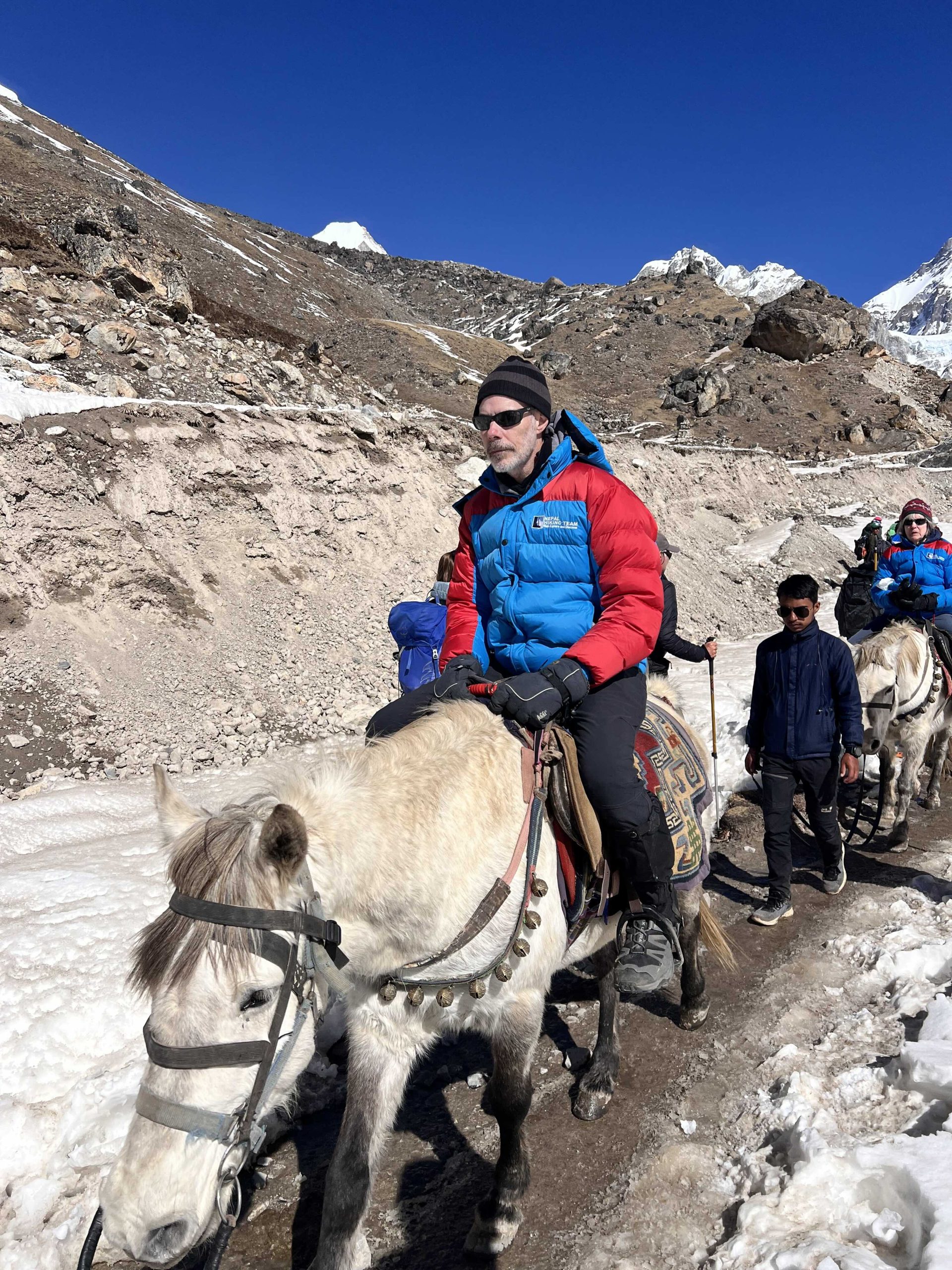
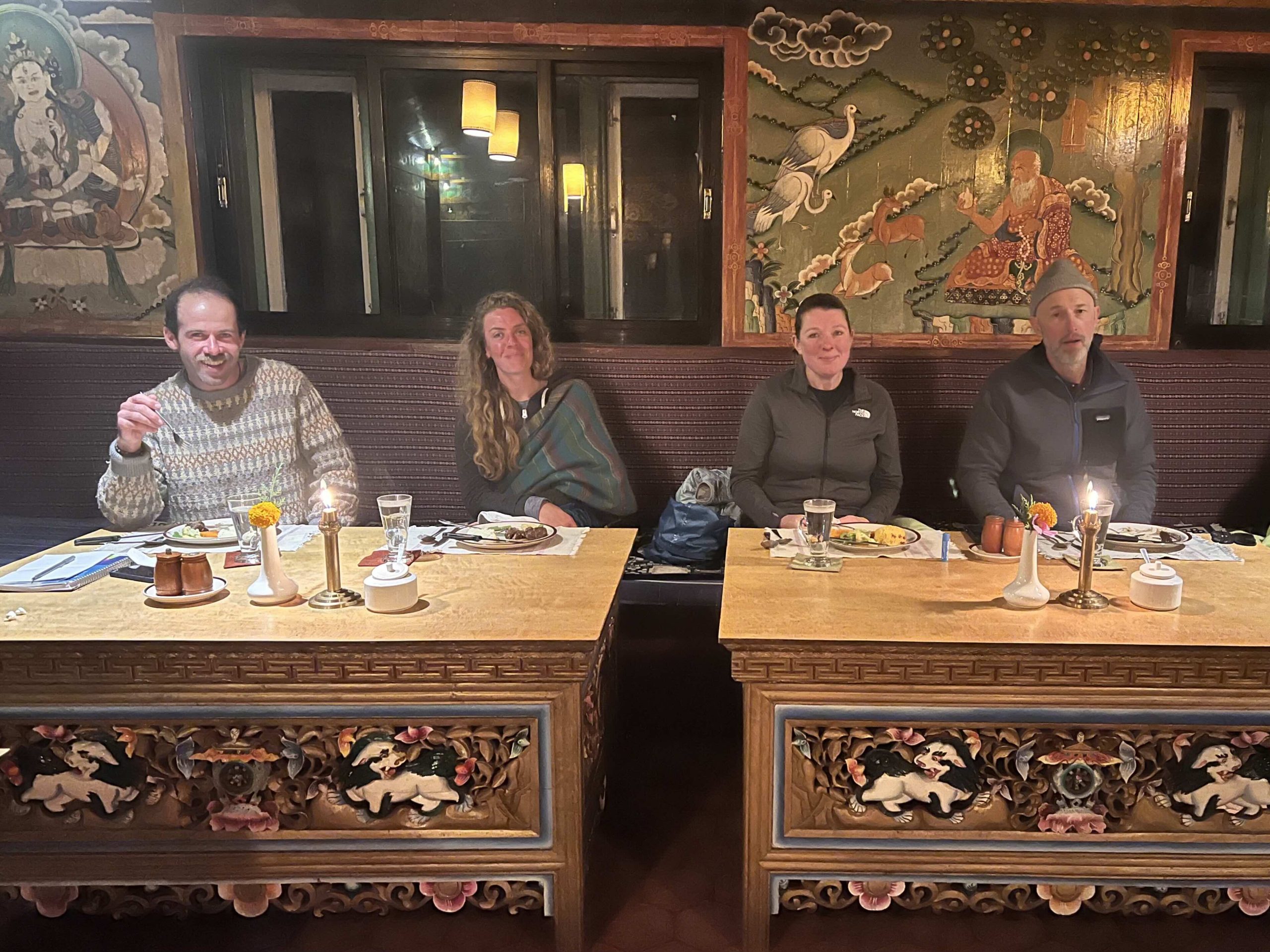
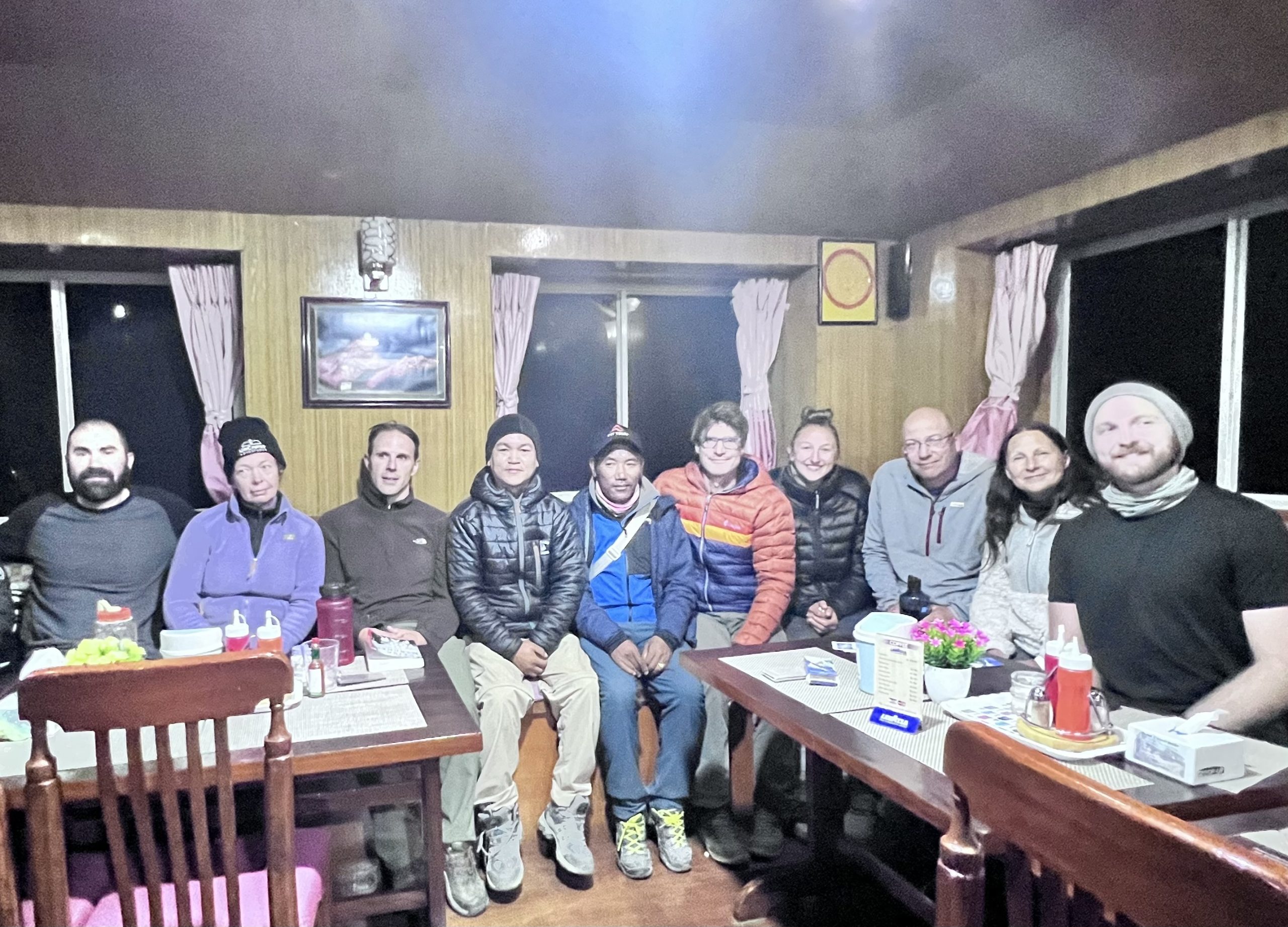
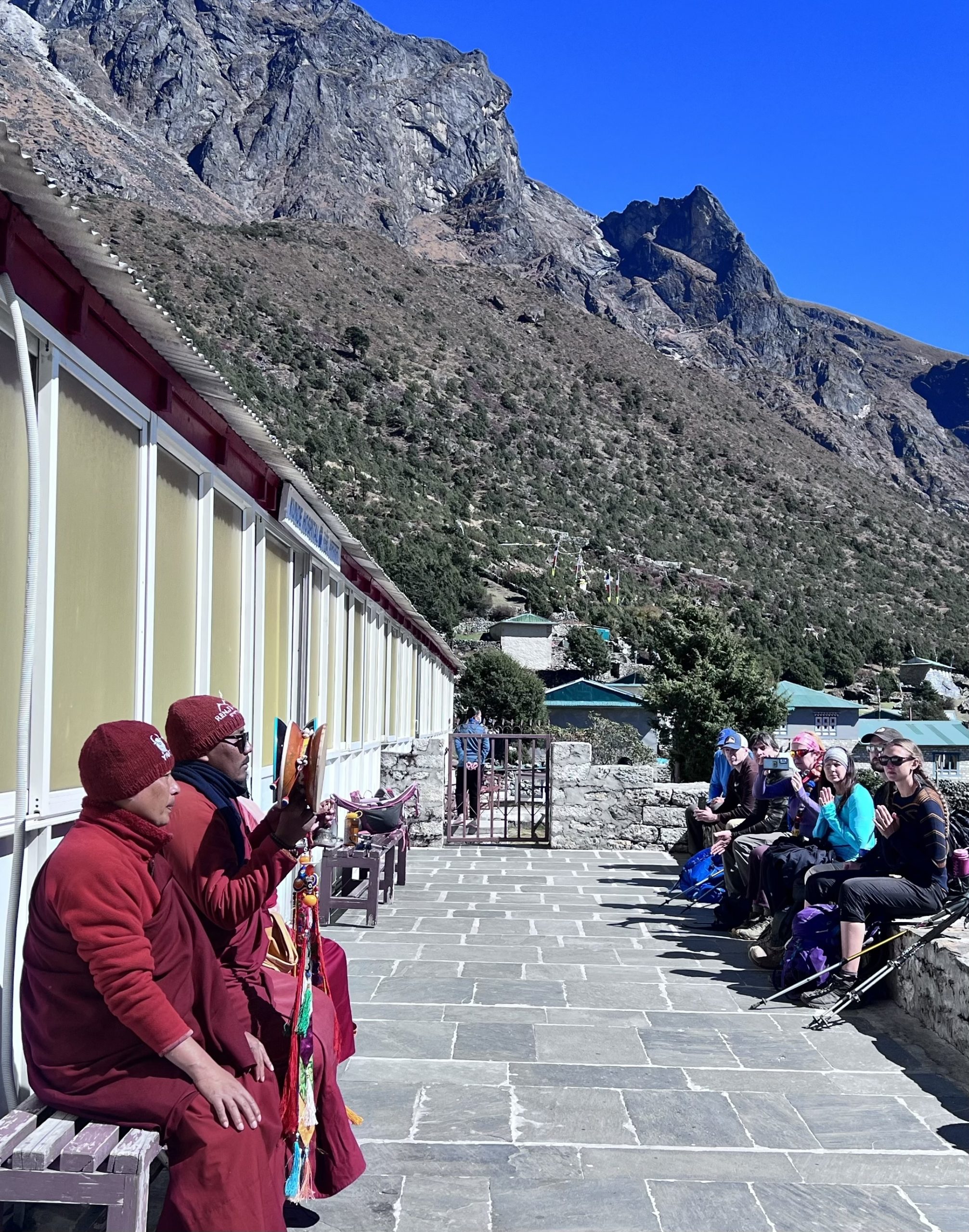
Unlike a standard Everest Base Camp trek, this itinerary focuses on enhancing comfort without taking away the sense of adventure. You’ll stay in some of the best available lodges in the region, enjoy hearty meals after long days on the trail, and trek with the support of experienced guides and porters. While the landscapes are breathtaking, many trekkers find that the warmth of the Sherpa people and the atmosphere of the mountain villages become some of the most memorable parts of the journey. If you’re curious about what that experience feels like beyond the itinerary, you can read about one traveler’s journey from Kathmandu to Everest Base Camp in our firsthand account of the trek.
To help with acclimatization, the itinerary includes important rest days in Namche Bazaar and Dingboche, giving your body time to adjust to the increasing altitude while offering opportunities to explore the region more deeply. As you climb higher into the Khumbu Valley, the scenery becomes increasingly dramatic, with glaciers, rugged peaks, and vast alpine landscapes unfolding at every turn.
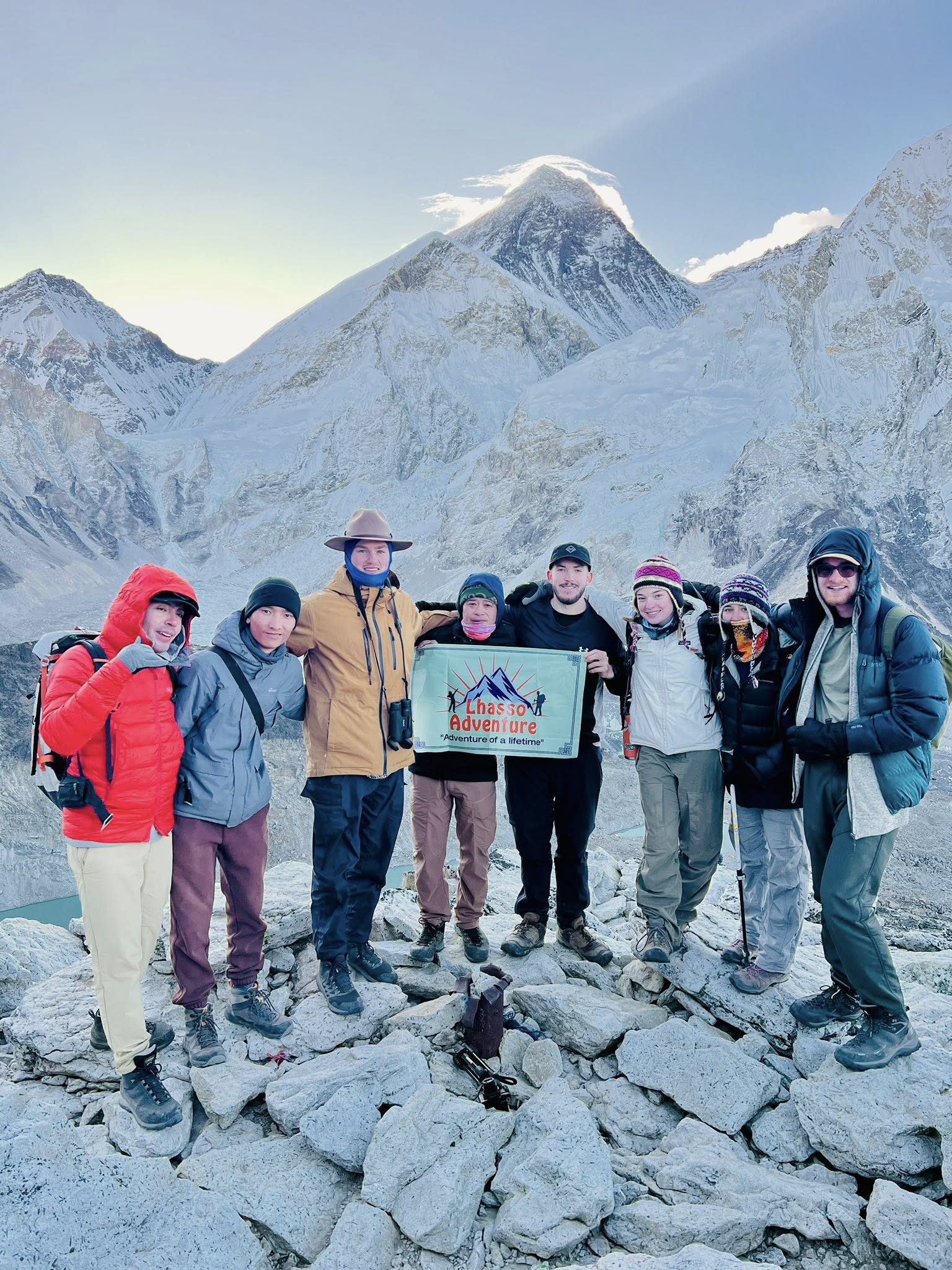
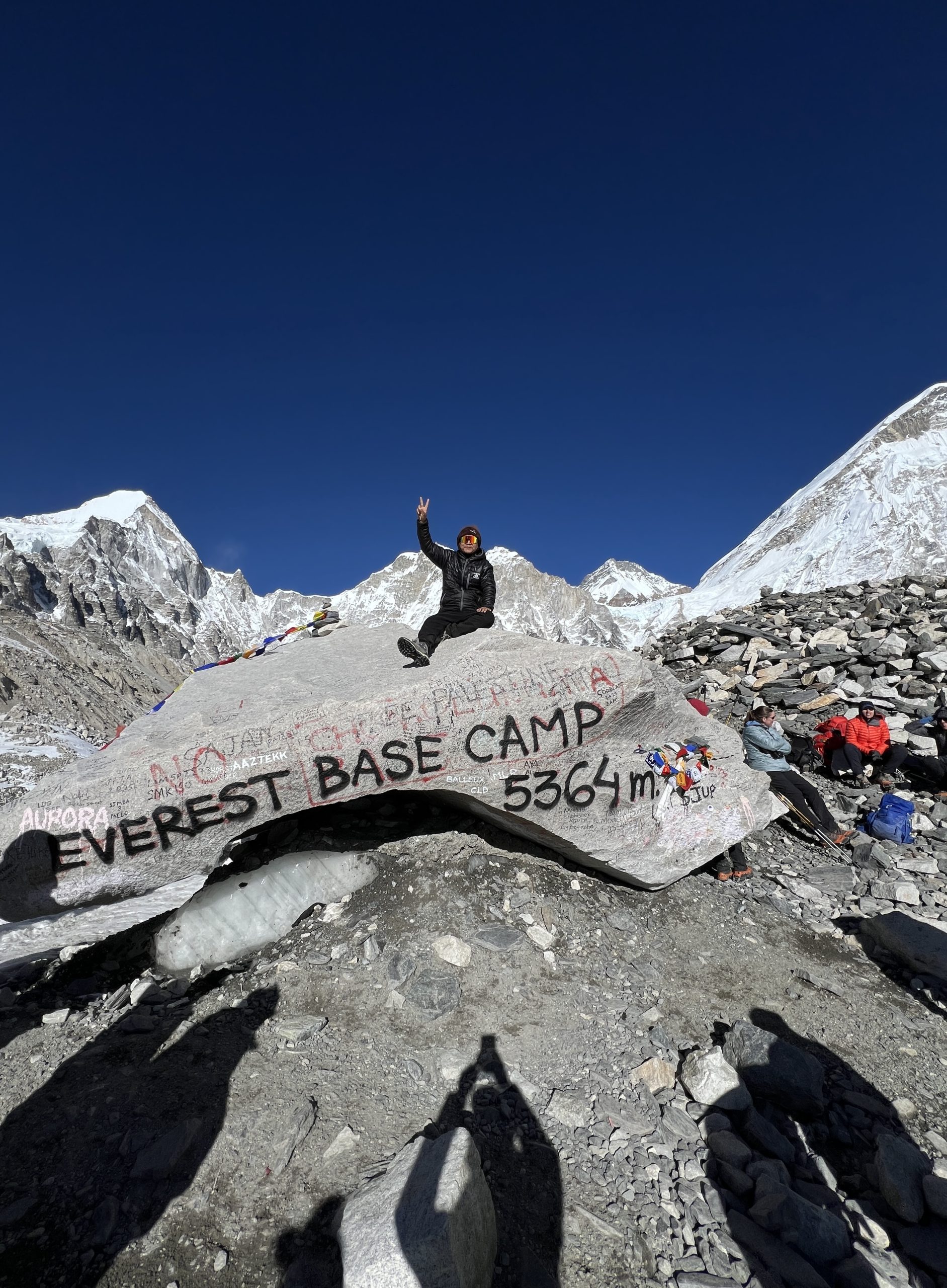
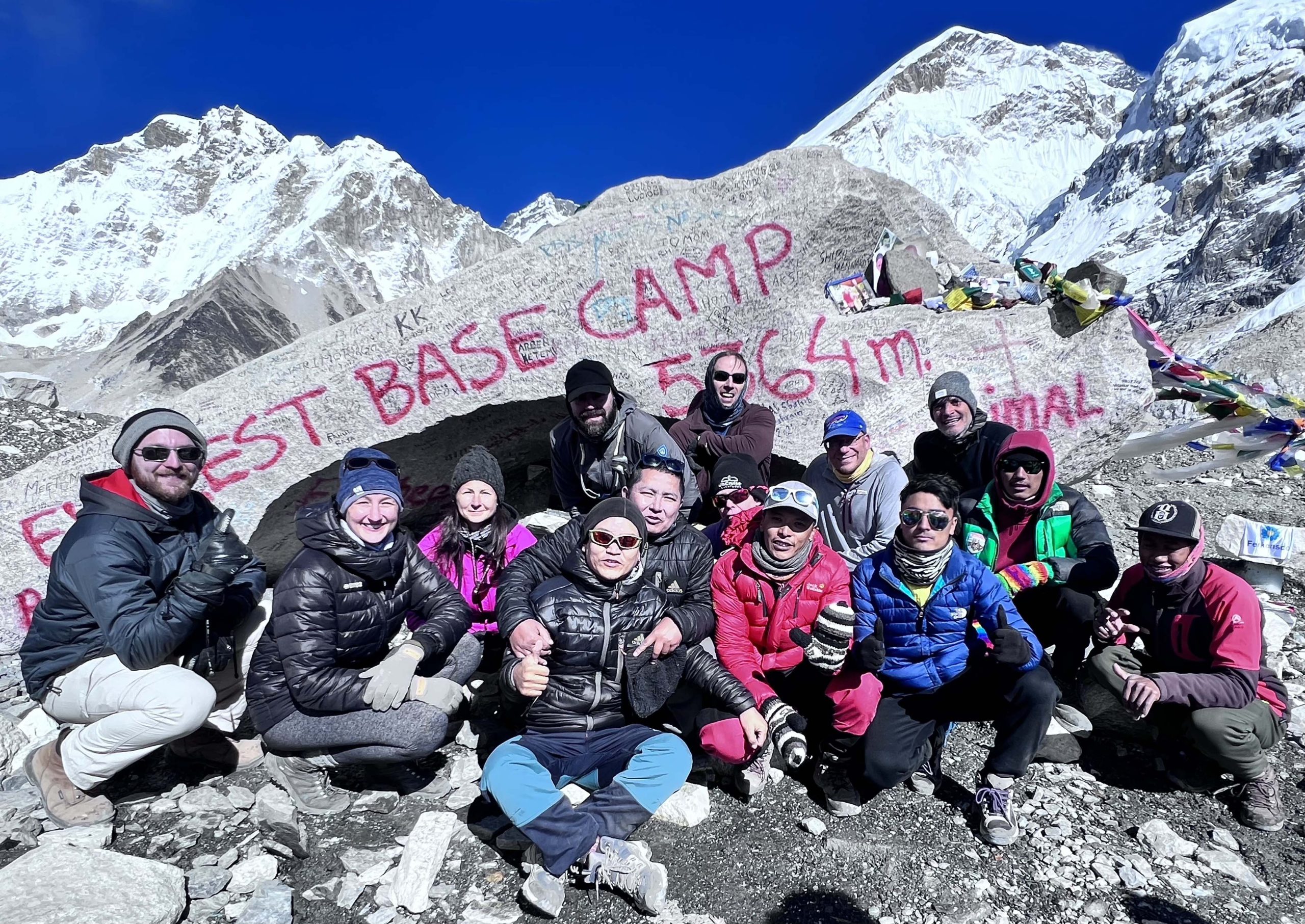
The highlight of the trek is reaching Everest Base Camp (5,364m), where climbers from around the world gather before attempting the summit of the world’s highest mountain. An early morning hike to Kala Patthar (5,545m) provides the ultimate reward: a panoramic sunrise view over Everest and the surrounding Himalayan range, widely regarded as the finest viewpoint in the region.
Whether you’re celebrating a special occasion, seeking a more comfortable trekking experience, or simply wanting to enjoy the Everest region without sacrificing convenience, the Luxury Everest Base Camp Trek offers an unforgettable journey through the heart of the Himalayas. It is a trek that combines achievement, culture, scenery, and comfort into one remarkable adventure.
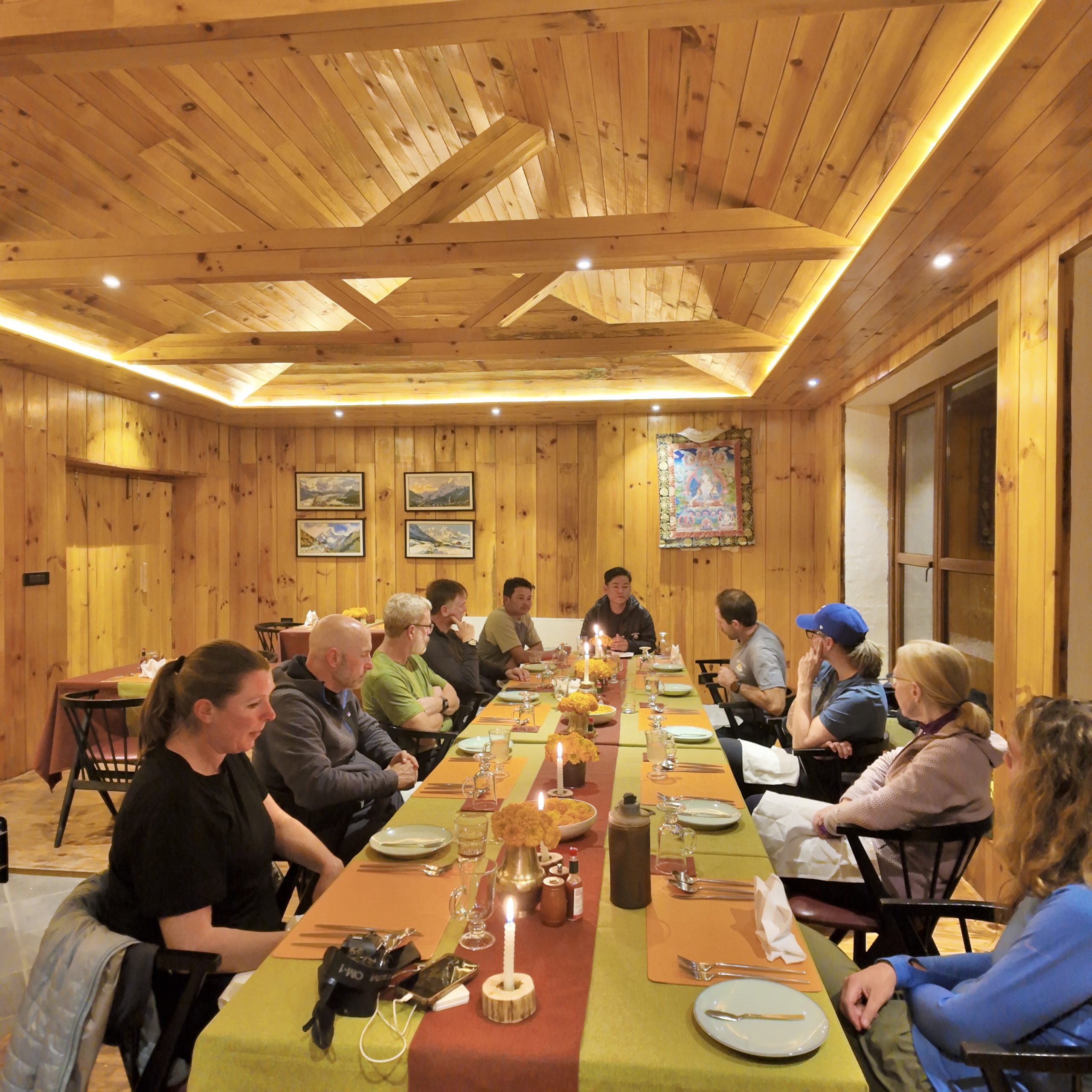
Upon arrival at Kathmandu International Airport, you will be greeted by our guide and staff, who will escort you to your hotel in the heart of Kathmandu. After checking into your rooms and refreshing from your flight, In the evening, we gather for team introductions, a briefing session, and general discussions about the adventure ahead. Later, we head out for a welcome dinner at one of our favorite local restaurants, where you can experience authentic Nepali cuisine.
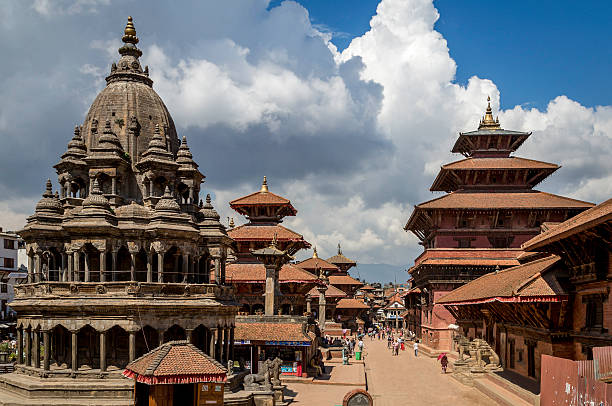
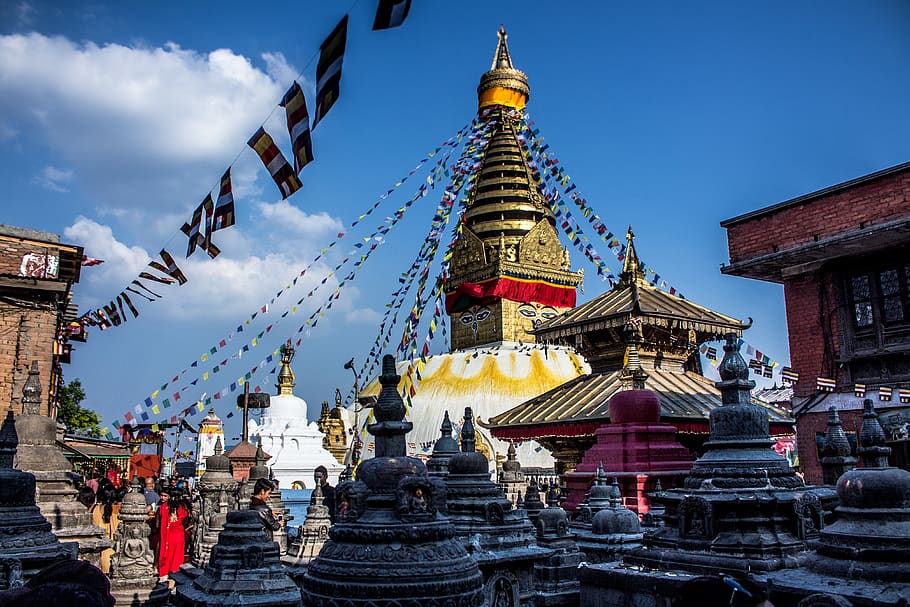
After enjoying breakfast this morning, we embark on a guided tour to explore some of Kathmandu’s most significant historical and spiritual landmarks. Among these are World Heritage Sites, including the historic Durbar Square, the revered Hindu temple of Pashupatinath, the iconic ‘Monkey Temple’ (Swayambhunath), and the monumental Buddhist shrine (Boudhanath), renowned as one of the largest stupas globally.
Around noon, we convene for a pre-trip discussion, where we have the opportunity to meet our trek leader and fellow team members. Lhasso Adventure provides us with essential information about our upcoming trek and welcomes any questions we may have, ensuring we are well-prepared for our adventure ahead. We spend the night in Kathmandu, ready to embark on our journey tomorrow.

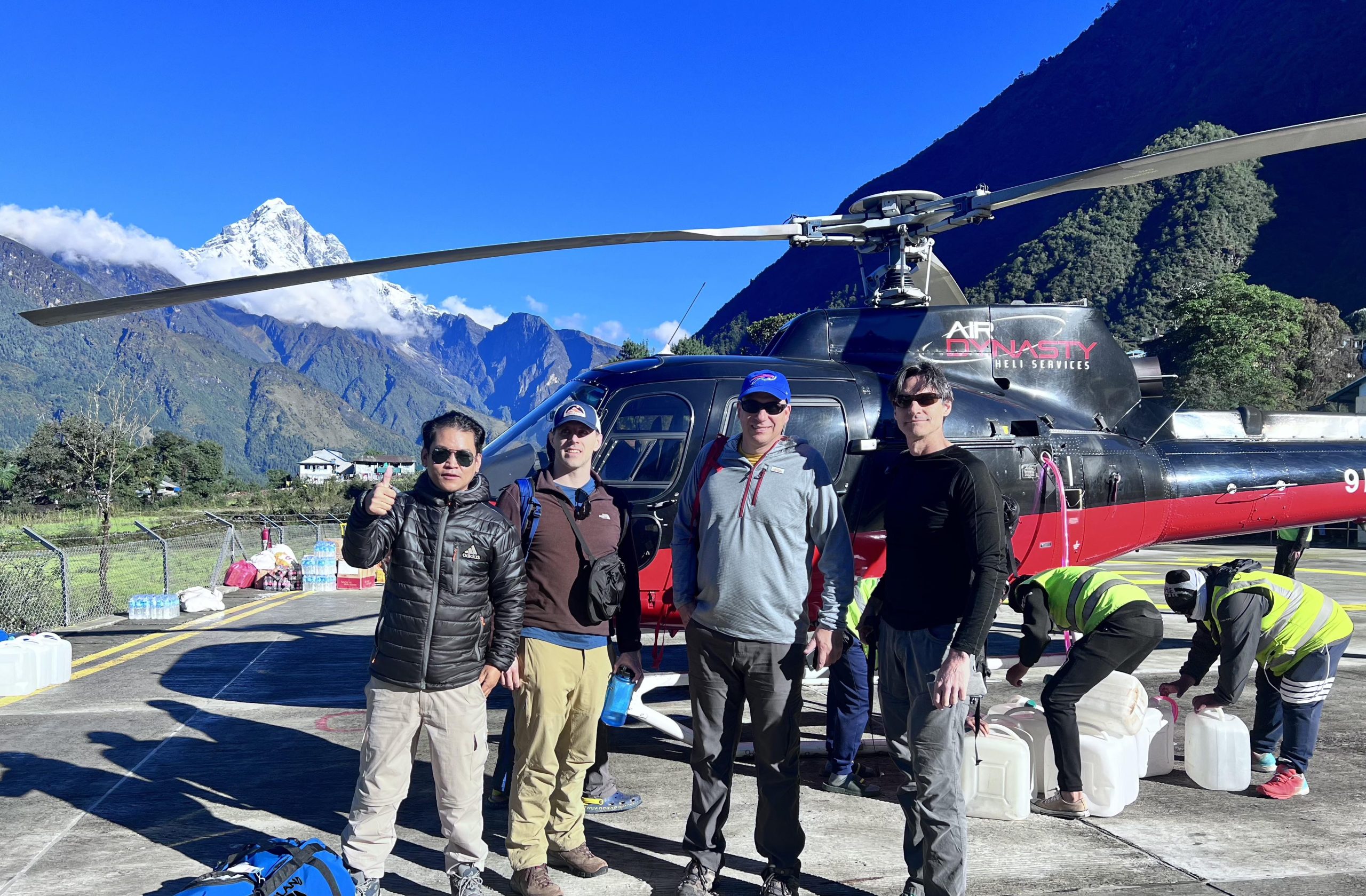
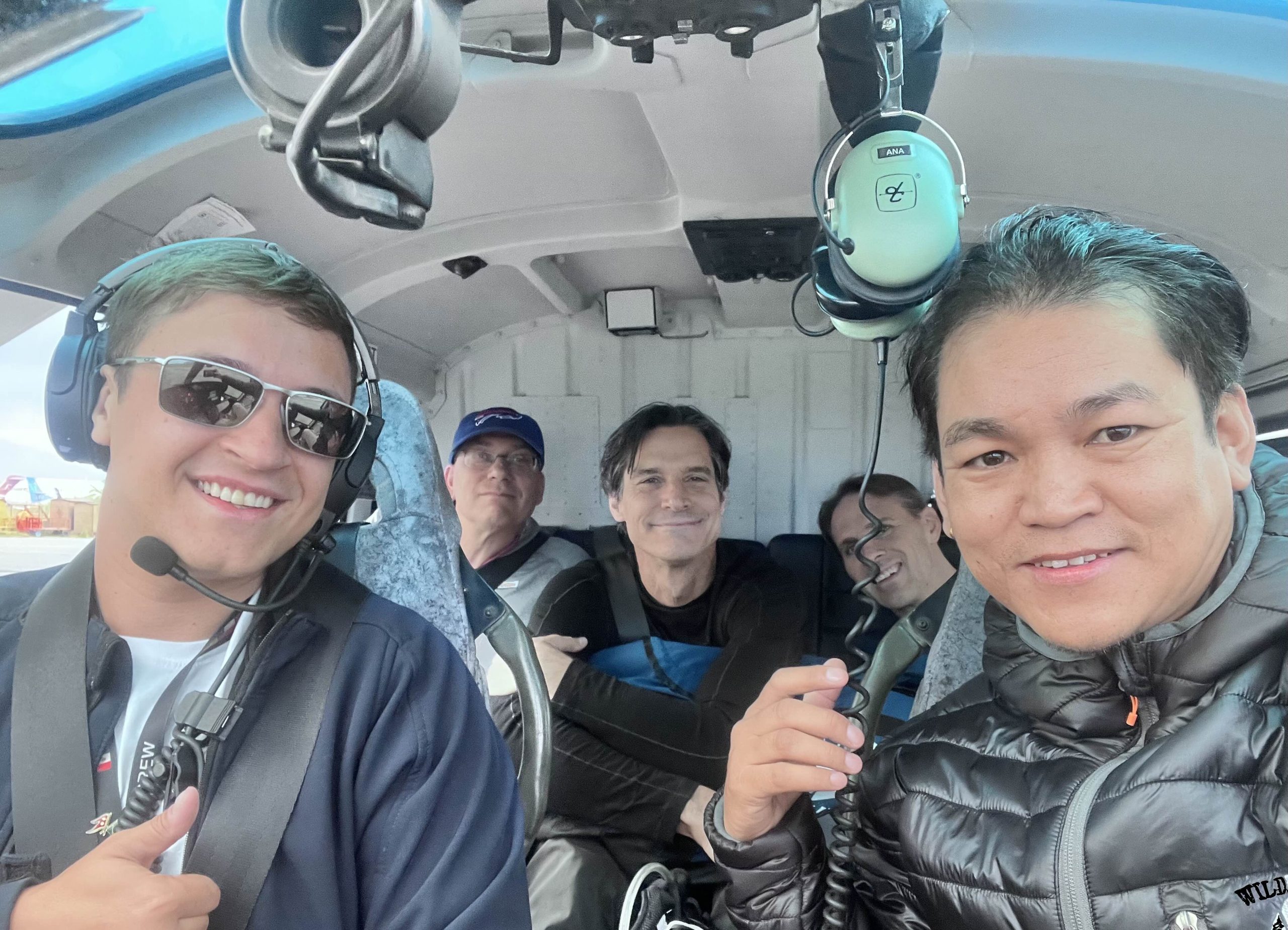
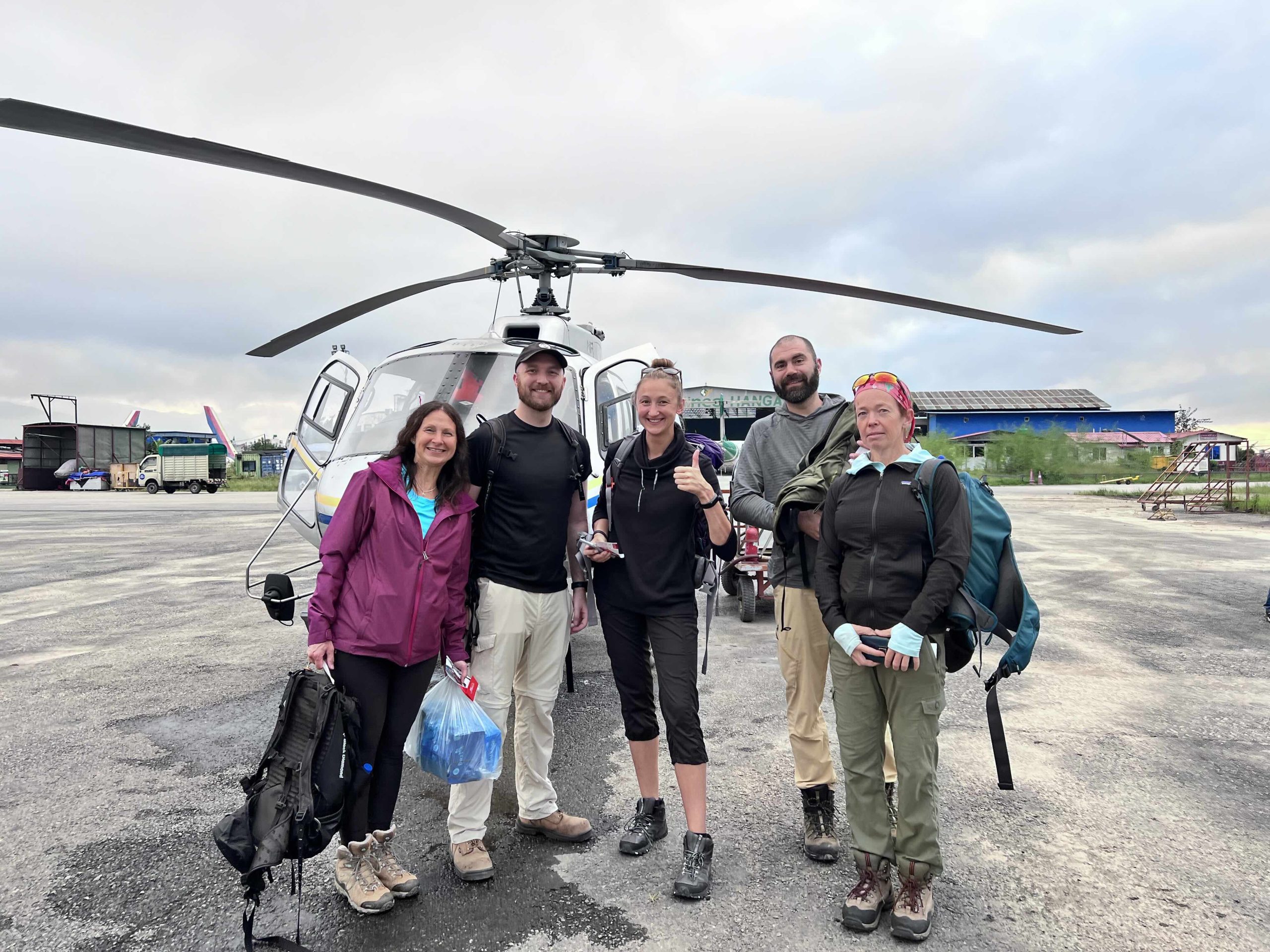
After breakfast, we head to Kathmandu airport’s domestic terminal for an early morning flight to Lukla (2,800m/9,186ft) by Heli, the starting point of our trek. The 35-minute scenic flight offers breathtaking views of green and white mountain vistas before landing at the Tenzing-Hillary Airport in Lukla. Upon arrival, we meet our trek crew and begin our trek to Phakding, a prosperous village. Today’s hike is short to aid in acclimatization, but optional side trips to nearby monasteries are available for those interested. Overnight stay at Yeti Mountain Home or similar hotel in Phakding.

We trek through a scenic pine forest alongside the Dudh Koshi River, crossing several suspension bridges including the iconic Hillary Suspension Bridge. Along the way, we admire the majestic Mt. Thamserku (6618 m) before passing through villages like Benkar, Chumoa, and Monjo. After reaching the Sagarmatha National Park entrance at Monjo, we continue through the last village of Jorsale towards Namche Bazaar. The trail ascends steeply, offering glimpses of Mt. Everest and the Lhotse-Nuptse ridge from Chautara. After a final two-hour ascent, we arrive at Namche Bazaar, the gateway to Mt. Everest and the main trading center of the region. Overnight stay at Yeti Mountain Home or a similar hotel in Namche Bazaar.
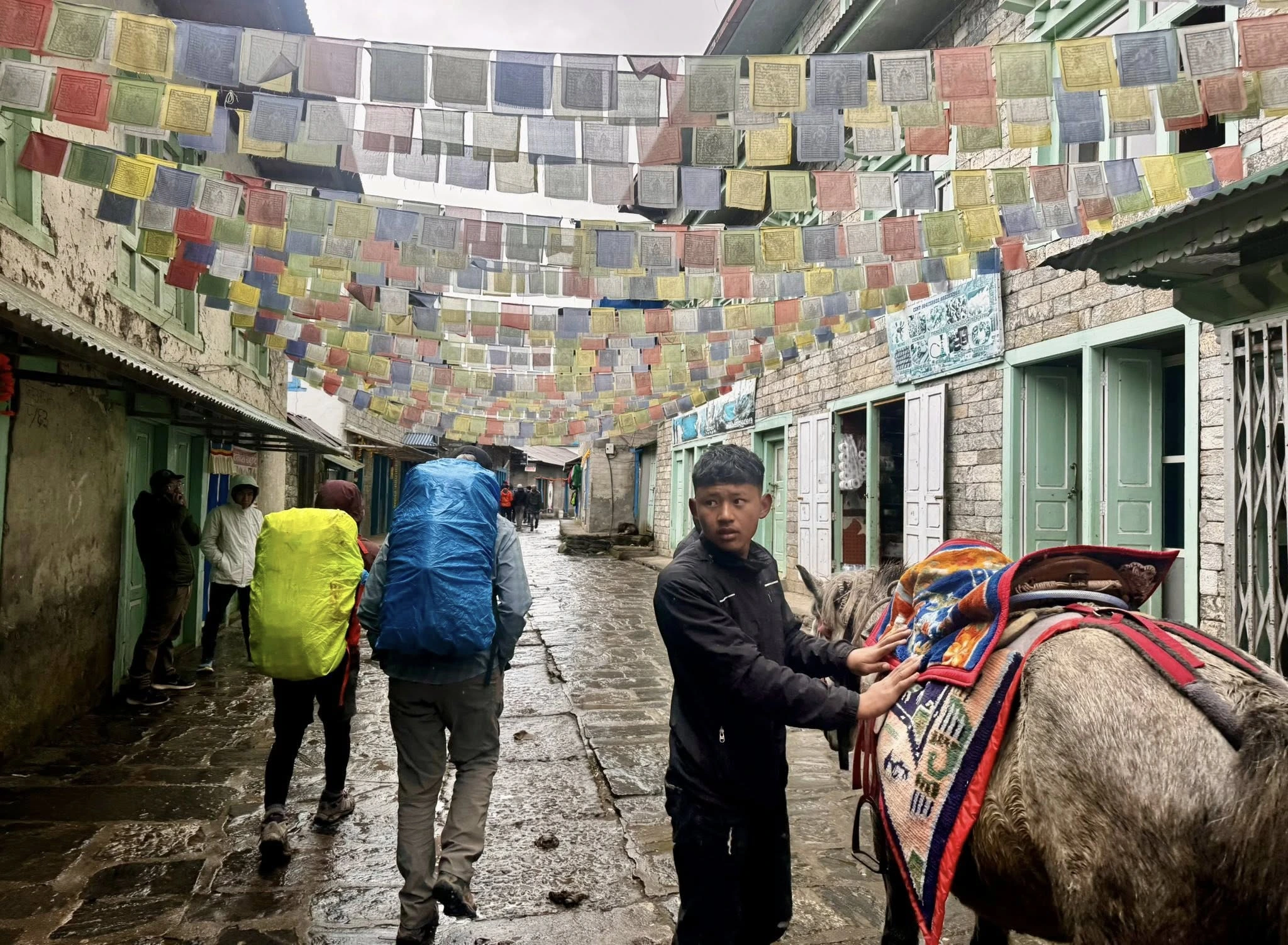
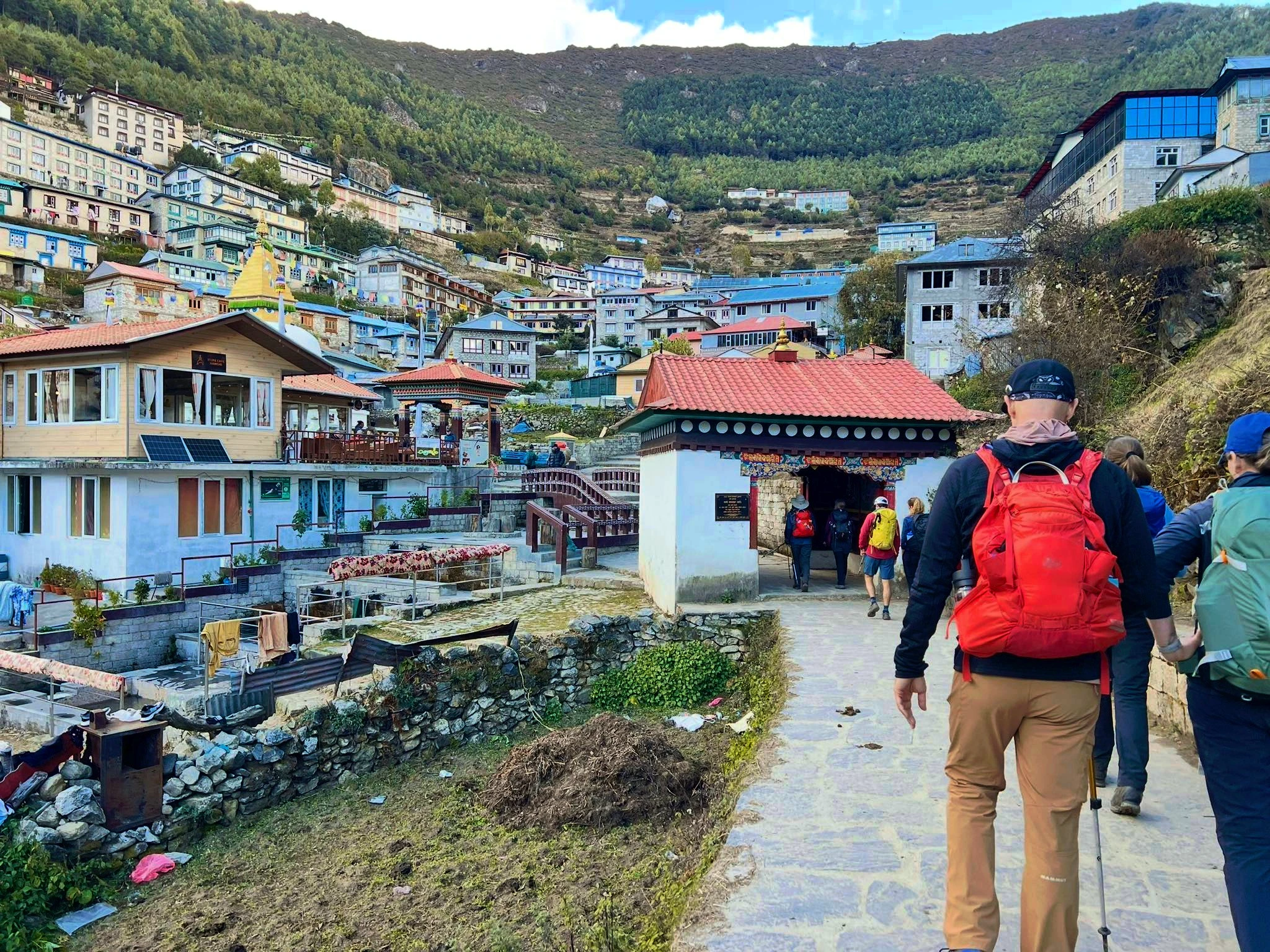
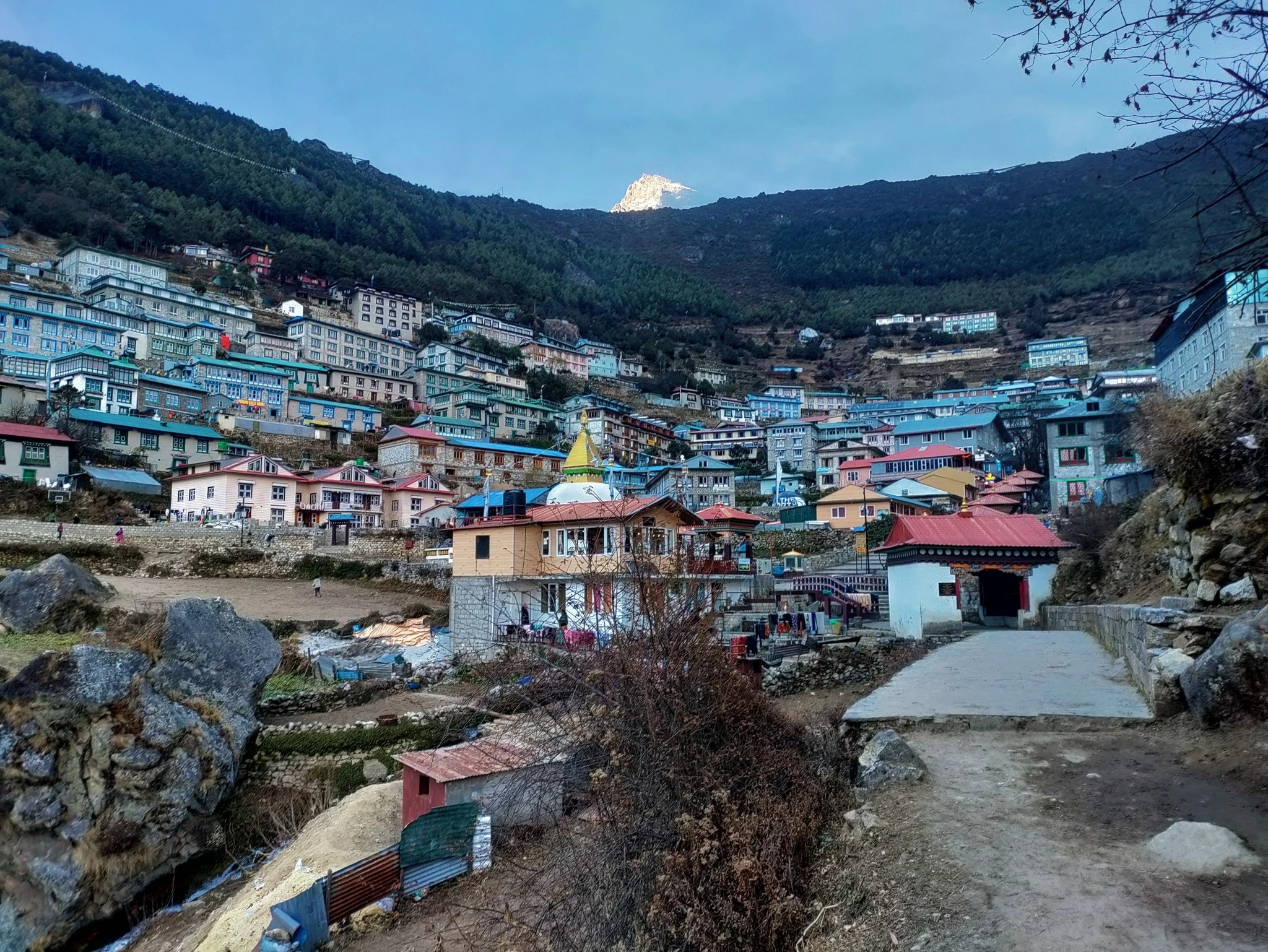
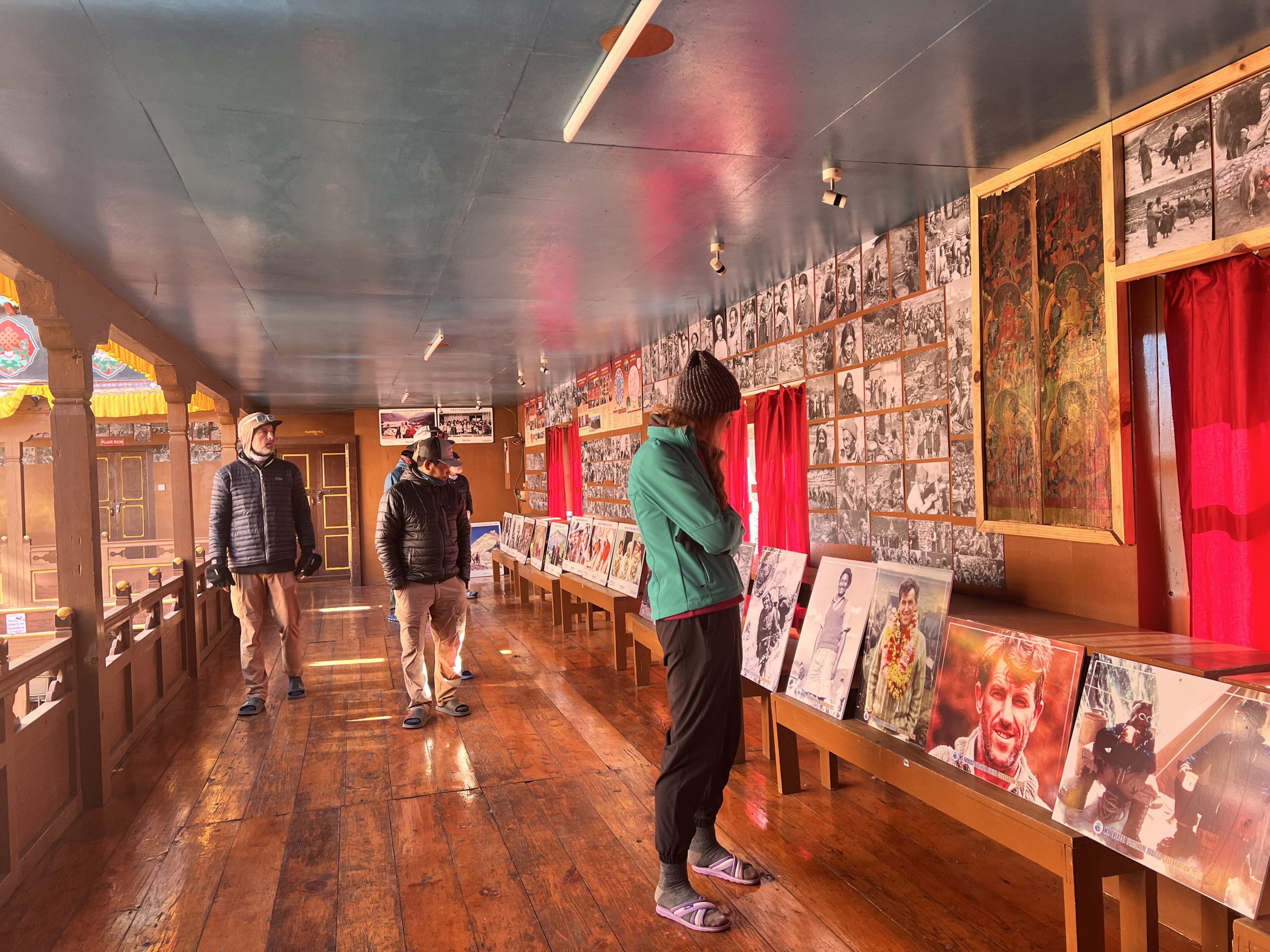
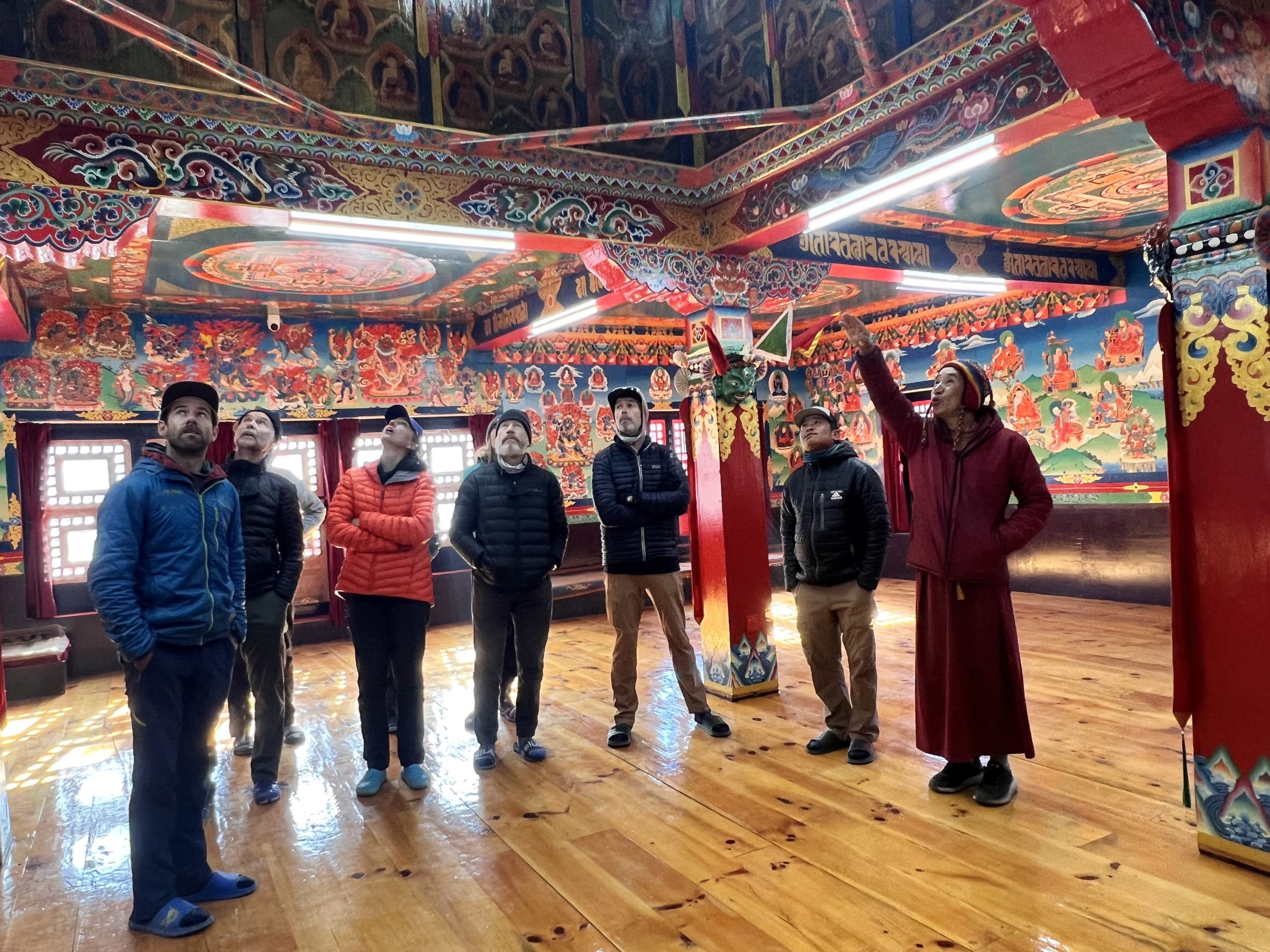
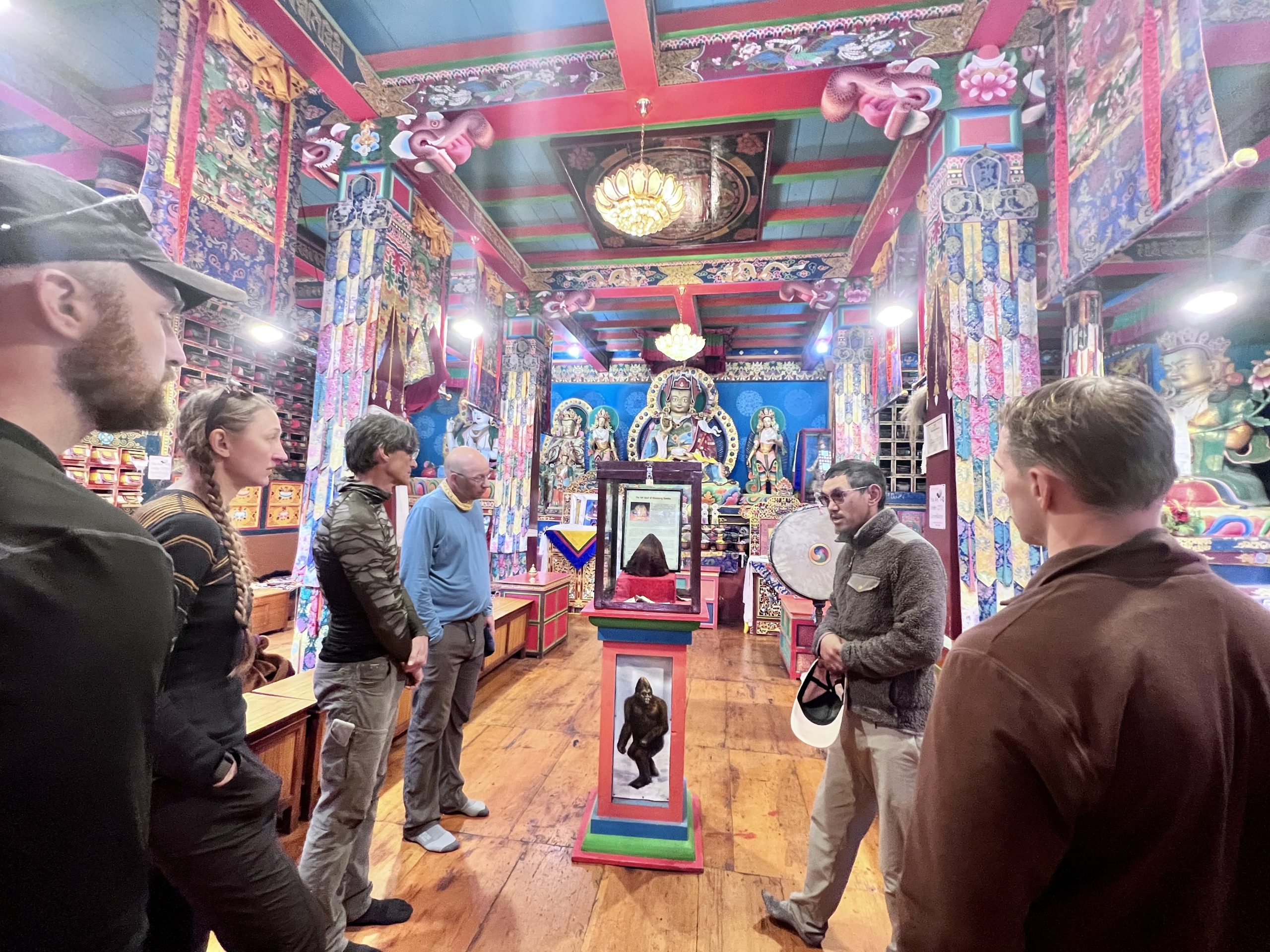
Today is our scheduled acclimatization day, where it’s recommended to stay active rather than idle. Options include a hike to Thame, a visit to Khunde, or exploring Namche Bazaar itself. Namche Bazaar serves as the main hub of the Everest region, offering various amenities such as government offices, ATMs, internet cafes, shops, and restaurants. We can also explore the Tourist Visitor Center near Sagarmatha National Park headquarters, learning about Everest’s first ascenders, Sherpa culture, and regional flora and fauna. An excursion to Khumjung and a visit to the Everest View Hotel, offering stunning mountain views, are also on the agenda. Highlights include the Khumjung monastery, home to a yeti scalp, and a visit to the Hillary School. After lunch and exploration, we return to Namche Bazaar for the night, staying at Yeti Mountain Home or a similar hotel.


After breakfast, we begin our trek towards Pangboche, enjoying stunning views of Mt. Everest, Nuptse, Lhotse, Ama Dablam, and Thamserku. The trail offers a gradual ascent with occasional ups and downs, providing breathtaking vistas of the Himalayas. Along the way, we may encounter wildlife such as pheasants, musk deer, or Himalayan Thar. Passing through Kayangjuma and Sansa, major trail junctions, we continue through pine forests and cross a bridge adorned with prayer flags over the Dudh Koshi River. After reaching Phunki Thenga for lunch, we embark on a challenging climb through pine forests to Tengboche, known for its close-up views of Ama-Dablam, Nuptse, and Everest, as well as the largest Buddhist monastery in the Khumbu region. Continuing through rhododendron forests, we arrive at Deboche for the night, staying at Hotel Rivendell.
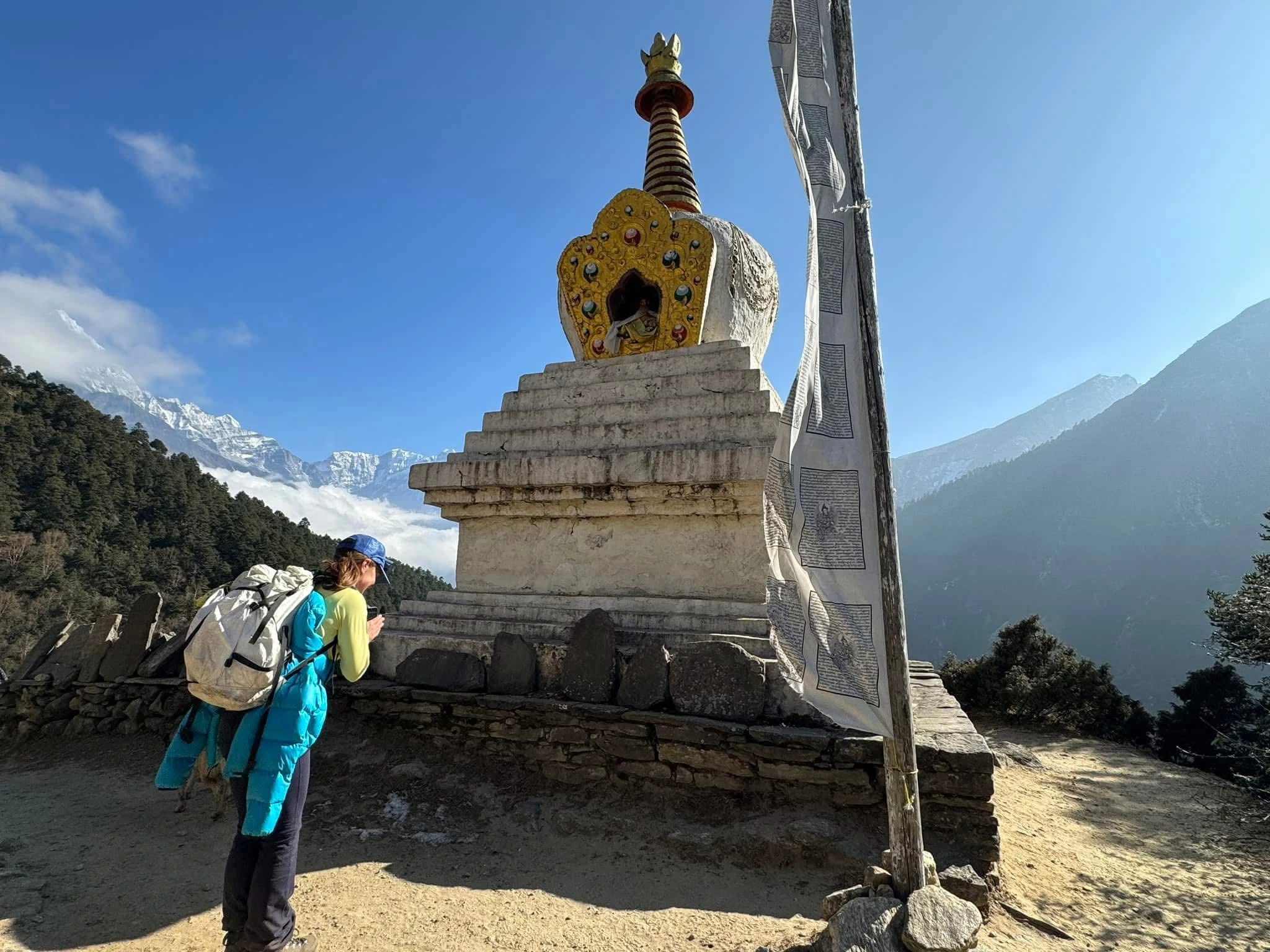
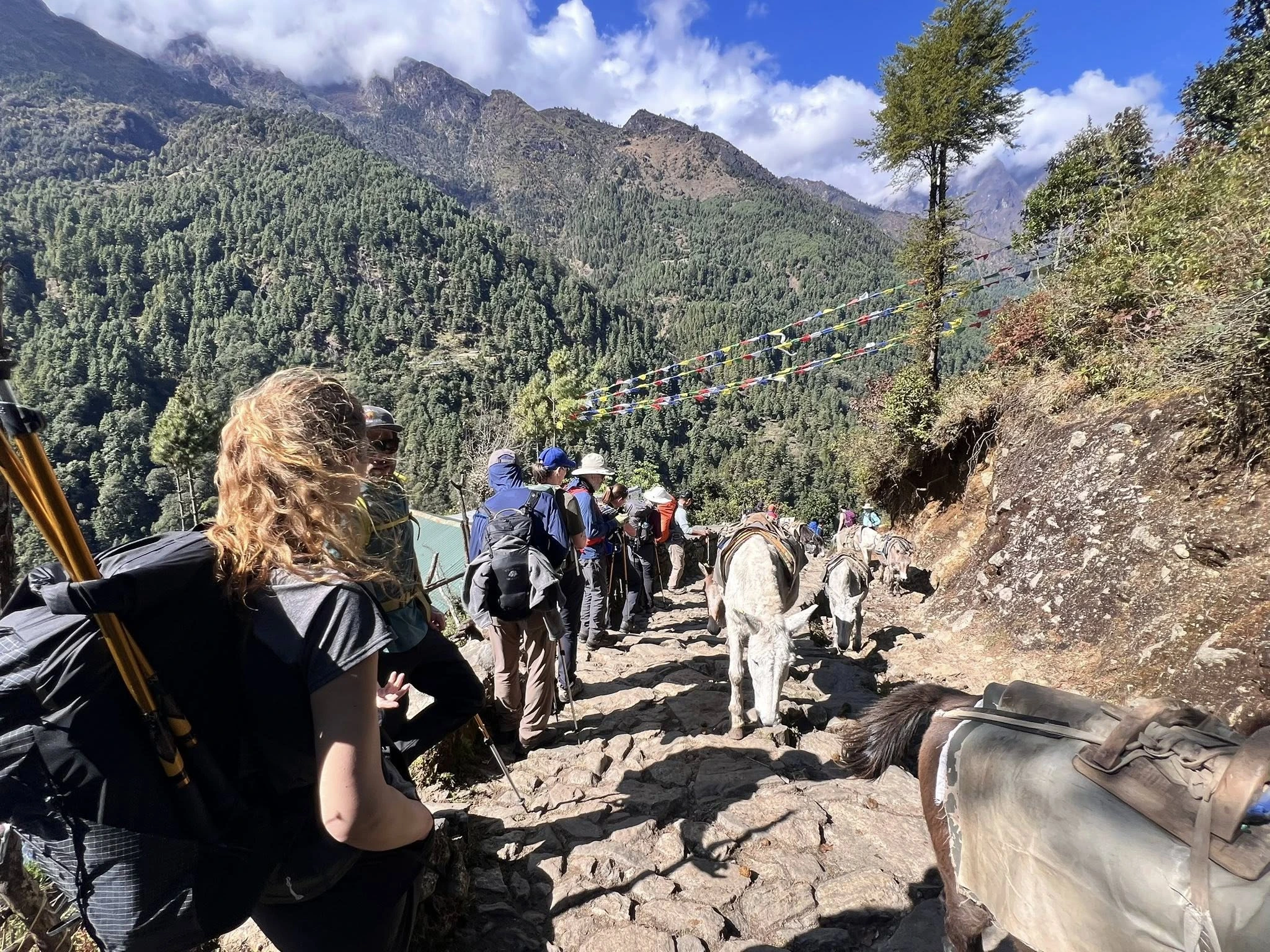
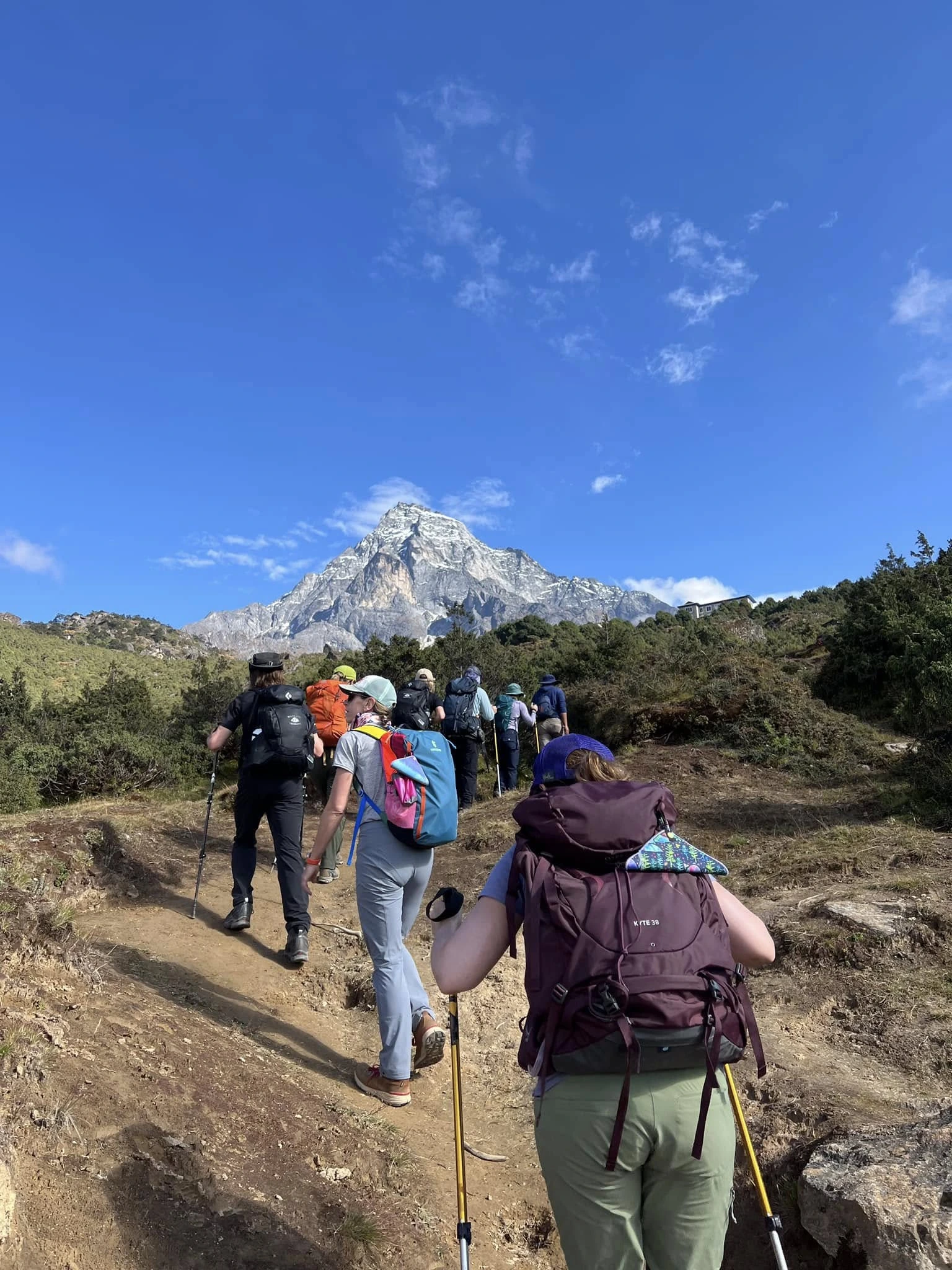
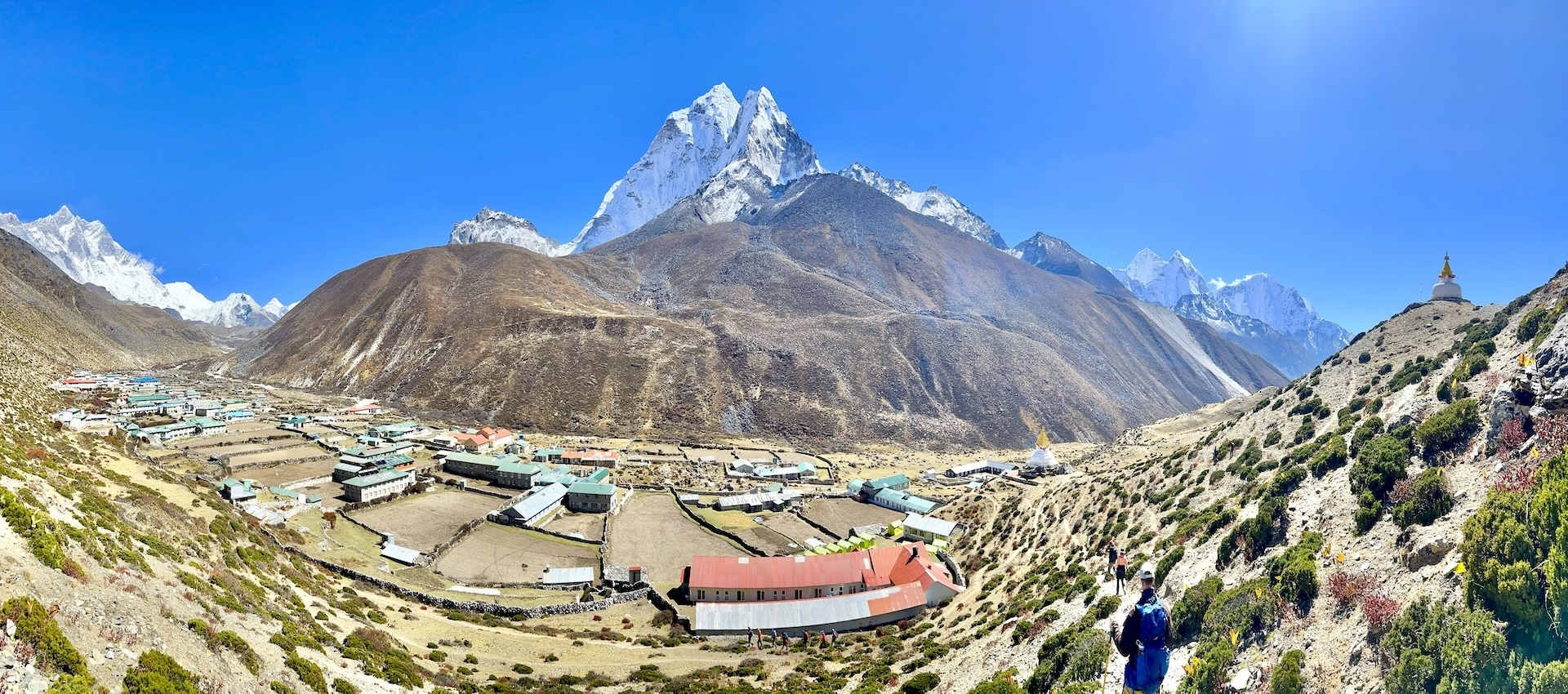
After breakfast, we commence our trek, passing through charming villages adorned with chortens and mani walls. Along the way, we savor lunch with stunning views of Ama-Dablam. In the afternoon, we head north to Pheriche or take the eastward trail beneath the towering north face of Ama Dablam. As we enter the Imja Valley, the terrain becomes more moderate. Approaching the confluence of the Lobuche River, the valley opens up, and after descending to the river, we face the day’s final steep climb to Dingboche. Upon arrival, we’re greeted by picturesque fields shielded by stone walls, cultivating barley, buckwheat, and potatoes. Overnight stay at a local lodge in Dingboche.
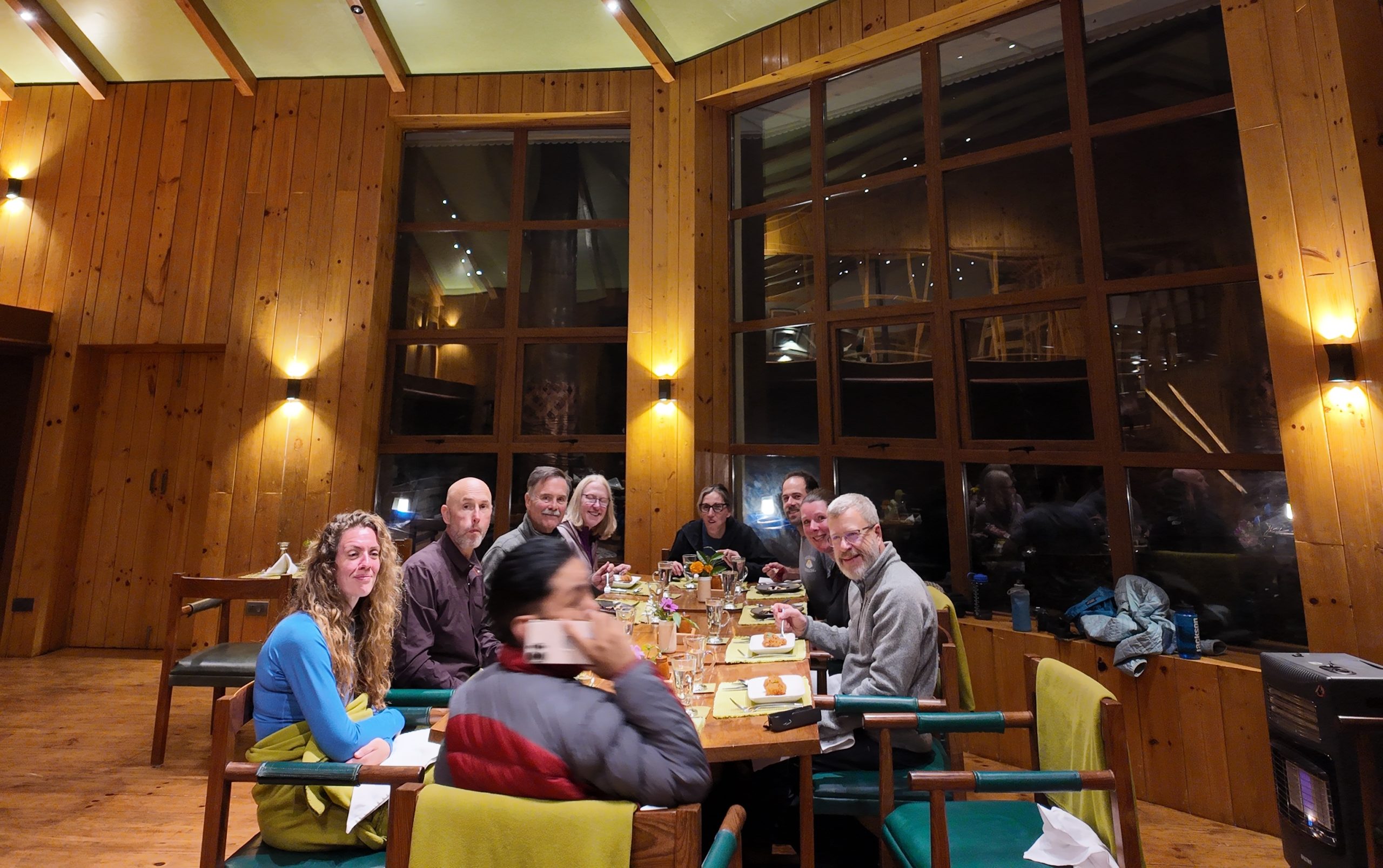

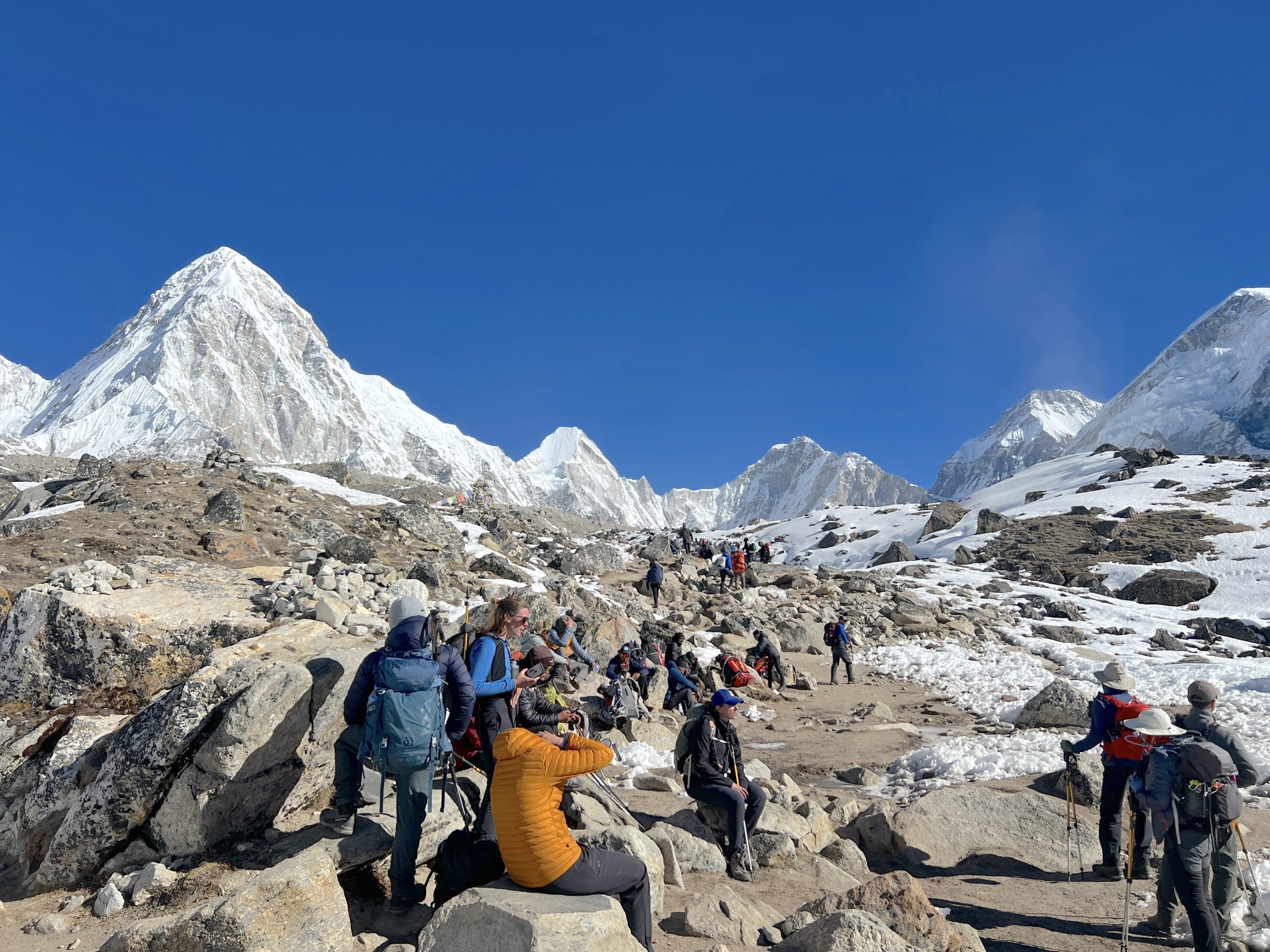
Today is a rest day, allowing us to explore the area around Chhukung, which sits at an altitude of 4,710 meters. We set out from Dingboche, located at 4,410 meters, and embark on a trek to Chhukung. Along the way, we are treated to breathtaking views of the surrounding Himalayan peaks, including Ama Dablam, Lhotse, and Island Peak. Upon reaching Chhukung, we have the opportunity to soak in the serene mountain scenery and perhaps enjoy a hot beverage at one of the local teahouses. After spending some time exploring the area, we retrace our steps back to Dingboche, where we can relax and unwind after our day of exploration.
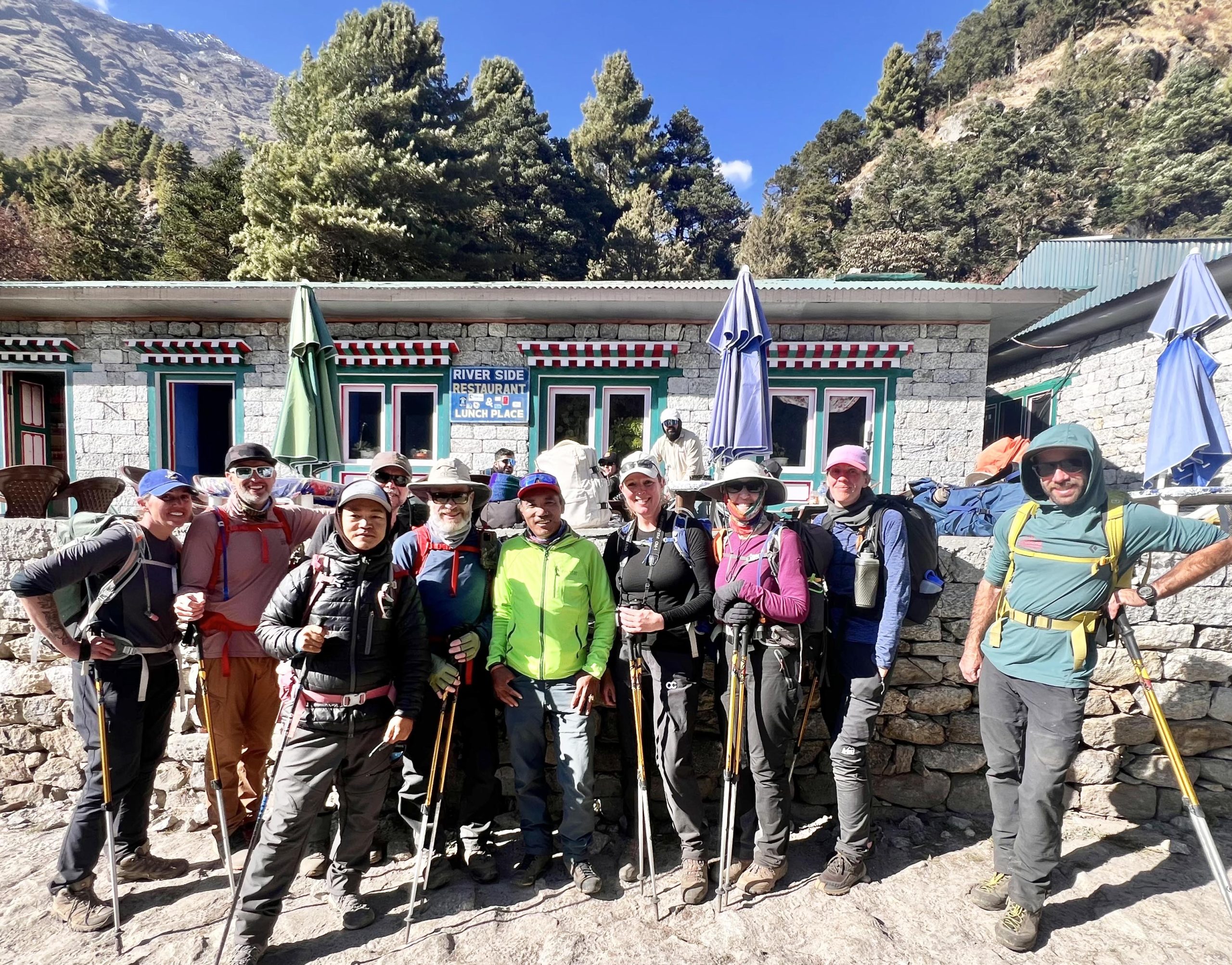
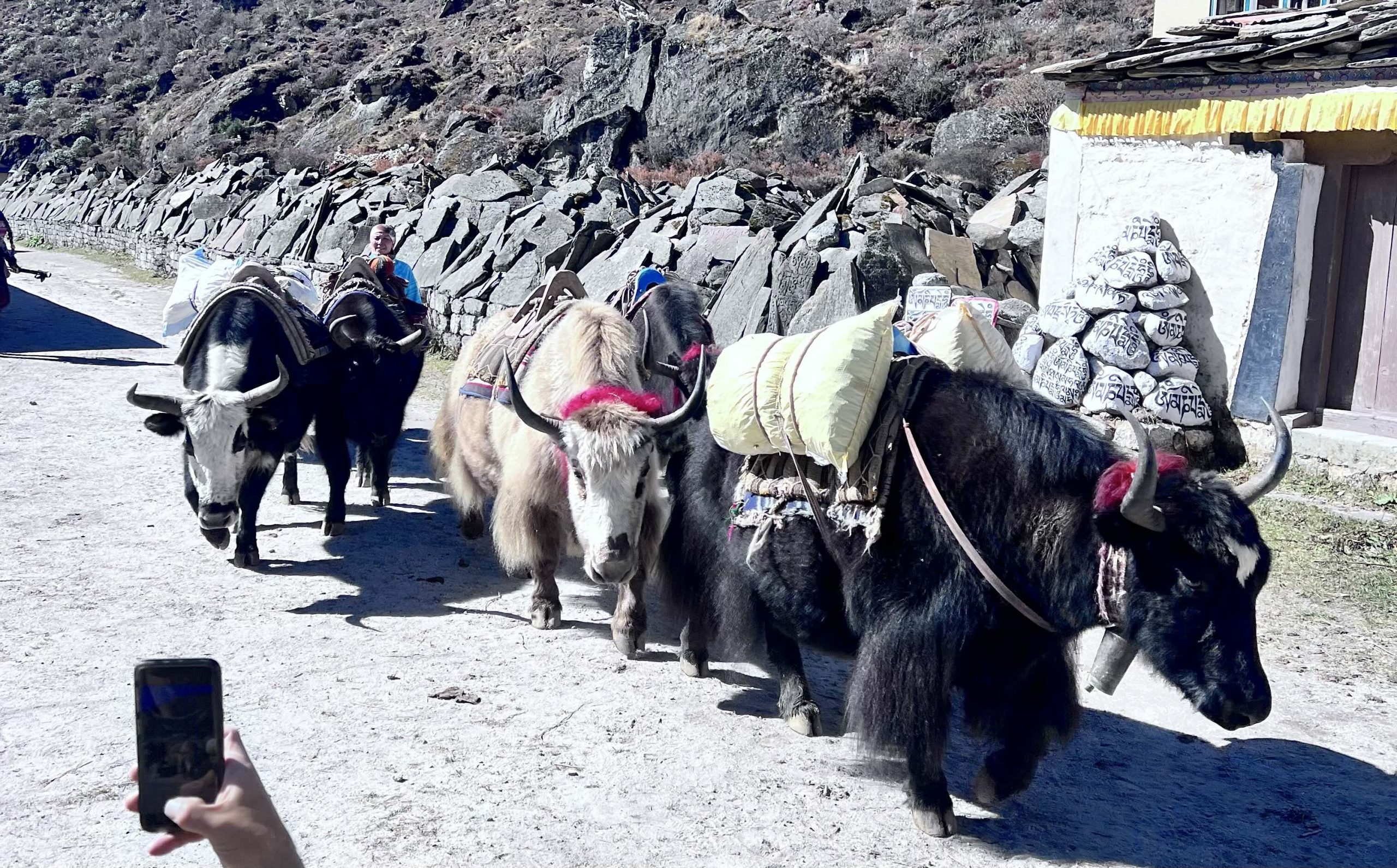
From Dingboche walk climbs to a ridge marked with prayer flags and Stupas, then walking on nice gradual uphill facing marvelous scenery to reach at a small place in Thugla where Khumbu glaciers melts into a torrential river.
A perfect place for rest and lunch stop, where afternoon walks leads to a steep climb at Thugla hill a place with memorials of unfortunate climbers who died on climbs around mountains of Khumbu and Everest.
Walk continues for another few hours on nice gradual up to Lobuche for overnight stop, a place with several nice lodges with views of Nuptse and Lobuche peaks.
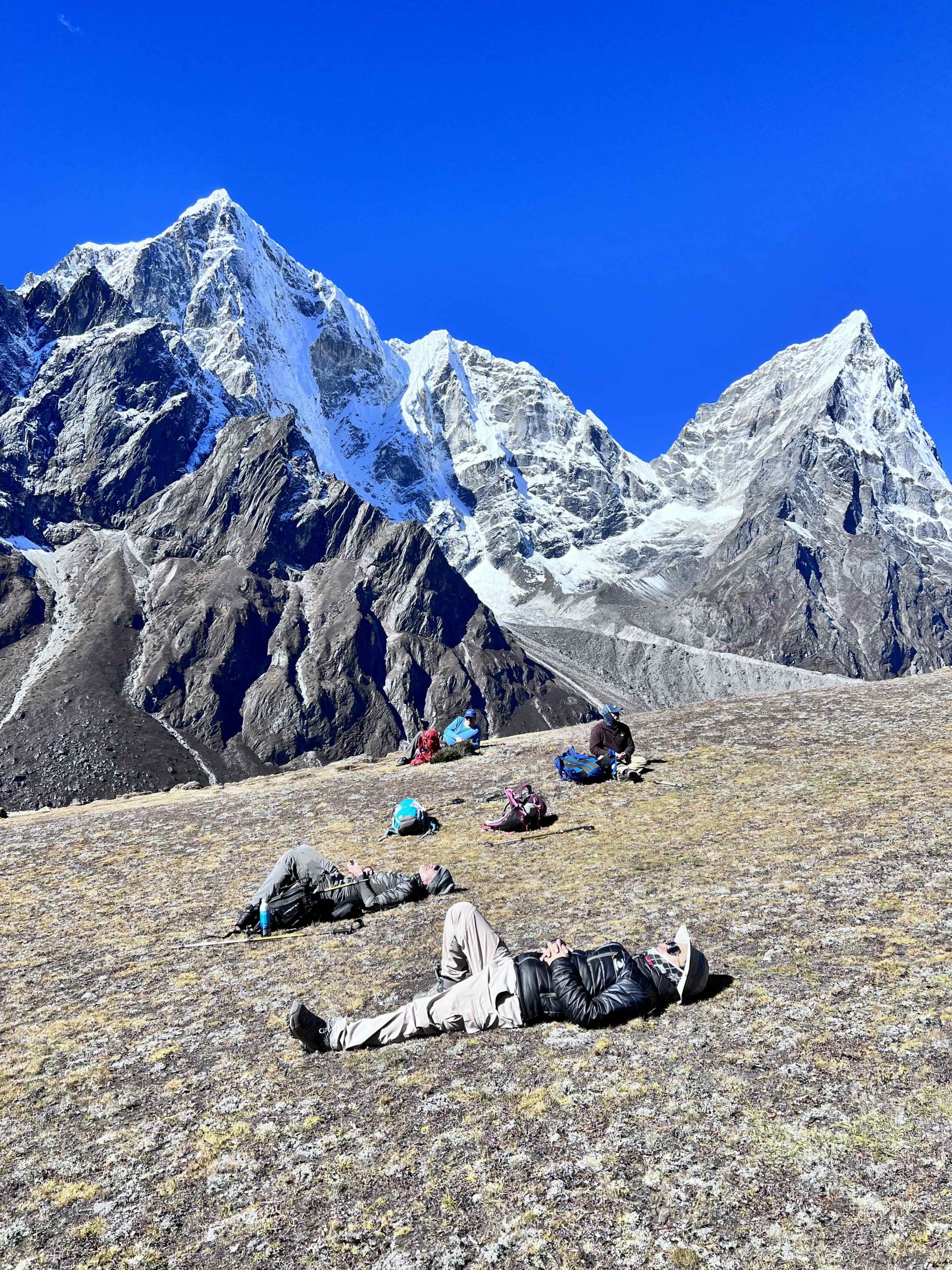
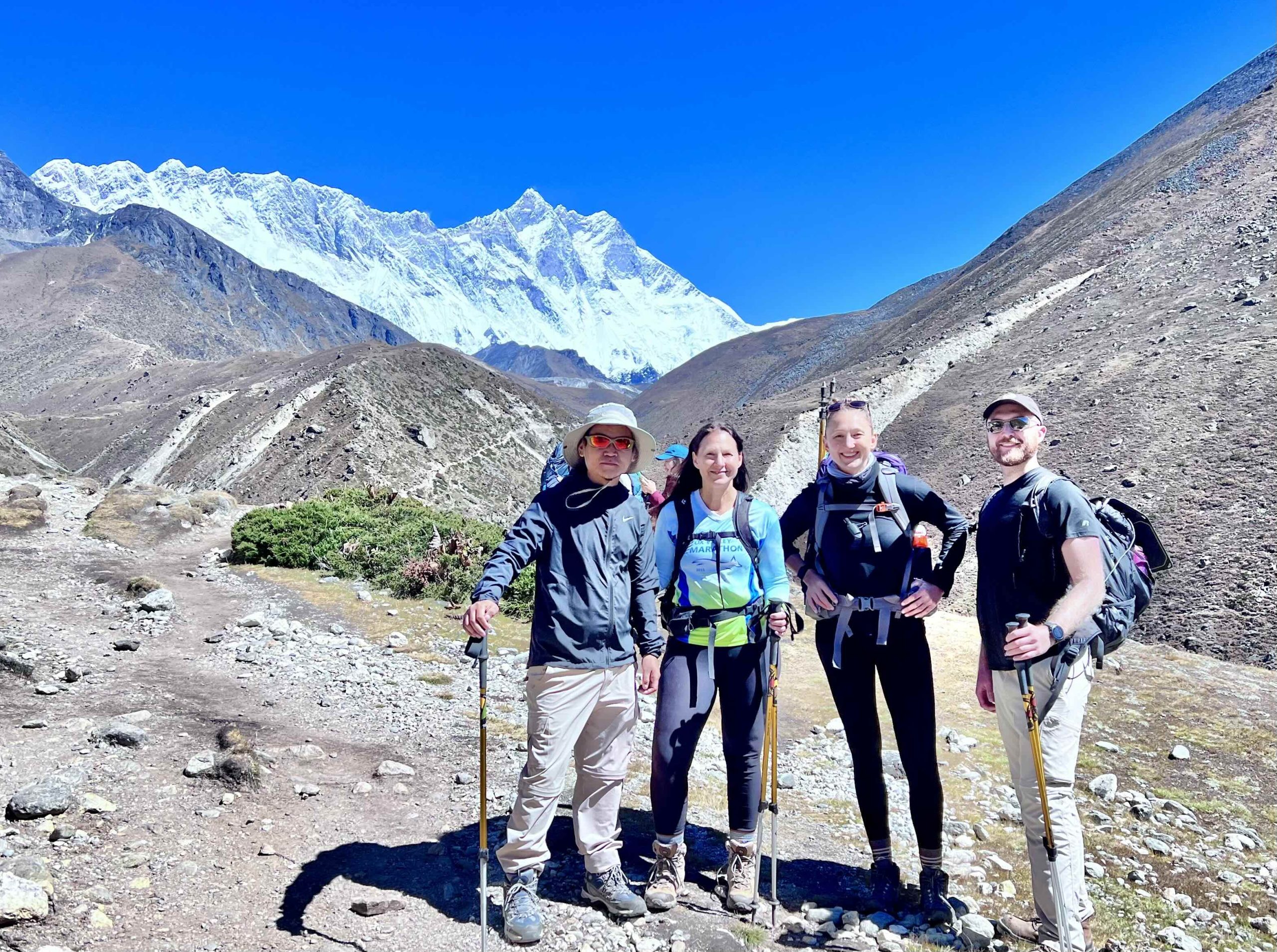
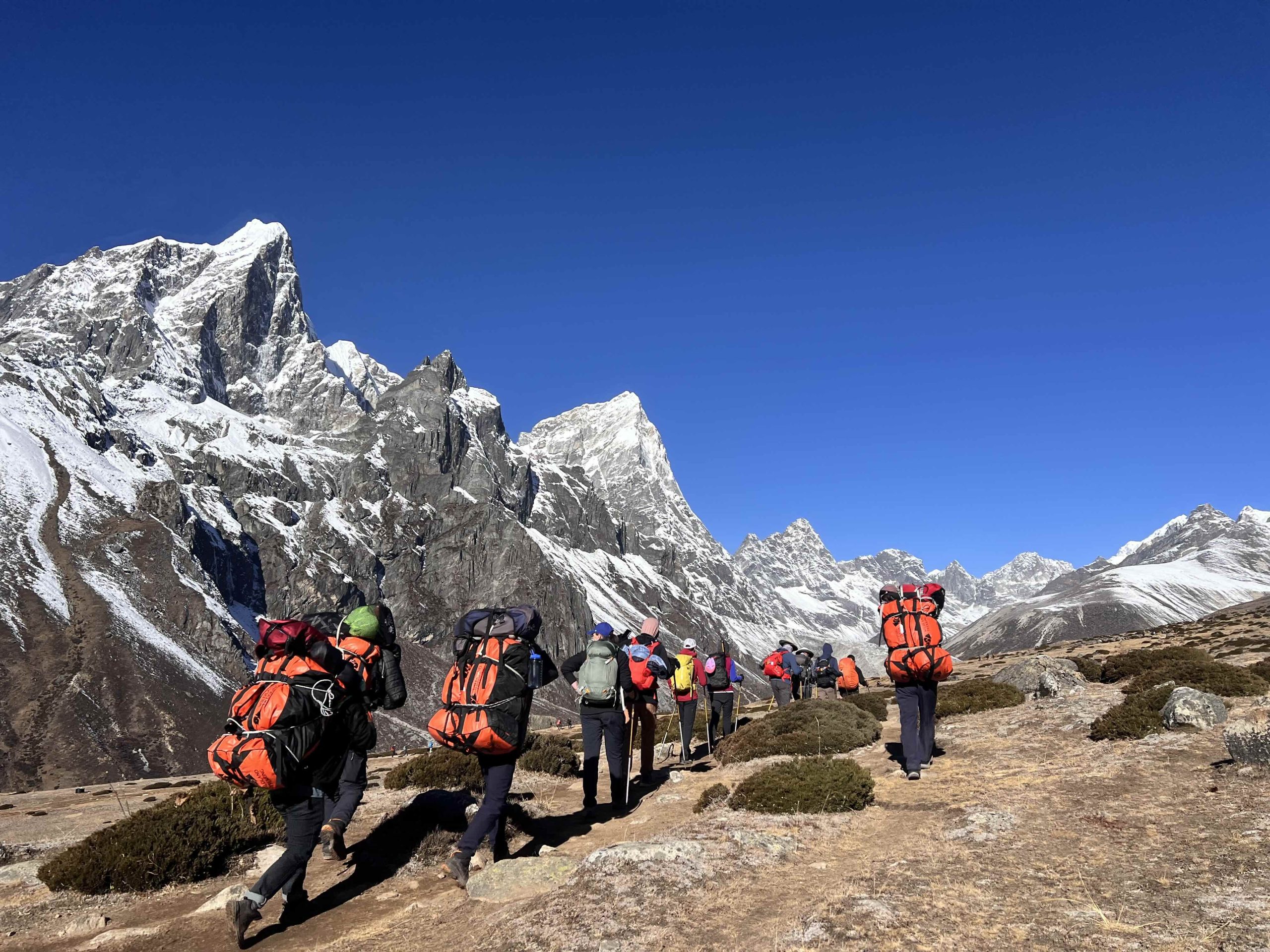
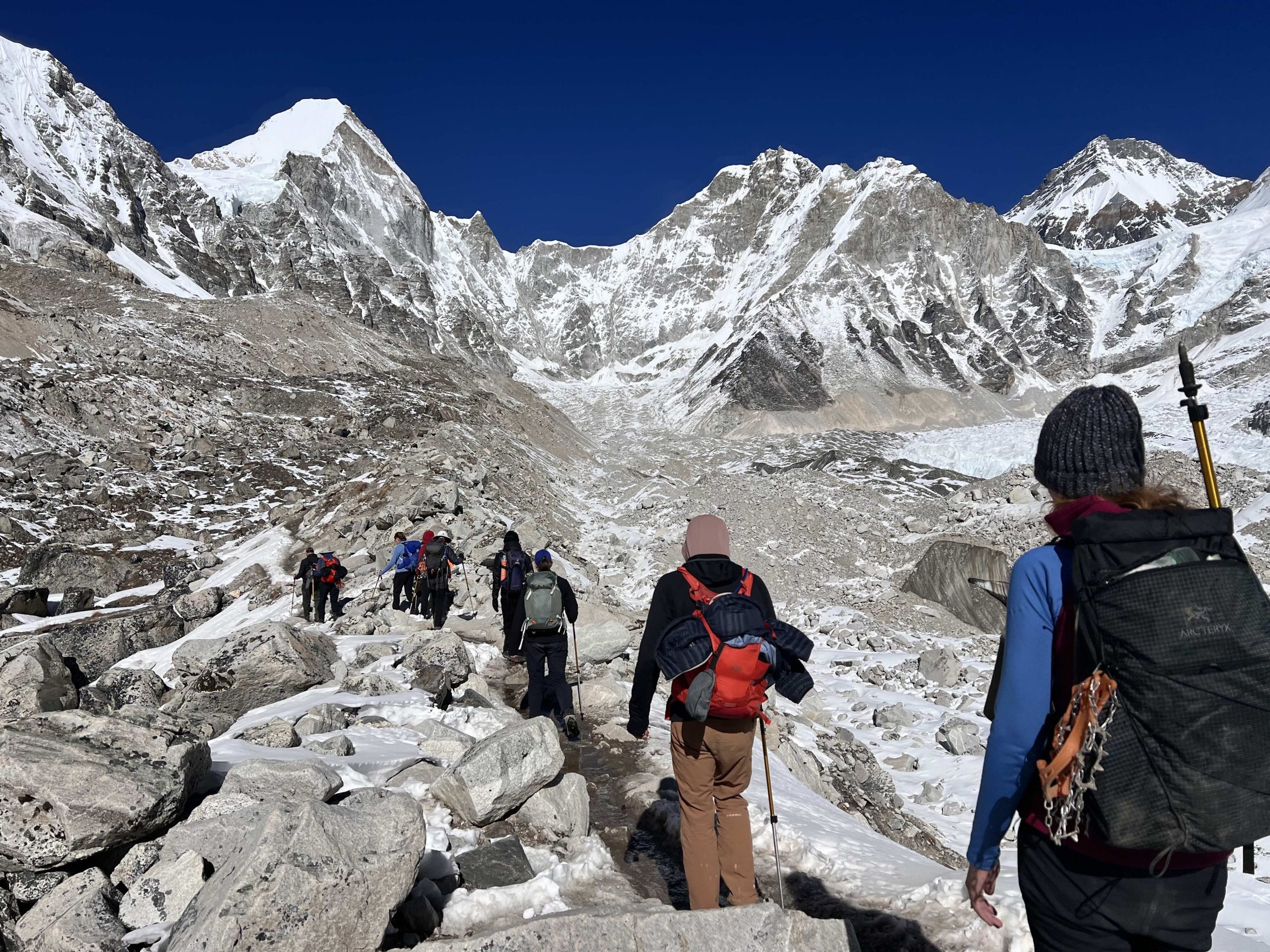
The trail to Gorak Shep passes through the lateral moraine of the Khumbu Glacier, offering stunning views of Everest, Pumori, Mahalangur, Lingtern, Khumbutse, and Nuptse. A short ascent to Thangma Riju provides a 360-degree vista of snowy mountains. Upon reaching Gorak Shep, surrounded by snow-capped peaks, we rest briefly before heading to Everest Base Camp, passing by the Indian army mountaineers’ memorials. Although Everest isn’t visible from base camp, the experience is awe-inspiring. For a breathtaking sunset view, we hike to Kala Patthar today. Overnight stay at a local lodge in Gorak Shep.


After completing the Everest Base Camp trek, we take a well-deserved rest day in Kathmandu. This allows us to relax and recuperate from our adventure. We can spend the day exploring the vibrant streets of Kathmandu, visiting cultural landmarks, or simply unwinding at our hotel. It’s a perfect opportunity to reflect on our journey and cherish the memories made along the way.


Today marks the end of our journey. We spend the day organizing photos and exchanging emails with travel companions. If time allows, we may do some last-minute shopping or sightseeing. A representative from Lhasso Adventure will ensure we reach the airport three hours before our scheduled flight. As we head home, we already start planning our next adventure in Nepal.
Our standard itinerary may vary slightly due to weather, trail conditions, government regulations, or individual health needs. In all cases, Lhasso Adventure guides evaluate the situation and find the best safe alternative. We recommend arriving in Kathmandu at least one day before the trek start date, and booking international flights with 2–3 buffer days after your return date.
At Lhasso Adventure, we believe travel should create a positive impact. That’s why we donate 10% of our profits to the Mother and Children Art Foundation (MCAF), supporting education, healthcare, and sustainable opportunities for underprivileged women and children across Nepal.
Through our partnership with MCAF, we also support community initiatives, including medical health camps, school volunteering programs, and projects that improve the well-being of local mountain communities. Every trek with us helps give back to the people who make Nepal truly special.
Lhasso Adventure holds active membership with Nepal’s leading trekking bodies and enforces strict responsible tourism standards on every departure.


All Lhasso Adventure group departures for the Luxury Everest Base Camp Trek have a maximum of 16 participants. Small groups mean a more personal experience, better acclimatization monitoring, and less impact on the trail. Can't find a date that works? We also offer private departures on any date,
| Start | Finish | Availability | Price | |
|---|---|---|---|---|
| 05/10/2026 | 17/10/2026 | Trip Status available | Starting from $ 4870 | Book Now |
| 14/10/2026 | 26/10/2026 | Trip Status available | Starting from $ 4870 | Book Now |
| 06/11/2026 | 18/11/2026 | Trip Status available | Starting from $ 4870 | Book Now |
| 14/11/2026 | 26/11/2026 | Trip Status available | Starting from $ 4870 | Book Now |
| 02/12/2026 | 14/12/2026 | Trip Status available | Starting from $ 4870 | Book Now |
| 16/12/2026 | 28/12/2026 | Trip Status available | Starting from $ 4870 | Book Now |
| 08/01/2027 | 20/01/2027 | Trip Status available | Starting from $ 4870 | Book Now |
| 12/01/2027 | 24/01/2027 | Trip Status available | Starting from $ 4870 | Book Now |
| 10/02/2027 | 22/02/2027 | Trip Status available | Starting from $ 4870 | Book Now |
| 14/02/2027 | 26/02/2027 | Trip Status available | Starting from $ 4870 | Book Now |
| 04/03/2027 | 16/03/2027 | Trip Status available | Starting from $ 4870 | Book Now |
| 16/03/2027 | 28/03/2027 | Trip Status available | Starting from $ 4870 | Book Now |
| 01/04/2027 | 13/04/2027 | Trip Status available | Starting from $ 4870 | Book Now |
| 01/04/2027 | 13/04/2027 | Trip Status available | Starting from $ 4870 | Book Now |
| 15/04/2027 | 27/04/2027 | Trip Status available | Starting from $ 4870 | Book Now |
| 08/05/2027 | 20/05/2027 | Trip Status available | Starting from $ 4870 | Book Now |
| 12/05/2027 | 24/05/2027 | Trip Status available | Starting from $ 4870 | Book Now |
| 04/06/2027 | 16/06/2027 | Trip Status available | Starting from $ 4870 | Book Now |
| 16/06/2027 | 16/06/2027 | Trip Status available | Starting from $ 4870 | Book Now |
| 02/07/2027 | 14/07/2027 | Trip Status available | Starting from $ 4870 | Book Now |
| 02/08/2027 | 14/08/2027 | Trip Status available | Starting from $ 4870 | Book Now |
| 14/08/2027 | 26/08/2027 | Trip Status available | Starting from $ 4870 | Book Now |
Looking for personalized. We organize privately guided journey which is mainly designed to fit your taste and interest. Please fill out the form below to get started.
Lhasso Adventure provides a 70–80L duffel bag for your porter to carry (keep it under 20-25 kg). You can rent a 4-season sleeping bag or down jacket for USD 35 each, let us know before the trek starts. You can store non-trekking items at your Kathmandu hotel at no extra cost.
In addition to making trekking more enjoyable, having the appropriate gear guarantees your safety and readiness for a range of situations. Regardless of skill level, every hiker has to invest in high-quality equipment and understand how to utilize it properly. A delightful journey can differ from a difficult ordeal depending on the level of planning and equipment used. Please make your selections of the necessary equipment from the list below.
This trek follows the exact same route to Everest Base Camp as the standard version, but the accommodation and support services along the way are a different tier entirely.
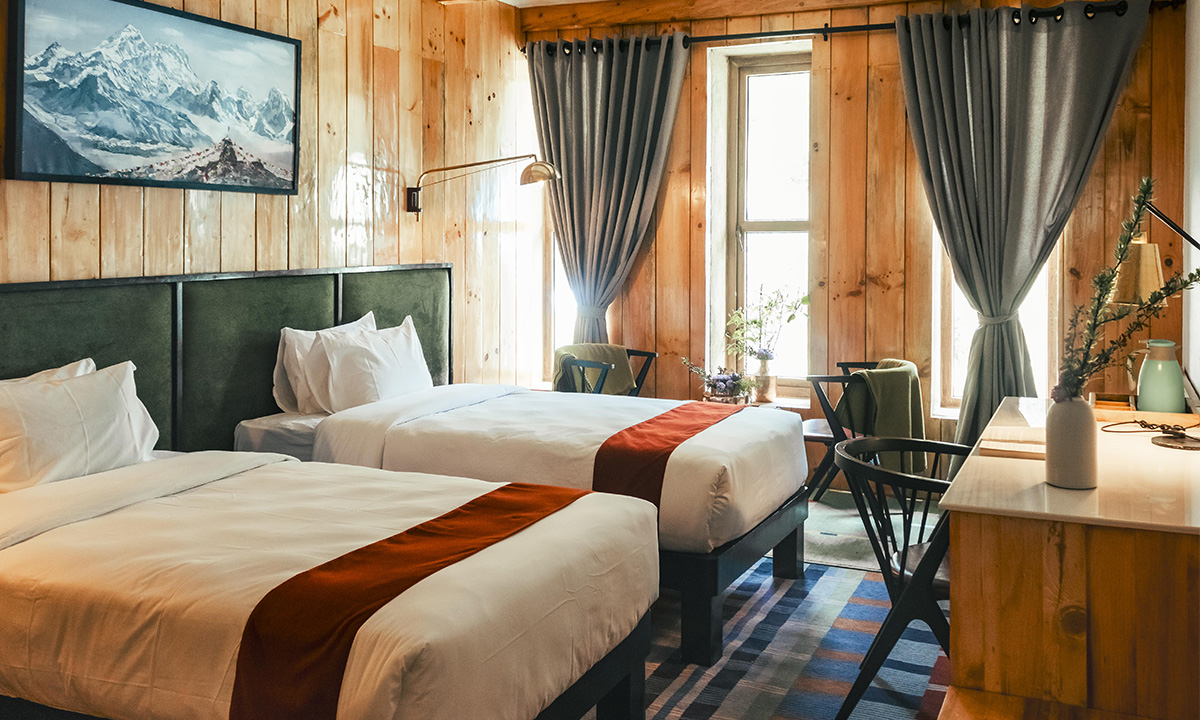
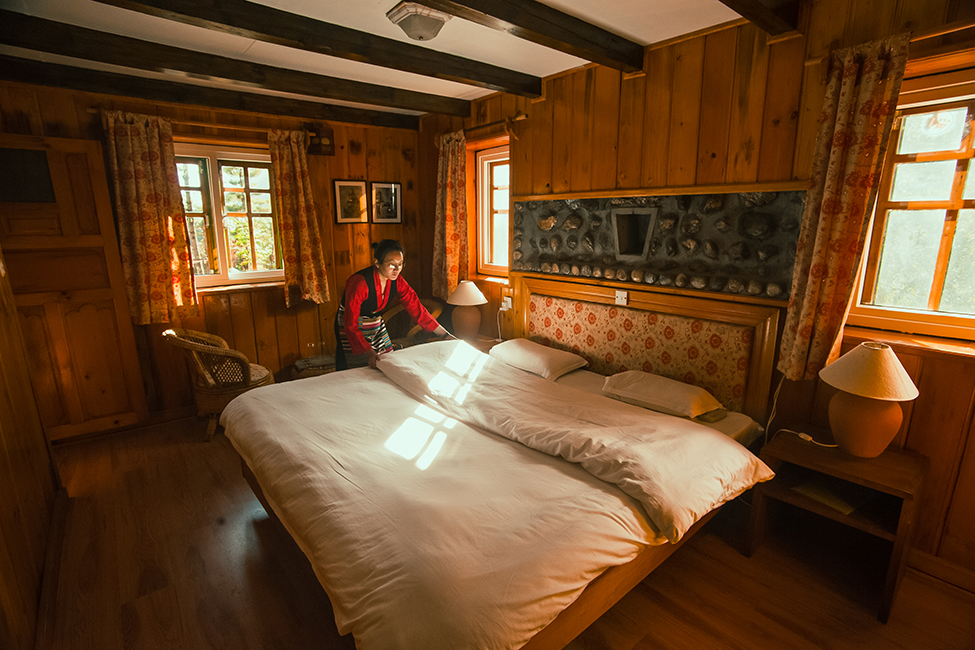
Comfort here comes down to lodges rather than teahouses, with private rooms, proper heating, and attached bathrooms replacing the basic shared setups found on standard itineraries.
Premium packages also include private airport assistance and a higher guide-to-trekker ratio, easing logistics from the moment you land in Kathmandu.
Some itineraries add a helicopter return from Gorakshep or Kala Patthar, cutting two to three trekking days while delivering aerial views most trekkers never see.
The route and destination stay identical either way, so the real difference lies entirely in how comfortably you get there and back.
The strongest package balances comfort with acclimatization, since even the best lodges can’t compensate for a rushed altitude schedule.
Look for itineraries built around high-quality lodges, experienced guides, and dedicated acclimatization days at Namche and Dingboche rather than compressed trekking days.
Domestic flight reliability matters just as much as the lodges themselves, given how frequently Lukla weather disrupts poorly buffered itineraries.
Ground support and evacuation planning separate strong operators from weaker ones, particularly once trekkers pass 4,000 meters near Lobuche.
Price shouldn’t be the deciding factor here, since the real value sits in itinerary design, guide expertise, and how well logistics hold up when weather doesn’t cooperate.
A standard luxury package covers accommodation, meals during the trek, domestic flights, permits, guides, and porter support from Lukla to Everest Base Camp and back.
Inclusions vary meaningfully between operators, so confirming exactly what’s covered before booking avoids unexpected costs mid-trek.
Premium itineraries typically add private airport transfers, upgraded lodges wherever available, and a higher staff-to-trekker ratio compared to standard packages.
Some packages bundle in extras like a welcome dinner in Kathmandu or a helicopter return from Gorakshep, both of which add real value beyond the trekking days themselves.
Knowing precisely what’s included, and what isn’t, remains the clearest way to compare packages accurately across different operators.
Most itineraries follow the traditional route through Namche Bazaar, Tengboche, Dingboche, and Lobuche before reaching Everest Base Camp and Kala Patthar.
The destinations stay the same as a standard trek, but pacing is deliberately gentler, with extra rest built into higher-altitude stops.
Acclimatization days are placed strategically at Namche and Dingboche, supporting safer altitude gain before the push toward Base Camp.
Upgraded lodges are used wherever available along the trail, though options thin out considerably above Dingboche regardless of package tier.
The day-by-day structure ultimately mirrors a standard itinerary closely, with the real differences showing up in accommodation quality and logistical buffer rather than the route itself.
A helicopter return replaces several days of retracing the same trail back to Lukla with a single scenic flight from the Everest region.
Aerial views over glaciers and high peaks make this option genuinely memorable, offering a perspective ground-based trekking simply can’t match.
It suits trekkers with limited time, tired legs, or anyone wanting to reduce the physical toll of the return journey after reaching Base Camp.
The tradeoff comes down to cost, since a helicopter return adds a meaningful premium on top of the base trekking package.
Whether it’s worth it depends largely on how much your remaining schedule and physical condition are worth to you at that point in the trek.
Choosing between the two ultimately comes down to budget, comfort expectations, and how you want to experience the Khumbu region.
Both options deliver the same core experience: the Everest route, Sherpa culture along the way, and the achievement of reaching Base Camp itself.
Some trekkers prefer the simplicity of traditional teahouses, valuing the authenticity of a basic mountain stay over added comfort.
Others place more weight on private rooms, better meals, and premium logistics, especially on longer treks where fatigue accumulates.
Your own physical comfort requirements and trekking goals, more than anything else, should decide which version fits you best.
| Group Size | Luxury Everest Base Camp Trek | Everest Base Camp Trek |
|---|---|---|
| 2–4 Pax | US$4,870 | US$1,815 |
| 5–7 Pax | US$4,467 | US$1,665 |
| 8–10 Pax | US$4,288 | US$1,598 |
| 11–13 Pax | US$4,116 | US$1,534 |
| 14–16 Pax | US$3,910 | US$1,457 |
Packing still requires real preparation here, even though accommodation standards sit well above a standard trek.
Comfortable lodges reduce the need for a few bulky comfort items, but proper layering and cold-weather gear remain non-negotiable above Namche Bazaar.
Luxury trekking doesn’t remove the Himalayan environment’s basic demands, so a four-season sleeping bag and solid trekking boots still belong in every pack.
Choosing the right clothing helps regulate body temperature across the sharp swings between valley warmth and high-altitude cold near Base Camp.
A well-planned gear list avoids overpacking while still covering everything genuinely needed for the trek’s higher elevations.
Yes, seniors complete this trek regularly, provided they prepare properly and keep expectations realistic about pacing.
Age alone isn’t the deciding factor, since cardiovascular fitness and prior trekking experience influence outcomes far more.
Premium lodges and better meals make recovery noticeably easier, which matters more for older trekkers managing consecutive high-altitude days.
Enhanced support services, including a higher guide ratio, add an extra layer of safety that benefits senior trekkers specifically.
With a gradual pace and sufficient acclimatization days built in, reaching Base Camp remains a realistic goal for active seniors on this route.
Pricing starts at US$4,870 per person for groups of 2 to 4, reflecting the upgraded lodges and services built into this package.
Costs drop as group size increases, falling to US$4,467 for 5 to 7 trekkers and US$4,288 for groups of 8 to 10.
Larger groups see further savings, with 11 to 13 trekkers paying US$4,116 per person, down to US$3,910 for the largest bracket of 14 to 16.
Guide services, domestic flights, and lodge quality all factor into these figures well before optional upgrades like a helicopter return enter the picture.
Understanding this pricing structure upfront helps set realistic expectations before comparing packages across different operators.
| Group Size | Price per Person (USD) |
|---|---|
| 2–4 Pax | $4,870 |
| 5–7 Pax | $4,467 |
| 8–10 Pax | $4,288 |
| 11–13 Pax | $4,116 |
| 14–16 Pax | $3,910 |
The total price covers far more than lodging alone, including permits, domestic flights, guide and porter services, and meals throughout the trek.
A significant portion of the cost goes toward logistics and safety planning, not just the upgraded rooms trekkers see each night.
Experienced trekking staff and ground support add real value here, particularly once the route pushes past 4,000 meters near Lobuche.
Optional add-ons like a helicopter return, private departures, or premium Kathmandu hotel stays further shift the final price upward.
Seeing exactly where the budget goes makes it easier to understand why costs vary meaningfully between operators offering similar-sounding packages.
For many trekkers, yes, since the added cost buys a meaningfully more comfortable version of the same iconic route and summit views.
The trail, mountain scenery, and sense of accomplishment at Base Camp remain identical to the standard trek regardless of package tier.
What changes is the quality of rest between demanding trekking days, which matters more than most first-time trekkers expect at altitude.
Whether the upgrade earns its price ultimately depends on your personal comfort priorities and overall trip budget.
For trekkers who want the Everest experience without sacrificing recovery quality, the premium tier often justifies its cost.
This trek is considerably more comfortable than a standard version, though it still involves the realities of trekking in a remote, high-altitude environment.
Premium lodges offer better rooms and dining areas wherever they’re available, but options do narrow the higher the trail climbs.
Trekkers shouldn’t expect city-level comfort, since even luxury lodges operate under the same power and water limitations found at altitude.
Comfort levels shift noticeably by location, with villages like Namche offering far more than remote stops closer to Base Camp.
Even with upgraded services, this remains an authentic Himalayan trek rather than a resort-style vacation.
Both treks follow the same route through the Khumbu region, ultimately reaching Everest Base Camp and Kala Patthar via identical trail stops.
Accommodation quality marks the clearest divide between the two, with luxury lodges offering private rooms and better facilities compared to standard teahouses.
Group sizes also tend to run smaller on luxury itineraries, allowing more personalized guide attention throughout the trek.
Standard treks stick to a traditional teahouse experience, while luxury versions often add optional helicopter returns and upgraded logistics.
Neither option is objectively better, since the right choice depends on whether comfort or overall trip cost matters more to you.
Yes, most operators allow adjustments to schedule, comfort level, and overall trip structure based on individual travel goals.
Trekkers commonly add extra acclimatization days, private guides, or a helicopter return to tailor the trip to their pace and budget.
Additional sightseeing before or after the trek is another common customization, particularly for travelers extending their time in Kathmandu.
How much flexibility is actually available depends heavily on the specific operator and how their base itinerary is structured.
Planning any customization well in advance ensures smoother logistics, since last-minute changes can strain availability at higher-altitude lodges.
Spring and autumn remain the strongest windows, offering the most stable weather and clearest mountain views for this trek.
Spring brings blooming rhododendron forests and milder temperatures, making the lower trekking days noticeably more pleasant.
Autumn counters with sharper visibility and drier trail conditions, ideal for trekkers prioritizing photography at Kala Patthar and Base Camp.
Flight reliability into Lukla also improves during these two windows, reducing the buffer days needed to absorb weather delays.
While trekking outside these seasons is possible, spring and autumn remain by far the most popular choices for a premium Everest experience.
The strongest lodges along this route combine comfortable rooms, quality dining, and locations that align well with acclimatization stops.
Not every village offers the same standard, so comfort levels shift noticeably as the trail climbs higher toward Base Camp.
Namche Bazaar and Tengboche host some of the better-known premium properties, benefiting from their positions as key overnight stops.
Above Dingboche, lodge quality narrows considerably regardless of package tier, since infrastructure itself becomes more limited at altitude.
Choosing an itinerary built around these stronger lodges can noticeably improve overall comfort without altering the route or destination itself.
If you have any more specific questions or need further details, please feel free to contact us anytime.
Contact UsLhasso Adventure offers a guided Luxury Everest Base Camp Trek with premium lodges, experienced local guides, and well-planned logistics, designed for travelers seeking comfort and a refined Everest experience.
The Luxury Everest Base Camp Trek with Lhasso Adventure costs USD 4,675 per person. Group bookings are eligible for special discounts, depending on group size.
The Luxury Everest Base Camp Trek follows a well-paced 13-day itinerary, including Kathmandu sightseeing, a scenic flight to Lukla, gradual trekking through Namche, Dingboche, and Lobuche, a visit to Everest Base Camp and Kala Patthar, and a comfortable return to Kathmandu, often by helicopter.
The trek typically lasts 12-14 days, including acclimatization days and time spent at Everest Base Camp.
Lhasso Adventure specializes in delivering a refined Everest experience with premium lodges, experienced local guides, personalized service, and carefully planned logistics, ensuring comfort, safety, and a truly memorable Luxury Everest Base Camp Trek.
A Luxury Everest Base Camp Trek offers higher comfort through premium lodges, private rooms where available, better meals, personalized service, and carefully managed logistics, while the standard trek uses basic teahouses and simpler facilities.
The best times to trek are from March to May and from September to November. These periods offer the most favorable weather conditions and clear views of the mountains.
Luxury lodges and high-end teahouses provide comfortable rooms with en-suite bathrooms, hot showers, and Wi-Fi access. Some lodges even offer amenities like heated blankets and gourmet meals.
You should have a good level of general fitness and be comfortable walking 5–6 hours a day. The luxury trek is well paced with acclimatization days, making it suitable for fit beginners.
While prior trekking experience is beneficial, it is not mandatory. However, being in good physical condition and having a positive attitude towards trekking is important.
The trek starts at Lukla (2,860 meters / 9,383 feet) and reaches up to Everest Base Camp (5,364 meters / 17,598 feet), with the highest point being Kala Patthar (5,545 meters / 18,192 feet).
Essential items include trekking boots, warm clothing, a down jacket, a sleeping bag, trekking poles, sunscreen, and personal first-aid supplies.
Yes, meals are typically included. The lodges offer a variety of Western, Nepali, and Tibetan dishes to cater to different tastes.
Most luxury lodges offer Wi-Fi and charging facilities, sometimes at an additional cost. Connectivity may be limited or slower at higher altitudes.
Acclimatization days are built into the itinerary to help trekkers adjust to the altitude. Staying hydrated, taking it slow, and knowing the symptoms of altitude sickness are crucial. In severe cases, descent is necessary, and guides are trained to handle such situations.
Yes, comprehensive travel insurance that covers high-altitude trekking and emergency evacuation is mandatory for the trek.
A team of experienced guides and porters will accompany you, ensuring your safety and comfort. Luxury treks often include additional support such as oxygen cylinders and portable altitude chambers.


