Himalayan Mountain Names & Meanings: Everest, K2, Annapurna, Kanchenjunga, & More.
December 13, 2025 Lhasso Adventure
The Himalayas are more than the world’s tallest mountains — they are a living archive of Himalayan mountain names, languages, myths, and ancient cultures. Each Himalayan peak carries a name passed down through Tibetan, Nepali, Sanskrit, Sherpa, and Balti traditions, reflecting local legends, spiritual beliefs, and natural wonders.
This guide explores the meanings of Himalayan peaks and mountain names, from Sagarmatha (Everest) and Kanchenjunga to Annapurna, Lhotse, and other iconic mountains, giving trekkers, mountaineers, and culture enthusiasts a deeper understanding of these majestic landscapes.
Mount Everest — Sagarmatha / Chomolungma
Height: 8,848.86 m
-
Nepali Name: Sagarmatha — “Forehead of the Sky”
-
Tibetan Name: Chomolungma — “Goddess Mother of the World”

Mount Everest is the world’s highest peak, attracting climbers and adventurers from all over the globe. Beyond its physical prominence, it has deep spiritual significance for local communities. Sagarmatha towers over the Nepalese sky, while Chomolungma underscores the reverence Tibetans hold for the mountain as a living goddess. The mountain also plays a central role in Sherpa culture and local myths, symbolizing endurance, wisdom, and protection.
K2 — The Savage Mountain
Height: 8,611 m
Meaning: “Karakoram 2” (Survey name), also called Chhogori in Balti, meaning “King of Mountains” or “Big Mountain.”
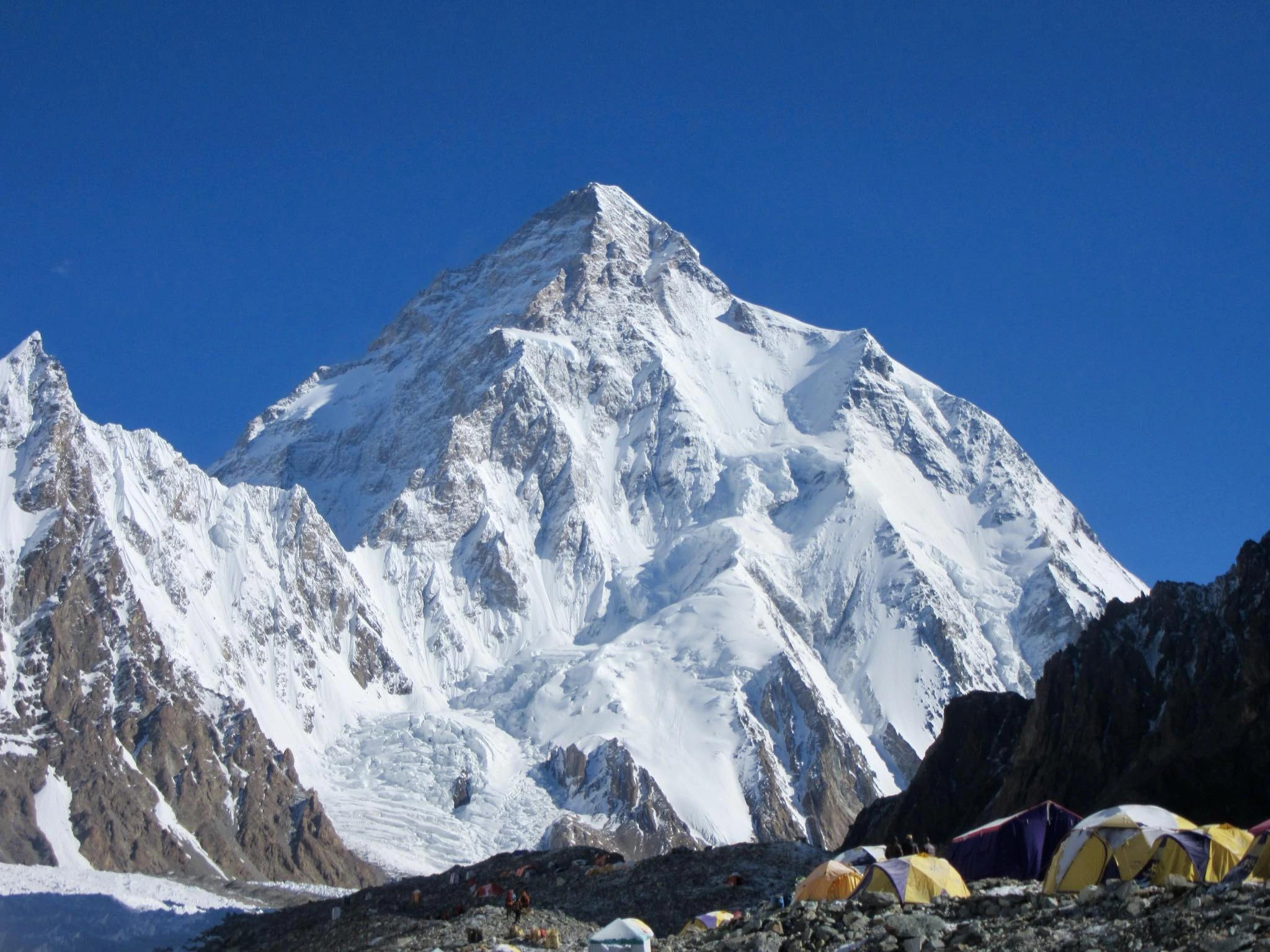
K2 is the second-highest mountain in the world, located on the Pakistan-China border in the Karakoram range. Unlike Everest, K2 was unnamed for many years until the British surveyors labeled it “K2” during the Great Trigonometric Survey. The local Balti name, Chhogori, reflects the mountain’s towering majesty.
K2 is famous for its extremely steep slopes and technical climbing challenges, earning the nickname “Savage Mountain.” For climbers, it is considered far more difficult than Everest, and its remote location adds to the sense of awe and respect surrounding it. K2 also holds cultural significance for local communities, who see it as a powerful natural guardian of the Karakoram region.
Kanchenjunga — The Five Treasures of the Great Snow
Height: 8,586 m
Meaning: “Five Treasures of the Great Snow” (Tibetan: Kang-Chen-Dzö-Nga)
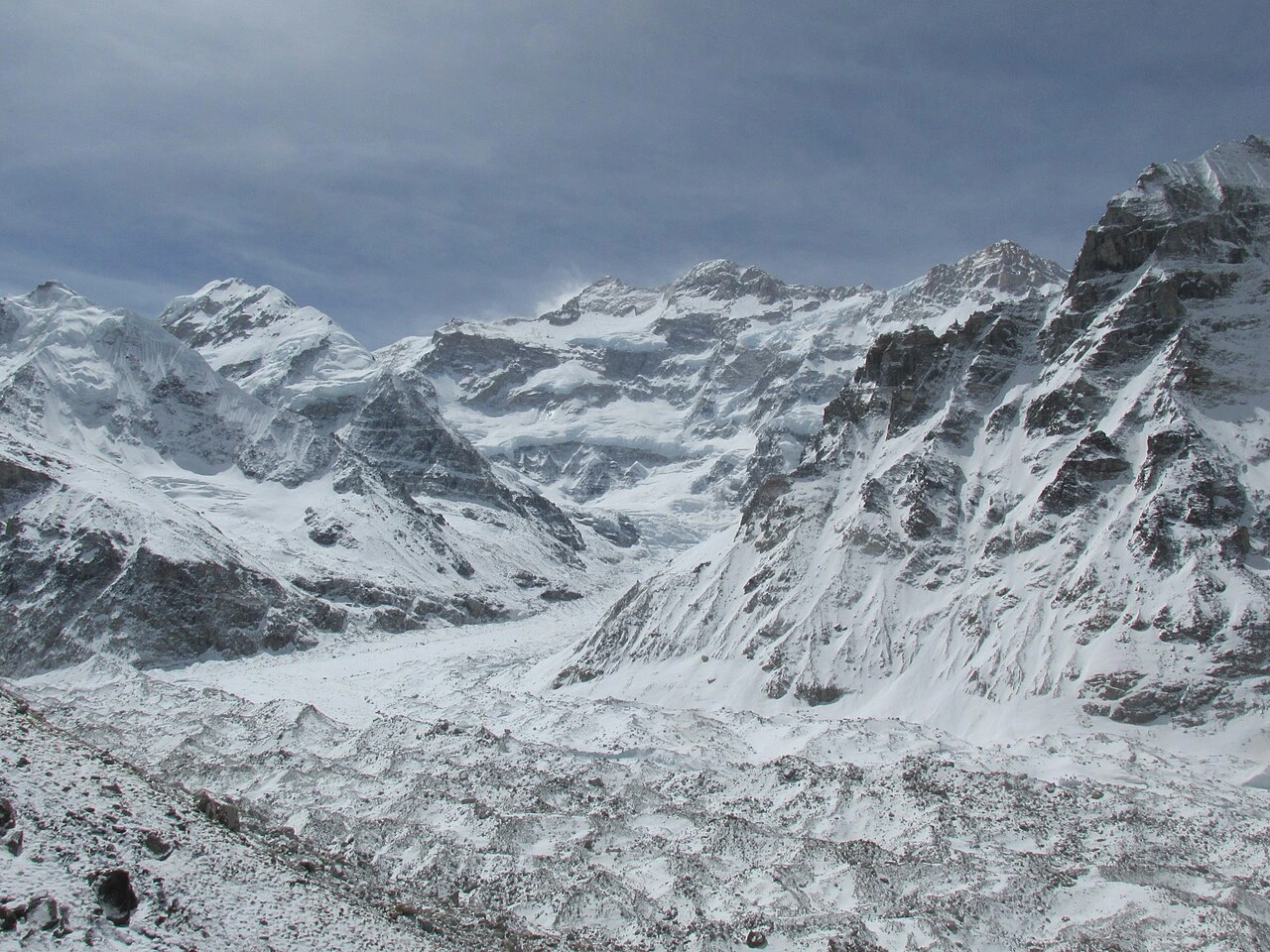
Kanchenjunga is the third-highest mountain in the world, located along the Nepal-Sikkim border. Its five peaks are considered sacred, representing divine treasures of gold, silver, gems, scriptures, and grains. Local legends suggest that these treasures guard the region’s prosperity and spiritual well-being. Historically, climbers respected the mountain by stopping short of its true summit, honoring centuries-old traditions. Its majestic presence dominates the eastern Himalayas, making it both a natural and spiritual landmark.
Lhotse — The Southern Peak
Height: 8,516 m
Meaning: “South Peak” (Tibetan: lho + tse)
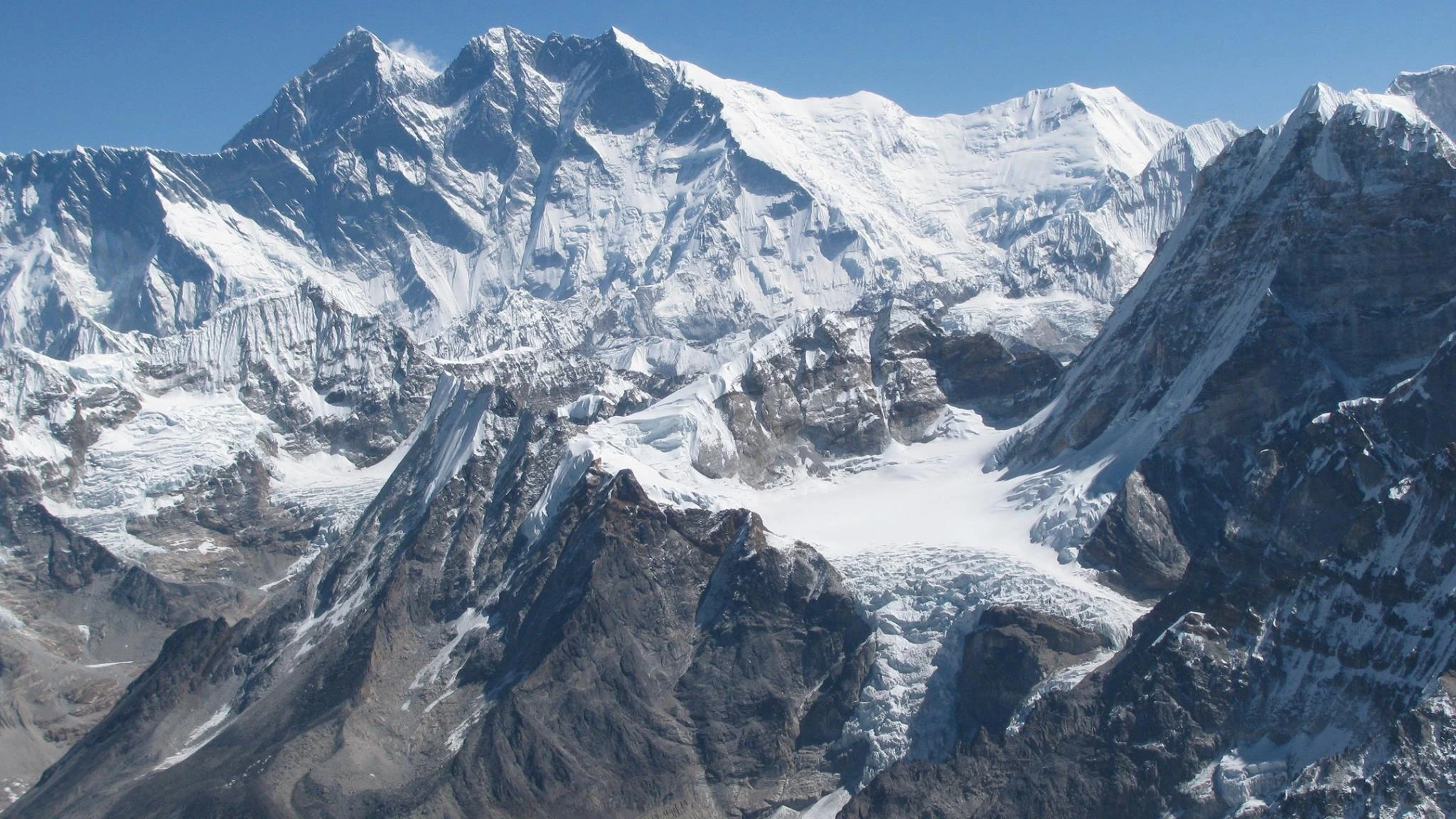
Lhotse rises immediately south of Everest and forms part of the same Himalayan massif, sharing glaciers and climbing routes with Everest. Though overshadowed by Everest, Lhotse boasts its own dramatic ice walls and steep faces, making it a challenging climb. Local Sherpas and Tibetan communities see it as an integral part of the Everest region, with spiritual and geographical importance. Lhotse’s striking silhouette is visible from base camps and trekking routes, often admired by mountaineers before attempting Everest.
Makalu — The Great Black One
Height: 8,463 m
Meaning: Named after Maha Kala (Lord Shiva) — “The Great Black One”
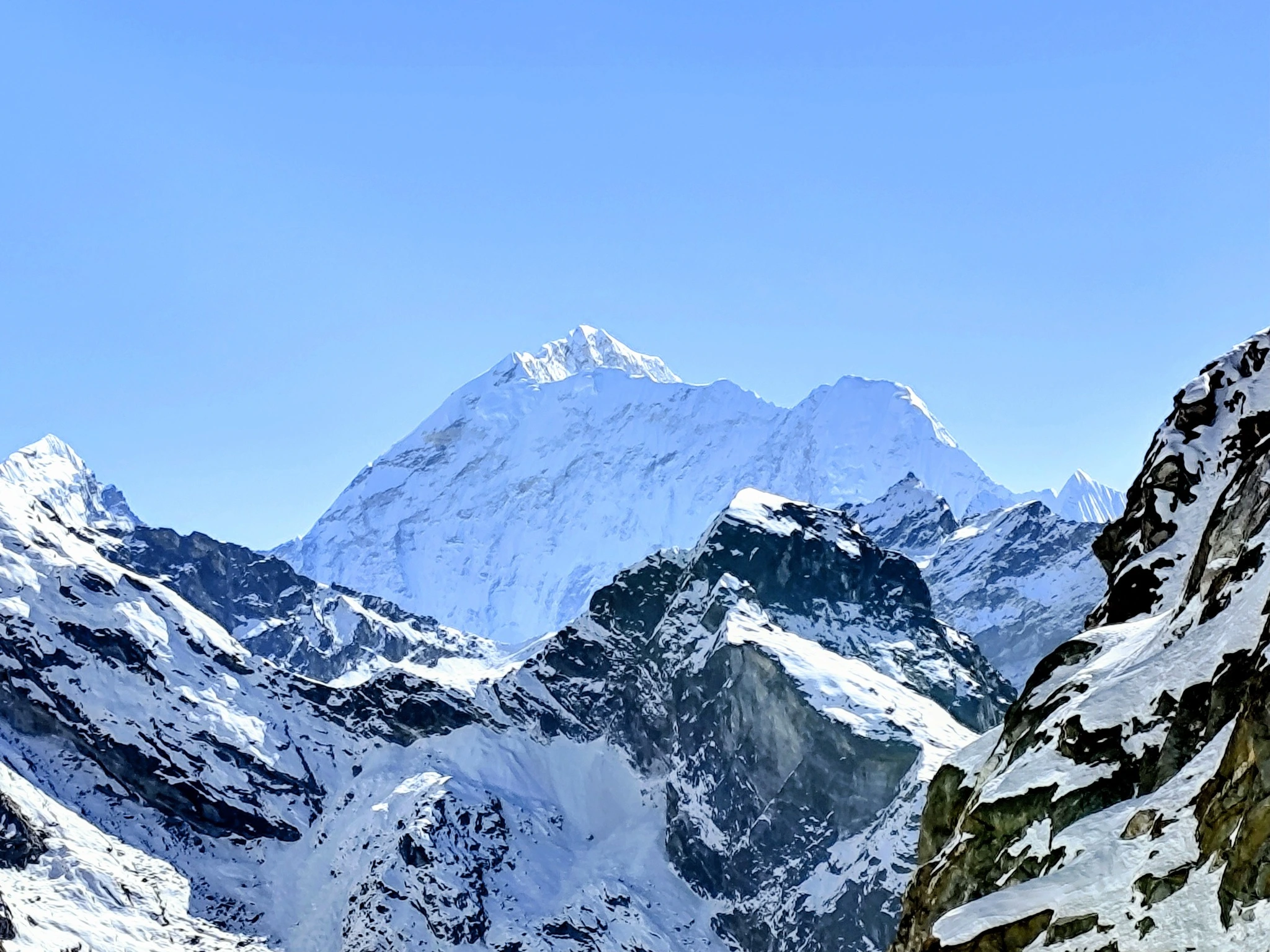
Makalu is a four-sided pyramid-shaped peak with extremely steep ridges and icy slopes. Its name reflects both the dark, rocky appearance and the divine power of Lord Shiva, associated with strength and protection. Located on the Nepal-Tibet border, Makalu remains one of the most technically demanding climbs in the world. Culturally, the mountain is revered for its mystical aura and is often featured in local folklore as a guardian of the surrounding valleys.
Cho Oyu — The Turquoise Goddess
Height: 8,188 m
Meaning: “Turquoise Goddess” (Tibetan)
Cho Oyu is considered one of the easiest 8,000-meter peaks to climb, attracting many expedition teams. Its name comes from the turquoise hue that seems to cover its slopes during sunrise and sunset. Tibetan legends link Cho Oyu to divine feminine energy, and locals believe that it protects the region and brings balance to nature. The mountain is also geographically important as part of the Khumbu region, connecting trekking routes to Everest Base Camp.
Dhaulagiri — The White Mountain
Height: 8,167 m
Meaning: “White Mountain” (Sanskrit: dhawala + giri)
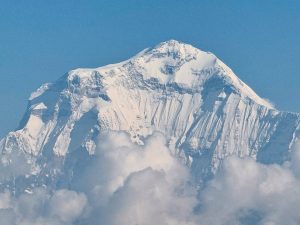
Dhaulagiri is known for its dazzling snow-covered slopes and massive vertical relief. Its name perfectly reflects its blinding white appearance, especially when sunlight strikes the glacier fields. Located in western Nepal, Dhaulagiri dominates the local landscape and influences weather patterns in the surrounding valleys. Trekkers often admire its photogenic ridges, while local folklore emphasizes its purity and the protective spirits believed to reside there.
Manaslu — The Mountain of the Spirit
Height: 8,163 m
Meaning: “Mountain of the Spirit” (Sanskrit: manasa)
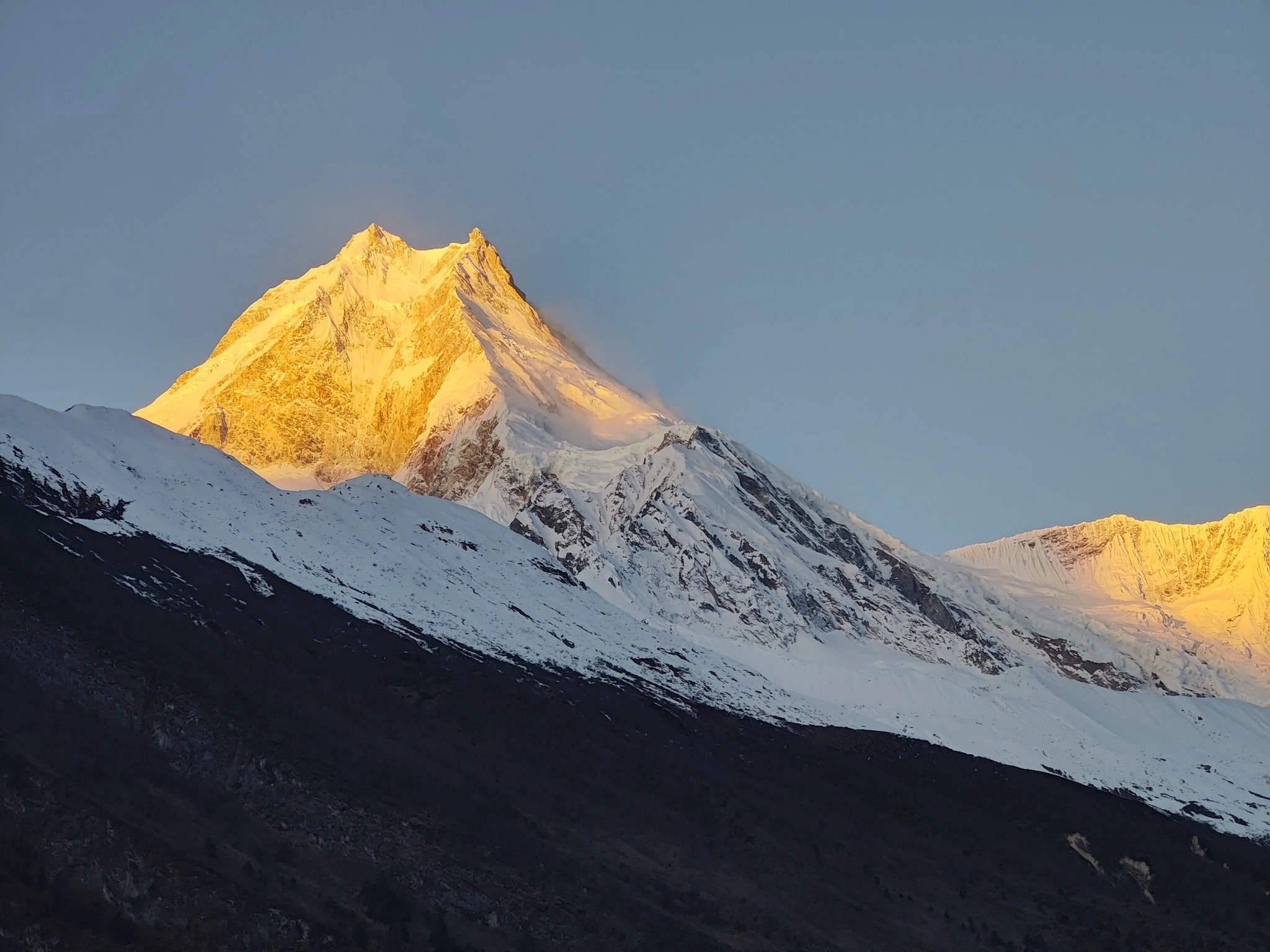
Manaslu is the eighth-highest mountain in the world and an essential part of the Nepalese trekking and climbing experience. The Gurung communities consider it sacred, associating it with inner strength, wisdom, and spiritual energy. Climbers face technical challenges on its ice ridges and glaciers, while the surrounding villages provide a unique insight into traditional Himalayan life. Manaslu embodies both physical majesty and spiritual inspiration.
Nanga Parbat — The Naked Mountain
Height: 8,126 m
Meaning: “Naked Mountain” (from Urdu/Persian)
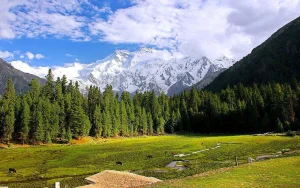
Nanga Parbat rises dramatically from the western Himalayas in Pakistan, earning its nickname “Naked Mountain” due to its steep, exposed slopes and nearly vegetation-free ridges. Known among climbers as the “Killer Mountain,” it has a notorious history of challenging ascents and extreme conditions. Beyond its physical grandeur, Nanga Parbat holds cultural significance for local communities, featuring prominently in folklore and legends as a symbol of human endurance, resilience, and the raw power of nature. Its striking silhouette continues to inspire mountaineers and adventurers alike.
Annapurna — Goddess of Nourishment
Height: 8,091 m
Meaning: “Goddess of Nourishment” (Sanskrit: anna + purna)
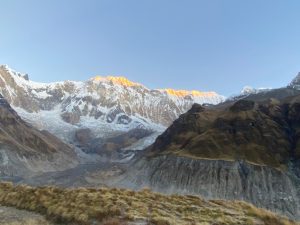
Annapurna is not only a majestic peak but also the centerpiece of one of the most popular trekking circuits in Nepal. Named after the Hindu goddess who provides sustenance, Annapurna represents abundance and generosity. The mountain and its surrounding valleys are rich in agriculture, and local communities often attribute their fertility and well-being to its divine presence. Its stunning sunrise views and cultural heritage make it a favorite among trekkers.
Gasherbrum I — The Shining Wall
Height: 8,080 m
Meaning: “Beautiful Mountain” (Balti: rgasha + brum)

Gasherbrum I, part of the remote Karakoram range, is renowned for its majestic walls and pristine slopes. The name literally means “Beautiful Mountain” in the Balti language, reflecting its awe-inspiring presence. While technically demanding, it attracts experienced mountaineers seeking a less-crowded and adventurous climb. Gasherbrum I also holds cultural significance in Balti tradition, symbolizing natural beauty, strength, and the protective qualities attributed to the high mountains of the Karakoram region. Its shimmering ice faces and striking profile make it a gem for climbers and photographers alike.
Broad Peak — The Wide Summit Ridge
Height: 8,051 m
Meaning: Descriptive English name due to its long, wide ridge
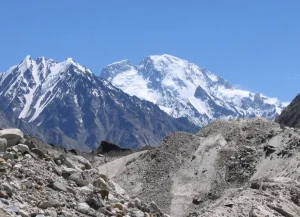
Broad Peak stretches nearly two kilometers along its summit ridge, making it one of the widest peaks in the Himalayas. While it lacks deep cultural names like other mountains, the sheer physical feature is awe-inspiring. The first ascenders named it for its expansive shape, and today, it remains a favorite for climbers seeking high-altitude adventure.
Shishapangma — Crest Above the Grassy Plains
Height: 8,027 m
Meaning: “Crest Above the Grassy Plains” (Tibetan)
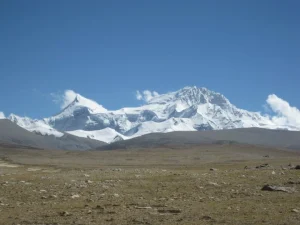
Shishapangma is the lowest of the 8,000-meter peaks, located entirely in Tibet. Its name highlights its graceful rise above fertile plains, blending natural beauty with spiritual symbolism. Local legends associate it with purity and wisdom, making it an important peak in Tibetan Buddhism. Despite being less well-known internationally, Shishapangma holds immense cultural significance.