


Bhim Tamang
- Trekking leader
"Live The Adventure Of A Lifetime"
The Annapurna Base Camp Trek is one of Nepal’s most iconic trekking experiences, offering an exceptional combination of Himalayan scenery, rich mountain culture, and accessible adventure. Unlike high-altitude expeditions that demand technical climbing skills, this trek follows well-established trails through the Annapurna region, making it an excellent choice for both first-time trekkers seeking a challenging adventure and experienced hikers looking to explore one of Nepal’s most celebrated mountain landscapes.
Your journey begins in the lush foothills of central Nepal, where terraced fields, cascading rivers, and charming villages introduce the diverse landscapes that define the Annapurna region. As the trail gradually climbs higher, subtropical forests give way to rhododendron woodlands, bamboo groves, and alpine terrain, with every day revealing new panoramic views of snow-capped peaks.
One of the trek’s greatest highlights is the opportunity to experience the culture and hospitality of the Gurung and Magar communities. Staying in locally operated teahouses allows you to connect with mountain life while enjoying traditional Nepalese cuisine and warm hospitality that has welcomed trekkers for generations.
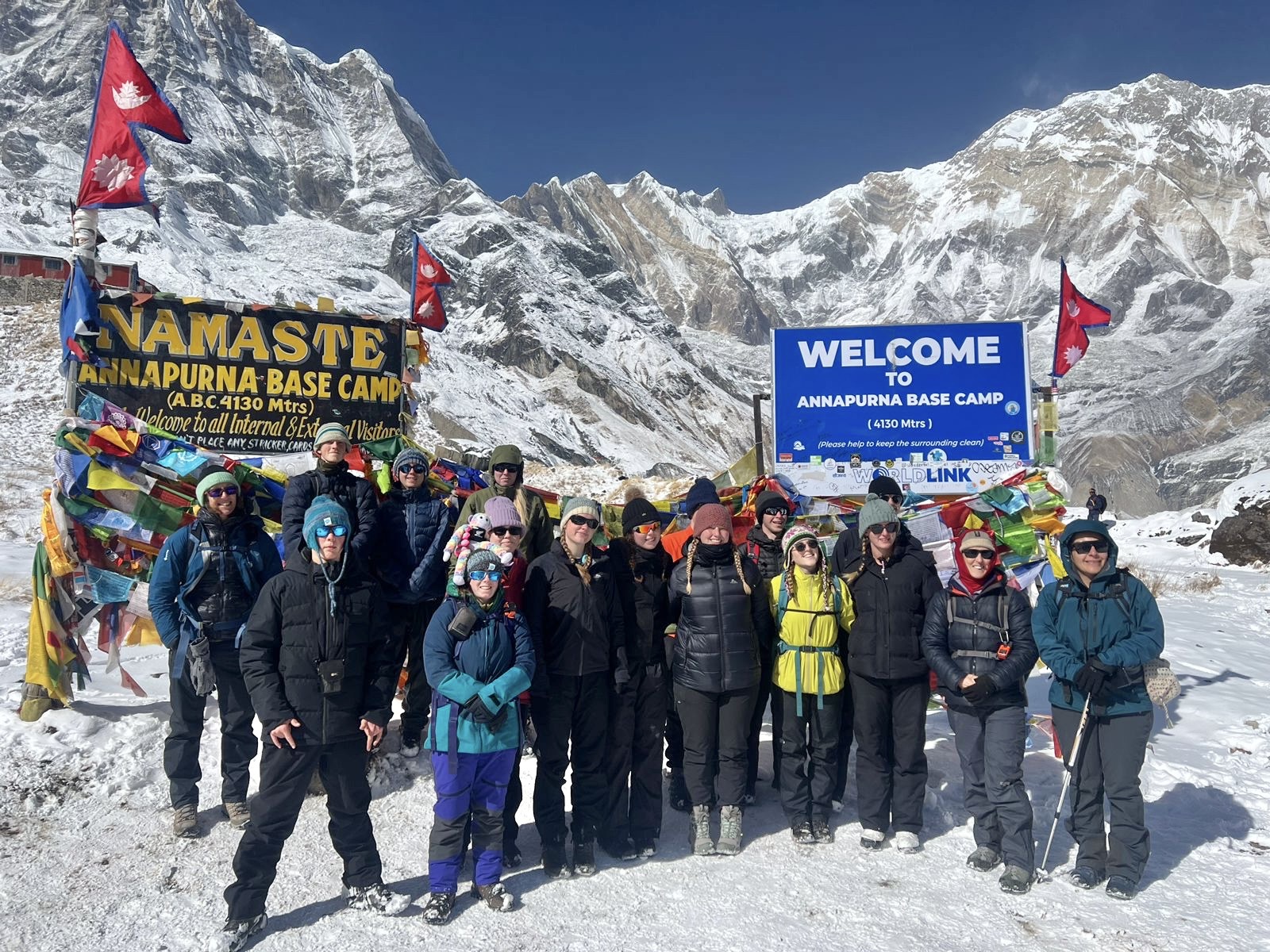
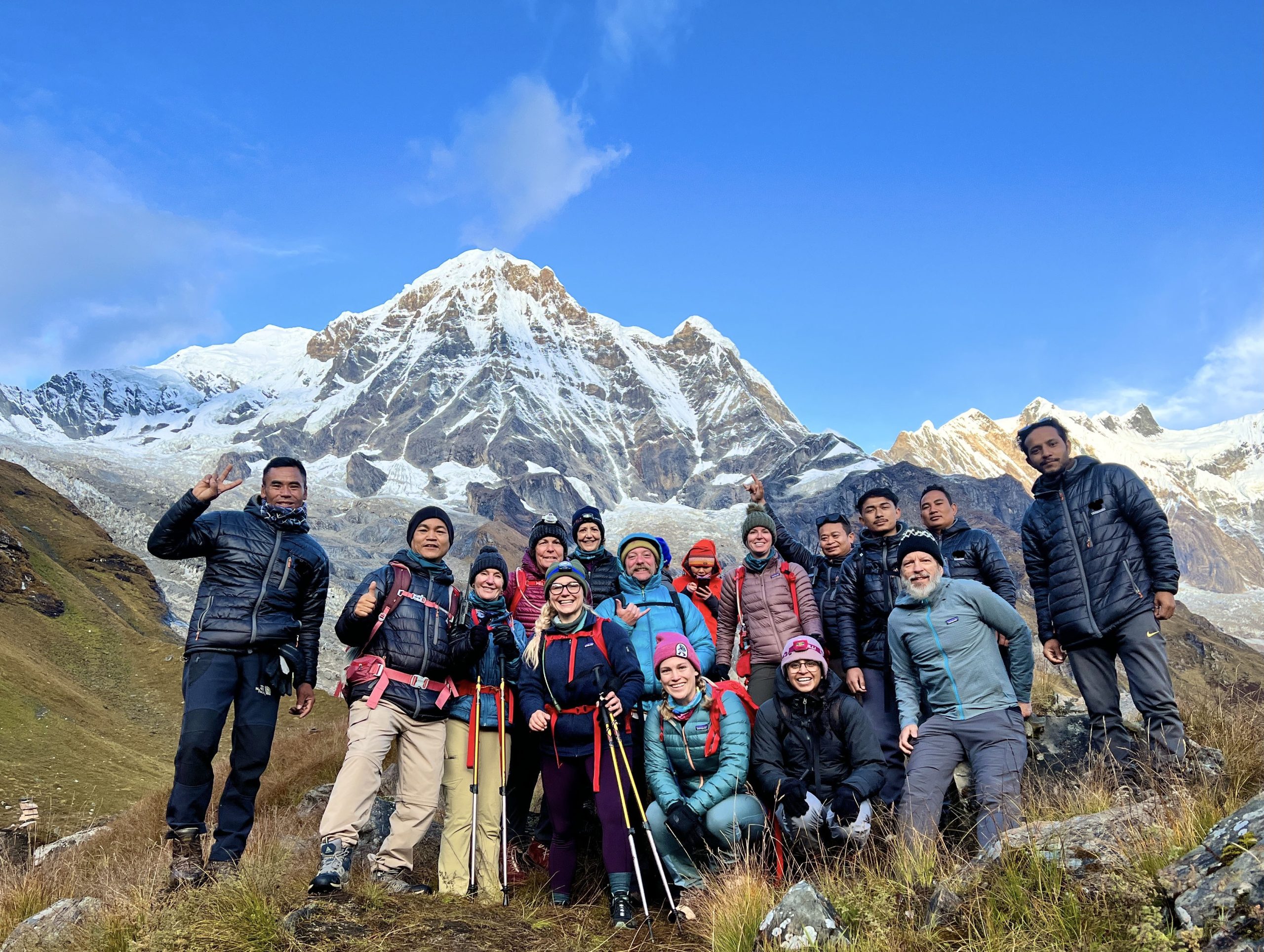
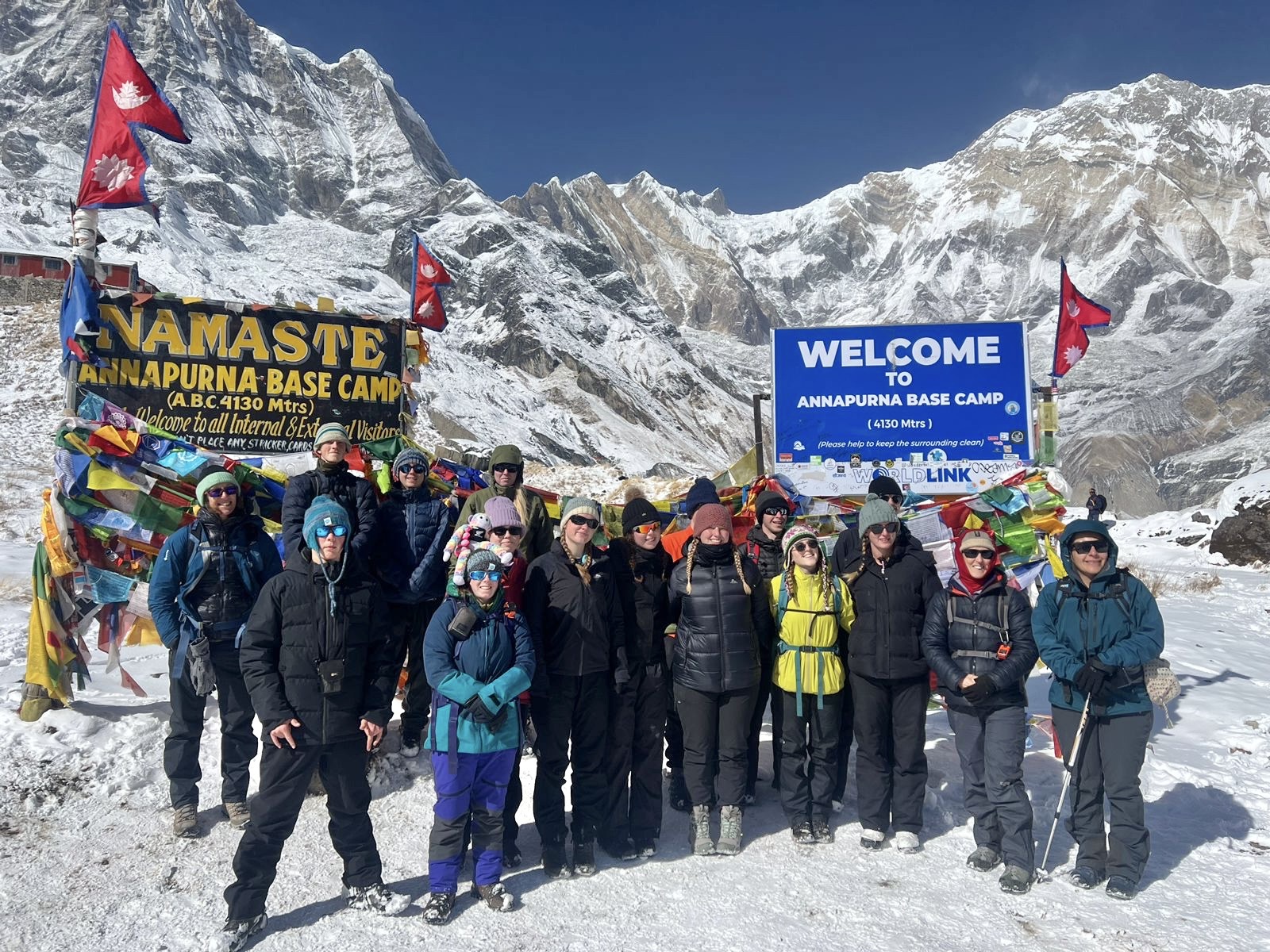
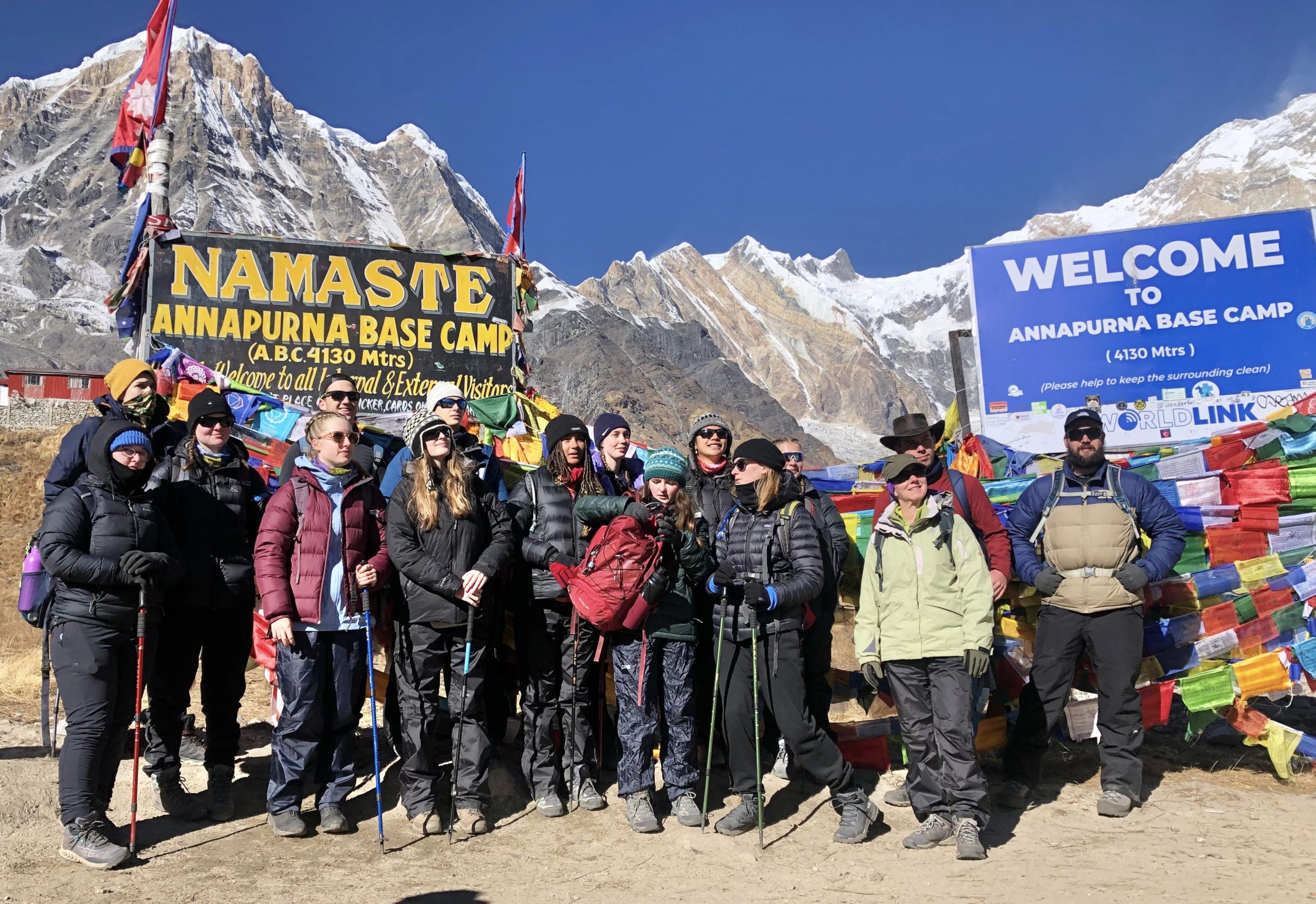
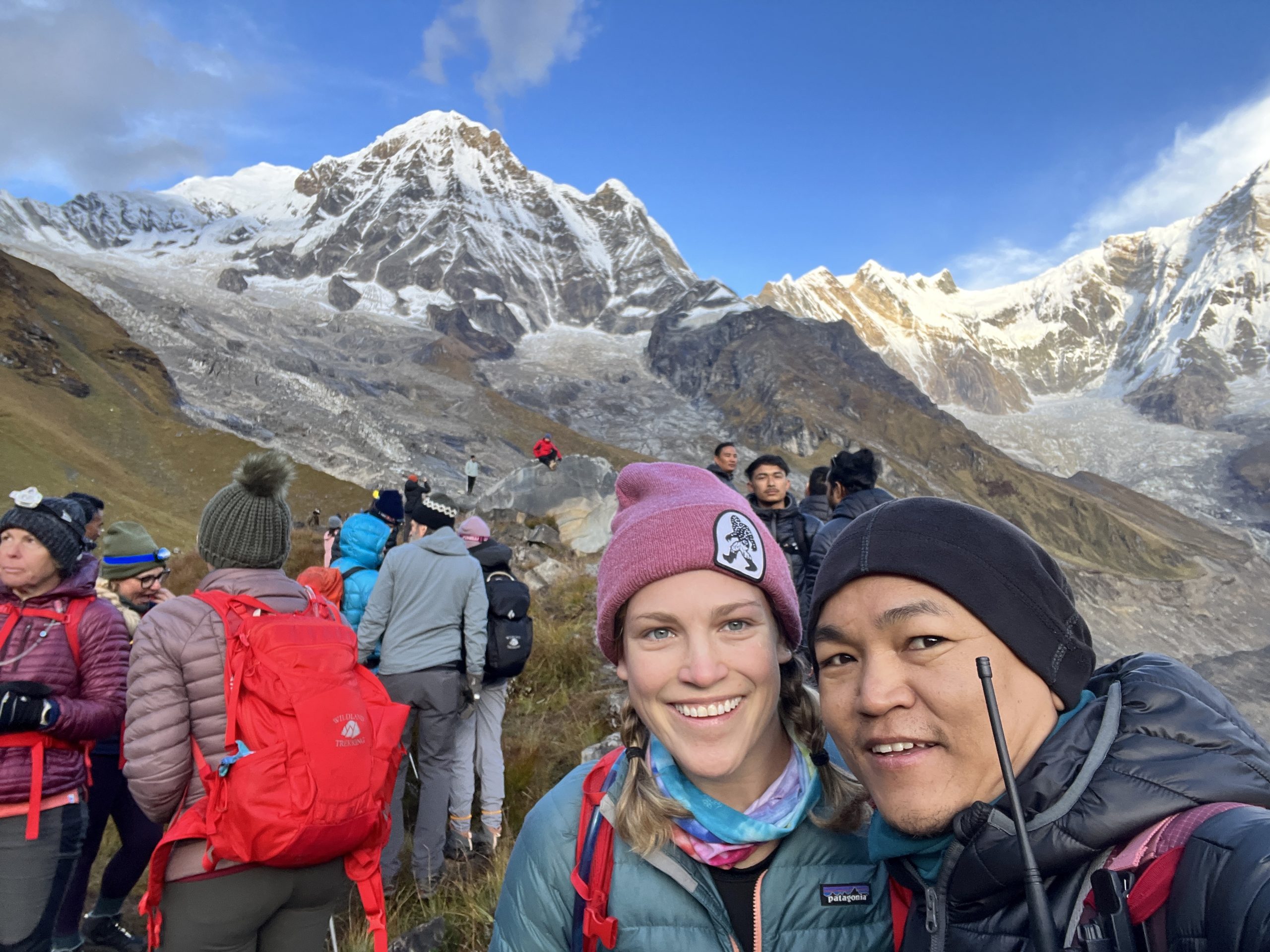
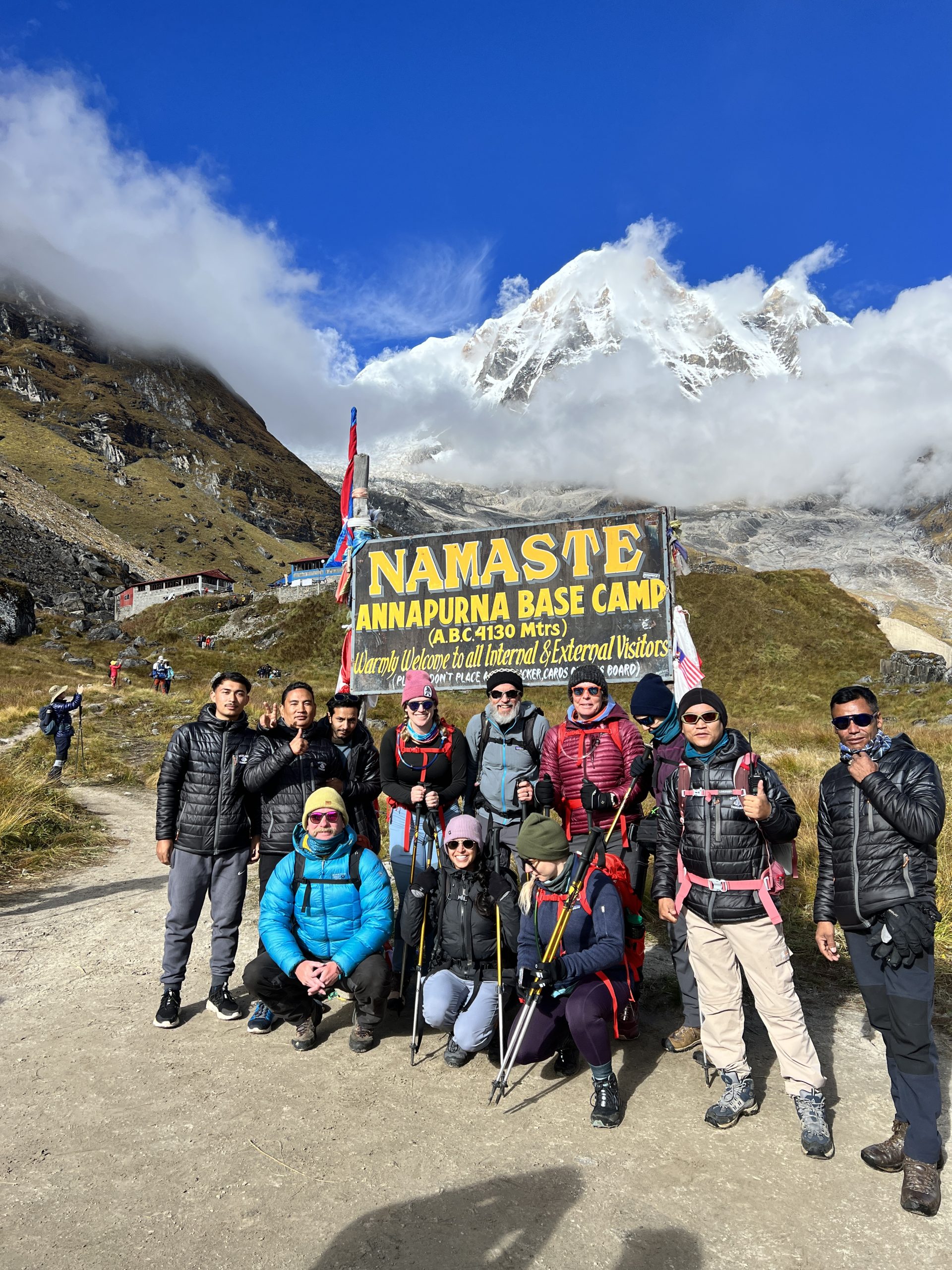
The trail passes through well-known villages such as Chhomrong, Bamboo, Deurali, and Machhapuchhre Base Camp before reaching the ultimate destination, Annapurna Base Camp at 4,130 meters. Surrounded by Annapurna I, Annapurna South, Hiunchuli, Machhapuchhre, and several other Himalayan giants, the base camp offers a breathtaking 360-degree mountain panorama that few trekking destinations can match. Witnessing sunrise as the first light illuminates the surrounding peaks is often considered the defining moment of the journey.
Despite reaching over 4,000 meters, the Annapurna Base Camp Trek remains achievable for most healthy and active travelers. The itinerary follows a gradual ascent with carefully planned acclimatization, allowing trekkers to adapt comfortably while enjoying the changing landscapes and mountain views. Previous trekking experience is helpful but not essential, provided you maintain a good level of fitness and prepare appropriately for multiple days of hiking.
The best seasons for the Annapurna Base Camp Trek are spring and autumn, when stable weather, comfortable temperatures, and excellent visibility create ideal trekking conditions. Spring transforms the forests with vibrant rhododendron blooms, while autumn offers crisp mountain air and some of the clearest Himalayan views of the year.
At Lhasso Adventure, we believe a memorable trek is about more than simply reaching the destination. Our experienced guides prioritize your safety, comfort, and overall experience while sharing insights into the region’s landscapes, culture, and traditions. From your arrival in Nepal to the final day of your journey, we focus on providing professional guidance, personalized service, and a well-paced itinerary so you can fully appreciate every step of the Annapurna Base Camp Trek.

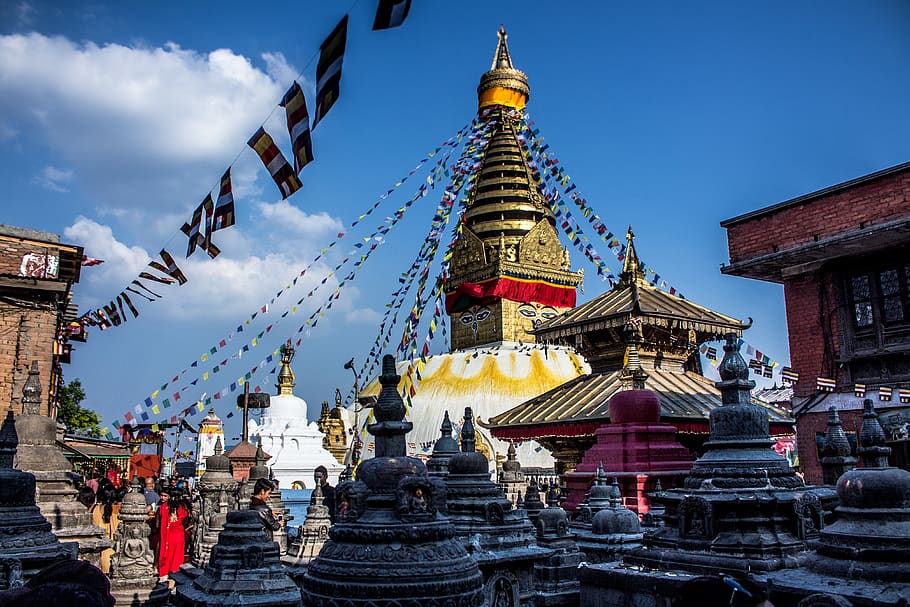
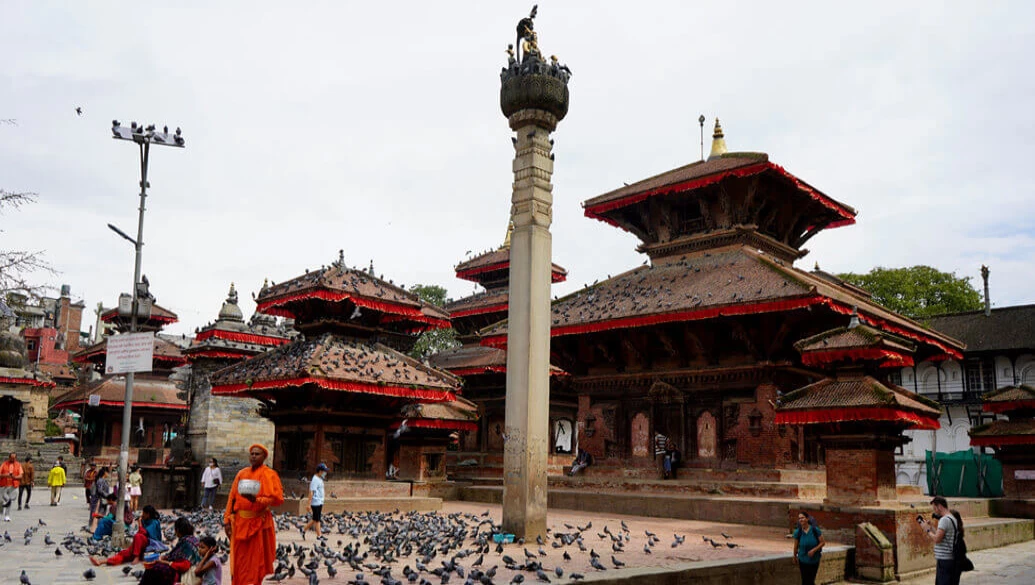
Morning depart from Kathmandu for an interesting drive to scenic Pokhara, leading you on Nepal’s most busy highway with views of high mountains and green landscapes as drive heads encounter towns and farm villages and then reaching Pokhara after 7-8 hours of exciting overland driving at Pokhara hotels located near Phewa Lake.
Pokhara, a beautiful, renowned touristic city blessed with natural beauty, is placed on the laps of the massive Annapurna Himalaya with the magnificent machhapuchchhre Himal ‘Fish Tail’, a virgin and unclimbed peaks of the Himalaya.
Besides mountains and rolling green hills, the calm lakes of Phewa and Begnas are where most of the good hotels and international-standard restaurants are located.
Note: Alternatively, you can take a flight from Kathmandu to Pokhara, which takes around 30–35 minutes.


Enjoy a nice and pleasant stop in Pokhara with excellent views of the Annapurna Himalaya and the magnificent machhapuchchhre Himal. After breakfast, an exciting drive leads you for a few hours beyond the Pokhara Valley to reach our starting point for Annapurna Base Camp trekking.
We drive for 2 hours in a private vehicle to the village of Syauli Bazar.
At the trailhead, our guides will brief us on effective trekking techniques before heading off to the village of Ghandruk. Hiking uphill on stone-paved steps to reach Kimche and then to Ghandruk village overnight stop.
An interesting large Gurung village with many good lodges facing views of peaks and beautiful landscapes, here is the is the time to explore around this impressive village of Gurung people, the hill tribes of Annapurna Himalaya, where men are famous as Gurkha soldiers in foreign infantry with British and Indian armies.
The Gurung people are farmers and cattle herders, an age-old profession interwoven with Buddhism religion, and they also practice their ancestral rites of the Bon sect (pre-Buddhism), worshiping nature and mountains as holy spirits.
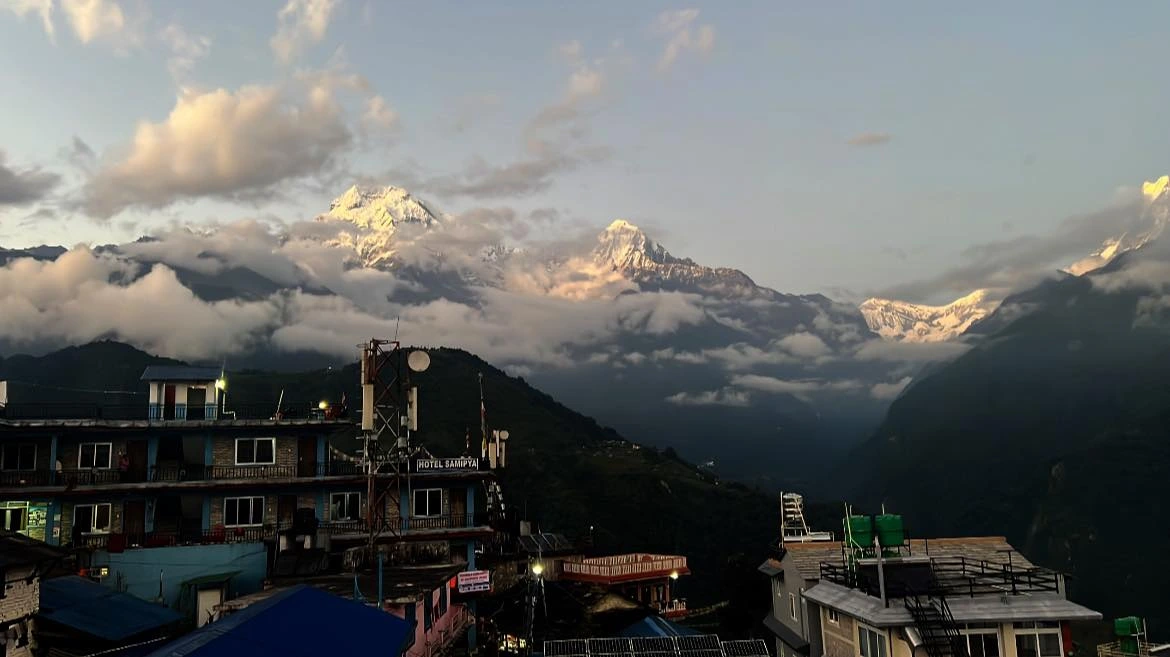

The trek from Ghandruk leads higher past farm terraces and into a cool shade of forest before heading uphill to Kimrong Ridge, with a long descent to the Kimrong River Valley, with a number of farm houses serving as lodges as well.
After a refreshing stop, the afternoon climb leads for an hour and then on a nice winding trail to reach the top of a hill with grand views of Annapurna peaks, and then on fairly easy downhill walks all the way to the village of Chomrong, the last village and the gateway towards Annapurna base camp and scenic sanctuary.
From Chomrong, our route leads past terraced farms, then descends to the Chomrong River. After crossing a bridge, climb all the way for an hour or more to reach Sinuwa Danda and a small village. After this scenic spot, walk on a winding path into dense woodland, going downhill for an hour, to reach a place called Bamboo, a small settlement with lodges in the middle of bamboo, rhododendron, and oak forest.
After a pleasant overnight at Bamboo with the sound of the Modi River, today a short walk on the gradual up brings you to Dovan, an isolated spot with few lodges, located in the midst of a forest near the raging Modi River. The Dovan walk leads into a cool forest with slow and gradual ups and downs following the Modi River upstream. The trail continues with a few ups and downs to reach the Himalaya Hotel near the huge Hinko cave, situated beneath Hiunchuli Peak. The Himalaya Hotel is a small place with 2–3 lodges. Continue walking downhill and then up to Deurali, the last place with a lodge before machhapuchchhre Base Camp.
From Deurali, where green vegetation and tree lines disappear for short alpine shrubs and bushes, a walk leads up, following the raging Modi River upstream on a pleasant trail with a few strenuous climbs for an hour in between, and then reaching Machhapuchchhre Base Camp for an overnight stop. Machhapuchare base camp houses about five good lodges located beneath the north face of Machhapuchchhre Himal, the Fish Tail Peak.
Today morning walks lead to our main destination and highlight of the adventure in the heart of the sanctuary at Annapurna Base Camp. The walk follows uphill for a few hours, on a grassy path, and then on a pleasant path with a magnificent view of snow peaks that surround you with massive Annapurna I, a great wall of a mountain. The walk slowly ends at Annapurna Base Camp, the one and only place in all of Himalaya, with nice cozy lodges at the base camp, offering a superb panorama.
After a wonderful time in complete tranquility within giant mountains and serene wilderness, our return journey leads back to green vegetation and tree lines on the downhill, with a few ups to reach Bamboo for overnight.
After a long and exciting trek to Annapurna Base Camp and a return to Bamboo in a single day, today’s journey will be much easier. The morning walk leads beyond the Modi River and through the Bamboo area, with gentle ascents followed by a winding path through deep woodlands. You’ll arrive at Sinuwa Danda, a small settlement with a few houses and lodges. From here, a downhill trek takes you to the Chomrong River, followed by a climb to Chomrong village, where we can stop for lunch.
After lunch at Chomrong, a short climb is followed by a descent along nicely paved stone steps leading to Jhinu village. This village is perched on a high ridge, offering stunning views of the rolling hills and distant peaks. Here, you’ll have time to enjoy the natural hot springs, located a 25-minute walk downhill from the village by the bank of the Modi River.
After breakfast in Jhinu Danda, begin the final day of your trek with a gentle descent to the nearby jeep station. The short walk passes through terraced hillsides, local settlements and a long suspension bridge, offering a last taste of rural mountain life.
On reaching Jhinu Bridge jeep station, embark on a scenic drive back to Pokhara. The route traces the Modi Khola valley, winding past forested slopes and scattered settlements before joining the main highway. The journey typically takes 2-3 hours, depending on road conditions.
Upon reaching Pokhara, check into your hotel and enjoy a well-earned rest. With its serene lakeside ambiance and vibrant streets, Pokhara offers the perfect setting to relax and reflect on your Himalayan journey.
Morning transfer either by car or coach as well as taking a tourist bus (depending on the group size), where an interesting overland journey brings you back to Kathmandu with scenic views of mountains, green scenery of hills, and farm fields within nice villages and towns as the drive leads into the hustle and bustle of the of the city life of Kathmandu.
On reaching Kathmandu, transfer to your respective hotels with time for individual activities and shopping for souvenirs.
Note: Alternatively, you can take a flight from Kathmandu to Pokhara, which takes around 30–35 minutes.
On your final day in Nepal, following an amazing experience and adventure at Annapurna Base Camp with excellent service from Lhasso Adventure, transfer to Kathmandu International Airport in accordance with your international flight to return home or to your respective destinations.
Our standard itinerary may vary slightly due to weather, trail conditions, government regulations, or individual health needs. In all cases, Lhasso Adventure guides evaluate the situation and find the best safe alternative. We recommend arriving in Kathmandu at least one day before the trek start date, and booking international flights with 2–3 buffer days after your return date.
At Lhasso Adventure, we believe travel should create a positive impact. That’s why we donate 10% of our profits to the Mother and Children Art Foundation (MCAF), supporting education, healthcare, and sustainable opportunities for underprivileged women and children across Nepal.
Through our partnership with MCAF, we also support community initiatives, including medical health camps, school volunteering programs, and projects that improve the well-being of local mountain communities. Every trek with us helps give back to the people who make Nepal truly special.
Lhasso Adventure holds active membership with Nepal’s leading trekking bodies and enforces strict responsible tourism standards on every departure.


All Lhasso Adventure group departures for the Annapurna Base Trek have a maximum of 16 participants. Small groups mean a more personal experience, better acclimatization monitoring, and less impact on the trail. Can't find a date that works? We also offer private departures on any date,
| Start | Finish | Availability | Price | |
|---|---|---|---|---|
| 05/10/2026 | 16/10/2026 | Trip Status available | Starting from $ 922 | Book Now |
| 12/10/2026 | 23/10/2026 | Trip Status available | Starting from $ 922 | Book Now |
| 06/11/2026 | 17/11/2026 | Trip Status available | Starting from $ 922 | Book Now |
| 15/11/2026 | 26/11/2026 | Trip Status available | Starting from $ 922 | Book Now |
| 02/12/2026 | 13/12/2026 | Trip Status available | Starting from $ 922 | Book Now |
| 17/12/2026 | 28/12/2026 | Trip Status available | Starting from $ 922 | Book Now |
| 15/01/2027 | 26/01/2027 | Trip Status available | Starting from $ 922 | Book Now |
| 09/01/2027 | 20/01/2027 | Trip Status available | Starting from $ 922 | Book Now |
| 02/02/2027 | 13/02/2027 | Trip Status available | Starting from $ 922 | Book Now |
| 04/02/2027 | 15/02/2027 | Trip Status available | Starting from $ 922 | Book Now |
| 14/03/2027 | 25/03/2027 | Trip Status available | Starting from $ 922 | Book Now |
| 20/03/2027 | 31/03/2027 | Trip Status available | Starting from $ 922 | Book Now |
| 01/04/2027 | 12/04/2027 | Trip Status available | Starting from $ 922 | Book Now |
| 10/04/2027 | 21/04/2027 | Trip Status available | Starting from $ 922 | Book Now |
| 01/05/2027 | 12/05/2027 | Trip Status available | Starting from $ 922 | Book Now |
| 10/05/2027 | 21/05/2027 | Trip Status available | Starting from $ 922 | Book Now |
| 05/06/2027 | 16/06/2027 | Trip Status available | Starting from $ 922 | Book Now |
| 15/06/2027 | 26/06/2027 | Trip Status available | Starting from $ 922 | Book Now |
| 17/07/2027 | 28/07/2027 | Trip Status available | Starting from $ 922 | Book Now |
| 02/08/2027 | 13/08/2027 | Trip Status available | Starting from $ 922 | Book Now |
| 12/08/2027 | 23/08/2027 | Trip Status available | Starting from $ 922 | Book Now |
Looking for personalized. We organize privately guided journey which is mainly designed to fit your taste and interest. Please fill out the form below to get started.
Lhasso Adventure provides a 70–80L duffel bag for your porter to carry (keep it under 20-25 kg). You can rent a 4-season sleeping bag or down jacket for USD 35 each, let us know before the trek starts. You can store non-trekking items at your Kathmandu hotel at no extra cost.
In addition to making trekking more enjoyable, having the appropriate gear guarantees your safety and readiness for a range of situations. Regardless of skill level, every hiker has to invest in high-quality equipment and understand how to utilize it properly. A delightful journey can differ from a difficult ordeal depending on the level of planning and equipment used. Please make your selections of the necessary equipment from the list below.
While the trail sees trekkers throughout the year, mountain visibility and trail safety depend entirely on the seasonal window you select.
The autumn months of October and November offer crisp, clear skies and the most stable panoramic views of the entire sanctuary.
Spring is equally popular because timing your departure during the peak season allows you to trek through forests of blooming rhododendrons in warmer daytime temperatures.
Conversely, the winter season brings heavy snowfall and freezing temperatures that can block the narrow, high-altitude passes.
Summer corresponds with the monsoon, meaning slippery paths, active leeches, and dense cloud cover that completely obscures the peaks.
Most standard itineraries require anywhere from 10 to 14 days to complete the full round trip starting from Kathmandu.
Your total duration depends heavily on whether you choose a direct route or add scenic detours like the sunrise viewpoint at Ghorepani Poon Hill.
Choosing a shorter, rushed itinerary increases your risk of exhaustion and leaves very little time for your body to adjust to the thinning mountain air.
Opting for an itinerary with built-in acclimatization days ensures you can ascend safely without succumbing to high-altitude sickness or physical burnout.
The final leg of the return journey can be shortened significantly if you choose to take a local jeep from Jhinu Danda back to Pokhara.
The entire round-trip journey to the sanctuary and back spans a total distance of roughly 110 to 115 kilometers.
You will need to cover an average of 10 to 15 kilometers of mountain terrain each day to keep pace with a standard trekking schedule.
The horizontal distance tells only half the story, as the trail constantly forces you to gain and lose elevation over thousands of stone steps.
Sustaining this physical effort day after day requires a consistent daily walking stamina over rugged terrain to avoid premature muscle fatigue before reaching the base camp.
Your final mileage can vary slightly depending on whether your route includes the additional loops through the scenic ridges of Poon Hill.
Your total expenses will vary depending on your choice between a standard 12-day or a more relaxed 14-day itinerary layout.
For a group of two to four trekkers, the 12-day journey is priced at USD 922 per person, while the comprehensive 14-day package costs USD 1072 per person.
Traveling with a larger group reduces your individual expenses significantly, bringing the rate down to USD 741 or USD 853 per person for groups of 14 to 16 individuals.
Understanding these pricing variables allows you to evaluate what package best matches your trekking budget before finalizing your travel dates.
These all-inclusive rates handle your necessary trekking permits, teahouse accommodations, and the services of experienced mountain guides and porters throughout the entire trail.
Preparing for this high-altitude journey requires a balanced focus on cardiovascular endurance and lower-body muscle strength.
Your training should begin at least eight to twelve weeks prior to your departure date to properly condition your body for consecutive days of alpine walking.
Incorporating stair climbing, loaded hiking, and regular running into your routine builds the lung capacity required for the thinning mountain air.
Committing to a structured pre-trip physical training regimen helps prevent premature muscle fatigue when tackling the thousands of steep stone steps along the trail.
Mental preparation is equally important, as maintaining a steady, slow pace on the mountain ensures a much safer and more comfortable ascent to the sanctuary.
Navigating multiple climatic zones on your way to the sanctuary requires a strategic three-layer clothing system that keeps you dry and warm.
Your foundation must include breathable, moisture-wicking synthetic or merino wool thermals to regulate your body temperature during intensive ascents.
As you ascend above 3,000 meters into sub-freezing night temperatures, keeping a lightweight insulated down jacket with a solid cold rating in your daypack becomes absolutely critical for heat retention.
For your feet, prioritize waterproof trekking boots with reliable ankle support that have been fully broken in before your trip to avoid painful trail blisters.
Essential gear items like an adjustable headlamp, a -10°C sleeping bag, and robust trekking poles should fill out the remainder of your main duffel bag.
Statistically, this route maintains one of the most reliable safety records in the Himalayas because it features well-established infrastructure and an accessible maximum elevation.
Unlike technical mountaineering expeditions, the main risks to regular trekkers stem from natural objective hazards like sudden weather shifts and standard altitude issues.
While the trail reaches a moderate altitude of 4,130 meters, adhering to a gradual ascent path with built-in acclimatization days remains essential for preventing acute mountain sickness entirely.
Terrain hazards are generally limited to slippery stone steps during unseasonal rainfall and a few localized avalanche-prone zones located beyond Deurali during heavy winter snows.
Trekking alongside a licensed mountain guide guarantees you have a dedicated first responder who can read local weather patterns and manage trail safety efficiently.
While the route is structurally well-maintained, trekkers face very specific high-altitude environmental hazards that require careful management.
Acute Mountain Sickness (AMS) poses a constant threat once you ascend past the 3,000-meter mark into rapidly thinning alpine air.
The narrow valley stretch between Deurali and Machhapuchhre Base Camp is a known avalanche zone that demands extreme caution, especially after heavy winter snowfalls or sudden spring warm-ups.
Monitoring these volatile conditions closely and adjusting your daily schedule allows you to mitigate the inherent high-altitude environmental hazards before they compromise your safety on the mountain.
Additionally, the thousands of wet, stone stairs around Ulleri and Chhomrong become highly slippery during rainfall, increasing the risk of painful knee strains or ankle sprains.
While independent exploration was a staple of the Himalayas for decades, navigating the sanctuary now operates under updated regulatory and safety frameworks.
Under current national trekking policies, all foreign hikers traversing the Annapurna Conservation Area are officially required to be accompanied by a certified professional.
Having an experienced guide provided by lhasso adventure is now a prerequisite for securing your mandatory environmental permits and passing regional checkpoints.
Beyond fulfilling the administrative legalities, having a professional escort ensures immediate medical oversight, proper altitude pacing, and guaranteed teahouse logistics during peak seasons.
This communal system directly supports the local mountain economy while establishing a vital safety net for emergency helicopter evacuations or sudden weather disruptions.
Accessing the protected alpine valleys of the Annapurna region legally requires obtaining specific governmental clearances before leaving the trailhead.
The primary requirement is the Annapurna Conservation Area Permit (ACAP), which funds regional ecosystem maintenance and community infrastructure projects.
Additionally, you must be registered under the Trekkers’ Information Management System to ensure proper safety tracking and rescue monitoring across the regional checkpoint network.
Securing these mandatory entry permits through an authorized agency before arriving in Pokhara streamlines your transition past the early border verification counters.
The verification counters operate strictly at key trail hubs like Birethanti, and traversing past them without physical documentation leads to severe administrative fines.
The short answer is yes, provided you possess a healthy level of cardiovascular fitness and the mental grit to handle long days on the trail.
Expect to tackle five to seven hours of sustained uphill and downhill walking each day across rugged, uneven stone paths.
The thousands of steep, uneven stone stairs around Ulleri and Chhomrong will test your lower-body endurance and place heavy strain on your knees.
To protect your joints and prevent exhaustion, executing a structured pre-trip physical training regimen focusing on cardio and leg strength two months prior to your departure is highly recommended.
Because the trail ascends to 4,130 meters, maintaining a slow, deliberate pace and selecting an itinerary with built-in acclimatization days will ensure a safe and successful journey to the sanctuary.
The final destination inside the glacial sanctuary sits at an official elevation of exactly 4,130 meters above sea level.
As you ascend to this altitude, the atmospheric pressure drops significantly, and the oxygen availability is roughly 40% lower than at the coastline.
Gaining elevation this high means your body must work twice as hard to perform standard physical tasks like climbing stairs or carrying a daypack.
Understanding how to manage your acclimatization rate at high altitudes is essential for preventing the early symptoms of mountain sickness before reaching the final viewpoint.
The thin alpine air rewards your physical effort with a close-up panorama of towering peak walls that rise past 8,000 meters into the sky.
As you ascend past the 3,000-meter threshold, your body requires deliberate time to adapt to the lower atmospheric pressure and thinning oxygen levels.
Maintaining a slow, consistent hiking speed and restricting your daily altitude gain to less than 500 meters prevents overwhelming your respiratory system.
Drinking four to five liters of water daily and following a proven high-altitude acclimatization schedule allows your red blood cells to catch up with the changing environmental demands.
You should strictly avoid alcohol and sleep-inducing medications, as they naturally suppress your breathing depth and mask early warning signs of physical distress.
If severe symptoms like a persistent throbbing headache, dizziness, or loss of coordination develop, immediate descent to a lower elevation is the only definitive cure.
Your high-altitude journey officially starts and finishes in the lakeside city of Pokhara, which serves as the central staging hub for the entire region.
From Pokhara, a short drive takes you to the traditional trailhead at Nayapul or the higher starting point at Tikhedhunga to begin walking.
Depending on your chosen route configuration, the loop winds through traditional Gurung villages before terminating near the hot springs at Jhinu Danda.
Arranging your private jeep transportation from the final trailhead ensures a smooth, comfortable transfer back to your hotel after days of intense mountain walking.
The final driving leg from the rugged dirt tracks of the foothills back to civilization takes roughly three hours of travel time.
In Kathmandu and Pokhara, your stay centers around comfortable city hotels featuring private bathrooms, stable Wi-Fi, and hot buffet breakfasts.
Out on the mountain trails, the overnight lodging shifts entirely to local teahouses with basic twin-sharing bedrooms and unheated communal spaces.
The construction of these high-altitude lodges relies on simple wood and stone insulation, meaning indoor room temperatures mimic the chilly outdoor alpine environment at night.
Using a heavyweight cold-rated down sleeping bag inside your room provides the necessary warmth once nighttime temperatures drop below freezing past the 3,000-meter mark.
Common bathroom facilities are standard across most high-altitude villages, and amenities like electronic charging stations or hot running water require a small extra fee.
Your journey to the mountains begins with an overland drive or a short, scenic 30-minute domestic flight from Kathmandu to the lakeside city of Pokhara.
As the central jumping-off point for the entire region, Pokhara serves as the primary assembly hub where your technical trekking team gathers all necessary gear and food logistics.
From the lakeside, reaching the start of the trail requires driving for roughly two hours in a private vehicle through the winding river valleys of the foothills.
Arranging private vehicle transportation to Syauli Bazar allows you to bypass the long, dusty public bus routes and start walking directly toward the higher Gurung settlements without unnecessary fatigue.
Depending on your specific itinerary layout, the vehicle drops you off right at the edge of the stone paths, where you immediately lace up your boots and begin the initial ascent toward Ghandruk village.
Mountain weather in the Annapurna sanctuary is highly unpredictable and transitions rapidly between diverse climatic zones as you ascend the valley.
The autumn and spring seasons bring dry, stable air with warm daytime hiking temperatures that range between 15°C and 20°C across the lower bamboo forests.
Once you push above the 3,000-meter mark into the upper alpine meadows, nighttime temperatures regularly drop well below freezing.
Packing a versatile multi-layered technical clothing system allows you to adapt quickly to sudden shifts from bright alpine sunshine to freezing mountain winds.
In contrast, the summer monsoon months introduce dense fog, high humidity, and heavy afternoon downpours that completely obscure the surrounding high peaks.
Conquering this high-altitude trek does not require advanced mountaineering skills, but it does demand a solid baseline of physical conditioning.
You must be capable of walking uphill for five to seven hours daily over a consecutive period of nearly two weeks while carrying a light daypack.
The terrain consists of endless steep ascents and descents, which places significant stress on your quadriceps, calves, and cardiovascular system.
Building your lower-body strength and cardiovascular endurance before arriving in Nepal ensures your muscles can handle the repetitive strain of the mountain stairs.
Ultimately, anyone with a dedicated fitness routine, healthy joints, and strong mental determination can successfully reach the sanctuary without experiencing extreme exhaustion.
Merging these two classic routes is highly recommended and creates the ultimate panoramic loop through the entire sanctuary region.
Adding Poon Hill to your itinerary extends your journey by roughly two days, taking you through the blooming rhododendron forests of Ghorepani first.
This specific route configuration provides an excellent natural acclimatization buffer because you spend an extra night sleeping at 2,874 meters before heading deeper into the high valleys.
Climbing to the famed Poon Hill viewpoint for sunrise treats you to an unobstructed, 360-degree morning panorama of both the Dhaulagiri and Annapurna massifs before you continue toward Chhomrong.
After capturing the early morning sun hitting the peaks, you loop back down to Tadapani and seamlessly merge onto the main trail heading straight up to the base camp.
Choosing between these iconic journeys depends on whether you prefer diverse scenery and lower elevations or stark, high-altitude alpine giants.
The route to the Annapurna Sanctuary climbs through lush terraced fields, dense bamboo forests, and traditional Gurung villages before entering a dramatic ring of snow-capped peaks.
In contrast, the journey to the Khumbu region stays at a much higher average elevation, offering a rugged, wind-swept environment dominated by close-up views of the world’s highest summits.
Selecting the ideal Himalayan route for your physical comfort comes down to balancing your tolerance for extreme cold against your desire for varied ecological landscapes.
Ultimately, the Annapurna route offers a more physically forgiving ascent and easier logistics, while the Everest trail delivers an unmatched sense of high-altitude prestige.
Deciding between these two classic routes depends entirely on whether you want a direct, deep trek into a mountain sanctuary or a massive, multi-week loop around an entire mountain range.
The Base Camp itinerary focuses your journey on a straight, deep push up a single river valley, bringing you face-to-face with a vertical amphitheater of rock and ice in roughly a week of walking.
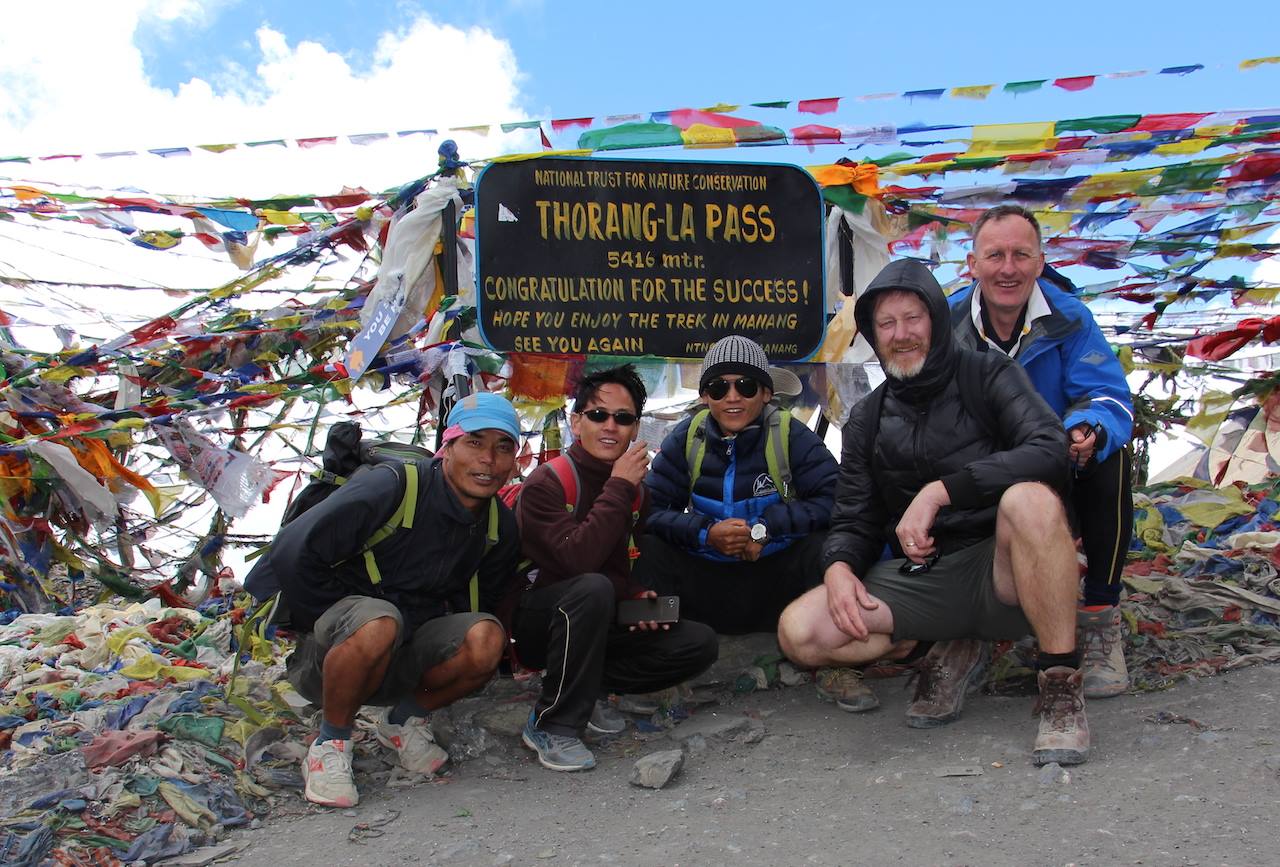
In contrast, the Circuit is a grand journey that takes up to two weeks, crossing the dramatic Thorong La Pass at 5,416 meters and transitioning from lush green foothills into dry, Tibetan-style high plateaus.
Picking the right trekking route for your available timeframe helps ensure you match the journey to your personal physical limits and vacation schedule without rushing through the landscape.
Ultimately, the Base Camp trek is ideal if you are short on time and want quick access to giant peaks, while the Circuit is perfect for those seeking an epic, ever-changing journey across a variety of terrains.
Standing inside a 360-degree amphitheater of snow-capped peaks rising above 8,000 meters makes this journey one of the most visually rewarding experiences on earth.
The route delivers a rare geographical transition, taking you from lush subtropical rhododendron forests to raw glacial moraines in the span of just a few days.
Unlike more remote wilderness expeditions, the well-established network of lakeside cities and cozy village teahouses keeps your travel logistics exceptionally smooth and reliable.
Investing your time in a professionally curated Himalayan trekking experience guarantees that the physical challenge translates into lifelong memories rather than logistical headaches.
Ultimately, the profound sense of personal achievement you feel when the morning sun illuminates the face of Mount Annapurna far outweighs every grueling stone step it takes to get there.
Completing this journey is entirely achievable for older adults who possess steady physical stamina, healthy joints, and a well-prepared travel pace.
The well-established stone trails and frequent teahouse stops along the route allow you to divide the daily walking distances into shorter, highly manageable sections.
Opting for an itinerary that incorporates extra rest days ensures your body has ample time to adapt smoothly to the changing atmospheric pressure and thinning alpine air.
Hiring a dedicated team of experienced guides and porters lightens your physical burden by managing your heavy gear bags and providing steady, pacing support on the steep steps.
Focusing on a slow, deliberate rhythm allows you to safely navigate the elevation changes while fully enjoying the spectacular cultural landscape of the Gurung villages.
If you have any more specific questions or need further details, please feel free to contact us anytime.
Contact UsThe Annapurna Base Camp Trek is located in the Annapurna region of Nepal, starting from the city of Pokhara.
A 7–12 day trek is the average duration, depending on the group speed and the itinerary selected.
Spring (March to May) and fall (September to November) are the ideal seasons to hike to Annapurna Base Camp. These months provide beautiful vistas of the mountains, bright skies, and consistent weather.
It is thought that the Annapurna Base Camp Trek is a moderate to difficult hike. It doesn't require technical climbing skills; it just involves walking on hilly and occasionally steep terrain for several hours each day.
The highest point of the trek is Annapurna Base Camp, which is situated at an altitude of 4,130 meters (13,549 feet).
While it is feasible to complete the trek on your own, it is strongly advised—especially for first-time trekkers—to hire a guide. In addition to ensuring your safety and improving your entire experience, guides can offer invaluable local expertise.
Essential gear includes good trekking boots, warm clothing (layers), a rain jacket, a sleeping bag, trekking poles, a hat, gloves, sunglasses, sunscreen, a water bottle, and a backpack.
Yes, trekkers need two permits: the Annapurna Conservation Area Permit (ACAP) and the Trekkers’ Information Management System (TIMS) card.
Accommodation on the Annapurna Base Camp Trek consists mainly of teahouses, which are simple lodges providing basic facilities like a bed, meals, and sometimes hot showers.
Teahouses serve a range of meals, including western options like pasta, noodles, pancakes, and omelets, as well as traditional Nepali fare like dal bhat (lentil soup with rice).
As you go higher into the atmosphere, altitude sickness may become an issue. It's critical to correctly acclimate, maintain hydration, and recognize the warning signs of altitude sickness.
There aren't plenty of medical facilities along the route. A basic first aid kit and any necessary prescriptions should be carried at all times. Evacuation to a hospital in Pokhara or Kathmandu may be required in cases of major health difficulties.
In certain parts of the walk, there may be restricted access to the internet and cell service. While some tea shops do have Wi-Fi, it does not always work. It's advisable to let friends and family know ahead of time that you won't be available for communication during the walk.