





Chandra Bahadur Rai
- Adventure Consultant and Trip leader
"Live The Adventure Of A Lifetime"
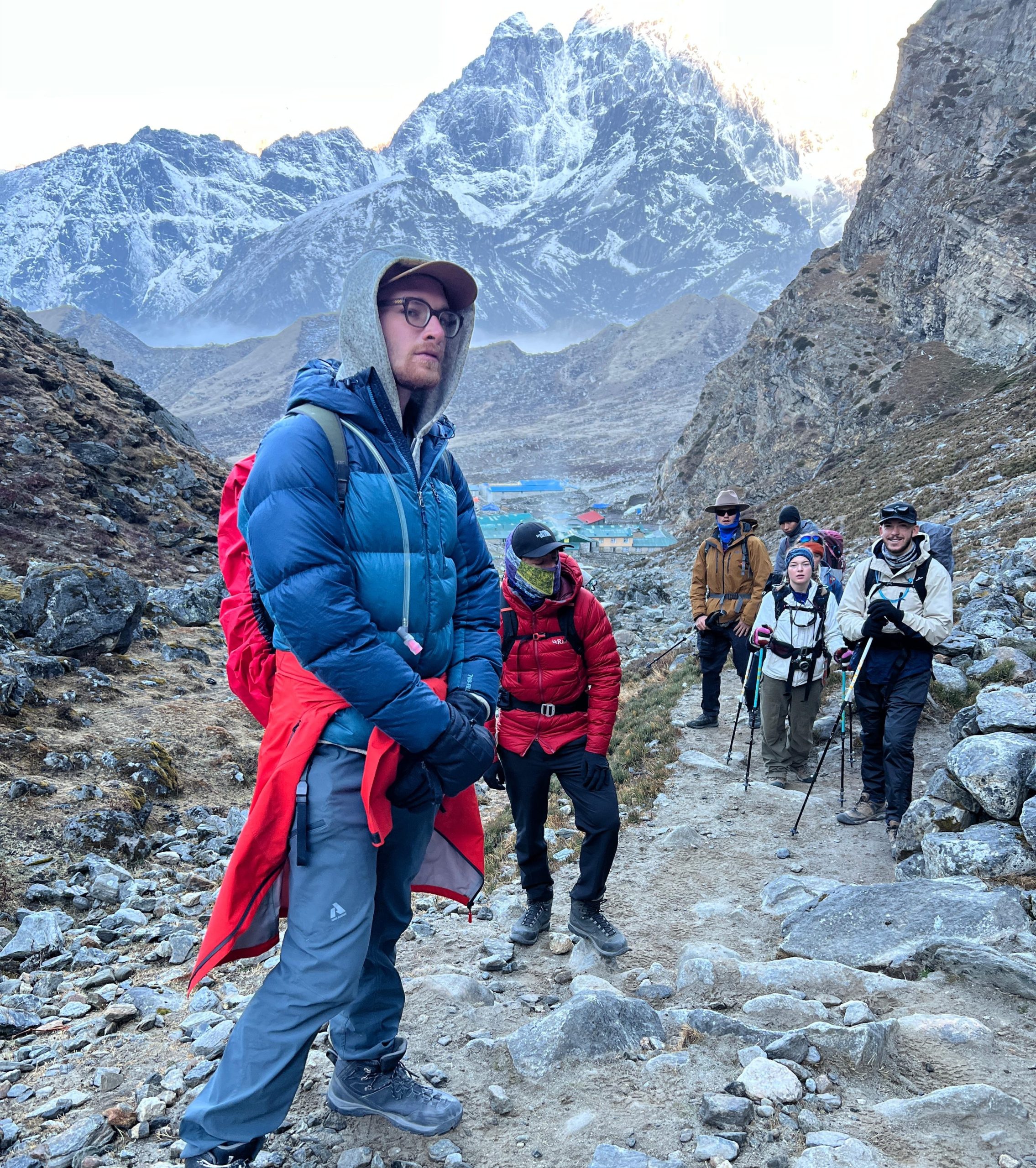
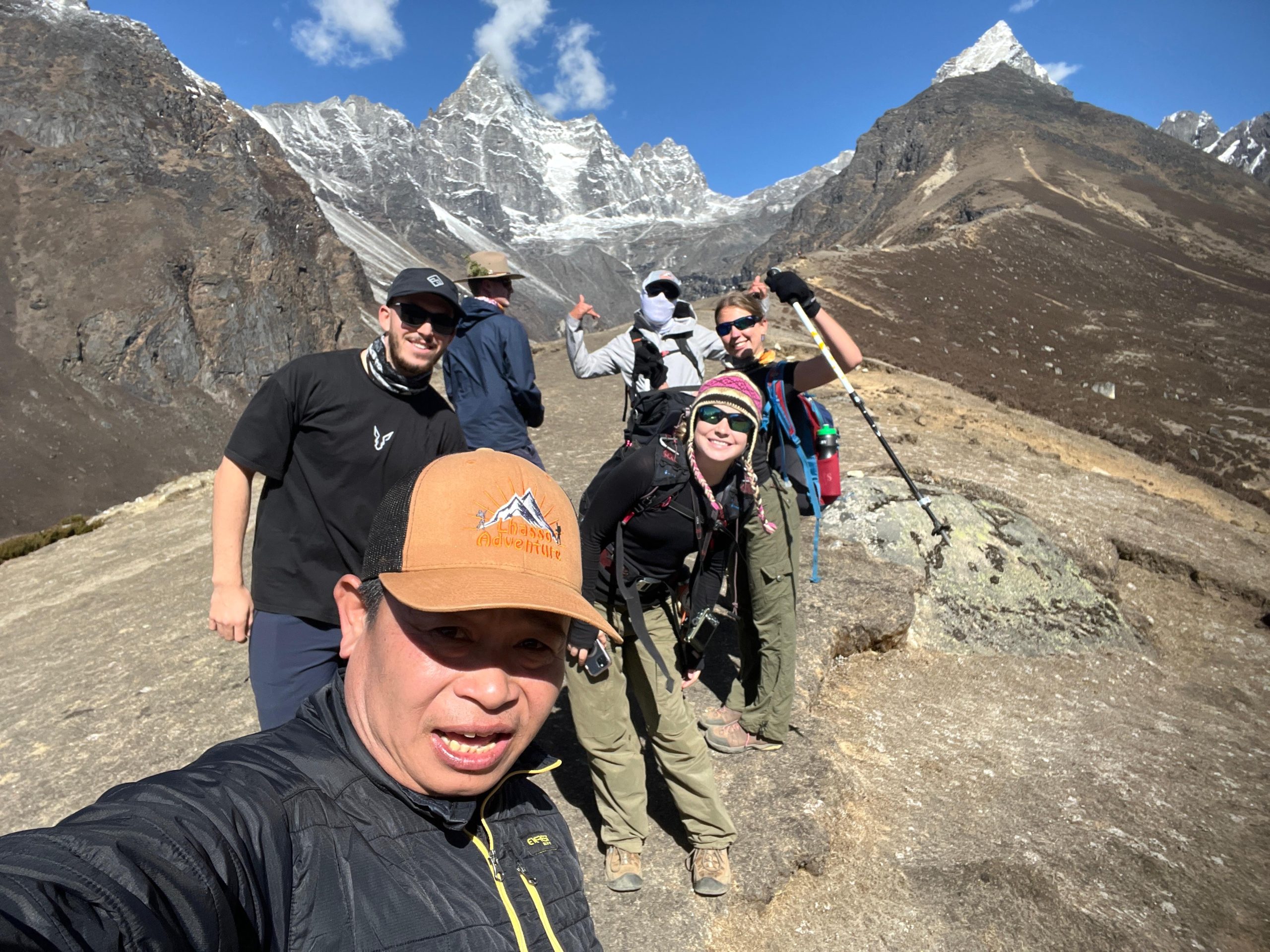
The Gokyo Lake Trek is one of the most beautiful trekking experiences in the Everest region, offering a quieter alternative to the Everest Base Camp route. Instead of following the main trail to base camp, this journey leads to the stunning Gokyo Valley, where a chain of turquoise glacial lakes sits beneath some of the world’s highest mountains. The trek combines breathtaking Himalayan scenery, Sherpa culture, and peaceful trails, making it an excellent choice for trekkers looking for a different perspective of the Everest region.
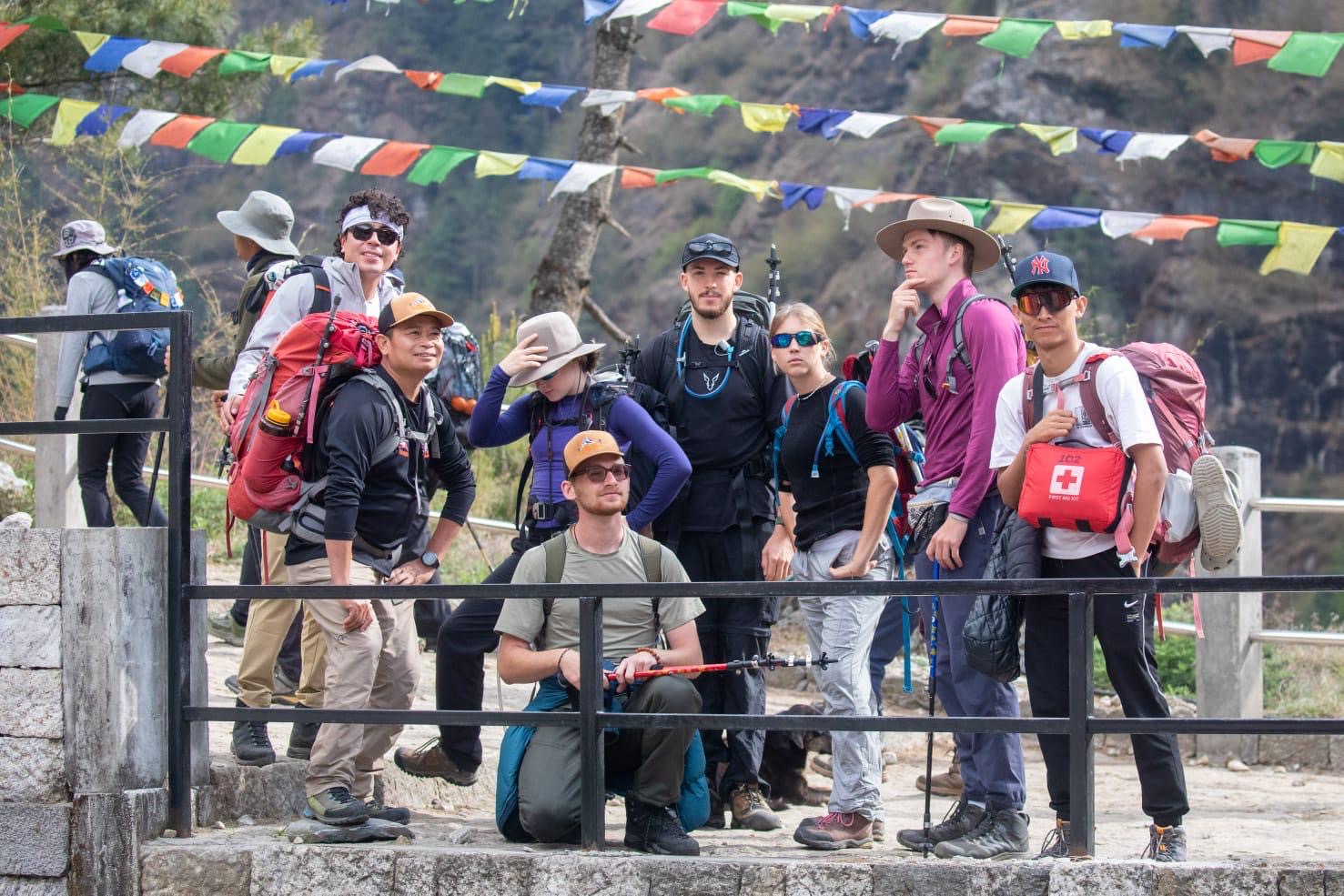
The journey begins with a scenic flight to Lukla before following the classic Everest trail through traditional Sherpa villages, dense rhododendron and pine forests, and across suspension bridges decorated with colorful prayer flags. Passing through Namche Bazaar, the gateway to the Everest region, you’ll have time to acclimatize while exploring local markets, cafés, museums, and nearby viewpoints before continuing toward the quieter Gokyo Valley.
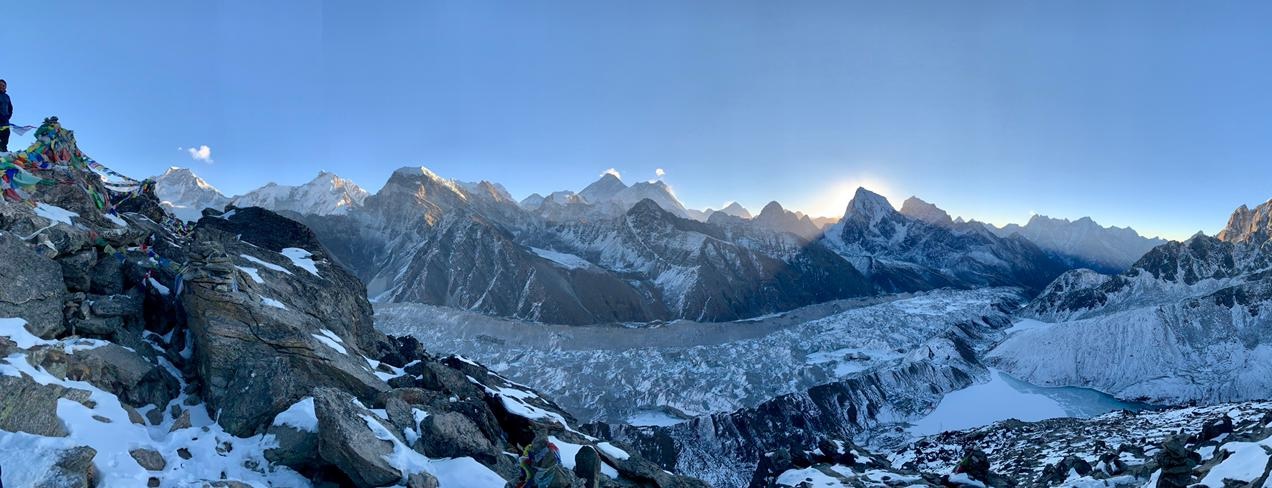
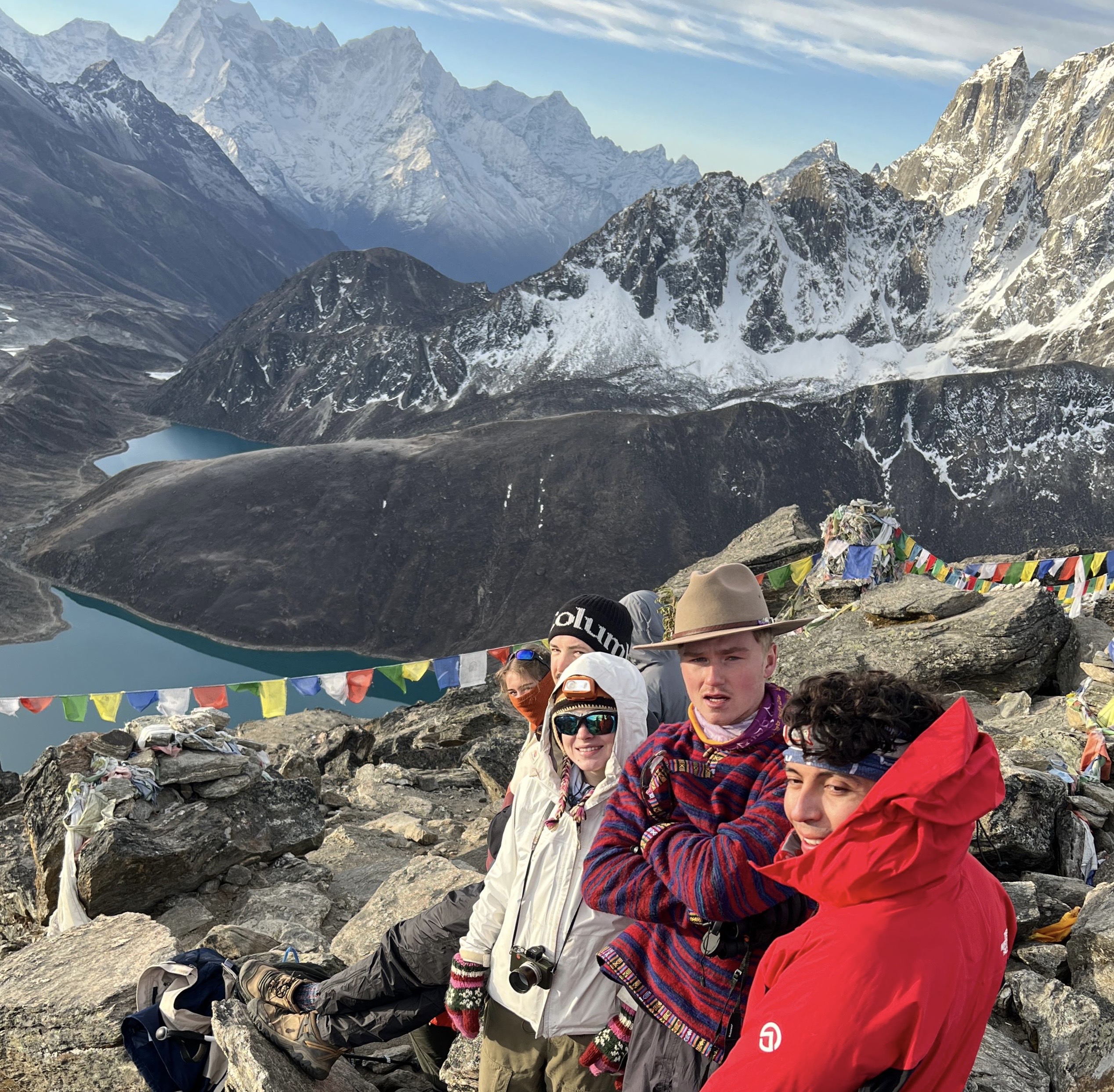
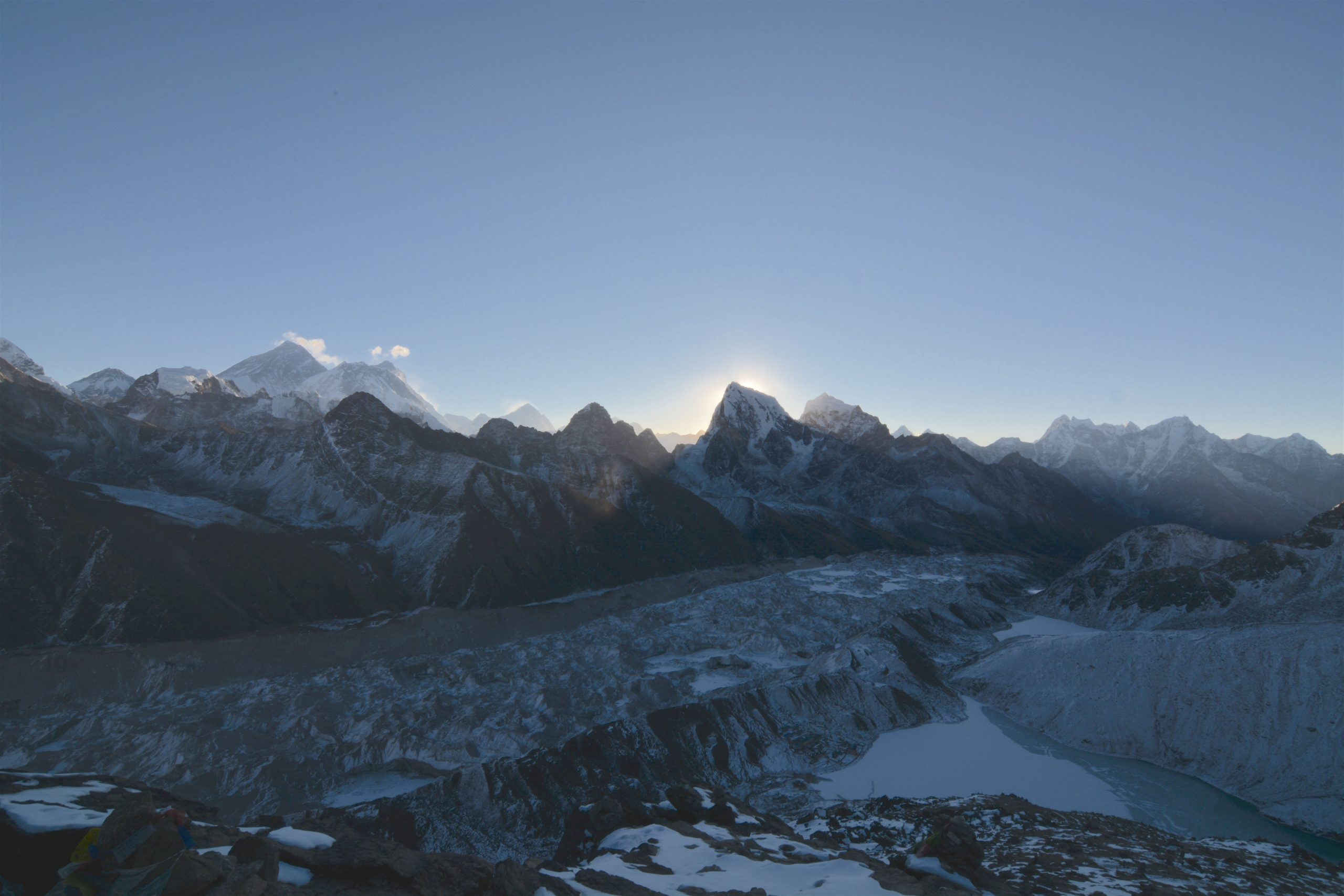
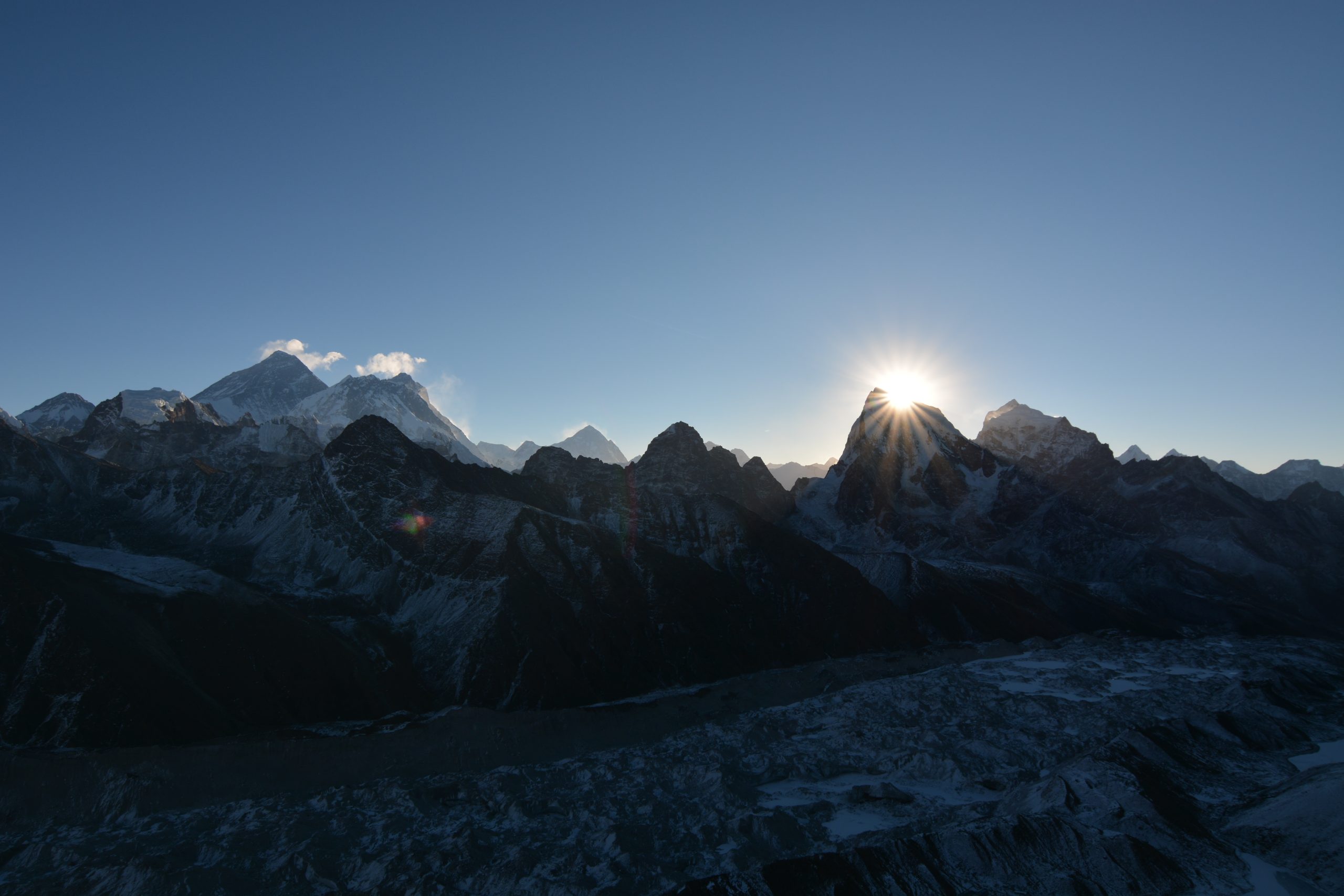
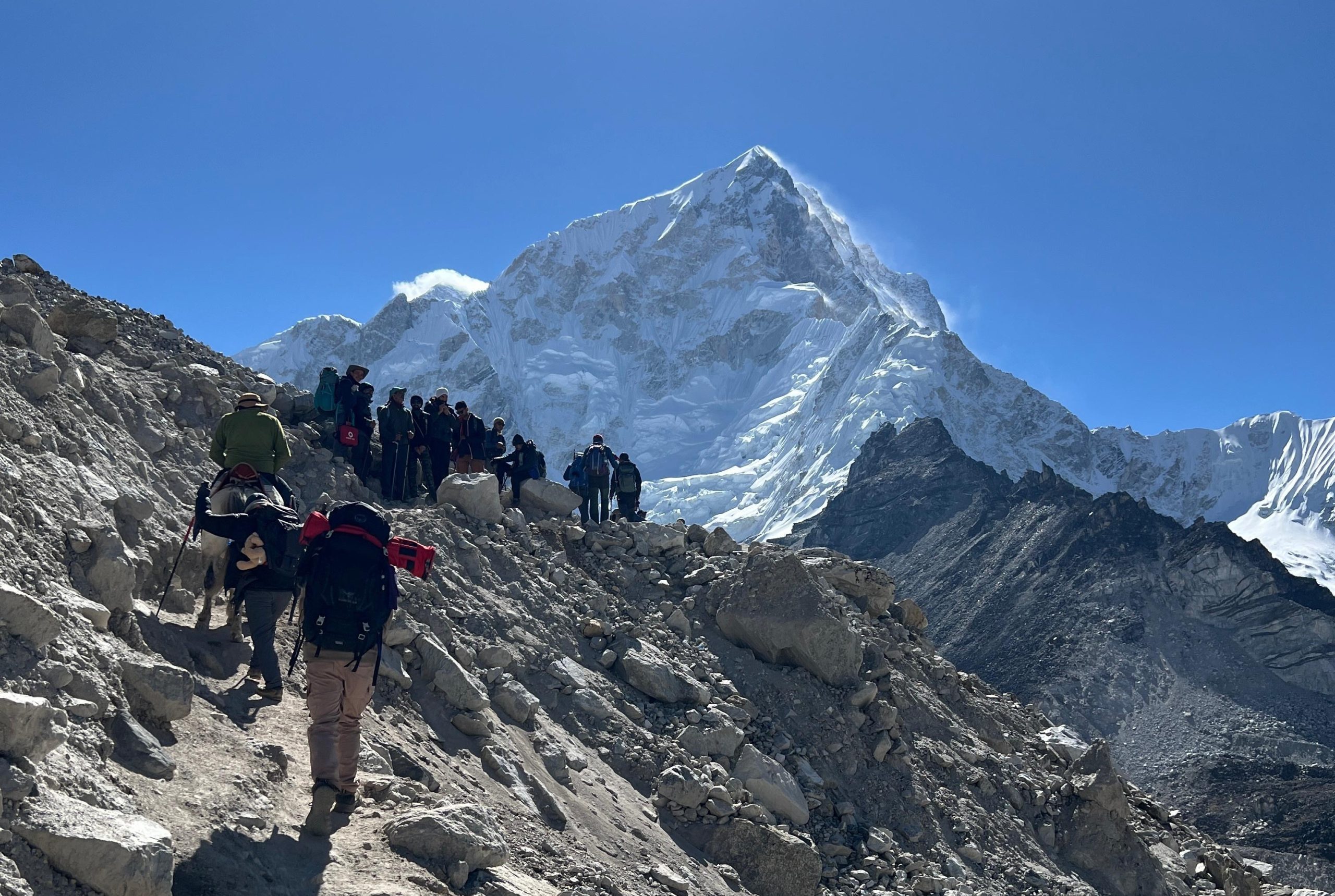
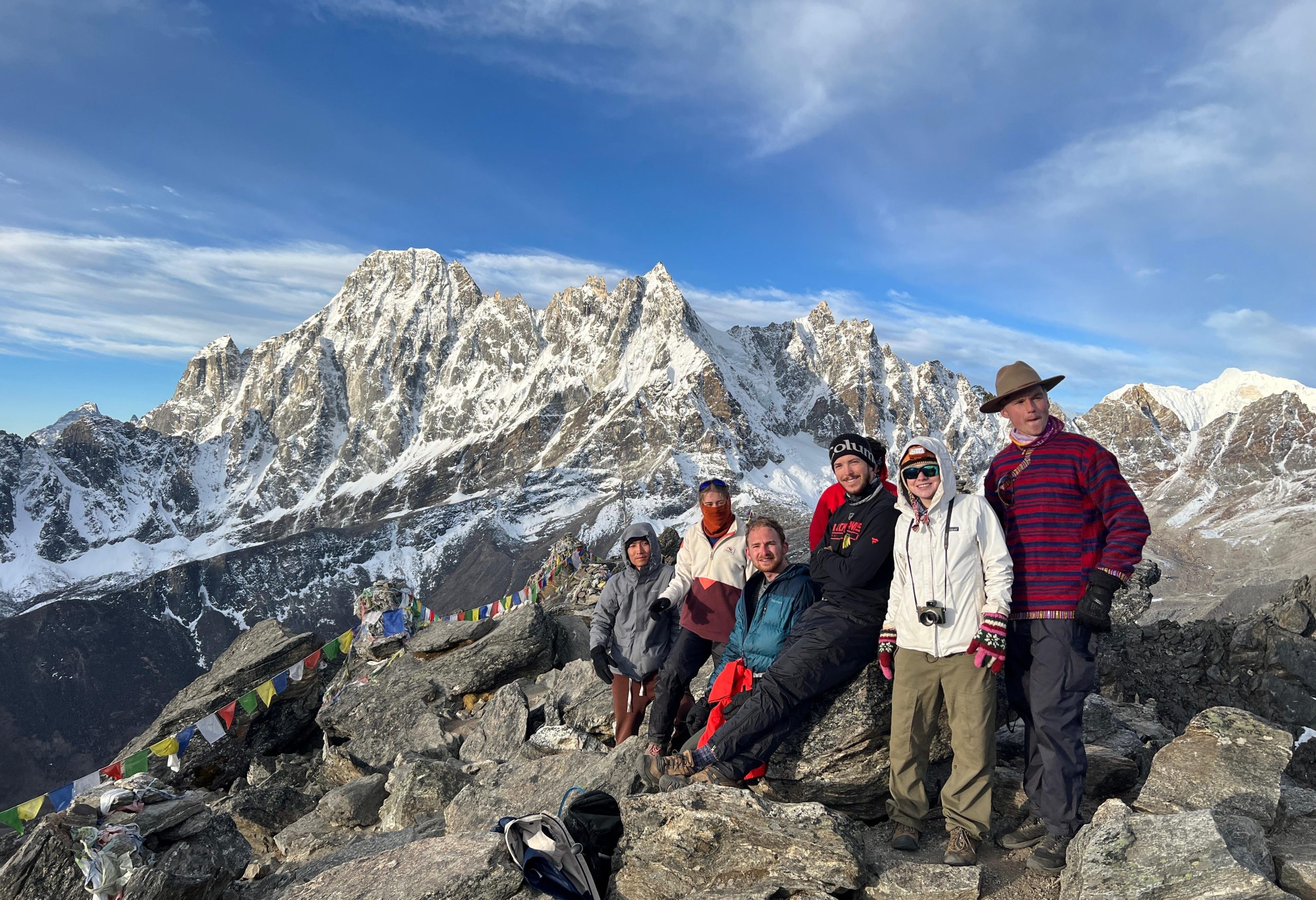
The highlight of the trek is reaching the beautiful Gokyo Lakes, a series of high-altitude freshwater lakes surrounded by towering snow-covered peaks. Their striking blue and turquoise colors, together with the peaceful mountain setting, create one of the most memorable landscapes in Nepal. The trek also includes the climb to Gokyo Ri (5,357 m / 17,575 ft), one of the finest viewpoints in the Himalayas. From the summit, you’ll enjoy panoramic views of Mount Everest, Lhotse, Makalu, Cho Oyu, and many other Himalayan giants.
Unlike the busier Everest Base Camp trail, the Gokyo Lake Trek offers a more relaxed and less crowded experience while still showcasing the natural beauty and cultural heritage of the Khumbu region. The route passes through traditional Sherpa communities, ancient Buddhist monasteries, and yak grazing pastures, giving trekkers a closer look at daily life in the high Himalayas.
Whether you’re trekking in Nepal for the first time or returning to explore a different side of the Everest region, the Gokyo Lake Trek offers an unforgettable combination of alpine lakes, panoramic mountain views, rich Sherpa culture, and rewarding high-altitude trekking. It is an ideal choice for those seeking spectacular scenery beyond the classic Everest Base Camp route.
Upon arrival at Kathmandu International Airport, Lhasso Adventure representative will warmly welcome you and transfer you to your hotel. After check-in, you’ll have some free time to rest, freshen up, and enjoy a meal. In the evening, we gather for team introductions, a briefing session, and general discussions about the adventure ahead. Later, we head out for a welcome dinner at one of our favorite local restaurants, where you can experience authentic Nepali cuisine.
Morning depart from the hotel to Kathmandu domestic airport for exciting and scenic flight of 35 minutes to land at Lukla, a Sherpa town where all treks and adventure starts and ends around Everest and high Khumbu region.
From Lukla, a gradual walks to begin with short downs and ups and then on winding trail past nice farm villages of Sherpa enriched with Buddhism religion and culture as you encounter rows of Mani (prayer)monuments and large spinning bells.
Slowly our pleasant first day walk completes reaching at Phakding a moderate size village with many good lodges for overnight stay nearby glacial Dudh Kosi River.
Today walk leads to famous Namche Bazaar where altitude gains as walk progress, morning walk starts following the river and crossing several times to reach at Monjo village near Sagarmatha National Park entrance. From here walking on river valley and gorge covered within nice woodland of tall rhododendron-pines and fir trees.
After crossing a high last bridge, with few hours climb to Namche Bazaar with stunning views of Everest-Lhotse and Kongde peaks.
Namche Bazaar at 3,440 m high, an ideal place for rest day to acclimatize, the main town / village of Khumbu where colorful and exciting Saturday market takes place once a week.
Rest day for acclimatization before heading higher terrain, morning after breakfast with options for hike to Everest View Hotel or walk on top of Namche, where you can catch super landscapes scenery with Mt. Everest, Lhotse, Amadablam and other series of high peaks. Here enjoy visiting National Park, Museum which provides you with much information of Khumbu region, Sherpa history-culture-flora and fauna including detail on mountaineering.
From Namche Bazaar, walk leads on gradual scenic path with uphill to reach at Mong Hill with few houses serving as Tea-House and Lodge with fantastic views of peaks, from here downhill to Phortse Tenga near Dudh Kosi within forested area.
With possible lunch stop, afternoon walk leads to a climb into rhododendron, pines, fir forest with grand views of snowcapped peaks.
After few hours climb reaching at Dole at 4,110 m high a moderate size settlement with good lodges to stay.
After Dole, walk on high trail for an hour to Lhabarma Kharka at 4,325 m and Luza at 4,390m; then skirting around a ridge with views of Machherma, situated below on a small valley, walk downhill to Machherma for lunch and overnight stop.
Here after lunch rest of the afternoon free for acclimatization and short hike with views of Mt. Cho Oyo 8,210m and other mountains flanking above Ngozumba Glacier.
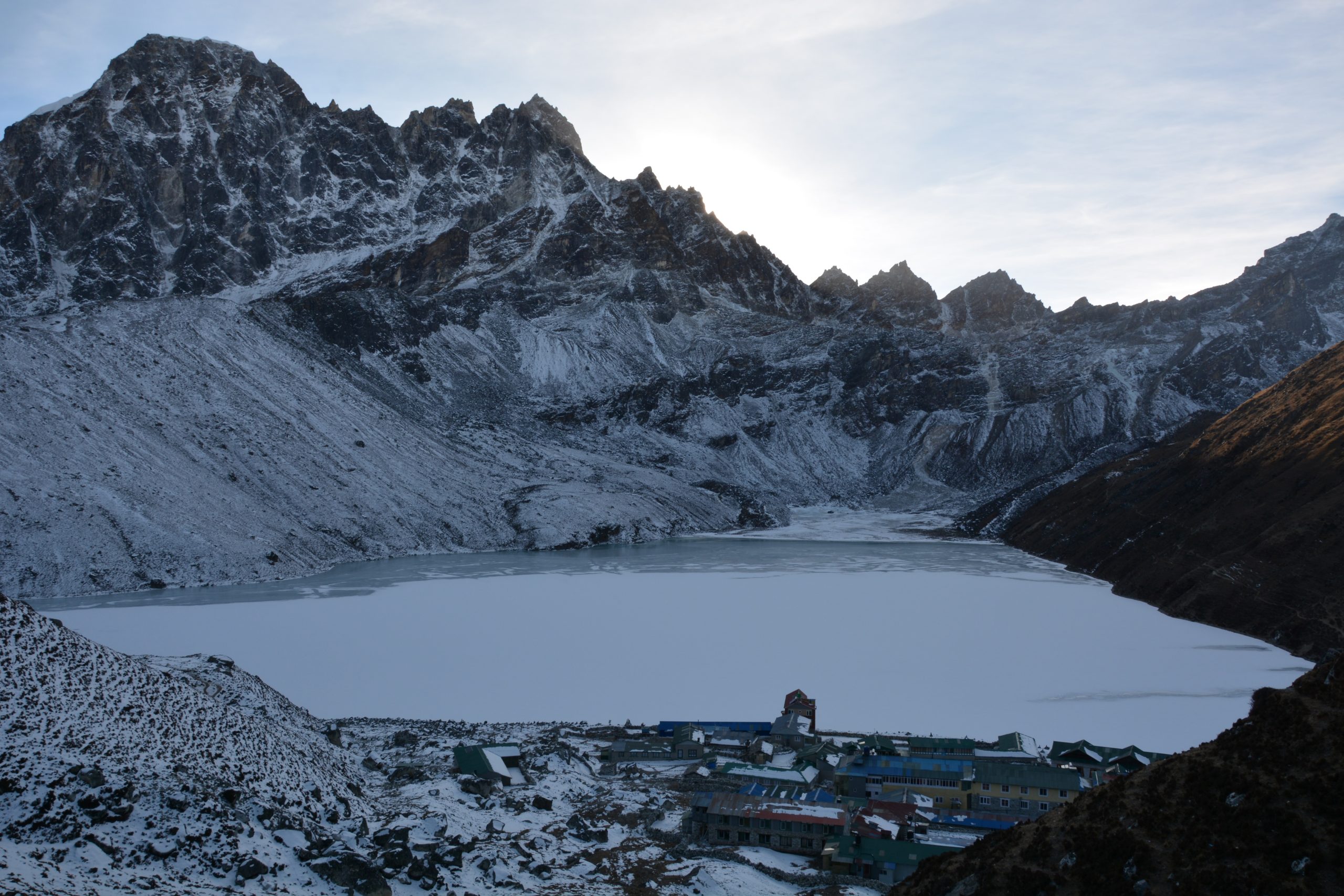
Morning walk leads to Gokyo Lake following a scenic trail to Pangka 4,545m, then climb on rocky path into ablation valley passing first lake and then second lakes, to reach a third lake called Dudh Pokhari or Gokyo Lake.
This beautiful area within Gokyo at 4,790 meters high, after lunch short walk around lake with views of Mt. Cho Oyo world’s 06th highest and Gyachung Kang that reflects on emerald Gokyo Lake.
Free day at scenic Gokyo valley and its beautiful glacial lakes, where morning climb of few hours leads you to the highest point of the adventure on top Gokyo Ri at 5,357 m high, offering tremendous panorama from Mt. Cho-Oyu, Mt. Everest, Lhotse and of Mt. Makalu covering four world highest mountains at one glance with series of smaller peaks.
Enjoying views of grand peaks with massive Ngozumba Glacier and then down to Gokyo for lunch with rest of the afternoon at leisure.
After a wonderful and exciting time around Gokyo valley and its beautiful lakes, morning easier walk downhill to reach back at Dole, as walk leads along with wonderful views and then heading backing into tree lines at Dole for overnight stop.
From Dole walk leads down with short climb to Mong ridge and then a long descend to reach at main trekking trail near Sanasa and Kyanjima village with views of Amadablam at close distance, after a refreshing stop a nice walk leads you at Namche for overnight stop.
Our last day walk of the adventure where trek follows on the same trail back to Lukla past
Monjo, Phakding and Ghat villages crossing few times over Dudh Kosi, with last final climb to reach Lukla town for last overnight stop around high scenic Khumbu and Everest region.
Morning transfer to Lukla Tenzing and Hillary airport for sweeping short flight to Kathmandu facing scenic views of mountains, green scenery of hills and farm fields with nice villages and towns as flight lands at Kathmandu airport and then back to your hotel, with free afternoon to relax of great memorable adventure on Everest Base Camp Trekking.
Last day in Nepal after a wonderful experience and adventure on Everest Gokyo Lake Trek with great service of Lhasso Adventure, and as per your international flight then transfer to Kathmandu international airport for homeward bound or to your respective destinations.
Our standard itinerary may vary slightly due to weather, trail conditions, government regulations, or individual health needs. In all cases, Lhasso Adventure guides evaluate the situation and find the best safe alternative. We recommend arriving in Kathmandu at least one day before the trek start date, and booking international flights with 2–3 buffer days after your return date.
At Lhasso Adventure, we believe travel should create a positive impact. That’s why we donate 10% of our profits to the Mother and Children Art Foundation (MCAF), supporting education, healthcare, and sustainable opportunities for underprivileged women and children across Nepal.
Through our partnership with MCAF, we also support community initiatives, including medical health camps, school volunteering programs, and projects that improve the well-being of local mountain communities. Every trek with us helps give back to the people who make Nepal truly special.
Lhasso Adventure holds active membership with Nepal’s leading trekking bodies and enforces strict responsible tourism standards on every departure.


All Lhasso Adventure group departures for the Gokyo Lake Trek have a maximum of 16 participants. Small groups mean a more personal experience, better acclimatization monitoring, and less impact on the trail. Can't find a date that works? We also offer private departures on any date,
| Start | Finish | Availability | Price | |
|---|---|---|---|---|
| 05/10/2026 | 17/10/2026 | Trip Status available | Starting from $ 1748 | Book Now |
| 16/10/2026 | 28/10/2026 | Trip Status available | Starting from $ 1748 | Book Now |
| 06/11/2026 | 18/11/2026 | Trip Status available | Starting from $ 1748 | Book Now |
| 14/11/2026 | 26/11/2026 | Trip Status available | Starting from $ 1748 | Book Now |
| 02/12/2026 | 14/12/2026 | Trip Status available | Starting from $ 1748 | Book Now |
| 15/12/2026 | 27/12/2026 | Trip Status available | Starting from $ 1748 | Book Now |
| 05/01/2027 | 17/01/2027 | Trip Status available | Starting from $ 1748 | Book Now |
| 13/01/2027 | 25/01/2027 | Trip Status available | Starting from $ 1748 | Book Now |
| 01/02/2027 | 13/02/2027 | Trip Status available | Starting from $ 1748 | Book Now |
| 10/02/2027 | 22/02/2027 | Trip Status available | Starting from $ 1748 | Book Now |
| 15/02/2027 | 27/02/2027 | Trip Status available | Starting from $ 1748 | Book Now |
| 04/03/2027 | 16/03/2027 | Trip Status available | Starting from $ 1748 | Book Now |
| 16/03/2027 | 28/03/2027 | Trip Status available | Starting from $ 1748 | Book Now |
| 01/04/2027 | 13/04/2027 | Trip Status available | Starting from $ 1748 | Book Now |
| 15/04/2027 | 27/04/2027 | Trip Status available | Starting from $ 1748 | Book Now |
| 08/05/2027 | 20/05/2027 | Trip Status available | Starting from $ 1748 | Book Now |
| 12/05/2027 | 24/05/2027 | Trip Status available | Starting from $ 1748 | Book Now |
| 04/06/2027 | 16/06/2027 | Trip Status available | Starting from $ 1748 | Book Now |
| 16/06/2027 | 16/06/2027 | Trip Status available | Starting from $ 1748 | Book Now |
| 02/07/2027 | 14/07/2027 | Trip Status available | Starting from $ 1748 | Book Now |
| 02/08/2027 | 14/08/2027 | Trip Status available | Starting from $ 1748 | Book Now |
| 15/08/2027 | 27/08/2027 | Trip Status available | Starting from $ 1748 | Book Now |
Looking for personalized. We organize privately guided journey which is mainly designed to fit your taste and interest. Please fill out the form below to get started.
Lhasso Adventure provides a 70–80L duffel bag for your porter to carry (keep it under 20-25 kg). You can rent a 4-season sleeping bag or down jacket for USD 35 each, let us know before the trek starts. You can store non-trekking items at your Kathmandu hotel at no extra cost.
In addition to making trekking more enjoyable, having the appropriate gear guarantees your safety and readiness for a range of situations. Regardless of skill level, every hiker has to invest in high-quality equipment and understand how to utilize it properly. A delightful journey can differ from a difficult ordeal depending on the level of planning and equipment used. Please make your selections of the necessary equipment from the list below.
If you have any more specific questions or need further details, please feel free to contact us anytime.
Contact UsYes, the Gokyo Lake Trek is suitable for beginners with a good level of fitness. The route includes gradual altitude gain and planned acclimatization days, making it manageable for first-time trekkers. With experienced guides providing pacing, safety support, and encouragement, even those new to high-altitude trekking can complete it.
The trek price typically includes permits, domestic flights, accommodation, meals during the trek, and guide services. Most logistical arrangements are handled in advance to ensure a smooth experience. Personal expenses such as snacks, Wi-Fi, hot showers, and tips are usually not included, so it’s important to review the inclusions carefully before booking.
The Gokyo Lake Trek is considered moderately difficult and is often less crowded than the EBC route. While it reaches similar altitudes, the trail is generally quieter and can feel more manageable with proper acclimatization. Most trekkers find it physically challenging but achievable with preparation and a steady pace.
The Gokyo Lake Trek itinerary typically takes 13 days, starting with a flight to Lukla and passing through Namche Bazaar, Dole, Machhermo, and Gokyo Valley. It includes acclimatization days and a hike to Gokyo Ri (5,357m). The route is structured to balance trekking distance, altitude gain, and overall comfort throughout the journey.
The Gokyo Lake Trek covers approximately 90–110 kilometers round trip, depending on the exact route taken. Trekkers usually walk 5–7 hours per day, with shorter and longer days depending on altitude and terrain. The pace is designed to support proper acclimatization while maintaining a steady and enjoyable trekking experience.
Yes, the trek includes experienced guides and optional porters to support your journey. Guides assist with navigation, pacing, safety, and local insights, while porters help carry heavier luggage. This allows trekkers to focus on the experience while ensuring a smoother and more comfortable trek in high-altitude conditions.
During the Gokyo Lake Trek, accommodation is typically provided in teahouses or lodges along the route. These offer basic but comfortable rooms and freshly prepared meals such as dal bhat, noodles, soups, and breakfast options. The facilities become simpler at higher altitudes, but they are sufficient for rest, warmth, and recovery after trekking.
The best time for the Gokyo Lake Trek is during spring (March to May) and autumn (September to November). These seasons offer clear skies, stable weather, and the best mountain views. Spring brings blooming rhododendrons, while autumn provides crisp visibility, making both periods ideal for a safe and scenic trekking experience.
The Gokyo Lake Trek requires permits such as the Sagarmatha National Park Entry Permit and the Khumbu Pasang Lhamu Rural Municipality Permit. Lhasa Adventure arranges these permits in advance, allowing trekkers to focus on the journey without administrative hassle.
Safety during the Gokyo Lake Trek is ensured through proper acclimatization planning, experienced guides, and a well-paced itinerary. Rest days are included at key points like Namche Bazaar to help the body adjust to altitude. Guides monitor health conditions and adjust plans if needed, reducing the risk of altitude sickness and ensuring a safer trekking experience.
Yes, travel insurance is highly recommended due to the high-altitude environment. It should cover emergency helicopter evacuation, medical treatment, trip cancellations, and altitude-related illnesses. Having proper insurance ensures peace of mind and financial protection in case of unexpected situations during the trek.
For the Gokyo Lake Trek, essential gear such as duffel bags, down jackets, and sleeping bags are often provided where required. Trekkers are also guided on what to pack, including layered clothing, waterproof gear, and sturdy footwear. This support helps ensure comfort and safety across varying weather and altitude conditions.
The trek follows a standard route through the Everest region, but the experience can vary based on pacing and itinerary design. A well-planned route focuses on proper acclimatization, balanced walking days, and strategic rest stops. This ensures a smoother and safer journey compared to rushed or poorly structured itineraries.
Yes, the Gokyo Lake Trek itinerary can be customized based on your fitness level, time availability, and preferences. Adjustments can include additional acclimatization days, shorter walking distances, or extended exploration. A flexible itinerary helps ensure a safer, more comfortable, and personalized trekking experience.
The Gokyo Lake Trek stands out when supported by experienced local teams who understand the terrain, culture, and challenges of high-altitude trekking. With proper planning, reliable logistics, and knowledgeable guides, trekkers benefit from a safer and more organized journey. This level of support allows you to focus fully on the experience rather than the details.