Namche Bazaar Acclimatization Hikes: Best Day Hikes Before Everest Base Camp
October 18, 2025 Lhasso Adventure
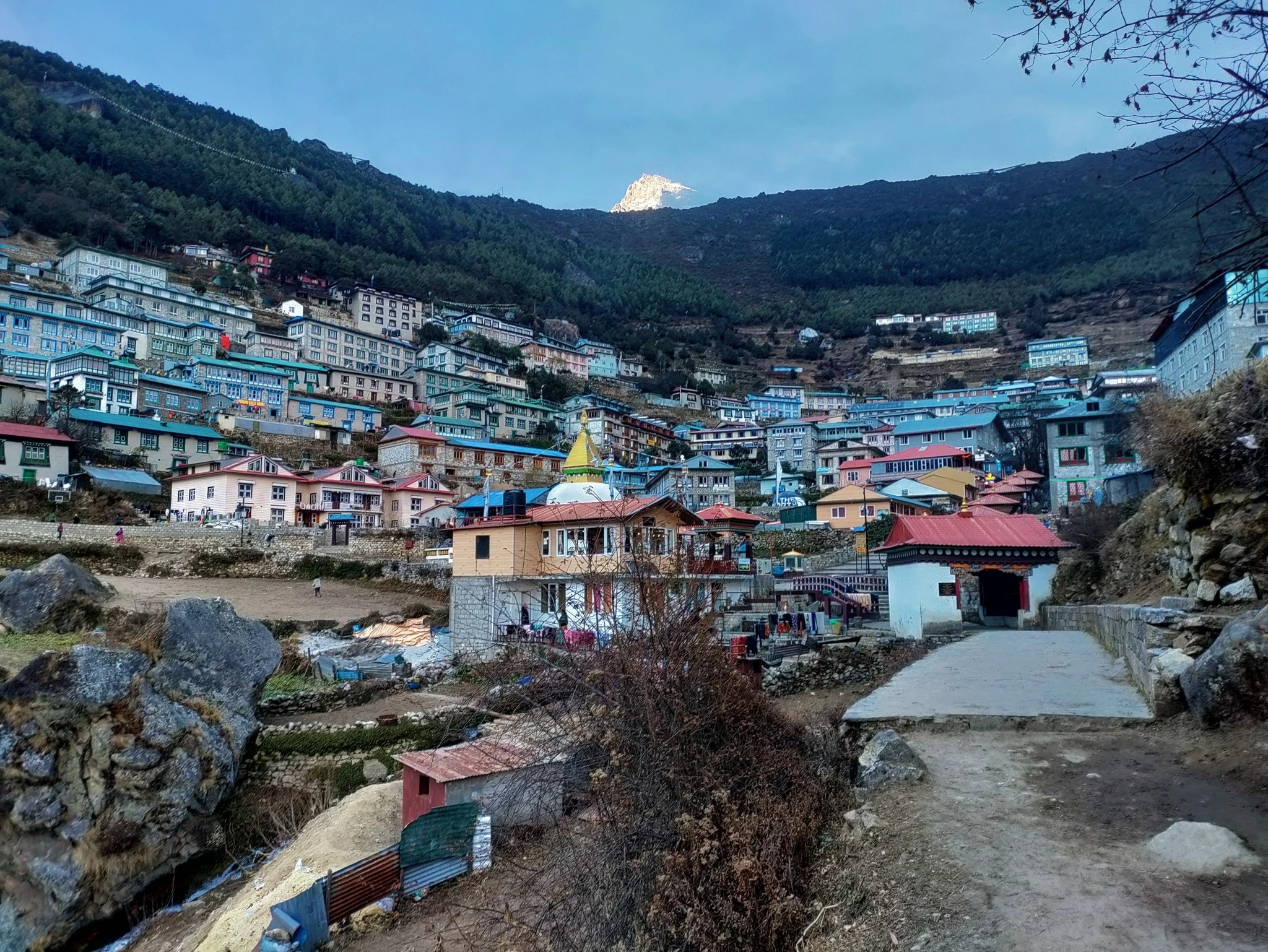
Namche Bazaar is the most important acclimatization point on the Everest Base Camp Trek, located at an altitude of 3,440 meters (11,286 ft) in the Khumbu region of Nepal.
After several days of trekking from Lukla, reaching Namche marks the first major altitude change where trekkers need to slow down and allow their bodies to adapt before continuing toward higher areas.
The reason Namche is considered essential is because the elevation increases significantly after this point. The villages beyond Namche, including Tengboche, Dingboche, and Lobuche, sit at much higher altitudes where oxygen levels are lower and physical effort becomes more demanding.
Spending an extra day in Namche with short acclimatization hikes helps your body gradually adjust while keeping the trekking schedule comfortable.
These hikes are not only about altitude preparation. They also introduce trekkers to the local Sherpa culture, mountain landscapes, monasteries, and viewpoints that make the Everest region unique.
A properly planned acclimatization day can improve the overall trekking experience by reducing unnecessary strain and preparing you for the challenging sections ahead.
Understanding Acclimatization at Namche Bazaar
Acclimatization is the process through which the human body adapts to lower oxygen levels at higher elevations.
As trekkers climb above 3,000 meters, the air becomes thinner, meaning the body needs more time to adjust. Moving too quickly without proper rest can increase the possibility of altitude-related symptoms such as headaches, nausea, dizziness, and fatigue.
Namche Bazaar provides an ideal environment for adaptation because trekkers can explore higher viewpoints during the day while returning to the same elevation for overnight rest.
This follows the common high-altitude approach of “climb high, sleep low,” where short climbs encourage adjustment while avoiding rapid overnight altitude gain.
Following a proper acclimatization strategy during the Everest Base Camp Trek allows trekkers to prepare their bodies before entering the higher Himalayan sections.
The purpose of an acclimatization day is not to stop the journey but to help the body become stronger for the next stage.
Why You Should Spend an Extra Day in Namche Bazaar
Many first-time trekkers think a rest day means staying inside the lodge and avoiding movement.
However, at high altitude, controlled activity is often more beneficial than complete rest.
Short hikes around Namche allow trekkers to increase elevation slightly, observe how their bodies respond, and return back before sleeping.
This gradual approach helps create a smoother transition before continuing toward areas above 4,000 meters.
Apart from the physical benefits, Namche provides an opportunity to experience the cultural side of the Everest region.
The town is a center of Sherpa life, with local markets, traditional homes, monasteries, and mountain viewpoints surrounding the area.
The combination of gentle hiking and cultural exploration makes Namche one of the most valuable stops on the entire Everest Base Camp route.
Understanding how altitude affects your energy levels and physical performance during Himalayan trekking helps trekkers make better decisions about pacing and rest.
Best Acclimatization Hikes from Namche Bazaar
Namche Bazaar offers several hiking options suitable for acclimatization.
Some trails are short and comfortable, while others provide longer walking hours with higher elevation gain.
The best choice depends on your fitness level, trekking experience, and how your body feels after reaching Namche.
Each hike provides a different experience, from panoramic Himalayan views to traditional Sherpa settlements.
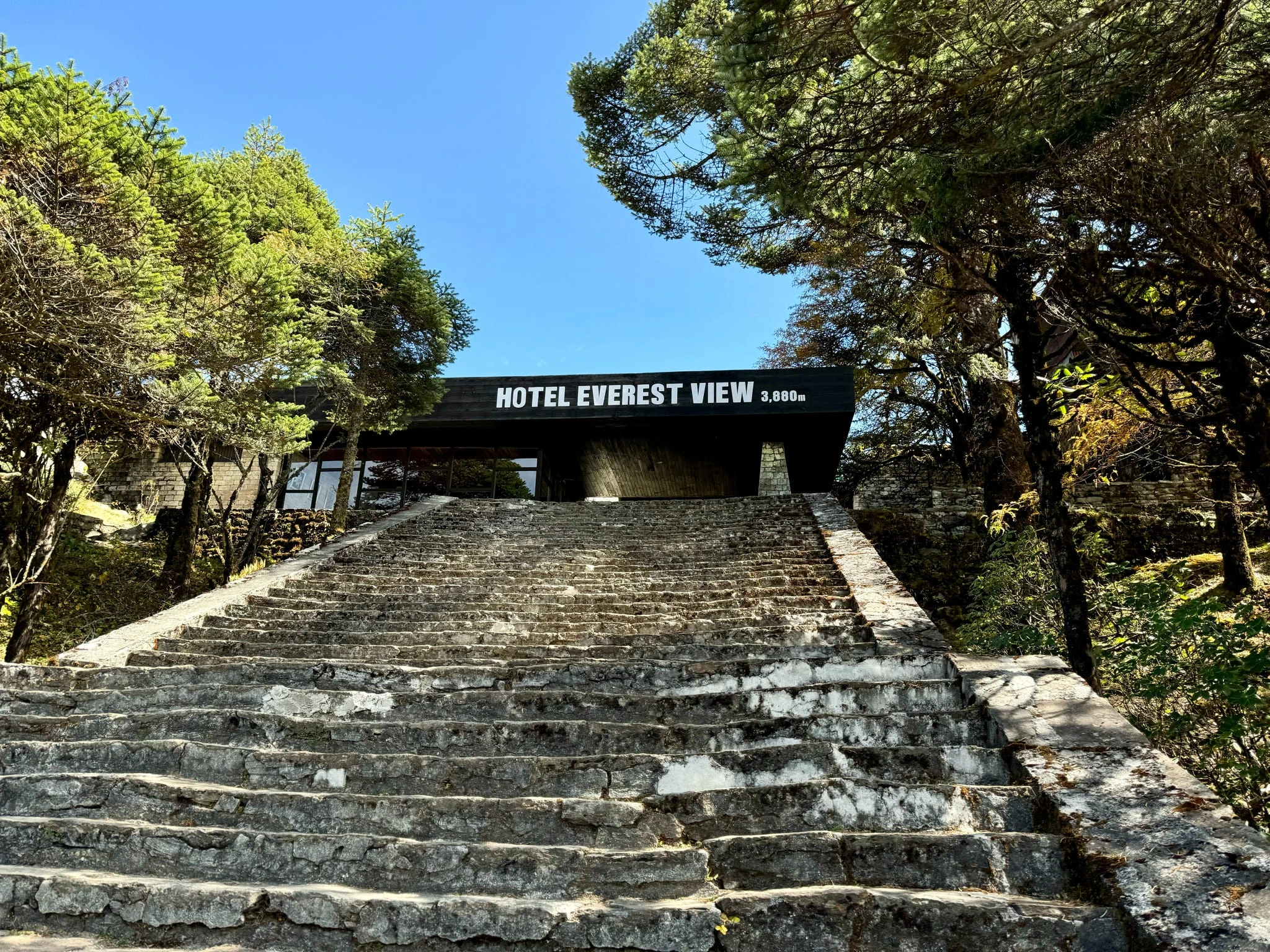
1. Everest View Hotel Hike (3,880 m)
The Everest View Hotel hike is the most popular acclimatization hike from Namche Bazaar.
The trail begins above the town and gradually climbs through pine forests, open hillsides, and small Sherpa settlements.
The round-trip hike usually takes around 2–3 hours, making it suitable for most trekkers who want a comfortable introduction to higher elevation.
The main highlight is the viewpoint near Everest View Hotel, where trekkers can enjoy incredible views of Mount Everest, Lhotse, Ama Dablam, and Thamserku.
Besides the scenery, the hike provides an opportunity for your body to experience a higher altitude before returning to Namche for the night.
This makes it an excellent preparation walk before continuing toward the higher sections of the Everest Base Camp trail.
The route is especially popular because it combines acclimatization with one of the best mountain viewpoints in the region.
2. Khumjung and Khunde Village Hike
The Khumjung and Khunde hike is one of the best options for trekkers who want cultural experiences along with altitude preparation.
The trail passes through traditional Sherpa settlements, stone houses, prayer walls, and mountain farmland.
Compared with the Everest View Hotel route, this hike provides more insight into the daily lifestyle of local communities.
Khumjung is known for its monastery and strong connection with Sherpa traditions, while Khunde provides a closer look at community services and mountain life.
The hike usually takes around 4–5 hours depending on the walking pace and stops along the way.
The gradual climb makes it suitable for acclimatization while the cultural surroundings make the journey more meaningful.
Exploring Sherpa villages and traditional lifestyles around the Khumbu region allows trekkers to understand the communities that have shaped the Everest landscape for generations.
3. HRA Clinic Viewpoint Hike
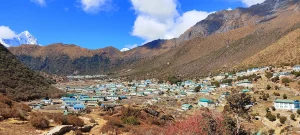
The Himalayan Rescue Association (HRA) Clinic viewpoint is a shorter acclimatization option for trekkers who prefer a lighter day.
This hike requires less time compared with longer routes but still provides elevation gain and impressive views of the surrounding mountains.
It is especially useful for travelers who feel tired after reaching Namche or want to combine a short hike with exploring the town.
The viewpoint also highlights the importance of altitude awareness and mountain safety because the HRA plays an important role in supporting trekkers in the Everest region.
A shorter hike does not mean less value. For many trekkers, this option provides the right balance between movement and recovery before continuing upward.
4. Thame Village Hike (3,800 m)
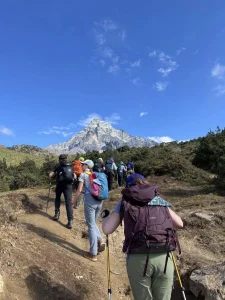
The Thame Village hike is one of the longer and more rewarding acclimatization options from Namche Bazaar, especially for trekkers who want to explore beyond the main Everest Base Camp route.
Located in the western part of the Khumbu region, Thame offers a quieter experience compared with the busier trails toward Tengboche and Dingboche.
The hike usually takes around 6–7 hours round trip, making it more physically demanding than shorter viewpoints around Namche.
However, the gradual elevation gain makes it a valuable option for trekkers who want to challenge themselves while still allowing their bodies to adapt.
The trail passes through traditional settlements, mountain landscapes, and ancient Buddhist sites, including the famous Thame Monastery.
Thame is also historically important because it is connected with famous Sherpa climbers and mountaineering traditions that shaped the history of the Everest region.
Along the way, trekkers experience a different side of the Khumbu, where daily mountain life continues away from the main trekking flow.
The combination of physical activity and cultural exposure makes Thame a meaningful acclimatization hike for those who want more than just a viewpoint.
5. Syangboche Airstrip Hike (3,780 m)
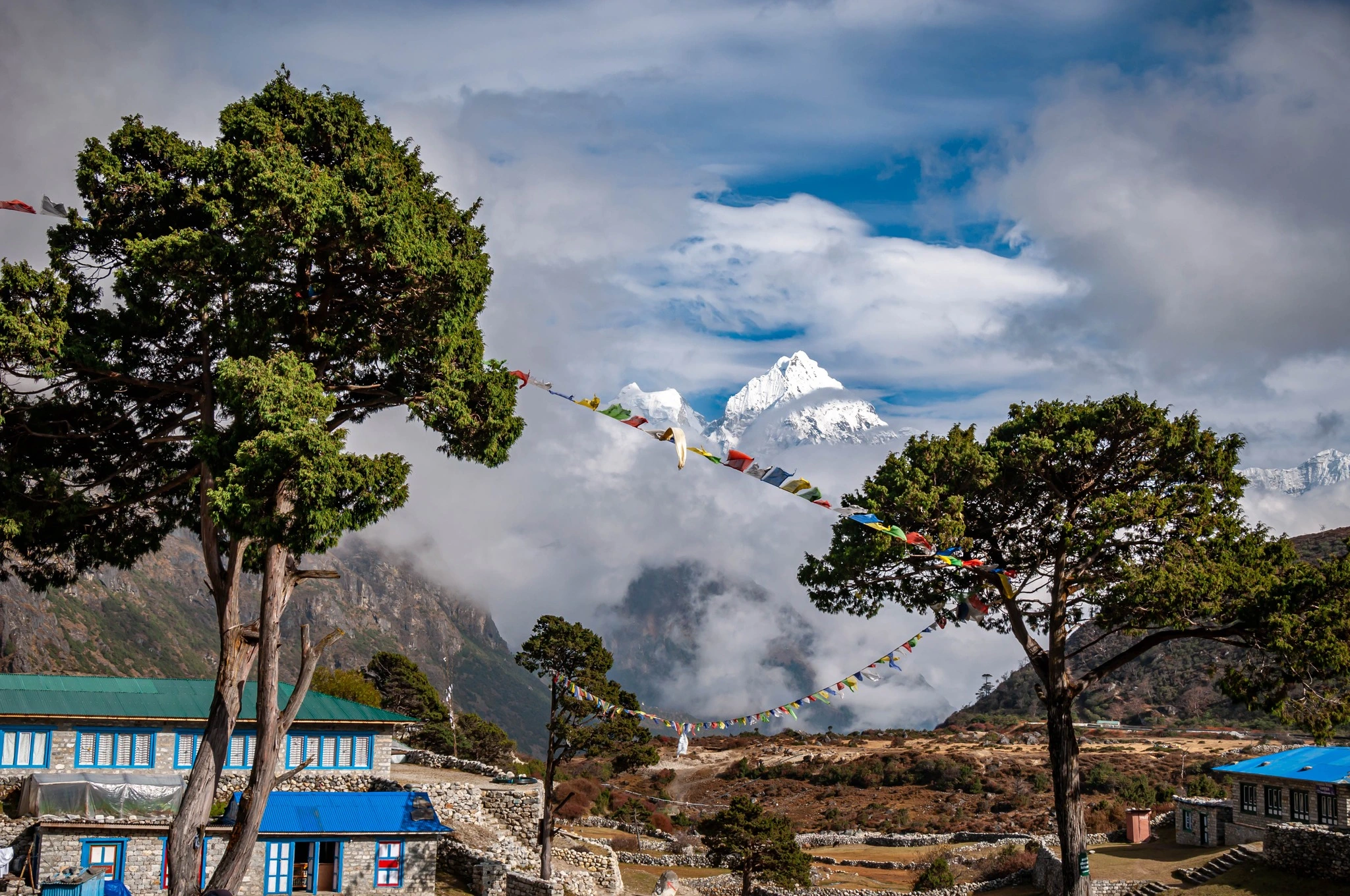
The Syangboche Airstrip hike is a short but scenic option located just above Namche Bazaar.
The trail climbs gradually from Namche and usually takes around 1–2 hours, making it suitable for trekkers who prefer a relaxed acclimatization walk.
Although the airstrip is no longer a major transportation point, the area provides excellent views over Namche Bazaar and the surrounding Himalayan peaks.
This hike is especially useful on a lighter rest day because it allows your body to experience a higher elevation without creating excessive physical stress.
Trekkers can enjoy peaceful surroundings while observing the dramatic landscape that surrounds the Khumbu Valley.
For those preparing for higher sections of the trail, maintaining a comfortable pace and understanding how to manage your energy levels during high-altitude trekking days can make the journey much easier.
The Syangboche area also offers great photography opportunities because of its open landscapes and wide mountain views.
6. Mong La Pass (3,973 m)
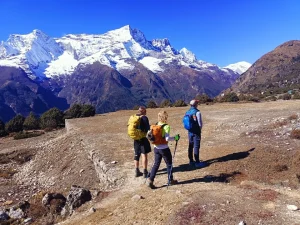
Mong La Pass is a less crowded acclimatization hike from Namche Bazaar that provides a more adventurous experience.
Compared with the popular Everest View Hotel route, this trail offers a quieter environment with fewer trekkers and more untouched natural surroundings.
The hike usually takes around 5–6 hours and involves a steady climb through forests, open ridges, and mountain landscapes.
From Mong La, trekkers can enjoy impressive views of Ama Dablam, Thamserku, and surrounding peaks.
The trail also provides opportunities to experience the natural side of the Everest region, including forests, wildlife, and traditional mountain scenery.
Because the route involves more walking hours and elevation gain, it is better suited for trekkers who already feel comfortable after reaching Namche.
Exploring less crowded trails like this provides a different perspective of the region while still supporting the main purpose of acclimatization.
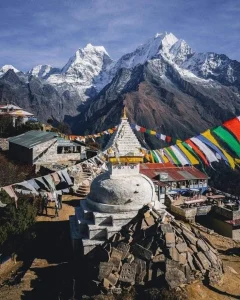
Practical Tips for a Successful Acclimatization Day in Namche
A successful acclimatization day is not only about choosing the right hiking route.
Small decisions such as walking pace, hydration, food intake, and rest also influence how your body responds to altitude.
Trekkers should avoid rushing during hikes and focus on maintaining a steady rhythm.
At higher elevations, even simple activities require more energy compared with lower areas.
Drinking enough water is equally important because mountain air is dry and the body loses fluids faster.
Many trekkers underestimate hydration, but maintaining proper fluid balance supports better energy levels and recovery.
Carrying the right clothing is also essential because temperatures can change quickly between sunny viewpoints and shaded trails. Having appropriate layering systems for changing Himalayan weather conditions helps maintain comfort throughout the day.
Other important acclimatization practices include:
- Avoid alcohol during the adjustment period.
- Eat enough calories to support increased energy use.
- Sleep properly before continuing higher.
- Pay attention to unusual symptoms.
- Inform your guide or trekking partners if you feel unwell.
The purpose of an acclimatization hike is preparation, not exhaustion.
A comfortable and controlled day in Namche creates a stronger foundation for the challenging sections ahead.
Exploring Sherpa Culture During Your Namche Rest Day
Namche Bazaar is not only an altitude stop; it is also one of the best places to experience Sherpa culture during the Everest Base Camp Trek.
The town has developed as an important trading center for mountain communities, and visitors can explore local markets, monasteries, and traditional settlements.
A rest day provides time to understand the lifestyle of people who have lived in the Himalayas for generations.
Trekkers can visit the local museum, explore Buddhist sites, and observe the daily routines of the Sherpa community.
These cultural experiences add more meaning to the journey because Everest is not only about reaching a destination but also understanding the people and environment surrounding it.
The relationship between mountain communities and the Himalayas is deeply connected, which is why Sherpa traditions and Himalayan cultural experiences along the Everest trail remain an important part of the trekking journey.
Common Mistakes Trekkers Make During Namche Acclimatization
Many altitude-related problems happen because trekkers do not use their acclimatization day properly.
One common mistake is trying to complete a long and difficult hike without considering how the body feels after reaching Namche.
Another mistake is treating the rest day as unnecessary and continuing upward too quickly.
A good acclimatization schedule balances activity and recovery.
Short hikes, proper meals, hydration, and enough sleep allow the body to prepare naturally.
Trekkers should remember that reaching Everest Base Camp is not a race.
A slower approach usually creates a more enjoyable and safer experience throughout the journey.
Best Time to Visit Namche Bazaar for Acclimatization Hikes
Namche Bazaar can be visited throughout the trekking seasons, but the best periods for acclimatization hikes are generally during spring and autumn when the weather is more stable and mountain visibility is at its best.
Spring (March to May) brings warmer temperatures, blooming rhododendron forests, and clear views of the surrounding Himalayan peaks. During this period, trekkers can enjoy comfortable hiking conditions while preparing for the higher sections of the Everest Base Camp route.
Autumn (September to November) is another popular season because of dry weather, excellent visibility, and stable trails. The clear skies during these months often provide some of the best mountain views from viewpoints such as Everest View Hotel and Syangboche.
Winter months can also offer beautiful scenery, but colder temperatures require better preparation. Trails may become icy in some areas, and mornings around Namche can feel extremely cold.
The monsoon season brings rain, clouds, and less predictable trail conditions. Although trekking is still possible, views may be limited and some routes can become more challenging.
Choosing the right season is important because weather affects not only comfort but also overall trekking conditions, especially when considering the best months for Everest Base Camp trekking with clearer mountain views and safer trail conditions.
What to Pack for Namche Bazaar Acclimatization Hikes
Packing correctly for acclimatization hikes around Namche does not require carrying your entire trekking bag during the day.
A lightweight daypack with essential items is usually enough because most hikes return to Namche before evening.
Important items include:
- Water bottle or hydration system
- Light snacks and energy bars
- Sunglasses and sunscreen
- Warm layers
- Windproof jacket
- Comfortable hiking shoes
- Camera or phone for mountain views
Weather around Namche can change quickly. A sunny morning can turn into a cold afternoon, especially when hiking toward higher viewpoints.
Carrying flexible clothing layers allows trekkers to adjust according to changing temperatures throughout the day.
A proper packing approach also helps reduce unnecessary tiredness because carrying too much weight can make acclimatization hikes harder than they need to be.
Understanding essential trekking gear for changing Himalayan weather and altitude conditions helps travelers stay comfortable during both short hikes and longer trekking days.
Food and Hydration During Your Namche Rest Day
Nutrition and hydration play a major role during acclimatization.
At higher elevations, your body uses more energy because breathing and movement require additional effort.
Trekkers should focus on balanced meals that provide enough carbohydrates, protein, and calories to support the journey ahead.
Popular meals in Namche include dal bhat, noodles, soups, momos, and traditional Sherpa dishes.
Drinking enough water is equally important because dehydration can make altitude symptoms feel worse.
Many trekkers reduce their water intake because cold weather decreases the feeling of thirst, but the body still loses fluids at altitude.
A simple routine of drinking regularly throughout the day can help maintain energy levels.
Avoiding excessive caffeine and alcohol is also recommended because they can affect hydration and recovery.
Proper nutrition during Namche acclimatization helps ensure your body has enough strength before continuing toward higher elevations.
Altitude Sickness Awareness During Namche Acclimatization
Namche Bazaar is often the first place where trekkers begin noticing the effects of altitude.
Mild symptoms such as slower walking pace, shortness of breath, or reduced appetite can be normal while your body adjusts.
However, symptoms like severe headache, confusion, vomiting, or difficulty walking should never be ignored.
Altitude sickness happens when the body cannot adapt properly to reduced oxygen levels.
The best prevention methods include gradual ascent, proper rest, hydration, and avoiding unnecessary physical stress.
Trekkers should also communicate openly with their guide or trekking partners if they feel uncomfortable.
Many problems can be avoided when symptoms are noticed early and handled correctly.
Following proper altitude sickness prevention methods during Himalayan trekking allows travelers to continue their journey with greater confidence and awareness.
Namche Bazaar as a Preparation Point Before Higher Altitude
After completing acclimatization hikes around Namche, trekkers are better prepared for the next stages of the Everest Base Camp route.
The trail beyond Namche becomes more demanding as it moves toward Tengboche, Dingboche, and the higher valleys of the Khumbu region.
The landscapes become more dramatic, but the altitude challenge also increases.
This is why Namche is more than just a beautiful mountain village.
It acts as a transition point where trekkers shift from lower-altitude walking into a true Himalayan environment.
The experience gained here, from managing pace to understanding your body’s response, becomes valuable throughout the rest of the trek.
Taking time to adapt properly often makes the difference between struggling at higher elevations and enjoying the journey comfortably.
A well-planned acclimatization stop supports a safer and more memorable Everest Base Camp experience.
Frequently Asked Questions About Namche Bazaar Acclimatization Hikes
How many days should I spend in Namche Bazaar?
Most trekkers spend one additional acclimatization day in Namche before continuing toward higher elevations. Some itineraries may include extra time depending on pace and altitude response.
Which is the best acclimatization hike from Namche Bazaar?
The Everest View Hotel hike is the most popular option because it provides excellent mountain views with a manageable walking distance. Other options like Khumjung, Khunde, and Thame offer more cultural experiences.
Is Namche Bazaar difficult for first-time trekkers?
Namche can feel challenging because of its altitude and steep approach from the lower valleys. However, with proper pacing and acclimatization, most beginners can adjust successfully.
Can I skip the acclimatization day in Namche?
Although some trekkers continue without an extra day, skipping acclimatization increases the difficulty of adjusting at higher elevations.
Taking time to explore nearby trails is generally recommended for a safer experience.
What should I do during a rest day in Namche?
A good rest day includes a short acclimatization hike, exploring local attractions, eating properly, and allowing your body enough recovery time.
Conclusion: Why Namche Acclimatization Hikes Matter
Namche Bazaar is one of the most valuable stops on the Everest Base Camp Trek because it combines altitude preparation, cultural exploration, and breathtaking Himalayan scenery.
The surrounding hikes provide the perfect balance between activity and recovery, allowing trekkers to adjust before entering the higher sections of the Khumbu region.
From the famous Everest View Hotel to quieter trails like Thame and Mong La, each route offers a different way to experience the mountains while preparing for the journey ahead.
A successful Everest Base Camp Trek is not only about reaching the final destination.
It is about understanding your body, respecting the altitude, and taking the necessary steps to enjoy the entire Himalayan experience.

Your rest day in Namche Bazaar is more than a pause; it’s a critical part of your Everest Base Camp trek. Proper acclimatization hikes, cultural experiences, and self-care prepare your body and mind for the higher-altitude sections ahead.
Plan your Namche Bazaar hike carefully, follow the acclimatization tips, and enjoy every moment of the Himalayan adventure.