

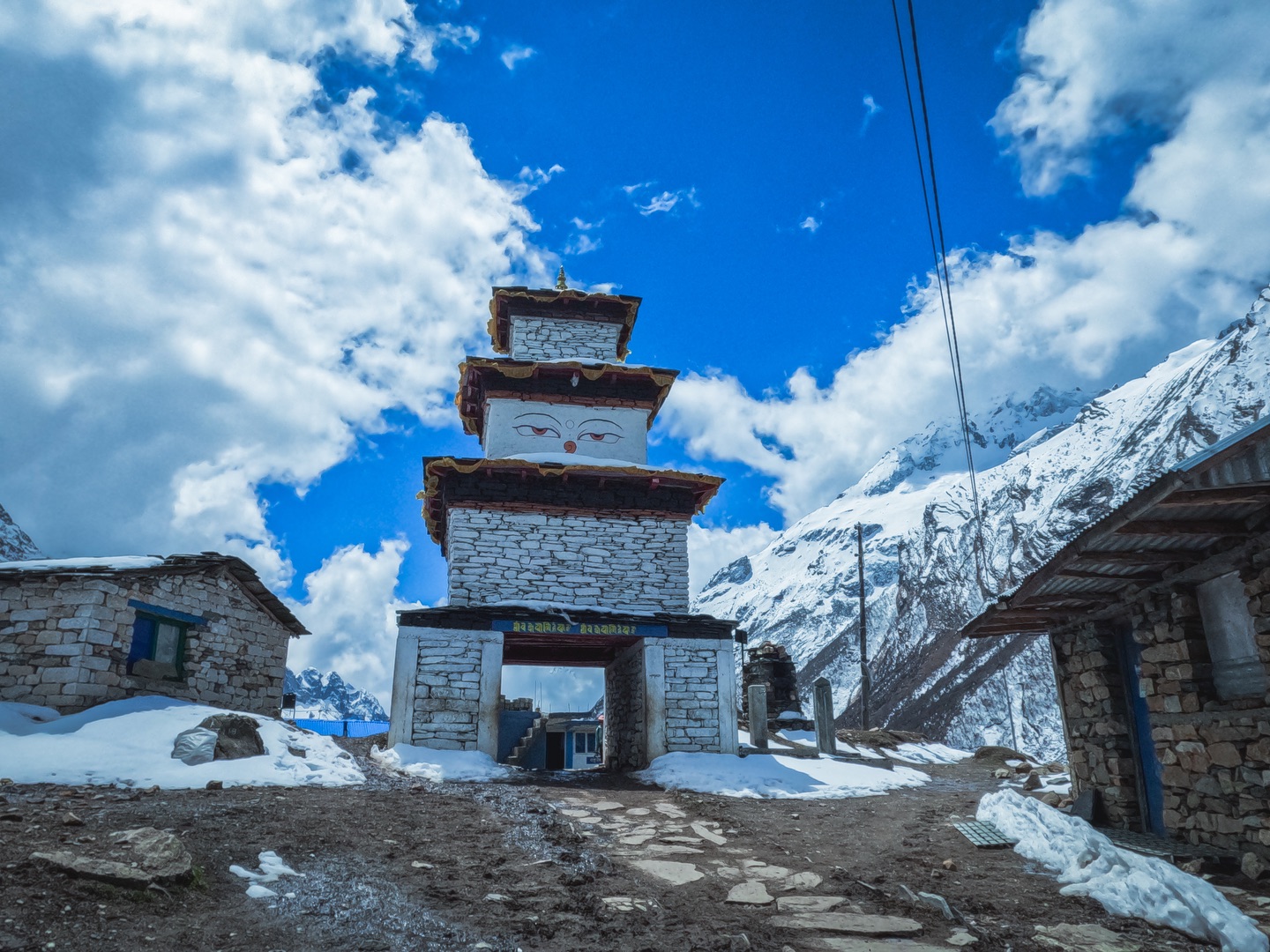


Subash Ghimire
- Climbing & Expedition Leader
"Live The Adventure Of A Lifetime"
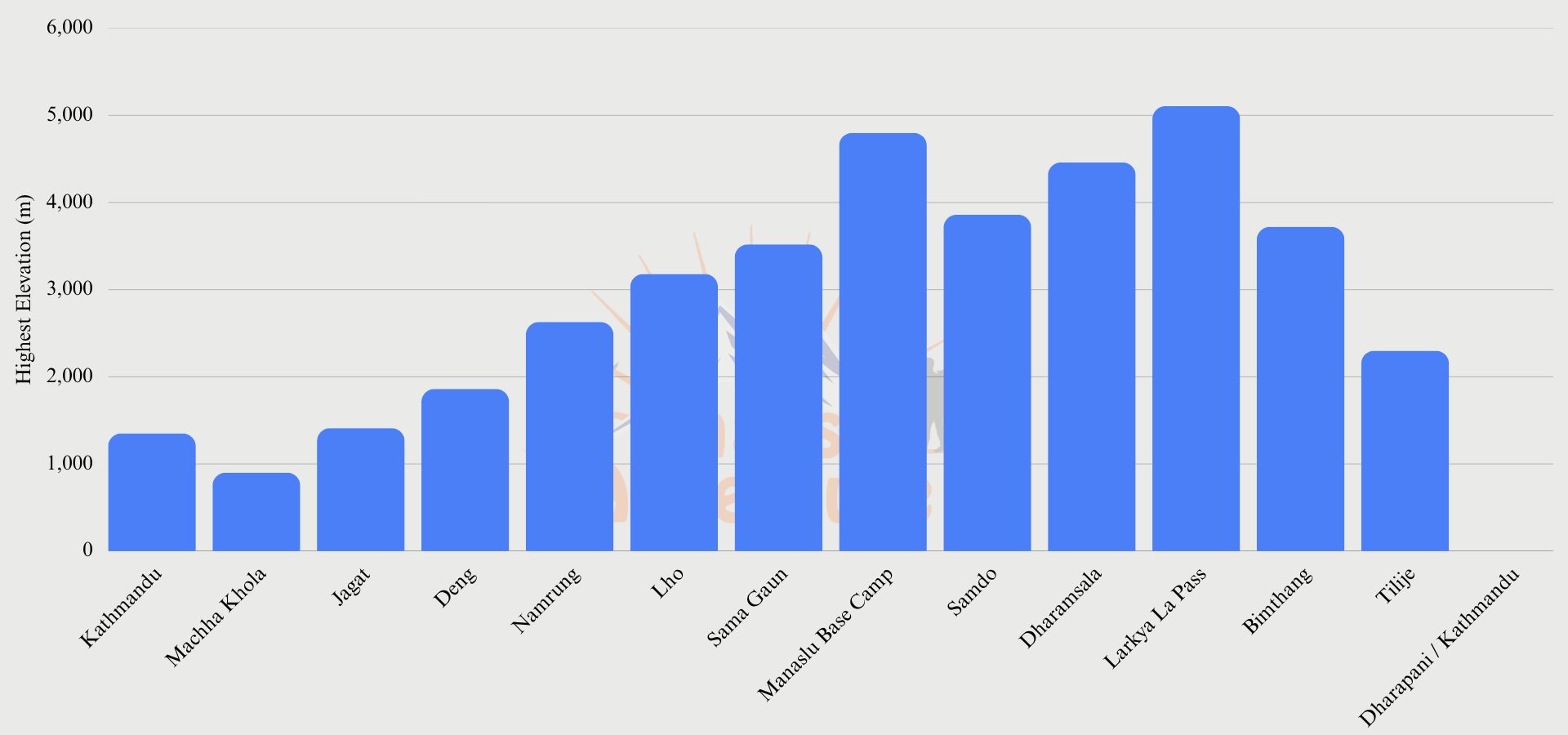
The Manaslu Circuit Trek is one of Nepal’s most rewarding off-the-beaten-path trekking adventures. Circling Mount Manaslu (8,163 m), the world’s eighth-highest mountain, this journey combines spectacular Himalayan scenery, authentic Tibetan-influenced culture, and the thrilling crossing of Larkya La Pass (5,106 m).
Unlike the busier Everest and Annapurna regions, the Manaslu region remains a restricted trekking area with fewer visitors. This creates a more peaceful trekking experience while allowing travelers to explore traditional mountain villages, ancient monasteries, and untouched Himalayan landscapes.
The trek begins with a scenic drive from Kathmandu to Machha Khola before following the Budhi Gandaki River through forests, terraced fields, suspension bridges, and picturesque settlements. As you gain elevation, the scenery gradually changes from lush valleys to alpine terrain surrounded by towering snow-capped peaks.
Along the route, you’ll pass through villages such as Jagat, Namrung, Lho, Sama Gaun, and Samdo, where centuries-old Buddhist traditions continue to shape daily life. These cultural encounters add a unique dimension to the trek beyond its spectacular mountain views.
A major highlight of the journey is crossing Larkya La Pass, one of Nepal’s most beautiful high mountain passes. The summit rewards trekkers with breathtaking panoramas of Manaslu, Himlung Himal, Cheo Himal, Kang Guru, and Annapurna II.
After crossing the pass, the trail descends through the beautiful valley of Bhimthang before reaching Dharapani, where it connects with a section of the famous Annapurna Circuit. This transition showcases the incredible diversity of landscapes found throughout the trek.
With fewer crowds, rich cultural experiences, diverse scenery, and one of Nepal’s most rewarding mountain pass crossings, the Manaslu Circuit Trek offers an unforgettable Himalayan adventure for trekkers seeking something beyond the ordinary.
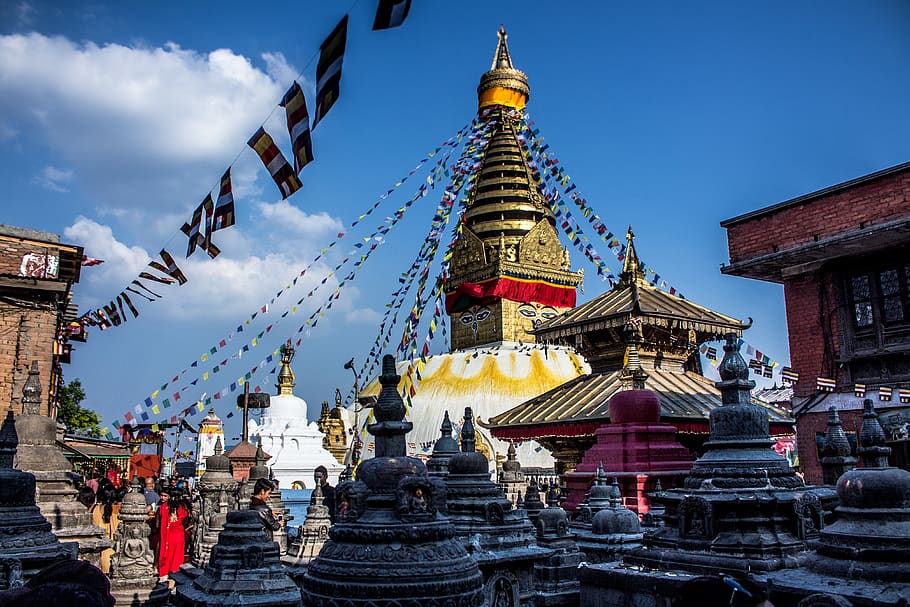
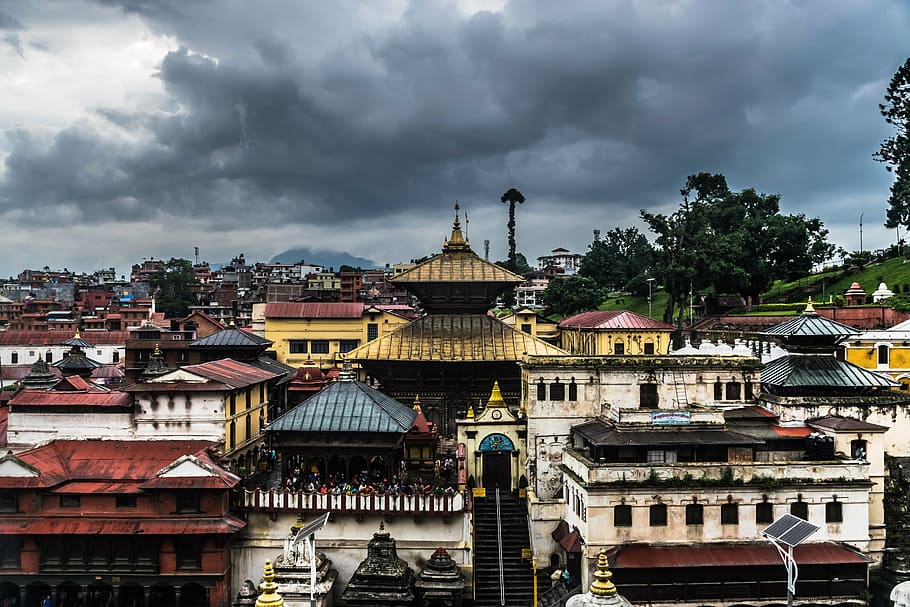
Upon arrival at Kathmandu International Airport, you will be greeted by our guide and staff, who will escort you to your hotel in the heart of Kathmandu. After checking into your rooms and refreshing from your flight, In the evening, we gather for team introductions, a briefing session, and general discussions about the adventure ahead. Later, we head out for a welcome dinner at one of our favorite local restaurants, where you can experience authentic Nepali cuisine.
The drive from Kathmandu to Maccha Khola, spanning around 160 km, takes 7–9 hours and offers a mix of scenic views and rugged adventure. Starting on the smooth Prithvi Highway, the route transitions to off-road trails, passing through Dhading Besi, Arughat, and alongside the Budhi Gandaki River. Highlights include lush hills, traditional villages, and waterfalls. A 4×4 vehicle is ideal for navigating the challenging terrain, making this journey a thrilling prelude to the Manaslu Circuit Trek.
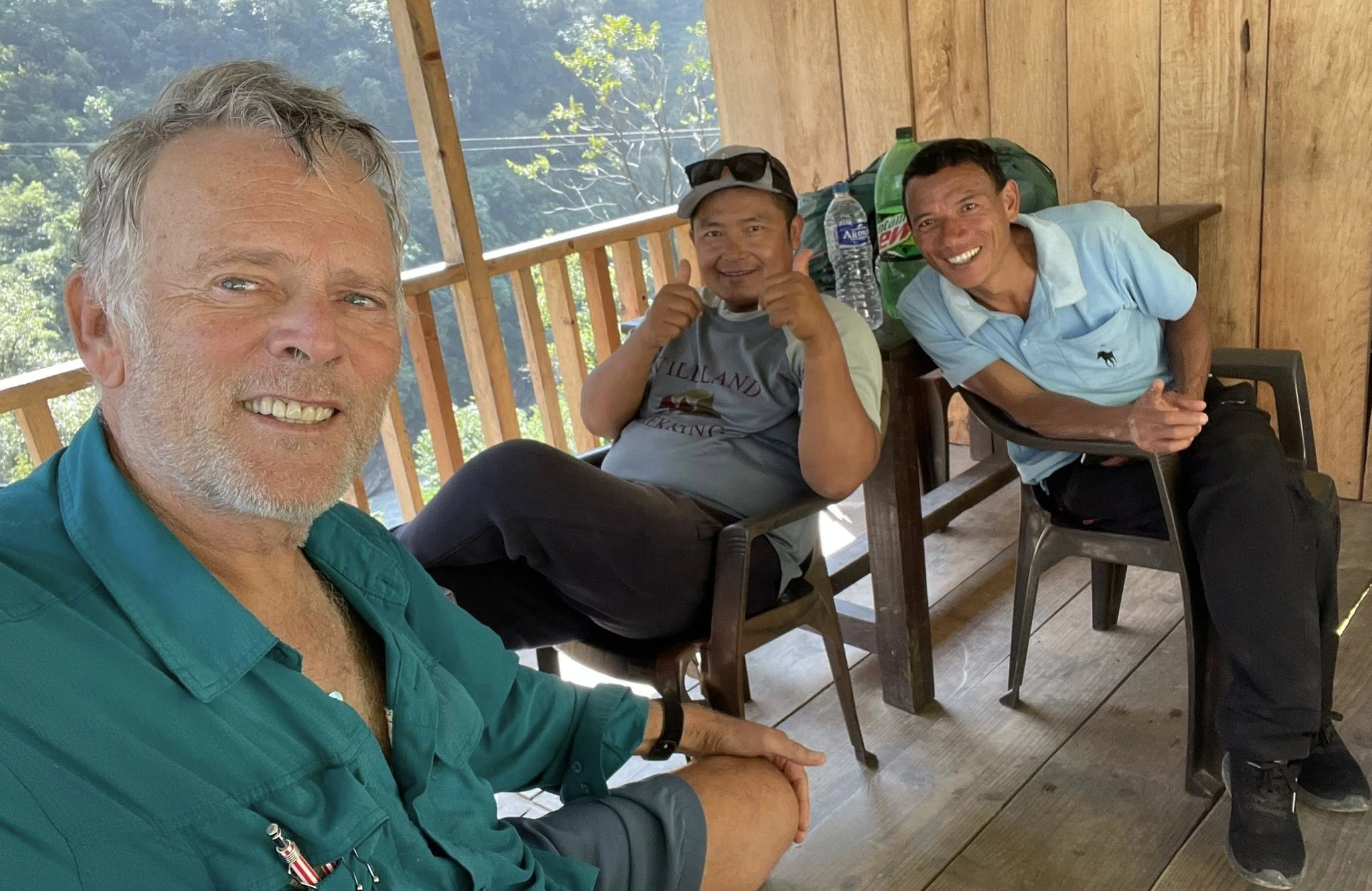

Today in the beginning, cross the Tharo Khola and a couple of hour gentle walk to Khorlabesi. It’s a great opportunity to see the natural hot spring along the way. After crossing a suspension bridge over the Budhi Gandaki river, we gradually climb up to Dovanathen and walk through the big landslide after that gradually accent to the Yaru Khola. Upon crossing a suspension bridge over the Yaru Khola, walk on a well-crafted staircase, after crossing the west bank of the Budhi Gandaki, we will enter Jagat Village. Overnight at Jagat.
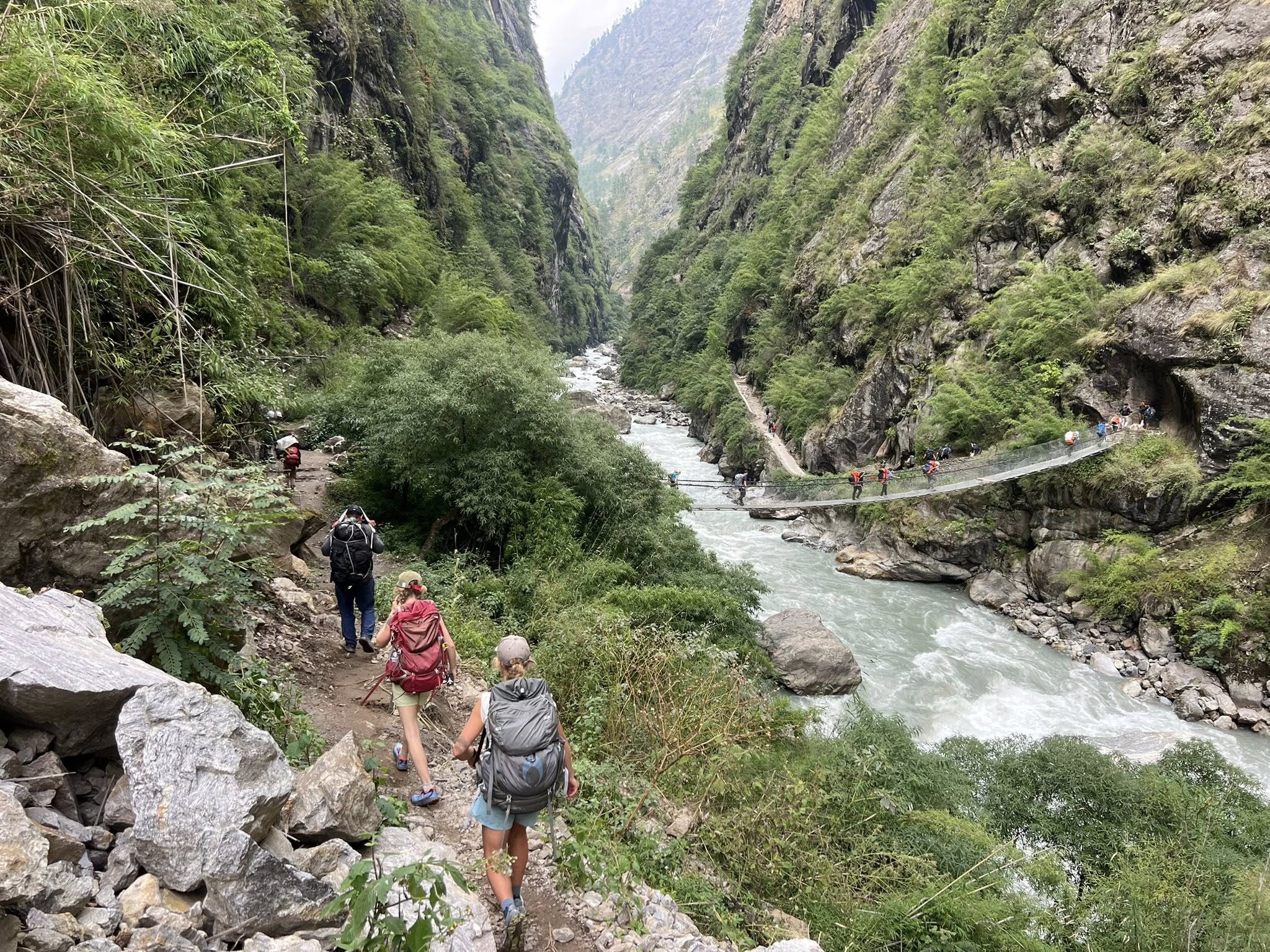
Today, trek towards Deng, along the walk passing through several traditional villages such as Salleri, Sirdibas and GhattaKhola. As you reach at Ghatta Khola should go over the long suspension bridge and short climb up to Filim village. This is the place where travels should check in their permit, and also it is one of the reach ethnic Gurung cultural village. After crossing a Eklee Bhatti, the route now enters a steep uninhabited gorge. You will cross the Budhi Gandaki river. The trail passes via bamboo forests and Pewa village before it reachingto Deng. Overnight at Deng.
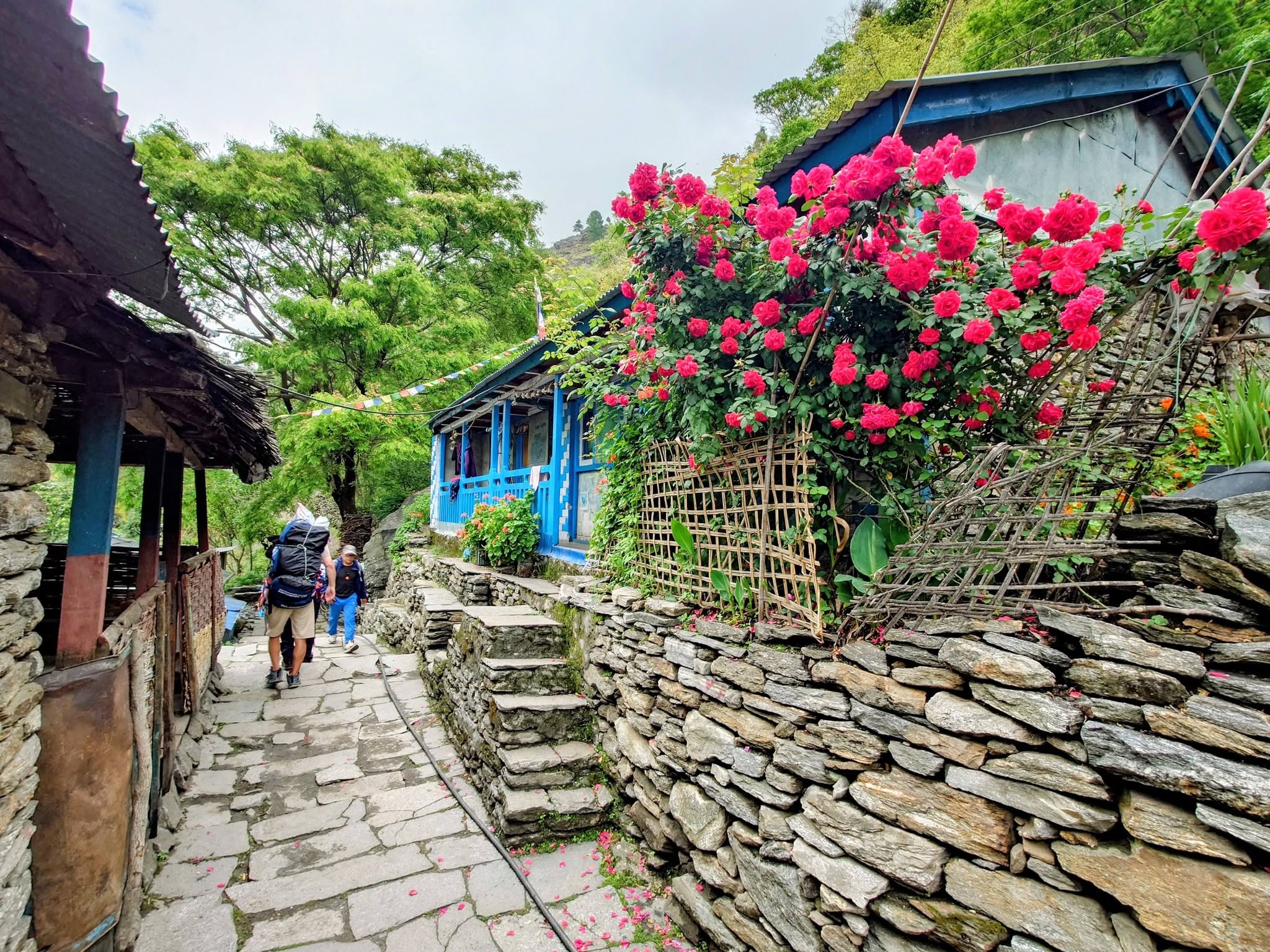
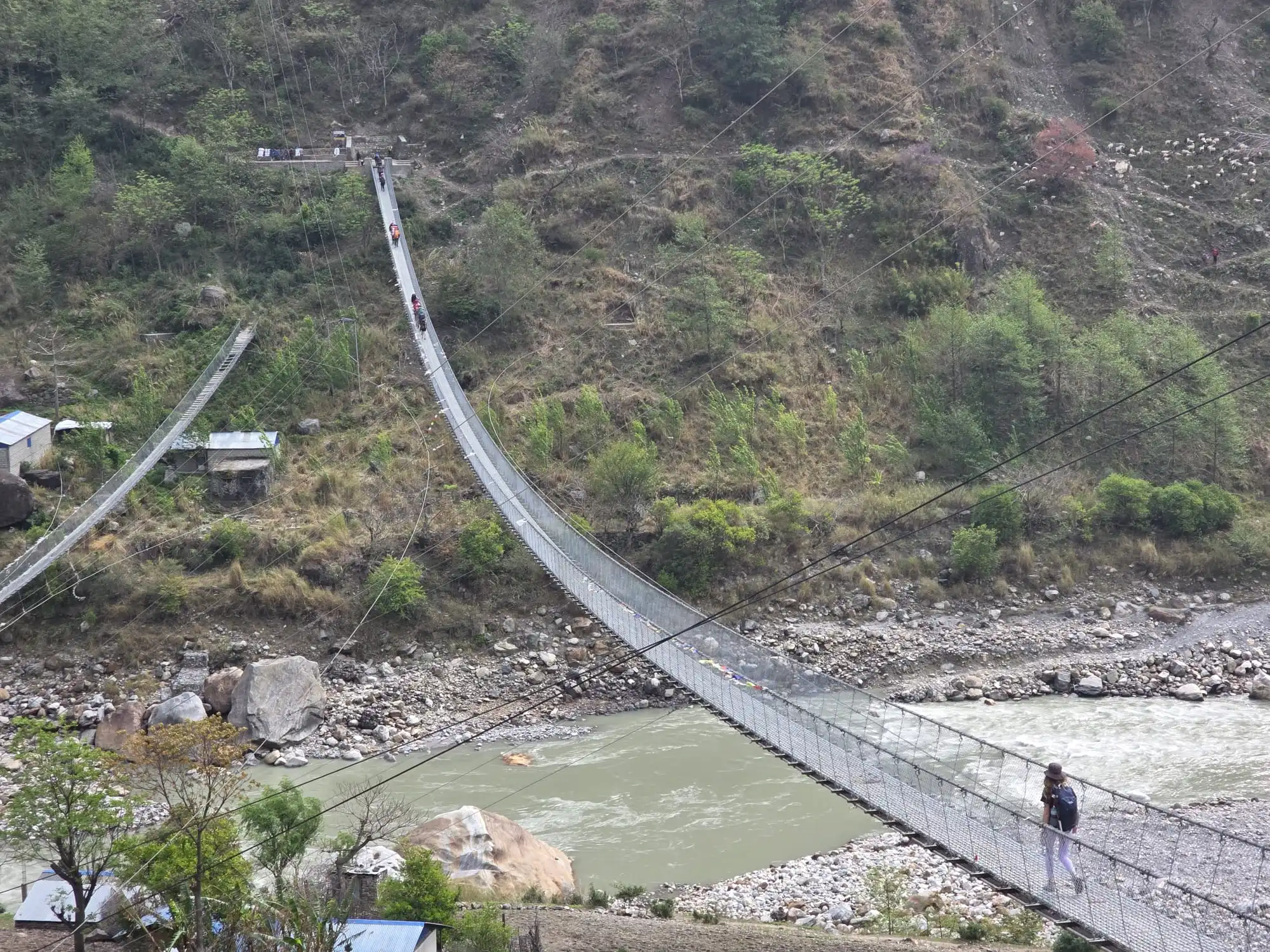
Today after breakfast, around 45 minutes gentle walk to Budhi Gandki river, as you cross the bridge begin ascent to Rana village. The trail passes through forests and Mani walls. You will take the route via Prok village, upon arrival to the village will see spectacular view of Siringi Himal. After crossing the river at an impressive spot where it thunders down a narrow gorge, the forest becomes less dense and path is normal. The pleasant walk continues to the bridge and start steep climb up before reaching Namrung. From the village you’ll have thrilling view of Ganesh Himal Siringi Himal. Overnight at Namrung.

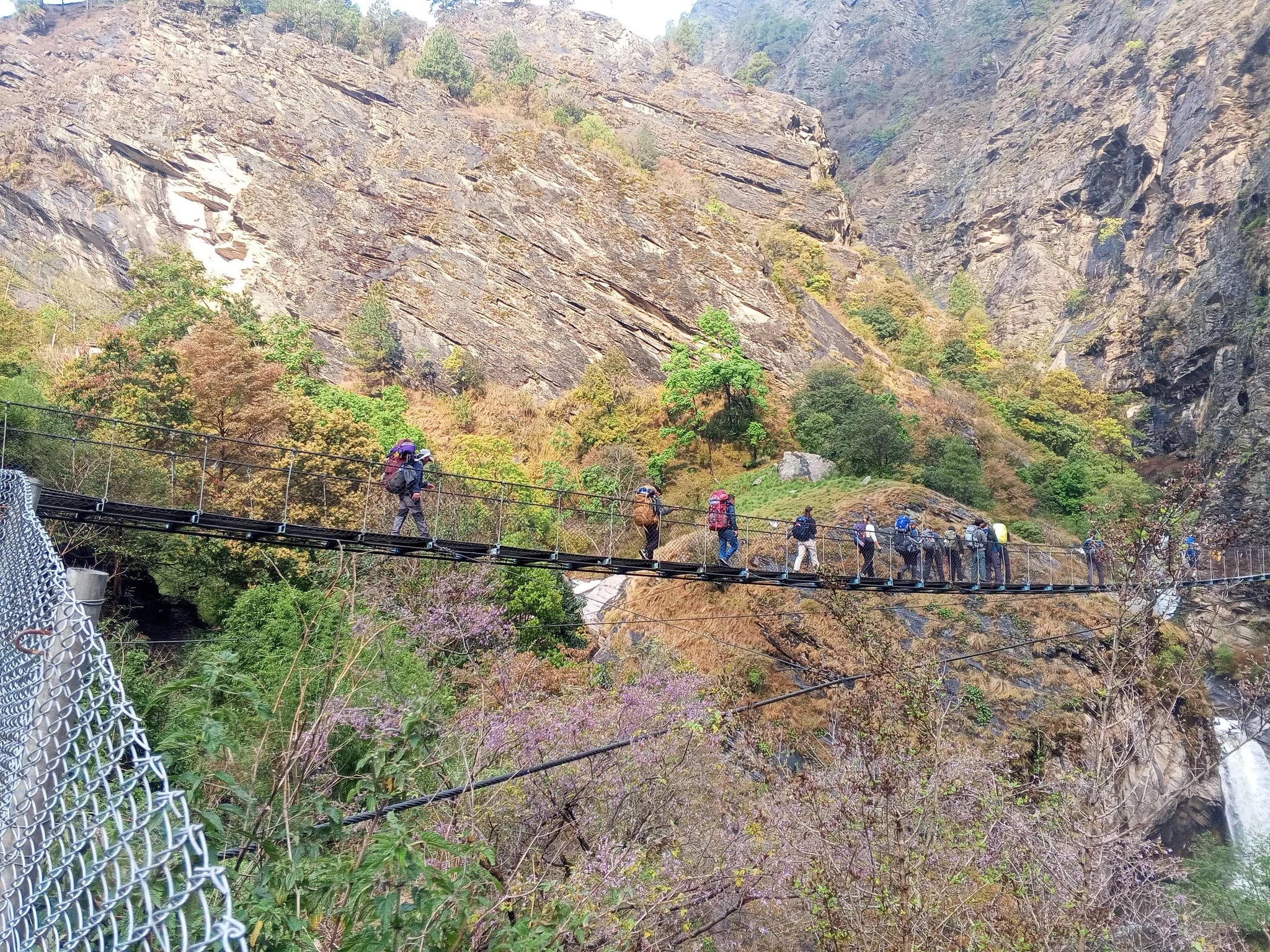
We will walk through a forest and reach to Lihi village; it is a beautiful village and can see several ancient stupas. After couple of hors easy walking arrive to Lho, as you reach in to the villageappear Mt. Manaslu and more. Don’t miss to visit ancient monastery, there are fifty monks live in the monastery and they do ritual ceremony morning and evening, which is very interesting. Overnight Lho.

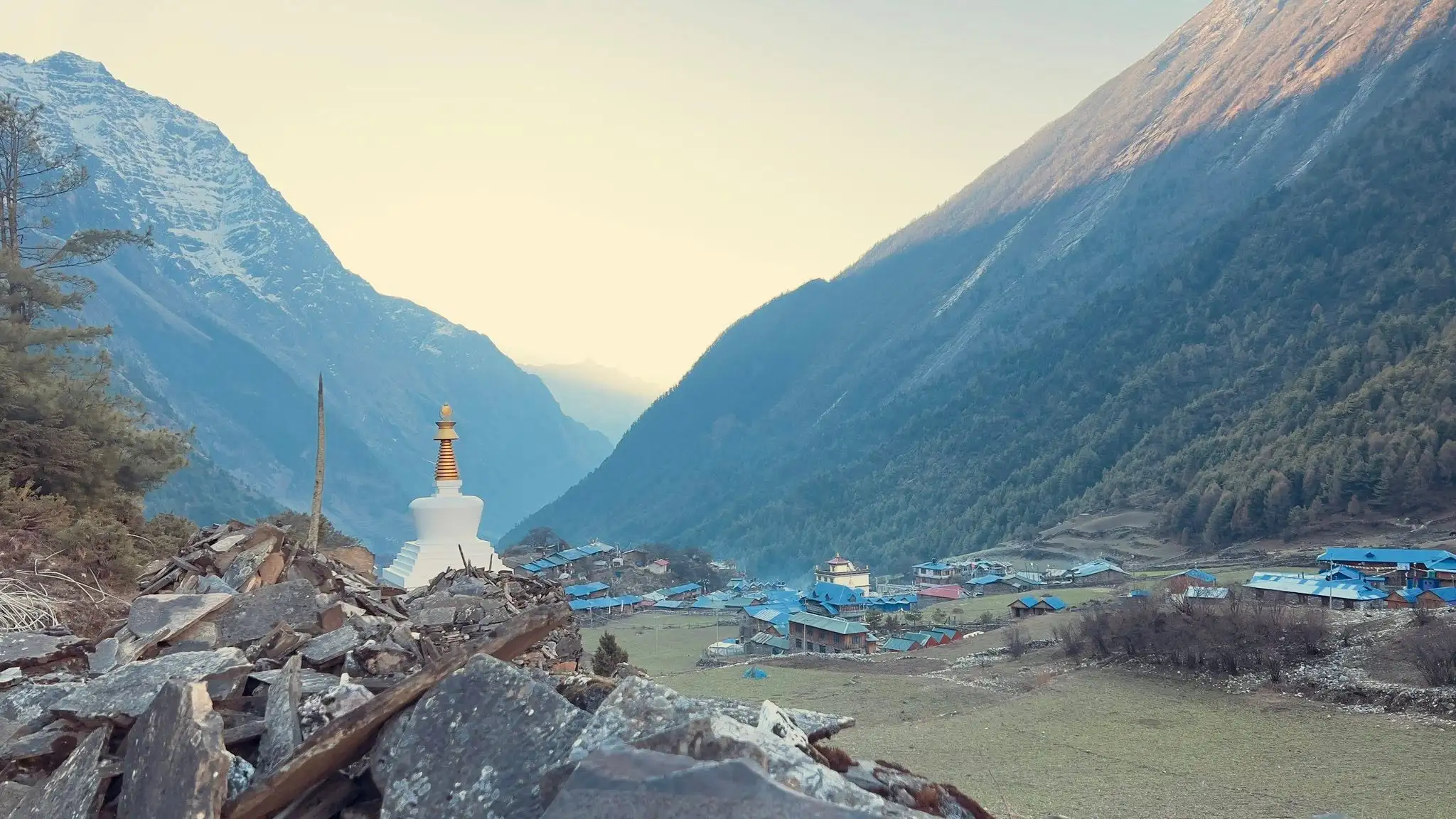
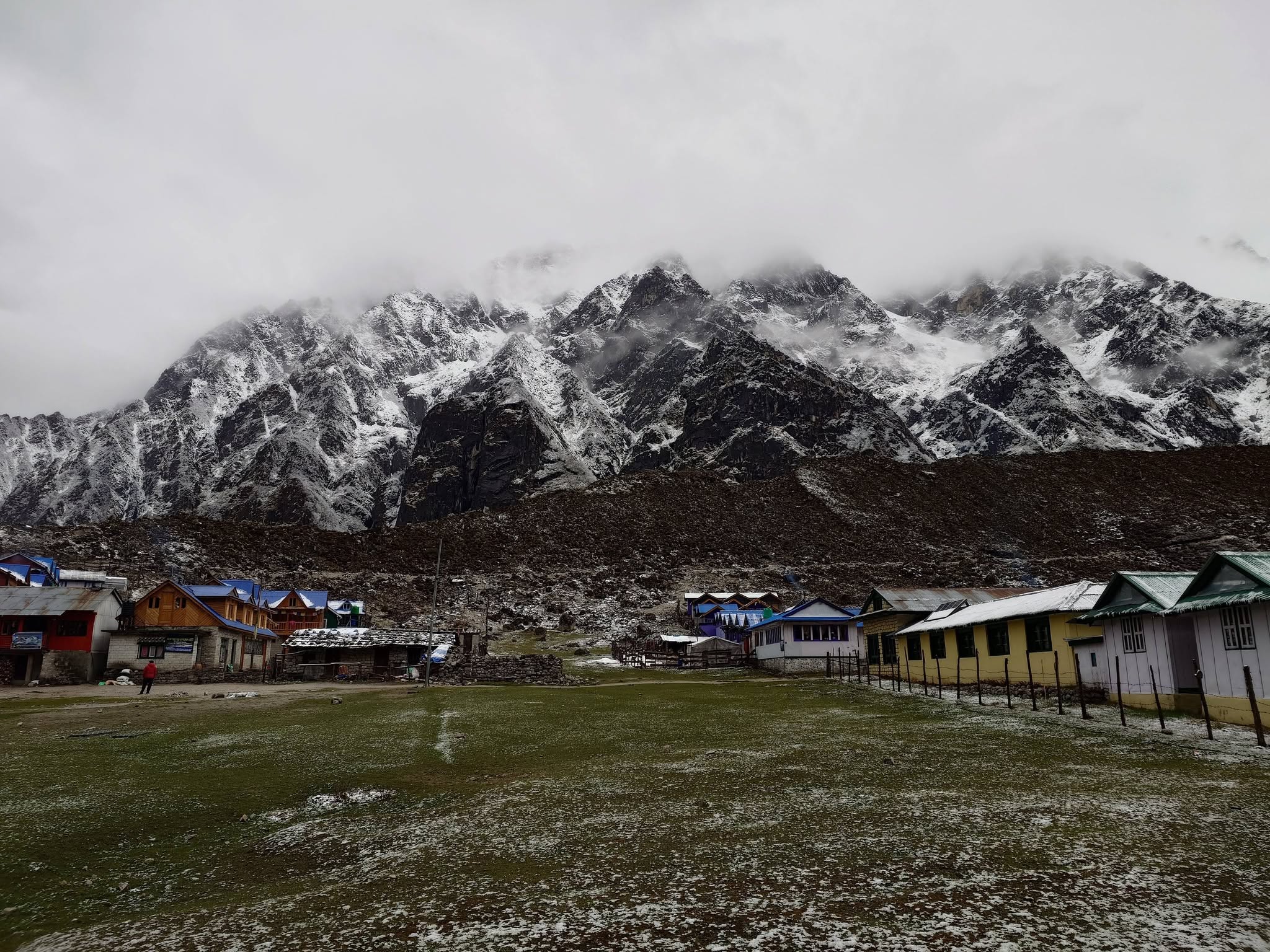
Today’s hiking via Shyla village to Samagaun, there is a monastery in Shyla village. It was built in 7th century and 4 years ago reconstructed. From Shyla will have gorgeous view of peak 29. After crossing the bridge, enters in to Samagaon, a large village before the larke pass. The village has thousands of Mani wheels with Buddhist texts and picture inscribed on them. You will get a chance to explore and learn the Tibetan culture and lifestyle. On a little hill near the Sama village is an old monastery with great views. Overnight in Samagaun.
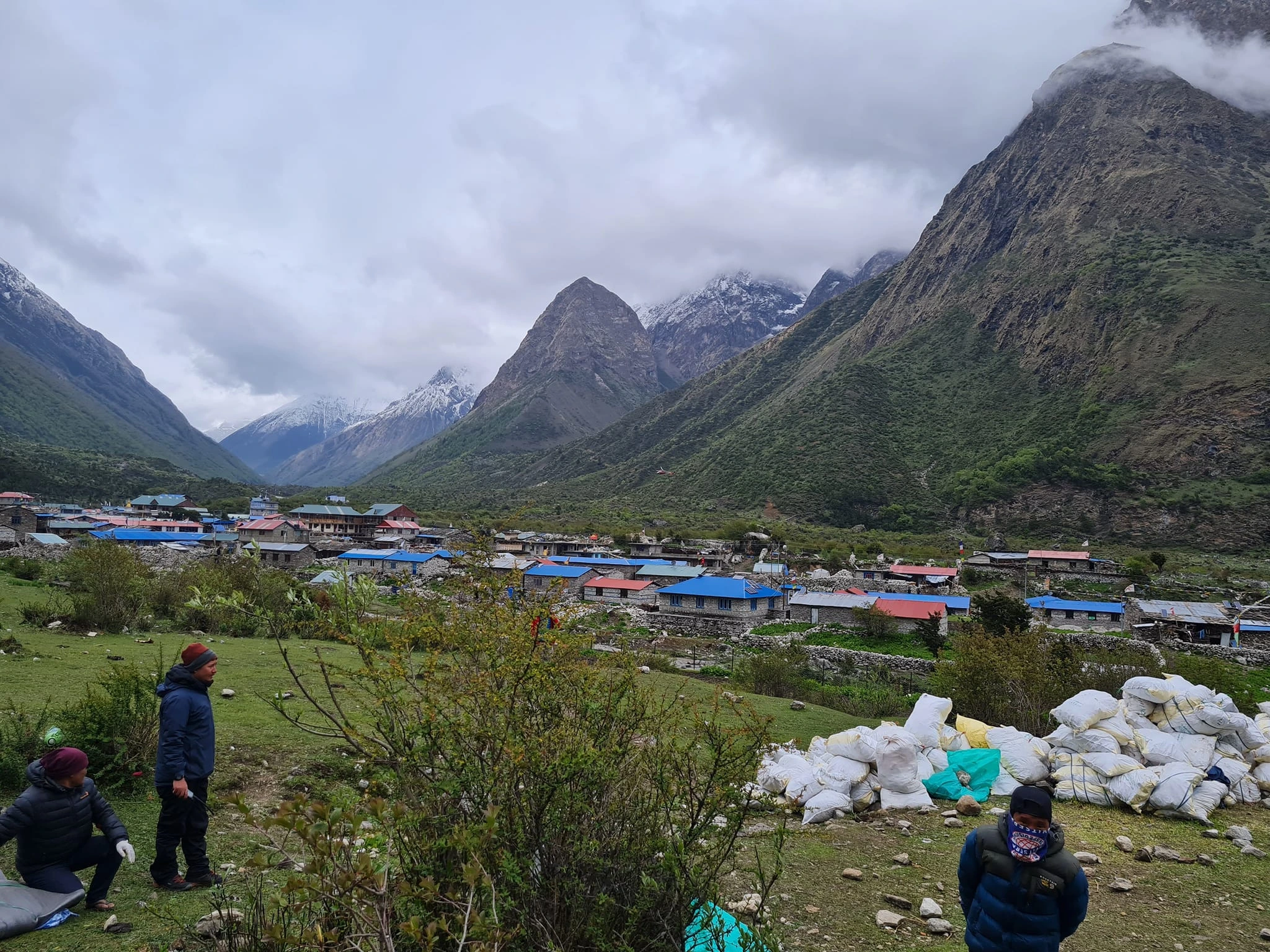
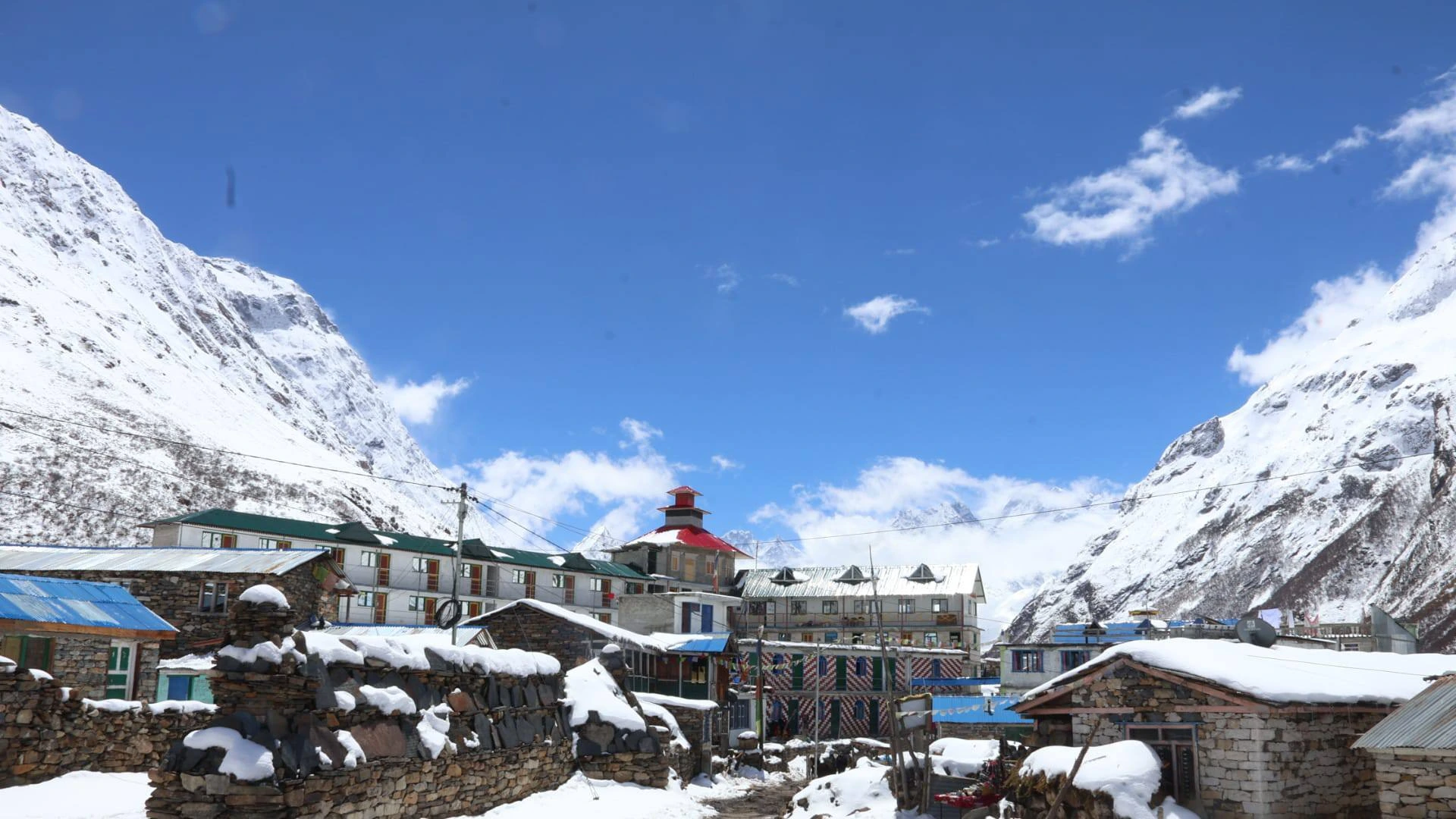
On the acclimatization day of the Manaslu Circuit Trek, choose between a hike to Manaslu Base Camp (~4,800m) or Pungyen Gompa (~4,000m). The base camp offers stunning glacier views and a challenging ascent, while Pungyen Gompa provides a serene cultural experience with panoramic mountain vistas. Both hikes take 5–7 hours round trip and help you adjust to the altitude while exploring the region’s natural and cultural beauty.

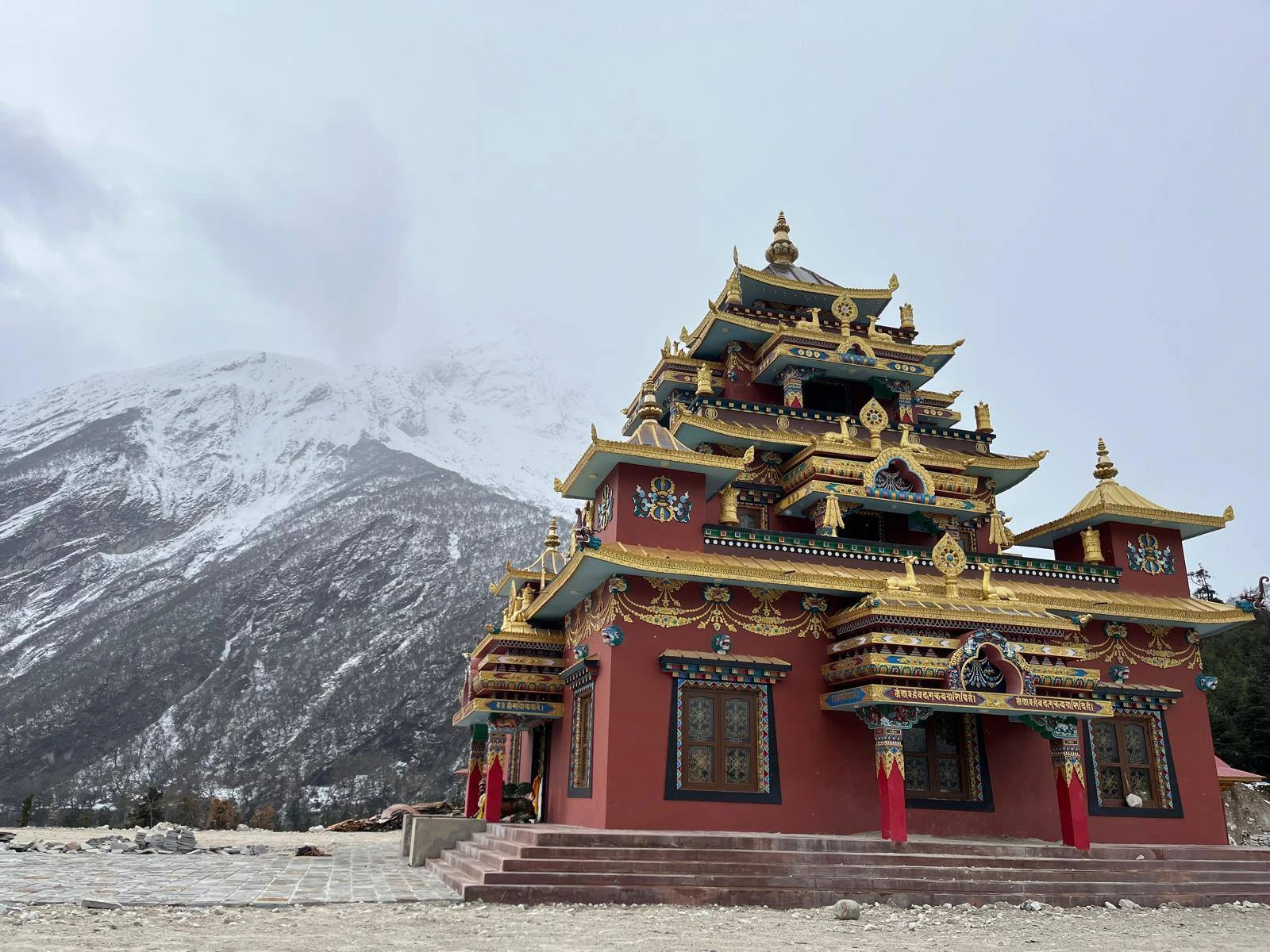
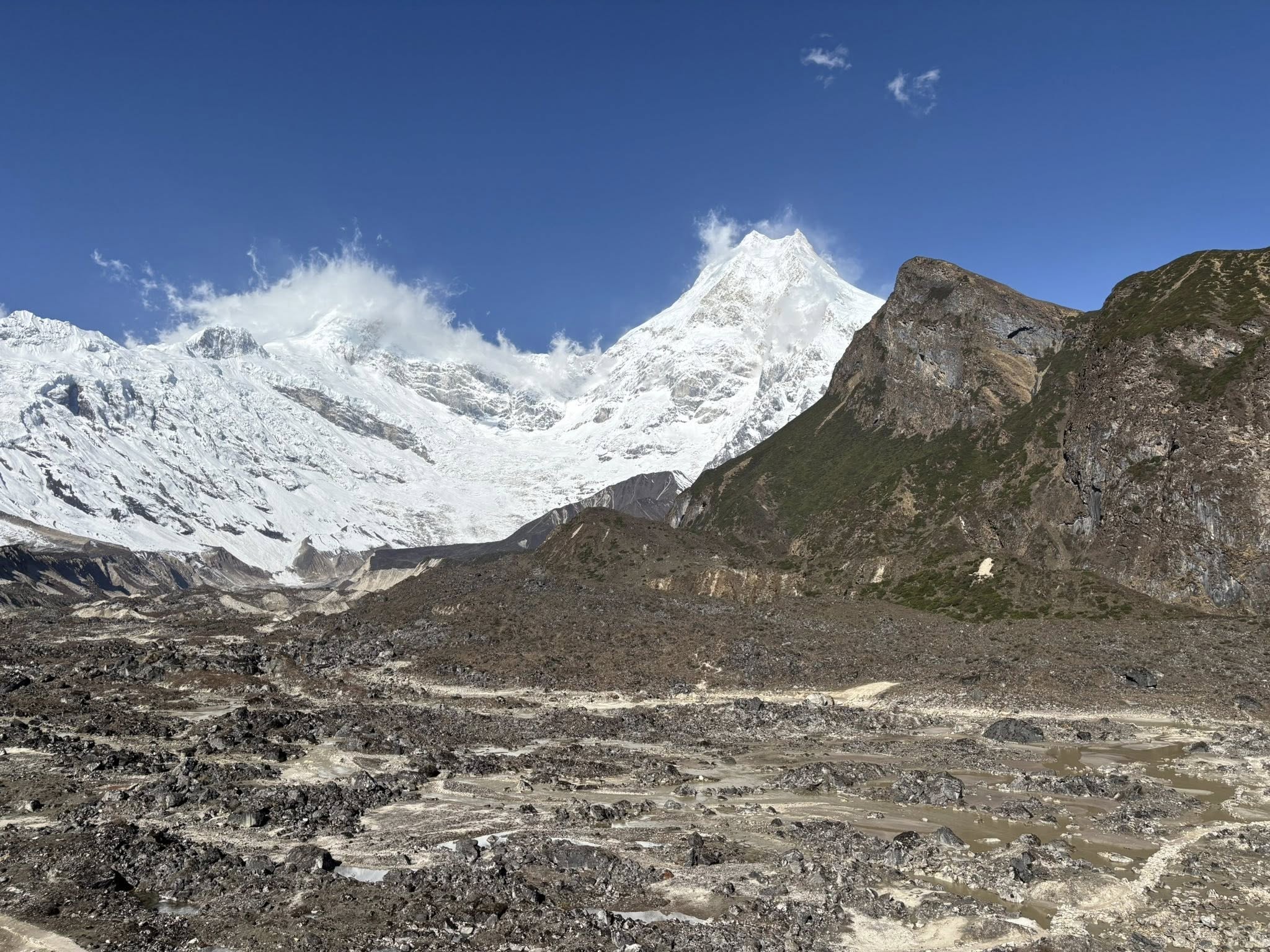
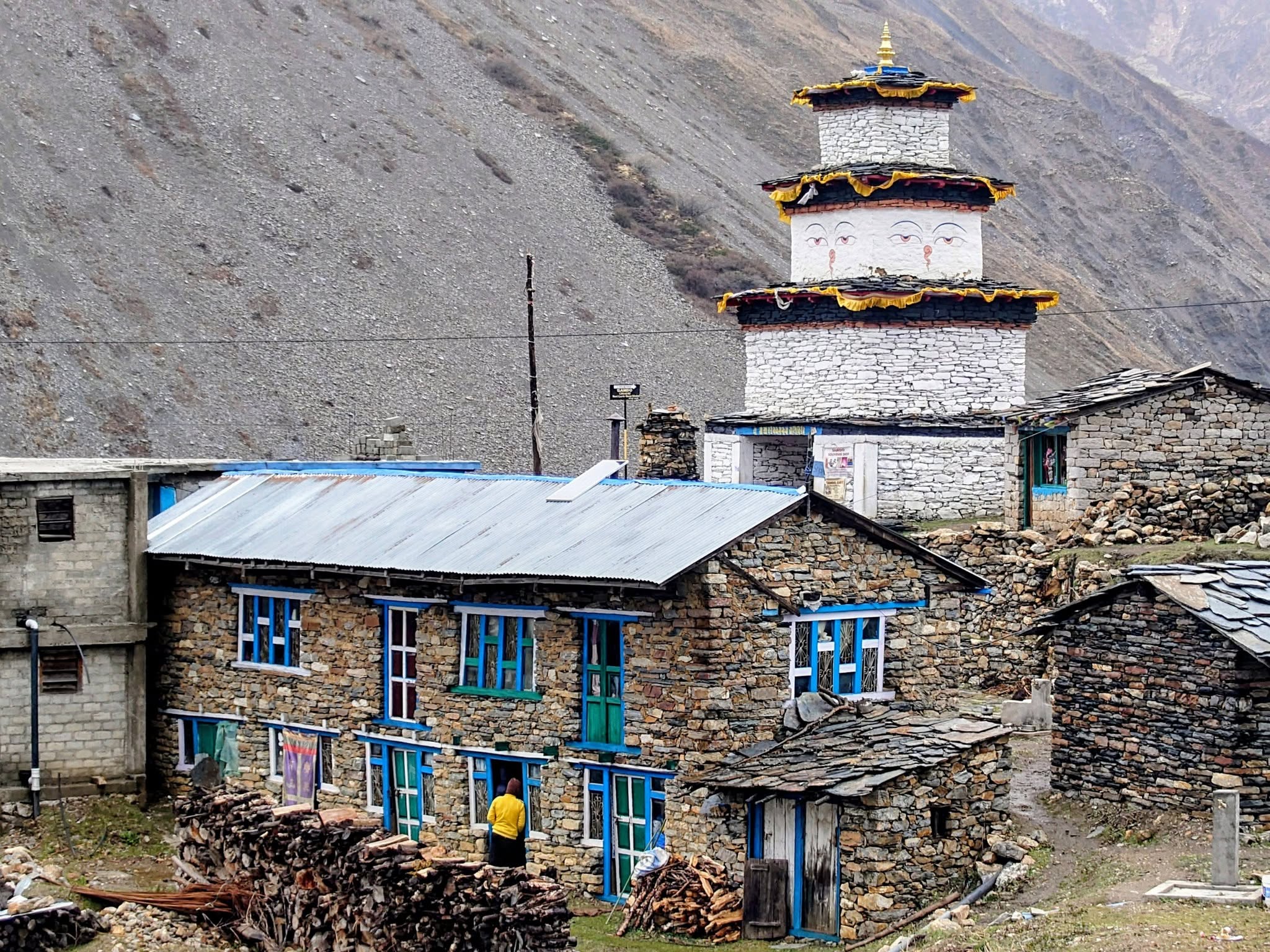
On this day of rest, you will stop at Samdo and then go on a day trip to the Tibetan border. From the border, you can see parts of Tibet and Nepal. If lucky, you can also witness the Yak caravan passing the border.
Once at the border, if you look south of Samdo Glacier, you will get excellent photos of a huge serac near the top of the glacier. You can also frame Blue Sheep, picas, and Marmots in season.
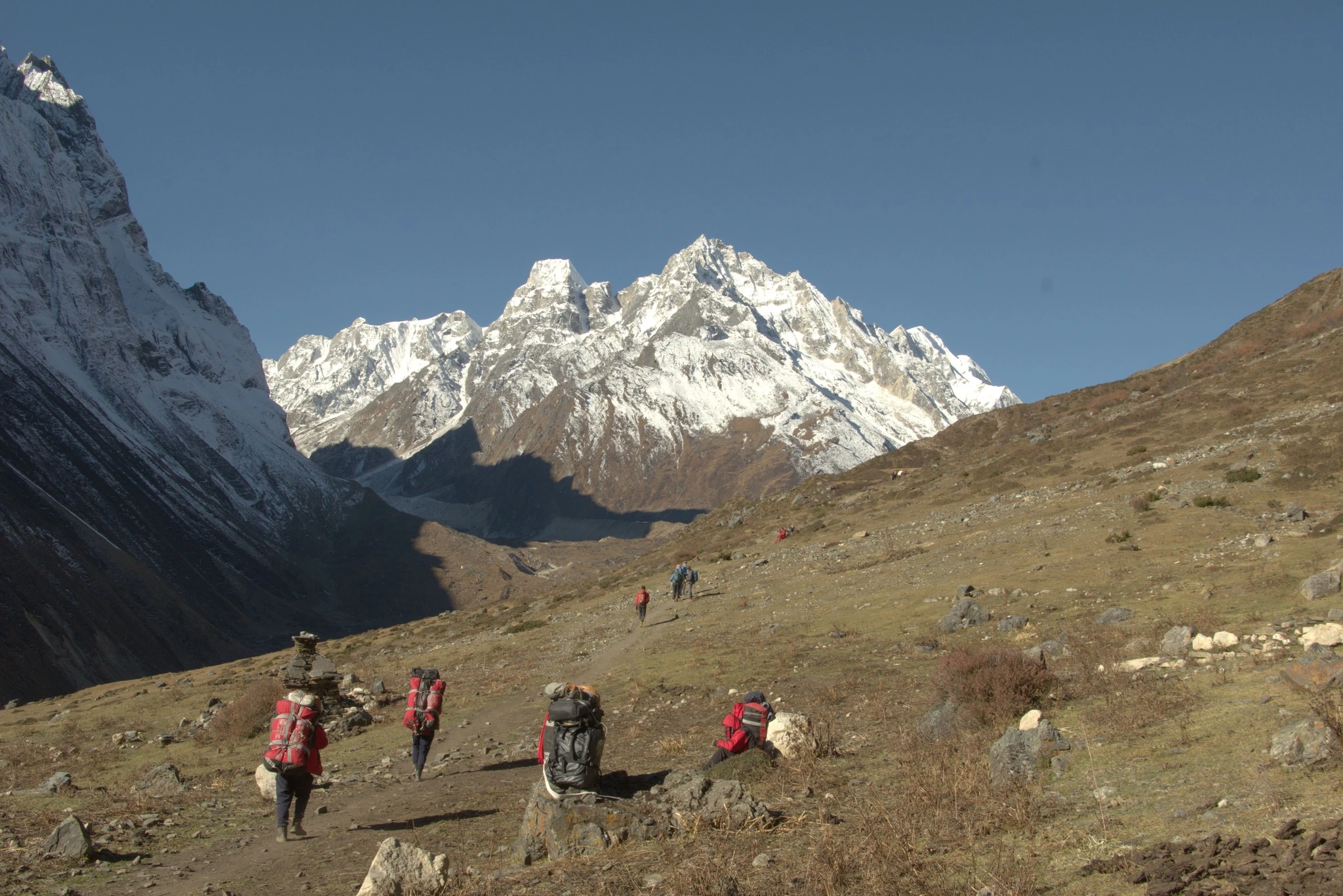
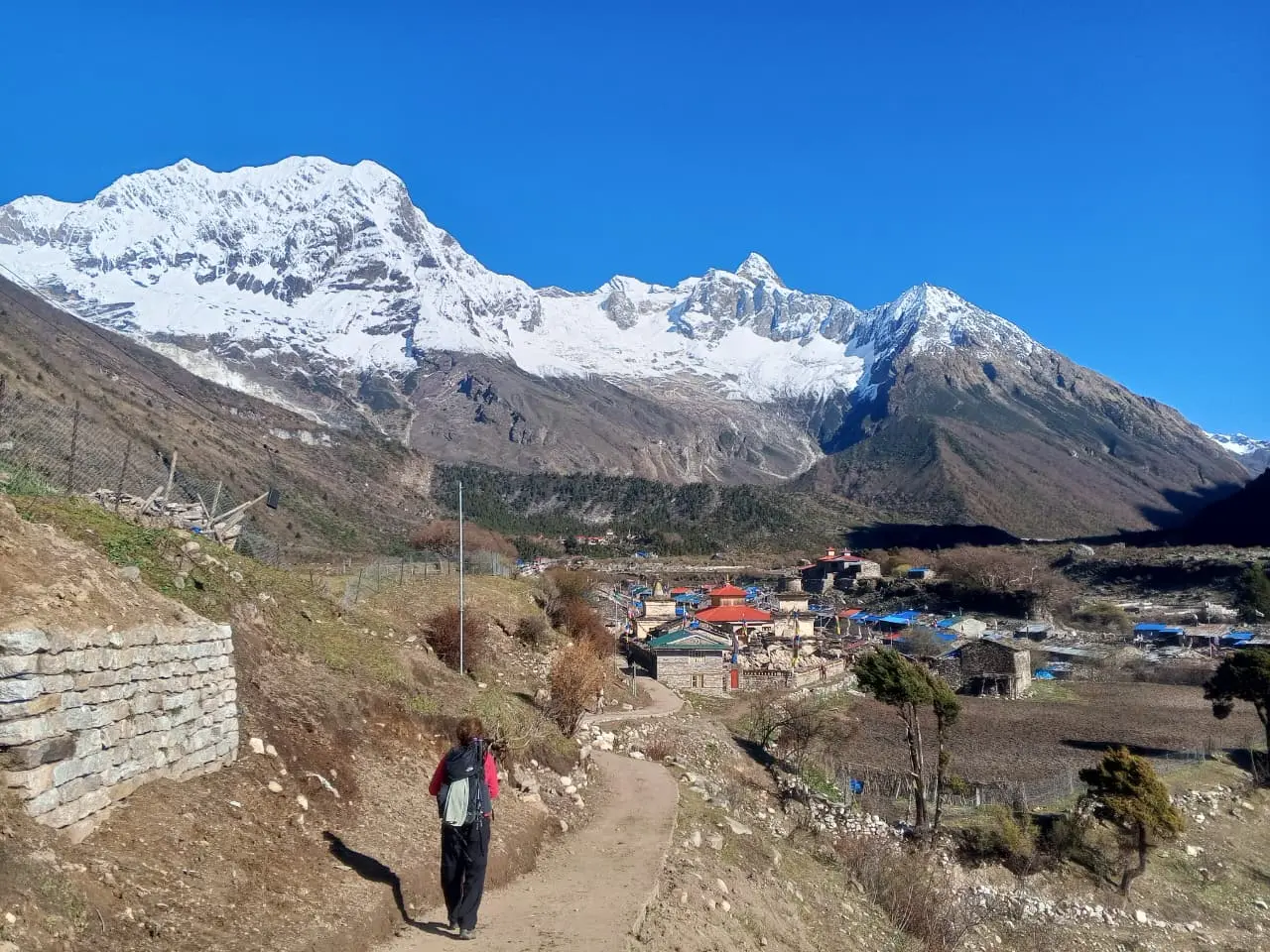
The trek from Samdo to Dharmasala is a 3–4 hour journey through rugged terrain, offering stunning views of snow-capped peaks and glaciers. Although Dharmasala might appear within reach from Samdo, the high altitude makes the trek feel longer, requiring a steady pace and attention to your body’s signals. Along the way, you’ll pass remnants of old herders’ settlements, immersing yourself in the area’s history. At Dharmasala (4,460m), the small base camp for Larkya La Pass, the trek provides an essential opportunity for acclimatization as you prepare for the challenging pass ahead.
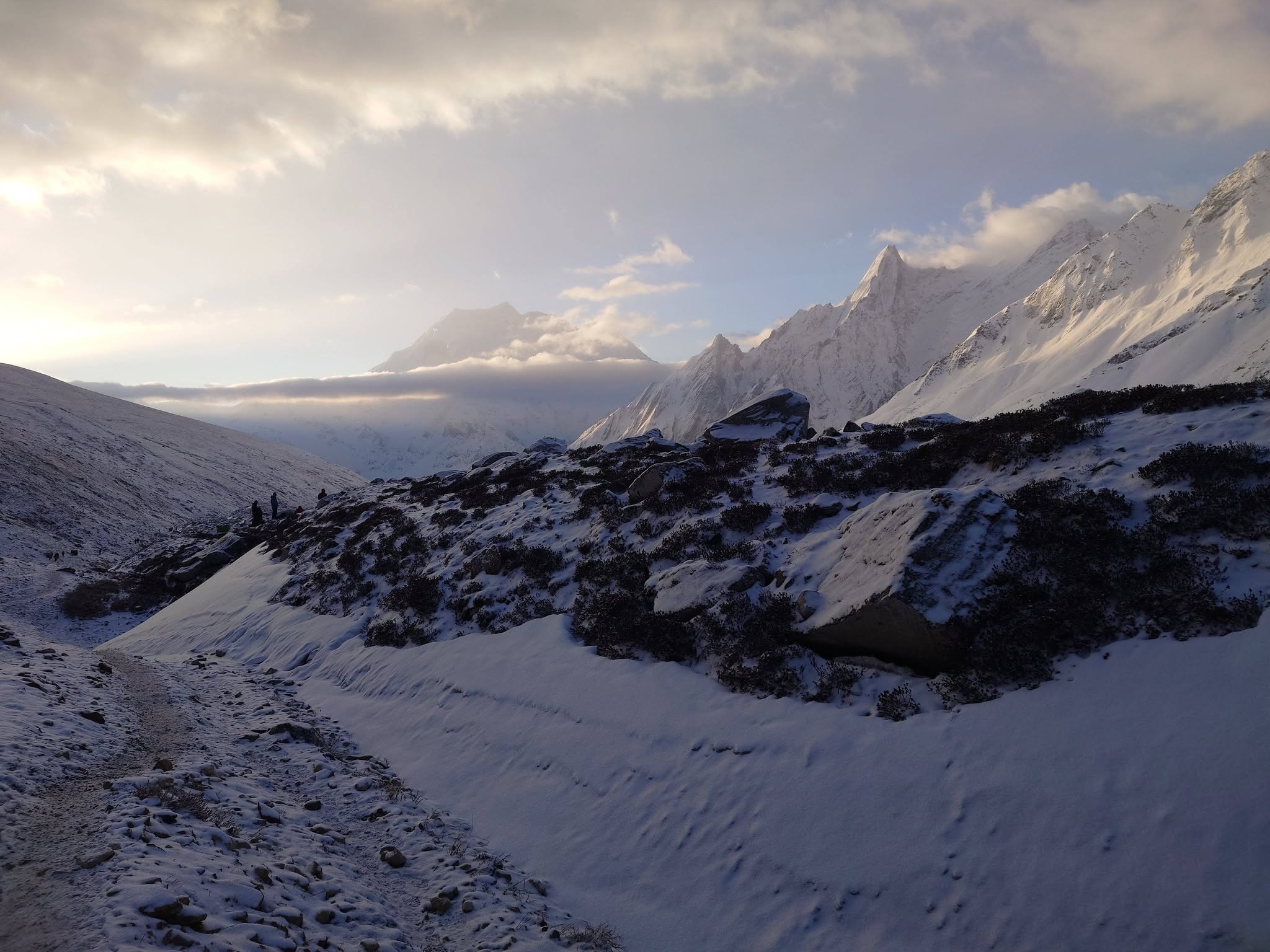
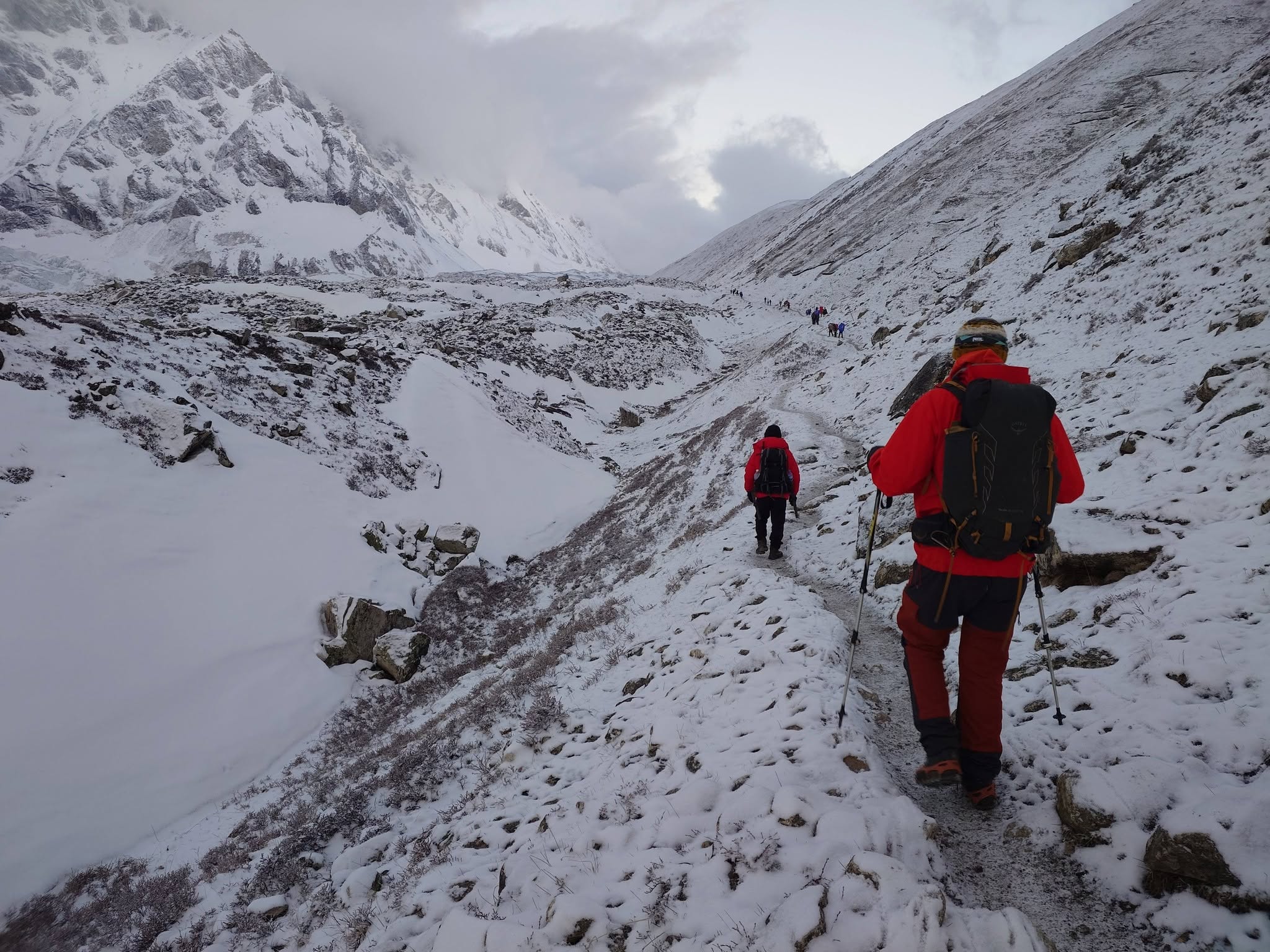
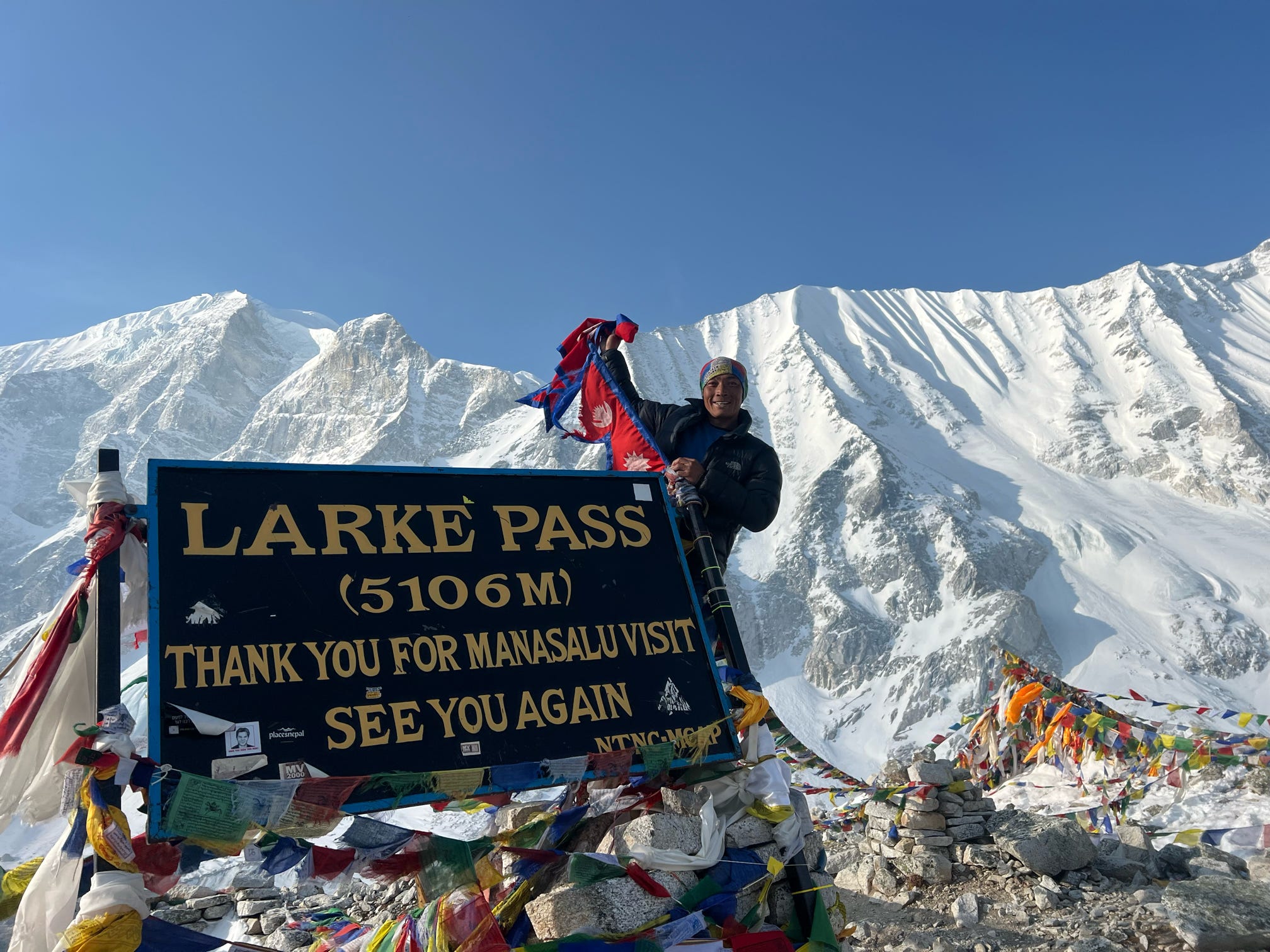
The trek from Dharmasala to Bimthang via Larkya La Pass (5,106m) is a challenging 8–10 hour journey and the highlight of the Manaslu Circuit Trek. Starting early, around 3 a.m., you’ll ascend steeply toward the pass, which can be tough in bad weather or snow, but is achievable with steady pacing. Once at the pass, you’ll be rewarded with breathtaking panoramic views of peaks like Himlung Himal (7,126m), Kang Guru (6,981m), and Annapurna II (7,937m).
After spending some time at the pass, you’ll descend for about 3 hours toward Bimthang (3,590m). Along the way, you’ll encounter massive icefalls, sweeping mountain vistas, and views of Pongkar Tal between the Pongkar and Salpu Danda Glaciers. This section is demanding but offers unparalleled views and a rewarding sense of accomplishment.
Dharapani (1,860m/6,102ft) is a lively village along the Manaslu Circuit Trek, marking the transition from high-altitude regions to lower, accessible areas. Located in Lamjung District, it features a mix of traditional stone houses and modern teahouses, catering to trekkers. Inhabited by Gurung and Tibetan communities, it offers a rich cultural experience.
The trek from Bimthang to Dharapani is a 6-7 hour descent, covering 21 kilometers (17 miles). Passing through alpine meadows, forests, and crossing the Marsyangdi River, it offers scenic views and cultural insights as trekkers reach the village, marking the end of the high-altitude trek.
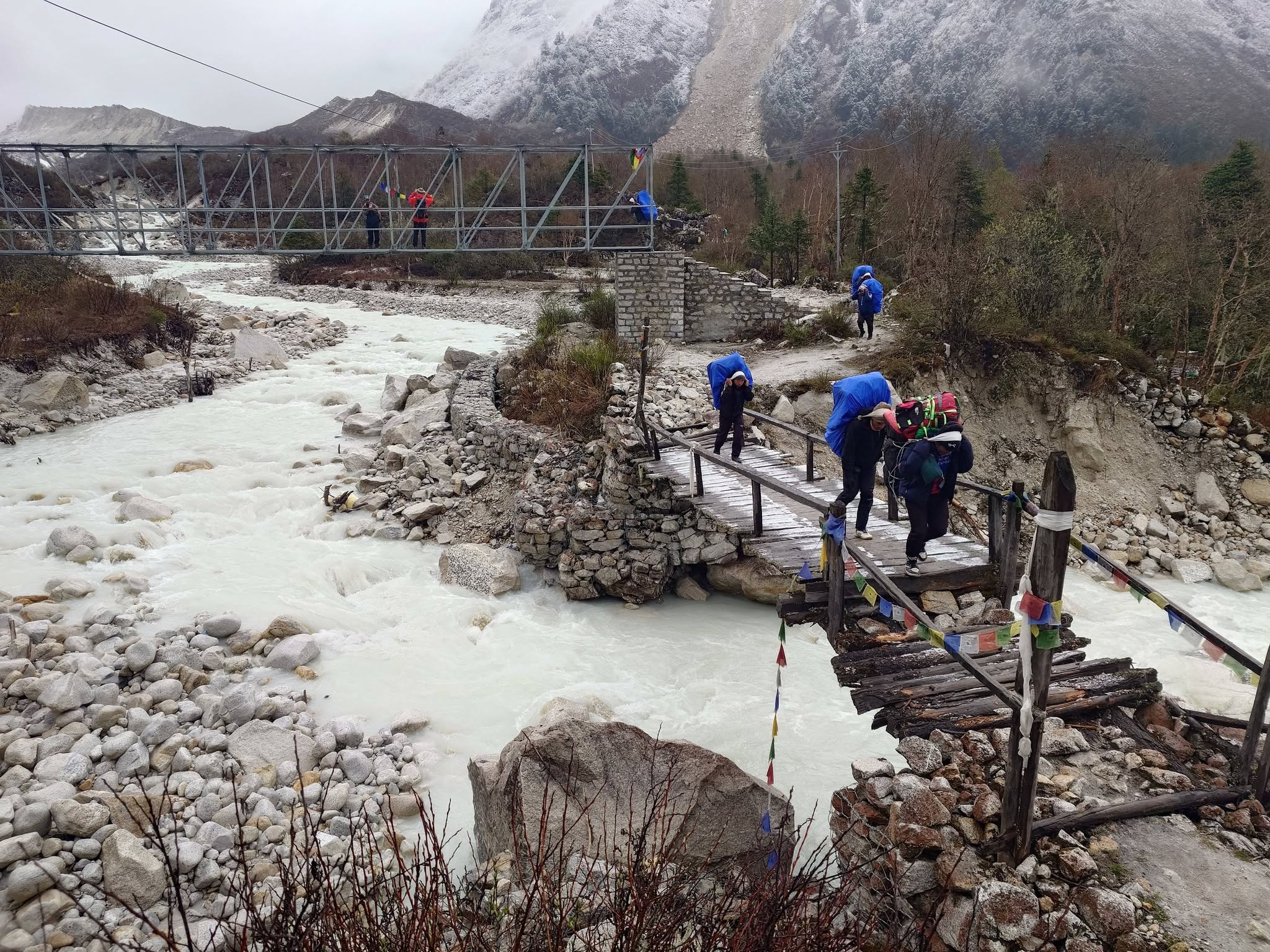
The drive from Dharapani to Kathmandu takes 7–9 hours, passing through scenic landscapes, terraced fields, and small villages. Following the Marshyangdi River, the journey offers a relaxing transition from the mountains to the vibrant capital, marking the end of the Manaslu Circuit Trek.
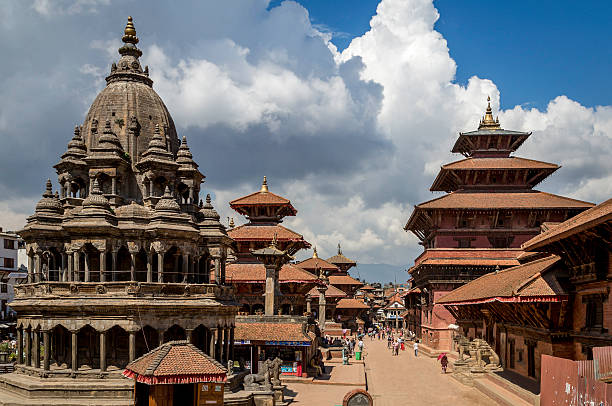
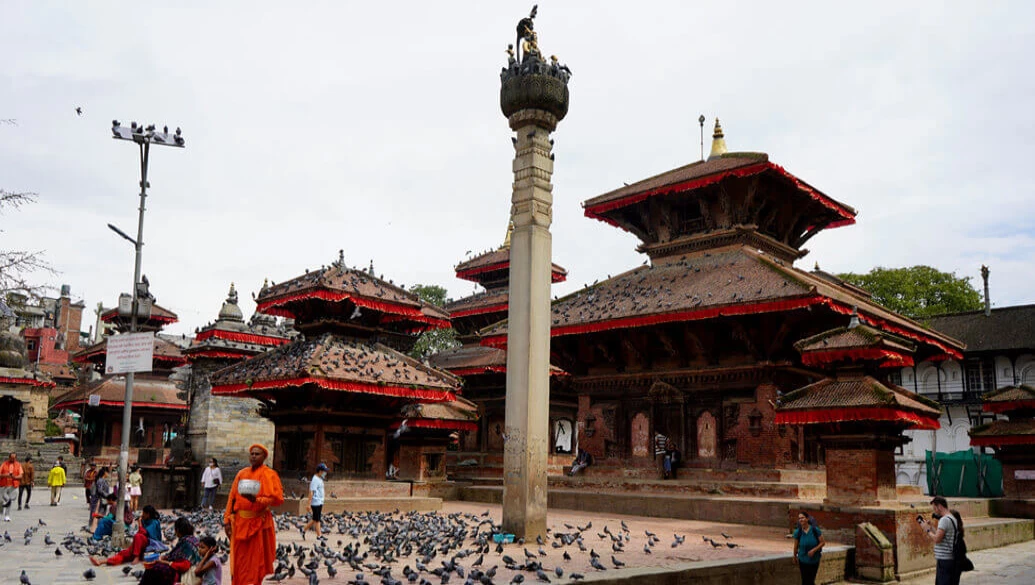
Your final day of your Nepal trip. Our representative will drop you to the airport 3 hours before your flight departure time.
Our standard itinerary may vary slightly due to weather, trail conditions, government regulations, or individual health needs. In all cases, Lhasso Adventure guides evaluate the situation and find the best safe alternative. We recommend arriving in Kathmandu at least one day before the trek start date, and booking international flights with 2–3 buffer days after your return date.
At Lhasso Adventure, we believe travel should create a positive impact. That’s why we donate 10% of our profits to the Mother and Children Art Foundation (MCAF), supporting education, healthcare, and sustainable opportunities for underprivileged women and children across Nepal.
Through our partnership with MCAF, we also support community initiatives, including medical health camps, school volunteering programs, and projects that improve the well-being of local mountain communities. Every trek with us helps give back to the people who make Nepal truly special.
Lhasso Adventure holds active membership with Nepal’s leading trekking bodies and enforces strict responsible tourism standards on every departure.


All Lhasso Adventure group departures for the Manaslu Circuit Trek have a maximum of 16 participants. Small groups mean a more personal experience, better acclimatization monitoring, and less impact on the trail. Can't find a date that works? We also offer private departures on any date,
| Start | Finish | Availability | Price | |
|---|---|---|---|---|
| 05/10/2026 | 19/10/2026 | Trip Status available | Starting from $ 1440 | Book Now |
| 15/10/2026 | 30/10/2026 | Trip Status available | Starting from $ 1440 | Book Now |
| 01/11/2026 | 15/11/2026 | Trip Status available | Starting from $ 1440 | Book Now |
| 09/11/2026 | 23/11/2026 | Trip Status available | Starting from $ 1440 | Book Now |
| 07/12/2026 | 21/12/2026 | Trip Status available | Starting from $ 1440 | Book Now |
| 14/12/2026 | 29/12/2026 | Trip Status available | Starting from $ 1440 | Book Now |
| 01/01/2027 | 15/01/2027 | Trip Status available | Starting from $ 1440 | Book Now |
| 09/01/2027 | 23/01/2027 | Trip Status available | Starting from $ 1440 | Book Now |
| 05/02/2027 | 19/02/2027 | Trip Status available | Starting from $ 1440 | Book Now |
| 14/02/2027 | 28/02/2027 | Trip Status available | Starting from $ 1440 | Book Now |
| 14/03/2027 | 28/03/2027 | Trip Status available | Starting from $ 1440 | Book Now |
| 20/03/2027 | 03/04/2027 | Trip Status available | Starting from $ 1440 | Book Now |
| 01/04/2027 | 15/04/2027 | Trip Status available | Starting from $ 1440 | Book Now |
| 10/04/2027 | 24/04/2027 | Trip Status available | Starting from $ 1440 | Book Now |
| 01/05/2027 | 15/05/2027 | Trip Status available | Starting from $ 1440 | Book Now |
| 10/05/2027 | 24/05/2027 | Trip Status available | Starting from $ 1440 | Book Now |
| 05/06/2027 | 19/06/2027 | Trip Status available | Starting from $ 1440 | Book Now |
| 15/06/2027 | 29/06/2027 | Trip Status available | Starting from $ 1440 | Book Now |
| 17/07/2027 | 31/07/2027 | Trip Status available | Starting from $ 1440 | Book Now |
| 01/08/2027 | 15/08/2027 | Trip Status available | Starting from $ 1440 | Book Now |
| 15/08/2027 | 29/08/2027 | Trip Status available | Starting from $ 1440 | Book Now |
Looking for personalized. We organize privately guided journey which is mainly designed to fit your taste and interest. Please fill out the form below to get started.
Lhasso Adventure provides a 70–80L duffel bag for your porter to carry (keep it under 20–25 kg). You can rent a 4-season sleeping bag or down jacket for USD 35 each, let us know before the trek starts. You can store non-trekking items at your Kathmandu hotel at no extra cost.
In addition to making trekking more enjoyable, having the appropriate gear guarantees your safety and readiness for a range of situations. Regardless of skill level, every hiker has to invest in high-quality equipment and understand how to utilize it properly. A delightful journey can differ from a difficult ordeal depending on the level of planning and equipment used. Please make your selections of the necessary equipment from the list below.
Short on time but already well-acclimatized to high altitudes?
The 10-day variant follows the exact same visual route as our signature 15-day itinerary, hitting the identical trail highlights and the Larkya La pass.
Because we remove two built-in acclimatization days to speed up the loop, this option requires excellent physical conditioning.
This technical route is strictly built for seasoned trekkers with documented multi-day hiking experience above 4,000 meters.
We strongly advise first-time alpine trekkers to opt for our standard timeline, as an accelerated climbing pace significantly elevates the clinical risks of AMS.
Manaslu Circuit pricing typically ranges from USD 1,440 to USD 1,155 per person depending on group metrics, guides, and raw inclusions.
Lhasso Adventure’s baseline 15-day package starts at USD 1,440 per person for small groups of 2 to 4 trekkers.
This price covers your required restricted zone documents, trail accommodation, three hot meals daily, regional transport, and expert staff allocation.
When budgeting for your trip, remember to account for mandatory visa expenses and gear rentals in Kathmandu, as these sit outside the standard package.
Outside of your core package, we recommend budgeting roughly USD 15 to 20 per day for personal incidentals like private Wi-Fi cards and hot gas showers.
The Manaslu loop requires a more complex set of entry documents than almost any other trekking corridor in Nepal.
To step onto the trail, you must hold an MRAP (Restricted Area Permit), an MCAP (Conservation Area), an ACAP (Annapurna Area), and a standard TIMS card.
Because the government regulates this corridor strictly, you must follow specific restricted area photo specifications and paperwork rules before the immigration department will issue your clearance.
The seasonal MRAP costs USD 100 per week during peak autumn windows and drops to USD 75 per week throughout the remainder of the year.
As an important practical note, immigration rules require your original passport to be physically submitted in Kathmandu for 24 hours during processing.
Lhasso Adventure manages the entire bureaucratic application workflow for you before departure.
The Manaslu Circuit is a classic geographic loop, meaning you start and finish at entirely different points with fresh terrain every day.
The footpath tracks the Budhi Gandaki River valley north from Machha Khola through sub-tropical forests, traditional Tibetan villages, and high alpine pastures.
Consulting a stage-by-stage topographical trail map before you leave will help you visualize the 177 km journey before you stand on the trail.
The route tops out at the Larkya La Pass (5,106 m) before descending down into the Marsyangdi River valley to meet Dharapani.
The trail environment switches character completely as you gain elevation, morphing from lush river gorges into barren, windswept glacial fields.
Make no mistake: this is a demanding, physically taxing Himalayan trek.
Expect to log 5 to 7 hours of sustained walking every single day over steep, rocky, and uneven mountain terrain.
To protect your knees and build stamina, we highly recommend initiating a structured pre-trip physical training regimen at least two months before your departure date.
The single most challenging section is the crossing of Larkya La Pass, an intensive 8 to 10-hour push that starts at 3:00 AM from Dharmasala.
While technical mountaineering experience or ropes are not required, high cardiovascular stamina and a slow pace are non-negotiable.
The two ideal weather windows on this circuit are Spring (March to May) and Autumn (September to November).
Spring introduces clear morning skies, dry trails, and massive blooming rhododendron forests across the lower valleys.
If you want to avoid peak crowds, reviewing the seasonal trade-offs of shoulder-season trekking can help you choose a quieter window without sacrificing good weather.
Autumn delivers the sharpest long-distance mountain visibility, typically peaking during the stable weather days of October.
Conversely, the summer monsoon brings heavy rains and active landslide risks, while winter can shut down the high passes completely with heavy snow.
Weather across the Manaslu range changes rapidly, mornings are usually clear, while afternoons can cloud over quickly.
Below 2,000 meters, daytime trail temperatures are comfortable, usually running between 15°C and 25°C.
Between 2,000 meters and 3,500 meters, expect daytime highs of 10°C to 20°C alongside near-freezing nights.
Because the wind chill factors at Larkya La Pass easily plunge to -15°C mid-season, packing a premium, multi-layered technical clothing system is mandatory.
Above the 3,500-meter line, daytime highs rarely cross 15°C, and sub-zero nights down to -5°C become your regular base environment.
In Kathmandu, Lhasso positions your stay in a quiet 3-star hotel with twin-sharing arrangements and hot breakfasts included.
Out on the trail, you stay in local mountain teahouses featuring basic twin-sharing bedrooms and communal dining halls.
Since remote high-altitude teahouses operate with basic infrastructure, comforts like hot water and electricity become limited resources the higher you climb.
Shared dormitory setups are common above 4,000 meters, and hot running showers are completely unavailable past the 3,500-meter mark.
Knowing these logistical realities in advance ensures you are perfectly prepared for the rustic nature of the high-altitude villages.
All three daily meals are fully included in Lhasso’s package, along with hot drinks at every meal.
Dal-bhat, a clean mix of rice, lentil soup, and local vegetables, is the ultimate trail staple. It has the highest caloric content of anything on the menu and is always served on a free-flow, unlimited basis.
When looking over the typical mountain teahouse menus, you will find that above 3,000 meters, fresh garlic soup features regularly as a natural, time-tested acclimatization aid.
Breakfast typically includes hearty options like Tibetan bread, eggs, porridge, and toast, while lunch and dinner menus offer comfort options like momos, noodle soup, and pasta.
Above 4,000 meters, the kitchen choices simplify considerably due to remote logistics. We strictly recommend sticking to vegetarian food at these high altitudes, as meat spoils quickly in unrefrigerated high-mountain conditions.
Acute Mountain Sickness (AMS) is the most critical physiological risk on this trek and can impact anyone above 2,500 meters.
Early symptoms like localized headaches, mild nausea, and sudden dizziness are medical warnings rather than simple trail inconveniences.
Understanding how our crew utilizes mandatory rest stops and daily diagnostic oximeter checks will give you a clear picture of how we manage safety in the high alpine zones.
Our guiding rule is absolute: never ascend to a higher sleeping altitude if you are actively exhibiting mountain sickness symptoms.
In the event of a severe reaction, our guides will initiate immediate emergency protocol and clear you for evacuation.
Unlike the Everest Base Camp trek, the Manaslu Circuit requires no domestic flights, meaning zero weather delays or last-minute airport waits.
Private 4WD transport from Kathmandu to Machha Khola (160 km) takes roughly 7 to 9 hours. The road is paved smoothly as far as Arughat, but the remaining stretch transitions into a notoriously rough and bumpy dirt track that requires an experienced local driver.
Return transport from Dharapani back to Kathmandu covers approximately 243 km in a similar timeframe.
All ground transfers, including your initial airport arrivals and final departures, are fully included in the Lhasso package so you can focus entirely on the mountain logistics.
Your dedicated porter handles the primary logistics load using an outdoor duffel bag limited to a maximum weight of 15 kg.
You will carry your personal daily items, tracking electronics, and hydration bladders inside your own technical daypack.
Reviewing a comprehensive high-altitude clothing checklist before packing ensures you buy the correct gear weight without overpacking your duffel.
For high pass insulation, you require a 4-season sleeping bag rated to -10°C and a heavy down jacket rated to -15°C.
Lhasso supplies every client with a duffel bag, and an official Lhasso’s Trekking cap.
While technically achievable for highly fit individuals, this route should never be selected as a trekker’s very first mountain experience.
The sustained physical exertion above 3,500 meters and the basic nature of high-camp facilities require prior multi-day trail experience.
To ensure a safe journey, our honest professional advice is to complete an established stepping-stone route like the Langtang Valley trail during the preceding season.
With that baseline established, a targeted 2-month cardiovascular physical build-up makes our 15-day itinerary highly manageable.
Those just starting to explore this route often find that honest physical preparation pays off massively once they step onto the high ridges.
While both options shine as premier loop treks through the Nepal Himalaya, they deliver completely different trail experiences.
The Manaslu route operates as a strictly regulated, restricted-area trek requiring mandatory licensed guides and tracking documents.
This setup ensures that travelers can experience intact Tibetan Buddhist heritage sites without the commercial distractions found on more populated routes.
The Annapurna Circuit functions as Nepal’s most popular, deeply established trail hub, offering superior teahouse comforts and a higher pass at Thorong La.
However, significant portions of the classic Annapurna walking path now share physical space with modern unpaved mountain roads.
| Group Size | Manaslu Circuit Trek (USD/Person) | Annapurna Circuit Trek (USD/Person) |
|---|---|---|
| 2–4 Pax | $1,440 | $1,273 |
| 5–7 Pax | $1,320 | $1,168 |
| 8–10 Pax | $1,267 | $1,121 |
| 11–13 Pax | $1,216 | $1,076 |
| 14–16 Pax | $1,155 | $1,022 |
Both lines rank among the absolute top mountain journeys on earth, yet they differ completely in operational character.
The Everest Base Camp trek is an iconic, well-serviced trail deeply tied to legendary Sherpa mountaineering culture.
However, EBC requires high-altitude domestic flights to Lukla and handles massive tourist foot traffic throughout the peak seasons.
If you are looking for true wilderness isolation and lower trekker volumes, the Manaslu loop serves as a far more raw and remote alternative to the crowded Everest trail.
The Manaslu Circuit sees roughly one-third of EBC’s annual volume and utilizes a true loop framework instead of an out-and-back path.
| Group Size | Manaslu Circuit Trek (USD/Person) | Everest Base Camp Trek (USD/Person) |
|---|---|---|
| 2–4 Pax | $1,440 | $1,815 |
| 5–7 Pax | $1,320 | $1,665 |
| 8–10 Pax | $1,267 | $1,598 |
| 11–13 Pax | $1,216 | $1,534 |
| 14–16 Pax | $1,155 | $1,457 |
Properly prepared trekkers with a reputable company complete this trek at a success rate of 90–99%.
Lhasso’s safety program includes a licensed, first-aid-certified guide, daily oximeter readings, a comprehensive medical kit, and satellite communication in signal-free areas with 24/7 backup from our Kathmandu office.
Natural hazards include landslides in the lower Budhi Gandaki valley, most likely post-monsoon, and snowstorm risk at Larkya La after November.
Our guides will not proceed if forecasts indicate unsafe conditions, and you can track how we monitor these shifts in our high-altitude emergency protocols and risk management systems.
Solo trekking is illegal in this region.
Helicopter evacuation insurance covering above 5,000 m is mandatory on a Lhasso trek, a decision only you can make, but not one we treat as optional.
Larkya La (5,106 m) serves as the absolute physical crown and defining milestone of the entire circuit.
Your pass crossing kicks off with an intensive pre-dawn start at 3:00 AM from the cold high-camp shelters at Dharmasala.
Reading an hour-by-hour operational breakdown of the Larkya La pass crossing helps ensure your daypack is packed perfectly for freezing alpine pass conditions.
The trail tracks across raw lateral moraines and frozen snowfields for 16 km, taking 8 to 10 hours of focused walking to descend into Bimthang.
From the prayer-flag-draped summit ridge, the full Annapurna range reveals itself alongside Himlung Himal, Kang Guru, and Annapurna II.
Hydration is your first line of defense against altitude sickness, yet purchasing bottled water in the mountains is both expensive and environmentally destructive.
Lhasso Adventure provides every trekker with a professional-grade portable water filtration system at the start of the trip.
This allows you to safely refill your bottles or hydration bladders directly from local tap sources, mountain streams, and teahouse wells.
By relying on advanced filtration rather than single-use plastic bottles, you eliminate the high daily cost of purchasing water at remote teahouses.
More importantly, this approach helps keep the Manaslu Conservation Area free from the growing mountain of plastic waste that now plagues more commercial trekking routes.
Our guides will show you exactly which water sources are reliable and how to maintain your filter to ensure your water remains pathogen-free throughout the entire 15-day loop.
High-altitude Himalayan environments are fundamentally unpredictable, making a dedicated medical backup plan a strict operational requirement.
If a trekker experiences severe mountain sickness or trail injuries above 3,500 meters, an emergency helicopter evacuation is the only viable rescue option.
Because a single mountain rescue can easily cost thousands of dollars out of pocket, Lhasso Adventure requires all travelers to secure comprehensive coverage before arrival.
When buying a policy, it is critical to confirm that it specifically covers helicopter evacuation up to 6,000 meters and includes adventure sports clauses.
Our ground team will collect your policy details in Kathmandu so we can handle the complex emergency logistics instantly if things go wrong on the trail.
Obtaining your entry visa is a straightforward process, with most travelers choosing the standard Visa on Arrival system directly at Tribhuvan International Airport in Kathmandu.
Your passport must have at least six months of validity remaining from your arrival date and contain at least two blank pages.
While you can use the electronic kiosks inside the arrival hall, we highly recommend completing the pre-arrival online tourist visa form within 15 days of your flight to skip the longest terminal queues.
The standard tourist visa costs USD 30 for 15 days, USD 50 for 30 days, and USD 125 for 90 days.
We strongly advise bringing the exact fee in crisp, undamaged US Dollar cash bills, as airport credit card terminals frequently experience local network drops.
Once you clear the immigration desks and collect your luggage, a Lhasso Adventure representative will meet you immediately outside the arrivals exit terminal holding a placard with your name.
While the Manaslu Circuit feels like a deep step back in time, you are never completely cut off from the modern world.
Most teahouses along the route now provide paid satellite Wi-Fi services for a small local fee ranging between USD 2 and USD 5 per session.
Reviewing a practical breakdown of cellular data coverage and network speeds helps you choose the right communication backup before hitting the trail.
For independent mobile data, picking up a local Nepal Telecom (NTC) SIM card in Kathmandu delivers the most stable 3G and 4G signals in the lower and mid-altitude villages.
Cellular coverage disappears completely once you climb past Samdo, making the crossing of Larkya La Pass a genuinely off-grid mountain experience.
Our guides always carry satellite communication devices and local radios throughout the journey to handle logistical updates and safety backups.
While tipping is not legally mandatory in Nepal, it is a deeply embedded custom and a vital component of a mountain crew’s seasonal livelihood.
Your guides and porters rely heavily on these end-of-trek bonuses to support their families during the long, income-free monsoon and winter months.
Reviewing a clear cost breakdown of standard industry tipping rates helps you budget accurately for the crew’s hard work before you arrive in Kathmandu.
As a standard benchmark for the demanding Manaslu loop, groups typically pool together roughly USD 15 to 25 per day for the lead guide and USD 8 to 12 per day for each porter.
The proper etiquette is to present the pooled cash inside a sealed envelope directly to each crew member on your final evening together at the trail’s end.
Handing over the envelope using both hands is a traditional sign of respect in Nepali culture that honors the deep bond built on the high ridges.
The Manaslu Circuit passes through highly remote mountain communities where banking systems, credit card terminals, and digital wallets do not exist.
Once you drive past the gateway town of Arughat, there are absolutely no ATMs or financial hubs available along the entire 177 km loop.
Reviewing a realistic cash budgeting guide for mountain trail incidentals ensures you withdraw enough local currency before leaving the capital.
We strictly advise exchanging your foreign currency into Nepalese Rupees (NPR) at a licensed money changer in Thamel, where you will secure much better rates than at the airport.
Plan to carry roughly NPR 40,000 to 60,000 in crisp, small-denomination bills to easily pay for trail extras like hot gas showers, device charging, and personal snacks.
Keep your cash stowed inside a waterproof pouch within your personal daypack, as the high-altitude teahouses operate entirely on a cash-only basis.
The Manaslu Circuit winds through a pristine, highly fragile conservation zone that faces serious environmental pressures from increasing trail traffic.
Because there are no municipal waste trucks or recycling plants in these isolated high-altitude valleys, all non-biodegradable waste must be physically carried out.
Reviewing the current eco-trekking waste guidelines and packing policies helps ensure your gear setup leaves zero operational footprint on the mountain ecosystem.
We strictly ask all our trekkers to practice a pack-it-in, pack-it-out philosophy for personal items like plastic wrappers, spent batteries, and wet wipes.
Lhasso Adventure guides carry dedicated trash collection bags throughout the day and ensure all group waste is transported back down to proper disposal hubs.
By choosing reusable water bladders and avoiding single-use plastics, you actively protect the rare wildlife and wild river gorges of the Budhi Gandaki.
Porters are the ultimate backbone of any successful Himalayan expedition, moving heavy equipment across rugged terrain with incredible endurance.
On a Lhasso Adventure trek, our local porters handle the heavy lifting of your main gear bags so you can focus entirely on your pacing and breathing.
Reviewing our ethical porter safety guidelines and maximum load limits ensures your personal gear conforms to strict welfare standards before you pack.
We strictly enforce a maximum weight limit of 15 kg per trekker, with one porter paired to carry the duffel bags of two clients safely.
Our company ensures all our porters receive fair wages, proper cold-weather technical clothing, full medical insurance, and comfortable teahouse lodging.
Treating your porter with genuine respect and greeting them on the trail is a fundamental part of the unique camaraderie built on the high ridges.
High-altitude emergencies in the restricted Manaslu region require a highly organized, rapid response from your field guide and our Kathmandu office.
If a trekker exhibits severe altitude sickness or suffers a major injury, the guide immediately coordinates a rescue using satellite communication and radio networks.
Reviewing a detailed breakdown of high-altitude helicopter rescue protocols helps you understand exactly how emergency dispatches are authorized on the mountain.
Because commercial rescue flights operate under strict visual flight rules, helicopters can only fly during daylight hours and require clear visibility to land safely.
Your travel insurance must explicitly cover direct-billing emergency medical evacuation up to 6,000 meters to avoid costly out-of-pocket delays.
If bad weather prevents an immediate flight, our veteran crew will execute an immediate manual descent on foot or by horse to lower, safer ground.
The Manaslu Circuit trek showcases incredible biodiversity as it climbs through the protected Manaslu Conservation Area, transitioning rapidly from sub-tropical river valleys to frozen alpine heights.
Below 2,000 meters, the trail winds through lush sub-tropical forests of sal, pine, and dense bamboo, where troops of gray langur monkeys jump between the branches.
Between 2,000 meters and 3,500 meters, the landscape shifts into temperate forests of oak, maple, and massive rhododendron woods that burst into brilliant pink and crimson blooms during the spring.
Because this remote sanctuary directly borders Tibet and remains tightly protected, exploring the pristine Manaslu Conservation Area biodiversity gives you an exceptional opportunity to spot rare species like the endangered red panda or herds of blue sheep grazing on steep ridges.
Above 4,000 meters, the trees vanish completely, leaving a stark alpine tundra of hardy dwarf junipers, lichens, and high-altitude birds like the Himalayan griffon soaring over the rocky moraines.
The Manaslu Circuit trek offers an authentic journey through untouched cultural corridors, transitioning from the multi-ethnic Hindu villages of the lower foothills to the ancient Tibetan-Buddhist realms of the upper valleys.
Below 2,500 meters, the trail passes through diverse Gurung and Ghale farming communities, where terraced fields and traditional stone architecture reflect centuries of mid-hill Himalayan lifestyle.
Between 2,500 meters and 3,500 meters, you enter the distinct cultural zones of the Nubri and Tsum people, where local residents wear traditional hand-woven Tibetan tunics and speak localized dialects entirely unique to these valleys.
Because these remote border regions remained closed to outsiders for decades, studying the preserved Nubri culture and Buddhist traditions reveals a landscape virtually unchanged by modern tourism, filled with ancient monasteries and intricate wood-carved mani stones.
Above 3,500 meters, high-altitude outposts like Samagaon and Samdo showcase a classic trans-Himalayan way of life, heavily centered around yak herding, high-pasture agriculture, and historic trade routes that cross directly into Tibet.
If you have any more specific questions or need further details, please feel free to contact us anytime.
Contact UsThe Manaslu Circuit Trek is located in northern central Nepal, primarily within the Manaslu Conservation Area in the Gorkha district (with parts extending into the Gandaki Province). It is a remote and scenic trekking route around Mount Manaslu (8,163 meters), the eighth-highest mountain in the world. It takes you through diverse landscapes, ancient villages, and Buddhist monasteries, and offers stunning views of the surrounding peaks.
The Manaslu Circuit Trek is classified as a restricted-area trek by the Government of Nepal primarily due to its proximity to the Nepal-Tibet (China) border, combined with the need to protect the region's sensitive cultural, environmental, and security aspects.
The overall success rate (meaning the percentage of trekkers who complete the full Manaslu Circuit Trek, including crossing the Larkya La Pass at ~5,106–5,160 m) is generally very high—typically in the 90–99% range for properly organized groups with good preparation, acclimatization, and professional support.
The Manaslu Circuit Trek is generally considered more difficult than the Everest Base Camp (EBC) Trek due to its higher technical demands, remoteness, and extreme high-altitude pass.
The Manaslu Circuit Trek requires a good to excellent level of physical fitness, suitable for active individuals who can handle prolonged uphill walking, high altitudes up to 5,160 meters, and daily hikes up to 5 or 7 hours.
On the Manaslu Circuit Trek with Lhasso Adventure, you typically walk about 5 to 7 hours per day, depending on the terrain, altitude, and pace. The itinerary is planned to allow steady walking and proper acclimatization.
The maximum altitude reached on the Manaslu Circuit Trek is Larkya La Pass at 5,160 meters.
The trip requires a minimum of 2 participants per departure. If you are the only person booked on a fixed departure, you can either pay a solo supplement of USD 300 to keep your date, or move to a later departure at no charge.
In rare cases, extreme snowfall may make the pass temporarily unsafe. Your guide will assess conditions on the day. If the pass cannot be crossed, we arrange an alternative descent route or extend the itinerary by 1–2 days to allow the snow to clear. Your safety is the priority.
The main risks of altitude sickness on the Manaslu Circuit Trek include headache, dizziness, fatigue, nausea, and shortness of breath due to high altitude. With Lhasso Adventure, the trek is carefully paced with proper acclimatization days, and our experienced guides monitor trekkers closely to reduce these risks.
A 30% deposit secures your place. The remaining balance can be paid on arrival in Kathmandu or via bank transfer before your trip. We accept USD cash, Visa, Mastercard, and American Express (4% transaction fee for card payments).
During the Manaslu Circuit Trek, Lhasso Adventure manages acclimatization by planning gradual altitude gains, including rest days, and maintaining a steady walking pace. Our guides monitor trekkers’ health closely to ensure a safe and comfortable ascent.
The Manaslu Circuit Trek requires three permits: the Manaslu Restricted Area Permit, the Manaslu Conservation Area Permit (MCAP), and the Annapurna Conservation Area Permit (ACAP). All permits are mandatory for the trek.
The Manaslu Circuit Trek with Lhasso Adventure typically follows a 15-day itinerary, starting from the lower Manaslu region, gradually ascending through remote villages, crossing Larkya La Pass, and ending in the Annapurna region with proper acclimatization throughout the trek.
Yes. Private departures can be modified to your preferences, shorter or longer duration, alternative acclimatization hikes, or extension into the Tsum Valley. Contact us to discuss.
Teahouses and guesthouses provide the primary accommodation on the Manaslu Circuit Trek, offering basic but comfortable lodging in villages along the route.
Prior trekking experience is not mandatory but is strongly recommended. You should be comfortable walking 5–7 hours per day on uneven terrain. The Manaslu Circuit is not recommended as a first-ever trek. If you have completed a moderate trek before (Poon Hill, Langtang, or similar), you are well-prepared.
Lhasso Adventure provides standard teahouse meals on the Manaslu Circuit Trek, featuring a mix of Nepali, Tibetan, and international dishes like dal bhat, momos, pasta, rice, noodle soups, and hearty breakfast options such as porridge or Tibetan bread.
Please refer to our Terms and Conditions for the full cancellation policy. We strongly recommend travel insurance that covers trip cancellation.
The best time to do the Manaslu Circuit Trek is during the autumn (post-monsoon) season, specifically from late September to November (with October often highlighted as the absolute prime month), followed closely by spring (pre-monsoon) from March to May (especially late March to April/May).
The Manaslu Circuit Trek is not recommended during monsoon (June-August) or winter (December-February) seasons due to hazardous conditions, though experienced trekkers sometimes attempt it with precautions.
Yes, the Manaslu Circuit Trek is significantly less crowded than most other popular treks in Nepal, especially compared to the Everest Base Camp (EBC) Trek and the Annapurna Circuit (or Annapurna Base Camp/ABC variants). It's often described as one of the more "off-the-beaten-path" options, offering greater solitude, peaceful trails, and an authentic Himalayan experience.
Private rooms cannot be guaranteed during peak season (October). Twin-sharing is standard throughout the trek. During off-peak months, private rooms are often available at no extra cost.
Lhasso Adventure offers experienced guides, carefully planned itineraries, and full permit support for the Manaslu Circuit Trek. With a strong focus on safety, acclimatization, and personalized service, we ensure a smooth and well-organized trekking experience in this remote region.
The Manaslu Circuit Trek is challenging and best suited for trekkers with some prior trekking experience. With Lhasso Adventure’s experienced guides, beginners with good fitness and proper preparation can complete the trek, though it is not recommended as a first-ever trek.
The weather varies depending on the season and altitude. In autumn, temperatures can range from 10°C (50°F) during the day to -5°C (23°F) at night at higher altitudes. Spring offers similar conditions, though it’s usually a bit warmer. Winter and monsoon are not ideal due to cold temperatures and heavy snowfall or rain.
Yes, it is mandatory to trek with a registered guide or porter-guide as the Manaslu region is a restricted area. This ensures safety, navigation through the remote areas, and compliance with local regulations.