How Difficult is the Manaslu Circuit Trek? Complete Beginner-Friendly Analysis
July 12, 2026 Lhasso Adventure
The Manaslu Circuit Trek is considered a moderate to challenging Himalayan trek that requires good physical fitness, mental endurance, and proper acclimatization. It is not technically difficult in terms of climbing skills, but the altitude, long trekking days, and remote terrain significantly increase the overall challenge level.
The trek reaches a maximum altitude of 5,160 meters at Larkya La Pass, which is the main difficulty factor for most trekkers. At this elevation, oxygen levels drop significantly, making even simple walking physically demanding.
Unlike short or lower-altitude treks in Nepal, the Manaslu Circuit involves continuous elevation gain over multiple days, which makes stamina management essential.
Understanding the difficulty level is important before planning, especially when evaluating physical demands encountered during long multi-day Himalayan trekking routes at extreme elevation levels.
Overall Difficulty Level of the Manaslu Circuit Trek
The Manaslu Circuit Trek is generally classified as a moderate-to-hard trek. It sits between beginner-friendly treks like Ghorepani Poon Hill and more demanding high-altitude expeditions like Everest Three Passes.
The difficulty is not due to technical climbing but due to long trekking hours, remote terrain, and altitude exposure.
Trekkers typically walk 6 to 8 hours per day on uneven terrain, with gradual but consistent elevation gain.
The final section crossing Larkya La Pass is the most physically demanding part of the entire route.
This difficulty level makes it suitable for trekkers with some prior hiking experience, but not strictly limited to experts.
What Makes the Manaslu Circuit Trek Difficult?
Several factors contribute to the difficulty level of the Manaslu Circuit Trek. These include altitude, terrain, distance, weather, and remoteness.
Each factor adds a different layer of challenge throughout the journey.
The combination of these elements makes the trek more demanding than standard trekking routes in Nepal.
Understanding these challenges helps trekkers prepare physically and mentally before starting the journey.
Altitude: The Biggest Difficulty Factor
Altitude is the most significant challenge on the Manaslu Circuit Trek. The route gradually climbs from low river valleys to over 5,000 meters at Larkya La Pass.
As altitude increases, oxygen levels decrease, making breathing more difficult and physical performance slower.
Common altitude-related symptoms include fatigue, headaches, and reduced stamina if acclimatization is not properly managed.
Proper pacing and rest days are essential to reduce risk and maintain trekking safety.
This factor is closely linked to gradual altitude adaptation during multi-day Himalayan trekking routes, which becomes critical above 3,000 meters.
Daily Walking Hours and Physical Endurance
Trekkers on the Manaslu Circuit typically walk between 6 to 8 hours per day depending on the itinerary.
Some sections, especially before and after Larkya La Pass, can take even longer due to steep ascents or long descents.
The continuous nature of trekking over multiple days requires strong endurance rather than short bursts of strength.
Uneven trails, stone steps, suspension bridges, and river valley paths add to the physical challenge.
This makes stamina management more important than speed.
Trail Conditions and Terrain Difficulty
The trail conditions on the Manaslu Circuit vary significantly throughout the trek.
Lower sections include muddy paths, river crossings, and forest trails, while higher sections feature rocky, exposed, and snowy terrain.
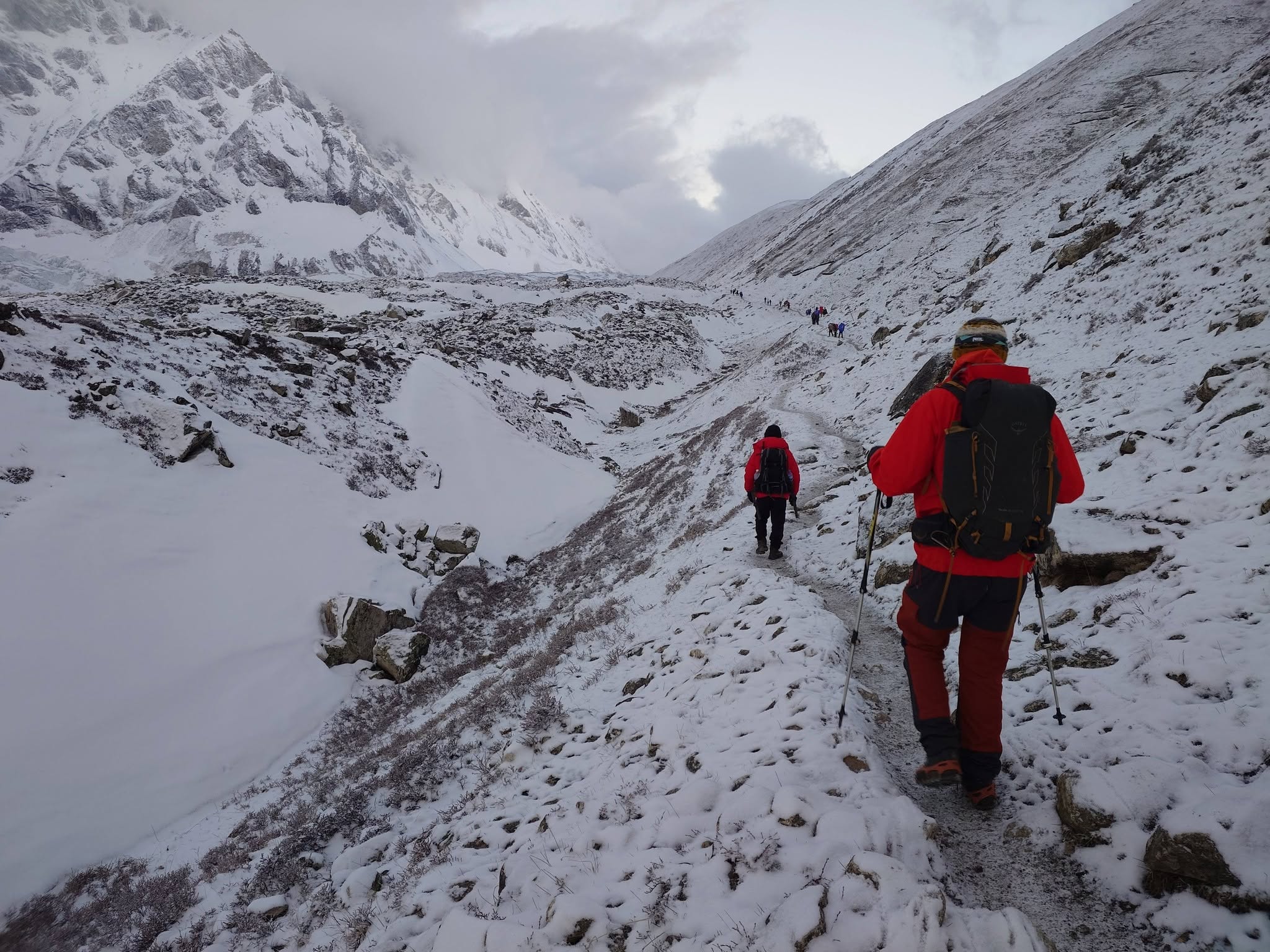
The Larkya La Pass section is especially challenging due to steep ascents, snow coverage, and high wind exposure.
Terrain changes require constant adaptation in walking pace and energy use.
This variation contributes directly to physical demands encountered during long multi-day Himalayan trekking routes at extreme elevation levels.
Weather and Temperature Challenges
Weather plays a major role in the difficulty of the Manaslu Circuit Trek. Conditions can change rapidly, especially at higher altitudes.
Temperatures drop significantly near and above 4,000 meters, particularly during early mornings and nights.
Wind exposure near Larkya La Pass can make the crossing more physically exhausting.
Poor weather conditions can also slow down progress and increase trekking difficulty.
Proper layering and seasonal planning are essential for managing these challenges.
Remoteness and Limited Infrastructure
The Manaslu Circuit is one of the more remote trekking routes in Nepal, which adds to its difficulty.
Accommodation is basic, especially in higher altitude villages where facilities are limited.
Medical support is not easily accessible, and evacuation options are limited in emergencies.
Communication networks are also weak in several sections of the route.
This isolation requires trekkers to be more self-reliant and well-prepared before entering the region.
Is the Manaslu Circuit Trek Suitable for Beginners?
The Manaslu Circuit Trek is not considered a beginner-level trek, but it can be completed by first-time Himalayan trekkers with good preparation.
Physical fitness, proper acclimatization, and guided support are essential for beginners attempting this route.
Trekkers with prior multi-day hiking experience will find it more manageable.
However, complete beginners without fitness preparation may struggle with altitude and long trekking hours.
This makes preparation a key factor in determining success on the trail.
Mental Challenge of the Manaslu Circuit Trek
Apart from physical difficulty, the Manaslu Circuit Trek also presents a mental challenge.
Long trekking days, basic accommodation, and remote environments can test patience and motivation.
The high-altitude section before Larkya La Pass requires strong mental endurance due to cold, fatigue, and slow movement pace.
Mental preparation is as important as physical training for completing the trek successfully.
This aspect is often underestimated but plays a critical role in overall trekking experience.

Fitness Level Required for the Manaslu Circuit Trek
The Manaslu Circuit Trek requires a good level of physical fitness, but it does not demand technical mountaineering skills. Trekkers should be comfortable walking long distances on consecutive days while carrying a daypack.
Most days involve 6 to 8 hours of walking on uneven terrain, including uphill climbs, stone steps, and long descents. This continuous effort makes endurance more important than speed or strength.
A moderate fitness base is enough for experienced hikers, but beginners need structured preparation before attempting this trek. Without proper conditioning, fatigue can build up quickly in high-altitude sections.
This requirement is directly linked to physical demands encountered during long multi-day Himalayan trekking routes at extreme elevation levels, where stamina plays a key role in overall success.
Recommended Training Before the Trek
Preparing for the Manaslu Circuit Trek should ideally start at least 6–8 weeks before departure. The goal is to build cardiovascular endurance and leg strength rather than intense muscle training.
Regular hiking, stair climbing, jogging, or long-distance walking helps simulate trekking conditions. Carrying a backpack during training sessions is also useful for adapting to trail load.
Consistency is more important than intensity. Gradual improvement helps the body adjust to long trekking days without excessive strain.
Training on uneven terrain, if possible, is highly beneficial for preparing joints and stabilizing muscles.
Acclimatization and Its Role in Difficulty Management
Acclimatization is one of the most important factors in managing the difficulty of the Manaslu Circuit Trek. As altitude increases, the body needs time to adjust to lower oxygen levels.
The trek includes natural acclimatization points such as Samagaon, where rest days are commonly included before ascending toward Larkya La Pass.
Proper acclimatization reduces the risk of altitude sickness and improves overall trekking performance.
Rushing the itinerary significantly increases difficulty and health risks, especially above 3,000 meters.
This process is closely connected to gradual altitude adaptation during multi-day Himalayan trekking routes, which is essential for safe progression.
Altitude Sickness Risk (AMS) on the Manaslu Circuit Trek
Acute Mountain Sickness (AMS) is one of the main risks that increases the difficulty level of the Manaslu Circuit Trek. It occurs when the body struggles to adjust to reduced oxygen at high altitudes.
Common symptoms include headache, nausea, dizziness, loss of appetite, and fatigue. These symptoms are more likely to appear above 3,000 meters.
The risk becomes higher as trekkers approach Samdo and Larkya La Pass, where altitude exceeds 4,000–5,000 meters.
Proper hydration, slow ascent, and rest days are key strategies to reduce AMS risk.
In severe cases, immediate descent is the only safe solution.
Weather Impact on Trek Difficulty
Weather conditions significantly influence the difficulty of the Manaslu Circuit Trek, especially in higher altitude regions.
Cold temperatures, strong winds, and sudden weather changes are common near Larkya La Pass. These conditions can slow movement and increase physical exhaustion.
Clear weather improves visibility and safety, while poor conditions can make trails more challenging and mentally demanding.
Seasonal timing plays a major role in managing difficulty, with autumn and spring offering more stable conditions compared to winter or monsoon.
Weather awareness is essential for safe progression through high-altitude Himalayan trekking environments above 5,000 meters.
Comparison: Manaslu vs Everest Base Camp vs Annapurna Circuit
The Manaslu Circuit Trek is often compared with other popular treks in Nepal to understand its difficulty level.
Compared to Everest Base Camp, Manaslu is slightly more remote and less crowded, with more basic infrastructure in higher sections.
Compared to the Annapurna Circuit, Manaslu feels more rugged and less commercialized, with fewer facilities along the route.
However, all three treks share similar altitude challenges, especially in high mountain passes.
Manaslu stands out due to its isolation, longer remote sections, and stricter permit system.
Mental Challenges During the Trek
Mental endurance is equally important as physical fitness on the Manaslu Circuit Trek. Long trekking days, limited facilities, and remote surroundings can create psychological fatigue.
Walking for several hours daily in cold and high-altitude conditions can test motivation and focus.
The final approach to Larkya La Pass is particularly demanding due to early starts, freezing temperatures, and slow progress.
Staying mentally prepared helps trekkers maintain steady pacing and avoid burnout.
A positive mindset plays a key role in completing the trek successfully.
Who Should Not Attempt the Manaslu Circuit Trek?
The Manaslu Circuit Trek may not be suitable for individuals with very low fitness levels or serious health conditions affecting breathing, heart function, or mobility.
It is also not ideal for travelers who are not comfortable with remote environments and basic accommodation.
Lack of preparation or unrealistic expectations can significantly increase difficulty and risk.
Trekkers who prefer short, easy hikes should consider lower-altitude alternatives in Nepal.
Proper assessment of fitness and comfort level is essential before choosing this route.
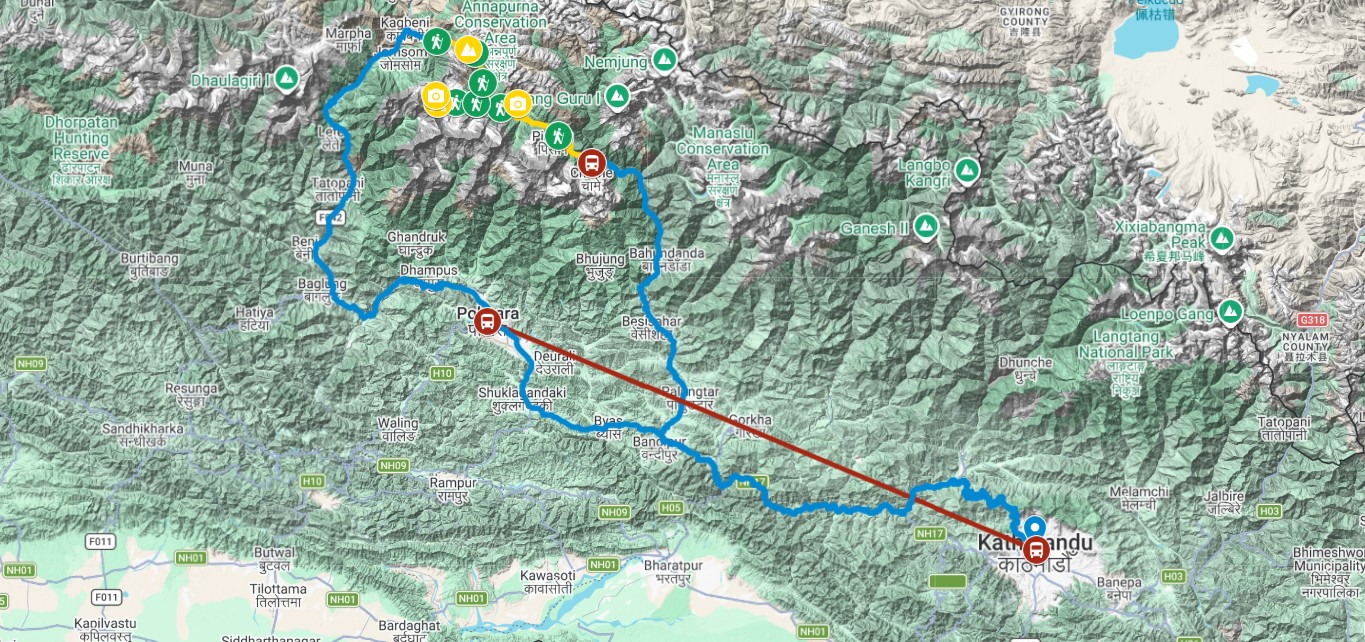
How Difficulty Changes Across the Route
The difficulty of the Manaslu Circuit Trek is not constant; it changes significantly depending on the section of the route.
Lower sections are moderate and manageable, while mid-sections involve steady climbing and longer walking hours.
High-altitude sections near Samdo and Larkya La Pass are the most demanding due to thin air and cold weather.
The descent after the pass is physically easier but can be tough on the knees due to long downhill sections.
This variation makes pacing and energy management critical throughout the trek.
Training Plan for the Manaslu Circuit Trek
A structured training plan can significantly reduce the difficulty of the Manaslu Circuit Trek. Since the route involves long walking hours and high altitude exposure, preparation should focus on endurance, leg strength, and cardiovascular fitness.
Ideally, training should begin at least 6–8 weeks before the trek. The goal is not to build extreme athletic performance but to condition the body for continuous multi-day trekking.
Regular hiking with elevation gain is the most effective preparation method. Stair climbing, jogging, cycling, and long walks with a backpack also help simulate trekking conditions.
Consistency matters more than intensity, as the trek demands sustained energy over many days rather than short bursts of strength.
This preparation directly supports physical demands encountered during long multi-day Himalayan trekking routes at extreme elevation levels, especially in high-altitude sections.
Beginner-Friendly Training Breakdown
Beginners should focus on gradual progression rather than intense workouts. Starting with short walks and slowly increasing distance helps build endurance safely.
In the first phase, 30–45 minute walks on flat terrain are sufficient. As fitness improves, longer hikes with incline should be added.
Carrying a light backpack during training helps prepare the shoulders and back for trekking load.
Stretching and flexibility exercises are also important to reduce muscle fatigue during long trekking days.
This steady progression helps beginners adapt more comfortably to the demands of the Manaslu Circuit Trek.
Day-by-Day Difficulty Variation on the Route
The difficulty of the Manaslu Circuit Trek changes significantly depending on the section of the route.
Lower sections such as Machha Khola to Jagat are moderately easy with gradual elevation gain and warmer temperatures.
Mid sections like Deng and Namrung introduce steeper climbs and longer walking hours, increasing physical demand.
High-altitude sections from Samagaon to Samdo become more challenging due to thinner air and colder conditions.
The final ascent to Larkya La Pass is the hardest part of the entire trek, requiring early starts, steep climbing, and strong endurance.
The descent to Dharapani is physically easier but can be tough on knees due to long downhill stretches.
Impact of Gear and Equipment on Difficulty
Proper gear plays a major role in reducing the difficulty of the Manaslu Circuit Trek. Inadequate equipment can significantly increase fatigue and discomfort.
Good quality trekking boots provide stability on rocky and uneven terrain, reducing the risk of injury.
Layered clothing systems help manage temperature changes between low valleys and high passes.
A well-fitted backpack distributes weight evenly, reducing strain during long walking hours.
Trekking poles are highly useful for steep ascents and long descents, especially in high-altitude sections.
Proper gear does not make the trek easier in terrain, but it greatly improves comfort and endurance.
Guide vs Solo Trekking: Difficulty Difference
The Manaslu Circuit Trek is a restricted region where independent trekking is not allowed. A licensed guide is mandatory, which also impacts the overall difficulty level.
Having a guide reduces mental stress by handling navigation, permits, and logistics. This allows trekkers to focus entirely on walking and acclimatization.
Guides also assist in pacing, which is crucial in high-altitude regions where overexertion can increase risk.
Without a guide system, navigation and decision-making would significantly increase difficulty in remote sections of the route.
This structured support system makes the trek more manageable despite its challenging terrain.
How Altitude Increases Difficulty Day by Day
Altitude gradually increases the difficulty of the Manaslu Circuit Trek as the journey progresses.
Below 2,500 meters, walking feels relatively normal with stable oxygen levels.
Between 3,000 and 4,000 meters, breathing becomes heavier and pace naturally slows down.
Above 4,000 meters, fatigue increases significantly, and even short climbs feel more demanding.
At Larkya La Pass (5,106m), physical performance is at its lowest due to reduced oxygen availability.
This progression is a key factor in gradual altitude adaptation during multi-day Himalayan trekking routes, which determines overall trekking success.
Weather and Seasonal Impact on Difficulty
Weather conditions can significantly change how difficult the Manaslu Circuit Trek feels.
In stable seasons like autumn and spring, clear skies and moderate temperatures make trekking more manageable.
In winter, extreme cold and snow accumulation near the pass increase physical effort and risk.
During monsoon, lower sections may become muddy and slippery, making walking slower and more tiring.
Season selection plays a major role in reducing unnecessary difficulty and improving overall safety.
Trekking Pace and Its Effect on Difficulty
Pacing is one of the most important factors in managing difficulty on the Manaslu Circuit Trek.
Walking too fast increases fatigue and reduces acclimatization efficiency, especially at higher altitudes.
A steady, consistent pace helps the body adjust gradually to changing oxygen levels.
Frequent short breaks are more effective than long pauses for maintaining energy balance.
Proper pacing directly reduces the risk of altitude sickness and improves overall trekking experience.
Final Preparedness Checklist Before the Trek
Before starting the Manaslu Circuit Trek, trekkers should ensure they are physically and mentally prepared.
Key readiness points include:
- Ability to walk 6–8 hours per day comfortably
- Basic cardiovascular fitness level
- Experience with multi-day hiking if possible
- Proper trekking gear and layered clothing
- Understanding of altitude risks and pacing strategy
- Mental readiness for remote and basic conditions
This checklist helps ensure a safer and more manageable trekking experience.
Conclusion: So, How Difficult is the Manaslu Circuit Trek?
The Manaslu Circuit Trek is a moderately to highly challenging Himalayan trek that demands consistent physical effort, good endurance, and proper acclimatization. It is not a technical climbing route, but the combination of altitude, long walking days, and remote terrain makes it significantly demanding.
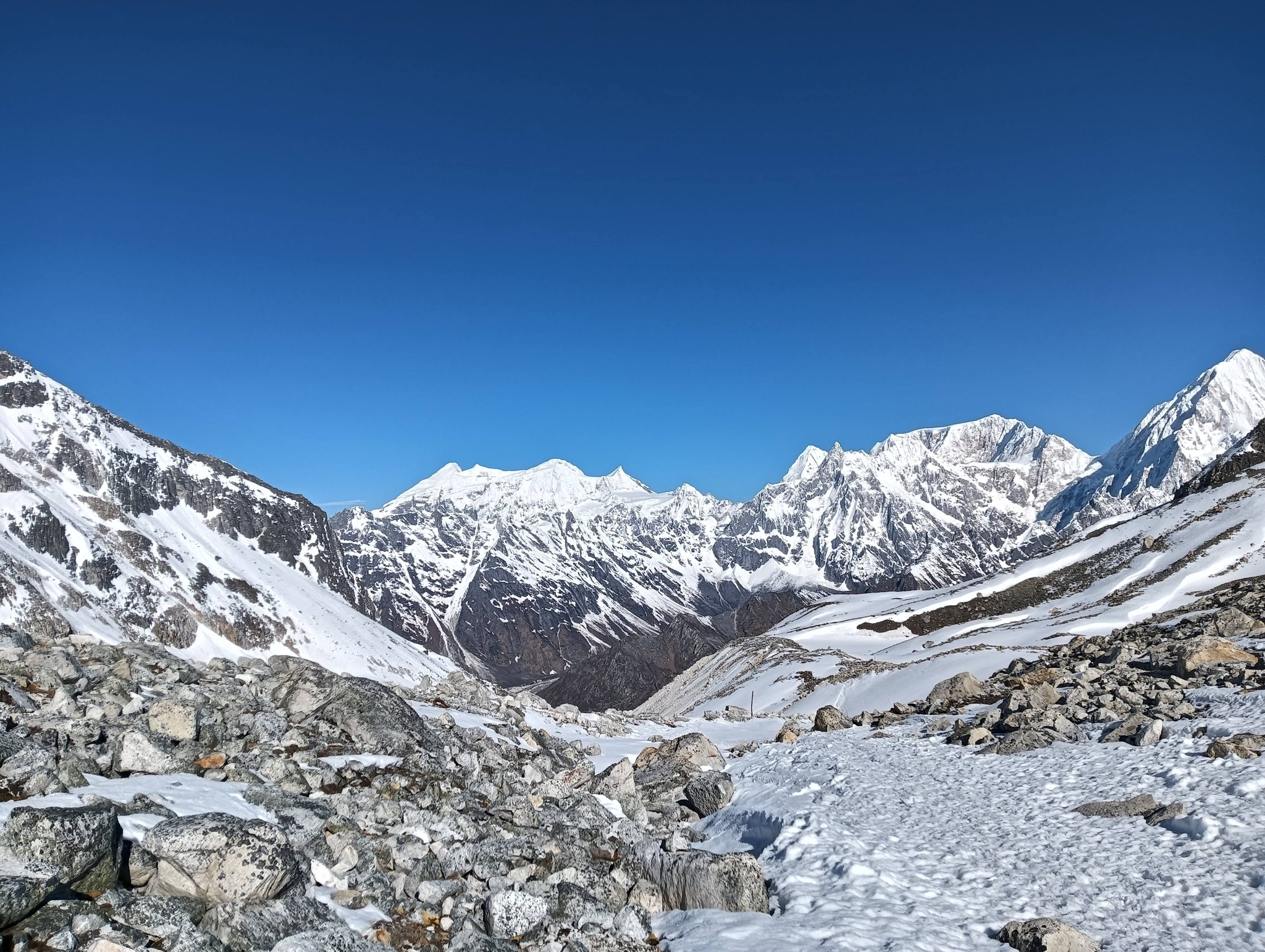
The most difficult part of the trek is the Larkya La Pass crossing at 5,160 meters, where low oxygen levels and harsh weather conditions increase physical strain. However, with proper preparation, pacing, and acclimatization, the trek becomes achievable for fit and determined trekkers.
The difficulty level changes throughout the route, starting from moderate valley walks and gradually increasing to high-altitude endurance trekking before descending into easier terrain in the Annapurna region.
In short, the Manaslu Circuit Trek is challenging but highly rewarding, especially for trekkers looking for a less crowded and more remote Himalayan experience.
Frequently Asked Questions About Manaslu Circuit Trek Difficulty
Is the Manaslu Circuit Trek difficult?
Yes, the Manaslu Circuit Trek is considered a moderate to difficult trek due to long walking hours, high altitude, and the challenging Larkya La Pass crossing.
Can beginners do the Manaslu Circuit Trek?
Beginners can complete the trek if they are physically fit and well-prepared. However, prior hiking experience is highly recommended due to altitude and endurance demands.
What is the hardest part of the Manaslu Circuit Trek?
The hardest part is the ascent and descent of Larkya La Pass at 5,160 meters, where altitude, steep terrain, and cold weather create maximum difficulty.
How many hours do you walk daily on the Manaslu Circuit Trek?
Trekkers usually walk 6 to 8 hours per day depending on the itinerary and terrain conditions.
Is altitude sickness a major risk on this trek?
Yes, altitude sickness is a significant risk above 3,000 meters, especially near Samdo and Larkya La Pass. Proper acclimatization is essential.
Do I need training for the Manaslu Circuit Trek?
Yes, basic training such as hiking, stair climbing, and cardio exercises for 6–8 weeks is recommended to build endurance and reduce difficulty.
Is the Manaslu Circuit harder than Everest Base Camp?
The Manaslu Circuit is generally considered more remote and less developed, making it feel slightly more challenging in terms of logistics and terrain, though both treks share similar altitude challenges.
What makes the Manaslu Circuit Trek challenging?
The main challenges include high altitude, long trekking days, remote infrastructure, unpredictable weather, and the demanding Larkya La Pass crossing.