






Bishwo Rai
- Trekking Guide
"Live The Adventure Of A Lifetime"
The Annapurna Circuit Trek is one of Nepal’s most iconic long-distance trekking adventures. It takes you around the Annapurna Massif, crossing diverse landscapes, traditional mountain villages, and the legendary Thorong La Pass (5,416 m). If you’re looking for a trek that combines dramatic scenery, cultural richness, and high-altitude adventure, the Annapurna Circuit is one of the best choices in the Himalayas.
Unlike treks that focus on a single destination, the Annapurna Circuit offers a constantly changing journey. The trail begins in the lush river valleys of central Nepal and gradually climbs through pine forests, waterfalls, and terraced farmlands. As you gain elevation, the scenery transforms into alpine meadows, rugged cliffs, and the dry, Tibetan-influenced landscapes of the upper Mustang region.
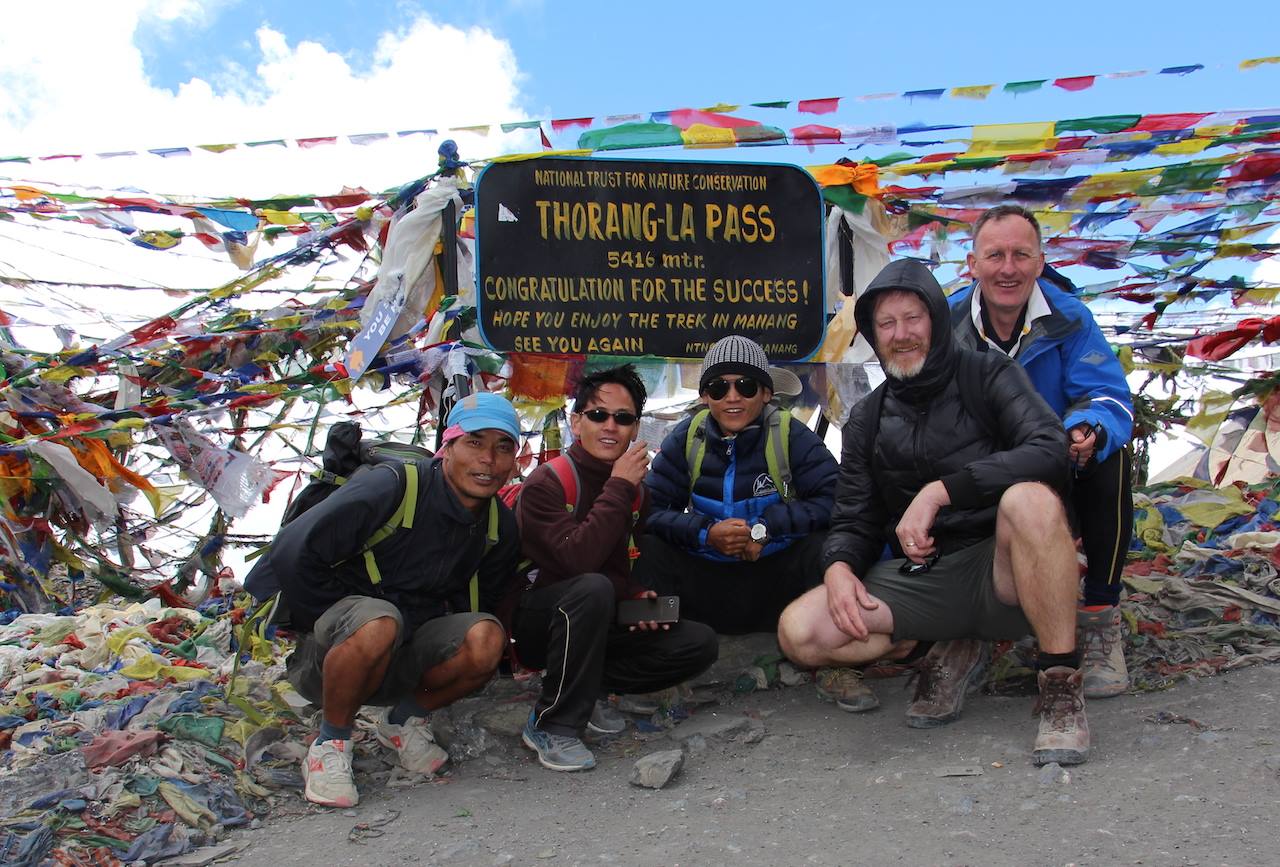
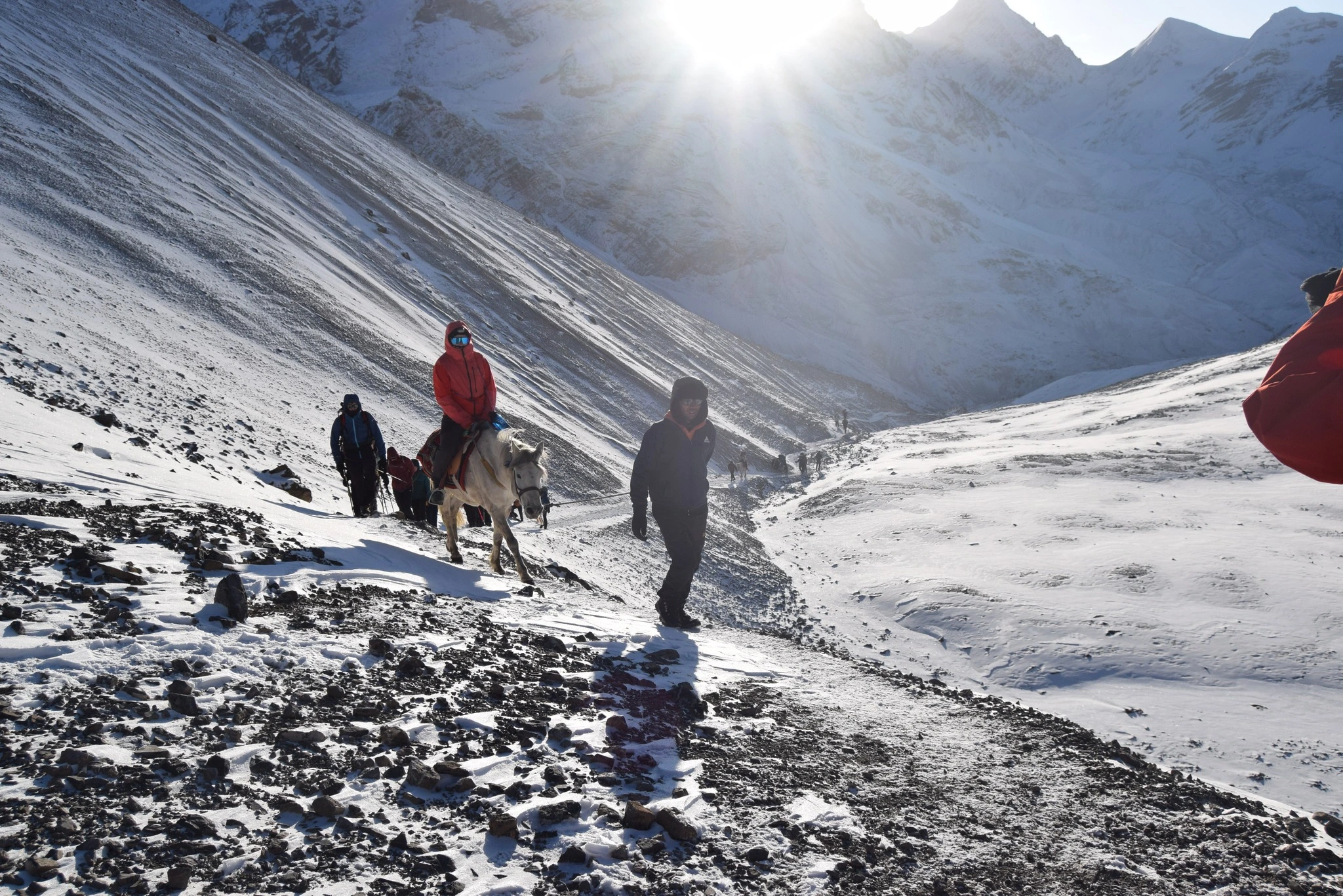
One of the trek’s greatest highlights is crossing Thorong La Pass, the highest point of the journey. Standing at 5,416 meters, the pass rewards trekkers with breathtaking views of the Annapurna and Dhaulagiri mountain ranges. Reaching this milestone is not only a physical achievement but also one of the most memorable experiences in Nepal.
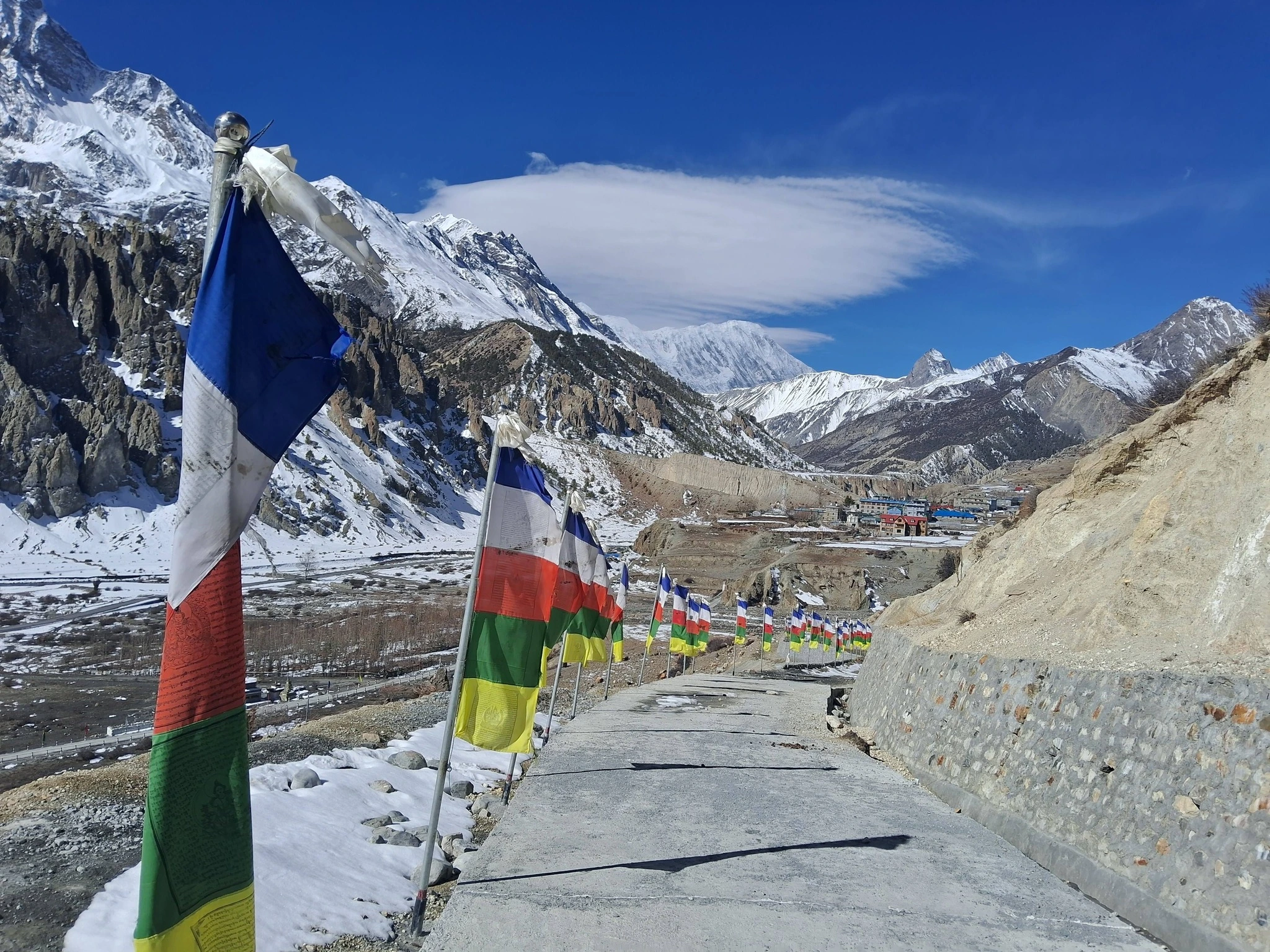
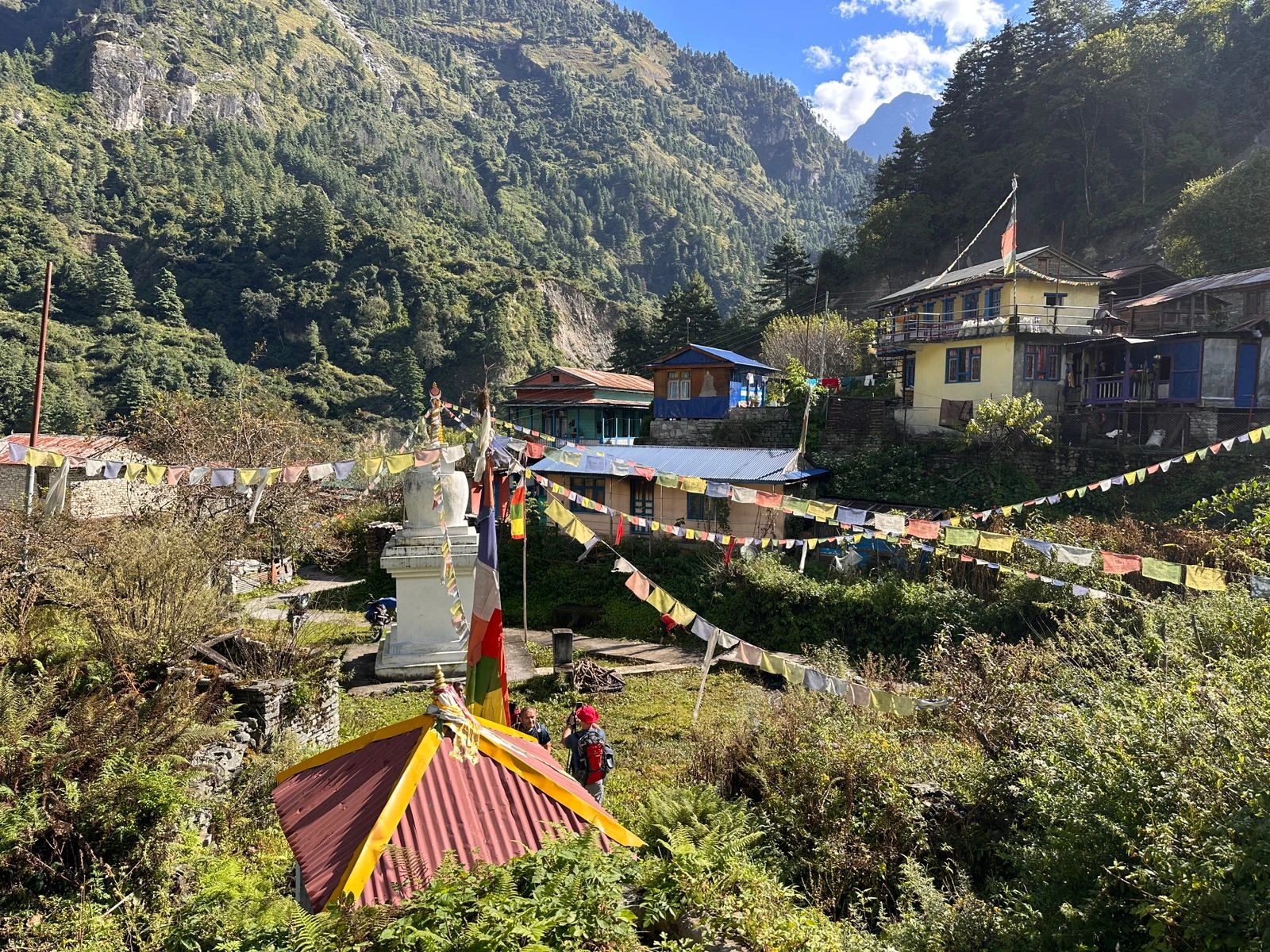
Beyond the mountains, the Annapurna Circuit Trek offers a deep cultural experience. The trail passes through villages inhabited by Gurung, Thakali, and Manangi communities, each with its own traditions, architecture, and way of life. Ancient monasteries, prayer wheels, chortens, and colorful prayer flags reflect the region’s strong Buddhist heritage, while local teahouses provide warm hospitality and authentic mountain cuisine.
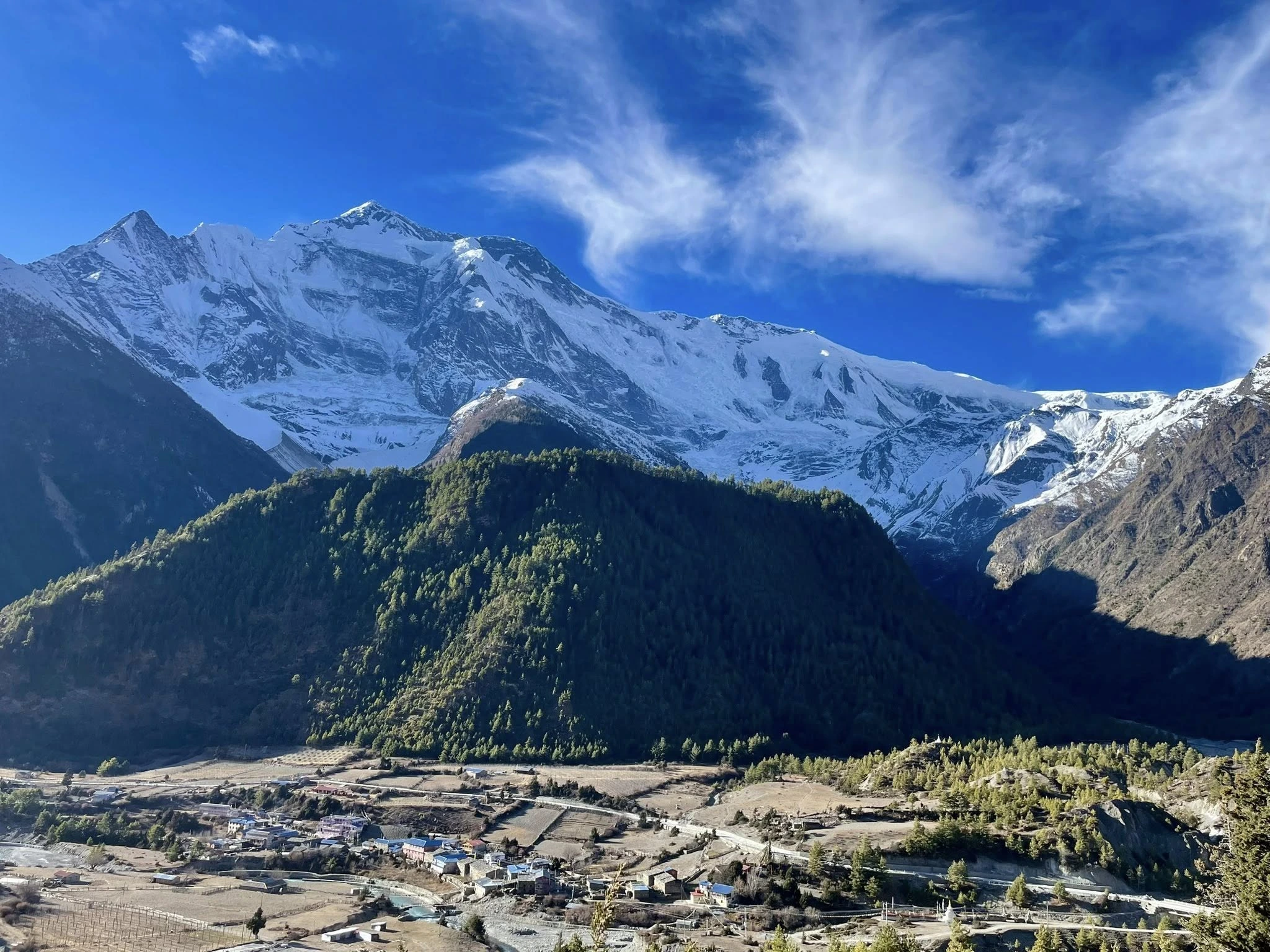
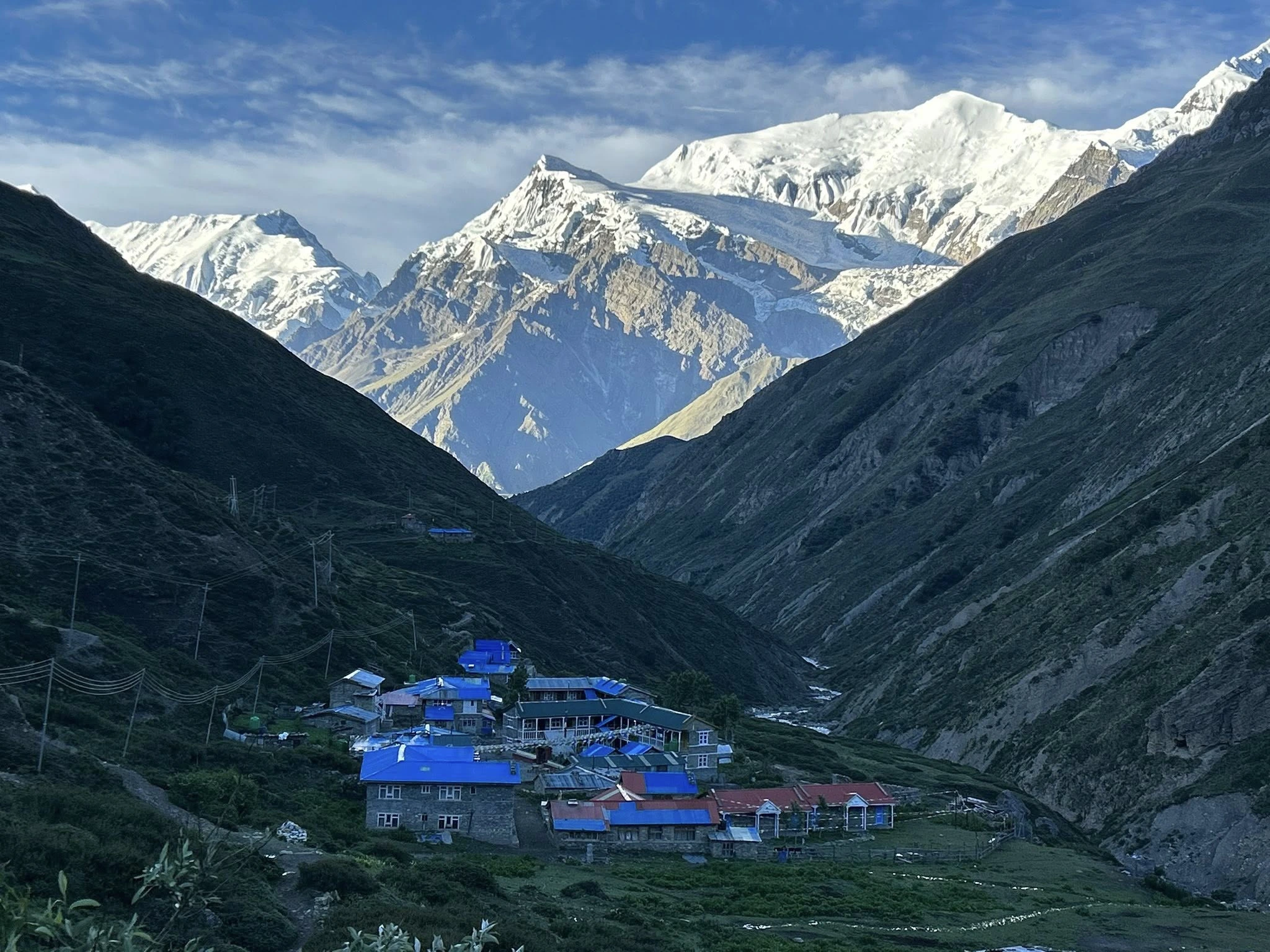
Throughout the trek, you’ll witness an incredible variety of landscapes within a single journey. From subtropical forests and roaring rivers to snow-covered peaks and high-altitude deserts, few trekking routes in the world offer such remarkable geographical diversity. On clear days, you’ll enjoy panoramic views of Annapurna II, Annapurna III, Annapurna IV, Gangapurna, Tilicho Peak, Dhaulagiri, Nilgiri, and several other Himalayan giants.
The Annapurna Circuit Trek can be completed in several itinerary variations. Travelers looking for a balanced pace with proper acclimatization often choose the longer Annapurna Circuit Trek, which covers the route comfortably while allowing enough time to enjoy its cultural and natural highlights.
Spring and autumn are widely regarded as the best seasons for the Annapurna Circuit Trek. Spring brings blooming rhododendron forests and pleasant daytime temperatures. Autumn offers stable weather, excellent visibility, and crystal-clear mountain views. Both seasons provide ideal conditions for crossing Thorong La Pass and enjoying the full beauty of the Annapurna region.
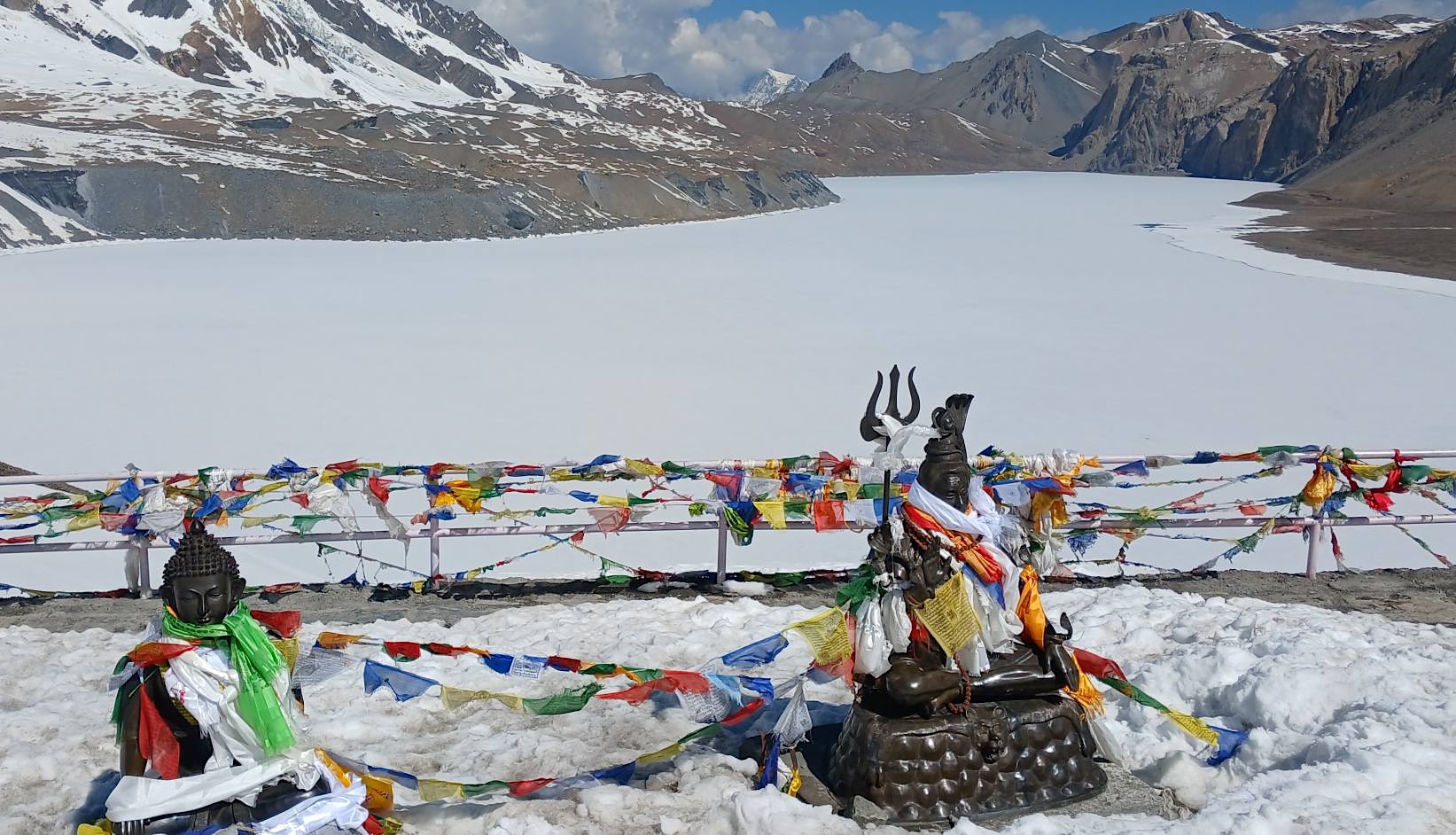
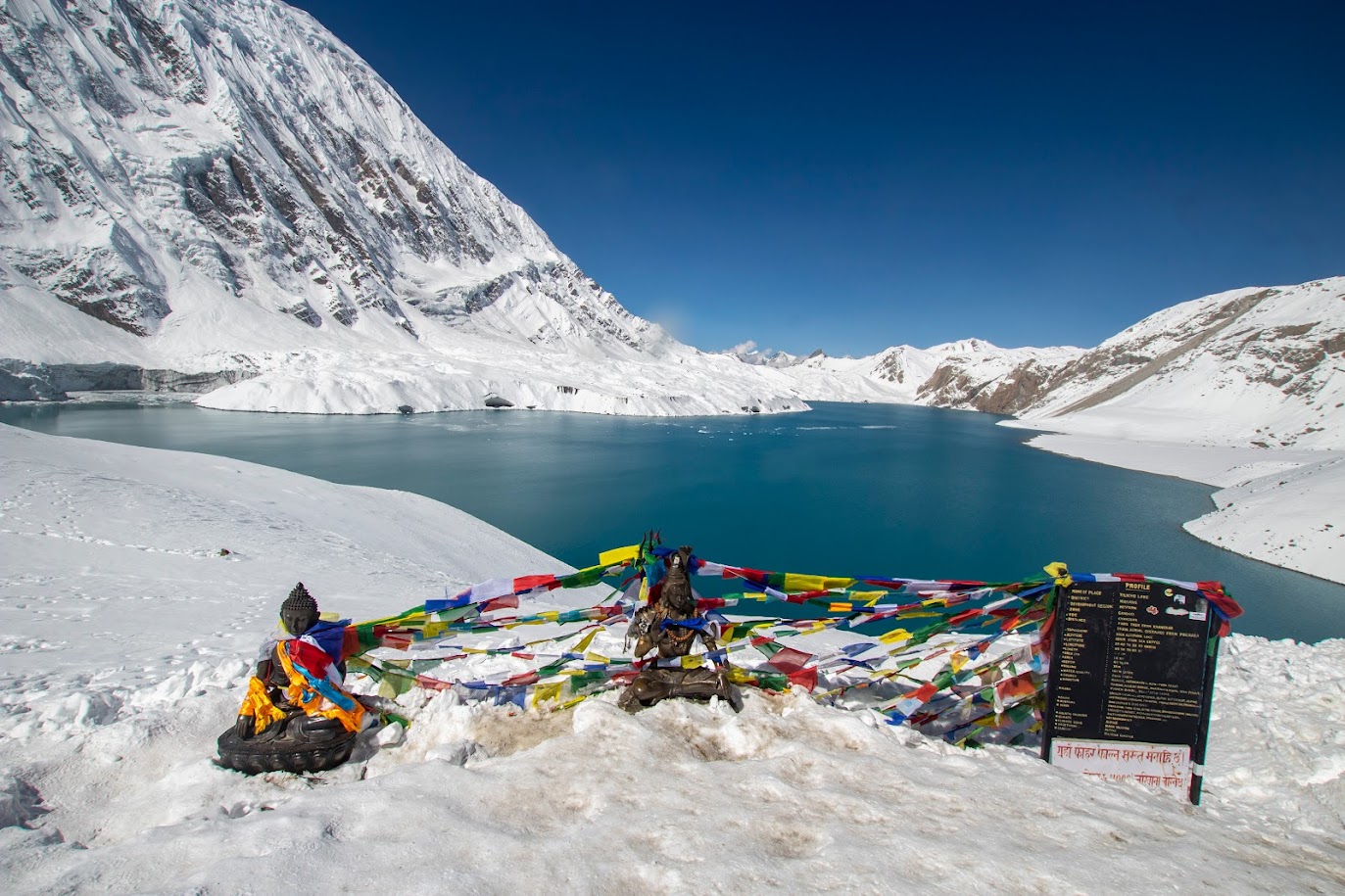
Many trekkers also choose to extend their journey with a visit to Tilicho Lake, one of the world’s highest alpine lakes, or relax in the natural hot springs at Tatopani after completing the high mountain section. These optional side trips add even more variety to an already rewarding adventure.
With experienced local guides and a carefully planned itinerary, the Annapurna Circuit Trek becomes a well-paced and rewarding Himalayan adventure. At Lhasso Adventure, we focus on creating a safe, comfortable, and authentic trekking experience, allowing you to enjoy every stage of the journey while discovering the natural beauty and rich culture that make this trail one of Nepal’s most iconic treks.
Upon arrival at Kathmandu’s Tribhuvan International Airport (1,350m), Lhasso Adventure representative will warmly welcome you and transfer you to your hotel. After check-in, take some time to rest, freshen up, and enjoy a meal. In the evening, our knowledgeable guides will provide a briefing on the journey ahead, followed by team introductions and discussions. Later, we’ll head out for a welcome dinner at a local restaurant to experience authentic Nepali cuisine.
Depart from Kathmandu in the morning, taking a scenic drive through Nepal’s Mid-West region, passing bustling towns and charming farm villages. Arrive at Beshisahar, a vibrant town in Lamjung district, located near the roaring Marsyangdi River. Journey onwards to Jagat village, a picturesque farming community with plenty of lodges for trekkers. Wind through forests, enjoying breathtaking views of the Annapurna and Manaslu mountain ranges. Pass through Tal Besi village before reaching Chame town for an overnight stay. En route, pass Dharapani village, situated midway between the Annapurna Circuit and Manaslu trekking trails. Drive through rhododendron and pine forests, passing Bagachap and Danque villages, until you arrive at Ratamanang village, offering majestic views of Mt. Manaslu. Make a brief stop at Koto village before continuing to bustling Chame, headquarters of the Manang district, where you’ll spend the night.
From Chame onwards walk leads close to mountains through alpine forests of rhododendron and pine trees, following Masrsyangdi River upstream with short ups and down hills to Bhratang village. From Bhratang village walk follows uphill through alpine woodland to Dhukure Pokhari ,a small place with few teahouses and lodges, overlooking Chulu’s and Pisang peak with possible lunch stop, and then ascends to upper Pisang village for overnight stop.
Morning views of mountains; from here onward altitude gains as the walk leads through forest with short uphill and views of Annapurna II and III, Gangapurna Chulu’s and Pisang peak.
Walk downhill to reach flat valley at Hongde village, from here onward tree lines fades for barren, arid landscapes with cold, dry arctic climate.
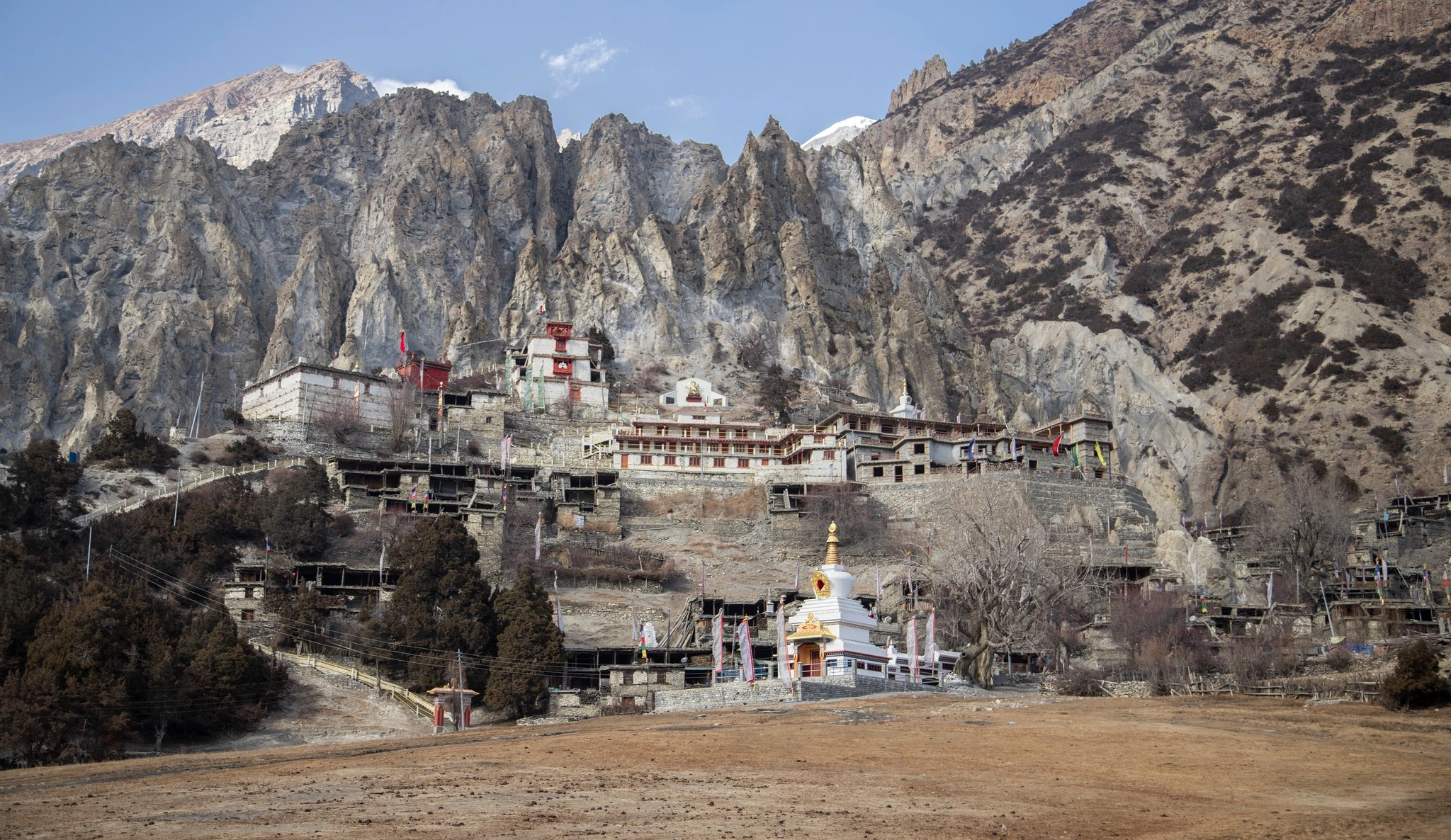
Before Manang, visit old Braga monastery with old Buddhist relics, ancient wall painting and frescos and stunning views of Annapurna Himalaya, from here an hour walk reaches at Manang village.
After a rest day in Manang for acclimatization, embark on a hike to Ice Lake, situated at an altitude of 4,600 meters (15,088 feet). The trail ascends gradually, offering stunning views of the surrounding peaks and the picturesque Manang valley below. Reach Ice Lake and marvel at its turquoise waters, nestled amidst the rugged Himalayan landscape. Take some time to soak in the tranquility and snap photos of the breathtaking scenery.
After enjoying the serene beauty of Ice Lake, begin your descent back to Manang. Descend carefully, taking in the panoramic views and enjoying the crisp mountain air. Arrive back in Manang in the afternoon, feeling refreshed and rejuvenated from your acclimatization hike. Spend the rest of the day relaxing and exploring the charming village of Manang, preparing for the next leg of your adventure in the Annapurna region.
From Manang, ascend towards Siri Kharka, passing through the picturesque landscapes of the Annapurna region. The trail offers stunning views of the surrounding mountains and valleys. Trek through alpine forests and lush meadows, crossing streams and small settlements along the way. As you gain elevation, the scenery becomes more rugged and dramatic. Eventually, reach Siri Kharka, a serene high-altitude grazing pasture, where you’ll spend the night, surrounded by the majestic Himalayan peaks.
From Siri Kharka, ascend towards Tilicho Base Camp at an elevation of 4150m (13,614ft). Trek through rugged terrain, crossing streams and rocky paths. As you climb higher, the landscape transforms, offering panoramic views of the surrounding peaks. Arrive at Tilicho Base Camp, nestled in the heart of the Himalayas, surrounded by towering mountains and glaciers. Enjoy the tranquility of this remote location before resting for the night in preparation for the journey to Tilicho Lake.
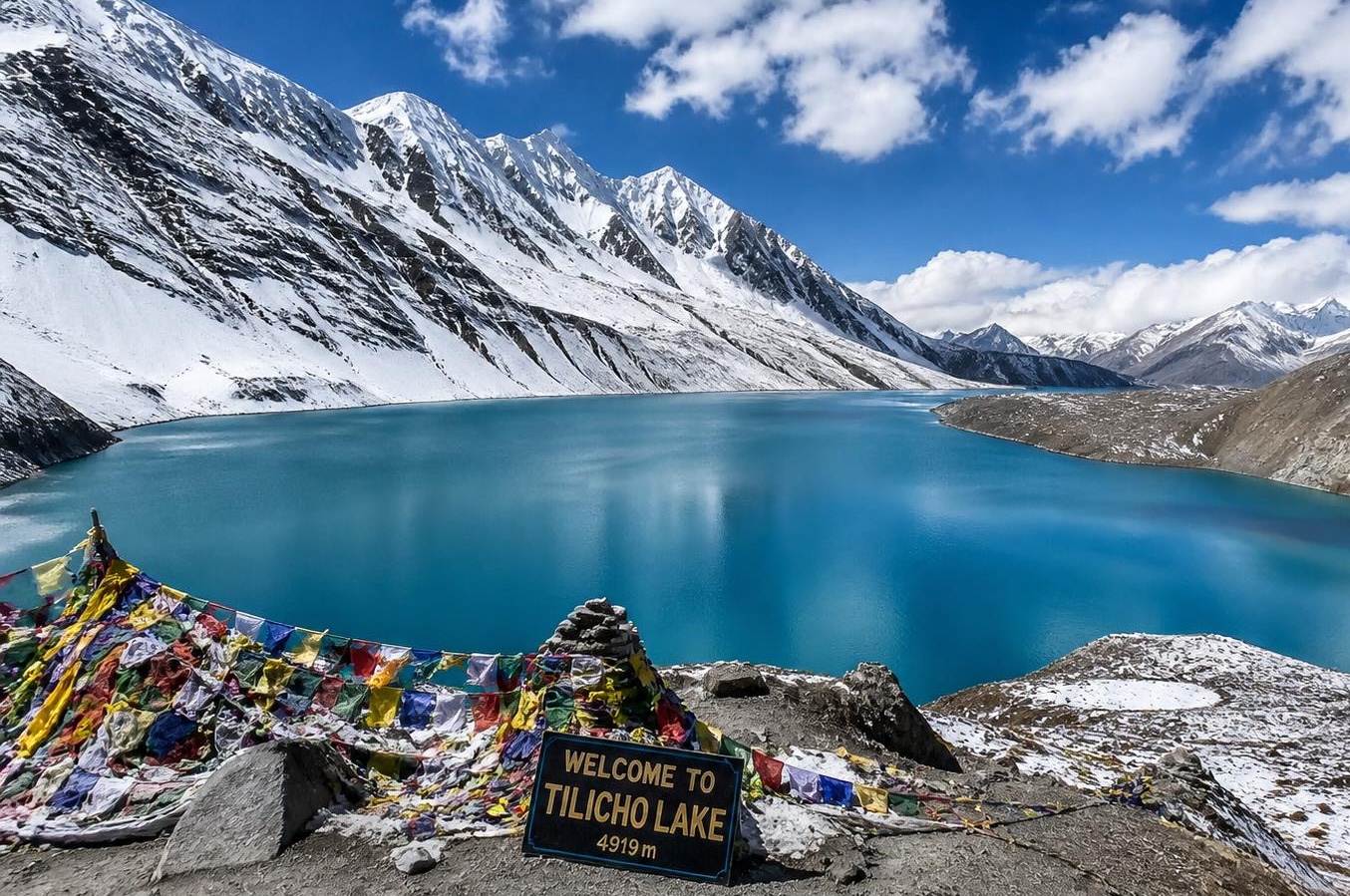
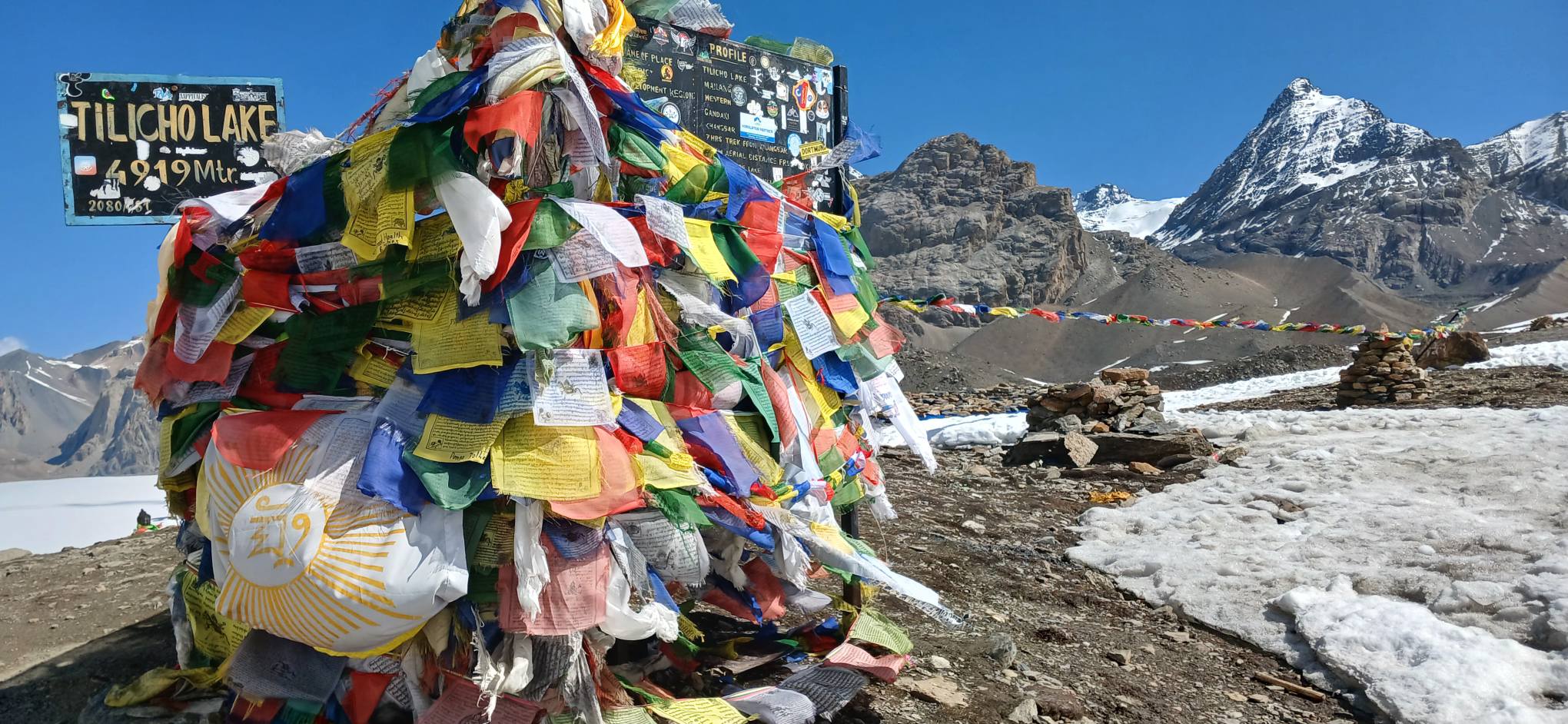
Embark on a hike to Tilicho Lake, situated at an altitude of 4,920 meters (16,141 feet), from Siri Kharka. Trek through rugged terrain, ascending towards the pristine Tilicho Lake. Marvel at the breathtaking views of the surrounding Himalayan peaks as you make your way to the lake. Spend some time soaking in the serene atmosphere and capturing stunning photographs. After enjoying the beauty of Tilicho Lake, begin your descent back to Siri Kharka, where you’ll spend the night amidst the tranquil mountain surroundings.
Trek from Siri Kharka to Yak Kharka, located at an altitude of 4,050m (13,286ft). The route takes you through rugged terrain, offering stunning views of the surrounding Himalayan landscape. Trekking from Siri Kharka to Yak Kharka provides an opportunity to experience the beauty of the Annapurna region while gaining altitude. Enjoy the challenge of the hike as you ascend towards higher elevations, passing through diverse terrain and encountering local flora and fauna along the way. Arrive at Yak Kharka, a picturesque stopover nestled amidst towering peaks, where you can rest and acclimatize before continuing your trek.
From Yak Kharka (4,050m/13,286ft), embark on a trek to Thorong Phedi. Trekking through rugged terrain, you’ll gradually ascend towards Thorong Phedi. Enjoy the breathtaking views of the surrounding Himalayan landscape as you make your way to the base of Thorong La Pass. The trek offers a challenging yet rewarding experience, with each step bringing you closer to your destination. Upon reaching Thorong Phedi, take in the serene mountain atmosphere and prepare for the next day’s ascent to the high mountain pass. Rest and replenish your energy at Thorong Phedi before continuing your journey.
Cross the Thorong La Pass at an altitude of 5,416m (17,765ft) and trek to Muktinath at 3,760m (12,335ft). Begin the challenging ascent to Thorong La Pass, the highest point of the trek, offering stunning panoramic views of the surrounding Himalayan peaks. Descend to Muktinath, a sacred pilgrimage site revered by both Hindus and Buddhists, known for its ancient temples and natural beauty. Enjoy the spiritual ambiance and breathtaking scenery before settling in for the night.
After visiting Muktinath Temple, you’ll embark on a scenic drive to Pokhara via Jomsom. Muktinath Temple, located at an elevation of 3,710 meters (12,172 feet), is a sacred Hindu and Buddhist pilgrimage site renowned for its religious significance and stunning mountain vistas. Following your visit, you’ll journey towards Pokhara, situated at an altitude of 800 meters (2,624 feet). The route passes through Jomsom, offering breathtaking views of the Himalayas and the Kali Gandaki Gorge, the deepest gorge in the world
Morning transfer either by car or coach as well as taking a tourist bus (depending on the group size), where an interesting overland journey brings you back to Kathmandu with scenic views of mountains, green scenery of hills, and farm fields within nice villages and towns as the drive leads into the hustle and bustle of the of the city life of Kathmandu.
On reaching Kathmandu, transfer to your respective hotels with time for individual activities and shopping for souvenirs.
(For the flight option, it takes 25 to 35minutes from Pokhara to Kathmandu.)
Last day in Nepal after a wonderful experience and adventure on Annapurna Circuit trekking with great service of Lhasso Adventure, and as per your international flight then transfer to Kathmandu international airport for your respective destinations.
Our standard itinerary may vary slightly due to weather, trail conditions, government regulations, or individual health needs. In all cases, Lhasso Adventure guides evaluate the situation and find the best safe alternative. We recommend arriving in Kathmandu at least one day before the trek start date, and booking international flights with 2–3 buffer days after your return date.
At Lhasso Adventure, we believe travel should create a positive impact. That’s why we donate 10% of our profits to the Mother and Children Art Foundation (MCAF), supporting education, healthcare, and sustainable opportunities for underprivileged women and children across Nepal.
Through our partnership with MCAF, we also support community initiatives, including medical health camps, school volunteering programs, and projects that improve the well-being of local mountain communities. Every trek with us helps give back to the people who make Nepal truly special.
Lhasso Adventure holds active membership with Nepal’s leading trekking bodies and enforces strict responsible tourism standards on every departure.
All Lhasso Adventure group departures for the Annapurna Circuit with Tilicho and Ice Lake Trek have a maximum of 16 participants. Small groups mean a more personal experience, better acclimatization monitoring, and less impact on the trail. Can't find a date that works? We also offer private departures on any date,
| Start | Finish | Availability | Price | |
|---|---|---|---|---|
| 09/10/2026 | 22/10/2026 | Trip Status available | Starting from $ 1273 | Book Now |
| 14/10/2026 | 27/10/2026 | Trip Status available | Starting from $ 1273 | Book Now |
| 15/10/2026 | 28/10/2026 | Trip Status available | Starting from $ 1273 | Book Now |
| 03/11/2026 | 16/11/2026 | Trip Status available | Starting from $ 1273 | Book Now |
| 16/11/2026 | 29/11/2026 | Trip Status available | Starting from $ 1273 | Book Now |
| 07/12/2026 | 20/12/2026 | Trip Status available | Starting from $ 1273 | Book Now |
| 17/12/2026 | 30/12/2026 | Trip Status available | Starting from $ 1273 | Book Now |
| 14/01/2027 | 27/01/2027 | Trip Status available | Starting from $ 1273 | Book Now |
| 20/01/2027 | 04/02/2027 | Trip Status available | Starting from $ 1273 | Book Now |
| 10/02/2027 | 23/02/2027 | Trip Status available | Starting from $ 1273 | Book Now |
| 15/02/2027 | 28/02/2027 | Trip Status available | Starting from $ 1273 | Book Now |
| 14/03/2027 | 27/03/2027 | Trip Status available | Starting from $ 1273 | Book Now |
| 20/03/2027 | 03/04/2027 | Trip Status available | Starting from $ 1273 | Book Now |
| 01/04/2027 | 14/04/2027 | Trip Status available | Starting from $ 1273 | Book Now |
| 10/04/2027 | 23/04/2027 | Trip Status available | Starting from $ 1273 | Book Now |
| 01/05/2027 | 14/05/2027 | Trip Status available | Starting from $ 1273 | Book Now |
| 10/05/2027 | 23/05/2027 | Trip Status available | Starting from $ 1273 | Book Now |
| 05/06/2027 | 18/06/2027 | Trip Status available | Starting from $ 1273 | Book Now |
| 15/06/2027 | 28/06/2027 | Trip Status available | Starting from $ 1273 | Book Now |
| 17/07/2027 | 30/07/2027 | Trip Status available | Starting from $ 1273 | Book Now |
| 01/08/2027 | 14/08/2027 | Trip Status available | Starting from $ 1273 | Book Now |
| 10/08/2027 | 23/08/2027 | Trip Status available | Starting from $ 1273 | Book Now |
Looking for personalized. We organize privately guided journey which is mainly designed to fit your taste and interest. Please fill out the form below to get started.
Lhasso Adventure provides a 70–80L duffel bag for your porter to carry (keep it under 20-25 kg). You can rent a 4-season sleeping bag or down jacket for USD 35 each, let us know before the trek starts. You can store non-trekking items at your Kathmandu hotel at no extra cost.
In addition to making trekking more enjoyable, having the appropriate gear guarantees your safety and readiness for a range of situations. Regardless of skill level, every hiker has to invest in high-quality equipment and understand how to utilize it properly. A delightful journey can differ from a difficult ordeal depending on the level of planning and equipment used. Please make your selections of the necessary equipment from the list below.
Yes, this is one of the more forgiving Himalayan treks for a first-timer, provided you respect the altitude and pace yourself.
Most days involve 5 to 7 hours of walking on well-established teahouse trails, with no ropes, crampons, or technical climbing skills required at any stage.
The gradual 12 to 16-day itinerary allows your body to acclimatize naturally before the high point, so beginners who take rest days seriously rarely run into serious trouble.
The real test comes at Thorong La Pass, where trekkers begin their 5,416-meter crossing before dawn to avoid the harsh afternoon winds that pick up over the ridge.
Altitude sickness, not fitness level, is what actually derails most beginners on this route, which is why a slow, steady pace matters more than prior trekking experience.
Most trekkers complete the full Annapurna Circuit in 15 to 18 days, including two Kathmandu buffer days for flight delays and gear preparation.
The trekking portion itself runs 12 to 16 days depending on your chosen start point, since starting from Besisahar adds two extra walking days compared to jeep access points like Chame.
Budget at least two full acclimatization days before Thorong La, one in Manang at 3,519m and another after crossing into the higher villages, since skipping these significantly raises your risk of altitude sickness.
Trekkers with tighter schedules can shorten the route using local jeep transfers on the lower sections, cutting the total trip down to as little as 10 to 12 days on the trail.
Adding a few unplanned rest days into your itinerary is always wise, since unpredictable mountain weather regularly delays the Thorong La crossing by a day or more.
The full Annapurna Circuit covers roughly 160 to 230 kilometers, depending on your starting point and whether you exit via Nayapul or take a jeep down from Muktinath.
On an average trekking day, you’ll cover 10 to 18 kilometers, though this varies sharply based on elevation gain and the ruggedness of that day’s terrain.
The longest single stretch falls on the day you cross Thorong La, a grueling 15 to 18-kilometer push that takes 8 to 10 hours from High Camp to Muktinath.
Lower sections through the Marsyangdi Valley move faster, since gentler gradients let trekkers comfortably cover 15 kilometers or more in half the time it takes at higher altitudes.
Daily distance matters less than elevation change here, since a short 8-kilometer day climbing to Manang can feel tougher than a flat 16-kilometer stretch lower in the valley.
Spring and autumn dominate for good reason, with March to May and September to November offering the clearest mountain views and the most stable trail conditions.
October stands out as the single most reliable month, coming right after monsoon season when the skies are freshly washed and visibility across the Annapurna range peaks.
Winter trekking from December to February is possible but demanding, since heavy snowfall often closes Thorong La Pass entirely for days or even weeks at a time.
Monsoon season from June to August brings the fewest crowds and the greenest scenery, though leeches, landslides, and obscured mountain views make it the least popular choice.
Shoulder months like early March and late November reward trekkers with thinner crowds at teahouses, while still offering reasonably stable weather for the Thorong La crossing.
This extended route with the Ice Lake side trip starts at US$1,273 per person for groups of 2 to 4 trekkers.
The added acclimatization day at Ice Lake barely moves the price, with 5 to 7 person groups paying US$1,168 and 8 to 10 person groups dropping to US$1,121.
Groups of 11 to 13 trekkers pay US$1,076 per person, while the largest bracket of 14 to 16 people brings costs down to just US$1,022.
Given the extra high-altitude lake detour included, this package delivers strong value per dollar compared to the standard circuit route.
Trekkers weighing both packages often find the marginal cost difference is well worth the additional scenery and acclimatization benefit Ice Lake provides.
Physical readiness matters, but altitude preparation is really about pacing and awareness, since no amount of gym training can fully prevent altitude sickness.
Start a cardio-focused training routine at least six to eight weeks before departure, mixing hiking, stair climbing, and long walks with a loaded backpack to simulate trail conditions.
Many trekkers begin taking Diamox 24 hours before reaching higher elevations, though this should always be discussed with a doctor beforehand rather than self-prescribed on the trail.
Staying hydrated with 3 to 4 liters of water daily and avoiding alcohol above 3,000 meters both measurably reduce the risk of altitude-related symptoms.
Recognizing early warning signs like persistent headache, nausea, or dizziness matters more than any training plan, since descending immediately is the only real treatment once symptoms escalate.
A proper Annapurna Circuit packing list balances weight against preparedness, since teahouses provide bedding but rarely anything else you’ll need on the trail.
Layering is the single most important packing principle here, with temperatures swinging from warm valley afternoons to sub-zero nights near Thorong La.
A four-season sleeping bag rated to at least -15°C is essential for high-altitude teahouses, where indoor heating is minimal or completely absent above 3,500 meters.
Sturdy, broken-in trekking boots matter more than any other gear item, since the rocky, uneven terrain punishes poor footwear far faster than it does inexperience.
Don’t overpack, either — porters typically carry a 15 to 25 kg weight limit per trekker, so prioritizing quality layers over sheer quantity keeps your load manageable.
Nepal’s regulations now require all foreign trekkers to hire a licensed guide for the Annapurna Circuit, ending the fully independent trekking era on this route.
This rule was introduced primarily for safety reasons, following a rise in solo trekker accidents and disappearances across Nepal’s high-altitude trails in recent years.
Beyond legal compliance, a guide handles permit checkpoints, navigates route changes caused by weather or trail damage, and can arrange emergency evacuation if altitude sickness strikes.
Local guides also carry practical knowledge that maps can’t provide, from which teahouses have reliable hot water to how to time the Thorong La crossing around shifting winds.
Trekking solo without a guide is no longer just risky here, it’s simply not permitted under current TIMS and park regulations.
Two permits are mandatory for the Annapurna Circuit: the Annapurna Conservation Area Permit (ACAP) and the Trekkers’ Information Management System (TIMS) card.
The ACAP costs around US$30 per person and can be obtained either in Kathmandu or at the Nepal Tourism Board office in Pokhara before departure.
TIMS cards run roughly US$20 per trekker and are only issued through a registered trekking agency, since independent applications are no longer accepted.
Both permits require passport copies and passport-sized photos, so it’s worth preparing extras before you arrive in Nepal to avoid last-minute delays.
Checkpoints along the route verify these permits at multiple stages, and missing paperwork at any single checkpoint can halt your trek entirely until the issue is resolved.
The trek’s highest point is Thorong La Pass at 5,416 meters, the single elevation gain that defines the entire circuit’s difficulty.
Trekkers start climbing toward this pass from High Camp at 4,925 meters, departing well before dawn to cross while wind speeds are still manageable.
Manang, sitting at 3,519 meters, serves as the critical acclimatization stop before trekkers push into the thinner air above 4,000 meters.
Beyond Thorong La, the trail descends sharply to Muktinath at 3,760 meters, dropping over 1,600 meters in a single grueling day.
Altitude gain here isn’t gradual, since the jump from Manang to High Camp alone covers more than 1,400 vertical meters in just two trekking days.
The golden rule above 3,000 meters is simple: never ascend more than 300 to 500 meters in sleeping elevation per day.
Building at least two full acclimatization days into your itinerary, one in Manang and another before the Thorong La push, gives your body time to adjust to thinning oxygen levels.
Drinking 3 to 4 liters of water daily and cutting out alcohol entirely above 3,000 meters both help your body process the lower oxygen environment more effectively.
Some trekkers use Diamox as a preventive measure, though it should only be taken after consulting a doctor rather than picked up casually before departure.
Ignoring early symptoms is the single biggest mistake trekkers make, since descending immediately at the first sign of headache or nausea is what actually prevents serious complications.
Yes, the Annapurna Circuit is considered one of Nepal’s safer major treks, largely due to well-established infrastructure and a mandatory guide requirement now in place.
Altitude sickness remains the biggest safety concern, not terrain difficulty or wildlife, which is why acclimatization days matter more than physical fitness on this route.
Teahouses along the entire route offer reliable rescue coordination, and most sections now have decent mobile network coverage for contacting emergency services if needed.
Weather poses the second major risk, since sudden snowstorms near Thorong La have historically caused the route’s most serious incidents, including the 2014 blizzard tragedy.
Trekking with a licensed guide, respecting acclimatization schedules, and purchasing proper travel insurance with helicopter evacuation coverage together make this trek a manageable, low-risk experience for prepared trekkers.
Altitude, not distance or terrain, poses the single greatest challenge on this trek, with symptoms capable of striking even experienced high-altitude trekkers.
Weather unpredictability near Thorong La ranks as the second major obstacle, since sudden snowfall or high winds can force delays or reroutes with little advance warning.
Basic infrastructure above 4,000 meters tests trekkers just as much as the trail itself, with cold rooms, limited hot water, and patchy electricity becoming the norm at higher elevations.
Long trekking days, particularly the 8 to 10-hour push over Thorong La itself, demand sustained stamina rather than short bursts of physical effort.
Mental fatigue often catches trekkers off guard too, since the repetitive daily grind of walking, eating, and sleeping in basic conditions wears down morale as much as the physical terrain does.
Most trekkers begin the Annapurna Circuit at Besisahar or Chame, both reachable by road from Kathmandu or Pokhara in a single day’s drive.
Starting from Besisahar adds roughly two extra walking days, while jeep access to Chame lets trekkers skip the lower valley sections and start higher up.
The trek traditionally ends at Muktinath after crossing Thorong La, though many trekkers continue further to Jomsom before flying or driving back to Pokhara.
From Jomsom, a short scenic flight to Pokhara takes under 25 minutes, offering a fast alternative to the multi-hour jeep ride along the same route.
Choosing your start and end points affects both trip duration and total cost, so confirming these details early makes itinerary planning significantly easier.
Getting to Besisahar or Chame typically starts with a drive from Kathmandu, taking roughly 6 to 8 hours depending on road conditions and your exact starting village.
Most trekking packages include a private jeep transfer from Kathmandu, which cuts travel time significantly compared to crowded local buses on the same route.
Trekkers coming from Pokhara have a shorter journey, reaching Besisahar in about 4 hours or Chame in 6 to 7 hours by road.
Local buses run this route daily and cost far less than private transfers, though they’re slower and less comfortable over Nepal’s winding mountain roads.
Road conditions past Besisahar can be rough and occasionally landslide-affected during monsoon season, making a sturdy 4WD vehicle the more reliable choice for reaching higher starting points like Chame.
Teahouse accommodation defines the Annapurna Circuit experience, with basic twin-sharing rooms and communal dining halls found at nearly every overnight stop along the route.
Comforts like hot water and electricity become increasingly limited above 3,500 meters, where remote teahouses run on basic solar or generator power rather than a stable grid.
Rooms are simple, usually just beds with a thin mattress, since teahouses expect trekkers to bring their own four-season sleeping bag for warmth.
Dining halls double as the social heart of each stop, often warmed by a central stove where trekkers from different groups gather to share stories after a long day.
Shared dormitory-style rooms become common at higher elevations, and hot showers, when available at all, usually come with an added charge past 3,000 meters.
Weather on the Annapurna Circuit shifts dramatically with elevation, moving from warm, humid lower valleys to sub-zero conditions near Thorong La in the same single trek.
Spring months bring mild daytime temperatures around 15 to 20°C in the lower valleys, though nights near Manang and above can still drop below freezing.
Autumn delivers the most stable weather window of the year, with clear skies and minimal precipitation making September through November the most predictable season for crossing Thorong La.
Winter temperatures near the pass regularly plunge to -15°C or lower, and heavy snowfall can close the route entirely for days at a time between December and February.
Afternoon winds tend to pick up sharply at higher elevations, which is exactly why trekkers cross Thorong La before dawn rather than risk exposure later in the day.
Cardiovascular endurance matters more than raw strength here, since sustained 5 to 7 hour walking days demand stamina over short bursts of power.
Begin a structured training routine at least eight weeks before departure, combining hiking, stair climbing, and long-distance walking to build the endurance this trek requires.
Practicing with a loaded backpack in the weeks leading up to departure helps your body adjust to the 5 to 8 kg daypack you’ll carry throughout the trek.
Strength training focused on legs and core, particularly squats and lunges, helps protect your knees during the steep, prolonged descents past Thorong La.
Altitude can’t be simulated through gym training alone, so pairing physical fitness with a slow, acclimatization-focused pace on the trail matters just as much as pre-trip preparation.
Yes, for trekkers with extra time and stamina, Tilicho Lake is widely considered one of the most rewarding side trips on the entire Annapurna Circuit.
Sitting at 4,919 meters, it ranks among the highest lakes of its size in the world, framed by dramatic glacial peaks rarely seen from the main trekking route.
Adding this detour typically extends your itinerary by two to three days, requiring an additional acclimatization buffer before continuing toward Thorong La.
The trail to Tilicho is steeper and more exposed than the standard route, crossing a landslide-prone section that demands stable weather and a guide familiar with current conditions.
For trekkers who’ve already committed to the altitude and time investment of the full circuit, the extra effort to reach Tilicho rewards them with scenery few other side trips on this route can match.
Yes, Thorong La lives up to its reputation, standing as the physically and mentally toughest single day on the entire Annapurna Circuit.
The crossing itself covers 15 to 18 kilometers and takes 8 to 10 hours, starting from High Camp at 4,925 meters well before sunrise to beat the afternoon winds.
Thin air at 5,416 meters slows everyone down significantly, turning what would be an easy walking pace at sea level into a slow, deliberate trudge for even fit trekkers.
Cold temperatures compound the difficulty, often sitting well below freezing at the summit regardless of season, which is why proper layering matters as much as physical stamina here.
Despite its difficulty, no technical climbing skills are required, meaning the challenge is almost entirely about endurance, altitude tolerance, and mental resilience rather than mountaineering ability.
Both treks reach comparable altitudes, but the Annapurna Circuit’s gradual ascent profile makes it noticeably more forgiving for trekkers newer to high-altitude conditions.
Everest Base Camp trekkers face a shorter, steeper acclimatization curve, reaching high altitude faster since flights into Lukla immediately place trekkers above 2,800 meters.
Annapurna offers greater terrain diversity, moving through subtropical valleys, alpine forests, and high desert landscapes, while Everest’s route stays within a more consistently mountainous environment throughout.
Logistically, Annapurna allows road access at multiple points along the route, giving trekkers more flexibility to shorten or extend their itinerary compared to Everest’s fixed flight-dependent access.
For trekkers prioritizing iconic mountain views specifically, Everest Base Camp delivers closer proximity to the world’s highest peak, while Annapurna rewards those seeking greater ecological and cultural variety along the way.
| Group Size | Annapurna Circuit Trek (14 Days) | Everest Base Camp Trek (14 Days) |
|---|---|---|
| 2–4 Pax | US$1,273 | US$1,815 |
| 5–7 Pax | US$1,168 | US$1,665 |
| 8–10 Pax | US$1,121 | US$1,598 |
| 11–13 Pax | US$1,076 | US$1,534 |
| 14–16 Pax | US$1,022 | US$1,457 |
The Annapurna Circuit runs 15 to 18 days and crosses Thorong La at 5,416 meters, making it significantly longer and higher than the Annapurna Base Camp trek.
Annapurna Base Camp typically takes just 7 to 12 days, reaching a maximum altitude of 4,130 meters, which makes it a more accessible option for trekkers with limited time.
Base Camp trekkers walk through dramatic amphitheater-like scenery surrounded by peaks on all sides, while the Circuit offers broader landscape diversity across a longer, more varied route.
Difficulty scales differently too, since Base Camp involves steep stone staircases and shorter daily distances, whereas the Circuit demands sustained endurance over a much longer high-altitude stretch.
Trekkers short on time or newer to high-altitude trekking often lean toward Base Camp, while those seeking a longer, more immersive Himalayan crossing choose the Circuit instead.
| Group Size | Annapurna Base Camp Trek | Annapurna Circuit Trek (14 Days) |
|---|---|---|
| 2–4 Pax | US$922 | US$1,273 |
| 5–7 Pax | US$846 | US$1,168 |
| 8–10 Pax | US$812 | US$1,121 |
| 11–13 Pax | US$780 | US$1,076 |
| 14–16 Pax | US$741 | US$1,022 |
Yes, few treks in Nepal match the sheer diversity this route offers, moving from subtropical lowlands to high alpine desert within a single continuous journey.
Crossing Thorong La at 5,416 meters delivers a genuine sense of accomplishment, rewarding the physical and mental effort with sweeping views few other treks in the region can match.
Beyond scenery, the trek offers rich cultural exposure, passing through Gurung and Thakali villages where centuries-old traditions remain visible in daily mountain life.
Compared to Everest Base Camp, the Circuit typically costs less and avoids the flight dependency of Lukla, making it a more flexible and often more affordable option.
For trekkers willing to commit the time and training this route demands, the payoff in landscape variety, cultural depth, and personal challenge makes it one of Nepal’s most rewarding long treks.
Yes, seniors in good health regularly complete the Annapurna Circuit, provided they build in extra acclimatization time and don’t rush the daily walking pace.
A slower, extended itinerary of 18 to 20 days works best for older trekkers, allowing more rest days and reducing the physical strain of consecutive high-altitude walking days.
Cardiovascular fitness matters far more than age itself, so seniors with a consistent pre-trip walking or hiking routine tend to handle the altitude gain just as well as younger trekkers.
Hiring a private guide and porter combination becomes especially valuable here, easing the physical load and allowing for a genuinely flexible, senior-friendly pace throughout the trek.
Consulting a doctor before departure is essential for older trekkers, particularly those with existing heart or respiratory conditions, since altitude places additional strain on the cardiovascular system regardless of overall fitness.
Bottled water is widely available at teahouses along the route, though prices climb steadily with altitude, often reaching triple the cost of lower valley prices near Thorong La.
Carrying a water purification method saves money and cuts down on plastic waste significantly, with steripens, chlorine tablets, and portable filters all popular choices among experienced trekkers.
Boiled water is offered at most teahouses for a small fee, providing a reliable alternative for trekkers who prefer not to carry purification gear on longer trekking days.
Tap and stream water should never be consumed untreated, since waterborne illness remains one of the most common health issues affecting trekkers on this route.
Staying properly hydrated with 3 to 4 liters daily matters just as much as the water’s safety, since dehydration itself worsens altitude sickness symptoms at higher elevations.
Mobile connectivity remains surprisingly decent for much of the route, with NTC and Ncell both offering coverage through most lower and mid-altitude villages.
Wi-Fi is available at nearly every teahouse for a small daily fee, though speeds slow considerably the higher you climb, especially past Manang.
Coverage becomes patchy above 4,000 meters, and both mobile signal and Wi-Fi can disappear entirely around High Camp and during the Thorong La crossing itself.
Purchasing a local Nepali SIM card in Kathmandu before departure is the most reliable way to stay connected, since NTC generally offers stronger rural coverage than Ncell.
Trekkers shouldn’t rely on connectivity for emergencies at higher elevations, since guides carry satellite phones precisely because standard networks can’t be trusted past a certain altitude.
Helicopter evacuation remains the fastest and most reliable way to get trekkers off the mountain during a medical emergency, especially from remote sections near Thorong La.
Your guide initiates the evacuation process immediately upon recognizing serious symptoms, contacting the trekking agency’s emergency team who then coordinates directly with helicopter rescue services.
Evacuation costs can run into thousands of dollars, which is why comprehensive travel insurance with high-altitude helicopter rescue coverage is non-negotiable before starting this trek.
Weather often complicates helicopter access near the pass, sometimes delaying rescue by hours until visibility and wind conditions improve enough for safe flying.
Descending under your own power remains the first and most effective response to altitude sickness, since even a drop of a few hundred meters can meaningfully improve symptoms before evacuation becomes necessary.
If you have any more specific questions or need further details, please feel free to contact us anytime.
Contact UsThe Annapurna Circuit with Ice Lake Trek with Lhasso Adventure is a guided Himalayan trekking experience that combines the classic Annapurna Circuit route with an acclimatization hike to Ice Lake above Manang. The trek leads through diverse landscapes and crosses the famous Thorong La Pass (5,416 m) while offering spectacular views of the Annapurna mountain range.
The Annapurna Circuit with Ice Lake Trek organized by Lhasso Adventure generally takes around 14 days, depending on the itinerary and trekking pace. The itinerary includes time for acclimatization in Manang and a side hike to Ice Lake before continuing toward Thorong La Pass.
The Annapurna Circuit with Ice Lake Trek with Lhasso Adventure is considered moderate to challenging. Trekkers walk several hours daily at high altitude, and the hike to Ice Lake itself involves a steep climb to around 4,600 meters, which requires good physical fitness and gradual acclimatization.
During the Annapurna Circuit with Ice Lake Trek with Lhasso Adventure, the highest point reached is Thorong La Pass at 5,416 meters, one of the highest trekking passes in the world.
Lhasso Adventure includes the Ice Lake hike as part of the itinerary to improve acclimatization before crossing Thorong La Pass. The hike allows trekkers to climb high during the day and return to sleep at a lower altitude, which helps the body adjust safely to high elevations.
For the Annapurna Circuit with Ice Lake Trek, Lhasso Adventure arranges all necessary permits, including the Annapurna Conservation Area Permit (ACAP) and other trekking documentation required for travel in the Annapurna region.
During the Annapurna Circuit with Ice Lake Trek, Lhasso Adventure organizes accommodation in traditional mountain teahouses and lodges along the trail. These provide comfortable rooms, warm meals, and opportunities to interact with local Himalayan communities.
Yes. Lhasso Adventure provides experienced licensed trekking guides and optional porter support to help carry luggage during the Annapurna Circuit with Ice Lake Trek. This support allows trekkers to walk comfortably while benefiting from expert local knowledge and guidance.
According to Lhasso Adventure, the best seasons for the Annapurna Circuit with Ice Lake Trek are spring (March–May) and autumn (September–November). These seasons provide clear skies, stable weather, and the best mountain views across the Annapurna Himalayas.
Choosing Lhasso Adventure for the Annapurna Circuit with Ice Lake Trek means trekking with experienced local guides, well-planned itineraries, and strong safety standards. The company manages permits, logistics, and acclimatization planning so trekkers can fully enjoy the adventure and scenery of the Annapurna region.
Altitude sickness can be a concern, especially when crossing high passes like Thorong La. Proper acclimatization, staying hydrated, and recognizing the symptoms of altitude sickness are crucial.
Medical facilities are limited along the trek. It is advisable to carry a basic first aid kit and necessary medications. In case of serious health issues, evacuation to a hospital in Kathmandu or Pokhara might be necessary.
Internet and phone connectivity can be limited in some areas of the trek. Some teahouses offer Wi-Fi, but it may not be reliable. It is best to inform family and friends of limited communication availability before starting the trek.
The trek to Tilicho Lake is challenging due to the high altitude and potentially steep and narrow trails. It is recommended for experienced trekkers.
The Ice Lakes, located near Manang, offer stunning views of the surrounding peaks and glaciers. They are less frequented than other parts of the Annapurna Circuit, providing a serene and less crowded trekking experience.