


Bishwo Rai
- Trekking Guide
"Live The Adventure Of A Lifetime"
Langtang Valley, often called the “Valley of Glaciers,” is one of Nepal’s most beautiful Himalayan destinations. Located in the Rasuwa District north of Kathmandu, the Langtang Valley Trek offers a perfect blend of mountain scenery, cultural encounters, and outdoor adventure within a relatively short trekking duration.
The trail passes through lush forests, alpine meadows, glacial rivers, and traditional mountain villages before reaching the heart of the valley. Surrounded by snow-capped peaks and dramatic landscapes, every stage of the journey showcases a different side of the Himalayas.
The Langtang region is home to the Tamang and Hyolmo communities, whose traditions and hospitality add a unique cultural dimension to the trek. Along the route, trekkers encounter ancient monasteries, prayer flags, mani walls, and settlements that reflect the region’s deep connection to Tibetan Buddhism.
One of the most significant cultural landmarks is Kyanjin Gompa, a centuries-old monastery set against a backdrop of towering mountains. The area also preserves traces of historic trade routes that once connected local communities with Tibet, adding historical significance to the trekking experience.
The trek offers spectacular views of Langtang Lirung (7,246m), the highest peak in the region. Other prominent mountains, including Dorje Lakpa (6,990m), Langtang Ri (6,370m), and Gangchempo (6,412m), dominate the skyline throughout much of the journey.
Among the most popular viewpoints in the valley, Kyanjin Ri & Tserko Ri are often compared by trekkers looking for the best sunrise panorama. Both offer breathtaking views of glaciers, valleys, and the surrounding Himalayan range, making them two of the trek’s most rewarding highlights.
Langtang Valley lies within Langtang National Park, Nepal’s first Himalayan national park. The protected area is known for its rich biodiversity and is home to rare wildlife, including red pandas, Himalayan tahr, musk deer, and hundreds of bird species.
The trail winds through rhododendron and bamboo forests, crosses glacial streams, and follows rivers flowing from the high Himalayas. Depending on the season, trekkers can experience colorful spring blooms, lush summer landscapes, crystal-clear autumn views, or snow-covered winter scenery.
Along the route, villages such as Lama Hotel, Ghodatabela, Thangsyap, and Langtang Village offer opportunities to experience local life and mountain hospitality. Traditional teahouses provide comfortable places to rest while allowing trekkers to connect with the culture and people of the region.
Upon reaching Kyanjin Gompa, trekkers are rewarded with stunning mountain panoramas, nearby glacier viewpoints, and the chance to explore traditional yak pastures. The area is also famous for its local cheese production, a long-standing tradition of the valley.
The Langtang Valley Trek is suitable for both first-time trekkers and experienced hikers looking for a rewarding Himalayan adventure. Its combination of accessible trails, spectacular mountain scenery, diverse landscapes, and rich cultural heritage makes it one of Nepal’s most memorable trekking experiences.
Upon arrival at Kathmandu’s Tribhuvan International Airport (1,350m), Lhasso Adventure representative will warmly welcome you and transfer you to your hotel. After check-in, take some time to rest, freshen up, and enjoy a meal. In the evening, our guides will provide a briefing on the journey ahead, followed by team introductions and discussions. Later, we’ll head out for a welcome dinner at a local restaurant to experience authentic Nepali cuisine.

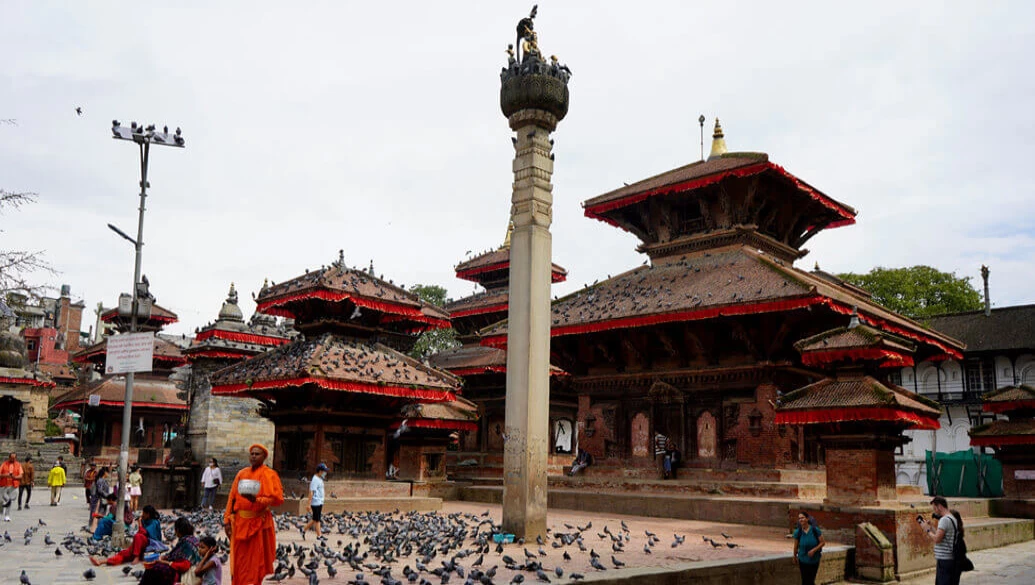
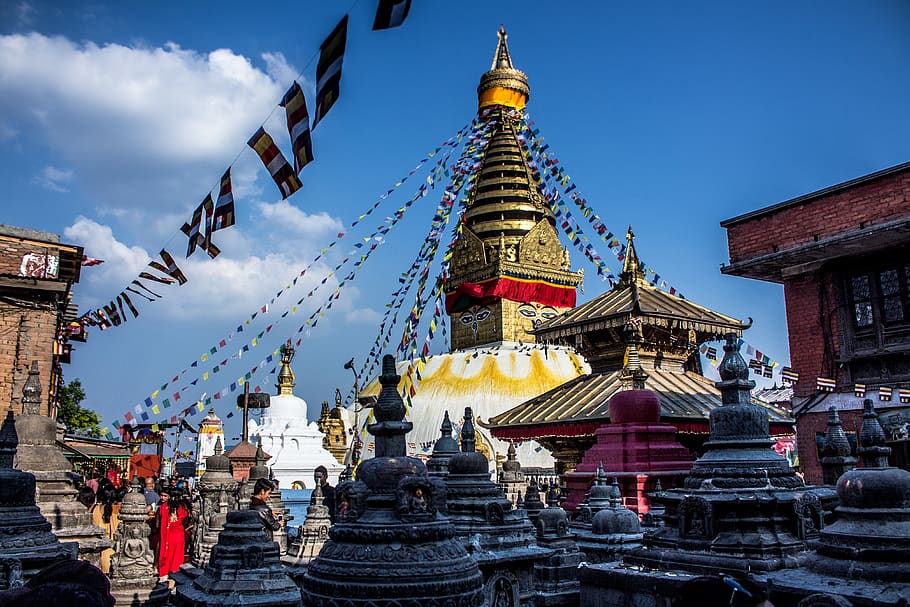
Today, our journey begins with a scenic drive from Kathmandu to Syabru Besi, a picturesque village nestled amidst the majestic Himalayas. The road trip takes approximately 7 hours, offering glimpses of Nepal’s stunning landscapes along the way. Upon reaching Syabru Besi, we will be warmly welcomed by our Sherpa team at the Tea House or Lodge. Expect a delightful reception with refreshing snacks, setting the tone for our adventure ahead. We’ll settle in for the night at Syabru Besi, anticipating the exciting experiences that await us in the days to come.
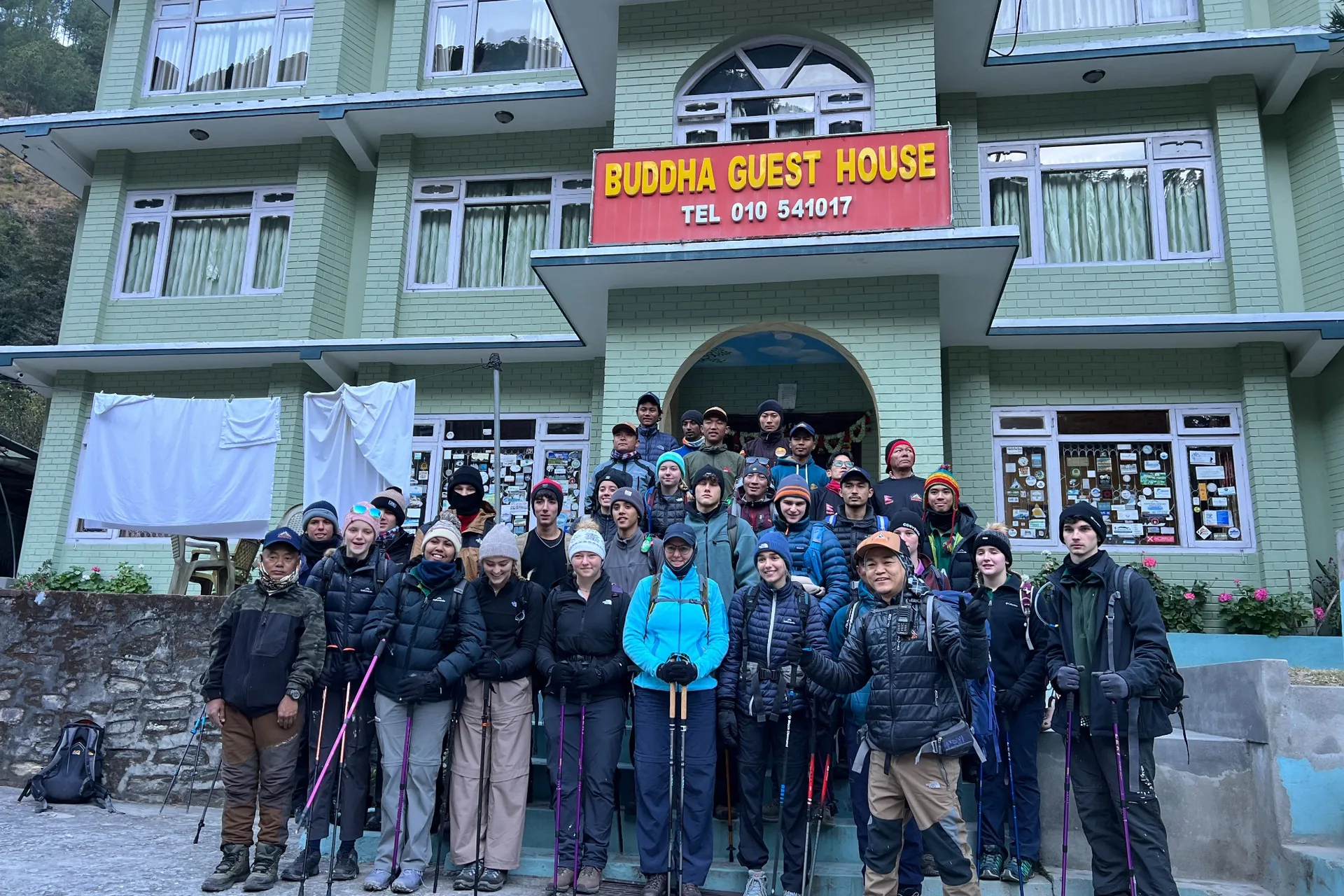
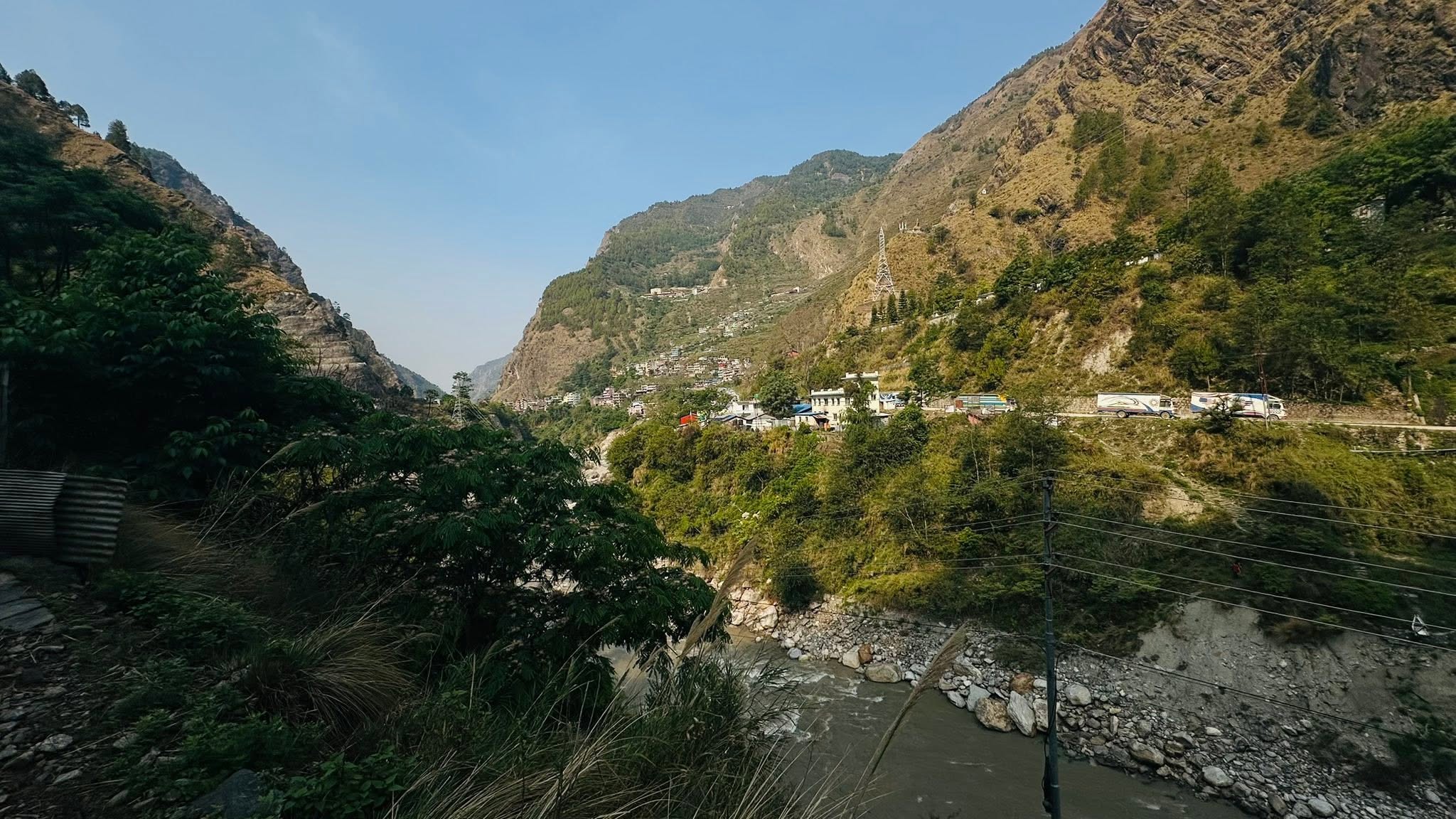
Today’s trek spans approximately 6 hours, leading us through diverse landscapes and breathtaking vistas. Starting at the Bhote Kosi, we ascend a steep grassy mountainside, passing through Sherpa Gaon and the Tibetan village of Kakdinma. As we climb, Ganesh Himal looms closer, offering a majestic backdrop. Resting at Bhanjyang, we savor the panoramic mountain views before descending towards Syabru Village. Continuing our journey, we wind through Sherpa Gaon and cattle pastures, finally arriving at the Lama Hotel. Here, nestled by the Langtang Khola, we find respite for the night, surrounded by the tranquil beauty of the Himalayas.
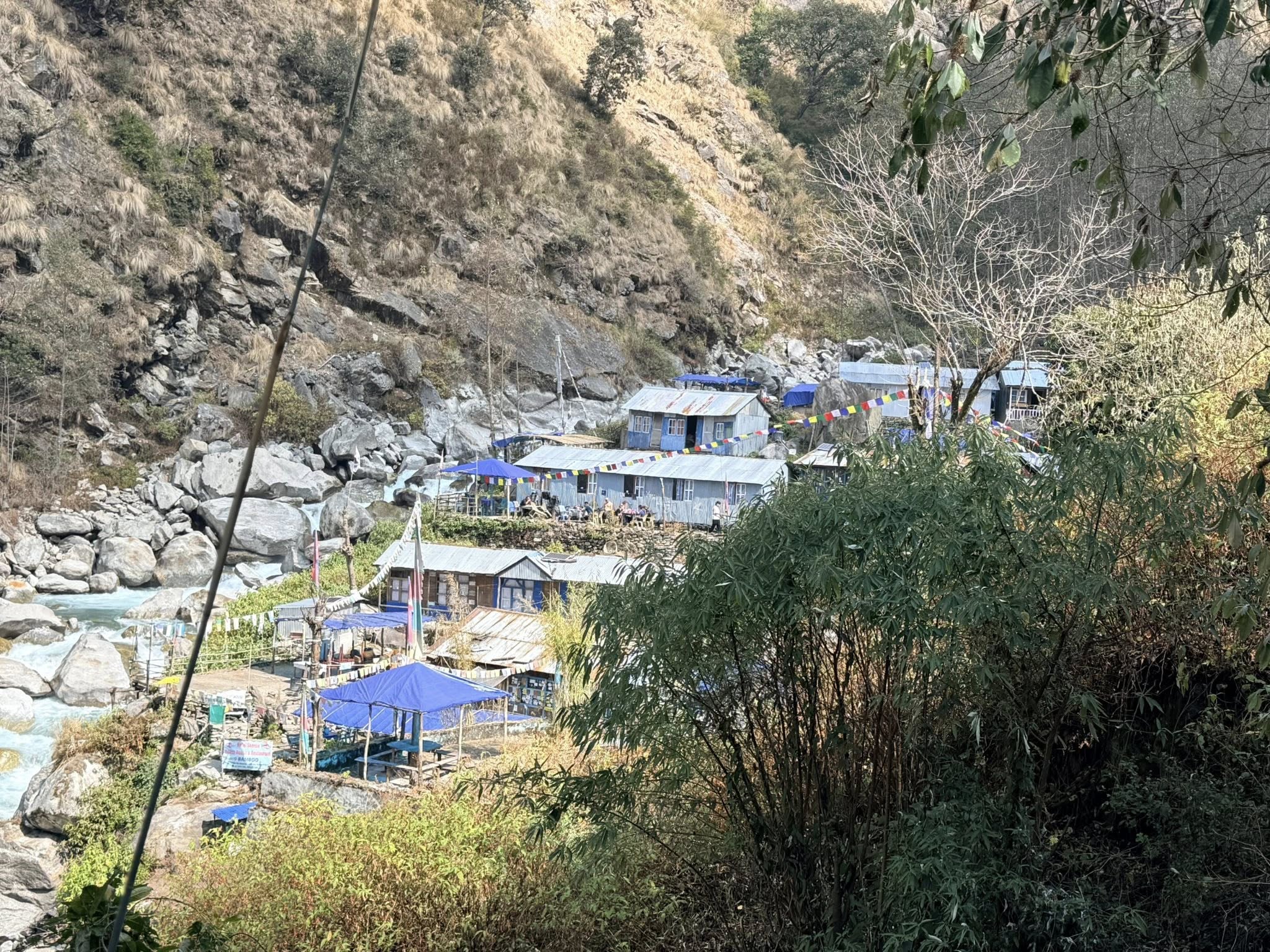
Continue trekking through lush forests and cross several suspension bridges. As the trail ascends, the landscape becomes more rugged, offering stunning views of Langtang Lirung. Reach Langtang Village, a traditional settlement of the Tamang people. Overnight in a teahouse.


In the morning, we’ll venture through the village and ascend to a chorten, offering a memorable view of an extensive mani stonewall. Passing terraced hills, villages, and riverbeds, we’ll cross Lirung Glacier to behold the towering peaks of Kimshun (6745 m) and Yansa Tsenji (6543 m). Continuing, we traverse an old lateral moraine to reach Kyanjin Gompa, home to a government rest house, cheese factory, and monastery. The trek spans about 3 hours, rewarding us with breathtaking 180-degree mountain vistas at eye level.
In the afternoon, you have the option to relax amidst the mountain scenery or ascend the northern flank of Chair Pooch Peak (4000 m). From the peak, enjoy panoramic views of Langtang Lirung (7245 m), Ganesh Himal in the west, Ganjala Himal in the south, and a glimpse of the pass leading to Helambu.
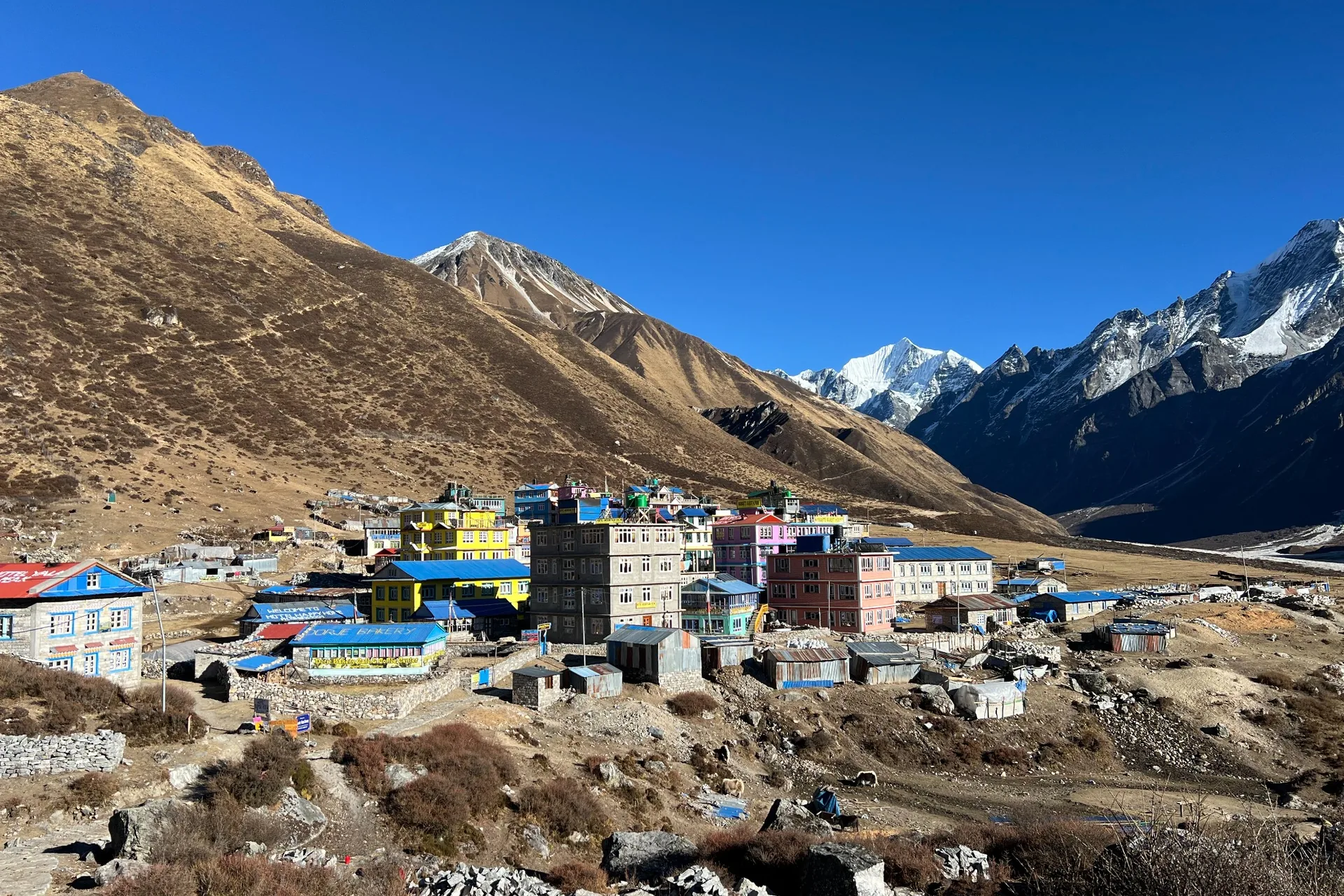


You can choose how to spend your time today. May be wake at 4.30 am this morning for an optional walk to Kyanjin-Ri 4773 m / 15655 ft for a stunning sunrise and breath-taking panorama of the Langtang Himalayan range, Kinshung, Yansa Tsenji and the foot of the tumbling glaciers of Langtang Lirung.
or in a similar way, hike up to Tserko-Ri 4985m/16355ft. It’s a tough, 1.5 – 3 hour hike up a switch back trail in the dark, gaining 1000+ metres of elevation along the way. If you’d prefer, sleep in and have a relaxing breakfast before heading out to explore the village and learn more about the lifestyles of the Tamang and Hyolmo communities. We can also visit the Kyanjin Gonpa (monastery) and the cheese factory there. You could also take a short hike up to the glacier or try one of several interesting walks around the village.
It’s a big downhill walk back today. After breakfast, head back down the trail via Langtang and Ghoretabela to Lama Hotel. Today’s trekking will take around 7 hours, descending 1600 metres. The long descent will be rewarded with a ‘mountain cold’ Sherpa beer (subject to availability).


Today is our last day of hiking. We keep walking through the forest trail until reaching Pairo along takes about 4-5 hours. We may have a lunch break there. After lunch you skip the trail to Syabrubesi. Stay overnight in a lodge.
Morning transfer either by car or coach as well as taking a tourist bus (depending on the group size), where an interesting overland journey brings you back to Kathmandu with scenic views of mountains, green scenery of hills, and farm fields within nice villages and towns as the drive leads into the hustle and bustle of the of the city life of Kathmandu.
On reaching Kathmandu, transfer to your respective hotels with time for individual activities and shopping for souvenirs.
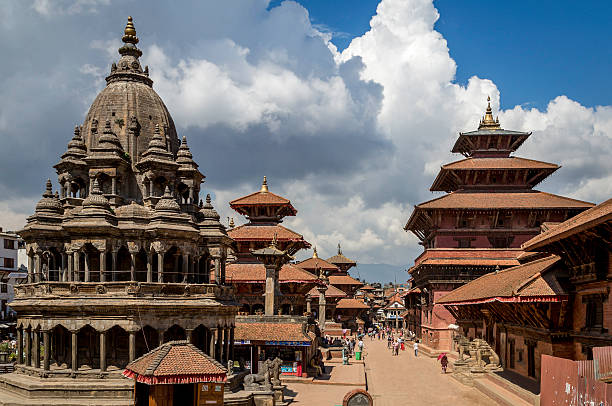
Today is the final day of our trip in Nepal. Our shuttle driver will come to your hotel 3 hours before your flight departure and deliver you to Tribhuvan International Airport. If you are remaining in Nepal, please let us know. We can arrange extra activities in Nepal.
Our standard itinerary may vary slightly due to weather, trail conditions, government regulations, or individual health needs. In all cases, Lhasso Adventure guides evaluate the situation and find the best safe alternative. We recommend arriving in Kathmandu at least one day before the trek start date, and booking international flights with 2–3 buffer days after your return date.
At Lhasso Adventure, we believe travel should create a positive impact. That’s why we donate 10% of our profits to the Mother and Children Art Foundation (MCAF), supporting education, healthcare, and sustainable opportunities for underprivileged women and children across Nepal.
Through our partnership with MCAF, we also support community initiatives, including medical health camps, school volunteering programs, and projects that improve the well-being of local mountain communities. Every trek with us helps give back to the people who make Nepal truly special.
Lhasso Adventure holds active membership with Nepal’s leading trekking bodies and enforces strict responsible tourism standards on every departure.
All Lhasso Adventure group departures for the Langtang Valley Trek have a maximum of 16 participants. Small groups mean a more personal experience, better acclimatization monitoring, and less impact on the trail. Can't find a date that works? We also offer private departures on any date,
| Start | Finish | Availability | Price | |
|---|---|---|---|---|
| 10/10/2026 | 19/10/2026 | Trip Status available | Starting from $ 836 | Book Now |
| 16/10/2026 | 27/10/2026 | Trip Status available | Starting from $ 836 | Book Now |
| 12/11/2026 | 23/11/2026 | Trip Status available | Starting from $ 836 | Book Now |
| 15/11/2026 | 24/11/2026 | Trip Status available | Starting from $ 836 | Book Now |
| 01/12/2026 | 10/12/2026 | Trip Status available | Starting from $ 836 | Book Now |
| 15/12/2027 | 24/12/2027 | Trip Status available | Starting from $ 836 | Book Now |
| 03/01/2027 | 12/01/2027 | Trip Status available | Starting from $ 836 | Book Now |
| 10/01/2027 | 19/01/2027 | Trip Status available | Starting from $ 836 | Book Now |
| 01/02/2027 | 10/02/2027 | Trip Status available | Starting from $ 836 | Book Now |
| 15/02/2027 | 24/02/2027 | Trip Status available | Starting from $ 836 | Book Now |
| 14/03/2027 | 23/03/2027 | Trip Status available | Starting from $ 836 | Book Now |
| 20/03/2027 | 29/03/2027 | Trip Status available | Starting from $ 836 | Book Now |
| 01/04/2027 | 10/04/2027 | Trip Status available | Starting from $ 836 | Book Now |
| 10/04/2027 | 19/04/2027 | Trip Status available | Starting from $ 836 | Book Now |
| 01/05/2027 | 10/05/2027 | Trip Status available | Starting from $ 836 | Book Now |
| 10/05/2027 | 19/05/2027 | Trip Status available | Starting from $ 836 | Book Now |
| 05/06/2027 | 14/06/2027 | Trip Status available | Starting from $ 836 | Book Now |
| 15/06/2027 | 24/06/2027 | Trip Status available | Starting from $ 836 | Book Now |
| 17/07/2027 | 26/07/2027 | Trip Status available | Starting from $ 836 | Book Now |
| 05/08/2027 | 14/08/2027 | Trip Status available | Starting from $ 836 | Book Now |
| 20/08/2027 | 29/08/2027 | Trip Status available | Starting from $ 836 | Book Now |
Looking for personalized. We organize privately guided journey which is mainly designed to fit your taste and interest. Please fill out the form below to get started.
Lhasso Adventure provides a 70–80L duffel bag for your porter to carry (keep it under 20– 25). You can rent a 4-season sleeping bag or down jacket for USD 35 each, let us know before the trek starts. You can store non-trekking items at your Kathmandu hotel at no extra cost.
In addition to making trekking more enjoyable, having the appropriate gear guarantees your safety and readiness for a range of situations. Regardless of skill level, every hiker has to invest in high-quality equipment and understand how to utilize it properly. A delightful journey can differ from a difficult ordeal depending on the level of planning and equipment used. Please make your selections of the necessary equipment from the list below.
If you have any more specific questions or need further details, please feel free to contact us anytime.
Contact UsThe Langtang Valley Trek is one of Nepal's most accessible and rewarding Himalayan treks, offering a perfect introduction to the region's stunning landscapes, rich Tamang culture (with strong Tibetan influences), and dramatic mountain views without the crowds or high costs of Everest or Annapurna routes. It is located in north-central Nepal, in the Rasuwa District of Bagmati Province, within Langtang National Park (Nepal's first national park, established in 1976).
The Langtang Valley Trek is particularly popular among first-time trekkers because it strikes an excellent balance between accessibility, moderate challenge, stunning scenery, and cultural immersion—without the intensity, crowds, or high costs of Nepal's more famous routes like Everest Base Camp (EBC) or Annapurna Base Camp/Circuit.
Neither trek is universally better; Langtang Valley suits beginners seeking solitude and accessibility, while Annapurna Base Camp (ABC) excels for diverse scenery and iconic peaks.
Lhasso Adventure offers the Langtang Valley Trek as a 10-day package, including travel from Kathmandu and trekking days to Kyanjin Gompa.
The Langtang Valley Trek is generally rated as moderate difficulty—often described as one of the easier or more beginner-friendly Himalayan treks in Nepal. It's achievable for most people with average to good fitness, no prior high-altitude experience required, and proper preparation/acclimatization.
The Langtang Valley Trek requires a moderate level of physical fitness, suitable for healthy individuals comfortable with daily walks and moderate elevation gain.
On the Langtang Valley Trek, daily walking time typically ranges from 5 to 7 hours per day in standard itineraries (7–10 days total, including travel), with an average of around 6 hours of actual trekking.
The Langtang Valley Trek starts at Syabrubesi around 1,460-1,503 meters and ends at the same point after looping through higher elevations.
The maximum altitude on the Langtang Valley Trek reaches Tserko Ri (also called Tsergo Ri or Cherko Ri) at 4,984-5,033 meters.
Yes, altitude sickness (also known as Acute Mountain Sickness or AMS) is a concern on the Langtang Valley Trek, though it's generally considered a lower to moderate risk compared to higher-altitude treks like Everest Base Camp (up to ~5,545 m) or Manaslu Circuit (Larkya La Pass ~5,106 m). The risk increases as you ascend, but proper precautions make it very manageable for most trekkers.
Acclimatization on the Langtang Valley Trek is managed through gradual elevation gains, dedicated rest days, and the "climb high, sleep low" principle to minimize altitude sickness risks up to 4,984m.
Yes, you need a licensed guide for the Langtang Valley Trek in 2026 (and currently, as of January 2026). Solo or independent trekking without a guide is not allowed for foreign trekkers in the Langtang National Park area.
Yes, the Langtang Valley Trek itinerary can be customized with Lhasso Adventure. We adjust the route, duration, and pace based on your time, fitness level, and travel preferences while ensuring proper acclimatization and safety.
Teahouses and guesthouses serve as the main accommodation on the Langtang Valley Trek, providing basic to moderate comfort in villages along the route.
Lhasso Adventure provides standard teahouse meals on the Langtang Valley Trek, featuring hearty Nepali staples like dal bhat alongside Tibetan bread, pasta, soups, and international options such as pizza or fried rice.
Spring (March-May) and autumn (September-November) mark the best times for the Langtang Valley Trek, offering stable weather, clear mountain views, and optimal trail conditions.
No, the Langtang Valley Trek is generally not recommended during monsoon (June-August) or winter (December-February) seasons due to hazardous trail conditions, though experienced trekkers with proper gear sometimes complete it.
You need two permits: the Langtang National Park Entry Permit and the TIMS (Trekkers' Information Management System) card.
The 10-day Langtang Valley Trek with Lhasso Adventure starts from USD 836 per person. Special discounts are available for group bookings.
To book the Langtang Valley Trek with Lhasso Adventure, submit an online booking form on their website , along with a passport photocopy at least one month prior to departure.
Lhasso Adventure offers experienced local guides, well-planned itineraries, and reliable support throughout the Langtang Valley Trek. With a strong focus on safety, acclimatization, and personalized service, we ensure a smooth and enjoyable trekking experience.
In certain parts of the walk, there may be restricted access to the internet and cell service. While some tea shops do have Wi-Fi, it does not always work. It's advisable to let friends and family know ahead of time that you won't be available for communication during the walk.
Teahouses serve a range of meals, including western options like pasta, noodles, pancakes, and omelets, as well as traditional Nepali fare like dal bhat (lentil soup with rice).
Certainly, having travel insurance that includes coverage for emergency evacuation and climbing at high altitudes is highly advised.
Yes, trekking in the Langtang Valley is usually safe. But it's always a good idea to hike in a group or with a guide, pay attention to the weather, and abide by safety regulations.
Warm clothes, sturdy hiking boots, a sleeping bag, a first aid pack, water purification tablets, snacks, and personal hygiene supplies are all necessities.


