What Are Trekking Permits in Nepal and Which Ones Do You Actually Need?
May 10, 2026 Lhasso Adventure
Trekking permits in Nepal are official documents that allow you to enter national parks, conservation areas, and restricted mountain regions. Most major treks require at least one — and some routes require several. Which ones you need depends entirely on where you are going. Planning the right route is easier when you understand how Nepal’s trekking regions, permit rules, and trail requirements connect — something Lhasso Adventure has worked with across the Himalayas for years.
Everest Base Camp sits inside Sagarmatha National Park, so you need a national park permit. Annapurna routes fall inside the Annapurna Conservation Area, which requires a conservation area permit. Restricted regions like Manaslu, Upper Mustang, Tsum Valley, Dolpo, and Nar Phu require special permits issued by the Department of Immigration, on top of any conservation or park permits.
Permits are not just paperwork. They are checked at entry points and trail checkpoints throughout Nepal. Without the correct ones, you may be delayed, turned back, or denied entry to your route.
This blog covers the main types of trekking permits in Nepal, which ones apply to each major region, how much they cost, how to get them, and what mistakes to avoid before your trek begins.
Which Types of Trekking Permits in Nepal Might You Need?
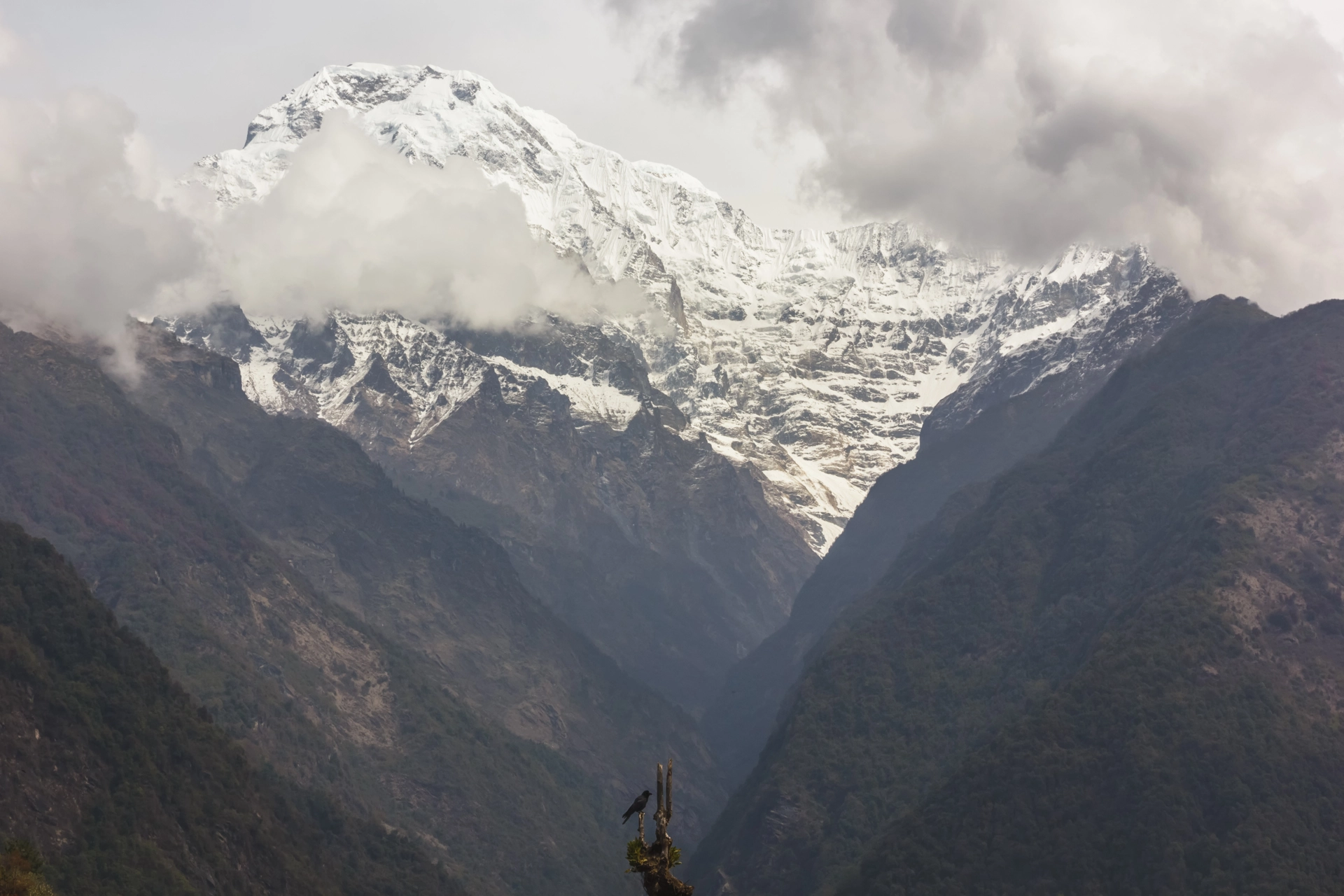
There is no single trekking permit Nepal uses for every route. Most trekkers need one or more permits depending on the region. The main types are national park permits, conservation area permits, restricted-area permits, local municipality permits, and the TIMS card.
National Park Entry Permits
| National Park Permit | Common Trekking Region |
| Sagarmatha National Park Permit | Everest Base Camp, Gokyo, Three Passes |
| Langtang National Park Permit | Langtang Valley, Gosaikunda |
| Makalu-Barun National Park Permit | Makalu Base Camp |
| Shey-Phoksundo National Park Permit | Dolpo region |
| Rara National Park Permit | Rara Lake |
Conservation Area Permits
Conservation area permits apply to routes managed by the National Trust for Nature Conservation (NTNC) and can be arranged through NTNC’s ePermit system online. One important detail: permits obtained at checkposts are charged at double the standard fee — arrange these before your trek begins.
| Conservation Area Permit | Common Trekking Region |
|
ACAP — Annapurna Conservation Area Permit |
Annapurna Base Camp, Circuit, Mardi Himal, Poon Hill, Upper Mustang, Nar Phu |
| MCAP — Manaslu Conservation Area Permit | Manaslu Circuit, Tsum Valley |
| GCAP — Gaurishankar Conservation Area Permit | Rolwaling, Gaurishankar region |
| Kanchenjunga Conservation Area Permit | Kanchenjunga Base Camp |
Restricted Area Permits
Restricted-area permits are issued by the Department of Immigration for controlled trekking zones. They are more expensive than standard permits and must be arranged through a TAAN-registered trekking agency.
2026 Update: Restricted Area Group Requirements Eased As of March 22, 2026, the long-standing requirement for a minimum of two foreign trekkers on a single restricted-area permit has been removed. Individual travelers may now be eligible for restricted-area permits, but this is a group size rule change — not a move to independent trekking. A licensed guide and TAAN-registered agency remain mandatory.
| Restricted Area Permit Nepal | Common Trek |
| Manaslu Restricted Area Permit | Manaslu Circuit trek |
| Tsum Valley Restricted Area Permit | Tsum Valley Trek |
| Upper Mustang Restricted Area Permit | Upper Mustang Trek |
| Upper Dolpo Restricted Area Permit | Upper Dolpo Trek |
| Nar Phu / Manang Restricted Area Permit | Nar Phu Valley Trek |
| Kanchenjunga Restricted Area Permit | Restricted sections of Kanchenjunga |
Local Municipality Permits
Some regions require a separate local entry permit to pass through. The most common example is the Khumbu Pasang Lhamu Rural Municipality permit in the Everest region, which is separate from the Sagarmatha National Park permit. Confirm local permit fees and procedures before your trek.
TIMS Card
The TIMS card Nepal (Trekkers’ Information Management System) is a registration document that records your details and intended route, giving authorities a way to track and assist trekkers in remote areas. It is used across many trekking routes in Nepal. The fee structure ranges from NPR 2,000 for non-SAARC trekkers and NPR 1,000 for SAARC nationals. Enforcement can vary by route, so confirm the current TIMS requirement for your specific itinerary before departure.
Which Trekking Permits in Nepal Do You Need by Region?
Start with your route, then confirm the permit list. Here is a quick reference followed by notes on each major region.
| Region / Trek | Common Required Permits |
| Everest Base Camp, Gokyo, Three Passes | Sagarmatha National Park Permit, Khumbu Pasang Lhamu Rural Municipality Permit, TIMS depending on arrangement |
| Annapurna Base Camp, Circuit, Mardi Himal, Poon Hill | ACAP, TIMS depending on arrangement |
| Langtang Valley, Gosaikunda, Helambu | Langtang National Park Permit, TIMS depending on arrangement |
| Manaslu Circuit | Manaslu Restricted Area Permit, MCAP, ACAP if exiting via Annapurna side |
| Tsum Valley | Tsum Valley Restricted Area Permit, MCAP, possible ACAP |
| Upper Mustang | Upper Mustang Restricted Area Permit, ACAP |
| Upper Dolpo / Lower Dolpo | Dolpo restricted-area permit, Shey-Phoksundo National Park Permit |
| Kanchenjunga | Kanchenjunga Conservation Area Permit, restricted-area permit for listed areas |
| Nar Phu | Nar Phu / Manang RAP, ACAP |
| Gaurishankar / Rolwaling | GCAP, restricted-area permit where applicable |
- Everest region trekkers need the Sagarmatha National Park permit and the Khumbu Pasang Lhamu Rural Municipality permit as separate documents. TIMS and guide rules should be confirmed before travel.
- Annapurna region routes require the ACAP permit. If your itinerary extends into Nar Phu or Upper Mustang, ACAP alone is not enough — the relevant restricted-area permit is also needed.
- Langtang region routes require the Langtang National Park permit. The process is more straightforward than restricted-area treks, but TIMS and guide requirements should still be confirmed.
- Manaslu is one of the most permit-intensive regions in Nepal. A full Manaslu Circuit permit set typically includes:
| Permit | Why It Is Needed |
| Manaslu Restricted Area Permit | Required for the controlled section |
| MCAP | Required for Manaslu Conservation Area |
| ACAP | Required if exiting through the Annapurna side |
| TIMS | Depends on current route arrangement |
Upper Mustang, Dolpo, Nar Phu, and Kanchenjunga all require careful permit planning. Upper Mustang needs both a restricted-area permit and ACAP. Dolpo routes require the relevant restricted-area permit and Shey-Phoksundo National Park permit. Nar Phu requires a restricted-area permit plus ACAP. Kanchenjunga may need both a conservation area and restricted-area permit depending on the route.
What Should You Budget for Trekking Permits in Nepal?
National park and conservation area permits are charged in Nepali rupees. Restricted-area permits are charged in US dollars.
National Park and Conservation Area Entry Fees
| Permit/Area | Foreigners | SAARC Nationals |
| Sagarmatha National Park | NPR 3,000 | NPR 1,500 |
| Langtang National Park | NPR 3,000 | NPR 1,500 |
| Makalu Barun National Park | NPR 3,000 | NPR 1,500 |
| Shey Phoksundo National park | NPR 3,000 | NPR 1,500 |
| Annapurna Conservation Area / ACAP | NPR 3,000 | NPR 1,500 |
| Manaslu Conservation Area / MCAP | NPR 3,000 | NPR 1,500 |
| Gaurishankar Conservation Area / GCAP | NPR 3,000 | NPR 1,000 |
| Kanchenjunga Conservation Area | NPR 3,000 | NPR 1,000 |
Children below 10 years are generally exempt from protected-area entry fees. Confirm before travelling.
Selected Restricted Area Permit Fees
| Restricted Area | Permit Fee |
| Upper Mustang | USD 50/day — 2026 flexible rate (confirm with agency; see note below) |
| Upper Dolpo | USD 50/day reported in 2026 ( recent updates; confirm latest DoI fee before booking) |
| Manaslu (Sept – Nov) | USD 100/week + USD 15/day after first week |
| Manaslu (Dec – Aug) | USD 75/week + USD 10/day after first week |
| Tsum Valley (Sept – Nov) | USD 40/week + USD 7/day after first week |
| Tsum Valley (Dec – Aug) | USD 30/week + USD 7/day after first week |
| Nar Phu / Manang (Sept – Nov) | USD 100/week + USD 15/day after first week |
| Nar Phu / Manag (Dec – Aug) | USD 75/week + USD 15/day after first week |
| Kanchenjunga listed areas | USD 20/week for first 4 weeks; USD 25/week after |
| Lower Dolpo | USD 20/week + USD 5/week after |
Upper Mustang 2026 fee note: Recent industry updates suggest Upper Mustang permit pricing may now be calculated at around USD 50 per day, instead of relying only on the older flat-fee model. This could make shorter itineraries easier to plan, but the final rate should still be confirmed before booking.
Permit fees and rules can change, especially for restricted areas and TIMS. Always confirm the latest requirements with your trekking agency or the relevant authority before finalising your trek.
How Do You Get Trekking Permits in Nepal?
The process depends on permit type.
- Conservation Area Permits (ACAP, MCAP, GCAP) These can be arranged online through NTNC’s ePermit portal with a valid passport, recent photo, and personal details. Your permit is emailed after payment. Arranging online also avoids the double-fee penalty at checkposts.
- National Park PermitsAvailable at NTB offices in Kathmandu and Pokhara, and at certain park entry counters. Arrange before the trailhead.
- Restricted Area PermitsRAPs must be processed through a TAAN-registered trekking agency in Nepal. Following the March 2026 rule change, individual trekkers may apply without a second foreign trekker, but agency submission and licensed-guide requirements still apply. Fees are paid in US dollars.
- TIMSHandled through the official TIMS system, typically assisted by your registered agency.
Carry all permits during your trek. They are checked at multiple points along every major trekking route.
Do You Need a Guide to Get Trekking Permits in Nepal?
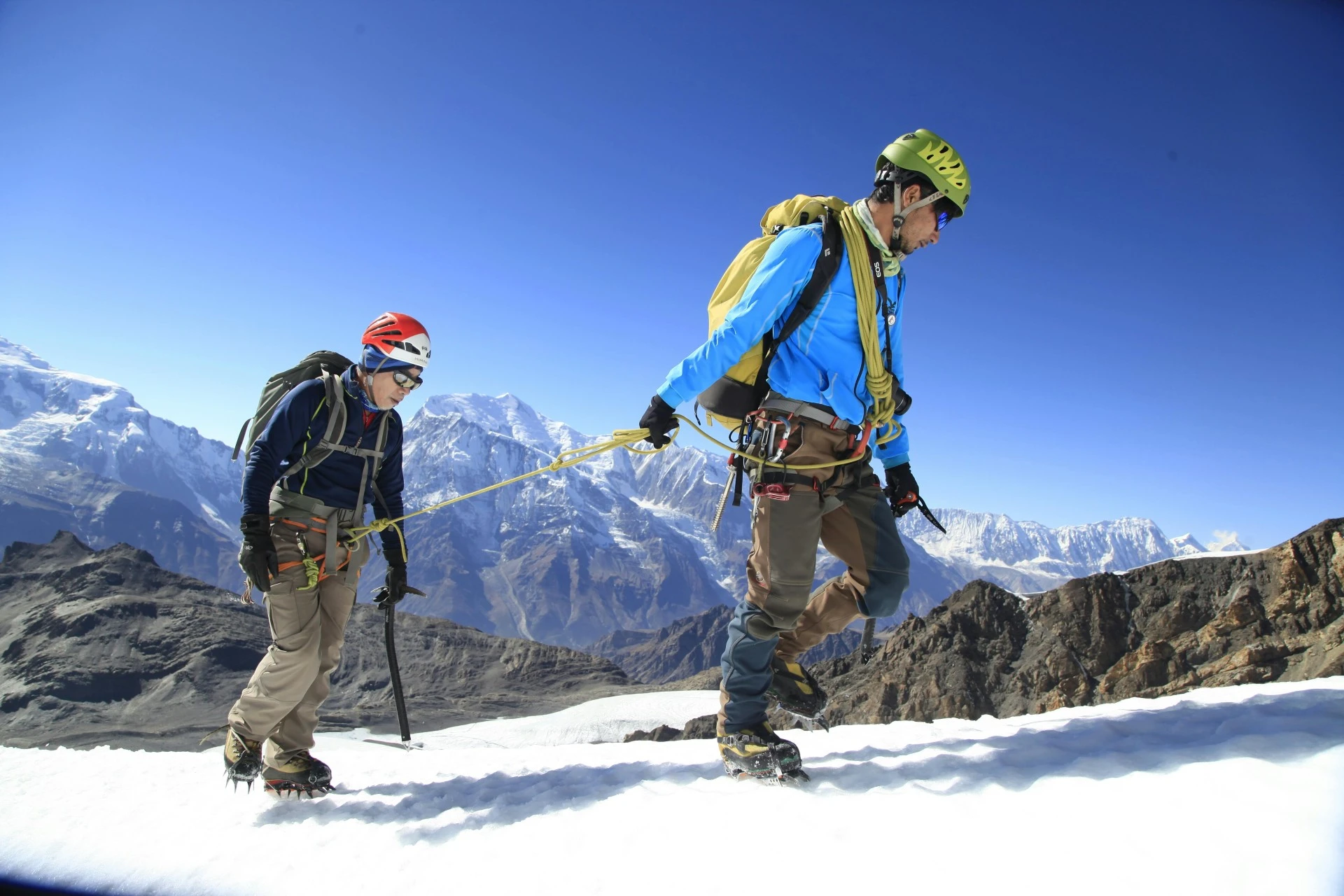
For most major trekking routes in Nepal, yes – a licensed guide is the current official requirement. The Nepal Tourism Board lists trekking guides as mandatory across major Himalayan routes including Everest, Annapurna, Langtang, Manaslu, Mustang, Dolpo, and Kanchenjunga. For any established multi-day trek into Nepal’s mountain regions, you should plan on having a licensed guide.
In practice, guide and permit checks are common on major trekking routes, especially in protected and restricted areas. Trekkers without the required guide or permit documents may be delayed, turned back, fined, or asked to correct their paperwork before continuing.
Some nuance applies: local enforcement can occasionally vary by region, and short day hikes outside protected areas generally remain accessible without a guide.
For restricted-area treks, guide and agency involvement is also required as part of the permit process itself. Following the March 2026 group size rule change, solo travelers may obtain restricted-area permits individually, but a licensed guide and TAAN-registered agency remain non-negotiable.
Always verify guide credentials before booking, a legitimate licensed guide holds a government-issued license number and is affiliated with a TAAN-registered agency.
What Happens If You Trek Without the Required Trekking Permits in Nepal?
Trekking without the required trekking permits in Nepal is not something you can quietly avoid. Permit and guide checks are common on major trekking routes. Arriving without correct documents may mean being delayed, turned back, or asked to arrange the missing permit before continuing. In restricted areas, violations are treated more seriously because access is tightly controlled.
There is also a safety dimension. Registered trekkers are traceable in the event of a medical emergency or evacuation. Trekkers outside the system are significantly harder to locate and assist in remote areas.
The straightforward approach: arrange all permits before the trailhead, carry copies throughout your trek, and confirm your full permit list before your departure date.
Which Trekking Permits in Nepal Do Trekkers Most Often Get Wrong?
Most permit mistakes come from incomplete or outdated information.
Assuming One Permit Covers the Entire Route
ACAP covers the Annapurna Conservation Area, but not the restricted-area permit for Upper Mustang or Nar Phu. If your route enters a restricted zone, you need both.
Forgetting ACAP When Exiting Manaslu Through the Annapurna Side
Trekkers finishing the full Manaslu Circuit via Dharapani are stopped at the checkpoint without an ACAP permit. This is one of the most repeated mistakes on this route.
Getting Conservation Area Permits at the Checkpost
NTNC charges double fees at checkposts. This is an avoidable cost that catches trekkers who leave permit arrangements to the last minute.
Budgeting From Old Upper Mustang Pricing
Official listings and 2026 industry updates may show different fee structures during the current transition period. Confirm the applicable fee with your agency before budgeting your trip.
Confusing TIMS With Park or Conservation Permits
TIMS is a separate document. If your route requires both TIMS and a national park or conservation area permit, carrying only one is not enough.
Relying on Outdated Blogs or Forum Posts
Permit rules, guide requirements, and pricing have changed significantly. Always confirm current requirements for your specific route before travel.
Which Trekking Permits in Nepal Can Lhasso Adventure Help Arrange?
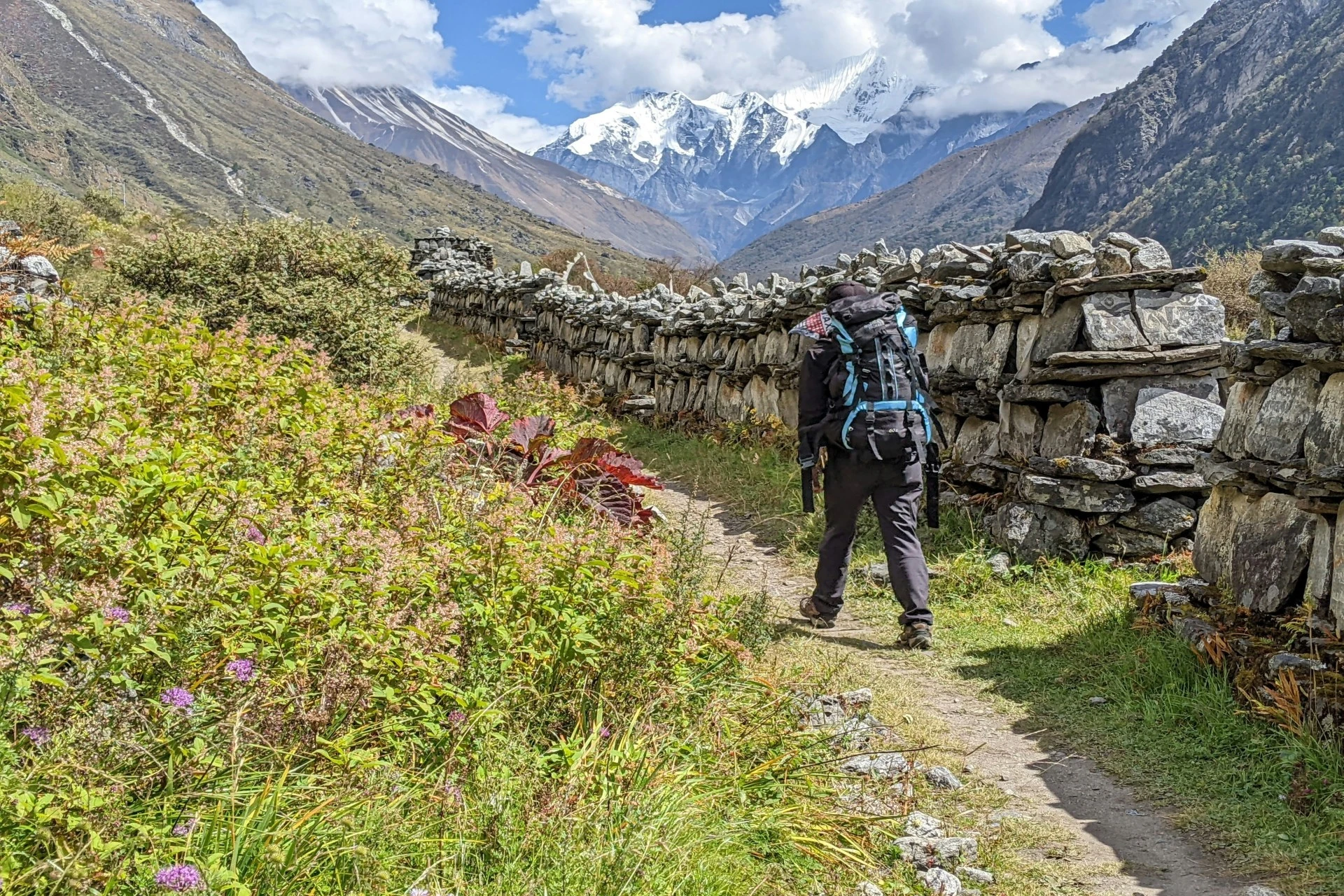
Lhasso Adventure can arrange the full range of trekking permits in Nepal, from standard conservation area and national park permits through to restricted-area permits that legally require agency processing. Navigating the permit system, particularly for restricted areas or multi-region routes, can be genuinely complex. That is where Lhasso Adventure can help.
Lhasso Adventure is a Nepal-based Destination Management Company established in 2011, with experience across trekking routes throughout Everest, Annapurna, Langtang, Manaslu, and other Himalayan regions. The team can help identify the permits required for your specific route, assist with permit arrangements, coordinate licensed guides, plan itineraries, manage accommodations, and support restricted-area trek logistics.
Permit requirements in Nepal are route-specific, and the rules change. Working with an experienced agency means your permits are handled correctly from the start, including staying current with 2026 rule changes like the group size update and the evolving Upper Mustang fee structure.
If you are unsure which trekking permits in Nepal apply to your route, get in touch with the Lhasso Adventure team before your trek begins.
FAQs About Trekking Permits in Nepal
Do I need trekking permits for every trek in Nepal?
Most established trekking routes require at least one permit. Any route entering a national park, conservation area, restricted area, or local municipality zone requires official documentation.
What Should You Budget for Trekking Permits in Nepal?
Conservation area permits (ACAP, MCAP, GCAP) are NPR 3,000 for foreigners and NPR 1,000 for SAARC nationals. Restricted-area permit costs vary significantly by region and season and are charged in US dollars.
Which permits do I need for Everest Base Camp?
Everest Base Camp trekkers generally need the Sagarmatha National Park permit, charged at NPR 3,000 for foreigners, plus the Khumbu Pasang Lhamu Rural Municipality permit. Confirm the latest local permit fee before travel.
Do I need a licensed guide for trekking in Nepal?
For most major trekking routes, yes. The Nepal Tourism Board lists licensed guides as mandatory across routes in national parks and conservation areas including Everest, Annapurna, Langtang, Manaslu, Mustang, Dolpo, and Kanchenjunga. For restricted-area treks, a licensed guide is also required as part of the permit process itself.
What changed for restricted-area permits in 2026?
As of March 22, 2026, the minimum two-foreign-trekker group requirement was removed. Individual travelers may now apply for restricted-area permits, but a licensed guide and registered agency remain mandatory.
What should trekkers know about Upper Mustang permit pricing in 2026?
Multiple 2026 industry sources report a flexible USD 50/day rate. However, official listings may still reflect the older fee structure. Confirm the current rate with your agency before budgeting.
When should trekkers start arranging their permits?
For standard treks, one to two days before departure is usually sufficient. For restricted-area treks, especially in peak season (September to November), arrange permits at least one to two weeks in advance.
Can Lhasso Adventure arrange my permits?
Yes. Lhasso Adventure can identify and arrange the permits required for your route, coordinate licensed guides, and manage restricted-area trek logistics.
Note: Permit fees and requirements in this guide are based on available official and industry updates at the time of writing. Because Nepal trekking regulations can change, always verify the latest details with your trekking agency or the relevant government authority before confirming your trek. For permit support and guided trek packages, contact Lhasso Adventure.