Annapurna vs Everest Base Camp Trek: Which Is Better?
April 7, 2026 Lhasso Adventure
Choosing between the Annapurna Circuit and Everest Base Camp is one of the most important decisions for any trekker planning a Himalayan adventure in 2026. Both treks are world-renowned, yet they offer completely different experiences in terms of landscape, altitude, culture, cost, and overall challenge.
This guide breaks down every critical factor—difficulty, cost, experience, risks, and rewards—so you can confidently choose the trek that aligns with your goals.
What Kind of Trekker Are You?
Video Source : Justas Baranauskas
Before comparing routes, it’s important to understand your own trekking personality. Your experience level, expectations, and physical readiness will directly influence which trek is better suited for you.
Beginners & First-Time Trekkers
If you are new to high-altitude trekking, the Annapurna Circuit is generally the safer option. The route allows gradual elevation gain over 14–18 days, which significantly reduces the risk of altitude sickness. Frequent stopovers in villages like Manang provide essential acclimatisation time.
In contrast, the Everest Base Camp trek involves faster altitude gain, especially between Lukla and Dingboche, which can be more challenging for beginners.
Adventure Seekers & Thrill Lovers
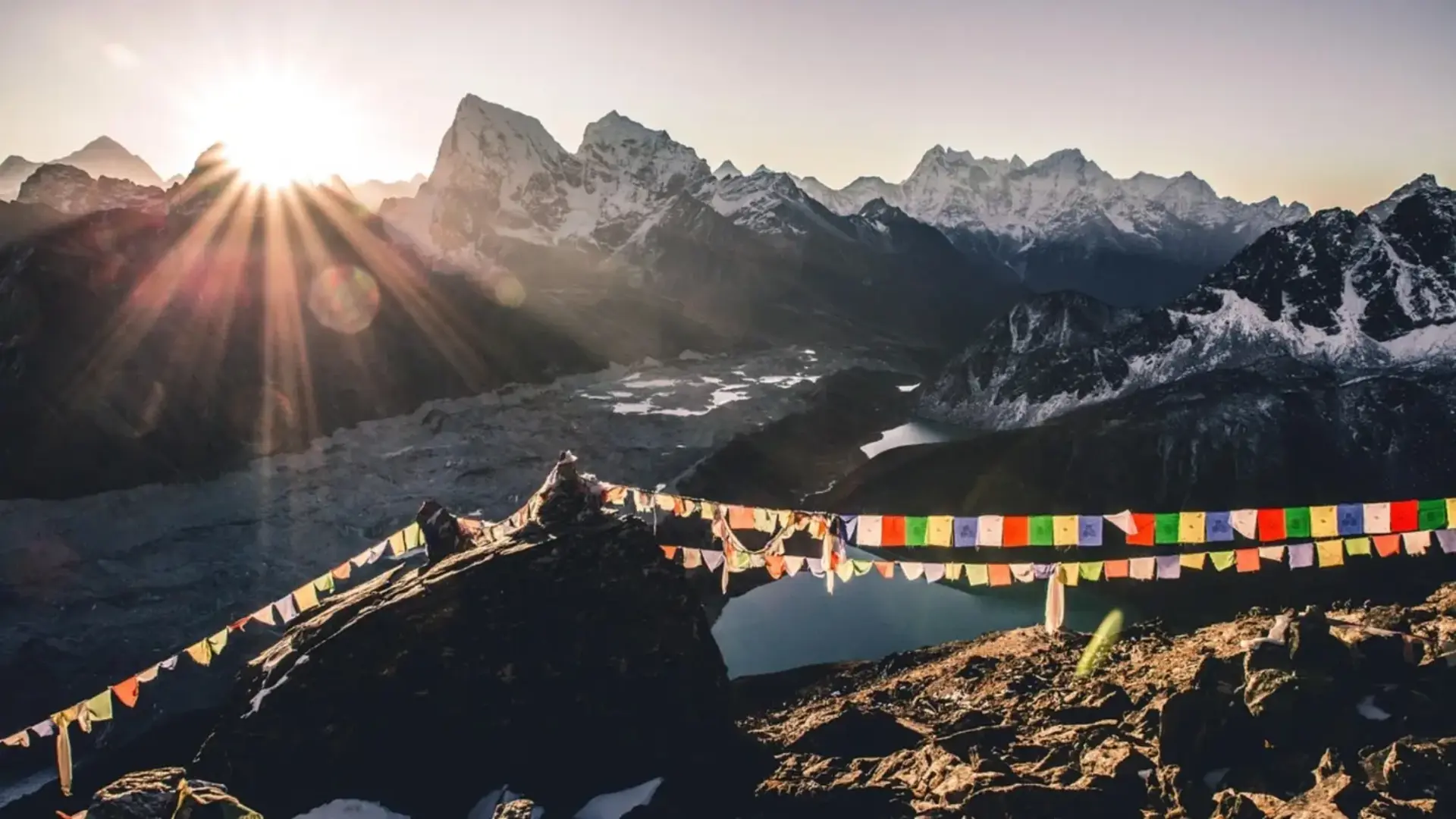
For trekkers who crave physical and mental challenges, Everest Base Camp offers a more intense experience. Walking through rugged trails, glacial landscapes, and high-altitude environments provides a sense of adventure that few treks can match.
Reaching viewpoints like Kala Patthar (~5,545 m) delivers breathtaking views of Everest and surrounding peaks, making the effort worthwhile.
Understanding the Two Treks (Quick Overview)
Here’s a quick but data‑oriented snapshot of each trek to help you visualise the experience:
Annapurna Circuit Trek Overview
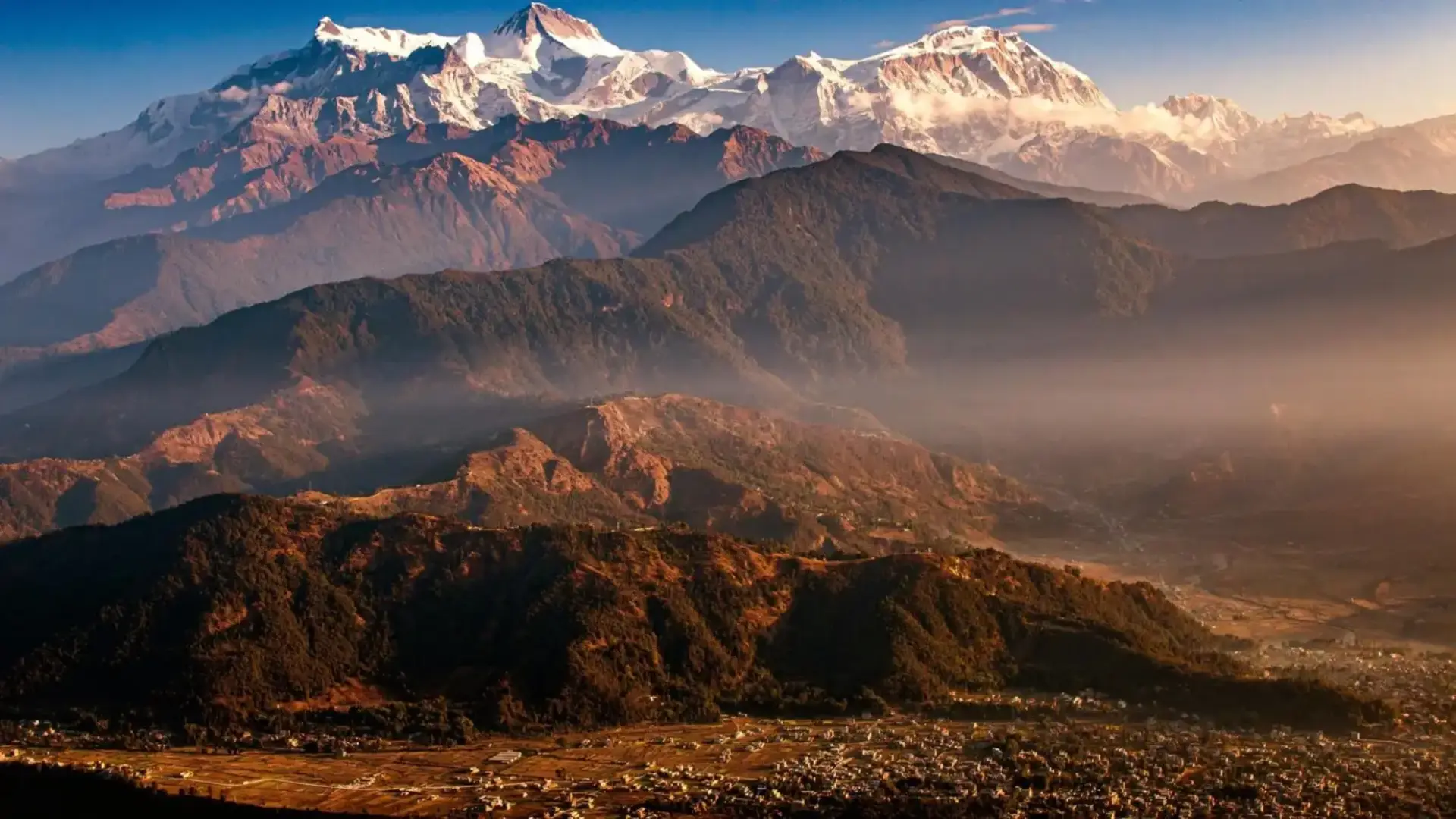
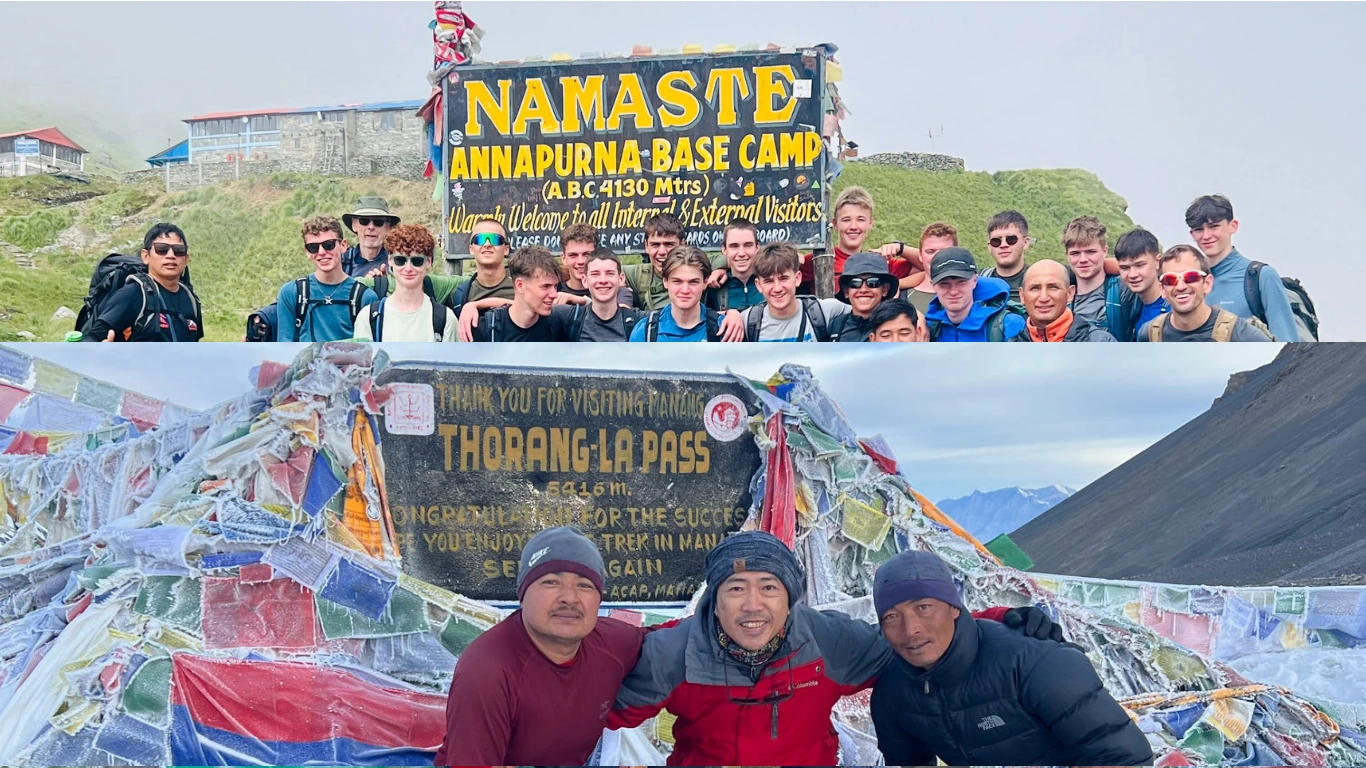
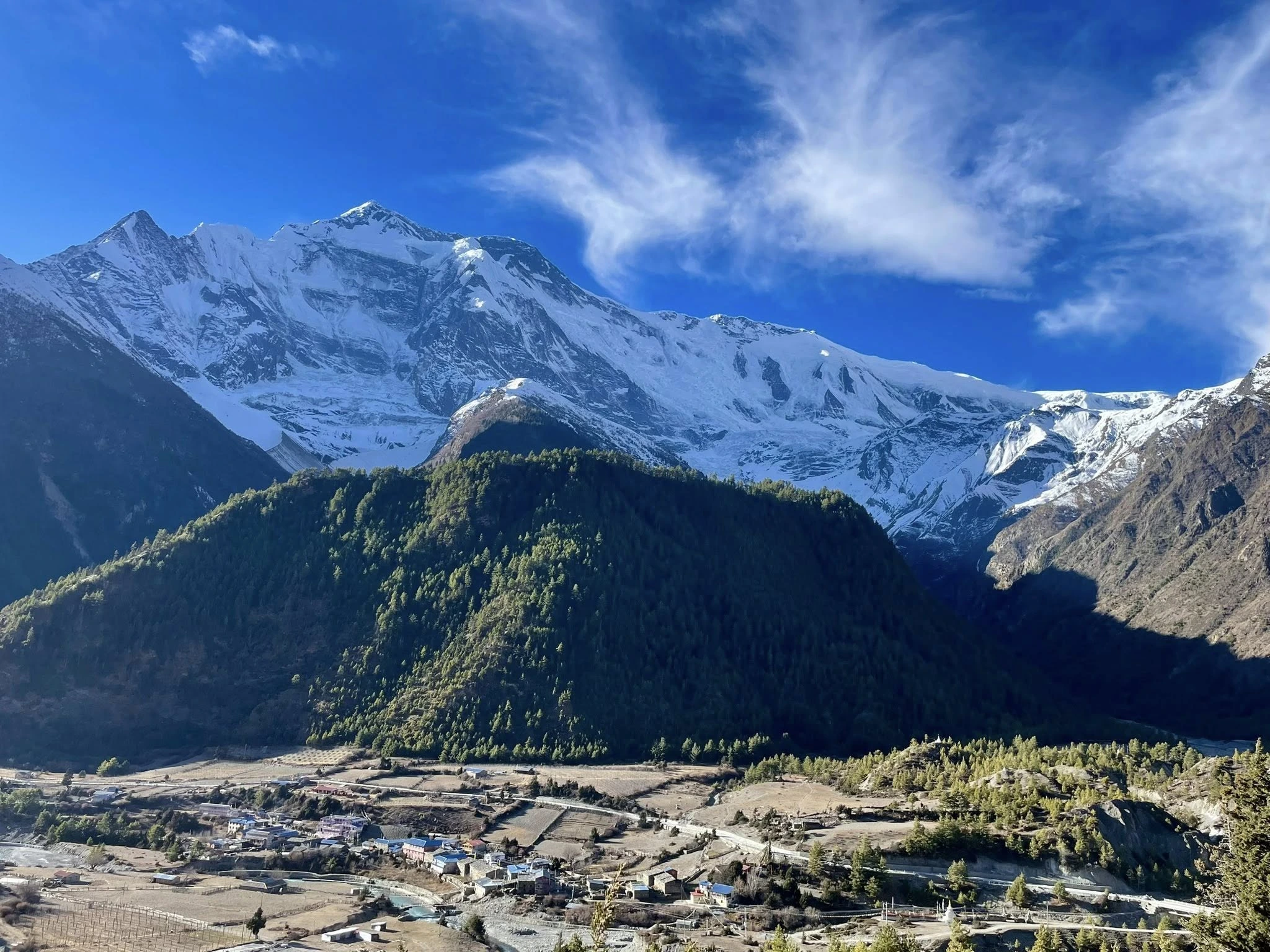
The Annapurna Circuit Trek typically costs around $1,200–$1,600 per person and spans 14–18 days, traversing humid subtropical valleys, rhododendron forests, and high alpine deserts before crossing Thorong La Pass (5,416 m). The route’s variability in terrain makes it one of the most diverse trekking experiences in Nepal. Villages like Manang and Muktinath offer unique cultural stops and ample rest opportunities.
Everest Base Camp Trek Overview
Cost Breakdown for Trekkers: Know Where Your Money Goes
Making a trekking decision without understanding cost differences can lead to budget shock. Below is a data‑based cost comparison using Lhasso Adventure 2026 packages and broader Nepal trekking cost averages.
| Cost Component | Annapurna Circuit Trek | Everest Base Camp Trek |
| Starting Package Cost | ~$1,335 | ~$1,655 |
| Typical Duration | 14–18 days | 12–14 days |
| Flight Costs | None required | Mandatory Lukla flight ~$300–$400 |
| Permits & Fees | ~$50 (ACAP + TIMS) | ~$70+ (Sagarmatha + TIMS) |
| Accommodation | $5–$15 per night | $7–$20 per night |
| Meals | $5–$10 per meal | $7–$15 per meal |
| Guide/Porter | Included in packages | Slightly higher due to altitude exposure |
| Extras (Wi‑Fi/Hot Shower/Charging) | $2–$5 | $3–$7 |
Annapurna’s main cost advantage comes from no required flights, lower daily costs, and longer tea‑house stays in lower elevations. Everest Base Camp’s higher overall cost is largely due to the Lukla flight and altitude‑related logistics.
Difficulty Explained — Beyond “Hard or Easy”
Assessing difficulty isn’t binary — Annapurna and Everest Base Camp each present distinct challenges.
The Annapurna Circuit tests endurance over a longer route, but its slower altitude gain and flexible rest days help reduce AMS risk. Conversely, Everest Base Camp accelerates altitude gain, particularly between Lukla and Dingboche, __so trekkers require disciplined acclimatisation and stamina. Cold nights, rocky paths, and high passes increase physical and mental demand on the EBC route.
Adventure travellers seeking higher elevation thresholds may find EBC more rewarding yet demanding, while those who prefer steady elevation gain and scenic diversity benefit from Annapurna.
Which Trek Feels More Rewarding?
Reward in trekking is more than just physical achievement — it encompasses visual spectacle, cultural immersion, personal growth, and the sense of accomplishment. Both the Annapurna Circuit Trek vs Everest Base Camp offer unique types of fulfilment, but the experience differs fundamentally.
Annapurna Circuit Trek — Diversity & Cultural Immersion
Video Sources:Jacques Crafford
The trek’s gradual ascent to Thorong La Pass (5,416 m) spreads the challenge over multiple days, letting trekkers savour the journey rather than rush through it. Many hikers report that this combination of visual variety, cultural insight, and manageable physical demands leads to a deeply satisfying sense of accomplishment.
Everest Base Camp Trek — Iconic Peaks & High-Altitude Thrill
The Everest Base Camp Trek offers a different type of reward the immediate, awe-inspiring presence of the world’s tallest mountains. From Namche Bazaar to Tengboche Monastery and onwards to Kala Patthar (~5,545 m), trekkers encounter glacial landscapes, towering Himalayan peaks, and classic Sherpa villages. The trek’s intensity, rapid altitude gain, and physically demanding days amplify the sense of achievement upon reaching Everest Base Camp.
For many, the life-changing vistas of Everest, Lhotse, Nuptse, and Ama Dablam are unmatched in global trekking. This trek is ideal for those whose reward is defined by iconic, bucket-list experiences and the psychological triumph of conquering extreme high-altitude terrain.
Comparative Reward Factors
| Factor | Annapurna Circuit Trek | Everest Base Camp Trek |
| Visual Diversity | High: forests, rivers, high passes, deserts | Moderate: alpine & glacial terrain, Everest panorama |
| Cultural Interaction | High: Gurung & Tibetan villages, temples, festivals | Moderate: Sherpa villages and monasteries |
| Physical Challenge | Gradual, spread over 14–18 days | Steep, rapid ascent, physically demanding |
| Sense of Accomplishment | Achieving varied terrains & cultural exposure | Reaching iconic Everest Base Camp & Kala Patthar |
| Emotional Impact | Holistic satisfaction, connection with landscapes & people | Peak-eccentric thrill, bucket-list fulfilment |
Verdict: Personal Preference Rules
Ultimately, the reward factor comes down to what inspires you personally:
- If you value variety, cultural richness, and a journey that tests endurance without extreme altitude stress, the Annapurna Circuit Trek is deeply fulfilling.
- If your goal is iconic mountain scenery, high-altitude adventure, and a bucket-list achievement, Everest Base Camp Trek delivers an unparalleled sense of triumph.
Time Commitment — Which Fits Your Schedule?
Time availability is a real constraint. Annapurna typically takes 14–18 days, offering flexibility and immersive trekking rhythm. EBC is slightly shorter at 12–14 days, making it appealing to trekkers on tighter schedules or those balancing trekking with other travel plans in Nepal.
Reality Check — Crowds, Roads & Authentic Experience
Everest Base Camp (EBC) is very popular; peak seasons (Spring & Autumn) bring heavy foot traffic in Lukla, Namche Bazaar, and Tengboche, reducing solitude.
Annapurna Circuit trails are quieter, especially beyond Manang and Thorong Phedi, offering a more peaceful trekking experience.
Road development exists in parts of Annapurna, but upper circuit remains remote, preserving authentic village interactions and traditional homestays.
EBC villages, while culturally rich, experience higher tourism, which can slightly dilute the local authenticity.
Decision takeaway: Choose Annapurna Circuit for quieter trails, cultural immersion, and solitude; choose EBC for iconic Himalayan scenery and Sherpa cultural highlights, keeping in mind the busier environment.
Risk Factors You Should Know Before Choosing
When choosing between the Annapurna Circuit Trek vs Everest Base Camp Trek, understanding key risks ensures a safe and enjoyable trek.
1. Lukla Flight Dependency (EBC)
- Everest Base Camp Trek depends on the Lukla flight, which is frequently delayed or cancelled during monsoon (June–August) and winter (December–February).
- Impact: Schedule disruption, extra costs, and need for flexible itineraries.
2. Altitude Sickness
- Annapurna Circuit: Gradual ascent reduces Acute Mountain Sickness (AMS) risk.
- Everest Base Camp: Rapid ascent increases AMS risk; symptoms include headaches, nausea, fatigue, and in severe cases, HAPE/HACE.
3. Emergency Evacuation
- Annapurna Circuit: Road access allows easier and quicker evacuation.
- Everest Base Camp: Helicopter evacuation required above 5,000 m; costly and complex.
4. Harsh Terrain & Weather
- Annapurna Circuit: Moderate terrain, alternate routes available.
- Everest Base Camp: Steep, rocky, glacial terrain; weather extremes can increase slip and injury risk.
5. Crowds
- EBC: Popular and congested, especially near Namche Bazaar and Tengboche.
- Annapurna Circuit: Less crowded, more solitary trekking experience.
Risk Comparison Table
| Risk Factor | Annapurna Circuit Trek | Everest Base Camp Trek |
| Air Travel Dependency | None | High (Lukla flight) |
| Altitude Sickness | Moderate | High |
| Emergency Evacuation | Easier (road access) | Complex & expensive (helicopter) |
| Terrain Difficulty | Moderate, flexible routes | Steep, glacial, challenging |
| Crowds | Moderate | High, especially key villages |
| Weather | Monsoon & snow | Monsoon & snow, harsher terrain |
Final Verdict — The Best Trek for YOU
Choosing between the Annapurna Circuit Trek vs Everest Base Camp Trek ultimately depends on your goals, experience, and priorities. Here’s a clear breakdown to help you make the right decision:
1. For Beginners
- Recommended Trek: Annapurna Circuit
- Why: Gradual altitude gain, frequent rest stops, and well-developed villages make it safer and more forgiving for first-time trekkers.
2. For Budget Travellers
- Recommended Trek: Annapurna Circuit
- Why: Lower overall costs, no mandatory flights, and affordable tea house options help you trek longer without overspending.
3. For Scenic Variety Seekers
- Recommended Trek: Annapurna Circuit
- Why: Subtropical forests, alpine meadows, high-altitude deserts, and panoramic passes make Annapurna the most ecologically diverse trek in Nepal.
4. For Iconic Everest Experience Seekers
- Recommended Trek: Everest Base Camp
- Why: The trek provides direct views of Mount Everest, Lhotse, and Ama Dablam, combined with the cultural experience of Sherpa villages, fulfilling the classic Himalayan bucket-list goal.
5. For Time-Constrained Trekkers
- Recommended Trek: Everest Base Camp
- Why: Shorter duration (12–14 days) allows trekkers to experience high Himalayan landscapes and Everest vistas even with limited time.
Frequently Asked Questions
- Which trek is harder, Annapurna or EBC?
Everest Base Camp is generally more challenging due to rapid altitude gain and rugged terrain, while Annapurna’s longer, gradual ascent reduces instantaneous altitude stress. - Is Everest Base Camp worth the cost?
Yes, especially if your goal is to witness Everest up close but be prepared for higher flight and daily trekking costs. - Is Annapurna Circuit still worth doing?
Absolutely — it remains one of Nepal’s most scenic and culturally rich trekking routes. - Can beginners do Everest Base Camp?
Yes, but with strict acclimatisation planning and good fitness preparation. - Which trek offers more scenic diversity?
Annapurna Circuit, due to its progression from river valleys to alpine deserts and high passes.