Nepal’s Trekking Regions Compared: Why Travelers Are Looking Beyond Everest and Annapurna
May 4, 2026 Lhasso Adventure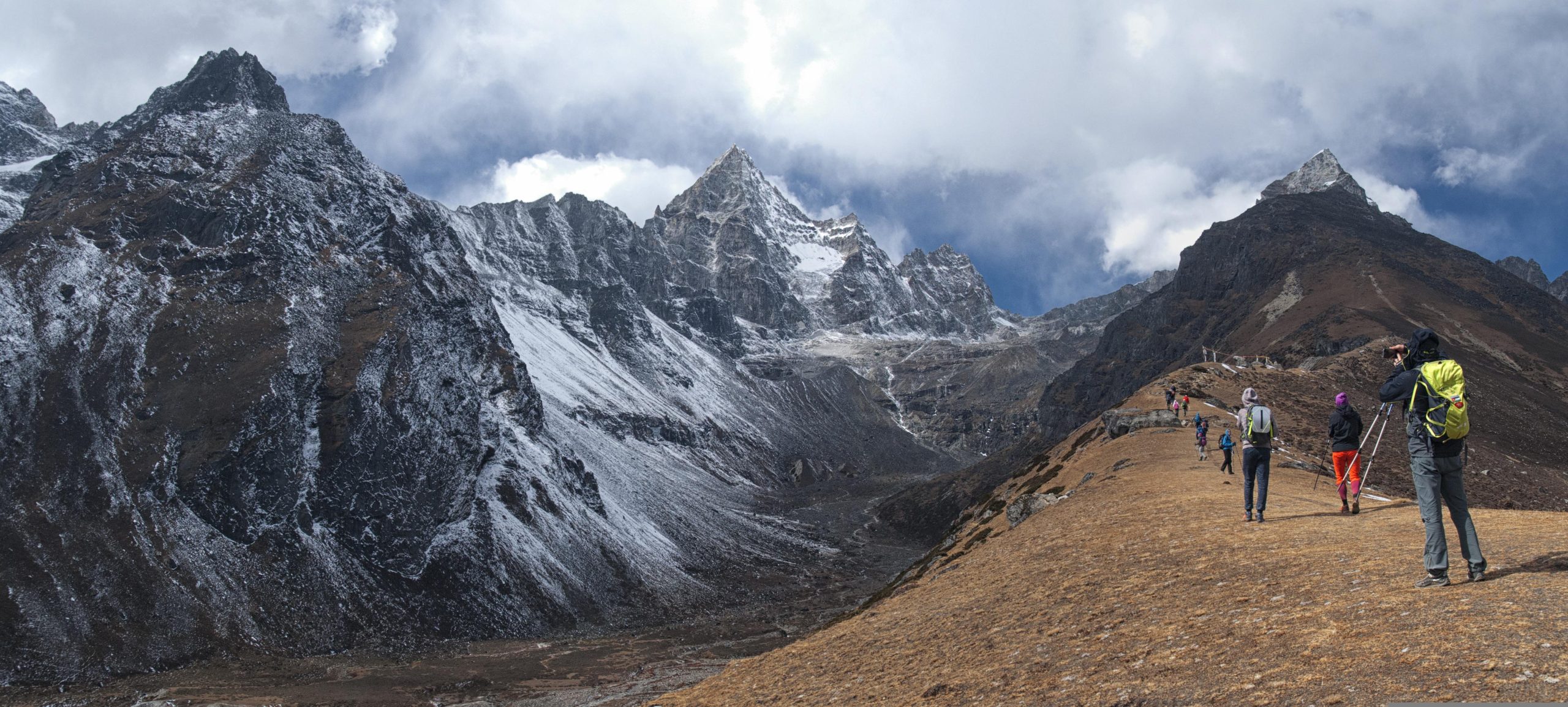
Tourist growth of trekking regions in Nepal shows that travelers are no longer choosing routes based only on popularity. Everest and Annapurna remain Nepal’s most recognized trekking regions, but their high visitor volume, rising costs, busier trails, and more commercialized routes are encouraging many trekkers to explore alternatives.
As a result, regions like Langtang–Helambu and Manaslu are gaining attention. Langtang–Helambu appeals to travelers who want shorter access from Kathmandu, fewer crowds, and a strong mix of mountain scenery and local culture. Manaslu attracts trekkers looking for remote trails, traditional villages, restricted-area adventure, and a more offbeat Himalayan experience.
This blog compares four major trekking regions in Nepal—Everest, Annapurna, Langtang–Helambu, and Manaslu—to show why travelers are looking beyond the most famous routes. It explains how each region differs in visitor volume, accessibility, cost, trekking style, crowd level, and overall experience, so you can choose the region that best matches your travel goals.
Nepal Tourism Growth Overview
Nepal’s tourism sector has shown strong recovery in recent years, with international arrivals returning close to pre-pandemic levels. In April 2025 alone, Nepal welcomed 116,490 international visitors, which was 5% higher than April 2024 and 106.5% of the April 2019 pre-pandemic level, according to Nepal Tourism Board data. From January to April 2025, Nepal recorded 415,048 international visitor arrivals, showing continued travel demand for the country.
This recovery is also visible across major trekking regions in Nepal. The Annapurna region recorded 244,045 foreign tourists in 2024, its highest visitor count to date, according to data attributed to the Annapurna Conservation Area Project. Meanwhile, the Manaslu region received 14,980 tourists in 2025, including 14,738 foreign tourists, according to the Manaslu Conservation Area Project office in Gorkha.
These figures show that trekking tourism in Nepal is not growing evenly across all regions. Everest and Annapurna continue to attract strong attention because of their global recognition, established trails, and better infrastructure. At the same time, Langtang–Helambu and Manaslu are gaining interest among trekkers who prefer quieter trails, deeper cultural interaction, and less crowded mountain experiences.
Major Trekking Regions in Nepal
Everest Region – Premium and Iconic
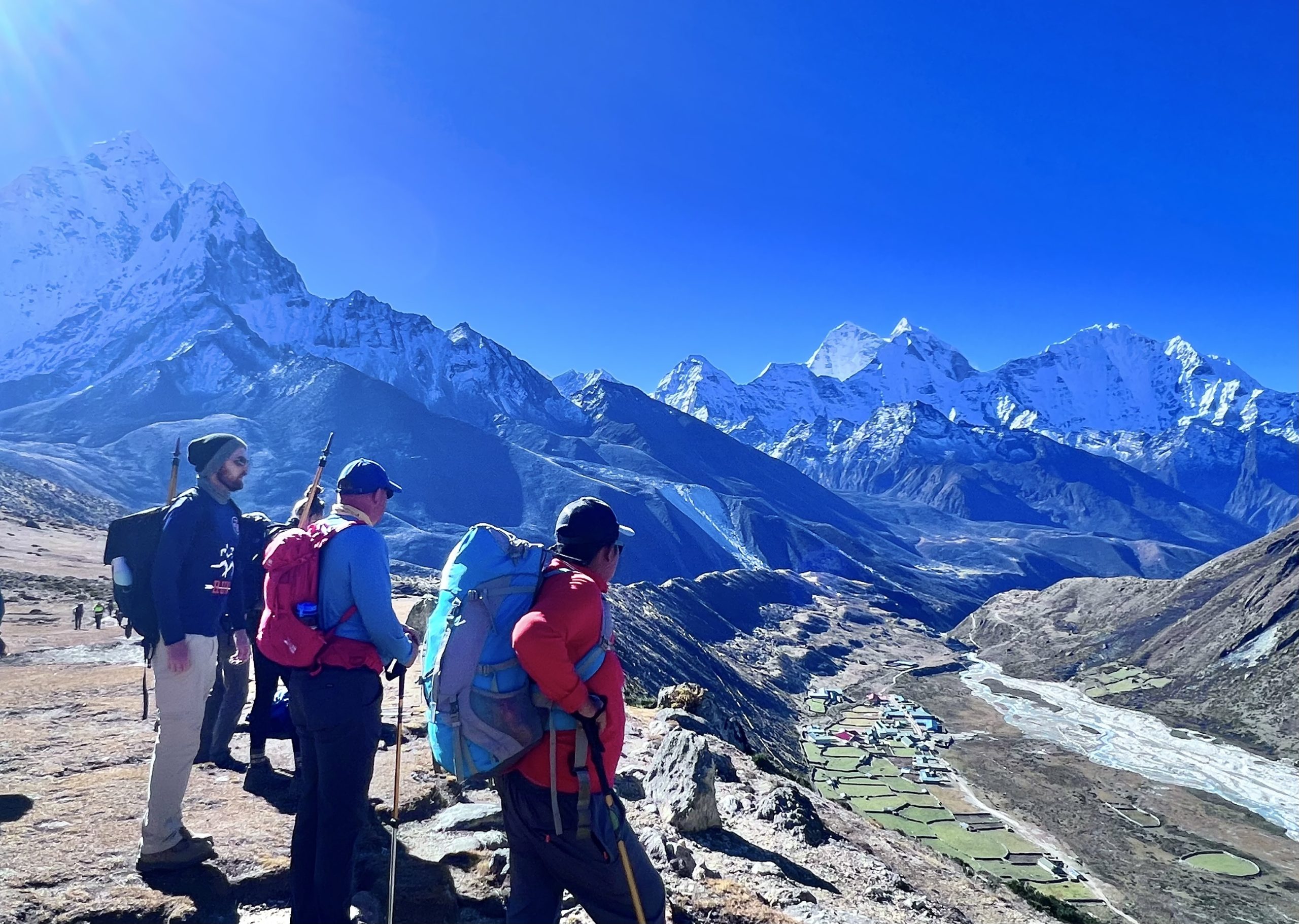
The Everest trekking region Nepal remains one of the country’s most recognized Himalayan destinations. Popular routes such as Everest Base Camp, Gokyo Lakes, and the Three Passes Trek attract travelers looking for high-altitude landscapes, Sherpa culture, and close-up views of some of the world’s highest mountains. Sagarmatha National Park, which covers the upper Khumbu area, includes Mount Everest and other major Himalayan peaks above 6,000 meters.
The region is also known for its strong trekking infrastructure, established tea house routes, and premium travel options such as luxury treks and helicopter tours. However, Everest’s global popularity also means higher costs, limited flight reliability through Lukla, and heavier crowd levels during peak seasons.
For many travelers, Everest remains the dream trek because it offers world-famous mountain scenery, high-altitude adventure, and a journey that feels truly once-in-a-lifetime.
Annapurna Region – Most Visited
The Annapurna trekking region Nepal remains the highest-volume trekking regions in Nepal. According to data reported from the Annapurna Conservation Area Project, the Annapurna region welcomed 244,045 foreign tourists in 2024, the highest visitor count recorded for the area.
Routes such as Annapurna Base Camp, Annapurna Circuit, Ghorepani Poon Hill, and Mardi Himal are popular because of their access from Pokhara, flexible itinerary lengths, and suitability for both beginner and moderate trekkers. Nepal Tourism Board also describes Annapurna as one of Nepal’s most diverse and popular trekking areas, with options ranging from short three-day treks to longer circuit routes.
Its accessibility makes Annapurna ideal for first-time trekkers and travelers with limited time. However, high visitor volume has also created pressure on some trails, especially during spring and autumn. Road expansion in parts of the Annapurna Circuit has also changed the traditional trekking experience on certain sections.
Langtang–Helambu Region – Balanced and Accessible
The Langtang trekking region Nepal, including Helambu and Gosainkunda, is one of the most practical choices for travelers who want Himalayan scenery without committing to a long itinerary. Its biggest advantage is proximity to Kathmandu, which makes it suitable for trekkers with limited travel days.
Langtang Valley, Gosainkunda, and Helambu treks combine mountain views, Tamang culture, sacred lakes, forest trails, and moderate trekking difficulty. Compared to Everest and Annapurna, this region is generally less crowded and more affordable, making it appealing for travelers who want a quieter but still accessible Himalayan experience.
Langtang–Helambu is showing renewed visitor interest, but its available public figures should be presented carefully because many reports cover specific routes, seasons, or park-entry periods rather than full-year trekking totals.
Manaslu Region – Fast-Growing and Offbeat
The Manaslu trekking region Nepal is one of the strongest examples of Nepal’s shift toward quieter and more remote trekking experiences. The region includes popular routes such as the Manaslu Circuit and Tsum Valley, known for traditional villages, Tibetan-influenced culture, dramatic valleys, and the high crossing of Larkya La.
Recent MCAP-linked reporting shows strong growth. The Manaslu region received 12,512 foreign tourists in fiscal year 2024/25, up from 9,783 visitors in fiscal year 2023/24, according to The Kathmandu Post’s report citing the Manaslu Conservation Area Project. Another report states that Manaslu received 14,980 total visitors in 2025, including 14,738 foreign tourists, based on MCAP office data.
Unlike Everest, Annapurna, and Langtang, Manaslu is a restricted trekking area. Trekkers need special permits and must travel with a licensed guide, which helps manage visitor flow and preserve the region’s quieter trekking character.
Although Manaslu still receives far fewer visitors than Annapurna or Everest, its growth shows rising demand for offbeat trekking regions in Nepal. It is best suited for trekkers who want remote trails, cultural depth, longer itineraries, and a more immersive Himalayan journey.
Comparison of Trekking Regions in Nepal
A data-driven comparison of the major trekking regions in Nepal highlights clear differences in visitor volume, growth rate, trek duration, and key challenges. This makes it easier to understand not just popularity, but the overall trekking experience each region offers.
| Region | Reported/Estimated Visitor Volume | Growth Trend | Avg. Duration (Days) | Key Challenge |
| Everest | Approx. 60,000-65,000 via SNP visitor estimates | Steady premium demand | 12–16 | Lukla flight delays, altitude, higher cost |
| Annapurna | 244,045 foreign tourists in 2024 | Highest volume | 4–12 | Crowding and road expansion on some trails |
| Langtang – Helambu | Around 44,000 tourists reported in Rasuwa last fiscal year; 32,671 visitors from mid-July to mid-January of the current fiscal year | Growing accessible alternative | 7–10 | Fewer luxury lodge options than Everest/Annapurna |
| Manaslu | 12,512 foreign tourists in FY 2024/25 | Fast-growing offbeat region | 14–18 | Restricted-area permits and mandatory licensed guide |
Note : Everest visitor figures are based on regional tourism estimates, as no single conservation area body publishes a unified annual trekking count for the Khumbu region
This comparison shows that Annapurna remains the highest-volume trekking region, while Manaslu is showing the clearest growth among offbeat regions. Everest continues to attract travelers seeking a premium and iconic Himalayan journey, while Langtang–Helambu works well for trekkers who want a shorter, quieter, and more accessible alternative.
These differences highlight how each region serves a different type of traveler.
Key Trekking Trends in Nepal
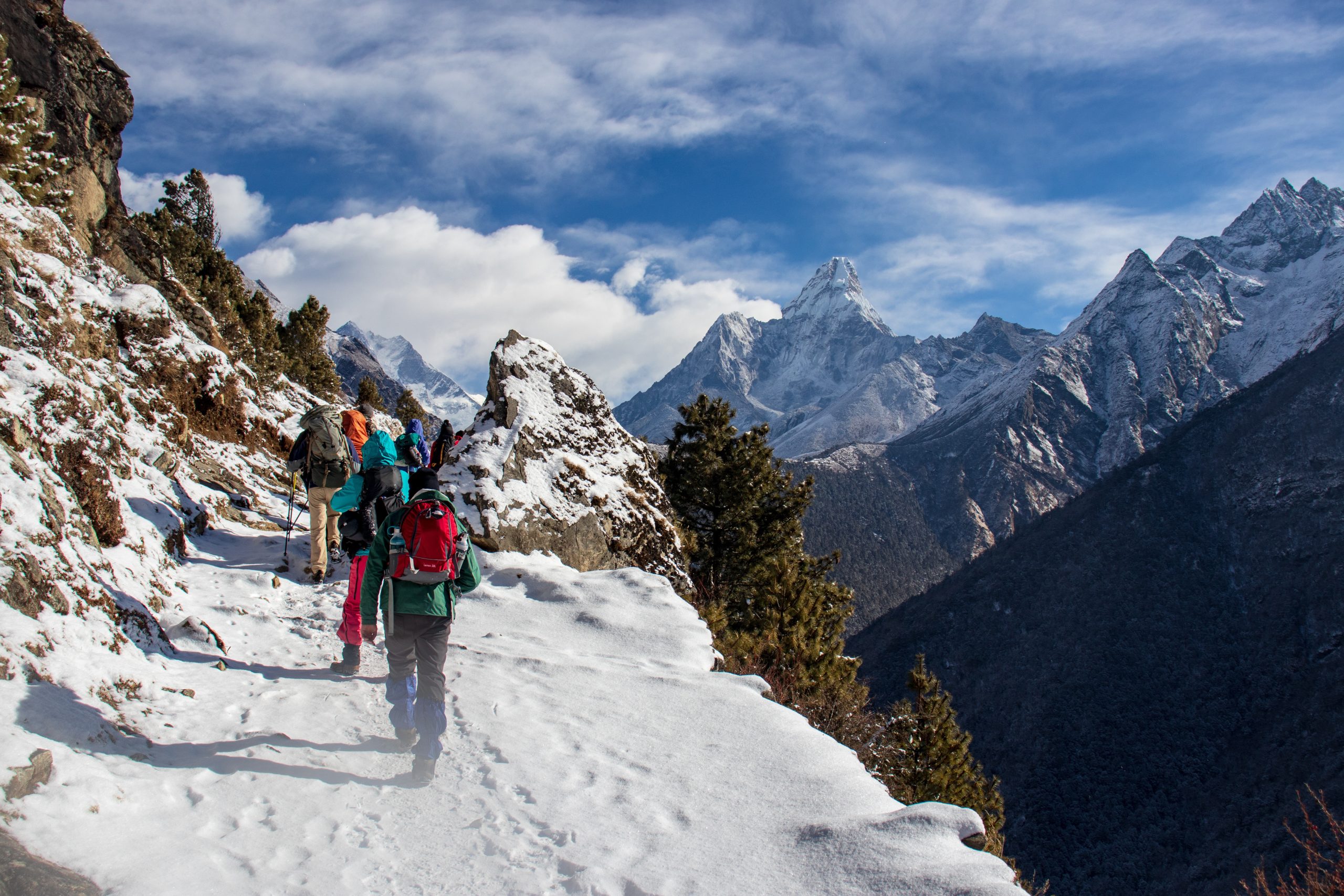
Recent trekking trends in Nepal show that travelers are becoming more selective when choosing routes across different trekking regions. Instead of following only the most famous trails, many trekkers now compare crowd levels, route difficulty, travel time, cost, guide support, and the overall experience each region offers.
- Shift toward offbeat regions:
Manaslu and Langtang–Helambu are gaining more attention because they offer quieter trails, and stronger cultural interaction, and a less commercial trekking atmosphere compared to high-volume routes.
- Demand for shorter treks:
Annapurna and Langtang remain popular among travelers with limited time because they offer flexible itineraries, easier access, and several short-to-moderate trekking options.
- Rise in premium trekking:
The Everest region continues to attract travelers looking for comfort, guided support, luxury lodges, helicopter options, and a bucket-list Himalayan experience.
- Preference for less crowded trails:
Many trekkers are becoming more careful about peak-season crowding, especially on popular routes. This is encouraging interest in alternative trails and quieter trekking periods.
- Experience over popular:
Travelers are no longer choosing a route only because it is famous. They are looking for treks that match their fitness level, available days, budget, comfort expectations, and interest in local culture.
Which Trekking Region Should You Choose?
Choosing the right trekking region depends on your trekking experience, available days, budget, fitness level, and the kind of Himalayan journey you want. Each region offers a different balance of accessibility, comfort, crowd level, culture, and adventure.
- For beginners and first-time trekkers:
The Annapurna region is usually the most practical choice. It offers shorter routes, easier access from Pokhara, well-developed tea houses, and flexible itineraries for travelers who want a comfortable introduction to trekking in Nepal.
- For an iconic Himalayan experience:
The Everest region is ideal for travelers who want world-famous mountain views, Sherpa culture, and a premium bucket-list journey. It suits trekkers who are prepared for higher altitude, higher costs, and possible Lukla flight delays.
- For short and budget-friendly treks:
Langtang–Helambu is a strong choice for travelers with limited time. Its routes start closer to Kathmandu, offer fewer crowds than Everest and Annapurna, and provide a good mix of mountain scenery, local culture, and moderate difficulty.
- For offbeat and less crowded adventures:
Manaslu is better suited for trekkers who want remote trails, traditional villages, cultural depth, and a more rugged Himalayan experience. It requires more planning because of restricted-area permits and licensed guide requirements, but that also helps keep the region quieter.
The best choice depends on what matters most to you: comfort, duration, cost, crowd level, cultural depth, or remoteness. For many experienced trekkers, less crowded regions like Manaslu are becoming more appealing because they offer a deeper and more immersive mountain journey.
Planning Your Trek in Nepal
Planning ahead is important because each trekking region has different permit rules, access points, guide requirements, accommodation standards, and weather risks. Choosing the right route early can help you avoid delays, manage costs, and prepare properly for the type of trek you want.
Permits:
Most trekking regions require conservation area or national park permits. Annapurna requires ACAP, Manaslu requires MCAP along with restricted-area permits, and Everest and Langtang have their own park or local entry requirements.
Guide requirements:
Manaslu requires trekkers to travel with a licensed guide because it is a restricted trekking area. For Everest, Annapurna, and Langtang, guide rules and trekking styles can vary, but hiring an experienced local guide is still strongly recommended for safety, navigation, altitude support, and logistics.
Best seasons:
Spring, from March to May, and autumn, from September to November, are generally the most popular trekking seasons in Nepal. These months usually offer better visibility, more stable weather, and more comfortable trail conditions.
Accessibility:
Everest usually depends on Lukla flights, which can be affected by weather. Annapurna is easier to access through Pokhara, while Langtang is one of the closest Himalayan trekking regions from Kathmandu. Manaslu requires more overland travel and advance permit planning.
Accommodation and booking:
Tea houses on popular routes like Everest and Annapurna can fill quickly during peak seasons. In quieter regions such as Langtang and Manaslu, accommodation may be simpler, so flexible planning and early coordination are useful.
Proper planning helps you choose a trek that matches your schedule, budget, comfort level, and experience expectations, while reducing avoidable problems on the trail.
Plan Your Trek with Lhasso Adventure
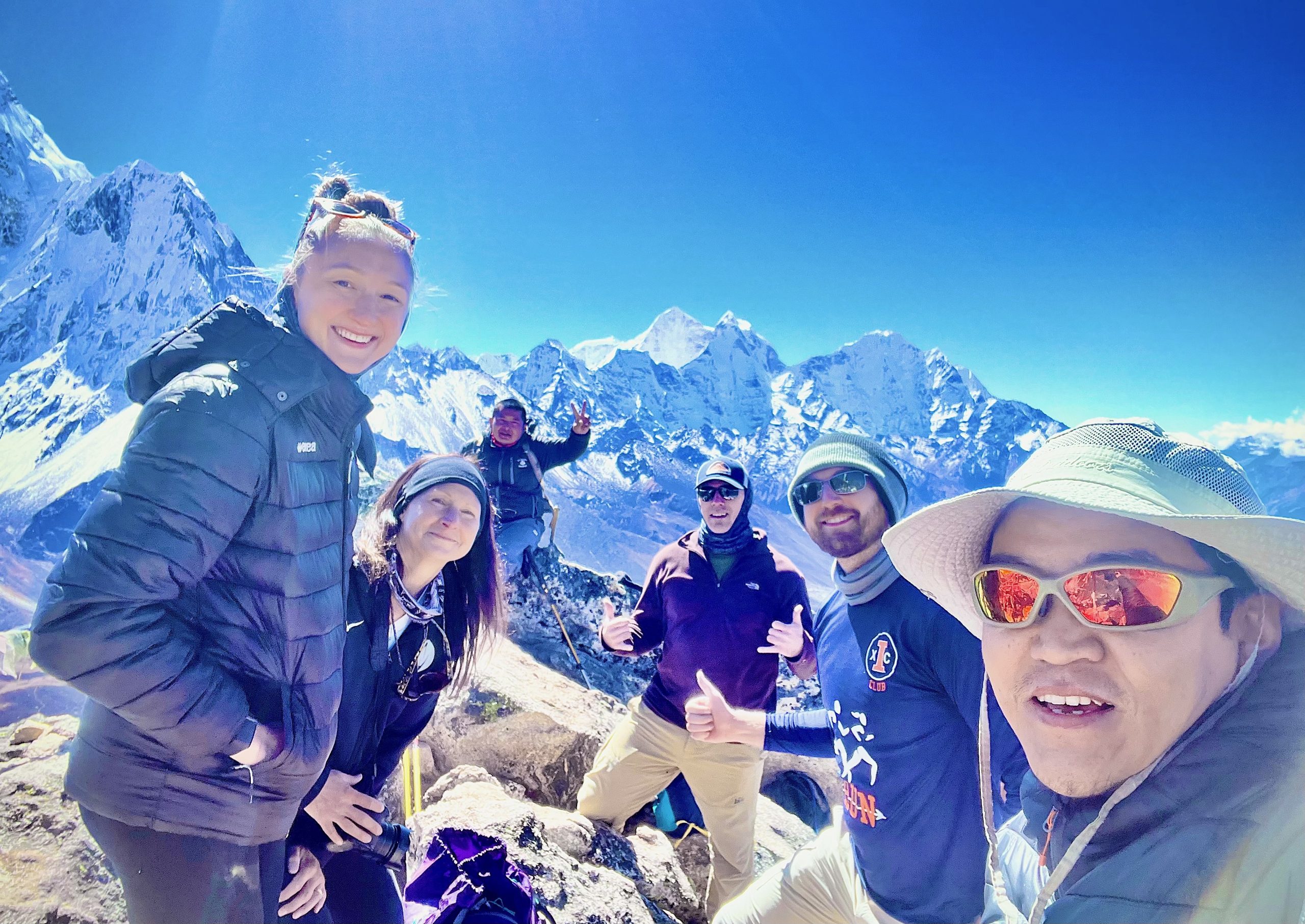
Choosing the right trekking region in Nepal is not only about picking the most popular route. Your available days, fitness level, altitude comfort, budget, permit needs, and preferred travel style all shape the kind of trek that will suit you best.
Lhasso Adventure helps travelers plan guided treks across Everest, Annapurna, Langtang–Helambu, and Manaslu with route selection, permit support, local guides, accommodation planning, and on-trail logistics. Whether you want an iconic Everest journey, a flexible Annapurna trek, a quieter Langtang route, or an offbeat Manaslu adventure, our team can help you choose a route that matches your goals.
If you want a safer, smoother, and better-matched trekking experience in Nepal, Lhasso Adventure can help you plan the right journey from the start.
Conclusion
Tourist growth across the major trekking regions in Nepal shows that traveler preferences are changing. Annapurna continues to lead in visitor numbers, and Everest remains a top choice for iconic, premium Himalayan experiences. At the same time, Langtang–Helambu and Manaslu are gaining attention from trekkers who want quieter trails, deeper cultural interaction, and more remote mountain journeys.
These patterns show that trekking in Nepal is no longer defined only by route popularity. Some travelers prefer easy access, shorter itineraries, and developed infrastructure, while others are choosing less crowded regions for cultural depth, natural scenery, and a stronger sense of adventure.
As Nepal’s trekking tourism continues to recover and diversify, regions like Langtang–Helambu and Manaslu are likely to play a bigger role in the coming years. The best trekking region ultimately depends on the kind of experience each traveler wants, whether that means comfort, convenience, iconic views, or a quieter Himalayan trail.
FAQs
Which trekking region is most popular in Nepal?
The Annapurna region is the most popular trekking region in Nepal by visitor volume. It attracts the highest number of trekkers because of its easy access from Pokhara, wide range of routes, beginner-friendly options, and well-developed tea house infrastructure.
Which trekking region is less crowded in Nepal?
Manaslu and Langtang–Helambu are generally less crowded than Everest and Annapurna. Manaslu is more remote and restricted, while Langtang–Helambu offers quieter trails closer to Kathmandu.
Which is the best trekking region for beginners in Nepal?
Annapurna is usually the best trekking region in Nepal for beginners. It offers shorter routes, flexible itineraries, moderate difficulty levels, and better access to accommodation and transport.
Which trekking region is growing fastest in Nepal?
Manaslu is one of the fastest-growing trekking regions in Nepal, especially among trekkers looking for offbeat routes, fewer crowds, cultural depth, and a more remote Himalayan experience. Its restricted-area status also helps control visitor flow and preserve the trail experience.
What are the major trekking regions in Nepal?
The major trekking regions in Nepal include Everest, Annapurna, Langtang–Helambu, and Manaslu. Everest is known for iconic high-altitude treks, Annapurna for accessibility and route variety, Langtang–Helambu for shorter cultural treks, and Manaslu for remote offbeat adventures.