Everest Base Camp Trek via Salleri and Surke: The Complete Overland Guide
December 24, 2025 Lhasso Adventure
Yes, you can complete the Everest Base Camp Trek without taking a flight to Lukla by choosing the everest base Camp trek via salleri and surke . As, this route combines a scenic jeep journey, gradual altitude gain, and additional cultural experiences before joining the classic Everest trail.
Instead of starting with a short mountain flight from Kathmandu to Lukla, trekkers travel by road toward the lower Solukhumbu region and gradually continue toward Everest Base Camp.
The overland approach is becoming a popular choice for travelers who want a slower and more immersive way to experience the Everest region.
The route takes more time compared to flying directly to Lukla, but it offers a different trekking experience where the journey begins from the road itself.
For many trekkers, reaching Everest Base Camp is not only about arriving at the final destination.
The villages, landscapes, mountain communities, and gradual transition from lower hills to high-altitude terrain are equally important parts of the adventure.
The Salleri to Everest Base Camp route allows travelers to experience more of the region while reducing dependence on mountain flights, which can sometimes be affected by changing Himalayan weather.
Can You Trek to Everest Base Camp Without Flying to Lukla?
Yes, the Everest Base Camp Trek can be completed without flying by following the Salleri → Surke → Lukla route before continuing along the traditional Everest Base Camp trail.
The journey usually begins with a long jeep drive from Kathmandu to Salleri, the administrative center of the Solukhumbu region.
From Salleri, travelers continue toward Surke by road and then begin trekking toward Lukla, where the classic Everest Base Camp route officially connects.
This approach provides an alternative starting point for trekkers who prefer road travel or want to avoid depending entirely on Lukla flights.
The traditional Lukla flight is convenient because it saves time, but the overland route allows more gradual movement through different landscapes and settlements.
The biggest difference is the pace of the journey.
Instead of gaining elevation quickly after landing at Lukla, trekkers following the Salleri route spend additional time moving through lower-altitude areas before reaching the higher sections of the Khumbu region.
This gradual transition can be beneficial because altitude adjustment during the early trekking days becomes more natural when the body has more time to adapt.
Why Choose the Everest Base Camp Trek Without Flight?
The main reason travelers choose the overland Everest Base Camp route is because it provides a slower, more complete Himalayan experience.
While the Lukla flight route is faster, the Salleri approach adds an extra layer of adventure by including the journey through the lower Solukhumbu region.
This route is suitable for trekkers who value scenery, cultural interaction, and a less rushed travel experience.
The road journey introduces travelers to landscapes that are often missed when flying directly into Lukla.
You pass through changing environments, from busy Kathmandu roads to mountain highways, rivers, forests, and remote villages.
The route also provides more flexibility for travelers who prefer having a road-based option rather than relying only on flight schedules.
Mountain flights are highly dependent on visibility and weather conditions, especially during certain periods of the year.
By choosing the overland approach, travelers can reduce some of the uncertainty connected with short mountain flights.
However, the road journey is longer and requires patience.
The roads can be rough in some sections, and travel time may vary depending on conditions.
For trekkers who enjoy the journey as much as the destination, this route offers a deeper connection with the Everest region.
Gradual Acclimatization on the Salleri Route
One of the biggest advantages of starting from Salleri is the slower increase in altitude compared with flying directly to Lukla.
When travelers fly from Kathmandu to Lukla, they move quickly from a lower elevation to a mountain environment within a short period.
The Salleri route creates a more gradual transition because the journey begins several hundred meters lower and continues upward through trekking stages.
This allows trekkers to experience elevation changes step by step before reaching the higher sections of the Everest Base Camp trail.
A gradual approach does not completely remove the risk of altitude-related problems, but it can make the adjustment process more comfortable for many travelers.
Proper pacing, hydration, rest, and awareness of symptoms remain important throughout the trek.
The route also provides additional walking time before reaching areas such as Namche Bazaar, Dingboche, and Lobuche, where altitude becomes a bigger factor.
This slower progression is one reason some trekkers prefer the Salleri option when planning a longer Everest journey.
The extra days also create more opportunities to understand how your body responds to higher elevations before entering the most demanding sections.
A More Cultural Everest Trekking Experience
The Salleri route offers more cultural exposure because the journey begins away from the busiest sections of the Everest trail.
Before reaching the famous Khumbu villages, trekkers pass through areas where traditional mountain lifestyles continue alongside modern trekking development.
The lower Solukhumbu region provides opportunities to see local communities, farming practices, monasteries, and daily mountain life.
These early sections create a different atmosphere compared with routes that begin directly at Lukla.
Travelers can observe how communities adapt to living in remote Himalayan environments before reaching the internationally known trekking hubs.
The cultural experience becomes an important part of the journey because the Everest region is not only about mountains.
It is also about the people, traditions, and communities that have shaped life around the Himalayas for generations.
For travelers interested in understanding more than just the trekking route, the overland approach provides a wider perspective of the region.
The journey through traditional mountain villages along the Solukhumbu region allows trekkers to experience the local side of Everest before entering the main trail toward Base Camp.
Is the Everest Base Camp Trek Without Flight Worth It?
The Everest Base Camp Trek without flight is worth considering for travelers who want a more complete and gradual Himalayan experience.
It is not necessarily the fastest option, but it offers advantages that appeal to many trekkers.
The additional road journey creates more time to experience Nepal beyond the standard airport-to-trail approach.
It allows travelers to see more landscapes, interact with more communities, and begin the trek at a slower pace.
The route is especially suitable for people who are not in a hurry and prefer enjoying the process rather than focusing only on reaching Everest Base Camp quickly.
However, travelers with limited time may still prefer the Lukla flight route because it shortens the overall schedule.
The better choice depends on what you value most from your trek.
If you want a deeper journey through the region, fewer flight concerns, and a more gradual introduction to the mountains, the Salleri route can be an excellent alternative.
If speed and efficiency are the priority, flying to Lukla remains the more direct option.
Salleri to Everest Base Camp Trek Route: How the Journey Works
The Everest Base Camp Trek without flight follows a different starting point compared to the traditional Lukla approach.
Instead of taking a short mountain flight from Kathmandu, trekkers begin the adventure with a road journey toward Salleri before continuing through Surke and connecting with the classic Everest trail.
The first section of the journey introduces travelers to the lower Solukhumbu region, where the landscape slowly changes from busy hillside roads to remote mountain environments.
This gradual transition is one of the biggest differences between the two routes.
The road journey usually takes around 8 to 10 hours depending on road conditions, traffic, and weather.
Although the drive can be long, it provides scenic views of rivers, hills, terraced fields, and rural settlements along the way.
For many travelers, this is not just transportation but the beginning of the Everest experience.
After reaching Salleri, the route continues toward Surke, where trekkers begin walking toward Lukla and officially join the famous Everest Base Camp trail.
This approach allows travelers to experience more of the region before reaching popular trekking areas such as Namche Bazaar and Tengboche.
The route also offers more flexibility because travelers are not fully dependent on short mountain flights, which can sometimes be affected by weather changes.
Kathmandu to Salleri: The Overland Journey Begins
The first stage of the Everest Base Camp Trek without flying is the drive from Kathmandu to Salleri.
The journey follows mountain highways through Nepal’s countryside and provides a completely different perspective compared with starting the trek directly from Lukla.
The road passes through several landscapes, including green hills, river valleys, and traditional settlements.
As the elevation gradually increases, travelers begin to notice the transition from urban surroundings to the quieter Himalayan environment.
Salleri itself is an important town in the Solukhumbu region and acts as a gateway for trekkers heading toward Everest.
Many travelers stop here before continuing deeper into the mountains.
The overnight stay in Salleri also creates a natural break between the road journey and the trekking section.
This separation helps trekkers rest after the long drive and prepare for the upcoming walking days.
Compared with flying directly into Lukla, this route provides additional time to settle into the mountain environment before reaching higher elevations.
The journey through the lower hills also introduces travelers to parts of Nepal that many visitors miss when they choose only the flight option.
Salleri to Surke and Trekking Toward Lukla
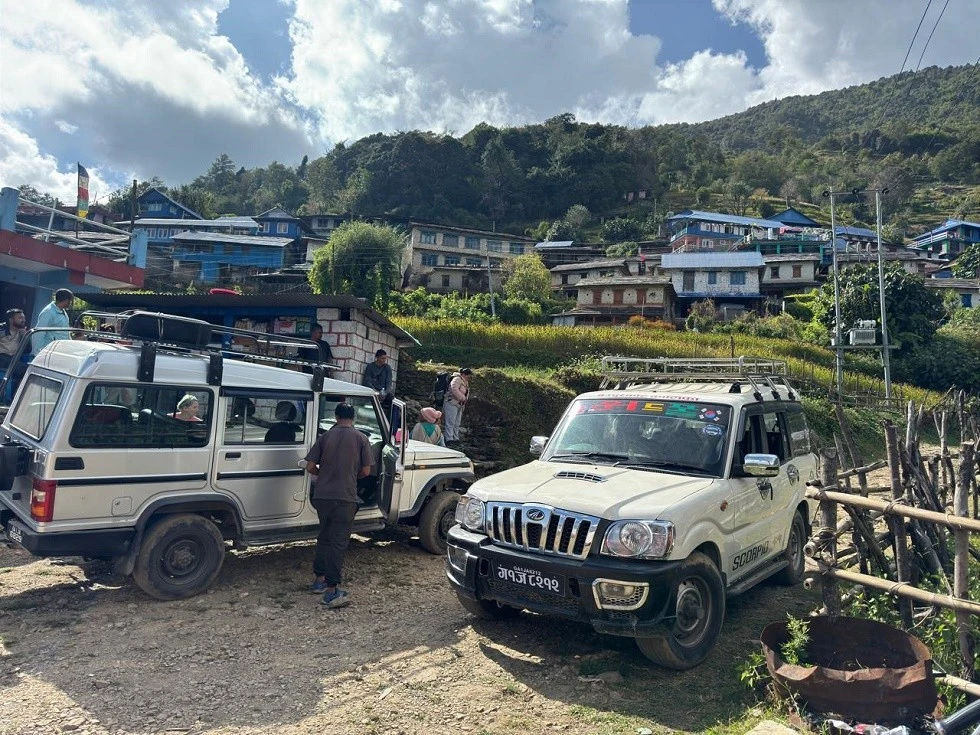
After spending time in Salleri, the journey continues by jeep toward Surke.
The road section between Salleri and Surke is more remote, with mountain terrain and uneven sections that require experienced drivers.
Once travelers reach Surke, the trekking portion begins.
From Surke, trekkers follow a trail toward Lukla, where they connect with the main Everest Base Camp route.
This short walking section creates a smooth transition between the road journey and the classic trekking experience.
Instead of arriving suddenly in Lukla by plane, travelers approach the famous gateway town through the trail itself.
This provides a different sense of arrival because the journey feels more connected to the surrounding landscape.
From Lukla, the route continues through familiar Everest villages, following the same path used by most trekkers heading toward Base Camp.
The trail gradually climbs through Phakding, Namche Bazaar, Tengboche, Dingboche, Lobuche, and finally Everest Base Camp.
Along the way, travelers experience changing landscapes, from forested valleys to high-altitude mountain terrain.
The route planning is important because the body needs time to adapt as elevation increases.
This is why many trekkers focus on proper pacing throughout the higher sections of the Everest trail to maintain comfort and reduce unnecessary strain.
Everest Base Camp Trek Without Flight Itinerary
A typical Everest Base Camp Trek without flight takes around 15 to 18 days depending on the pace, acclimatization requirements, and travel arrangements.
The longer duration compared with the flight route allows travelers to include the road approach while maintaining a comfortable trekking schedule.
Below is a sample itinerary:
Day 1: Kathmandu to Salleri (2,362m)
The journey begins with a scenic jeep drive from Kathmandu to Salleri.
The drive takes approximately 8 to 10 hours depending on conditions.
Overnight stay in Salleri.
Day 2: Salleri to Surke and Trek to Lukla (2,840m)
The journey continues by jeep toward Surke.
From Surke, trekkers walk toward Lukla and join the main Everest Base Camp trail.
Overnight stay in Lukla.
Day 3: Lukla to Phakding (2,610m)
The trek begins with an easier walking day following the Dudh Koshi River.
The trail passes through small villages and suspension bridges.
Overnight in Phakding.
Day 4: Phakding to Namche Bazaar (3,440m)
This section includes one of the most memorable parts of the trek.
Trekkers cross suspension bridges and enter Sagarmatha National Park before reaching Namche Bazaar.
Overnight in Namche.
Day 5: Acclimatization Day in Namche Bazaar
A rest and adaptation day helps prepare the body for higher elevations.
Many trekkers explore viewpoints or nearby villages.
Day 6: Namche Bazaar to Tengboche (3,860m)
The trail continues through beautiful mountain landscapes toward Tengboche Monastery.
The area offers impressive views of Everest and surrounding peaks.
Day 7: Tengboche to Dingboche (4,410m)
The route enters a higher-altitude environment with wider valleys and alpine landscapes.
Day 8: Acclimatization in Dingboche
Another adaptation day allows trekkers to prepare for the challenging sections ahead.
Day 9: Dingboche to Lobuche (4,910m)
The trail continues through rocky landscapes and memorial areas dedicated to climbers.
Day 10: Lobuche to Everest Base Camp (5,364m) via Gorakshep
This is the main achievement day.
Trekkers reach Everest Base Camp before returning to Gorakshep for overnight.
Day 11: Kala Patthar Sunrise and Descent
Many trekkers climb Kala Patthar for one of the best views of Everest.
The route then descends toward lower villages.
Day 12–15: Return Journey to Kathmandu
The descent follows the same trail back toward Lukla before continuing through Surke and Salleri.
The final jeep journey returns travelers to Kathmandu.
Before joining the classic trail at Lukla, you’ll embark on a scenic two-day road journey deep into the Solukhumbu. This initial phase is what sets the overland Everest Base Camp trek apart—transforming your commute into an adventure and laying the physiological foundation for a safer climb. Here’s how the road journey unfolds.
Salleri Route vs Lukla Flight Route: Which One Should You Choose?
Both routes reach Everest Base Camp, but they provide different experiences.
The Lukla flight route is shorter and more convenient for travelers with limited time.
The Salleri route takes longer but adds more cultural exposure and gradual progression.
| Factor | Salleri Route | Lukla Flight Route |
|---|---|---|
| Starting point | Kathmandu by road | Kathmandu by flight |
| Duration | Longer | Shorter |
| Experience | More scenic and cultural | Faster access |
| Altitude transition | More gradual | Faster change |
| Cost | Generally lower transportation cost | Higher flight expense |
| Best for | Slow travelers and experience seekers | Time-focused trekkers |
The right option depends on your trekking goals.
Travelers who want to experience more of Nepal before reaching Everest often prefer the overland route.
Those with strict schedules may choose the flight option.
The decision also depends on factors such as available time and preferred trekking style before starting the Everest journey.
Everest Base Camp Trek Without Flight Cost: Complete Breakdown
The cost of an Everest Base Camp Trek without flying depends on several factors, including transportation choices, trekking style, accommodation, guide services, permits, and personal expenses.
One of the biggest financial differences between the Salleri route and the Lukla flight route comes from transportation.
Instead of purchasing a mountain flight ticket, travelers use a jeep journey to reach the lower Solukhumbu region.
This makes the overland approach a more budget-friendly option for many trekkers, especially those who are comfortable adding extra travel days to their itinerary.
However, the total cost is not only determined by transportation.
Other expenses such as accommodation, meals, permits, equipment, porter services, and optional upgrades also contribute to the final budget.
A realistic budget helps travelers prepare properly and avoid unexpected costs during the trek.
The route can be customized depending on whether you prefer a basic trekking experience or a more comfortable journey with upgraded services.
Understanding the different factors that influence the total trekking budget makes it easier to plan an Everest Base Camp adventure that matches your expectations.
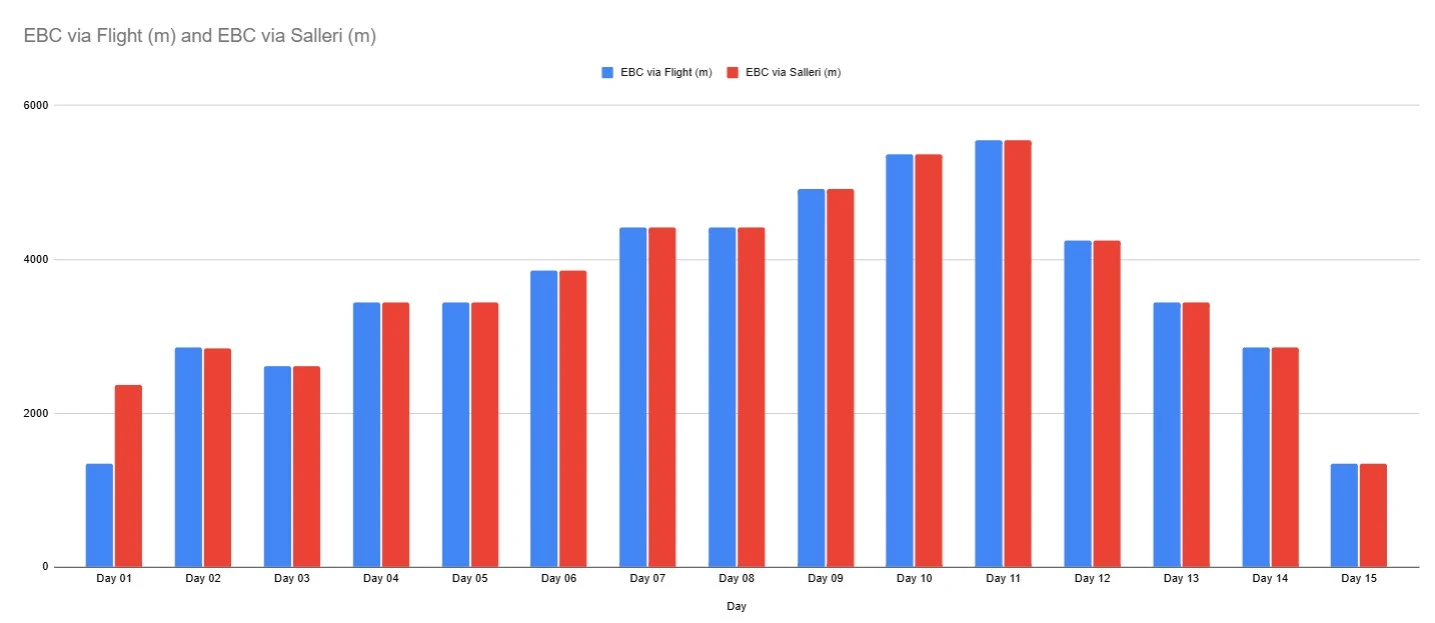
Let’s talk numbers. The financial case for the overland Everest Base Camp trek is compelling, offering direct savings and hidden value that a flight ticket can’t match. Beyond the upfront transport cost, this route affects your entire budget—from porter fees to Wi-Fi costs. The table below provides a transparent 2026 comparison, showing exactly where and how much you’ll save by choosing the road less flown.
| Category | Route / Option | Savings per Person | Benefits / Notes |
|---|---|---|---|
| Overland | Everest Base Camp Trek (Overland) | $350 – $380 | Savings can be reallocated to better gear, a longer stay, or private rooms. Financial and logistical predictability is a core advantage of trekking to EBC without flying.
|
Transportation Cost: Salleri Route vs Lukla Flight
Transportation is one of the main areas where the overland Everest Base Camp route differs from the traditional flight option.
The Lukla flight is convenient because it significantly reduces travel time, but ticket prices can be higher and availability may change depending on demand and season.
The Salleri route replaces the flight with a jeep journey.
A shared jeep from Kathmandu toward Salleri and onward connections to Surke generally cost less than flying, making it attractive for travelers who want to reduce transportation expenses.
However, the road journey requires more time.
The trade-off is simple:
The flight route saves time.
The overland route saves money and adds more travel experience.
Many trekkers choose the Salleri option because they prefer investing their budget into other parts of the journey, such as better accommodation, equipment, or additional experiences.
The route also provides more control over the starting process because road travel is not affected by the same flight scheduling limitations.
However, road conditions can vary, especially in mountain areas.
Travelers should consider transportation reliability during different seasons of the Everest region when deciding which route suits their plans.
Estimated Everest Base Camp Trek Without Flight Cost
A general cost estimate for the overland Everest Base Camp Trek may include:
| Expense Category | Estimated Cost |
|---|---|
| Kathmandu to Salleri Jeep | USD 40–80 (depending on sharing/private option) |
| Salleri to Surke Transport | Variable depending on vehicle arrangement |
| Permits | Around USD 50–60 |
| Accommodation | USD 5–50+ per night depending on comfort level |
| Food | USD 25–40 per day |
| Guide | Depends on package and service level |
| Porter | Depends on duration and arrangement |
| Equipment | Personal cost depending on existing gear |
These prices can change depending on season, group size, and service quality.
A private jeep, upgraded accommodation, or additional services will increase the overall budget.
Budget travelers can complete the trek with fewer extras, while travelers looking for a more comfortable experience may choose better lodges and additional support.
The most important thing is understanding what is included before departure.
A cheaper package may not always provide the same level of service, support, or comfort.
Packing List for Everest Base Camp Trek Without Flight
Packing for an overland Everest Base Camp Trek requires a slightly different approach because the journey includes both road travel and high-altitude trekking.
Unlike travelers who fly directly to Lukla, overland trekkers spend additional hours in vehicles before reaching the trail.
This means comfort during transportation becomes an important consideration.
Travel Essentials for the Jeep Journey
Useful items include:
- Neck pillow for long drives
- Comfortable travel clothing
- Power bank
- Snacks
- Water bottle
- Small daypack
- Headphones or earplugs
The road journey can be long, so having basic travel comfort items can make the experience easier.
High Altitude Trekking Gear
The main trekking equipment remains similar to a standard Everest Base Camp trek:
- Waterproof trekking boots
- Thermal base layers
- Fleece jacket
- Down jacket
- Waterproof outer layer
- Trekking poles
- Warm gloves and hat
- Sunglasses
- Sunscreen
- Sleeping bag
Temperatures change significantly as elevation increases, especially above Namche Bazaar.
Proper layering allows trekkers to adjust throughout the day.
Choosing suitable equipment is important because weather conditions can change quickly in the mountains.
This is why appropriate clothing choices for changing Himalayan temperatures play a major role in maintaining comfort throughout the trek.
Packing for the overland Everest Base Camp trek requires a dual-purpose approach: gear for rugged road travel and equipment for high-altitude trekking. Unlike fly-in trekkers, you’ll spend significant time in jeeps before hitting the trail, making comfort and organization key. This curated list prioritizes versatility and weight, ensuring you’re prepared for every stage of the journey without overpacking.
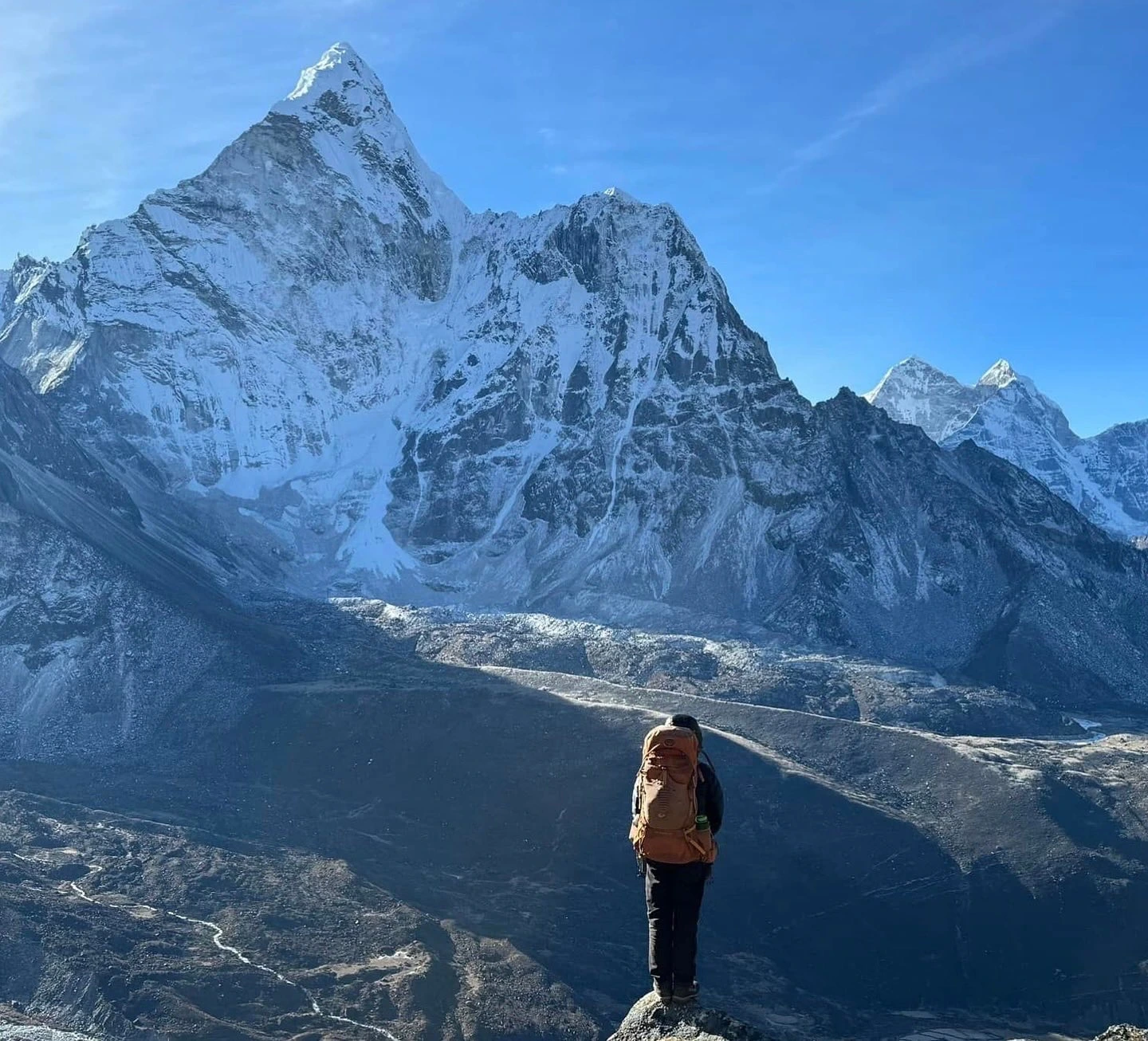
Food and Accommodation on the Overland Everest Base Camp Route
Food and accommodation along the Everest Base Camp route are mainly provided through mountain tea houses.
The lower sections of the Salleri route may offer different accommodation experiences compared with the main trekking trail.
Once travelers reach the classic Everest route, facilities become more familiar.
Meals usually include traditional Nepali dishes, local mountain food, and simple international options.
Dal bhat, noodles, soups, momos, rice dishes, and hot drinks are common choices.
At higher elevations, food availability becomes more limited because transportation is more challenging.
Accommodation also becomes simpler as altitude increases.
Lower villages may offer more options, while higher areas have fewer facilities.
Luxury-level comfort in the Everest region is different from city hotels, but choosing well-managed lodges and proper planning can improve the overall experience.
Travelers should remember that remote mountain accommodation depends heavily on location and season.
During busy trekking periods, planning ahead becomes more important because room availability in popular Everest villages can become limited during peak months.
Is the Everest Base Camp Trek Without Flight Safe?
The Everest Base Camp Trek without flight is considered a safe trekking option when travelers prepare properly and follow responsible trekking practices.
The main challenges are not only related to the route but also altitude, weather, and physical preparation.
The Salleri route provides a slower start, but trekkers still reach high elevations above 5,000 meters.
Altitude awareness remains one of the most important parts of the journey.
Travelers should maintain a comfortable pace, drink enough water, take acclimatization days seriously, and listen to their bodies.
Travel insurance is also highly recommended, especially policies covering high-altitude trekking and emergency evacuation.
The remote mountain environment means access to medical facilities is limited compared with cities.
A knowledgeable guide can provide valuable support with navigation, safety decisions, and emergency planning.
Having experienced support becomes especially useful when conditions change unexpectedly.
Proper preparation, realistic expectations, and awareness of mountain conditions make the journey safer and more enjoyable.
Safety Tips and Emergency Preparation for Everest Base Camp Trek Without Flight
The Everest Base Camp Trek without flight is a safe and rewarding journey when travelers prepare properly and understand the challenges of high-altitude trekking.
Although the Salleri route offers a more gradual approach, the trek still reaches extreme elevations where weather, altitude, and physical endurance become important factors.
The biggest safety consideration is altitude.
Even with a slower beginning, trekkers eventually reach areas above 5,000 meters, where the air contains less oxygen and the body requires time to adjust.
Common altitude-related symptoms include headache, tiredness, dizziness, nausea, and difficulty sleeping.
Ignoring these signs can make the situation worse, so trekkers should always communicate how they feel with their guide or trekking partners.
A steady pace is one of the best ways to reduce unnecessary stress on the body.
Rushing toward higher elevations can increase discomfort and reduce the enjoyment of the journey.
Other important safety practices include staying hydrated, eating enough food, carrying essential medication, and preparing for changing weather.
The mountains can create unexpected conditions even during popular trekking seasons.
Before departure, travelers should also understand high-altitude trekking preparation before entering remote Himalayan areas because proper planning plays a major role in handling challenges along the route.
Travel Insurance and Emergency Support
Travel insurance is one of the most important preparations for an Everest Base Camp Trek.
A suitable policy should include high-altitude trekking coverage and emergency evacuation support because medical facilities become limited as the route moves higher into the mountains.
While serious problems are uncommon, the remote nature of the Everest region means evacuation options need to be considered before starting the journey.
Helicopter rescue is available in emergency situations, but the cost can be extremely high without proper insurance coverage.
Travelers should carefully check policy details before departure.
Important coverage areas usually include:
- High-altitude trekking
- Emergency evacuation
- Medical treatment
- Trip interruption
- Flight or transportation delays
The overland route reduces dependence on mountain flights, but travelers still need to consider other possible delays caused by weather, road conditions, or health concerns.
Having a backup plan creates more confidence throughout the trek.
A prepared traveler can focus more on enjoying the landscapes and cultural experiences rather than worrying about unexpected situations.
Communication and Internet Access During the Trek
Communication availability changes significantly throughout the Everest Base Camp route.
Lower areas near Salleri and Lukla generally have better mobile coverage, while higher sections become more limited.
Popular villages such as Namche Bazaar often have internet facilities, but connection quality becomes less reliable as altitude increases.
Trekkers should not expect constant connectivity throughout the journey.
The remote mountain environment naturally limits communication options.
Many travelers carry local SIM cards, portable chargers, or backup power banks to stay connected when possible.
For longer remote sections, some trekkers prefer additional communication devices for emergency situations.
Power charging facilities are usually available at tea houses, although higher villages may charge extra fees due to limited electricity resources.
Managing battery usage becomes important, especially when temperatures are cold.
Simple preparation, such as carrying a power bank and limiting unnecessary battery use, can make communication easier.
Understanding internet availability and charging options along the Everest trekking route helps travelers prepare realistically before leaving Kathmandu.
Can You Do the Everest Base Camp Trek Without Flight Solo?
Yes, it is possible to complete the Everest Base Camp Trek without flight independently, but many travelers choose to hire guides or join organized groups.
The route itself is established, and the main trail toward Everest Base Camp is well known.
However, traveling independently requires more responsibility for navigation, accommodation planning, permits, transportation arrangements, and safety decisions.
The Salleri route adds additional logistics because the journey begins with road transportation before connecting with the trekking trail.
A guide can help manage these details while also providing local knowledge about the region, culture, and conditions.
For first-time Everest trekkers, having experienced support can make the journey more comfortable.
Solo travelers with previous high-altitude trekking experience may feel confident managing the route independently.
The right choice depends on experience level, preparation, and personal comfort.
Many trekkers prefer support because it allows them to focus on enjoying the adventure instead of handling every logistical detail.
Is the Overland Everest Base Camp Trek Safe? Emergency Tips & Altitude Advice
Safety on the overland Everest Base Camp route hinges on preparation and knowledge. While statistically very safe, this journey involves remote roads, high altitudes, and variable weather. By understanding the risks and implementing the following protocols, from insurance to acclimatization strategies, you can mitigate concerns and focus on the experience. Here’s your comprehensive safety framework for a secure and confident trek.
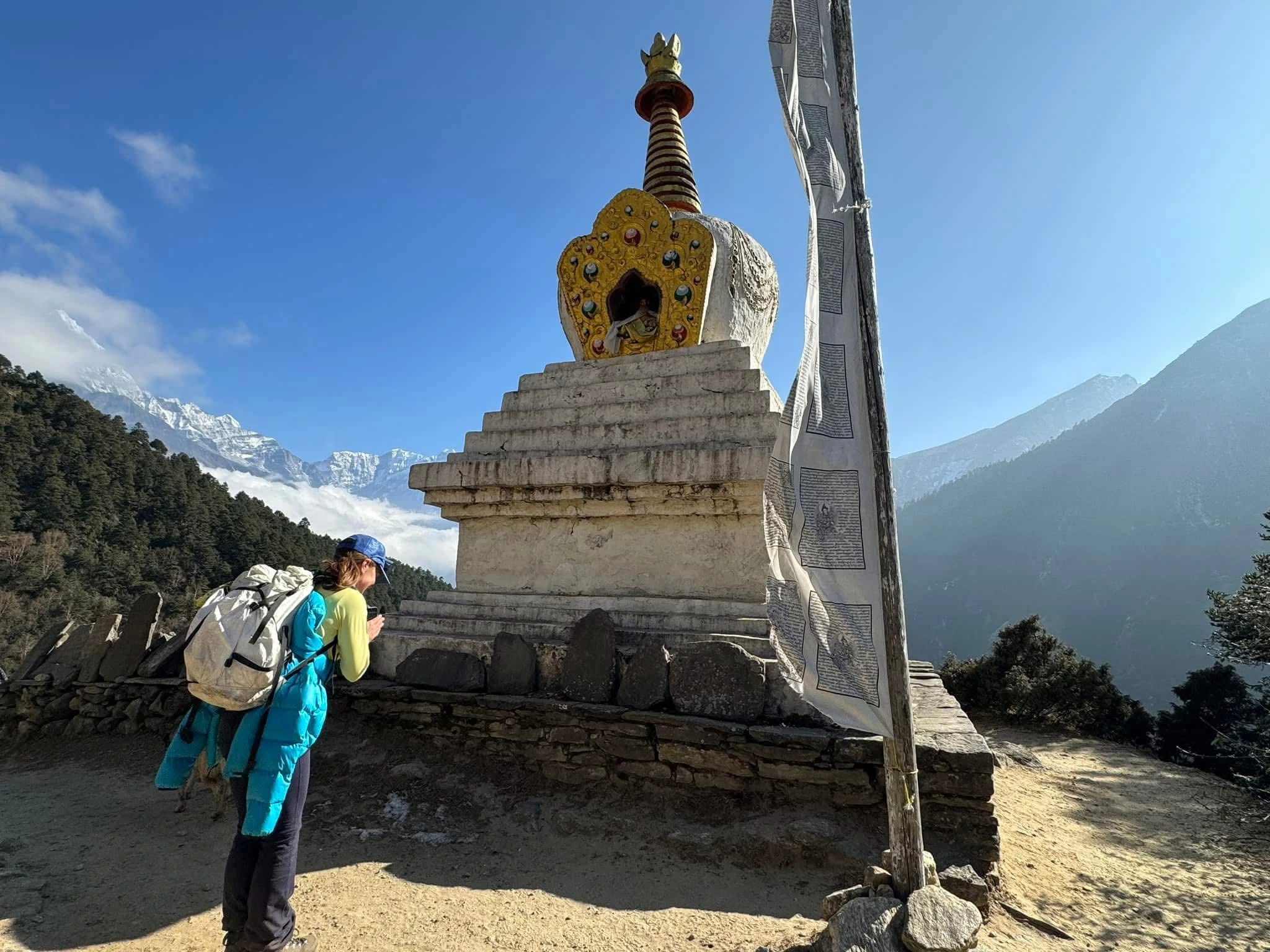
1. Comprehensive Travel Insurance
Ensure your policy covers high-altitude trekking and helicopter evacuation up to 6,000m. Double-check exclusions.
2. Altitude Sickness Prevention on Your Overland Everest Base Camp Trek
-
Consider Diamox (consult doctor)
-
Drink 3-4 liters of water daily
-
Ascend gradually using the overland advantage.
-
Known symptoms: headache, nausea, dizziness
3. Essential First-Aid Kit
Include bandages, antiseptic wipes, blister care, painkillers, electrolyte powders, and motion sickness tablets.
4. Hire Experienced Drivers & Guides
The Salleri→Surke road is rugged. Only use licensed 4WD drivers. Guides handle permits, navigation, and emergencies.
5. Communication & Backup
-
Carry Ncell/Nepal Telecom SIM
-
Consider a satellite phone for remote areas.
-
Share itinerary with contacts
6. Emergency Protocols
Helipads in Surke and Lukla; evacuation to Kathmandu takes 30-45 minutes. Small health posts in Namche and Dingboche.
Frequently Asked Questions for Everest Base Camp Trek via Salleri and Surke
Planning an adventure of this scale naturally brings questions. We’ve compiled and answered the most common queries from trekkers considering the overland route to Everest Base Camp. From practical logistics about guides and permits to health concerns and cultural considerations, find the clarity you need to finalize your 2026 trek plans with confidence.
Can I reach Everest Base Camp without taking a Lukla flight?
Yes, you can reach Everest Base Camp without flying by following the Salleri to Surke route and joining the classic Everest trail near Lukla.
How many days does the Everest Base Camp Trek without flight take?
The trek usually takes around 15 to 18 days depending on the itinerary, acclimatization schedule, transportation arrangements, and trekking pace.
Is the Salleri route harder than the Lukla route?
The Salleri route is longer but offers a more gradual approach. The Lukla route is shorter but involves a faster change in altitude after the flight.
What is the main advantage of trekking to Everest Base Camp without flying?
The main advantages include a slower altitude transition, more cultural experiences, lower transportation dependence on flights, and a longer journey through the Solukhumbu region.
Is the road from Salleri to Surke safe?
The road is a mountain route with rough sections, but it is commonly used by local drivers. Traveling with experienced drivers and proper vehicles improves safety.
Do I need a guide for the Everest Base Camp Trek without flight?
A guide is not legally required for every traveler, but many trekkers choose one for safety, navigation, cultural insights, and logistical support.
What permits are required for the Everest Base Camp Trek?
Trekkers generally need the Sagarmatha National Park Permit and the Khumbu Pasang Lhamu Rural Municipality Permit.
Can I combine the flight route and overland route?
Yes, some travelers choose a hybrid option by flying one way and returning through the Salleri route or the opposite.
What is the best season for the Everest Base Camp Trek without flight?
Spring (March–May) and autumn (September–November) are generally considered the best periods because of favorable weather and visibility.
Conclusion: Is Everest Base Camp Trek Without Flight the Right Choice?
The Everest Base Camp Trek without flight offers a different way to experience one of Nepal’s most famous trekking journeys.
Instead of beginning with a short flight into Lukla, travelers experience the gradual transition from Kathmandu to the lower Solukhumbu region before reaching the classic Everest trail.
This route is ideal for trekkers who value the journey as much as the destination.
The additional road travel creates opportunities to see more landscapes, experience local communities, and adjust gradually before reaching higher elevations.
However, it is important to understand that the route requires more time compared with the traditional flight option.
Travelers must balance their available schedule, comfort preferences, and trekking goals before choosing the best approach.
For those who prefer a slower, culturally richer, and more immersive Himalayan adventure, the Salleri route provides a memorable alternative to the traditional Everest Base Camp experience.