International Everest Day: History, Significance, Sherpa Legacy & Nepal’s Everest Celebration
May 26, 2026 Lhasso Adventure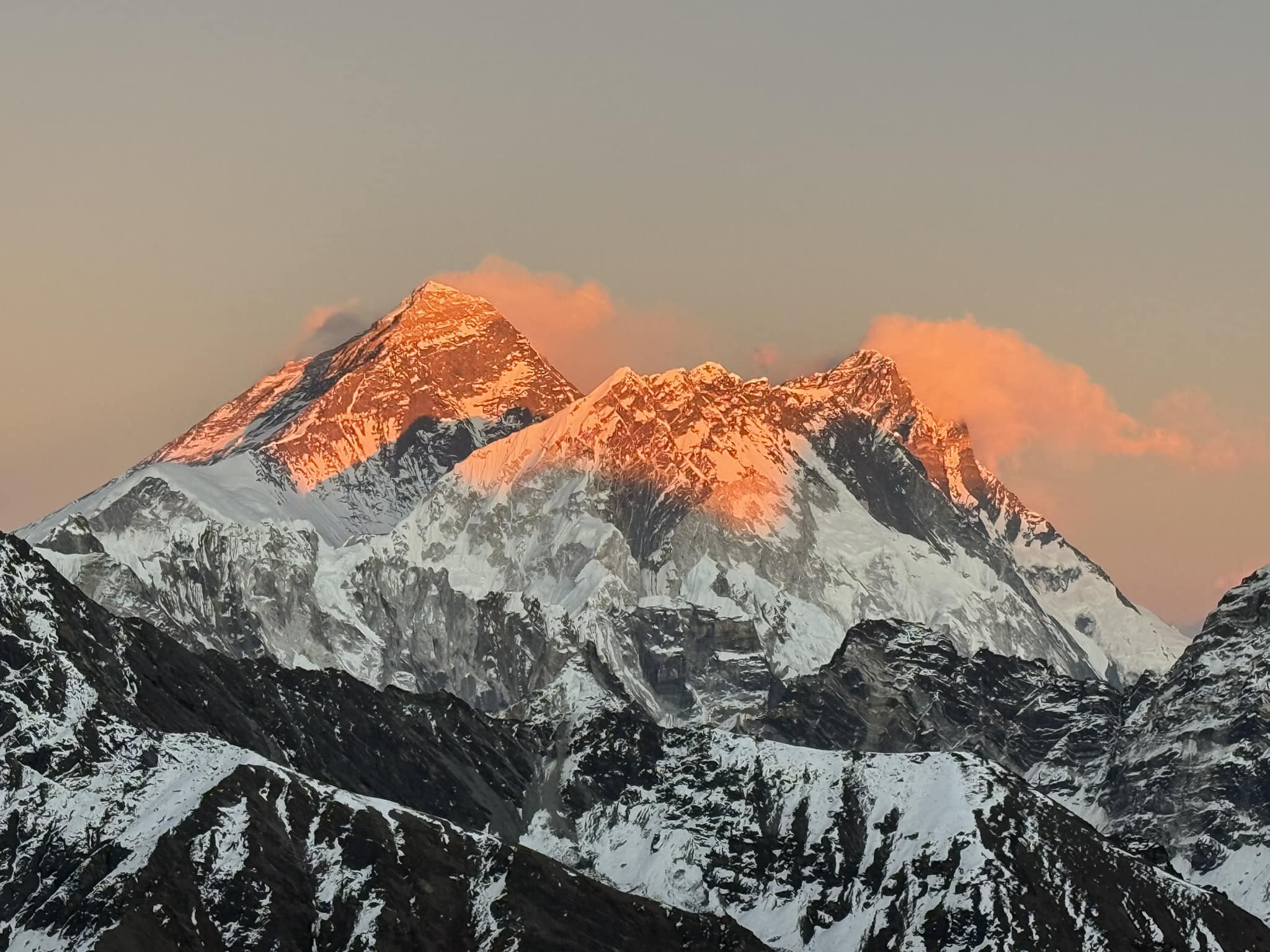
Every May 29, Nepal stops to honor the moment that changed exploration forever. In 1953, a beekeeper from New Zealand and a Sherpa mountaineer from the Khumbu Valley stood atop the highest point on Earth, and the world was never quite the same. International Everest Day is how Nepal keeps that moment alive. But it’s far more than a historical commemoration. It’s a celebration of Sherpa resilience, Himalayan culture, ongoing mountaineering achievement, and the mountain that has defined Nepal’s identity on the global stage.
What Is International Everest Day — and Why May 29?
International Everest Day is an annual national celebration observed in Nepal on May 29, the date Sir Edmund Hillary and Tenzing Norgay Sherpa completed the first confirmed summit of Mount Everest in 1953. The Government of Nepal officially established the holiday in 2008, following the death of Sir Edmund Hillary in January of that year.
The choice of date is deliberate and precise. At approximately 11:30 AM on May 29, 1953, Hillary and Tenzing stood at 8,848.86 metres above sea level, the highest any human being had ever stood. Their achievement capped years of failed attempts, tragic losses, and extraordinary logistical effort. Declaring that date a national celebration was Nepal’s way of asserting what the world already understood: that Everest belongs as much to Nepal’s story as it does to mountaineering history.
Today, the day is marked by award ceremonies, cultural programs, mountaineering reunions, documentary screenings, and environmental awareness campaigns, particularly in Kathmandu, Namche Bazaar, and the broader Khumbu region.
The Mountain Before the First Summit: A Brief History of Everest Exploration
A Peak the World Couldn’t Ignore
Mount Everest — known as Sagarmatha (“Forehead of the Sky”) in Nepali and Chomolungma (“Goddess Mother of the World”) in Tibetan, had been sacred to Himalayan communities for centuries before Western surveyors formally identified it. The mountain was named after Sir George Everest, a British surveyor-general of India, following the Great Trigonometrical Survey of the 19th century. Local names, however, carry deeper meaning, and both remain widely used today. (If you’re curious about the stories and meanings behind Himalayan peak names, from Everest to Annapurna, this guide to Himalayan mountain names and their meanings goes deep into the subject.)
The Long Road to the Summit
The story of Everest’s first summit is really the story of over three decades of failure, grief, and relentless persistence.
1921 — The First Look: A British reconnaissance expedition explored possible routes from Tibet, mapping glaciers and identifying potential approaches to the summit. Nobody climbed. The goal was simply to understand what they were dealing with.
1922 — Above 8,000 Metres for the First Time: The 1922 British expedition made the first serious summit attempt, notably becoming the first to use supplemental oxygen. Climbers broke through the 8,000-metre barrier for the first time in history. But an avalanche killed seven Sherpa climbers, a devastating reminder that ambition on Everest always comes at a price.
1924 — The Mystery That Endures: George Mallory and Andrew Irvine disappeared near the summit during the 1924 British expedition. To this day, the question of whether they reached the top before Hillary and Tenzing has never been definitively answered. Mallory’s body was found in 1999, but the mystery of what happened near the summit remains one of mountaineering’s great unsolved questions.
Despite numerous further attempts through the 1930s and 1950s, the summit held out. Every expedition built knowledge, and added names to a grim list.
May 29, 1953: What Actually Happened
The 1953 British expedition was meticulously planned and led by Colonel John Hunt. It was the ninth serious attempt on Everest and benefited from accumulated knowledge, better equipment, and crucially, experienced Sherpa mountaineers who had been involved in several previous expeditions.
The summit pair, Edmund Hillary and Tenzing Norgay, were selected after an initial attempt by Tom Bourdillon and Charles Evans came agonizingly close but turned back just 300 metres below the top due to oxygen issues.
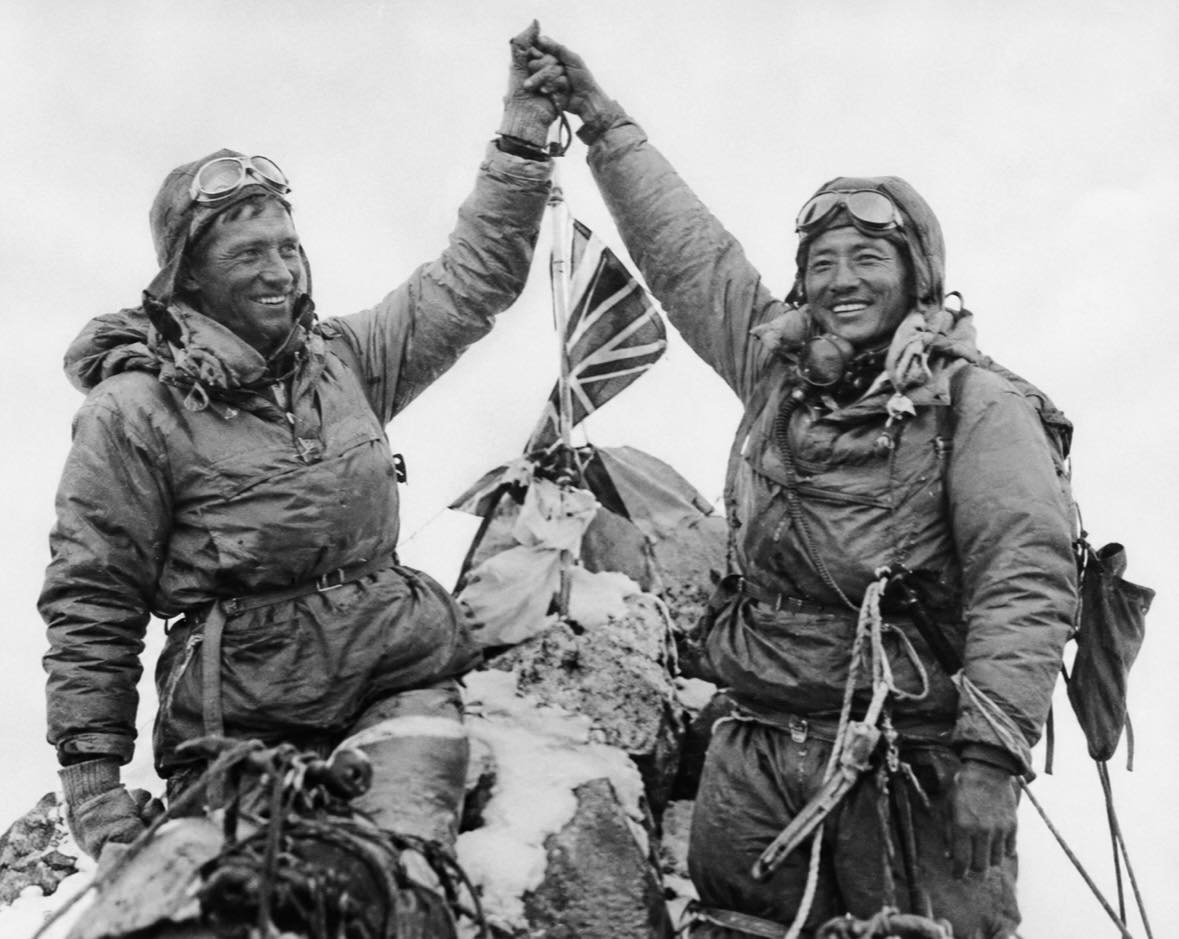
Hillary and Tenzing set out from their high camp — Camp IX, at around 8,500 metres, before dawn. They navigated a near-vertical rock face just below the summit, a section later named the Hillary Step in Edmund Hillary’s honour. At approximately 11:30 AM, they stood on the summit.
They spent roughly 15 minutes there. Tenzing placed sweets and food offerings in the snow as a Buddhist gesture of reverence. Hillary took photographs. They found no evidence that anyone had been there before them.
Their descent was successful. News of the summit reached Britain on June 2, 1953, the morning of Queen Elizabeth II’s coronation, and became one of the defining news stories of the decade.
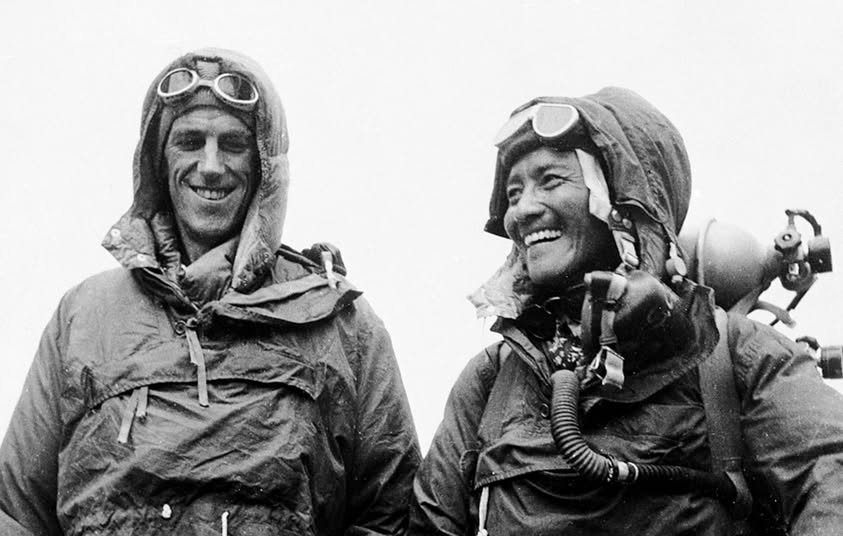
Who Were Hillary and Tenzing?
Sir Edmund Hillary (1919–2008)
Edmund Hillary was born in Auckland, New Zealand, and worked as a beekeeper before the war. He served in the Royal New Zealand Air Force during World War II and came to mountaineering through the Southern Alps. By the time of the 1953 expedition, he had established himself as one of the strongest climbers in the group.
After Everest, Hillary spent much of his life in Nepal, not as a climber, but as a humanitarian. Through the Himalayan Trust, which he founded in 1960, he helped build schools, hospitals, and airstrips in the Khumbu region. The Khunde Hospital, the Khumjung School, and dozens of other institutions exist today because of his efforts. He described this work as far more meaningful to him than standing on Everest. He was knighted by Queen Elizabeth II shortly after the climb.
Hillary died in January 2008. Nepal observed a period of mourning. It was that loss, the death of the man who had given so much to Nepal, that prompted the government to declare May 29 as International Everest Day.
Tenzing Norgay Sherpa (1914–1986)
Tenzing Norgay’s life before Everest was itself a remarkable story. Born in the Himalayan region, sources debate whether in Nepal or Tibet, he came to climbing through the Sherpa tradition of high-altitude work. He had been involved in multiple previous Everest expeditions and summited multiple peaks before 1953. He was, by any measure, one of the most experienced Himalayan climbers alive at the time.
After the summit, Tenzing became a national hero in both Nepal and India. He helped establish the Himalayan Mountaineering Institute in Darjeeling, where he trained generations of mountaineers. He passed away in 1986, but his name endures, in Nepal’s mountaineering institutions, in the naming of routes, and in every Sherpa who has followed in his footsteps.
A note that often gets lost: when the world asked who stepped onto the summit first, both men refused to say. They had agreed beforehand it would be a team achievement. That choice says something important about both of them.
The Sherpa Community: The Real Backbone of Everest
No honest account of Everest history is complete without a full reckoning of the Sherpa contribution, not as supporting cast, but as central figures.
The Sherpa people are an ethnic group originating in the high-altitude regions of eastern Nepal, particularly the Khumbu valley. Their physiology, developed over generations at altitude, gives them a genuine advantage at extreme elevation, including more efficient oxygen use and greater red blood cell production. But their expertise goes far beyond biology.
For decades, Sherpas have been responsible for the most dangerous work on the mountain:
- Icefall Doctors (a rotating team of specialist Sherpas) fix ropes and install ladders through the Khumbu Icefall before the season begins, one of the most hazardous jobs in the world
- High-altitude Sherpas carry loads to establish camps at 7,000+ metres, often making multiple rotations
- Summit Sherpas accompany and often guide clients through the Death Zone
- Rescue operations on the mountain are overwhelmingly led by Sherpas
The Himalayan Database, the authoritative record of Everest climbing history, shows that as of late 2025, Sherpas have now completed more cumulative Everest summits than all other nationalities combined. Since 1953, Sherpas have made over 6,700 successful ascents compared to approximately 6,300 by all other climbers. That gap grows wider every season.
For Sherpas, Everest is also deeply sacred. Before any expedition begins, climbers and Sherpas participate in a Puja ceremony, a Buddhist ritual blessing that asks the mountain gods for protection and safe passage. Prayer flags are raised, offerings are burned, and the mountain is addressed with reverence. For most Sherpas, Chomolungma is not a trophy. It is a spiritual presence that demands respect.
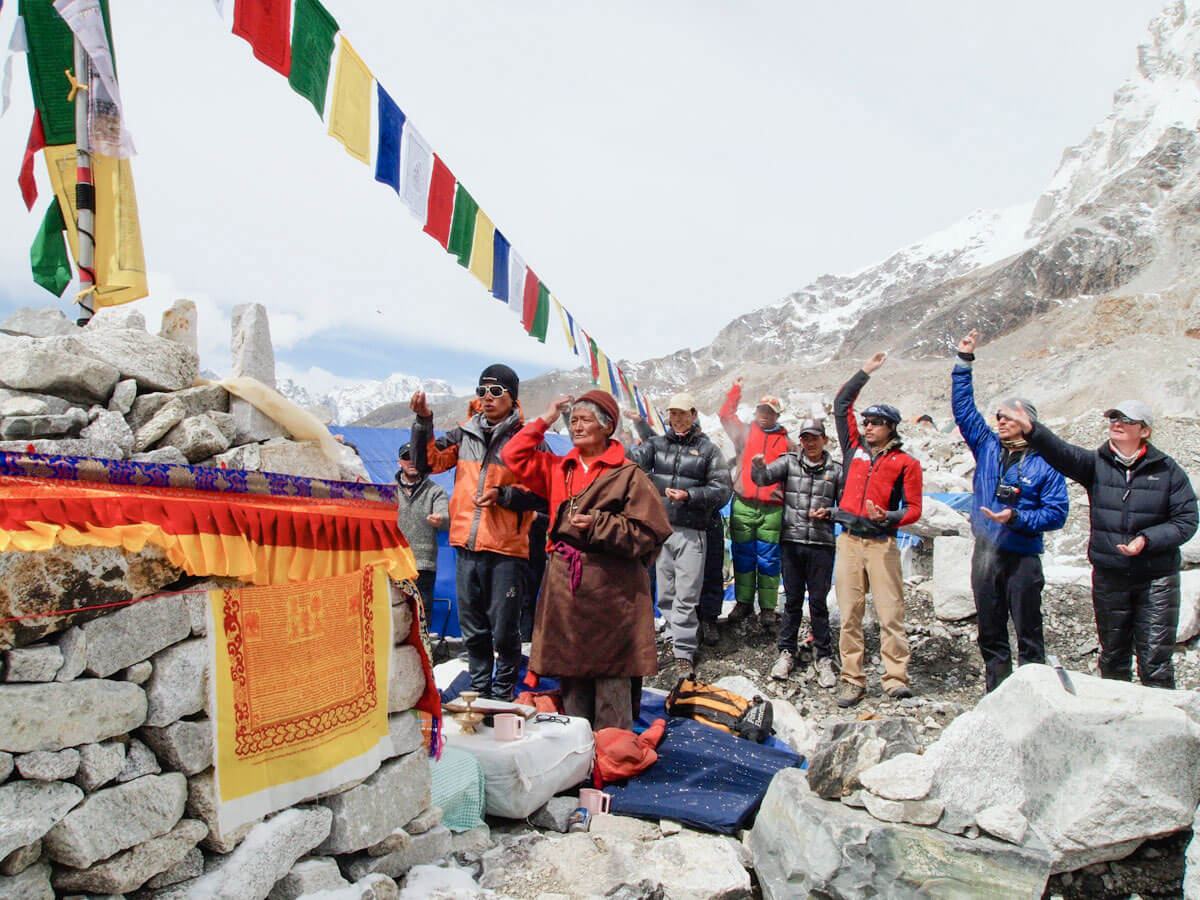
The Sherpa community has also paid the heaviest price. The deaths of Sherpa workers, in avalanches, falls, and altitude-related illness, account for a disproportionate share of Everest’s total fatalities. The 2014 Khumbu Icefall disaster, which killed 16 Sherpas, briefly brought this long-standing injustice into international focus. Calls for better pay, insurance, and working conditions have grown louder in recent years.
Everest in 2025: A Season of Records and Questions
The 2025 spring climbing season was one of the most consequential in recent memory.
A near-record summit count: According to the Himalayan Database, approximately 851 climbers reached the summit during the 2025 spring season, 731 from the Nepal side and 120 from Tibet, making it the third-busiest Everest season on record, behind only 2019.
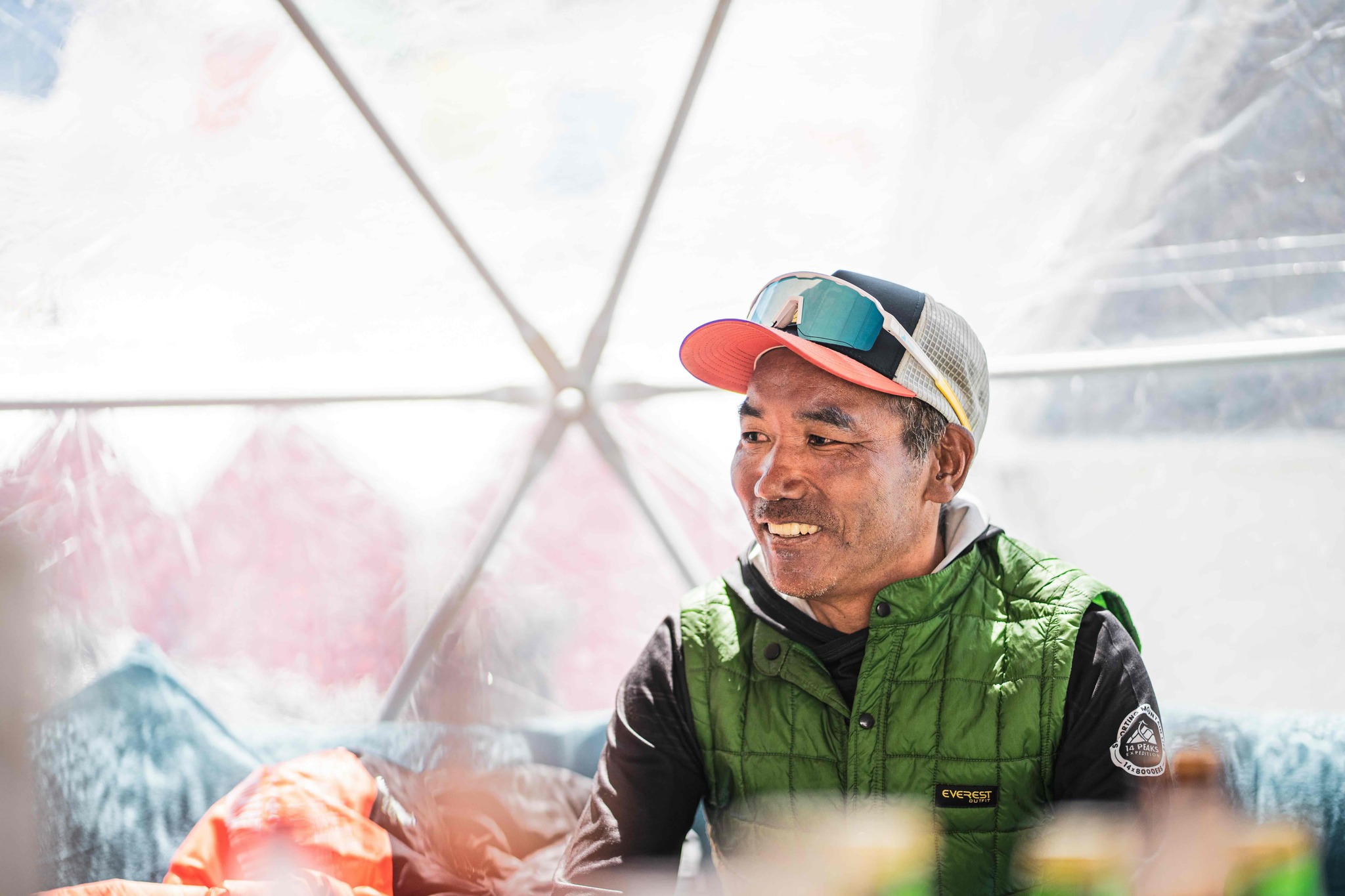
Kami Rita Sherpa: 31 summits and counting: On May 27, 2025, the legendary Sherpa guide Kami Rita Sherpa reached the Everest summit for the 31st time, extending his own world record. At 55 years old, he guided a 22-member Indian Army team to the top via the Southeast Ridge. His first summit was in 1994 at age 24. No other person in history has climbed Everest as many times.
Record permit numbers: Nepal issued approximately 468 climbing permits for the 2025 season, near the all-time record of 479 set in 2023. The permit fee was raised from $11,000 to $15,000 (a 36% increase) starting in autumn 2025, a measure intended to fund conservation and improve safety infrastructure.
Improved safety despite record traffic: Despite the numbers, only five fatalities were recorded on the Nepalese side, well below the historical average of seven per year since 2010, and dramatically fewer than the 18 deaths recorded in 2023. No deaths were reported from the Tibet side. The improved safety figures suggest that better logistics, experience, and support systems are making a measurable difference, though Everest remains unforgiving.
Controversy over helicopter evacuations: The season also saw growing debate about the normalization of helicopter rescues. Critics, including veteran mountaineers Ed Viesturs and Conrad Anker, raised concerns that some climbers were faking illness to be evacuated rather than descending under their own power. “A climb is only complete when a climber returns to base camp on foot, barring a legitimate emergency,” is the traditional standard. That standard, many argued, was being eroded.
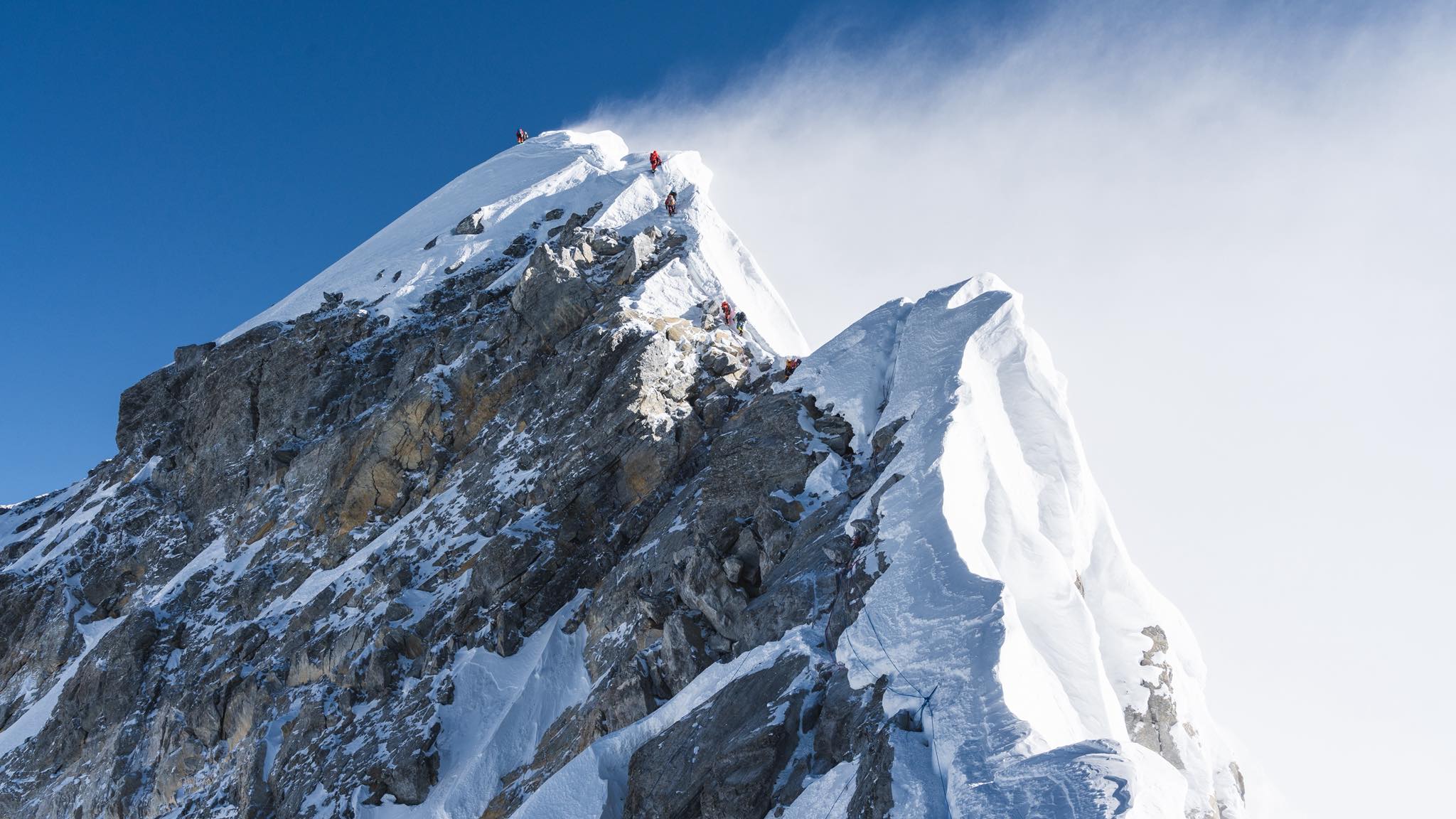
Everest in 2026: History Being Written Right Now
The 2026 season has already produced extraordinary stories, some of which broke just days before this year’s International Everest Day.
A record that may stand for decades: On May 17, 2026, Kami Rita Sherpa, now 56, completed his 32nd summit of Mount Everest, once again extending his own world record. Leading a team with Seven Summit Treks, his ascent drew immediate celebration in Nepal, preparations were underway for a grand welcome in Kathmandu even as he was still descending.
The most permits ever issued: Nepal issued 492 climbing permits for Everest in the 2026 spring season, the highest total in the mountain’s history. With the Tibet (north) side closed to international teams by the China-Tibet Mountaineering Association this season, all traffic is concentrated on the Nepal side.
A historic ski descent: On May 19, 2026, Polish ski mountaineer Bartek Ziemski, 30, completed one of the most remarkable feats in modern Everest history. He summited Everest without supplemental oxygen or personal Sherpa support, then skied from the summit to Base Camp, making him only the second person in history to complete a ski descent of Everest, and the first to do so without bottled oxygen. He had achieved the same feat on neighbouring Lhotse just one week earlier, on May 12. Everest was the ninth 8,000-metre peak Ziemski has climbed and skied down without oxygen. He does not use social media or sponsorships, and lives out of a van. His achievement has been called one of the greatest feats of ski mountaineering ever accomplished.
North side closed: The China-Tibet Mountaineering Association confirmed that the north face of Everest, along with Cho Oyu and Shishapangma, remains closed to international teams for the 2026 season, continuing a pattern of Chinese restrictions that have significantly reduced traffic on that side since 2008.
Everest Records and Milestones: A Timeline of Human Achievement
| Year | Achievement |
| 1953 | First confirmed summit — Sir Edmund Hillary & Tenzing Norgay |
| 1975 | First woman to summit — Junko Tabei (Japan) |
| 1978 | First ascent without supplemental oxygen — Reinhold Messner & Peter Habeler |
| 1980 | First solo ascent without oxygen — Reinhold Messner |
| 1980 | First winter ascent — Krzysztof Wielicki & Leszek Cichy (Poland) |
| 1993 | First Nepali woman to summit — Pasang Lhamu Sherpa |
| 2010 | Jordan Romero became the youngest person to summit (age 13) |
| 2013 | Yuichiro Miura summited at age 80 — oldest person at the time |
| 2019 | Busiest season on record — 877 summits |
| 2023 | Record 18 deaths in a single season |
| 2025 | Kami Rita Sherpa’s 31st summit; 851 total summits (3rd busiest ever) |
| 2026 | Kami Rita Sherpa’s 32nd summit; Bartek Ziemski completes first no-O2 ski descent; 492 permits issued (all-time record) |
Most Summit of Mount Everest 2026
Mount Everest continues to witness historic achievements in 2026, with legendary climbers breaking summit records from both Nepal and international mountaineering communities. Nepali climber Kami Rita Sherpa Aka “Everest Man” extended his world record with 32 successful Everest summits, while Lhakpa Sherpa, Aka “Mountain Queen” reached the peak for her 11th time, extending her own world record for the most Everest summits by any female climber. These remarkable milestones highlight the endurance, experience, and growing legacy of Everest climbers on the world’s highest mountain.
The Environmental Crisis on Everest
Everest’s growing popularity has come with an environmental cost that Nepal can no longer ignore.
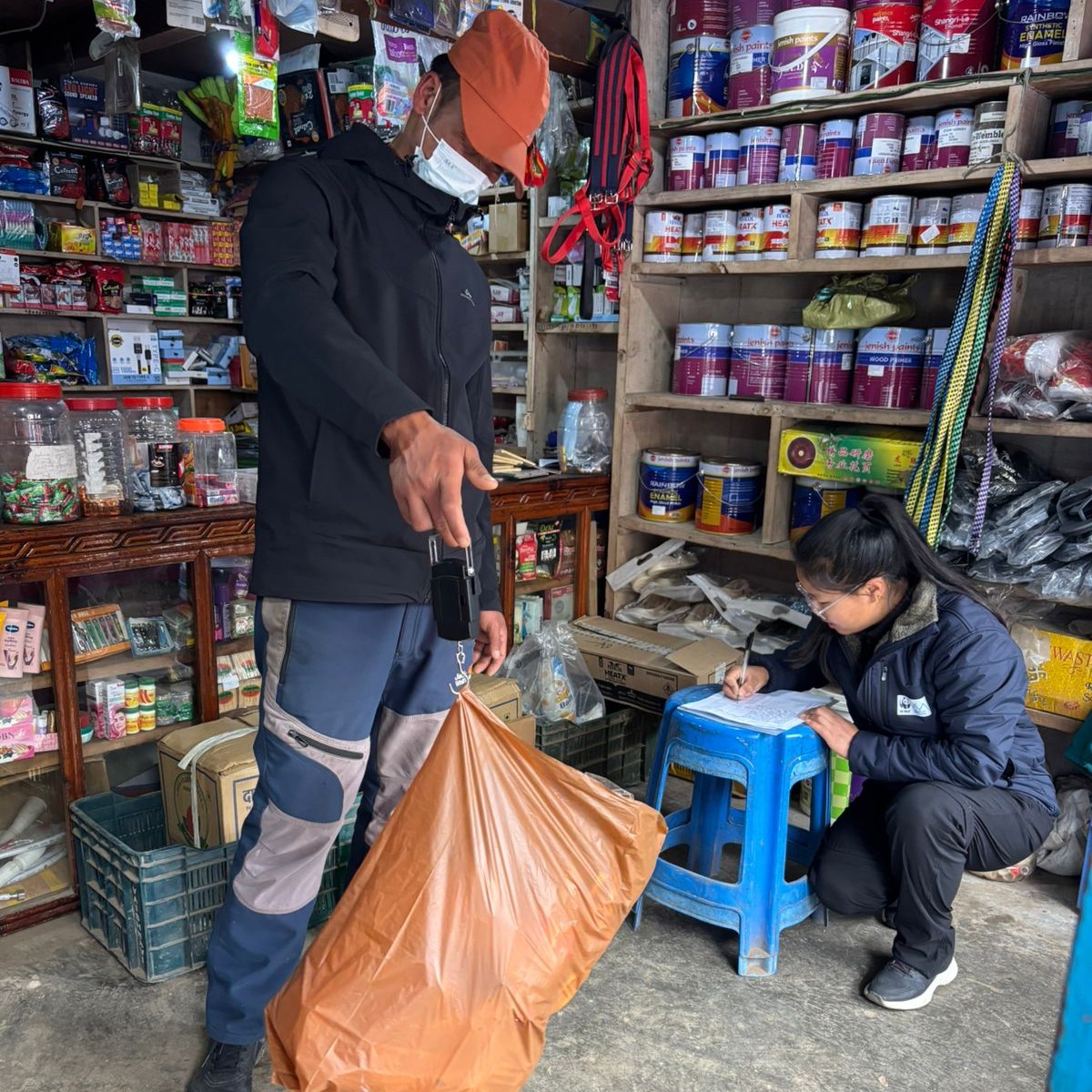
Each climbing season generates tonnes of waste: spent oxygen cylinders, food packaging, abandoned tents, rope, and human waste. High-altitude cold means decomposition is negligible, so rubbish accumulates, sometimes referred to darkly as the world’s highest rubbish dump.
Nepal has introduced a series of interventions: mandatory waste deposits (requiring climbers to bring back a set amount of rubbish), dedicated cleanup expeditions, and in 2026, new proposals to fund Sherpa-staffed waste checkpoints at Camp 2. Drones are also being trialled for removing rubbish from high camps without adding to Sherpa workloads.
The deeper issue is climate change. Glaciers throughout the Khumbu region are retreating measurably. The Khumbu Glacier, which climbers traverse through the Icefall every season, has thinned and destabilised, making the already-dangerous Icefall increasingly unpredictable. Scientists working in the region have documented accelerating ice melt, reduced snowpack, and more frequent high-altitude floods. What happens to Everest over the next 50 years will be written not in base camps but in carbon emissions.
How Nepal Celebrates International Everest Day
The celebrations take place at multiple levels.
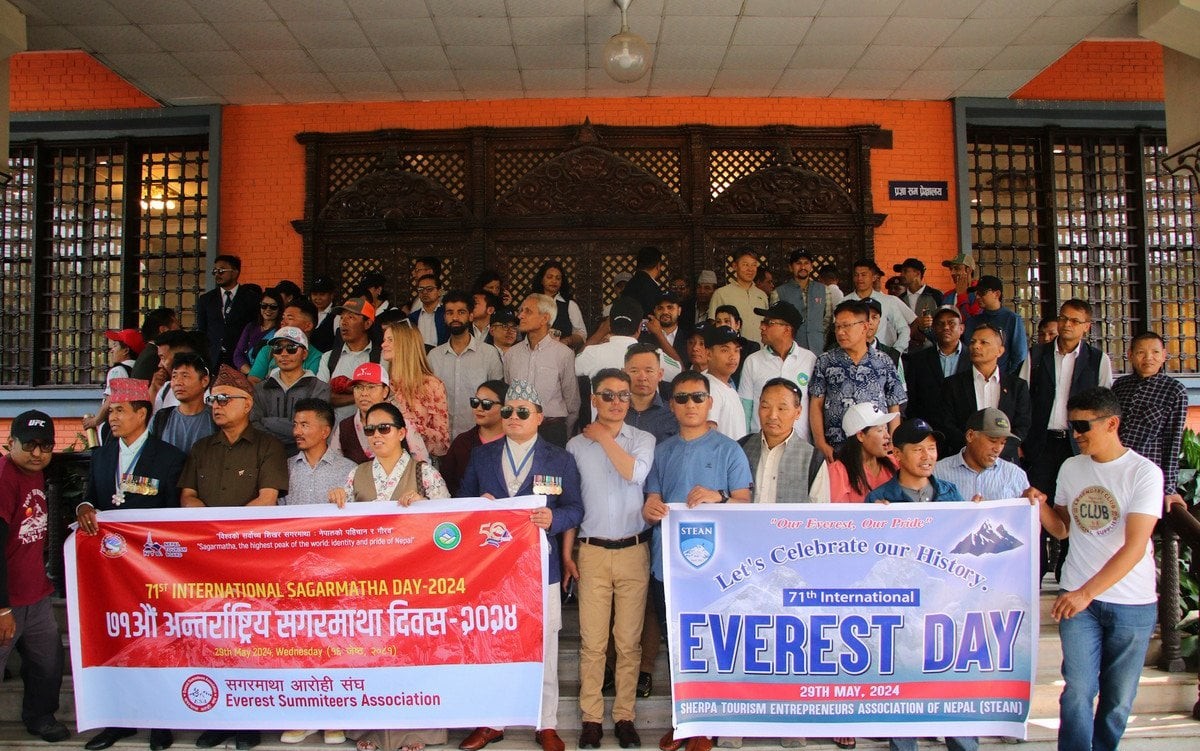
In Kathmandu, mountaineering associations and government tourism bodies organise formal ceremonies, recognition awards for Sherpa guides and expedition veterans, speeches from legendary climbers, Everest photography exhibitions, and tourism promotion events. The day draws officials from the Ministry of Tourism, senior mountaineers, and international delegates.
In the Khumbu region, around Namche Bazaar, Tengboche, and Everest Base Camp, celebrations are more community-focused. Traditional dances, Buddhist ceremonies, and local gatherings honour the mountain in a way that reflects how the Sherpa people actually relate to it: not as a conquest, but as a living presence in their cultural life.
For trekkers visiting during late May, International Everest Day can offer a genuinely moving experience, a chance to witness a culture honouring something that matters deeply to them, rather than simply consuming it as a backdrop for Instagram.
Visiting the Everest Region: What You Should Know
Everest Base Camp Trek
The Everest Base Camp (EBC) Trek remains one of the world’s great walks, not because it technically requires summiting anything, but because it immerses you in the Himalayan world in a way few experiences can match. The route from Lukla passes through Namche Bazaar (the commercial hub of Sherpa culture), Tengboche Monastery (one of the most atmospheric religious sites in Nepal), and up through high-altitude landscapes to Base Camp at 5,364 metres.
The trek typically takes 12–14 days return from Lukla. Timing your visit matters enormously, or the best time for the Everest Base Camp Trek is either pre-monsoon (March–May) or post-monsoon (September–November), each offering a very different experience on the trail. Going in late May specifically means you may encounter active expedition teams, summit-day weather drama, and the energy of Everest Day celebrations in the Khumbu villages.
Responsible Trekking
The environmental pressure on the Everest region is real. As a visitor, the most meaningful contributions you can make are:
- Choose trekking companies that pay fair wages and provide proper insurance for guides and porters
- Carry your own waste out; don’t rely on the assumption someone else will manage it
- Respect Sherpa cultural sites, monasteries, mani walls, and chortens are sacred, not photo props
- Buy locally: tea house stays, local guides, and Sherpa-owned lodges put money directly into communities
Sagarmatha National Park
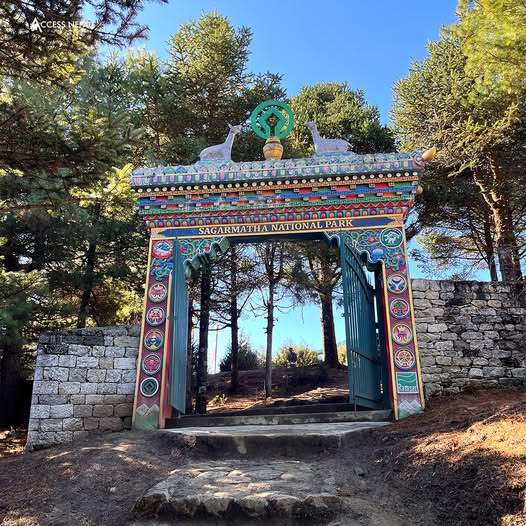
Mount Everest lies within Sagarmatha National Park, a UNESCO World Heritage Site established in 1976. The park encompasses some of the most dramatic high-altitude terrain on the planet, as well as a remarkable range of wildlife: snow leopards, Himalayan tahrs, musk deer, and the danphe (Himalayan monal), Nepal’s national bird. It is also home to dozens of Sherpa villages and cultural sites that predate the era of Western mountaineering by centuries.
The park’s dual identity, as both a world-class biodiversity zone and a living cultural landscape, is what makes it genuinely irreplaceable.
Why Everest Still Matters
There is something worth examining in the continued hold that Everest has on the human imagination. In an era of satellite mapping, drone photography, and climate data, the mountain holds no geographic secrets. Every route has been climbed multiple times. The summit has been reached by people as young as 13 and as old as 80.
And yet the mountain still commands reverence, and still kills.
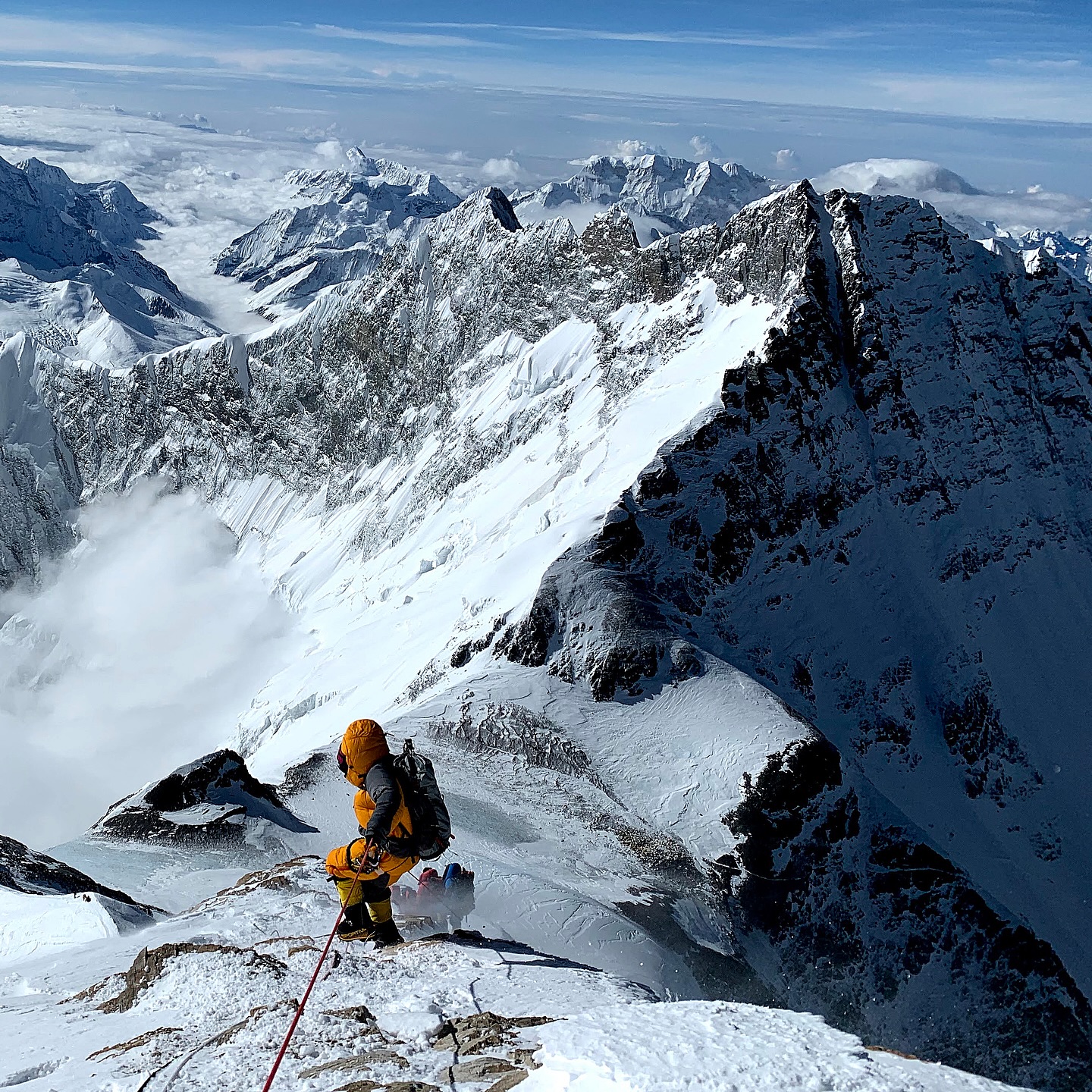
Part of that is the sheer physical reality of the Death Zone. Above 8,000 metres, the human body is in a state of slow deterioration. Even with supplemental oxygen and modern equipment, every climber who goes above Camp 4 is gambling with margins that leave no room for error. The mountain has claimed over 330 lives since 1953.
But Everest’s power is also cultural and symbolic. For Nepal, it is the foundation of a national identity and a tourism economy. For Sherpas, it is sacred ground that their ancestors called home long before anyone thought to climb it. For climbers, it remains, despite everything, the ultimate test. And for the rest of us, it stands as a reminder that there are still places on this planet that demand everything from those who approach them.
International Everest Day is, at its core, about honouring that. The mountain, the people it has shaped, and the ongoing human story unfolding on its slopes, season after season, record after record, tragedy after triumph.
Frequently Asked Questions
When is International Everest Day? Every year on May 29, the date of the first confirmed Everest summit in 1953.
Why did Nepal declare International Everest Day? The Government of Nepal established the holiday in 2008 following the death of Sir Edmund Hillary, to honour both his legacy and Nepal’s deep connection to Everest.
Who first climbed Mount Everest? Sir Edmund Hillary of New Zealand and Tenzing Norgay Sherpa of Nepal, on May 29, 1953, as part of the British Everest Expedition led by Colonel John Hunt.
What is the current record for most Everest summits? Kami Rita Sherpa holds the record with 32 summits, the most recent completed on May 17, 2026.
Who holds the most recent historic achievement on Everest? Polish ski mountaineer Bartek Ziemski completed the first no-oxygen ski descent of Everest on May 19, 2026, skiing from the summit to Base Camp without supplemental oxygen or Sherpa support, just one week after doing the same on neighbouring Lhotse.
How high is Mount Everest? 8,848.86 metres (29,031.7 feet), as officially measured following a 2020 Nepal-China joint survey.
What is the Everest Base Camp Trek? A multi-day trekking route (typically 12–14 days return from Lukla) that takes walkers through Sherpa villages, Buddhist monasteries, and high Himalayan terrain to the foot of Everest at 5,364 metres. See full Everest Base Camp Trek itinerary and costs for detailed planning information.
What does Sagarmatha mean? It is the Nepali name for Everest, meaning “Forehead of the Sky.”
What is a Puja ceremony? A Buddhist blessing ritual performed at Base Camp before expeditions begin, asking the mountain gods for protection and safe passage. It is an important cultural tradition for Sherpa climbers.
How much does it cost to climb Everest? As of 2025, Nepal charges a climbing permit fee of $15,000 per person, up from $11,000 previously. Total expedition costs typically range from $30,000 to over $100,000 depending on the level of support.
“Mount Everest stands at the intersection of the extraordinary and the everyday for Nepal. On May 29, that intersection becomes visible to the world.”