Best Time for Everest Base Camp Trek: Weather, Seasons & Tips
October 7, 2025 Lhasso Adventure
Choosing the best time for Everest Base Camp Trek is one of the most important decisions before your Himalayan journey. Seasonal changes affect weather, trail conditions, flight reliability, and overall trekking experience. Trekking in the right season ensures safe trails, clear mountain views, and a memorable adventure. This season-by-season guide to the best time for Everest Base Camp Trek will help you plan your itinerary, acclimatization, and permits for a safe and unforgettable journey.
Everest Base Camp lies at an altitude of 5,364 meters (17,598 ft), where even small weather changes can strongly impact trekking conditions. This season-by-season guide explains when to trek, considering weather, crowds, and your experience level. Planning with the right itinerary, acclimatization days, and permits will further enhance your adventure.
What Is the Best Time for Everest Base Camp Trek?
The best seasons to trek to Everest Base Camp are:
- Spring (March–May): Mild temperatures, blooming rhododendrons, stable weather
- Autumn (September–November): Clear skies, crisp air, and the best mountain views
These two seasons offer the most reliable weather, excellent visibility, and comfortable trekking conditions. Winter (December–February) and monsoon (June–August) are possible but suitable mainly for experienced or adventure-focused trekkers.
- Compared to winter and monsoon, spring and autumn offer significantly better weather stability, safer trails, and more reliable Lukla flights for the Everest Base Camp Trek.
Why Timing Matters for the Everest Base Camp Trek
Timing is one of the most critical factors in planning your EBC trek. Here’s why:
1. Weather Conditions
The Himalayan weather is unpredictable. Depending on the season, you may encounter snow, rain, or clear skies. Spring and autumn usually provide stable weather, while winter brings snow and monsoon season brings heavy rainfall.
2. Trail Accessibility
Landslides and blocked trails are common during the monsoon. Snow in winter can make certain sections dangerous or even inaccessible. Planning your trek during the right season ensures safer and more reliable trails.
3. Crowds and Experience
Peak trekking seasons (spring and autumn) bring the most trekkers, which can mean busy trails and crowded teahouses. Off-season trekking offers solitude but comes with challenging weather conditions.
4. Altitude Acclimatization
The timing of your trek affects how easily your body acclimatizes. Cooler months may require more careful planning to avoid altitude sickness, while clear skies improve visibility and trekking comfort.
5. Photography Opportunities
Clear skies and seasonal landscapes make a huge difference for photography enthusiasts. Snow-capped peaks in winter, blooming rhododendrons in spring, and crisp autumn views provide perfect photo opportunities.
Pro Tip: Proper timing is not just about comfort—it significantly affects safety, enjoyment, and the quality of your adventure photos.
Everest Base Camp Weather Overview
Understanding the Everest Base Camp weather is essential for planning your trek, as conditions vary significantly with altitude and season. Choosing the best time for Everest Base Camp Trek ensures safer trails, better visibility, and a more enjoyable trekking experience.
| Altitude | Weather & Temperature | Trail Conditions | Visibility |
|---|---|---|---|
| Lukla, Namche Bazaar | Mild days, cold nights | Mostly dry in peak seasons | Best in spring & autumn |
| Dingboche, Gorak Shep, Kala Patthar | Freezing nights year-round | Icy in winter, muddy in monsoon | Moderate in winter, poor during monsoon |
- Spring (March–May) and autumn (September–November) are the best time for Everest Base Camp Trek, offering stable weather, dry trails, and the clearest mountain views. Winter and monsoon treks are possible but come with icy or muddy trails and limited visibility.
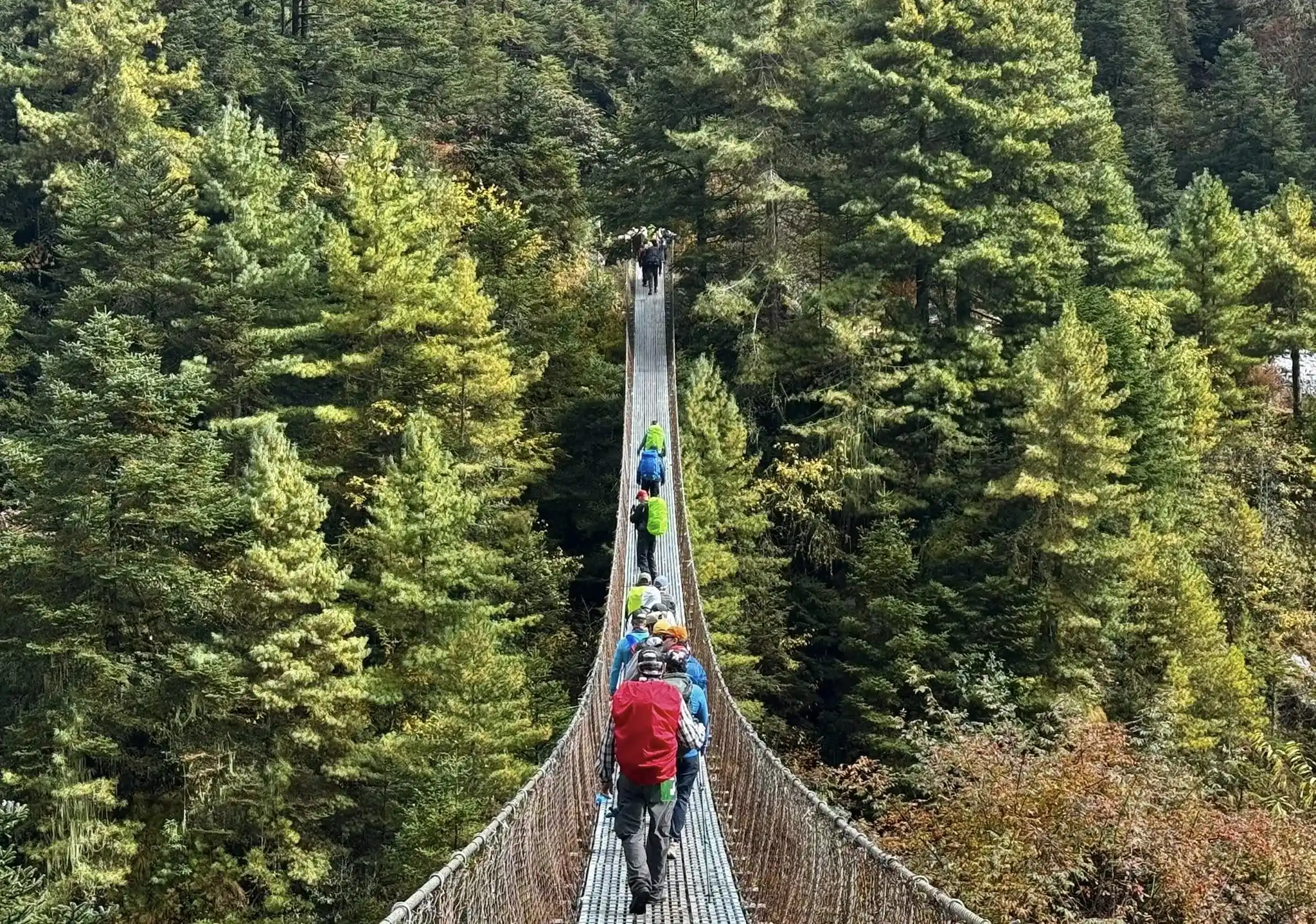
Best Time for Everest Base Camp Trek: Month-by-Month Weather Breakdown
Planning your trek to Everest Base Camp requires a clear understanding of how weather conditions change throughout the year. This month-by-month breakdown provides detailed insights into temperatures, trail conditions, crowd levels, and seasonal highlights. Whether you’re aiming for clear skies in spring, the festive atmosphere of autumn, or a quiet winter trek, this guide will help you choose the best time for your adventure (best time for Everest Base Camp Trek) while preparing for the unique challenges each month may bring.
Spring (March–May) Best Time for First-Time Trekkers
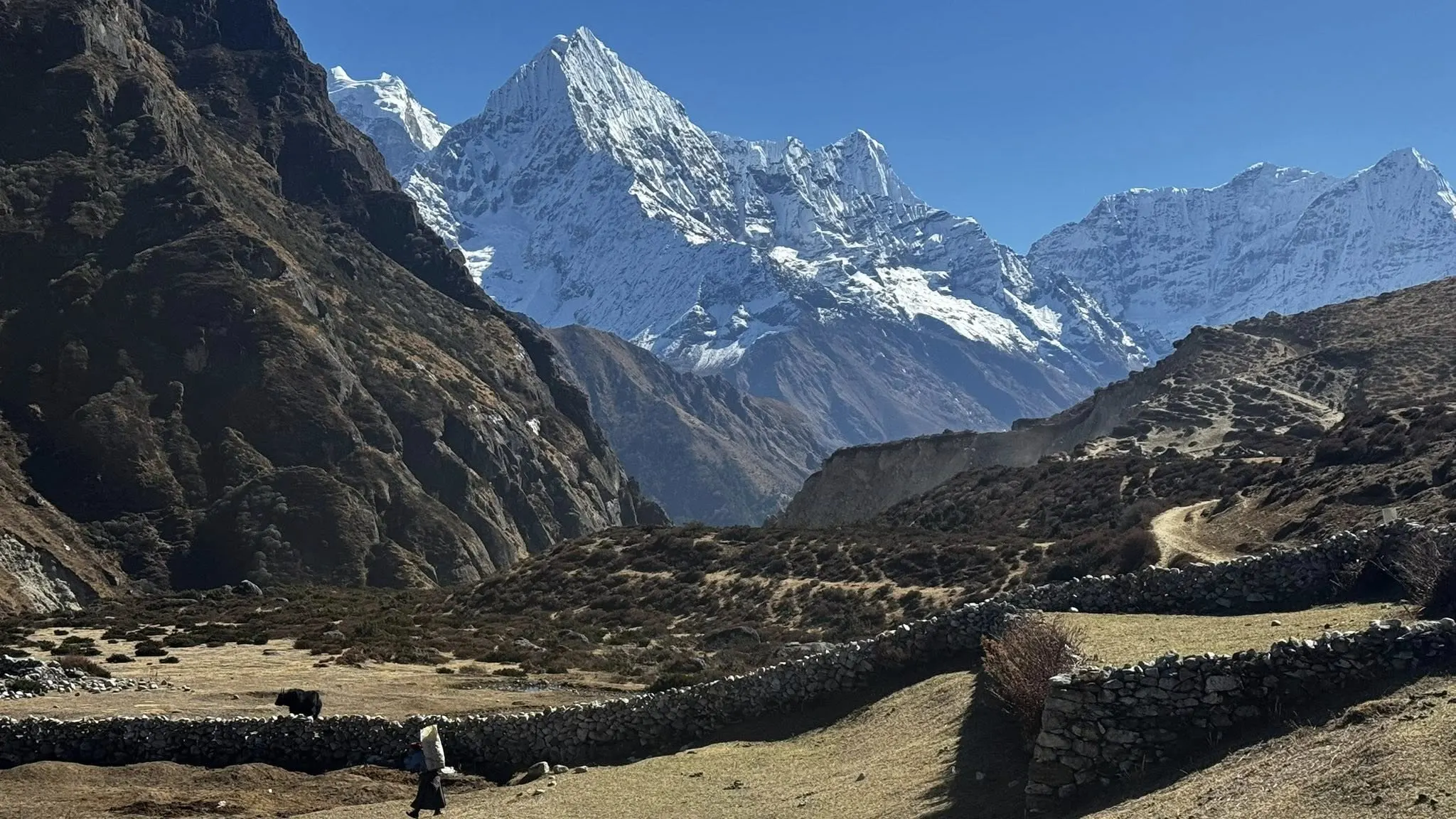
Spring is widely regarded as one of the best times to trek to Everest Base Camp, offering a balanced combination of mild temperatures, stable weather, and vibrant natural scenery. As winter snow begins to melt, the trails become safer and more comfortable, while the entire Everest region comes alive with blooming rhododendron forests and clear Himalayan views.
Weather & Temperature in Spring
During spring, daytime temperatures along the Everest Base Camp trail are generally pleasant, making long trekking days comfortable even at higher altitudes. Nights remain cold, especially above Dingboche, but conditions are manageable with proper layering.
-
Day temperature: 10°C to 15°C
-
Night temperature: –5°C to –10°C
-
Weather: Mostly dry with stable conditions
-
Daylight: Long trekking hours with consistent visibility
Why Trek to Everest Base Camp in Spring?
Spring is particularly popular among first-time trekkers and climbers attempting Everest expeditions. The season provides reliable flying conditions to Lukla and consistent weather patterns across the Khumbu region.
-
Forests filled with blooming rhododendrons and wildflowers
-
Clear mountain views of Everest, Lhotse, Nuptse, and Ama Dablam
-
Ideal acclimatization conditions due to moderate daytime temperatures
Spring also coincides with local celebrations in the Khumbu region, offering trekkers a glimpse of Sherpa culture and community life along the trails.
Pros of Spring Trekking
-
Mild temperatures suitable for most trekkers
-
Stable weather with minimal snowfall
-
Excellent season for photography and nature lovers
-
Ideal for first-time Everest Base Camp trekkers
Cons of Spring Trekking
-
Trails and teahouses become busy, especially in April.
-
Lukla flights sell out quickly.
-
Late May may experience light haze as the pre-monsoon approaches
Best for:
Spring is widely regarded as one of the best times for Everest Base Camp Trek, ideal for first-time trekkers, nature lovers, photographers, and those seeking a balance between comfort and classic Everest scenery.
Autumn (September–November) at Everest Base Camp: Clear Skies & Ideal Views
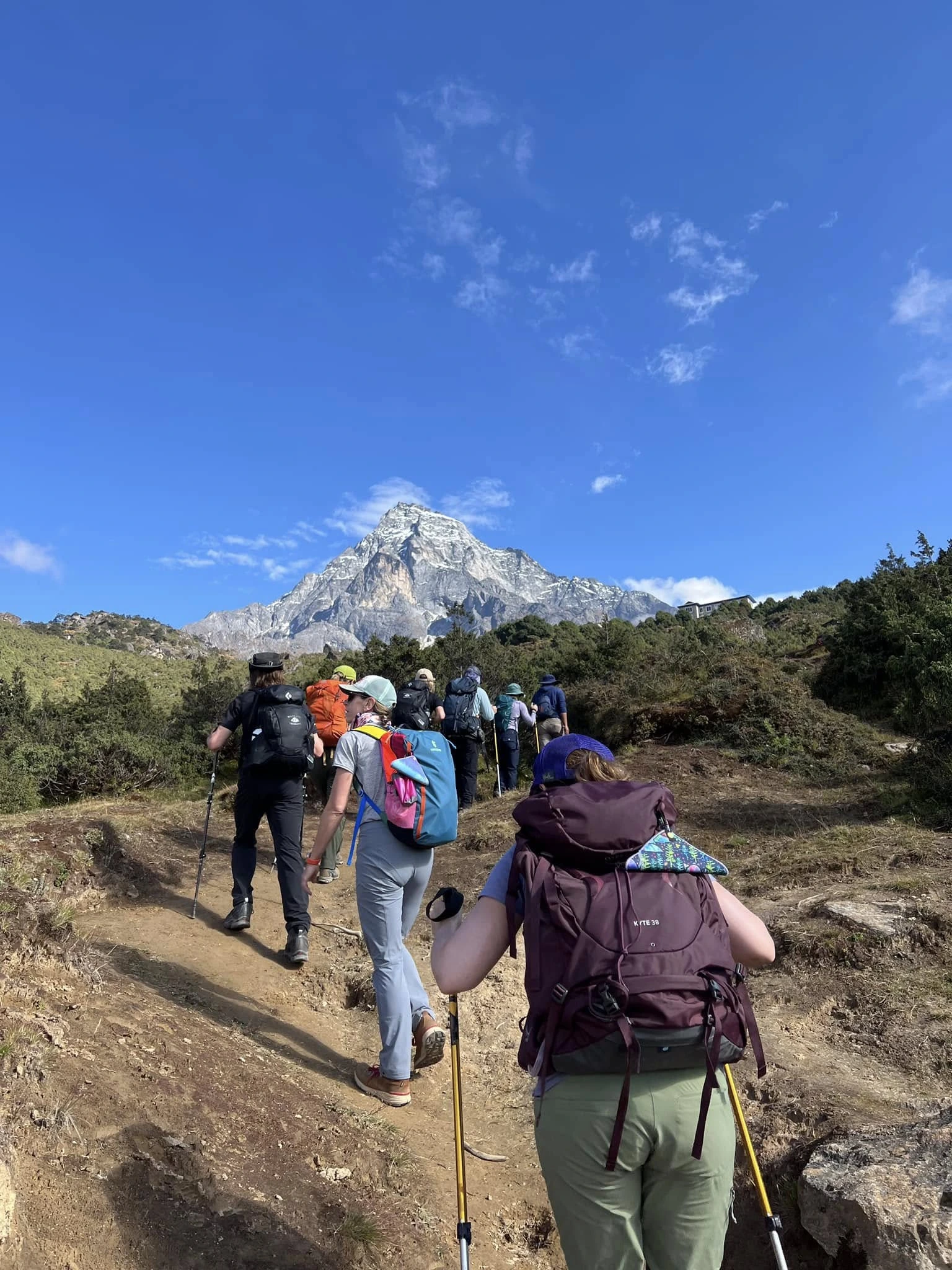
Autumn is widely considered the best season for the Everest Base Camp Trek, especially for trekkers who prioritize crystal-clear mountain views and dry trail conditions. After the monsoon rains wash away dust and haze, the Everest region experiences exceptional visibility, crisp air, and stable weather, making it the most reliable season for high-altitude trekking.
Weather & Temperature in Autumn
Autumn weather remains consistently stable throughout the trekking months, with comfortable daytime temperatures and cold but manageable nights at higher elevations. Rainfall is minimal, and trails stay dry and firm, reducing trekking risks.
-
Day temperature: 10°C to 12°C
-
Night temperature: –5°C to –10°C
-
Rainfall: Very low
-
Visibility: Excellent, especially in October and early November
Why Trek to Everest Base Camp in Autumn?
Autumn offers the most photogenic conditions of the year, making it a favorite among photographers, filmmakers, and serious trekkers. The season also coincides with Nepal’s major festivals, adding cultural depth to the trekking experience.
-
Crystal-clear views of Everest, Lhotse, Nuptse, and Ama Dablam
-
Dry, well-maintained trails with minimal snow
-
Cultural experiences during the Dashain and Tihar festivals
September–November (Autumn) coincides with Dashain and Tihar, Nepal’s largest festivals, offering trekkers a chance to experience Sherpa culture and traditional celebrations.
Pros of Autumn Trekking
-
Best mountain visibility of the entire year
-
Stable weather and reliable Lukla flights
-
Comfortable trekking temperatures during the day
-
Ideal for photography and panoramic viewpoints like Kala Patthar
Cons of Autumn Trekking
-
October is the busiest month on the trail.
-
Higher prices for flights and accommodation
-
Popular teahouses fill up quickly in peak weeks.
-
Late November brings significantly colder nights.
Best for:
Autumn is considered one of the best time for Everest Base Camp Trek, perfect for photographers, first-time trekkers, adventure seekers, and travelers looking for clear mountain views and cultural experiences.
Winter (December–February): Best Time for Solitude & Snowy Landscapes
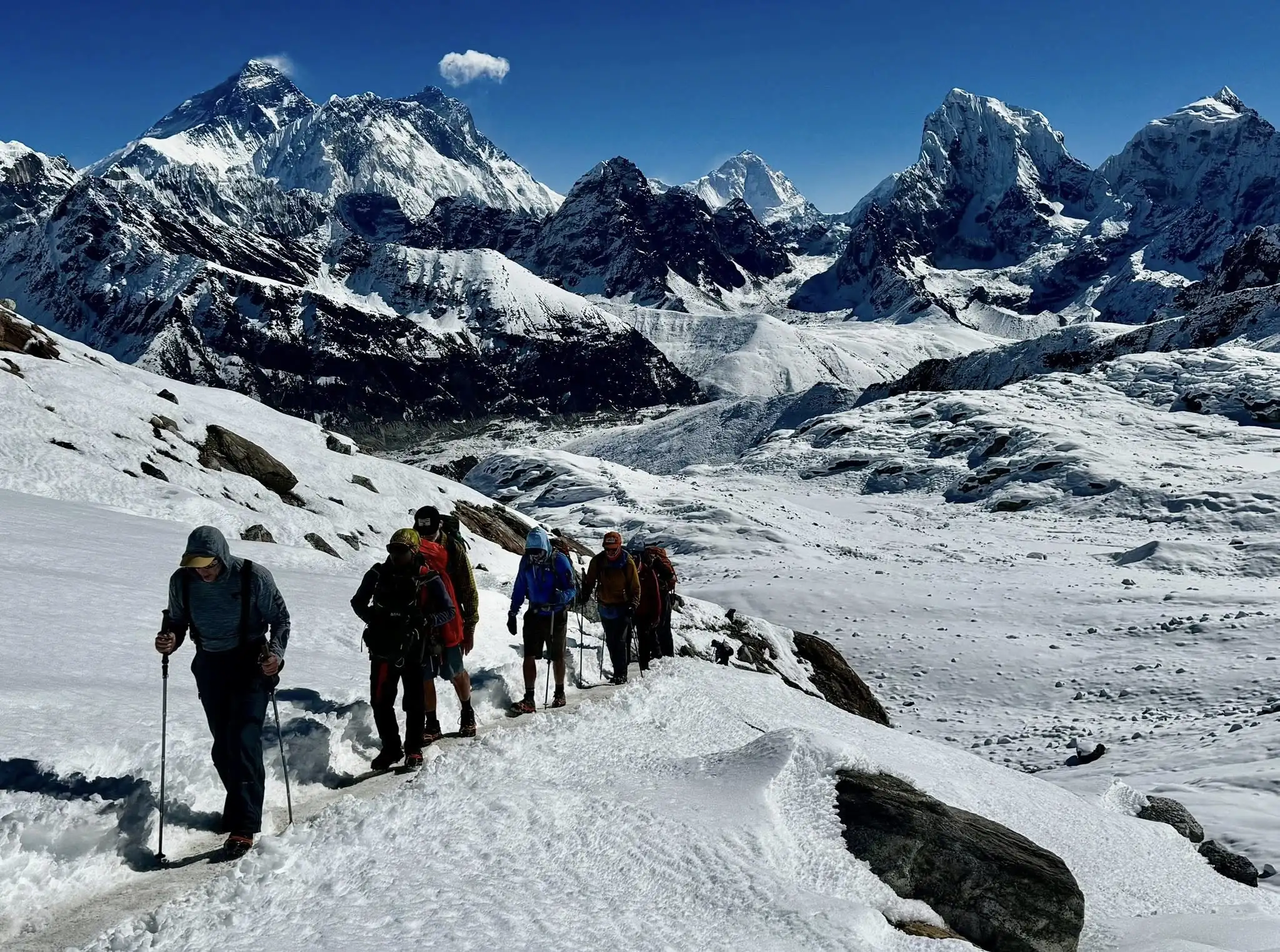
Winter is the quietest season for the Everest Base Camp Trek and is ideal for trekkers who value solitude, raw mountain scenery, and a more challenging adventure. While temperatures drop significantly at higher altitudes, the reward is uncrowded trails, crystal-clear skies, and dramatic snow-covered Himalayan landscapes.
Weather & Temperature in Winter
Winter conditions in the Everest region are cold but often surprisingly stable. Daytime skies are usually clear, while nighttime temperatures drop sharply, especially beyond Dingboche and Lobuche.
-
Day temperature: –5°C to 5°C
-
Night temperature: –15°C to –20°C
-
Snowfall: Likely above Tengboche and Dingboche
-
Visibility: Very good on clear days
Why Trek to Everest Base Camp in Winter?
For experienced trekkers, winter offers a rare opportunity to experience the Everest region in near isolation. With fewer flights, quieter teahouses, and peaceful trails, the trek feels more immersive and personal.
-
An extremely low number of trekkers on the trail
-
Clear winter skies with sharp mountain visibility
-
Unique snow-covered landscapes and frozen rivers
Pros of Winter Trekking
-
Peaceful trekking experience with minimal crowds
-
Excellent visibility on clear-weather days
-
Ideal for trekkers seeking solitude and adventure
-
Lower accommodation demand compared to peak seasons
Cons of Winter Trekking
-
Extremely cold nights at high altitude
-
Icy trails and possible snow blockages
-
Limited teahouse availability in remote villages
-
Requires proper winter gear and experience
Best for:
Winter is suitable for experienced trekkers and adventure seekers, making it a less ideal but possible best time for Everest Base Camp Trek, offering solitude, snow-covered landscapes, and dramatic Himalayan scenery.
Monsoon (June–August): Least Recommended but Lush & Adventurous
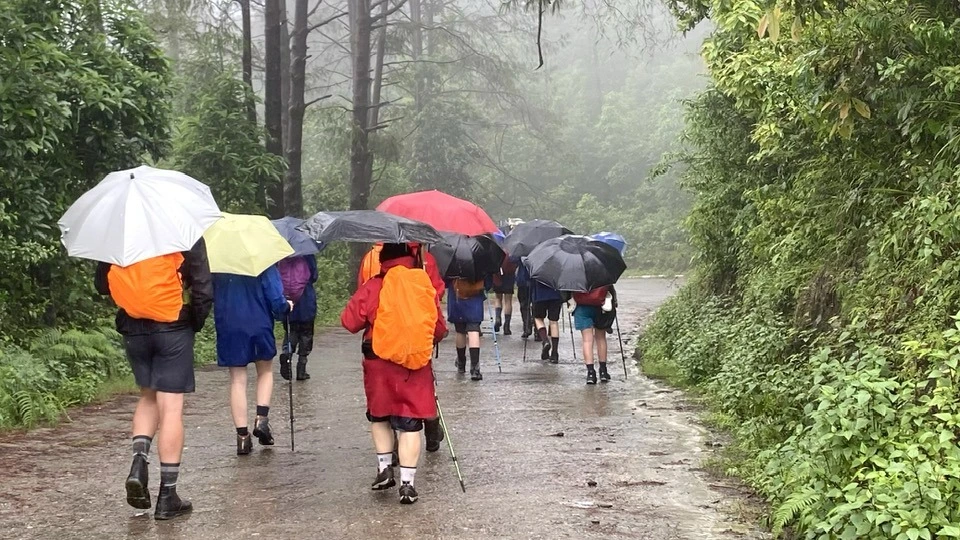
The monsoon season is the least popular time for the Everest Base Camp Trek due to heavy rainfall, cloud cover, and frequent flight delays. However, for adventurous trekkers willing to accept challenging conditions, the monsoon offers lush landscapes, fewer crowds, and a very different perspective of the Everest region.
Weather & Temperature in Monsoon
Monsoon brings warm temperatures and regular rainfall to the lower and mid-altitudes, while higher elevations remain colder and cloud-covered. Visibility is often limited, particularly in the afternoons.
-
Day temperature: 18°C to 22°C
-
Rainfall: Frequent, especially below Namche Bazaar
-
Trail conditions: Muddy and slippery
-
Visibility: Poor to moderate due to clouds
Why Trek Everest Base Camp in the monsoon?
Although not ideal for classic mountain views, monsoon trekking appeals to travelers who prefer greenery, quiet trails, and off-season travel.
-
Lush green valleys and dramatic waterfalls
-
Very few trekkers are on the trail.
-
Lower demand for accommodation and services
Pros of Monsoon Trekking
-
Quiet trails and peaceful teahouse stays.
-
Vibrant landscapes with fresh vegetation
-
Fewer crowds and a more flexible itinerary
-
Budget-friendly travel period
Cons of Monsoon Trekking
-
Frequent Lukla flight delays and cancellations
-
Limited mountain visibility due to clouds
-
Leeches at lower elevations
-
Wet, slippery trails increase trekking difficulty.
Best for:
The monsoon season is suitable for experienced and adventurous trekkers, providing lush landscapes and quiet trails, though it is not the best time for Everest Base Camp Trek due to heavy rainfall, slippery trails, and limited visibility.
Seasons Overview
Everest Base Camp trekking can be categorized into four main seasons: Spring, Summer (Monsoon), Autumn, and Winter. Each season has its unique characteristics, pros, and cons.
| Season | Months | Pros | Cons |
|---|---|---|---|
| Spring | March – May | Blooming rhododendrons, clear skies, moderate crowds | Slightly higher teahouse costs |
| Summer | June – August | Lush valleys, green landscapes early June | Heavy rainfall, landslides, mosquitoes |
| Autumn | September – November | Clear views, perfect trekking conditions | Peak crowds, higher costs |
| Winter | December – February | Solitude, snow-capped trails, stunning photography | Very cold, limited teahouse availability |
Best Month to Trek Everest Base Camp (Quick Guide)
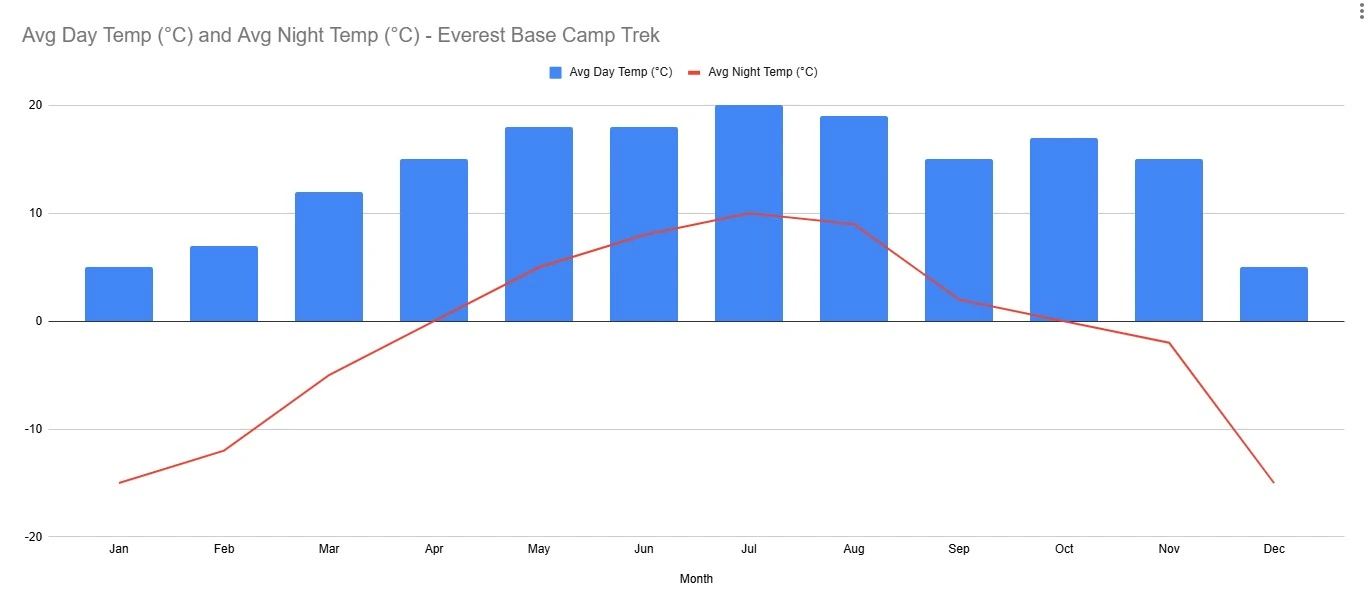
This quick guide highlights the best months to trek to Everest Base Camp, summarizing weather, visibility, crowd levels, and trail conditions. Use it to choose the ideal time for your adventure while planning for an optimal trekking experience and safety.
Here’s a detailed month-by-month guide to help you choose the best time for Everest Base Camp Trek.
| Month | Temp (°C) Day/Night | Trail | Visibility | Crowds |
|---|---|---|---|---|
| Jan | –5 / –15 | Snowy/Icy | Very good | Very low |
| Feb | 0 / –10 | Snowy/Icy | Good | Low |
| Mar–May | 10–20 / –5–5 | Dry/Firm | Excellent | High |
| Jun–Aug | 18–22 / 5–10 | Muddy | Poor | Very low |
| Sep–Nov | 8–18 / –8–10 | Dry/Firm | Excellent | High |
| Dec | –5 / –15 | Snowy/Icy | Very good | Very low |
When Is the Best Time for Everest Base Camp Trek?
The best time to trek to Everest Base Camp is during spring (March–May) and autumn (September–November). These seasons provide the perfect balance of weather stability, trail safety, and mountain visibility.
Trekking to Everest Base Camp (EBC) is a dream adventure, but the experience can vary greatly depending on the season. Understanding the month-by-month weather and conditions helps you plan your trek for safety, comfort, and breathtaking views. This guide provides detailed insights into temperatures, trail conditions, and key tips for each month, ensuring you make the most of your journey.
Month-by-Month Weather & Trekking Conditions
Understanding monthly weather patterns helps you choose the best trekking window for your needs.
January
January is the coldest month of the year, with temperatures at higher altitudes dropping below -20°C at night and only rising to around 5°C during the day. Snow and ice can make trails slippery and difficult to navigate. This month is best suited for experienced trekkers who are well-prepared for extreme cold.
Tips:
-
Carry high-quality insulated clothing and a sleeping bag rated for sub-zero temperatures.
-
Use trekking poles and gaiters to maintain stability on icy trails.
-
Confirm accommodation availability in advance, as some teahouses may be closed.
February
February remains cold, especially at night, but the days gradually start to get warmer. Trails are still challenging due to snow and ice, and altitude acclimatization is crucial. This month is quieter, offering solitude for seasoned trekkers.
Tips:
-
Layer your clothing to adapt to fluctuating temperatures.
-
Start early to maximize daylight trekking hours.
-
Ensure your guide or trekking agent has backup accommodations ready.
March
March marks the beginning of spring, with milder temperatures and blooming rhododendrons at lower altitudes. Snow may still be present in higher regions, but trekking conditions improve significantly. This is a great time for trekkers seeking a balance between favorable weather and lower crowd density.
Tips:
-
Carry layers for changing temperatures, from 5°C at night to 20°C during the day.
-
Stay hydrated and take acclimatization breaks.
-
Book flights and lodges in advance, as trekking activity starts picking up.
April
April is one of the best months to trek EBC, offering clear skies, moderate temperatures, and stunning mountain views. It is also the peak trekking season, so trails and lodges can be busy.
Tips:
-
Begin treks early in the morning to enjoy clear skies and avoid afternoon haze.
-
Pack lightweight layers and a fleece or down jacket for higher altitudes.
-
Make accommodation bookings well in advance to secure spots in popular villages like Namche Bazaar and Dingboche.
May
May continues the excellent trekking conditions of April but sees increasing crowds due to peak season. Weather remains favorable, with daytime temperatures reaching 20°C and cold nights around 5°C.
Tips:
-
Keep trekking essentials and layers ready for varying temperatures.
-
Use trekking poles for stability, especially on steep ascents.
-
Hydrate frequently and monitor altitude acclimatization closely.
June
June marks the start of the monsoon season, with heavy rainfall, muddy trails, and increased risk of landslides at lower altitudes. Trekking during this month is challenging and generally not recommended unless you are an experienced trekker.
Tips:
-
Carry waterproof clothing, boots, and backpack covers.
-
Trek in early mornings when the rainfall is lighter.
-
Consider rain-shadow regions like Upper Mustang for safer trekking.
July – August
July and August are peak monsoon months. Trails are extremely slippery, with rivers and waterfalls swelling from rainfall. Visibility is often limited, and the risk of landslides is high.
Tips:
-
Only attempt trekking with proper gear and experience.
-
Add buffer days to your itinerary to account for potential flight delays.
-
Embrace the solitude of less crowded trails while staying cautious of weather hazards.
September
September marks the end of the monsoon, with improving trail conditions and moderate temperatures. The weather becomes clearer, making it ideal for trekking.
Tips:
-
Begin treks early to enjoy crystal-clear mountain views.
-
Continue to carry layers for colder nights at higher altitudes.
-
Monitor trail conditions in lower regions, as mud may persist.
October
October is widely regarded as one of the best months to trek to Everest Base Camp, with clear skies, mild temperatures, and excellent visibility of Everest and surrounding peaks. Trails are well-maintained and safe for most trekkers.
Tips:
-
Pre-book accommodations, as this is a peak season.
-
Carry light layers for daytime warmth and insulated clothing for nights.
-
Take advantage of optimal photography conditions with unobstructed mountain views.
November
November remains favorable, with clear skies and fewer crowds than in October. Daytime temperatures are comfortable, and the trekking experience is more peaceful.
Tips:
-
Keep layers handy for higher altitudes where nights can be cold.
-
Start treks early to maximize daylight.
-
Enjoy quieter trails and a serene trekking experience.
December
December brings colder temperatures, especially at higher altitudes. Snow may appear on trails, and some teahouses may close. This month is suitable for experienced trekkers who enjoy solitude and snowy landscapes.
Tips:
-
Use high-quality winter gear, including insulated boots and a sub-zero sleeping bag.
-
Confirm lodging availability in advance.
-
Carry trekking poles for icy trail navigation.
While spring (March-May) and autumn (September-November) are considered the best time for Everest Base Camp trekking due to favorable weather, visibility, and trail conditions, each month has unique advantages and challenges. Proper preparation, gear, and planning ensure a safe and unforgettable trekking experience, regardless of the season you choose.
Choosing the Right Month for Your Trek
Selecting the best month depends on:
-
Experience Level: Beginners are better off in spring or autumn; experienced trekkers can manage winter or early monsoon.
-
Photography Priorities: April–May and September–October offer the clearest skies.
-
Budget: Off-season trekking may be cheaper but riskier.
-
Crowd Tolerance: If you want solitude, winter or early spring is ideal.
Checklist: Consider weather, altitude, crowd size, budget, and trekking difficulty before finalizing your month.
Travel Warnings & Health Tips for Everest Base Camp Trek
Trekking to Everest Base Camp (EBC) is an incredible adventure, but high-altitude trekking comes with unique challenges. Proper preparation and awareness can make your journey safer and more enjoyable. Here’s what every trekker should know:
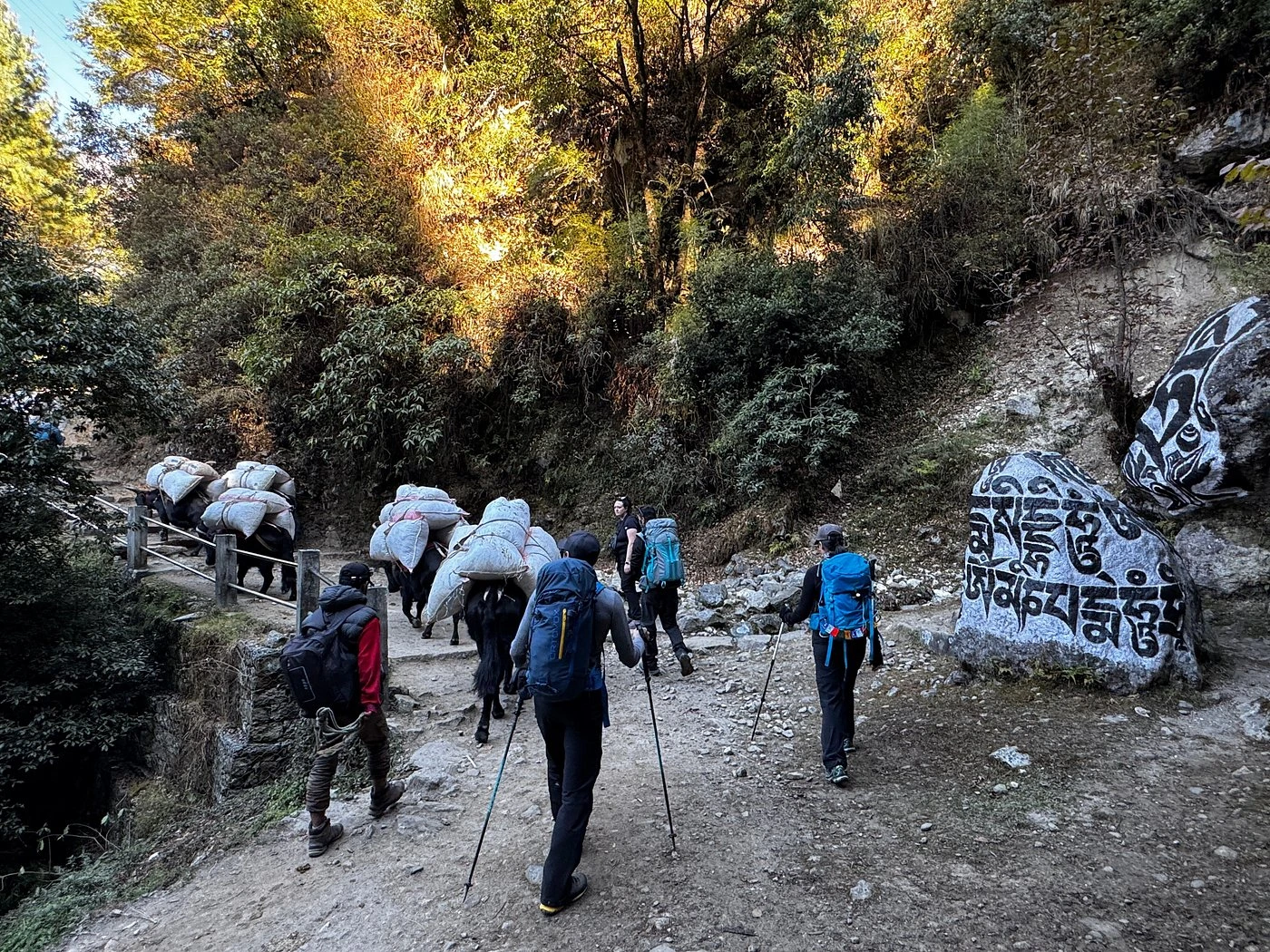
1. Altitude Sickness & Acclimatization
-
Why it matters: EBC sits at 5,364 meters (17,598 ft). Rapid ascent can cause Acute Mountain Sickness (AMS).
-
Tips:
-
Ascend gradually, follow the “climb high, sleep low” principle.
-
Take rest days in Namche Bazaar, Dingboche, and Gorak Shep.
-
Stay hydrated and avoid alcohol or overexertion.
-
Know the symptoms: headaches, nausea, dizziness, shortness of breath. Seek medical help if severe.
-
2. Weather & Trail Hazards
-
Weather changes rapidly at high altitudes; trails can be icy in winter, muddy in monsoon, or slippery after rainfall.
-
Tips:
-
Check local forecasts daily.
-
Wear sturdy trekking boots with good grip.
-
Use trekking poles for stability.
-
Layer clothing for warmth and sudden temperature drops.
-
3. Flight & Transportation Risks
-
Lukla flights are prone to delays or cancellations due to weather.
-
Tips:
-
Keep buffer days in your itinerary.
-
Always confirm flight schedules in advance.
-
Consider travel insurance that covers delays or evacuations.
-
4. Health & Safety Essentials
-
Gear: High-quality insulated clothing, sleeping bags rated for sub-zero temperatures, gloves, hats, sunglasses, and sunscreen.
-
First aid: Carry a basic medical kit with medications for headaches, altitude sickness, and digestive issues.
-
Emergency contacts: Note down local rescue numbers and inform your trekking agency of your plan.
5. Hygiene & Food Safety
-
Stick to bottled or boiled water; carry a water purification system.
-
Avoid raw vegetables or street food at high altitudes to prevent stomach issues.
6. Physical Fitness Preparation
-
EBC trekking is physically demanding. Prior cardio training, hiking, and endurance exercises improve safety and experience.
Following these travel warning and health tips ensure a safe and enjoyable experience when planning the best time for Everest Base Camp Trek.
Tips for Planning Your Everest Base Camp Trek
To ensure a safe and enjoyable journey, consider the best time for Everest Base Camp Trek when booking flights, lodges, and planning your acclimatization.
- Book flights and teahouses early in peak seasons
- Pack proper layers for cold nights at high altitude.
- Acclimatize gradually to prevent altitude sickness.
- Choose the season based on your trekking style.
- Travel insurance is strongly recommended.
- Learn how to acclimatize for high-altitude trekking before starting your EBC adventure.
Safety Tips & Health Considerations
-
Altitude Sickness Awareness:
-
Ascend gradually, rest, and drink plenty of water.
-
-
Acclimatization Schedules:
-
Plan rest days at Namche Bazaar or Dingboche.
-
-
Hydration and Diet:
-
Drink 3–4 liters of water daily; avoid alcohol.
-
-
Emergency Planning:
-
Carry a first-aid kit and know emergency contacts.
-
-
Trekking Insurance:
-
Must cover high-altitude trekking and helicopter evacuation.
-
Alternative Routes & Experiences
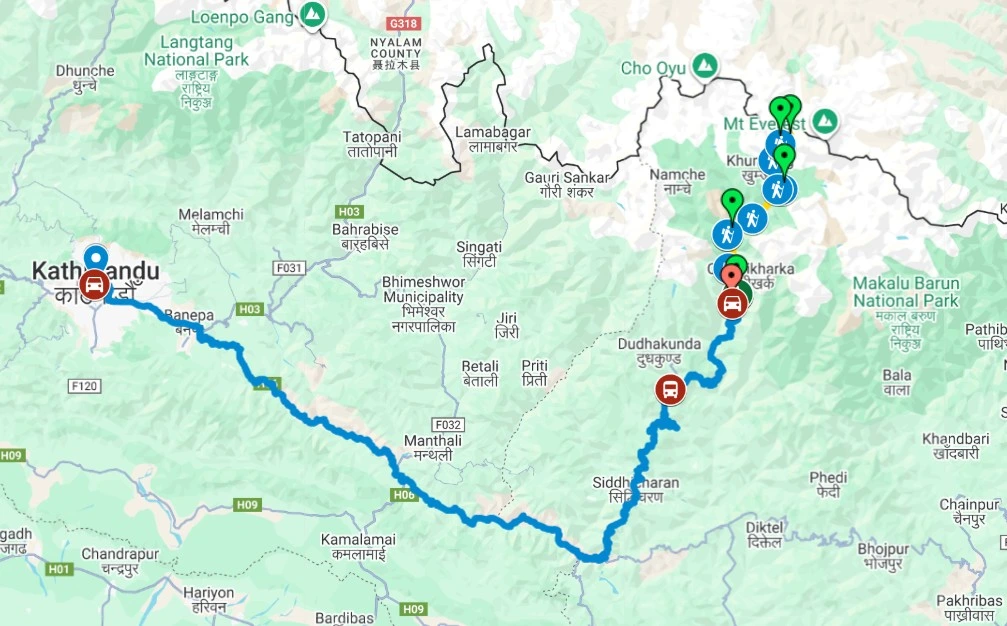
Lukla Flight vs Overland Trek
-
Lukla flight: Faster, popular, scenic but expensive
-
Overland route: Safer in poor weather, immersive local experience, longer travel time
- Curious about the Overland Everest Base Camp Trek? Explore our complete, detailed guide for all the information you need!
Side Treks
-
Gokyo Lake Trek: Extra 2–3 days, turquoise lakes, fewer crowds
-
Himlung Base Camp Trek: Requires high-altitude experience
Best Months for Side Treks
-
Spring and autumn for optimal weather and visibility
Frequently Asked Questions (FAQ’s) For Best time for Everest Base Camp Trek
Q1: Is October the best month for the Everest Base Camp Trek?
Yes. October offers stable weather, dry trails, and the clearest mountain views.
Q2: Can I trek to Everest Base Camp in winter?
Yes, but it requires proper winter gear and experience with cold conditions.
Q3: Which month has the best visibility at Everest Base Camp?
October, November, April, and March provide the best visibility.
Q4: When is the EBC trek least crowded?
Winter and monsoon seasons have the fewest trekkers.
Q5: Is the monsoon season suitable for the Everest Base Camp trek?
Only for experienced trekkers comfortable with rain, mud, and flight delays.
Q6: When is the best time for Everest Base Camp Trek?
The best time for Everest Base Camp Trek is spring (March–May) and autumn (September–November) for stable weather and excellent visibility.
Q7: Can I trek Everest Base Camp during monsoon?
Early June is manageable, but trails are wet and slippery.
Q2: Which month is best for photography?
April, May, September, and October provide clear skies and vibrant landscapes.
Q3: Is winter trekking safe?
Yes, for experienced trekkers with proper gear.
Q4: Peak vs Off-season: Which is better?
Peak: Safe, clear, scenic but crowded
Off-season: Solitude, cheaper, but weather can be challenging
Q5: Is trekking easier in spring or autumn?
Both are ideal; autumn slightly more stable weather, spring offers blooming scenery.
Final Verdict: Best Time for Everest Base Camp Trek
The best time for the Everest Base Camp Trek is spring (March–May) and autumn (September–November) for stable weather, comfortable temperatures, and breathtaking Himalayan views.
Winter offers quiet, snow-covered trails for experienced trekkers, while the monsoon provides lush scenery for adventurous travelers. No matter the season, trekking to Everest Base Camp is a once-in-a-lifetime journey through Sherpa culture, high mountain landscapes, and the heart of the Himalayas.

the best time for Everest Base Camp Trek is spring (Mar–May) and autumn (Sep–Nov) , offering the perfect combination of weather stability, trail safety, and breathtaking Himalayan scenery.
—For a complete itinerary, accommodations, permits, and trekking tips, explore our full Everest Base Camp Trek guide.