How to Choose the Best Everest Base Camp Trek Company
May 13, 2026 Lhasso Adventure
The best Everest Base Camp trek company is the one that offers legal registration, experienced local guides, clear safety planning, transparent pricing, honest communication, and reliable support throughout the journey. At 5,364 meters, Everest Base Camp is not a casual holiday stop. It is a high-altitude Himalayan destination where good planning can shape the entire experience.
For many travelers, the Everest Base Camp Trek is a bucket-list journey. You are not only choosing a package. You are choosing the people who will manage your route, safety, acclimatization, accommodation, flights, and emergency support in one of the most demanding trekking regions in Nepal.
Many travelers compare the best Everest Base Camp trekking companies only by price, but the cheapest option is not always the safest or most reliable.
This guide covers eight factors to check before committing to any trekking company in Nepal.
Check If the Company Is Registered and Locally Based in Nepal
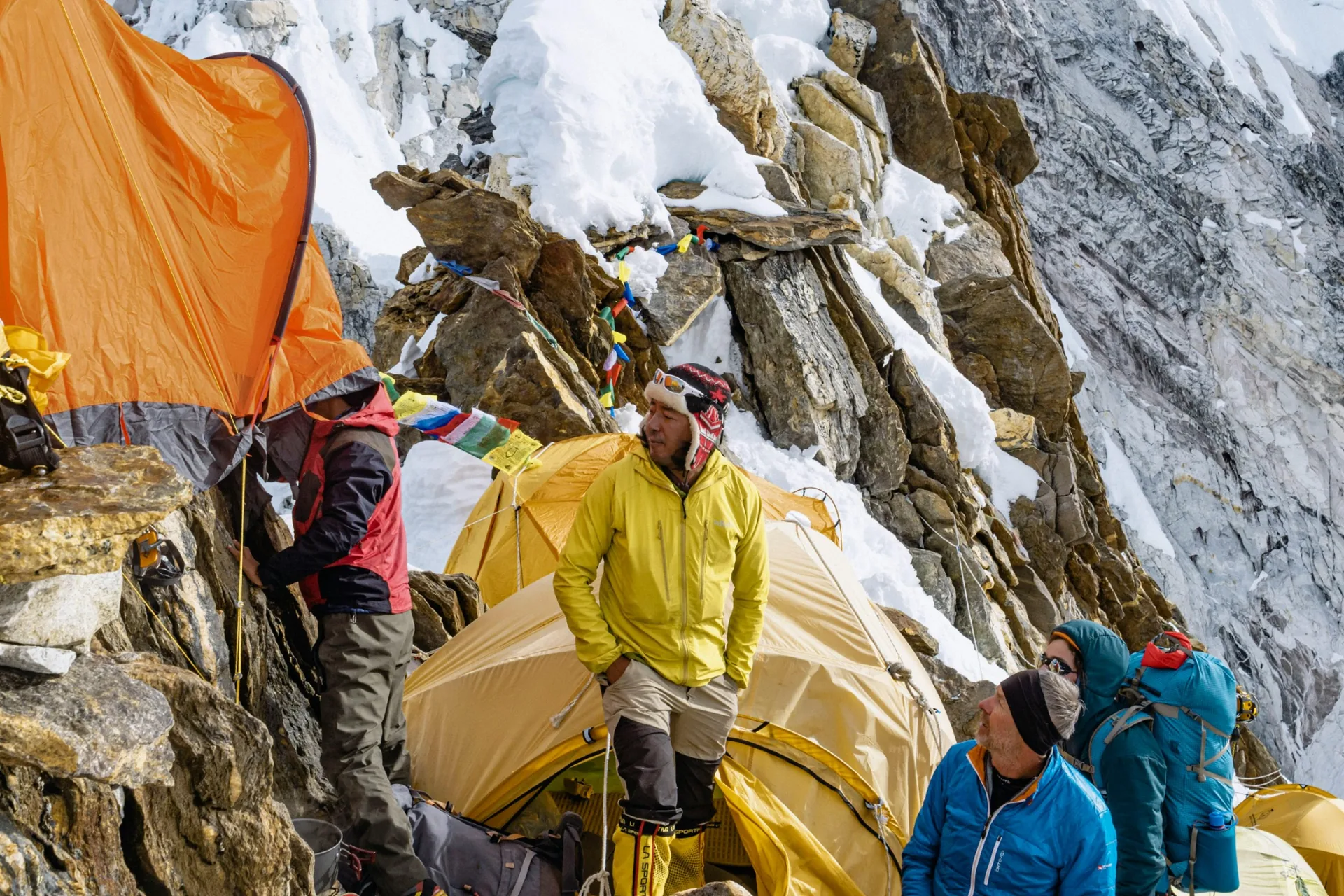
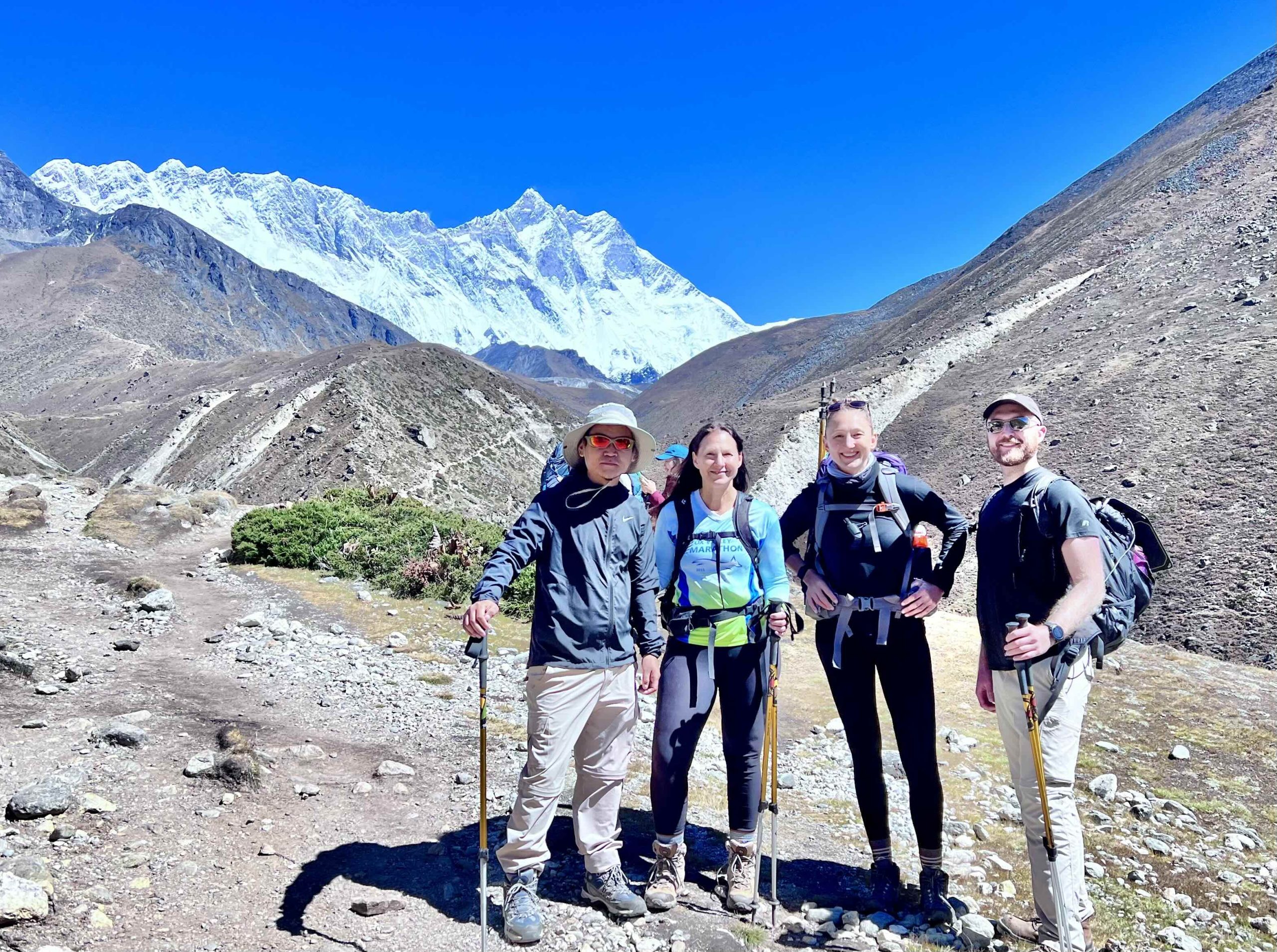
A registered and locally based trekking company gives you better accountability, local support, and direct access to the team managing your Everest Base Camp Trek. This matters because your trek involves permits, domestic flights, guides, porters, teahouse accommodation, mountain routes, and emergency coordination inside Nepal.
Before choosing an Everest Base Camp Trek company in Nepal, check whether the agency has a legal business presence, a physical office, clear contact details, and a real team that responds directly to inquiries. Nepal-registered trekking companies can be verified through the Nepal Tourism Board (NTB) company listings or the Trekking Agencies’ Association of Nepal (TAAN) member directory, two checks that take minutes and confirm far more than a polished website can.
A local trekking company in Nepal usually has stronger ground knowledge than a company that only sells trips online and outsources the actual operation. Local operators work more closely with guides, porters, teahouses, transport providers, and permit processes. This makes the trek smoother when practical problems happen, such as Lukla flight delays, weather changes, or route adjustments.
Confirming registration is the baseline. The next step is understanding how well the company actually knows the route you will be trekking.
Review Their Real Experience on the Everest Base Camp Route
A reputable EBC trek operator should explain the route clearly and provide a detailed day-by-day itinerary. A standard Everest Base Camp route commonly passes through Lukla, Phakding, Namche Bazaar, Tengboche, Dingboche, Lobuche, Gorak Shep, Everest Base Camp, and Kala Patthar at 5,545 meters if included. Most standard EBC treks take between 12 and 16 days depending on the itinerary and acclimatization schedule.
The itinerary should include proper acclimatization days. Rest days around Namche Bazaar and Dingboche are important because the body needs time to adjust to altitude. A company that offers a rushed EBC itinerary without explaining altitude risk is a warning sign.
Route variety is also a useful experience indicator. A company that operates multiple Everest region routes, including technical options like Cho La Pass or the Three Passes, demonstrates familiarity with different difficulty levels, altitude ranges, and logistical demands. That breadth is a meaningful signal of real regional knowledge.
You can explore options such as the standard Everest Base Camp Trek, Luxury Everest Base Camp Trek, Gokyo Lake Trek, Everest Base Camp via Cho La Pass, and Everest Three Pass Trek to compare what a company offers.
Check Everest Base Camp Trek Safety, Guide Expertise, and Emergency Support
Everest Base Camp Trek safety should be one of the main factors when choosing a trekking company. How a company handles guides, on-trail resources, and emergency situations tells you far more about its reliability than its marketing.
Guide Qualifications and On-Trail Decision Making
Your guide is the person who stays with you on the trail, monitors your condition, manages the route, communicates with lodges, and responds if something goes wrong at altitude. A good Everest Base Camp Trek guide should understand altitude sickness symptoms, pacing, hydration, rest days, weather conditions, and when to advise a trekker to slow down, rest, or descend.
Good guides are not only route leaders. They are decision-makers in the himalays. In Nepal, registered trekking guides should hold a government-issued guide license from the Nepal Tourism Board. A guide with additional wilderness first aid or high-altitude training is a meaningful differentiator on a route like EBC. Ask the company directly and listen for specifics, not generalities.
Safety Resources and Altitude Awareness
At high altitude, the body needs time to adjust to reduced oxygen levels. Acute Mountain Sickness (AMS) can affect any trekker regardless of fitness, and in severe cases can progress rapidly, which is why on-trail safety resources and awareness are non-negotiable on the EBC route.
A safety-focused trekking company should explain what basic safety resources are arranged during the trek. This may include:
- A first aid kit and altitude sickness awareness briefing
- Oxygen saturation monitoring with a pulse oximeter where available
- Emergency communication support on the trail
- Guidance on helicopter evacuation through travel insurance if needed
If a company cannot explain its on-trail safety resources before you book, treat that as a warning sign.
Emergency Procedures and Evacuation Planning
A trustworthy company should explain what happens if a trekker becomes ill, injured, or unable to continue, covering travel insurance requirements, evacuation procedures, and communication options. This conversation should happen before payment, not after. Helicopter evacuations from the Everest region can cost several thousand US dollars or more, making travel insurance that covers high-altitude trekking and emergency evacuation not optional, but essential.
A company that plans for the worst-case scenario on the trail is the one most likely to deliver the best-case experience.
Understand Your Everest Base Camp Trek Package: Inclusions and Exclusions
Understanding your Everest Base Camp Trek package is important because packages can look similar online but include very different services. A cheaper package may seem attractive at first, but it can become expensive if important costs are excluded.
A reliable package should include:
- Sagarmatha National Park Entry Permit and Khumbu Pasang Lhamu Rural Municipality Entry Permit
- Guide and porter service for the full duration of the trek
- Lukla flights and airport transfers
- Teahouse accommodation and meals during the trek
- Safety logistics, route coordination, and help with weather-related changes
Common exclusions to confirm upfront:
- Travel insurance and Nepal visa fee
- Hot showers, Wi-Fi, and battery charging
- Tips, personal gear, medications, snacks, beverages, and extra nights caused by Lukla flight delays
Permit rules and costs can change, so the trekking company should confirm the latest requirements before your departure.
The goal is not the lowest number on the page. It is the clearest answer to the question: what exactly am I paying for?
Read Reviews Beyond Star Ratings
Reviews show how a company performs in real situations, not just how it describes itself on its website. Read beyond the star rating and look for details that connect to your actual concerns.
A five-star rating is helpful, but a detailed review is more useful. Look for comments about guide behavior, safety support, communication, honesty about costs, itinerary management, flexibility during weather delays, and handling of altitude issues.
Be aware that some platforms have documented issues with fake or incentivized reviews. Cross-referencing the same company across multiple independent platforms gives a more reliable picture than any single source.
Check reviews on Google, TripAdvisor, and other independent travel platforms, though testimonials on the company’s own website are selected by the company itself, so treat them as supporting context rather than independent evidence. Look for recent reviews and notice whether the company responds professionally to feedback.
What matters most is the pattern. If many trekkers consistently mention good guides, clear communication, safe pacing, and reliable support, that is a strong positive signal when choosing the best Everest Base Camp Trek company for your journey.
Evaluate Their Communication Before You Book
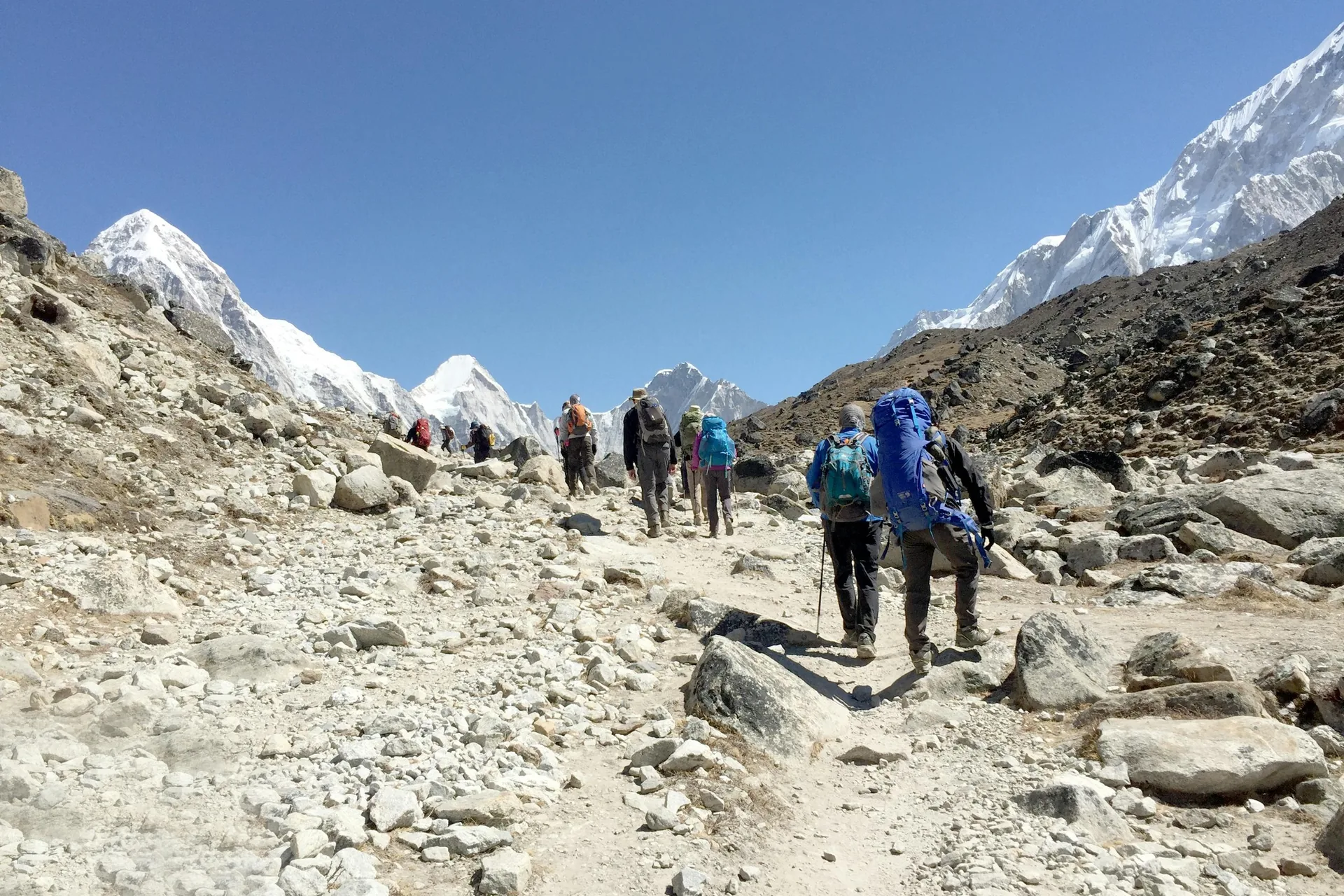
Communication before booking helps you understand how professional, honest, and supportive the company will be during the trek. If a company cannot answer your questions clearly before payment, it is unlikely to provide strong support once the trek begins.
Before booking, ask the company:
- Guide: How many acclimatization days are included, and what Everest region experience does the guide have?
- Package: What permits, meals, accommodation, flights, and exclusions are in the price?
- Contingency: What happens if Lukla flights are delayed or a trekker experiences altitude sickness?
A reliable company will give specific answers, not reassurances. On contingencies especially, if the answer is “don’t worry, it rarely happens” rather than “here is what we do when it does,” that is a warning sign worth taking seriously.
A good company should not promise that the trek is easy. Honest communication about physical demands and altitude risk before booking is a trust signal, not a deterrent.
Also notice how personally they respond. Do they answer your exact question, or send a generic package message? A trustworthy EBC trek operator should help you choose the right itinerary based on your time, budget, experience, and comfort level, not push you into the fastest or most expensive option.
Choose a Company That Practices Responsible Trekking
The Everest Base Camp trail is one of the most trafficked trekking routes in the world. That volume places real and growing pressure on Sherpa communities, porter livelihoods, teahouse infrastructure, and a fragile high-altitude environment. The company you choose either contributes to that pressure or helps manage it responsibly.
Porter Welfare and Staff Treatment
Porter insurance, reasonable load limits, proper gear, and fair pay are important signs that a company respects the people who make Himalayan trekking possible. A responsible company should not overload porters, leave them without adequate clothing at altitude, or treat their welfare as secondary. How a company treats its porters says a great deal about its values.
The International Porter Protection Group (IPPG) sets recognized guidelines for porter welfare on Himalayan treks, including load limits, equipment standards, and insurance. A company that aligns with these standards is taking porter welfare seriously. Ask directly about porter policies before you book.
Environmental and Community Responsibility
The Everest region receives thousands of trekkers each year, placing real pressure on trails, teahouses, waste systems, and local communities. A responsible trekking company should encourage carry-in/carry-out waste practices, discourage single-use plastics on the trail, and support the environmental standards maintained by the Sagarmatha Pollution Control Committee (SPCC).
When you ask a company about porter welfare and environmental practices, the answer tells you something important about how they operate on the trail, not just how they market themselves.
Green Flags and Red Flags When Choosing an Everest Base Camp Trek Company
Use this comparison before booking to separate a reliable trekking company from a risky or unclear operator.
| Green Flag | Red Flag |
| Registered local trekking company in Nepal | No clear company details or physical presence |
| Clear EBC itinerary with proper acclimatization days | Rushed itinerary with weak altitude planning |
| Experienced, certified local guides | No guide information provided |
| Safety and emergency support explained clearly | No clear safety or evacuation plan |
| Transparent inclusions and exclusions | Hidden costs revealed after booking |
| Permits and logistics clearly handled | Vague or missing permit information |
| Recent, detailed trekker reviews | Only generic or outdated testimonials |
| Responsible porter treatment and fair load limits | No mention of porter welfare |
| Customizable trek options available | One-size-fits-all package only |
| Honest, personalized communication before payment | Pushy sales response with limited detail |
If a company shows more green flags than red flags, it is more likely to provide a safe, organized, and trustworthy Everest Base Camp Trek experience.
Why Lhasso Adventure Is a Trusted Everest Base Camp Trek Company in Nepal
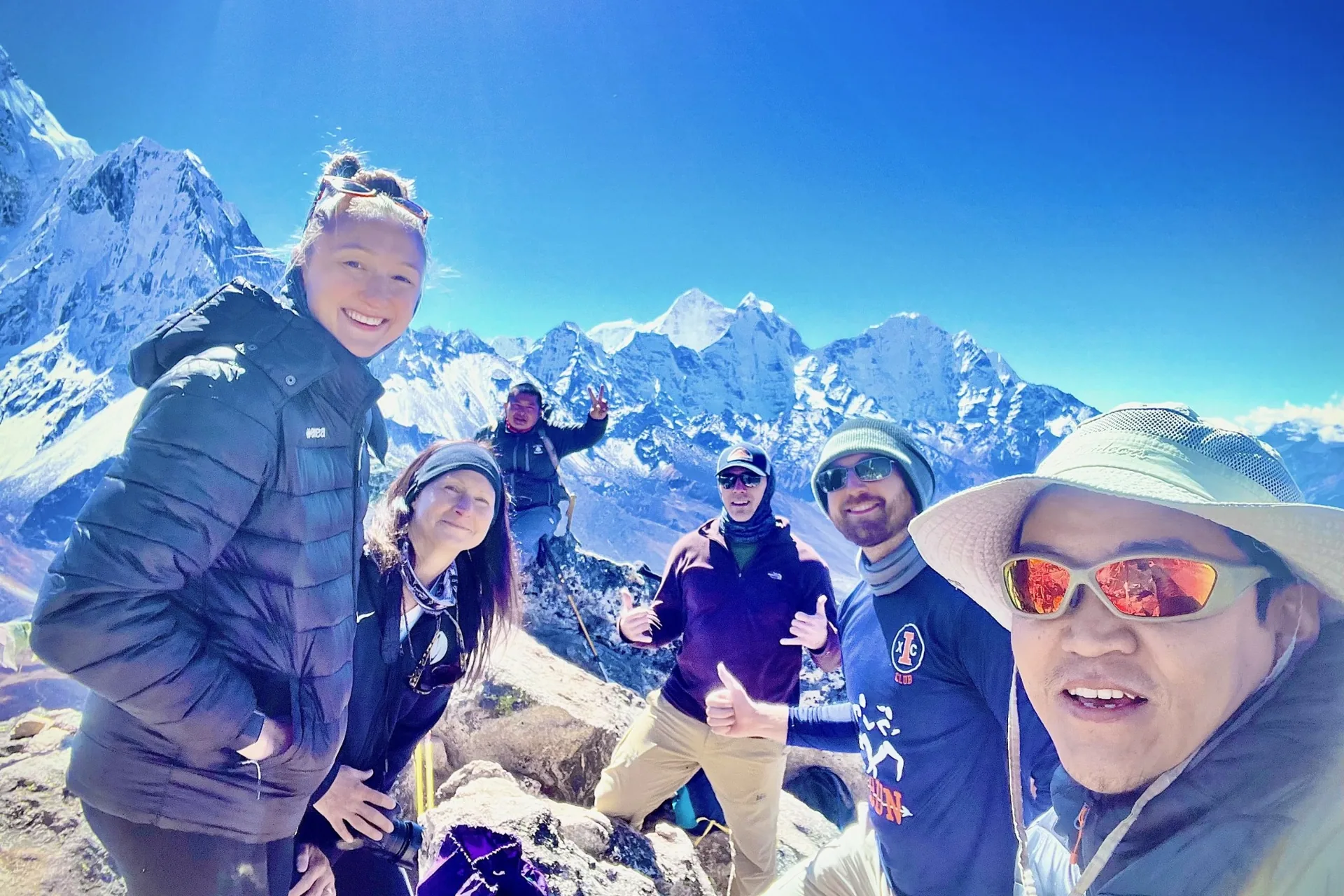
Lhasso Adventure fits many of the standards travelers should look for in a reliable Everest Base Camp trekking company in Nepal.
Nepal-Based and TAAN-Registered Since 2011
The company has been operating Himalayan treks since 2011, with a Nepal-based team and membership with the Trekking Agencies’ Association of Nepal (TAAN). Because the company operates from Kathmandu and works directly with local guides, porters, transport providers, and teahouses, travelers get direct ground support instead of depending on a third-party seller. This local presence becomes especially useful during Lukla flight delays, weather changes, or route modifications, situations where a locally rooted team can coordinate faster and more effectively than a remote operator.
Everest Region Expertise and Trek Options
Lhasso Adventure manages the full logistics of an EBC trek, permits, domestic flights, acclimatization planning, teahouse arrangements, guide and porter coordination, and safety awareness throughout the route. With over a decade of Himalayan operation, the local guide team brings direct knowledge of the Everest region’s route conditions, weather patterns, teahouse network, and altitude challenges.
Travelers can choose from multiple Everest region itineraries including the standard Everest Base Camp Trek, Luxury Everest Base Camp Trek, Gokyo Lake Trek, Everest Base Camp via Cho La Pass, and Everest Three Pass Trek.
Talk with Lhasso Adventure’s Managing team to compare routes, understand package inclusions, and choose an itinerary that fits your time, comfort level, and trekking goals.
FAQs About Choosing the Best Everest Base Camp Trek Company
What makes a company the best for Everest Base Camp Trek?
The best Everest Base Camp Trek company should be registered, locally experienced, transparent with pricing, strong in guide quality, and clear about safety support. It should provide a realistic itinerary with proper acclimatization and honest communication before booking.
Is it better to book with a local Nepal trekking company?
Booking with a local Nepal trekking company is often a smart choice because local operators have direct access to guides, porters, teahouses, transport providers, and permit processes. They can also provide stronger ground support when weather, flight delays, or itinerary changes occur.
What should an Everest Base Camp Trek package include?
A good Everest Base Camp Trek package should clearly state permits, guide and porter service, teahouse accommodation, meals, domestic flights if included, and airport transfers. Exclusions should also be listed clearly, these typically include insurance, tips, hot showers, Wi-Fi, snacks, beverages, and personal expenses.
Should I choose the cheapest Everest Base Camp Trek company?
Not if price is the only reason. The real question is what the price actually includes. Choose value, safety, and transparency, a clear package from a reputable company will always serve you better than the lowest number on a comparison page.
How do I know if an EBC trek company is safe?
A safe EBC trek company will clearly explain acclimatization, guide qualifications, altitude sickness awareness, emergency procedures, and insurance requirements, including the fact that helicopter evacuations from the Everest region can cost several thousand US dollars or more. It should answer these questions directly before you book.
Can I customize an Everest Base Camp Trek itinerary?
Yes. Many local trekking companies can customize an EBC itinerary based on your time, budget, fitness level, and trekking goals. Lhasso Adventure can help travelers choose a standard trek, luxury option, extended route, or a more personalized Everest region experience.
Ready to Choose Your Everest Base Camp Trek Company?
Choosing the best Everest Base Camp Trek company means choosing a team that can protect your safety, manage your logistics, and guide you honestly from planning to summit view. Before booking, check registration, local presence, route experience, guide quality, safety planning, price transparency, reviews, communication, and responsible trekking values.
View Lhasso Adventure’s Everest Base Camp Trek packages or talk with the managing team to choose a safer, better-planned itinerary that fits your travel style.