Best Time to Trek the Manaslu Circuit: Season-by-Season & Month-by-Month Guide
June 26, 2026 Lhasso Adventure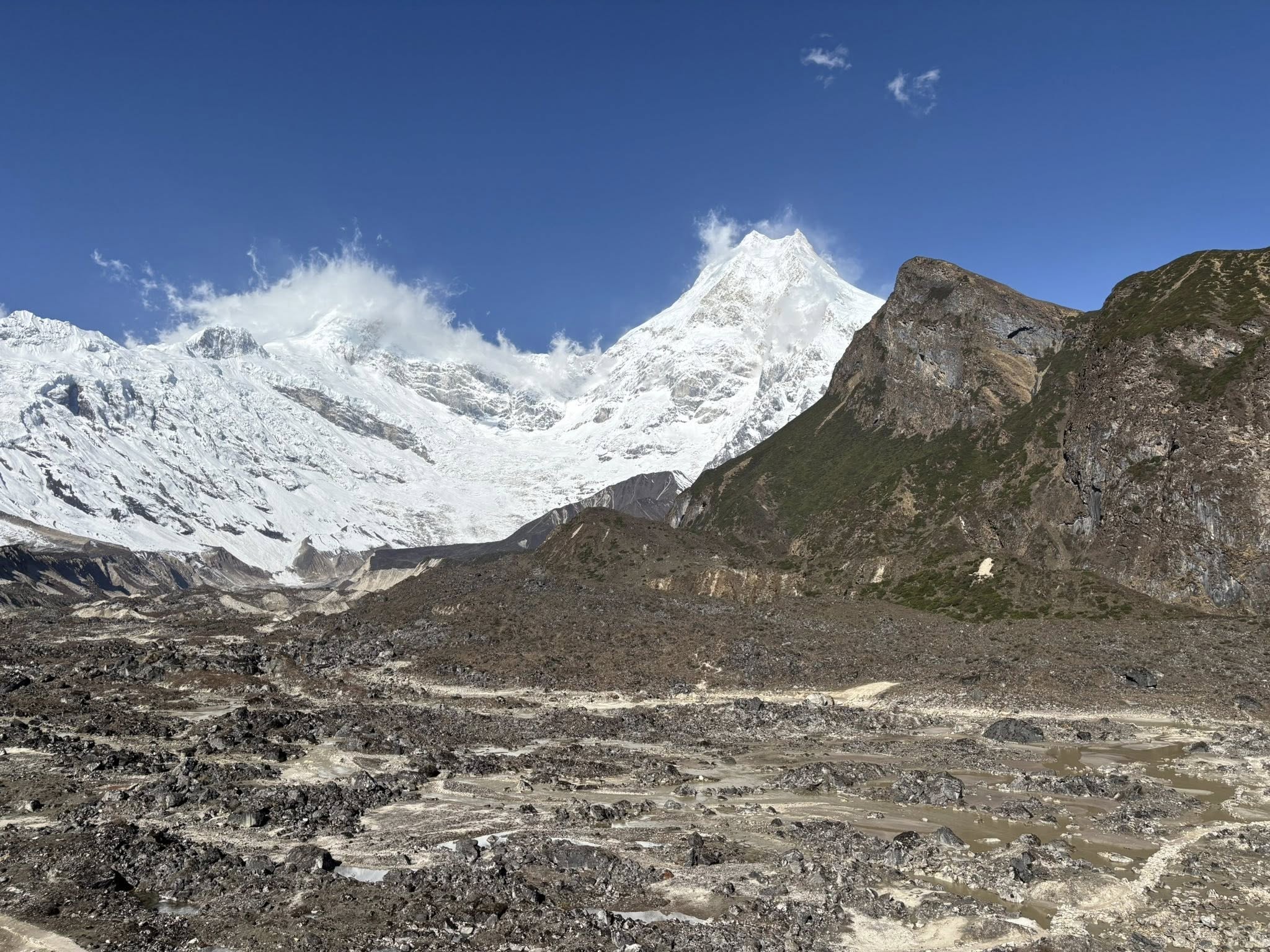
The best time to trek the Manaslu Circuit is during spring (March to May) and autumn (September to November), when weather conditions are generally stable, mountain views are at their clearest, and trails remain accessible throughout the journey.
That said, there is no single season that suits every trekker. Some visitors prioritize crystal-clear Himalayan panoramas, while others prefer quieter trails, blooming forests, or unique winter landscapes.
The season you choose can influence everything from visibility and temperatures to accommodation availability and the overall pace of daily trekking through the changing elevations of the Manaslu region.
Understanding these seasonal differences before departure helps set realistic expectations and allows you to plan a safer and more enjoyable trekking experience.
What Is the Best Time to Trek the Manaslu Circuit?
Spring and autumn are widely considered the best seasons to trek the Manaslu Circuit. Both periods offer the most reliable weather, excellent visibility, and favorable conditions for crossing Larkya La Pass.
For most trekkers, autumn provides the clearest mountain views of the year. The monsoon rains settle the dust and pollution, leaving the skies remarkably clear across the Himalayas.
Spring, however, offers a different type of beauty. Forests come alive with blooming rhododendrons, temperatures gradually become warmer, and the trail feels vibrant without becoming overwhelming.
Although winter and monsoon treks are possible, they require greater flexibility and preparation. Weather, transportation, and trail conditions can become less predictable, particularly in higher sections of the route.
The ideal season ultimately depends on what you value most from your trekking experience. For some, that means postcard-perfect mountain scenery. For others, it may be fewer crowds, seasonal landscapes, or a greater sense of solitude.
Understanding the Trekking Seasons in the Manaslu Region
The Manaslu region experiences four distinct trekking seasons, and each one creates a very different atmosphere on the trail. Weather patterns, trail conditions, crowd levels, and visibility can change significantly throughout the year.
Spring is known for its colorful forests, comfortable temperatures, and generally stable conditions. It is one of the most popular seasons among trekkers looking for a balance between scenery and weather reliability.
Summer brings the monsoon to Nepal. Rainfall affects lower elevations more heavily, creating greener landscapes but also introducing muddy trails and occasional transportation challenges.
Autumn is the busiest trekking season because of its exceptionally clear skies and stable weather. Many trekkers choose this period specifically for mountain photography and panoramic Himalayan views.
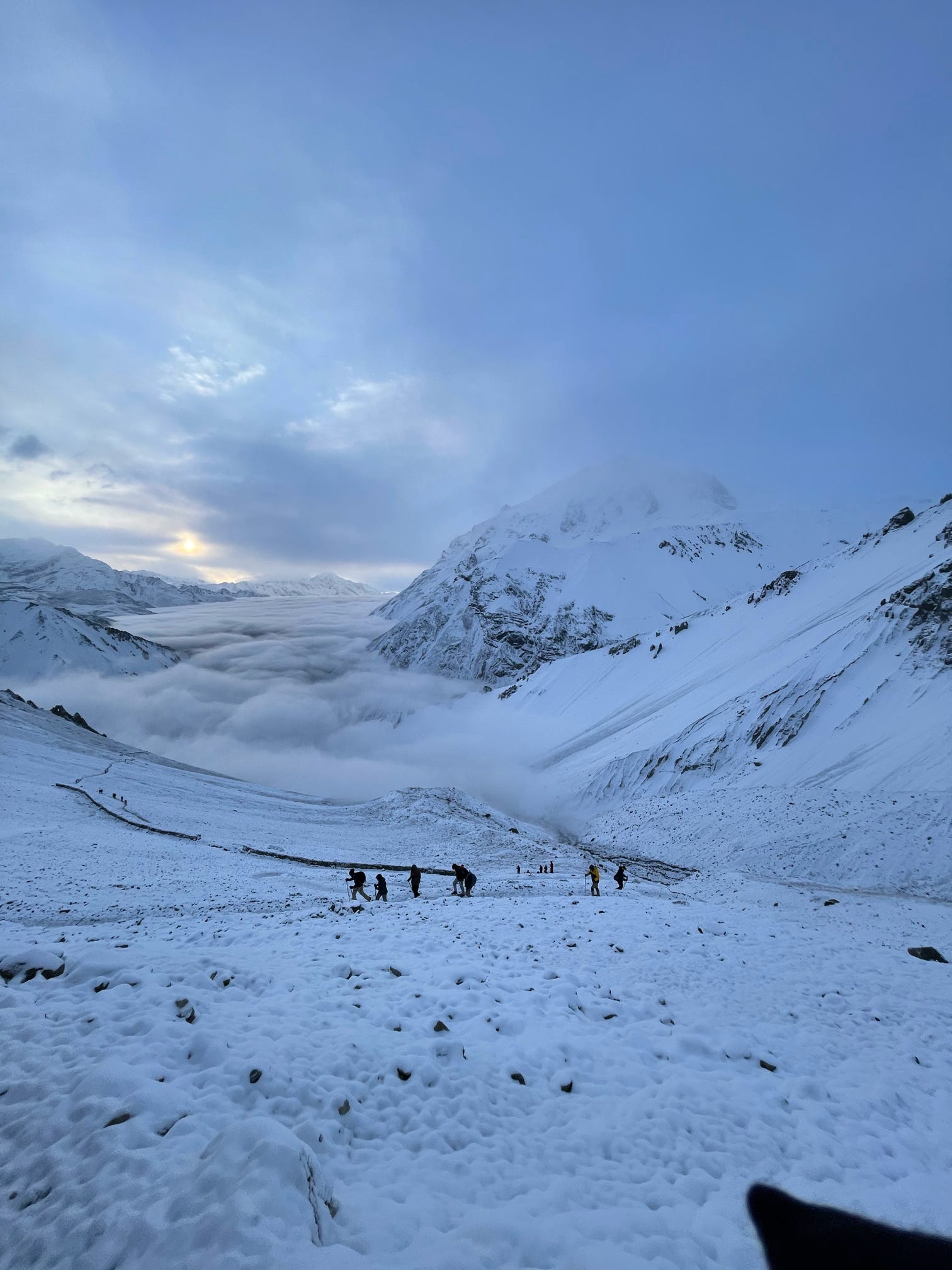
Winter transforms the region into a quieter and more isolated trekking destination. Snowfall at higher elevations can make conditions more demanding, particularly around the highest point of the entire trekking route, where weather plays a critical role in daily planning.
Each season offers its own advantages and challenges. Understanding how these conditions affect the trail allows trekkers to choose a season that matches their expectations, experience level, and trekking goals.
Manaslu Circuit Trek in Spring (March to May)
Spring is one of the most rewarding times to trek the Manaslu Circuit. The combination of pleasant temperatures, blooming forests, and improving mountain visibility creates ideal trekking conditions across much of the route.
As winter gradually retreats from the higher elevations, the landscape begins to transform. Hillsides become greener, rhododendron forests burst into color, and snow-covered peaks remain visible in the distance.
The season is particularly attractive for trekkers who enjoy photography and nature. The contrast between flowering forests and snow-capped mountains creates some of the most beautiful scenery found anywhere in the Nepal Himalayas.
Daytime temperatures are generally comfortable for walking. Lower villages such as Machha Khola, Jagat, and Deng experience mild conditions, while higher settlements like Samagaon and Samdo remain cool without becoming excessively cold.
Another advantage of spring is the gradual increase in daylight hours. Longer days provide additional time for acclimatization walks, photography stops, and cultural exploration within local villages.
The weather during spring is usually predictable, which makes itinerary planning easier. Consistent trail conditions also help trekkers maintain a comfortable pace while adjusting to altitude gains throughout the journey.
Many experienced guides consider spring equally rewarding as autumn, particularly for travelers who appreciate seasonal landscapes as much as mountain views.
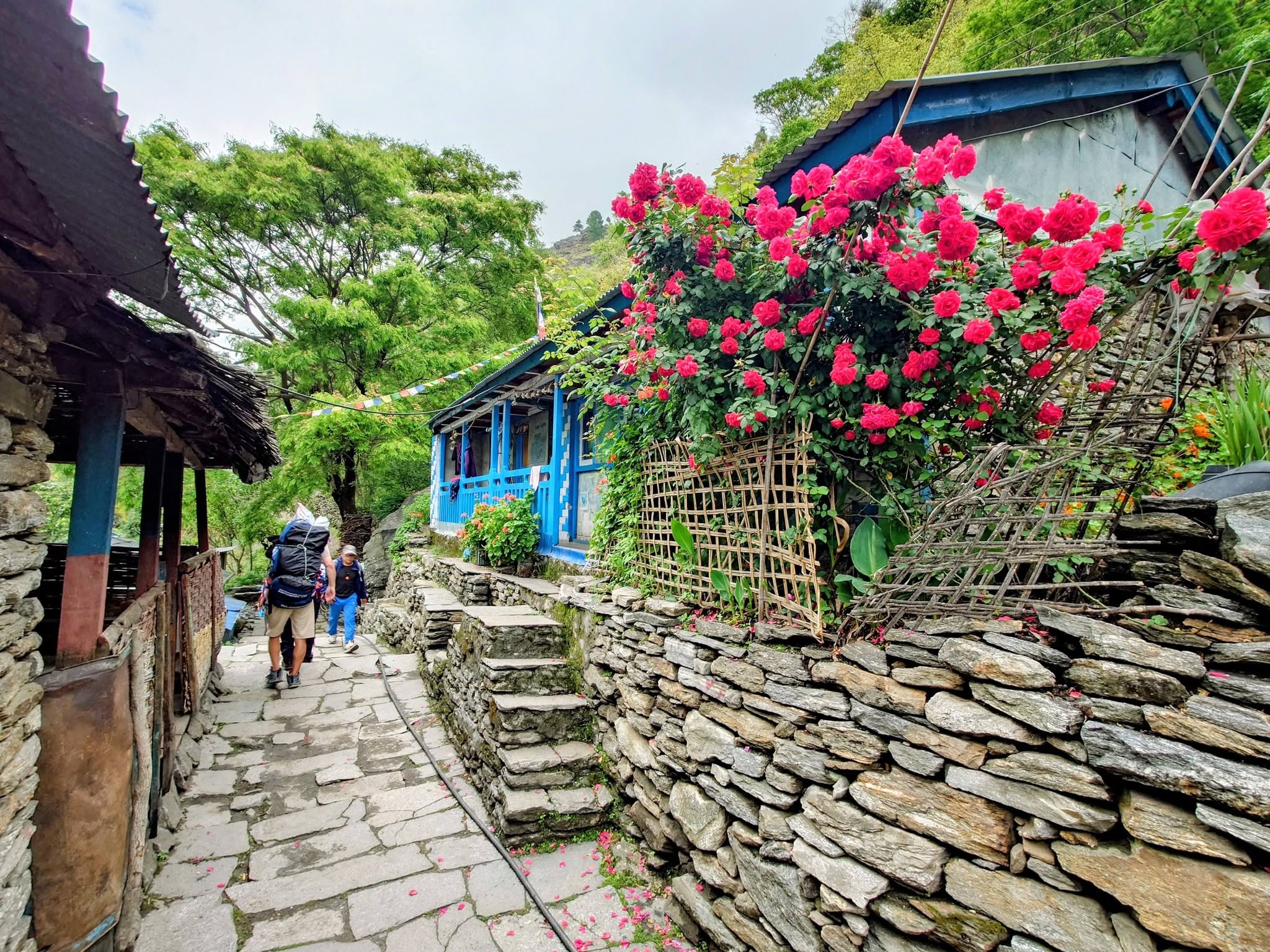
Weather Conditions During Spring
Spring weather is generally stable throughout most sections of the Manaslu Circuit. Temperatures become warmer with each passing month, making trekking conditions increasingly comfortable.
At lower elevations, daytime temperatures are pleasant for walking, while evenings remain cool and refreshing. As trekkers move higher into the Nubri Valley, temperatures naturally become colder, particularly during early mornings.
Snow may still be present near Larkya La Pass during early spring. However, the route is typically manageable when conditions remain stable and proper acclimatization schedules are followed.
Clear mornings are common during spring. Mountain views are often at their best during the first half of the day before occasional afternoon clouds begin to develop.
Because weather disruptions are relatively uncommon, spring remains one of the most dependable seasons for completing the circuit successfully.
Why Spring Appeals to Many Trekkers
Spring appeals to trekkers because it combines reliable weather with some of the most colorful scenery of the year. The landscapes feel alive, and villages gradually become more active as trekking activity increases.
The season also provides an excellent balance between comfort and adventure. Temperatures are manageable, mountain views are impressive, and trail conditions generally remain favorable throughout the route.
For trekkers interested in wildlife and natural landscapes, spring offers additional opportunities to observe the region’s diverse ecosystems. Forests, rivers, and alpine environments are particularly vibrant during this period.
The season may attract more visitors than winter, but the Manaslu region still retains a quieter atmosphere compared to many of Nepal’s more heavily trafficked trekking destinations.
Manaslu Circuit Trek During Summer and Monsoon (June to August)
The monsoon season offers a completely different trekking experience on the Manaslu Circuit. While this period receives fewer visitors, it presents both unique rewards and additional challenges.
Heavy rainfall primarily affects the lower sections of the trail. Areas closer to the trailhead can become muddy, while occasional landslides may influence road access and transportation schedules.
Cloud cover is more common during this season, which means mountain views are often less consistent than during spring or autumn. Clear mornings can still provide impressive scenery, but visibility tends to change quickly throughout the day.
Despite these challenges, the monsoon transforms the landscape into one of the greenest and most vibrant environments of the year. Forests become lush, rivers flow powerfully, and countless waterfalls appear along the hillsides.
The quieter atmosphere is another major attraction. Trekkers seeking solitude often appreciate the reduced number of visitors on the trail and the peaceful experience this creates.
Planning becomes particularly important during this season because weather conditions can influence road access between Kathmandu and the trekking starting points, sometimes requiring additional flexibility within the itinerary.
For experienced trekkers who are comfortable adapting to changing conditions, the monsoon season offers a distinctive perspective of the Manaslu region that many visitors never experience.
Advantages of Trekking During Monsoon
One of the biggest advantages of monsoon trekking is the sense of isolation and tranquility found along the trail. Villages, teahouses, and trekking routes are noticeably quieter than during peak seasons.
The landscapes are exceptionally green. Terraced fields, forests, and river valleys appear at their most vibrant, creating a different type of beauty from the dry and clear conditions of autumn.
Photography opportunities also become more atmospheric. Mist-covered hillsides, dramatic cloud formations, and rain-fed waterfalls provide unique visual experiences that are difficult to find during other seasons.
Challenges of the Monsoon Season
Rainfall remains the primary challenge throughout the monsoon period. Wet trails can become slippery, particularly in forested sections and steep descents.
Transportation delays are also more common. Road conditions can change quickly after heavy rainfall, which may affect travel schedules before and after the trek.
Trekkers whose primary goal is uninterrupted mountain views may find spring or autumn more suitable. However, those seeking solitude and dramatic landscapes often discover that the monsoon season has its own unique rewards.
Manaslu Circuit Trek in Autumn (September to November)
Autumn is widely regarded as the best time to trek the Manaslu Circuit. Stable weather, exceptional mountain visibility, and comfortable trekking temperatures make it the most popular season among both domestic and international trekkers.
As the monsoon rains retreat, the atmosphere becomes remarkably clear. Dust and humidity are washed away, revealing some of the sharpest Himalayan views of the entire year.
The landscape also undergoes a seasonal transformation. Rivers remain full from the summer rains, forests retain their greenery, and snow-covered peaks stand out dramatically against deep blue skies.
These conditions create an ideal environment for trekking. Trail surfaces are generally dry, transportation networks operate more reliably, and visibility remains consistently strong across much of the route.
Autumn is particularly appealing for first-time visitors to the Manaslu region because weather-related disruptions are less common. The combination of favorable conditions and predictable trail environments helps create a more comfortable trekking experience.
The season also coincides with several important cultural celebrations in Nepal. Depending on travel dates, trekkers may encounter local festivities, traditional ceremonies, and village gatherings that add another dimension to the journey.
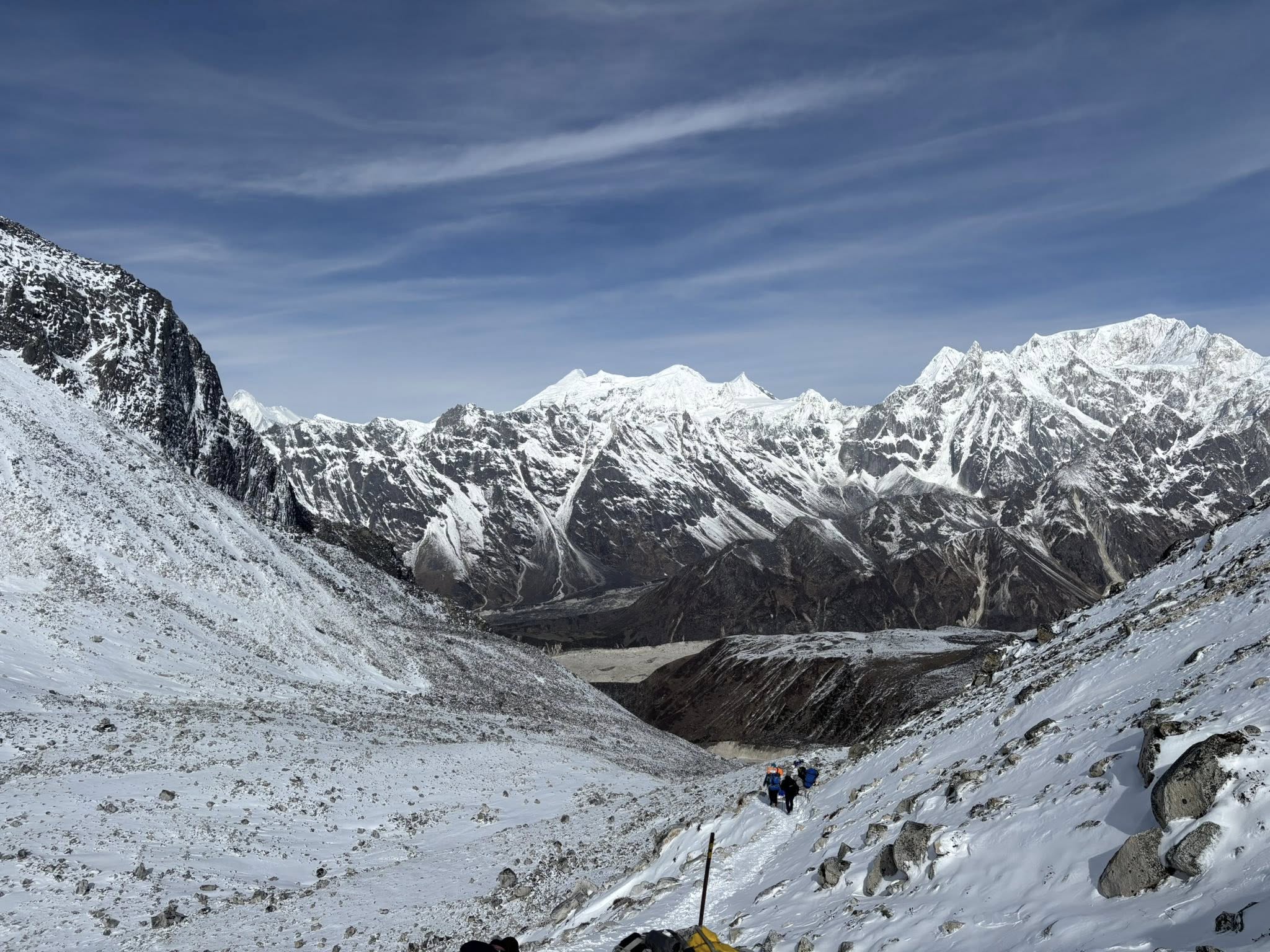
Why Autumn Is the Most Popular Season
Autumn attracts the highest number of trekkers because it consistently delivers the conditions most people hope to experience in the Himalayas. Clear skies, excellent visibility, and stable weather create ideal trekking circumstances.
Mountain views are often spectacular throughout the day. Unlike some seasons where clouds develop rapidly during the afternoon, visibility in autumn tends to remain reliable for longer periods.
Trail conditions also contribute to the season’s popularity. Dry paths reduce the likelihood of slippery terrain, making daily walks more comfortable and predictable.
Many trekkers planning their Himalayan adventure prioritize panoramic mountain scenery above all else. Autumn generally provides the highest probability of enjoying uninterrupted views throughout the trek.
The season is especially rewarding for those interested in photography, high-altitude landscapes, and long-distance mountain vistas stretching across multiple Himalayan ranges.
Weather Conditions During Autumn
Autumn weather is generally stable across the entire Manaslu Circuit. Daytime temperatures remain comfortable for trekking, while nights become progressively colder at higher elevations.
Lower villages experience pleasant daytime conditions, making long walking days manageable. As the trail ascends toward Samagaon, Samdo, and Dharamsala, temperatures gradually decrease, particularly after sunset.
One of autumn’s greatest advantages is the consistency of visibility. Clear mornings are common, and mountain views often remain visible throughout much of the day.
Weather forecasts also tend to be more reliable during this period. This stability helps trekkers maintain schedules and navigate higher sections of the trail with greater confidence.
Pros and Cons of Trekking in Autumn
The primary advantage of autumn is its balance of weather, visibility, and trail conditions. Few seasons offer such consistently favorable trekking environments across all elevations.
Photography opportunities are outstanding. Clear skies and crisp air allow distant peaks and ridgelines to remain visible with exceptional detail.
Accommodation services also operate efficiently during autumn. However, the popularity of the season means some villages experience higher occupancy levels, especially in areas where overnight facilities found in mountain villages become important for itinerary planning.
The main drawback of autumn is simply its popularity. While the Manaslu Circuit remains quieter than Everest Base Camp or Annapurna Base Camp, trekkers can expect more activity compared to winter or monsoon months.
Manaslu Circuit Trek in Winter (December to February)
Winter trekking on the Manaslu Circuit is possible, but conditions become considerably more demanding. Lower temperatures, snowfall, and shorter daylight hours create a very different trekking experience compared to spring and autumn.
For trekkers seeking solitude, winter can be incredibly rewarding. Visitor numbers decrease significantly, and many sections of the trail feel remote and untouched.
The mountain scenery often becomes even more dramatic during winter. Fresh snowfall highlights ridgelines and peaks, creating stunning contrasts against clear skies.
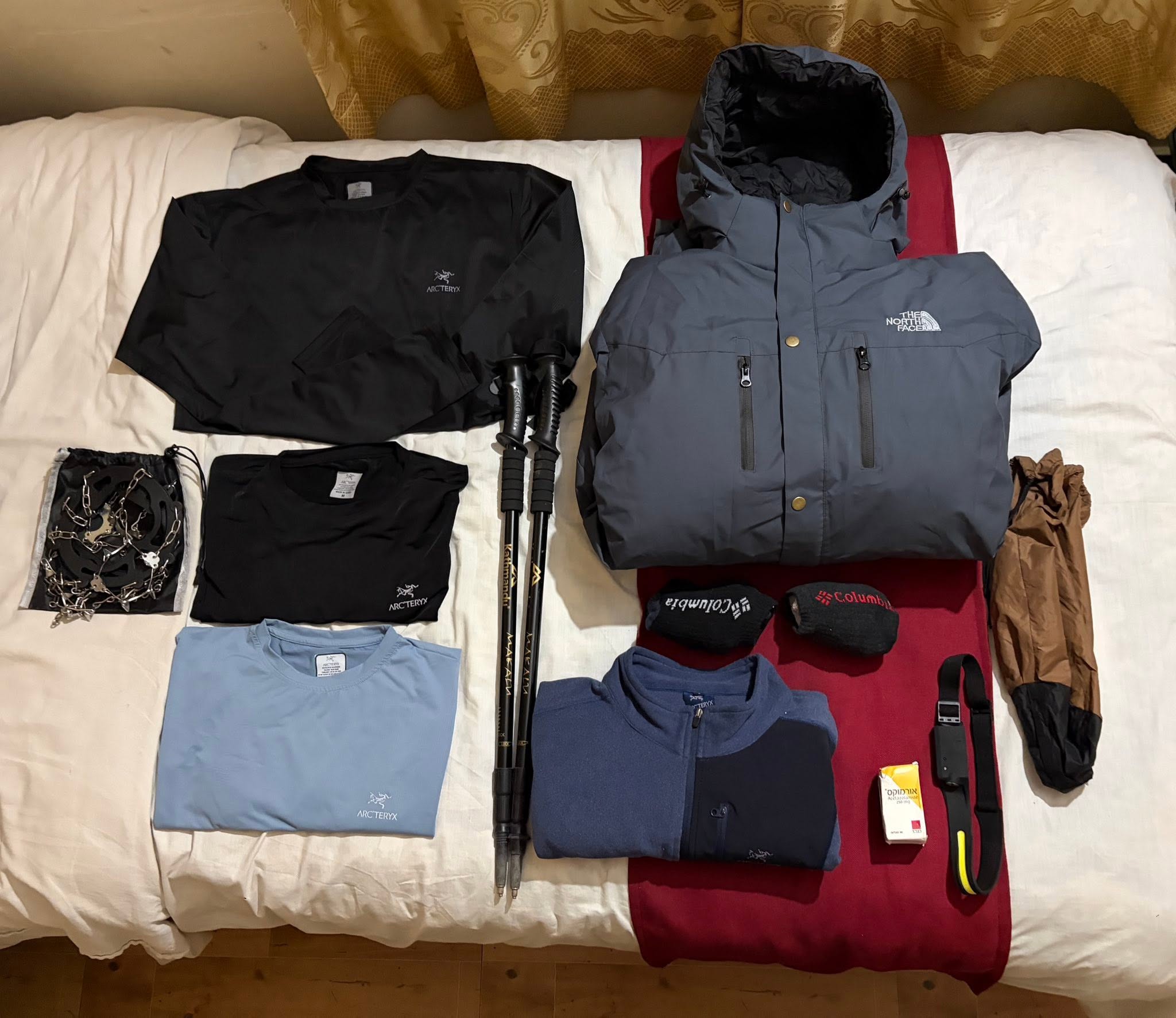
However, colder temperatures require additional preparation. Proper layering systems, cold-weather sleeping equipment, and realistic expectations become increasingly important as elevation increases.
Winter conditions are most noticeable above Samagaon. Higher settlements and mountain passes experience greater exposure to wind, snow, and freezing temperatures.
For experienced trekkers who enjoy quieter trails and challenging environments, winter offers a unique perspective on the Manaslu region that differs significantly from the busier seasons.
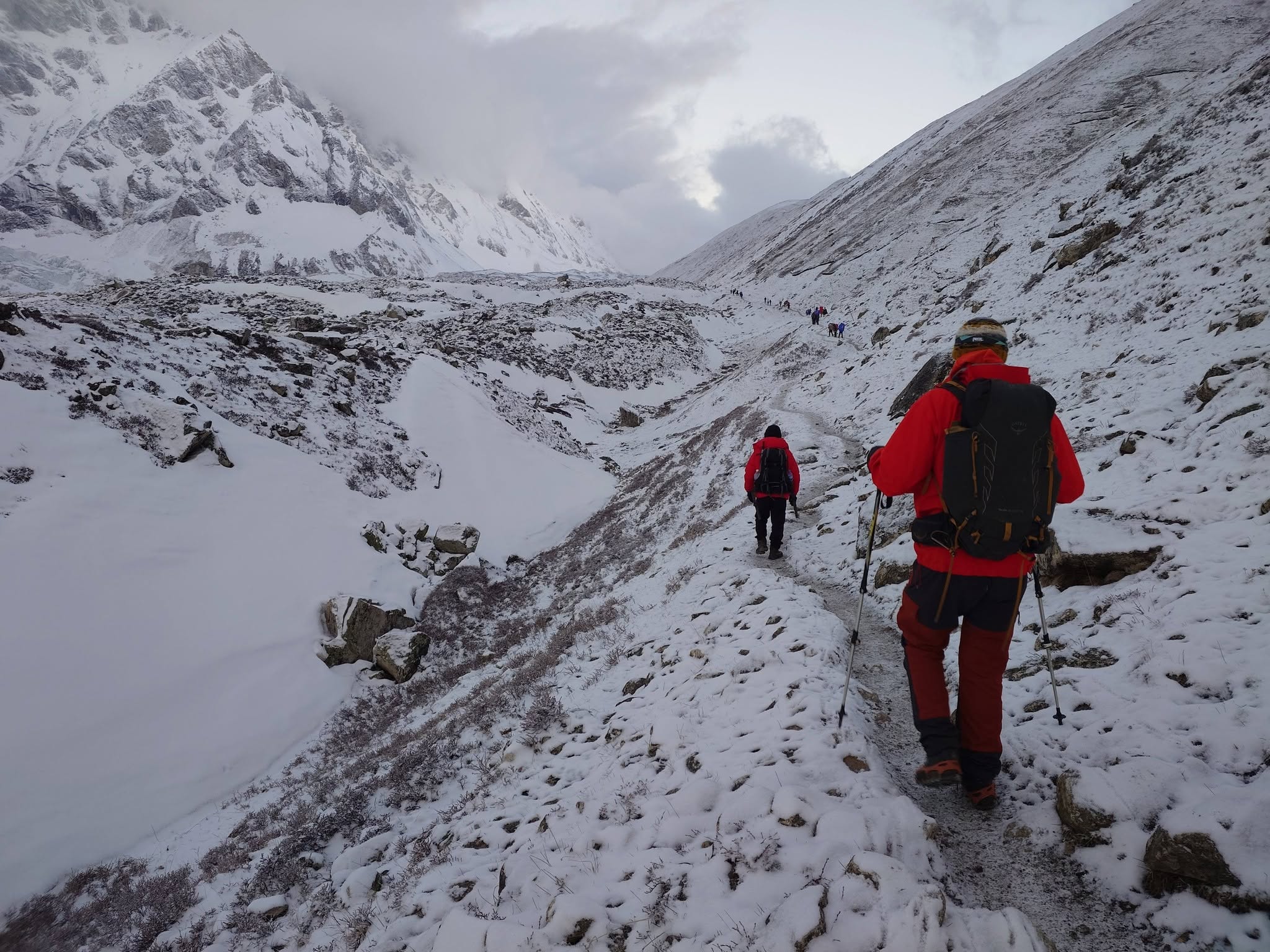
Winter Weather and Trail Conditions
Winter weather can vary considerably depending on elevation. Lower sections of the route often remain accessible, while higher areas experience colder temperatures and occasional snowfall.
Daytime trekking can still be pleasant under clear skies. Direct sunlight often creates comfortable walking conditions despite low ambient temperatures.
Mornings and evenings, however, can become extremely cold at higher elevations. Water sources may freeze overnight, and temperatures frequently fall below freezing in exposed locations.
Trail conditions also change throughout the season. Snow accumulation near high-altitude sections can affect walking speeds and route accessibility.
Because conditions fluctuate from year to year, flexibility remains an important part of winter trekking preparation.
Larkya La Pass During Winter
Crossing Larkya La Pass during winter requires careful planning and favorable weather conditions. Snowfall and strong winds can significantly influence the difficulty of the crossing.
The pass is the highest and most exposed point of the trek. Conditions that seem manageable at lower elevations can become far more demanding once trekkers begin approaching the final high-altitude crossing that connects the two sides of the circuit.
Clear weather windows are particularly important during winter. Early starts are often necessary to take advantage of stable morning conditions before winds strengthen later in the day.
Guides closely monitor weather forecasts and local conditions before attempting the crossing. In some situations, itineraries may need adjustment to accommodate changing weather patterns.
When conditions cooperate, however, a winter crossing of Larkya La can become one of the most memorable experiences in the Nepal Himalayas.
Advantages and Challenges of Winter Trekking
The greatest advantage of winter trekking is the sense of solitude. Villages, trails, and viewpoints often feel remarkably peaceful compared to peak trekking seasons.
Mountain views can also be exceptional. Cold air frequently produces crisp visibility, allowing distant peaks to appear especially sharp and well-defined.
On the other hand, winter requires greater preparation and flexibility. Cold temperatures affect comfort levels, while snowfall can occasionally alter trekking schedules.
Trekkers considering a winter departure should understand the physical demands encountered during the trek, particularly as colder conditions increase the overall challenge of daily walking.
For well-prepared adventurers, however, winter offers a quieter and more intimate Himalayan experience
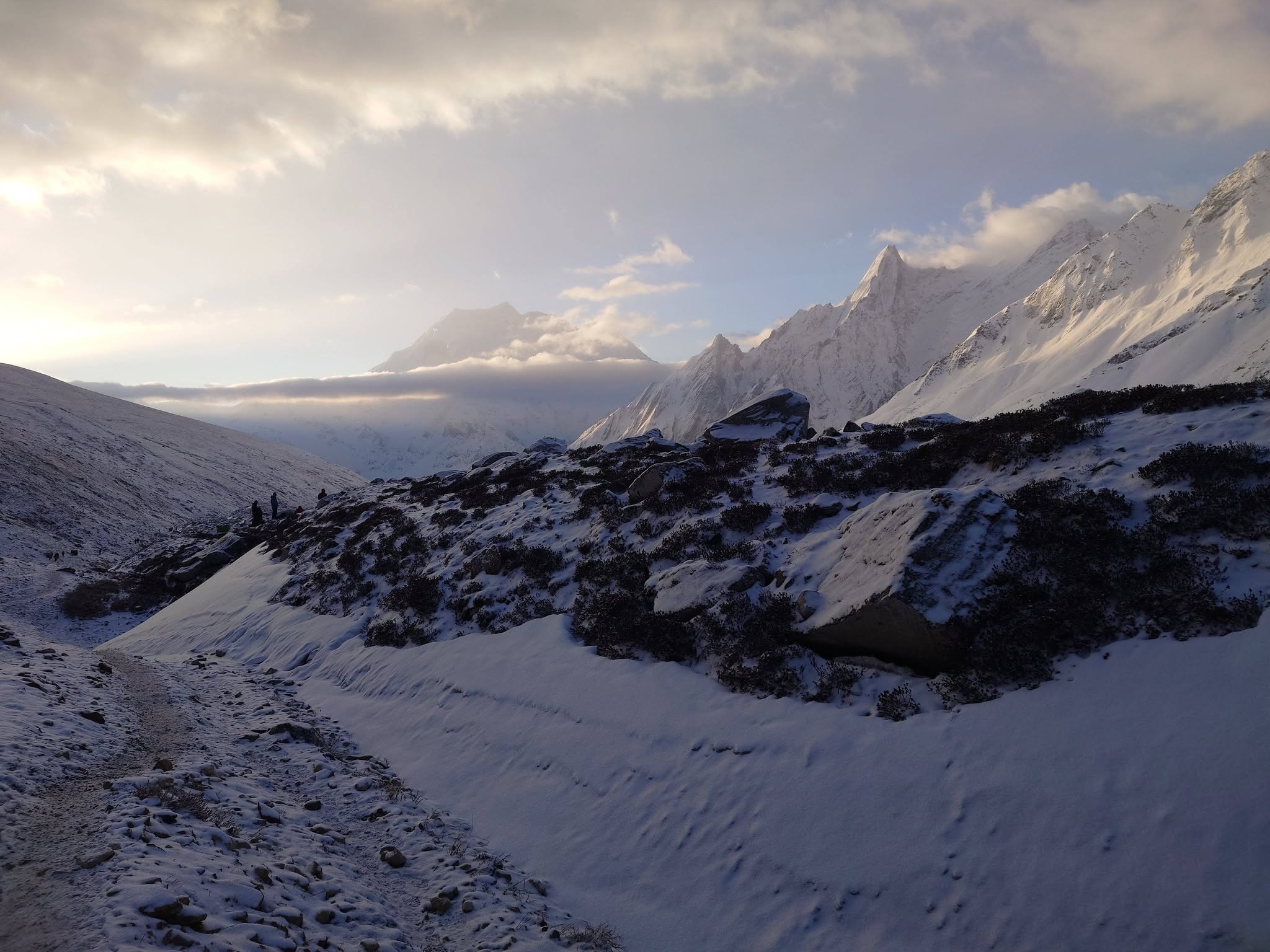
Best Season for Photography on the Manaslu Circuit
Autumn is generally considered the best season for photography on the Manaslu Circuit because of its exceptional visibility and consistently clear skies. Mountain details remain sharp, lighting conditions are often favorable, and distant peaks are easier to capture.
Photographers looking for classic Himalayan landscapes frequently choose autumn because atmospheric haze is minimal. This creates cleaner compositions and stronger contrast throughout the day.
Spring offers a different but equally appealing photographic experience. Blooming rhododendron forests introduce vibrant colors into the landscape, creating compositions that combine flowers, forests, villages, and snow-covered mountains.
Winter photography can also be spectacular. Fresh snowfall, dramatic light, and fewer people on the trail allow photographers to capture a more remote side of the region.
The ideal season ultimately depends on the type of imagery you hope to create. Mountain panoramas, cultural scenes, wildlife, forests, and alpine environments each present unique opportunities throughout the year.
Many photographers find that understanding how weather patterns influence visibility across different sections of the route helps them plan shooting locations more effectively and maximize opportunities during the trek.
Best Season for Beginners
For most beginners, autumn and spring are the best seasons to trek the Manaslu Circuit. Stable weather, accessible trails, and reliable visibility help create a safer and more enjoyable first Himalayan trekking experience.
Predictable conditions allow trekkers to focus more on the journey itself rather than constantly adapting to weather-related challenges. This is especially valuable for those with limited high-altitude trekking experience.
Spring provides comfortable temperatures and colorful landscapes, while autumn offers the clearest mountain views and generally dry trail conditions.
Both seasons also support more reliable transportation and accommodation services. This reduces uncertainty and helps maintain smoother trekking schedules from start to finish.
Season selection alone does not determine trekking success. Physical preparation, pacing, and gradual altitude adaptation during the journey remain equally important factors regardless of when the trek takes place.
Beginners who combine proper preparation with a favorable trekking season significantly improve their chances of having a successful and memorable Manaslu experience.
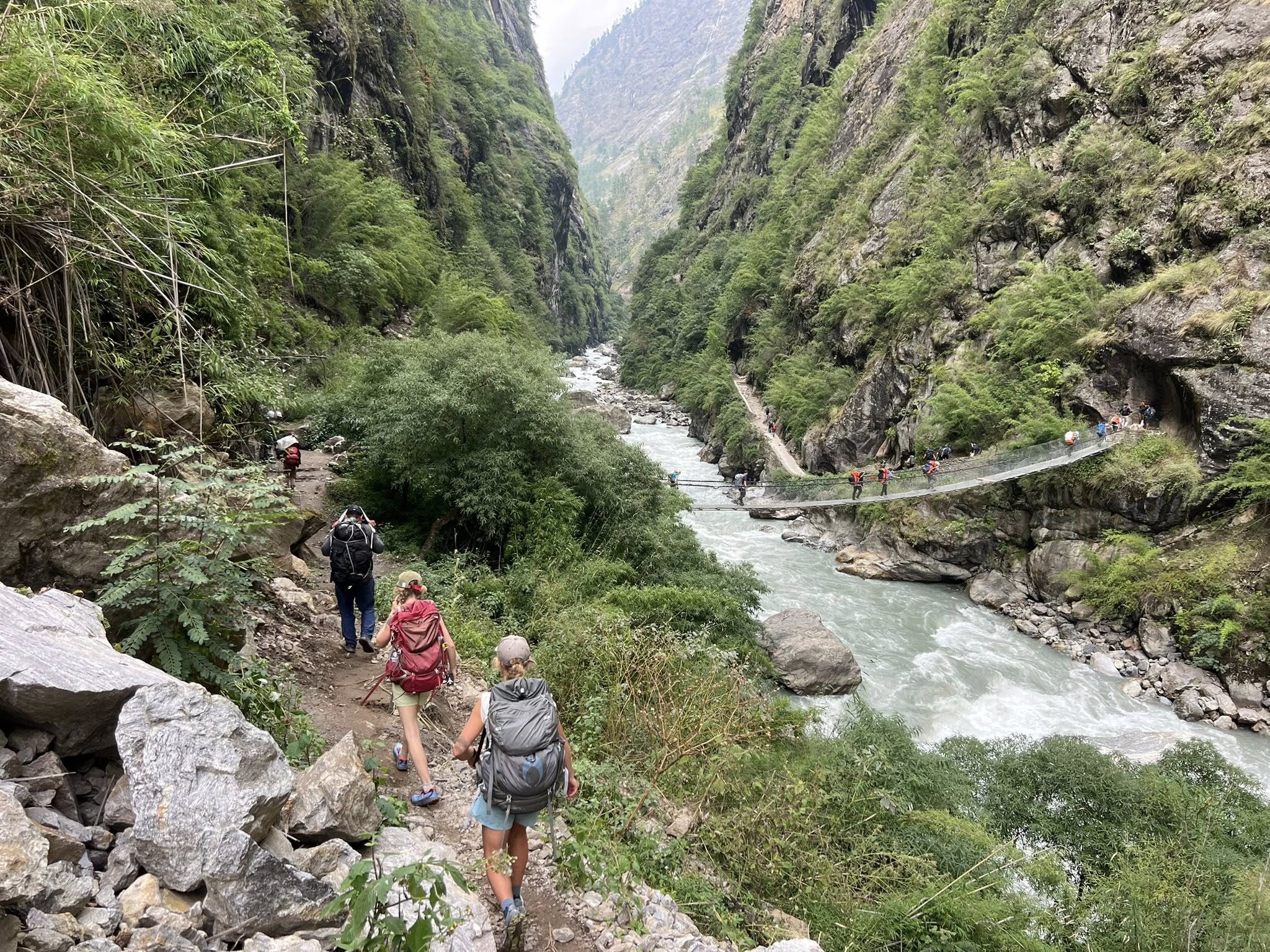
Month-by-Month Guide to Trekking the Manaslu Circuit
While spring and autumn are generally considered the best seasons for the Manaslu Circuit, each month offers a slightly different experience. Understanding these monthly variations can help trekkers choose a departure window that aligns with their preferences.
Factors such as temperature, visibility, trail conditions, crowd levels, and overall atmosphere change throughout the year. Even within the same season, trekking conditions can vary considerably from one month to another.
January
January is one of the coldest months on the Manaslu Circuit. Higher elevations experience freezing temperatures, and snowfall can affect conditions around Larkya La Pass.
Despite the cold, mountain visibility is often excellent. The crisp winter air creates clear views of surrounding Himalayan peaks, particularly during the morning hours.
Trekkers choosing January should be prepared for winter conditions and understand how cold weather can influence daily progress through higher-altitude sections of the trail.
February
February remains cold, but conditions gradually begin transitioning toward spring. Snow can still be present in higher areas, although daylight hours slowly increase.
The trail remains relatively quiet, making it attractive for trekkers seeking a more peaceful experience. Villages and teahouses operate at a slower pace compared to peak seasons.
Weather conditions can vary considerably, so flexibility remains important when planning a February departure.
March
March marks the beginning of spring and one of the most popular periods for trekking the Manaslu Circuit. Temperatures become more comfortable, and trail conditions generally improve throughout the month.
Forests begin showing early signs of seasonal change, while visibility remains strong across much of the route.
March offers an excellent balance between favorable weather and moderate crowd levels.
April
April is often considered one of the finest months for trekking in the Manaslu region. Rhododendron forests are typically in bloom, temperatures are comfortable, and mountain views remain impressive.
Trail conditions are generally stable, making April suitable for a wide range of trekkers.
The combination of seasonal color and reliable weather contributes to the month’s popularity.
May
May represents the latter part of spring and usually brings warmer temperatures. Conditions remain favorable for trekking, although afternoon cloud development becomes more common as the monsoon season gradually approaches.
Mountain views are often best during the morning hours.
For trekkers who enjoy warmer conditions and vibrant landscapes, May remains an attractive option.
June
June signals the beginning of monsoon influence in Nepal. Rainfall gradually increases, particularly at lower elevations.
Trail conditions can become wetter and more challenging, while transportation disruptions become more likely.
Visibility becomes less predictable, although occasional clear mornings still offer rewarding mountain views.
July
July is typically the wettest month of the year in the Manaslu region. Rainfall affects many sections of the route, particularly lower valleys and road access points.
The landscape becomes exceptionally green, and waterfalls appear throughout the region.
Trekkers considering July should be comfortable adapting to changing weather conditions and occasional logistical challenges.
August
August continues the monsoon pattern, although weather conditions may begin showing gradual improvement toward the end of the month.
The region remains lush and vibrant, while visitor numbers stay relatively low.
For trekkers seeking solitude, August can provide a unique experience despite the weather-related challenges.
September
September marks the transition from monsoon to autumn and is often considered the beginning of the peak trekking season.
Early September may still experience occasional rainfall, but visibility generally improves as the month progresses.
By late September, many trekkers begin arriving to take advantage of increasingly stable conditions and clearer mountain views.
October
October is widely regarded as one of the best months to trek the Manaslu Circuit. Weather conditions are stable, visibility is exceptional, and temperatures remain comfortable across most elevations.
The combination of reliable conditions and spectacular scenery makes October particularly popular.
Many trekkers planning accommodation arrangements along the route during peak trekking periods choose to finalize logistics well in advance for this month.
November
November continues many of the advantages associated with October. Clear skies, stable weather, and excellent visibility remain common throughout much of the month.
Temperatures gradually begin cooling, especially during nighttime hours at higher elevations.
For many experienced trekkers, November represents one of the best combinations of weather, scenery, and manageable crowd levels.
December
December marks the beginning of winter conditions. Temperatures begin dropping significantly at higher elevations, while visitor numbers decrease noticeably.
Clear skies often produce excellent mountain views, particularly during stable weather periods.
Trekkers considering December should prepare for colder conditions and understand how seasonal weather can affect the logistics of crossing higher mountain terrain safely and efficiently.
Best Time to Cross Larkya La Pass
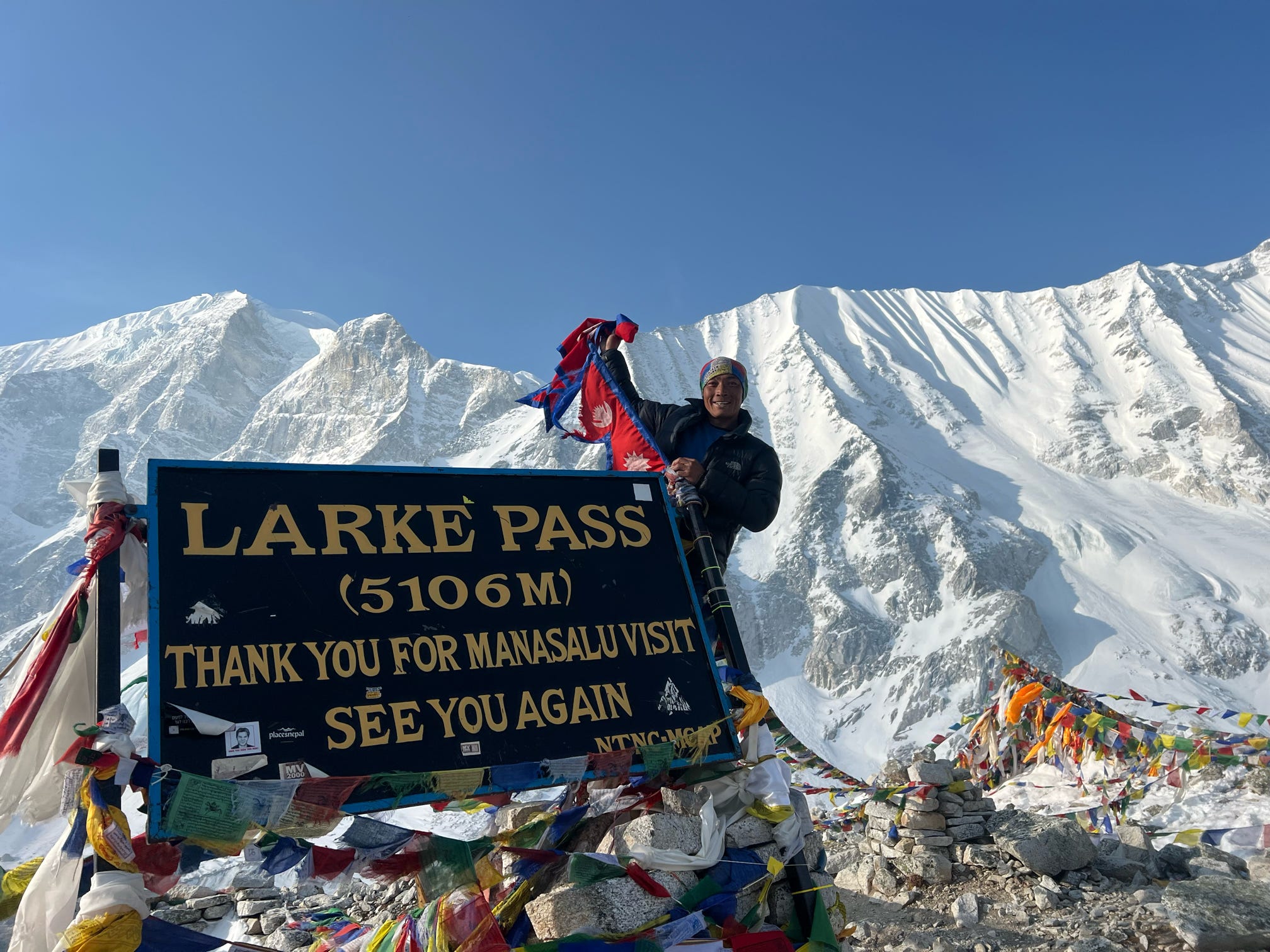
The best time to cross Larkya La Pass is during spring and autumn when weather conditions are generally stable and snow accumulation is less likely to create significant obstacles.
As the highest point of the Manaslu Circuit, Larkya La Pass is often the most weather-sensitive section of the entire trek. Conditions that feel comfortable at lower elevations can change rapidly near the pass.
Spring usually offers manageable snow conditions combined with improving temperatures. Autumn provides greater weather stability and consistently clear visibility.
Winter crossings remain possible, but snowfall, ice, and strong winds can increase the difficulty substantially.
Choosing a favorable season reduces risk and improves the overall trekking experience. Many itinerary decisions, acclimatization schedules, and departure dates are ultimately influenced by conditions encountered at the highest elevation of the trek.
Best Time for Fewer Crowds
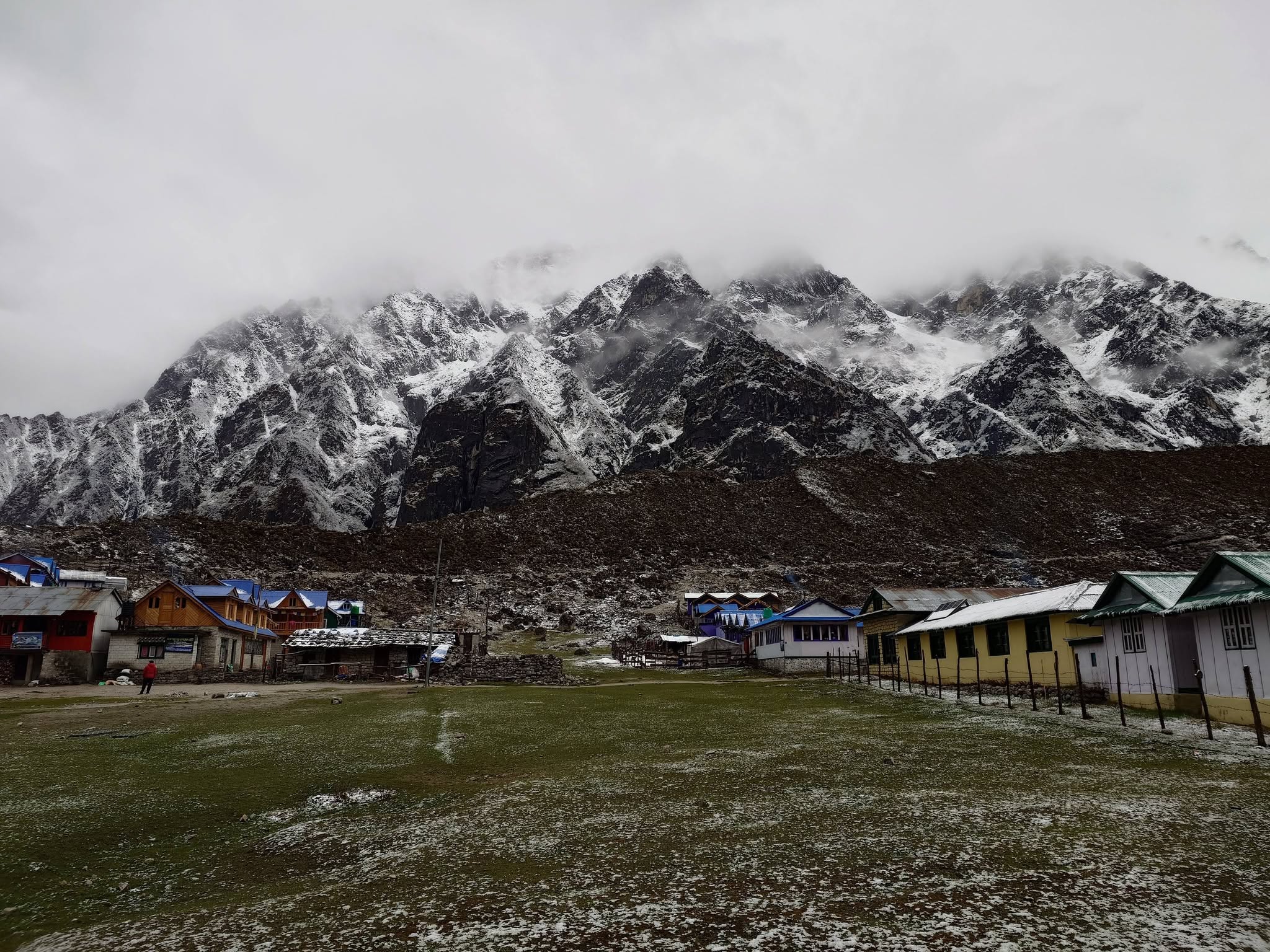
Winter and monsoon are the best seasons for trekkers seeking fewer crowds on the Manaslu Circuit. Visitor numbers decline significantly during these periods, creating a quieter and more remote trekking experience.
The Manaslu Circuit is already less crowded than several of Nepal’s most famous trekking routes. However, the difference becomes even more noticeable outside the peak trekking seasons.
Winter offers solitude through colder temperatures and more demanding conditions. Monsoon creates a quieter environment because many trekkers prefer to avoid rainfall and unpredictable transportation conditions.
For some travelers, fewer crowds enhance the overall experience. Villages feel more peaceful, trails become quieter, and interactions with local communities often feel more personal.
Choosing a quieter season may require additional preparation, but many trekkers find the sense of isolation well worth the trade-off.
When Should You Avoid the Manaslu Circuit Trek?
There is no period when trekking the Manaslu Circuit becomes completely impossible, but certain times of year may be less suitable depending on your priorities and experience level.
Trekkers primarily seeking clear mountain views may wish to avoid the peak monsoon months when cloud cover is most frequent. Similarly, individuals uncomfortable with cold temperatures may find winter conditions challenging at higher elevations.
The route becomes more demanding whenever weather conditions introduce additional complications. Rainfall, snowfall, transportation disruptions, and reduced visibility can all influence the trekking experience.
Rather than asking when the trek should be avoided entirely, it is often more useful to ask whether seasonal conditions align with your expectations and level of preparation.
Understanding factors such as weather, permit processing requirements and documentation procedures, transportation logistics, and physical preparedness can help determine whether a specific season is appropriate for your trek.
How Seasonal Conditions Affect Transportation, Accommodation, and Logistics
Seasonal weather influences far more than trail conditions. Transportation, accommodation availability, permit processing timelines, and overall trekking logistics can all be affected throughout the year.
During autumn and spring, transportation services generally operate more consistently. Roads leading toward the trailhead villages are usually more reliable, helping trekkers maintain planned schedules.
Monsoon conditions can occasionally affect road access. Heavy rainfall may create delays, making flexibility particularly valuable during this season.
Accommodation availability is another important consideration. Peak trekking months often experience higher demand, especially in villages where teahouse capacity becomes an important part of route planning.
Seasonal conditions also influence packing requirements. Clothing, sleeping gear, footwear, and safety equipment should be selected according to expected temperatures and weather patterns.
Successful trekking experiences often result from understanding these practical details before departure rather than focusing exclusively on mountain scenery and weather forecasts.
Our Recommendation: When Is the Best Time to Trek the Manaslu Circuit?
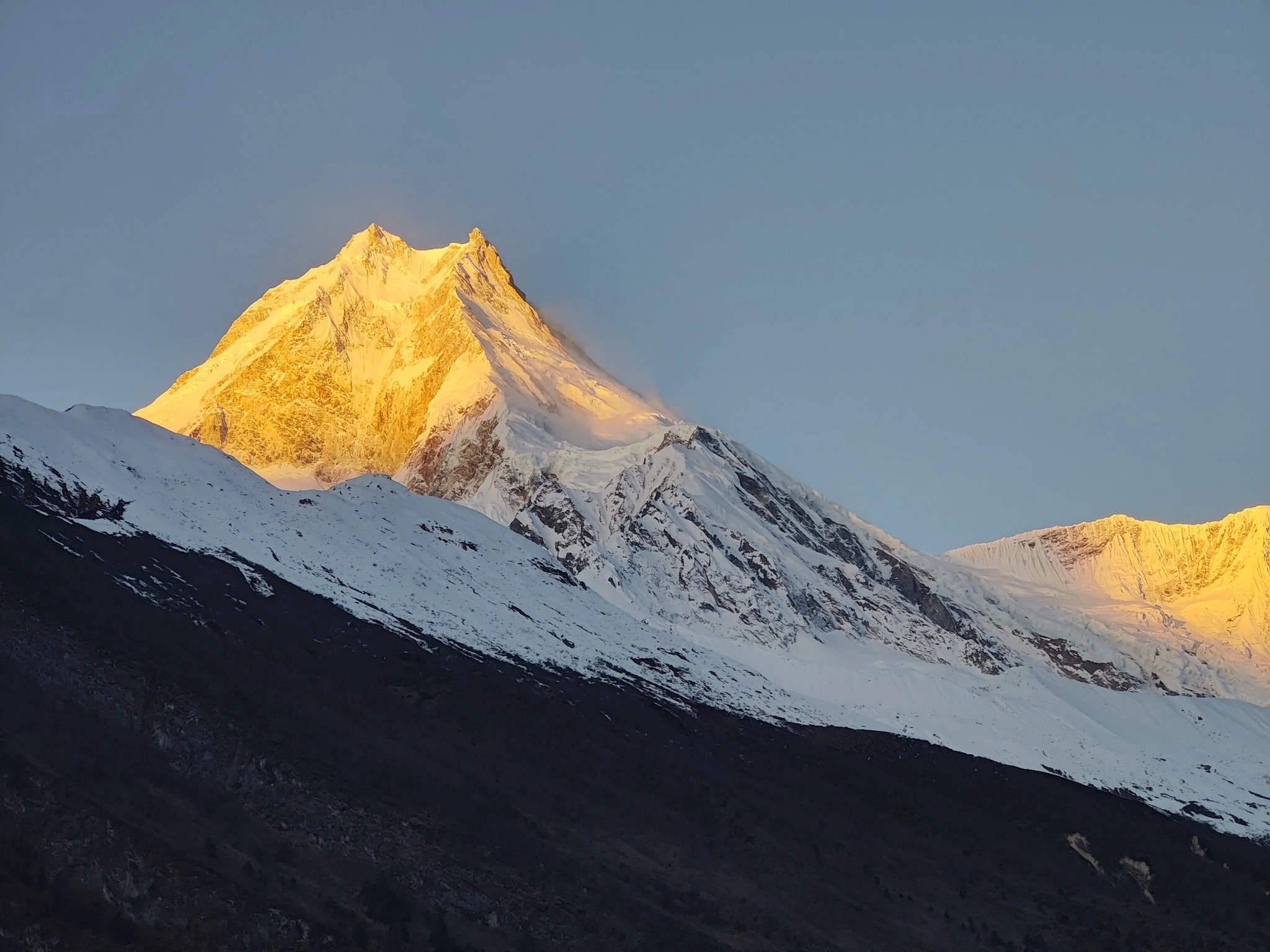
If you are looking for the best overall trekking experience, autumn remains the strongest recommendation for most trekkers. Clear skies, stable weather, reliable trail conditions, and exceptional mountain views combine to create ideal conditions throughout much of the route.
Spring follows closely behind and may even be preferable for trekkers who enjoy blooming landscapes, warmer temperatures, and colorful mountain scenery.
Winter is best suited to experienced trekkers seeking solitude and colder alpine environments. Monsoon appeals primarily to adventurous travelers who prioritize quiet trails and lush landscapes over consistent visibility.
Ultimately, the best season is the one that aligns with your expectations. Every season offers a different perspective of the Manaslu region, and each can provide an unforgettable Himalayan experience when approached with proper preparation.
For most first-time visitors, however, spring and autumn continue to offer the strongest balance of weather, safety, scenery, and overall trekking enjoyment.
Conclusion
The best time to trek the Manaslu Circuit ultimately depends on the type of experience you are looking for, but for most trekkers, spring and autumn remain the most rewarding seasons.
Spring offers blooming rhododendron forests, comfortable temperatures, and vibrant landscapes that bring the region to life. Autumn delivers exceptionally clear mountain views, stable weather, and some of the most reliable trekking conditions found anywhere in Nepal.
Winter provides solitude, dramatic alpine scenery, and a quieter atmosphere for experienced trekkers prepared for colder temperatures. Monsoon trekking presents a completely different side of the Manaslu region, with lush valleys, powerful rivers, and fewer people on the trail.
Regardless of when you choose to visit, proper planning remains one of the most important factors in ensuring a successful trek. Seasonal conditions influence transportation, accommodation, altitude management, permit requirements, and daily trekking schedules throughout the journey.
By matching your expectations with the realities of each season, you can choose a departure period that aligns with your interests, fitness level, and trekking goals.
For trekkers seeking the best combination of weather, scenery, accessibility, and overall experience, spring and autumn continue to stand out as the strongest choices for exploring one of Nepal’s most spectacular trekking routes.
Frequently Asked Questions About the Best Time to Trek the Manaslu Circuit
Is autumn or spring better for the Manaslu Circuit Trek?
Both seasons are excellent, but they offer slightly different experiences.
Autumn is generally preferred for crystal-clear mountain views, stable weather, and dry trail conditions. Spring offers blooming forests, warmer temperatures, and colorful landscapes that many trekkers find equally rewarding.
If mountain visibility is your highest priority, autumn usually has a slight advantage. If you enjoy nature, flowers, and seasonal scenery, spring can be equally appealing.
What is the best month to trek the Manaslu Circuit?
October is often considered the best month for trekking the Manaslu Circuit because of its combination of stable weather, excellent visibility, and comfortable temperatures.
April and November are also outstanding choices. These months provide favorable trekking conditions while offering slightly different seasonal scenery and crowd levels.
The ideal month depends on your personal preferences, but October consistently ranks among the most popular options.
Can I trek the Manaslu Circuit during the monsoon season?
Yes, the Manaslu Circuit can be trekked during the monsoon season, although conditions become more challenging.
Rainfall can create muddy trails, increase the likelihood of transportation delays, and reduce mountain visibility. However, the landscape becomes exceptionally green and visitor numbers remain low.
Trekkers who prioritize solitude and lush scenery may still find monsoon trekking rewarding with proper preparation and flexible planning.
Is the Manaslu Circuit Trek possible in winter?
Yes, winter trekking is possible on the Manaslu Circuit, but colder temperatures and snowfall create additional challenges.
Conditions become more demanding at higher elevations, particularly near Larkya La Pass. Proper cold-weather equipment and a flexible itinerary are important during this season.
For experienced trekkers seeking quieter trails and winter mountain scenery, the season can offer a unique and memorable experience.
Which season has the clearest mountain views?
Autumn generally provides the clearest mountain views on the Manaslu Circuit.
Following the monsoon rains, the atmosphere becomes remarkably clean, allowing distant peaks and ridgelines to remain visible with exceptional clarity.
Spring also offers impressive visibility, although occasional afternoon cloud development becomes slightly more common later in the season.
When is the least crowded time to trek the Manaslu Circuit?
Winter and monsoon are typically the least crowded periods on the Manaslu Circuit.
Visitor numbers decrease significantly during these seasons due to colder temperatures and wetter weather conditions. As a result, trails, villages, and teahouses often feel quieter and more remote.
Trekkers looking for solitude may find these seasons particularly appealing despite the additional challenges.
Is spring suitable for first-time trekkers?
Yes, spring is one of the best seasons for first-time trekkers on the Manaslu Circuit.
Comfortable temperatures, stable weather, colorful landscapes, and generally reliable trail conditions make the season highly accessible.
When combined with proper preparation and realistic pacing, spring provides an excellent introduction to high-altitude trekking in Nepal.
Does weather affect accommodation availability on the Manaslu Circuit?
Yes, seasonal demand can influence accommodation availability, particularly during the peak trekking months of spring and autumn.
Popular villages may experience higher occupancy levels during these periods, making advance planning beneficial.
Outside the peak seasons, accommodation is generally easier to secure, although some services may operate on a more limited basis depending on local conditions.