Eight New Classrooms, A Brighter Future: Kakani School Building Project Successfully Completed
November 23, 2026 Lhasso Adventure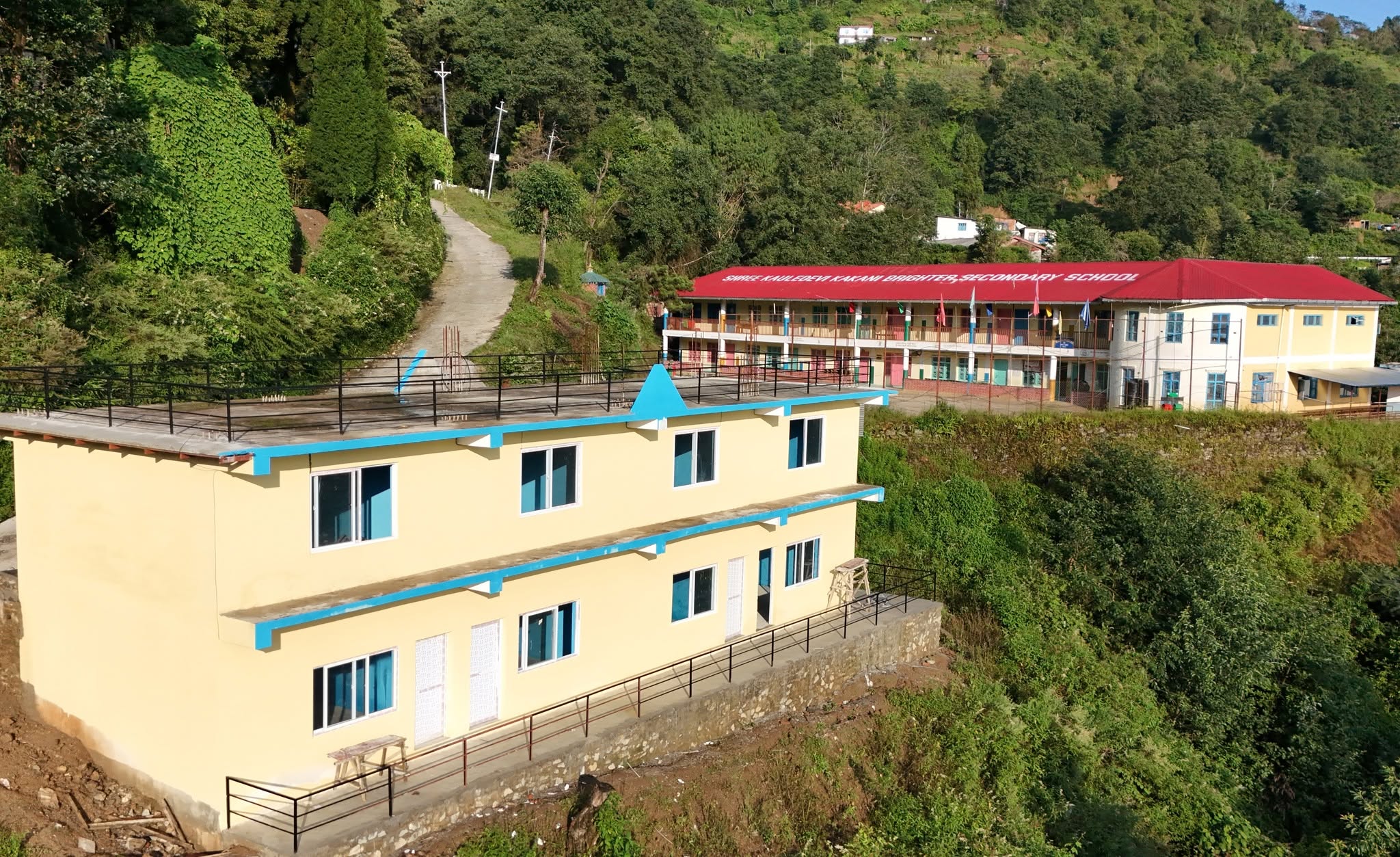
The Kakani School Building Project marks an important step towards creating better learning opportunities for children in the community. A school is more than a building. It is a place where children learn, discover their potential and begin shaping their futures. For a community, access to education can create opportunities that extend far beyond the classroom.
We are delighted to share the successful completion and handover of the new eight-classroom building at Shree Kauladevi Kakani Brighter Secondary School, located in Kakani Rural Municipality, Ward No. 5, Nuwakot, Nepal.
The inauguration and handover ceremony took place on October 12, 2026, marking an important milestone for the school and its surrounding community.
For Lhasso Adventure, this achievement is especially meaningful. We believe our connection with Nepal should go beyond organising trekking and travel experiences. Supporting local communities and contributing to opportunities that make a lasting difference are also part of our commitment.
We have previously shared our earlier coverage of the Kakani school project in Nepal, highlighting the need for additional classrooms and the vision behind this initiative. Now, with the building completed, we are pleased to share this important milestone.
The Kakani School Building Project: A Community’s Need
Shree Kauladevi Kakani Brighter Secondary School was established in 2006 (2062 B.S.) to provide children in the surrounding villages with access to free education.
Before the school was established, children in the wider Kakani area had limited access to educational institutions. Families recognised that education could give their children more opportunities, help them build independent futures and contribute positively to their community.
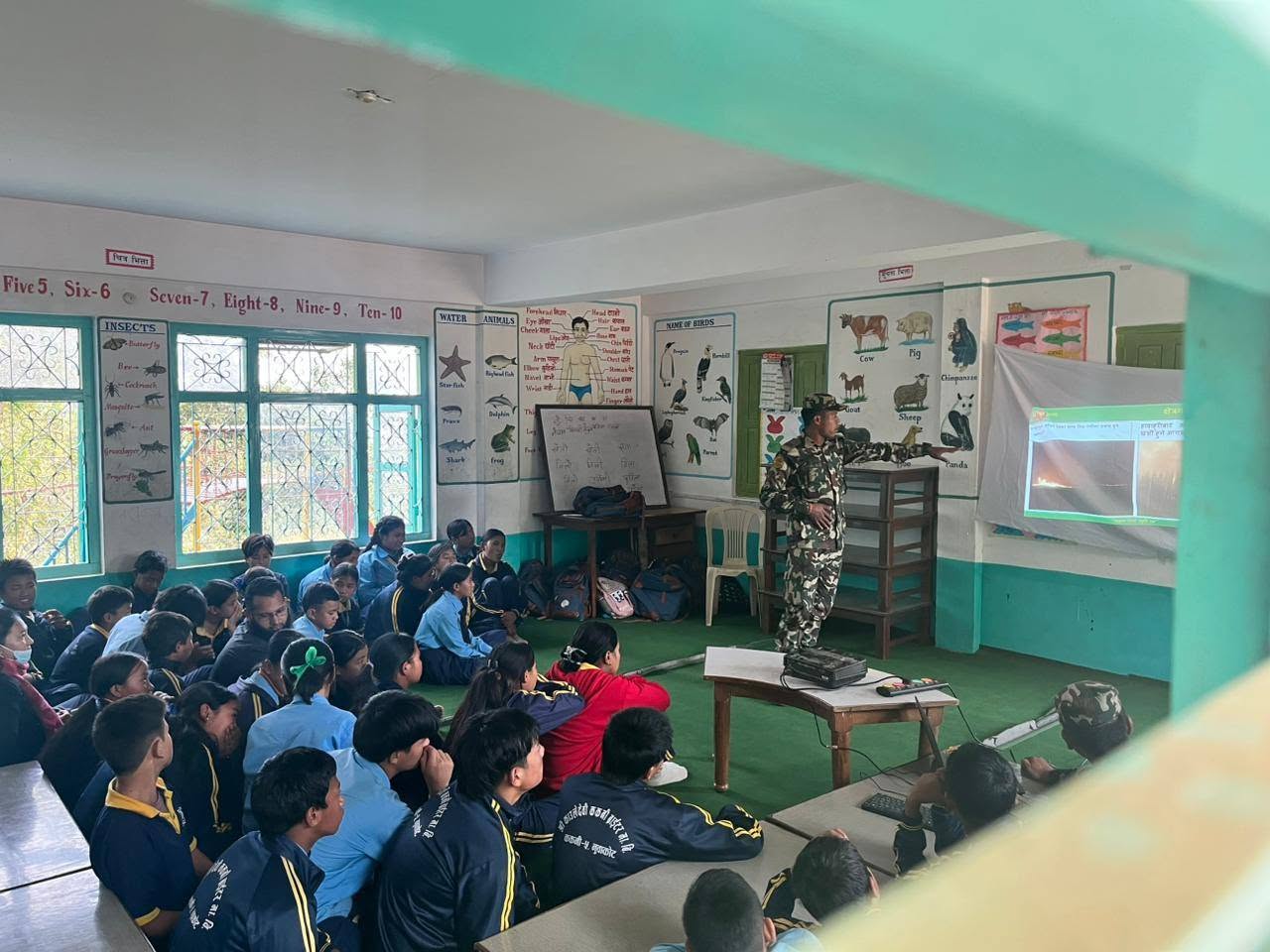
The school provides free education from kindergarten through Grade 10. According to the original project information, it serves more than 360 students with a dedicated team of 20 teachers.
However, completing Grade 10 has not always meant that students could continue their education easily. The nearest higher secondary school is approximately six kilometres away. For some families, the distance and additional costs involved in travelling to another location can make further education difficult.
As a result, some students face the possibility of leaving school to help with family responsibilities or seeking employment elsewhere.
The school therefore identified the need for additional classrooms and facilities that could support its growing student population and its longer-term ambition to provide education beyond Grade 10.
Why the Kakani School Building Project Needed Eight New Classrooms
The school building project was initiated to address the shortage of suitable classroom space and support the school’s wider educational plans.
The proposed building consisted of eight classrooms and was designed to accommodate at least 180 additional students.
The original plan included two classrooms intended for Grades 11 and 12. The remaining rooms were planned to provide additional space for existing students and support technical or vocational learning.
This was particularly important because the school hopes to expand its educational offerings in the future. It has received government approval for an upgrade to higher secondary education, subject to having the necessary classrooms, teachers and educational resources.
The new building provides an important foundation for that ambition. While additional arrangements are still needed before the school can offer all of its planned programmes, having suitable classroom space is a significant step forward.
For students, additional classrooms mean more room to learn. For teachers, they provide better opportunities to organise lessons and accommodate the school’s educational needs. For families, the development represents progress towards having more learning opportunities available within their own community.
The Construction Journey of the Kakani School Building Project
Building a school in a rural area comes with challenges that are not always visible in the finished structure.
The Kakani School Building Project took approximately two years to complete. Throughout the construction period, the project faced several difficulties, including challenging ground conditions, transportation problems, labour shortages and funding constraints.
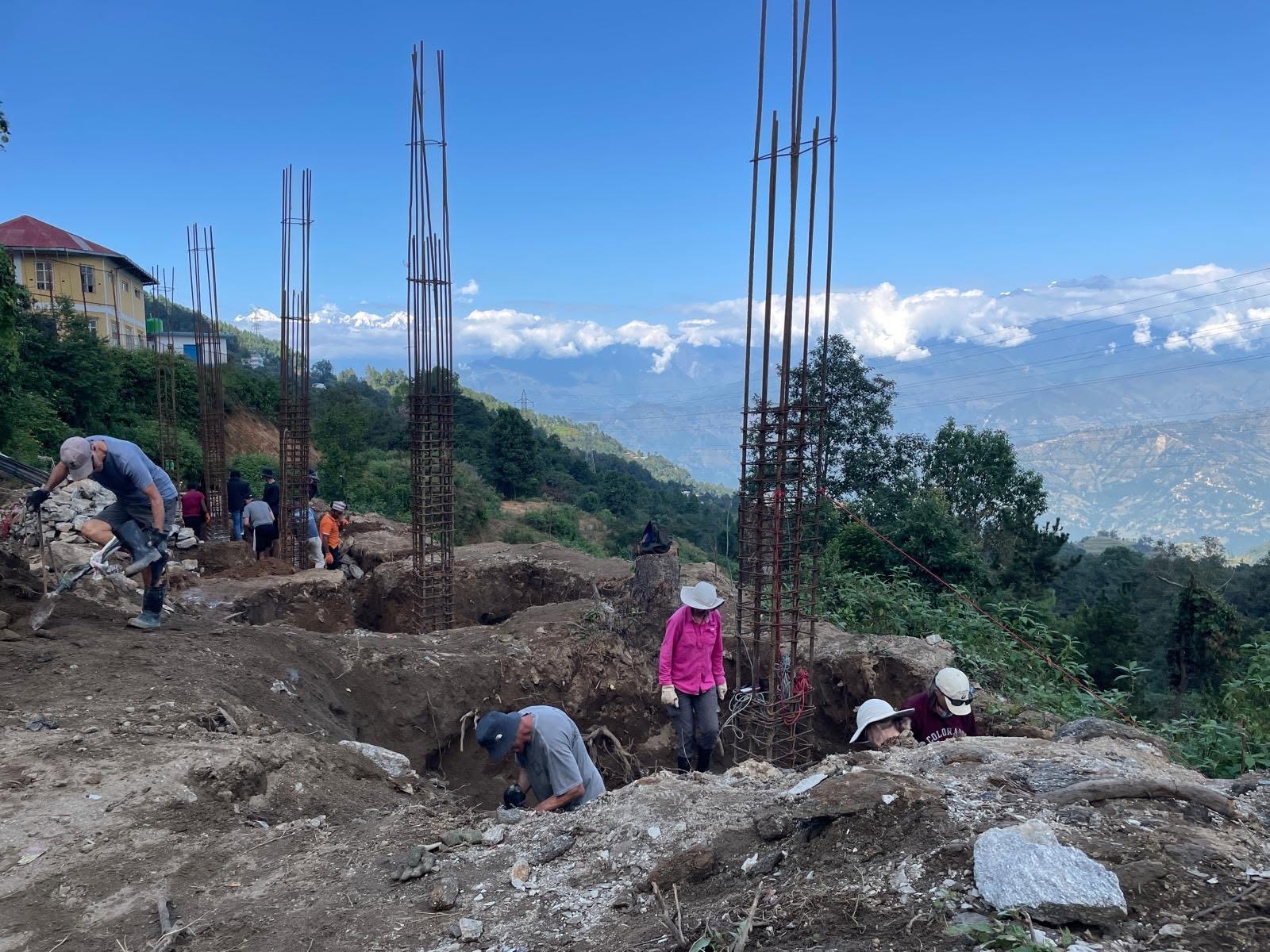
During the early stages, construction teams encountered large layers of rock along the wall side of the building site. This made foundation work more difficult and took longer than initially expected.
Poor road conditions also created difficulties when transporting construction materials to the site. A shortage of available workers added further delays.
Despite these obstacles, construction continued through the cooperation of the project organisers, school representatives, contractors, local government engineers and community members.
The progress of the project was documented throughout its construction. For a closer look at an earlier stage of the work, read MCAF’s October 2025 Kakani School Project update.
 Key Milestones in the Kakani School Building Project
The project progressed through several important stages during 2025.
January 2025 – Foundation and structural work
The early construction phase involved foundation work, pillars and the supporting structure. Difficult ground conditions and the transportation of materials affected the pace of construction, but work continued with the involvement of local engineers and the community.
April 27, 2025 – First-story slab completed
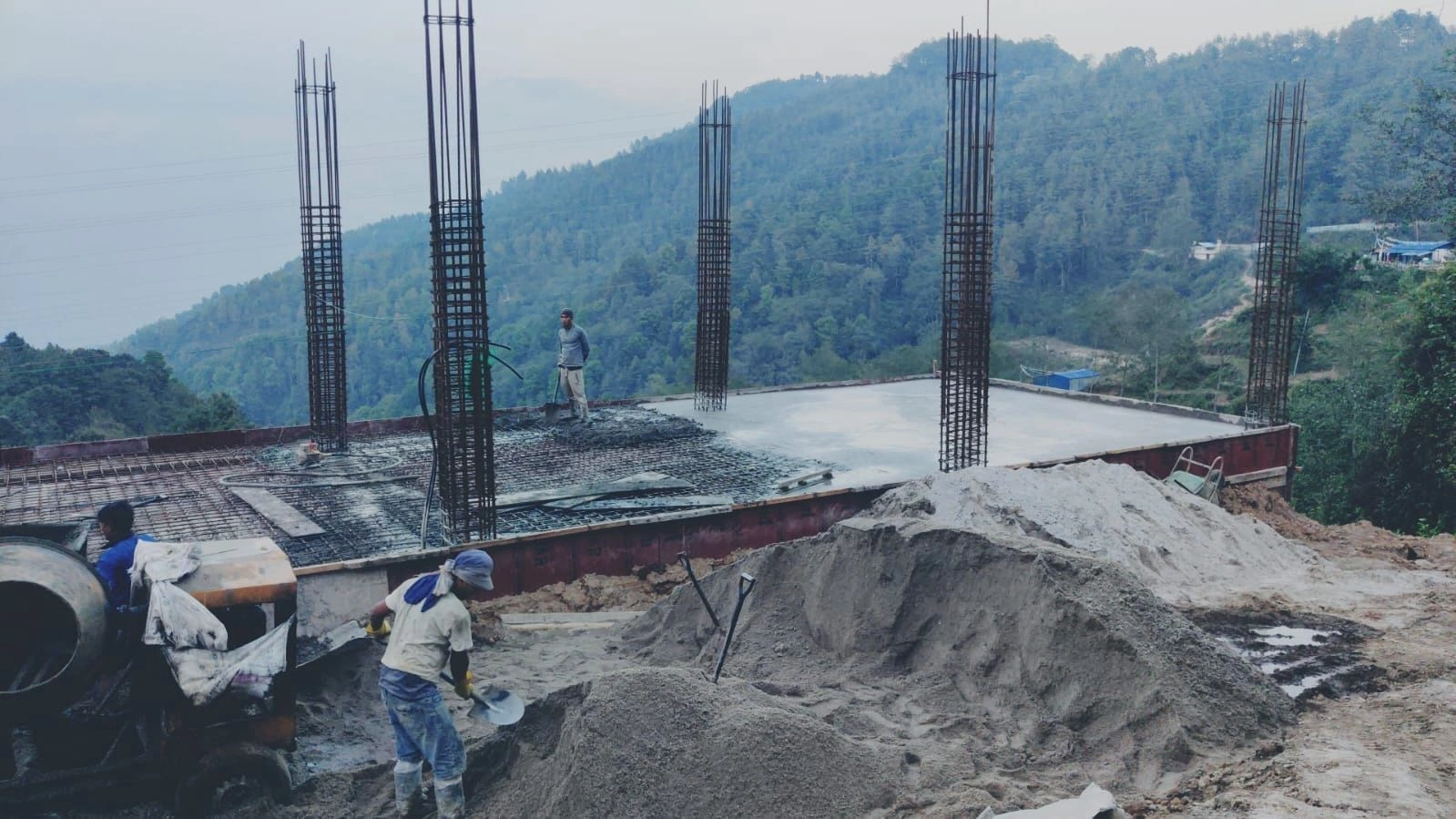
A major milestone was achieved when the concreting of the first-story slab was successfully completed on April 27, 2025. Work then continued on the pillars and framework for the next structural stage.
June 9, 2025 – Second slab completed
The second slab was successfully concreted on June 9, 2025. Construction was subsequently paused for the monsoon season, with work scheduled to resume in mid-September.
These milestones represented important progress towards completing the building. They also reflected the determination of everyone involved to keep the project moving forward despite the challenges.
Kakani School Building Project: Official Handover on October 12, 2026
After approximately two years of construction, the eight-classroom building was successfully completed and handed over to Shree Kauladevi Kakani Brighter Secondary School.
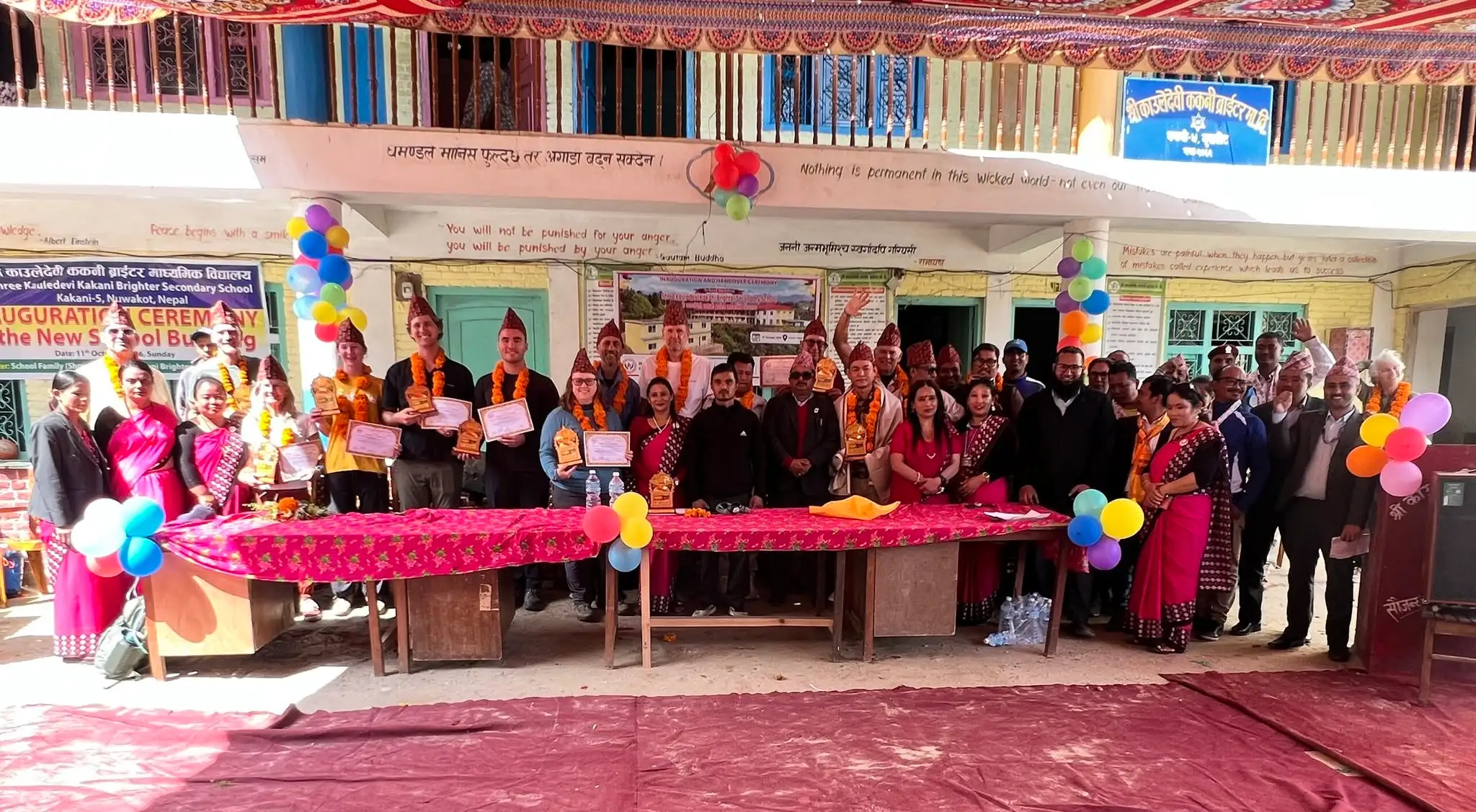
The inauguration and handover ceremony took place on October 12, 2026, bringing together people who had contributed to and supported the project.
For the school community, this was an opportunity to celebrate the completion of an important development project and recognise the collective effort behind it.
The classrooms are now in use, providing additional learning space for students and helping address the school’s need for better facilities.
What began as a plan to create more room for education has become a completed building that the community can use and benefit from.
For more details about the inauguration, the people behind the project and its educational impact, read MCAF’s detailed report on the Kakani School Building Project’s completion.
The People and Organisations Behind the Kakani School Building Project
A community project of this scale is made possible through the combined efforts of many people.
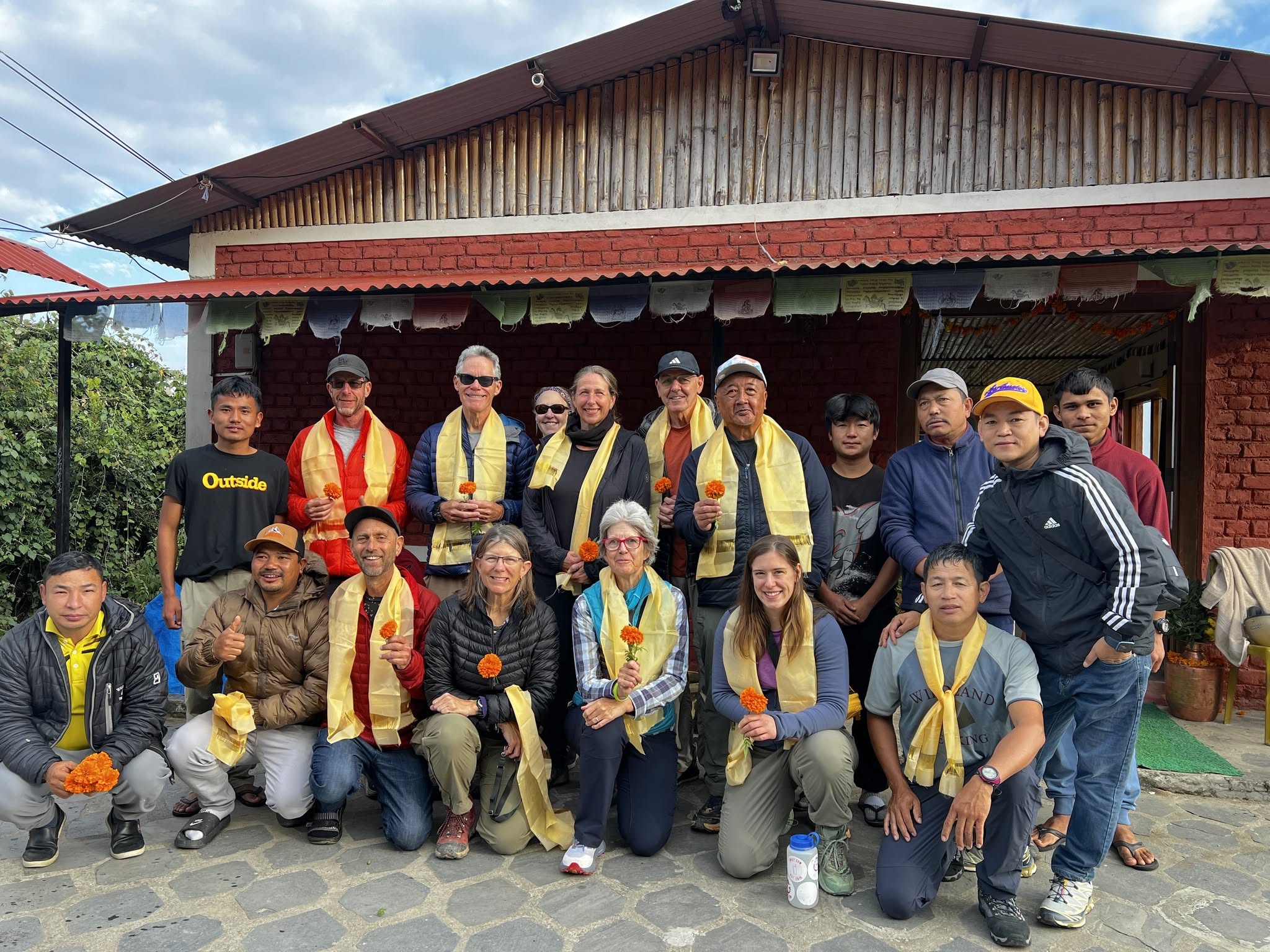
The Kakani School Building Project was led by Mother and Children Art Foundation (MCAF) in association with Wildland Trekking, Backpacker Magazine, powered by Outside Magazine, and generous individual donors and supporters.
Their contributions, encouragement and continued involvement helped bring the project from its initial plans to a completed school building.
We also recognise the friends and supporters from Santa Barbara, California, and elsewhere whose generosity helped make the project possible.
Behind every completed classroom is the effort of people who believe that children deserve access to better educational opportunities. We extend our sincere appreciation to everyone who played a part in this achievement.
Lhasso Adventure’s Commitment to MCAF and the Kakani School Building Project
At Lhasso Adventure, we believe that responsible tourism should create positive connections with the places and communities that make travel meaningful.
Nepal’s mountains, villages, trails and local communities are central to the experiences we share with travellers. We also believe that supporting the well-being and development of local communities is an important part of our responsibility as a Nepal-based travel company.
That is why Lhasso Adventure contributes 10% of its profits to Mother and Children Art Foundation (MCAF) to support its community-focused work.
MCAF works to improve opportunities for mothers, children and communities through initiatives that address local needs. Supporting its work allows us to contribute beyond the travel experiences we organise and remain connected to the wider needs of communities in Nepal.
The Kakani school building project is one example of the kind of community development effort that makes this commitment meaningful.
We are proud to support MCAF and its work towards creating better opportunities for people and communities.
The Future Beyond the Kakani School Building Project
The completion of the school building is an important achievement, but its value extends beyond the construction itself.
Additional classroom space can help the school accommodate more students, improve its learning environment and work towards expanding its educational programmes.
The school’s longer-term ambition includes offering Grades 11 and 12 and developing technical and vocational education opportunities. These plans will require suitable teachers, learning materials and other educational resources, but the completed building provides an important step towards making them possible.
For children growing up in Kakani, better access to education closer to home could reduce some of the barriers associated with travelling elsewhere to continue their studies.
It can also help families and the wider community see more possibilities for the next generation.
The impact of a school building cannot be measured only by the number of classrooms or the materials used in its construction. Its greater value lies in the opportunities that students may gain from having a better place to learn.
A Shared Achievement: The Impact of the Kakani School Building Project
The successful completion of the Kakani School Building Project is a reminder of what can be achieved when organisations, supporters and local communities work towards a shared goal.
Eight new classrooms now stand at Shree Kauladevi Kakani Brighter Secondary School. They provide additional space for learning today and support the school’s ambitions for the future.
At Lhasso Adventure, we congratulate the school, MCAF, Wildland Trekking, Backpacker Magazine, individual donors, supporters, construction teams and everyone who contributed to this achievement.
We are grateful to be connected with MCAF and to support its work through our commitment to contributing 10% of Lhasso Adventure’s profits.
Because some journeys are not measured by the mountains we reach, but by the positive difference we help create along the way.