Nepal Trekking Preparation Guide | Essential Trek Tips
July 24, 2026 Lhasso Adventure
Trekking in Nepal is one of the most rewarding adventures in the world, but it also requires thoughtful preparation. From high mountain passes and changing weather to long walking days at altitude, every trek presents challenges that are easier to manage when you arrive well prepared.
Whether you’re planning your first Himalayan journey or returning for another adventure, taking time to train, pack wisely, and understand mountain conditions can make a huge difference. Good preparation not only improves your safety but also allows you to enjoy the landscapes, culture, and experience with confidence.
In this complete Nepal trekking preparation guide, you’ll learn everything you need before setting off, from improving your fitness and choosing the right gear to preventing altitude sickness, packing efficiently, and understanding essential permits. If you’re still deciding where to trek, exploring the different Nepal trekking packages offered by Lhasso Adventure can also help you choose a route that matches your experience and fitness level.
What Is Nepal Trekking Preparation?
Nepal trekking preparation is the process of getting physically, mentally, and practically ready for a Himalayan trekking adventure. It includes building your fitness, choosing the right gear, packing efficiently, understanding altitude, and planning the logistics needed for a safe and enjoyable journey.
Preparing for a trek in Nepal goes beyond buying hiking equipment or booking your flights. The Himalayan trails pass through remote mountain regions where weather can change quickly, walking days are long, and higher elevations place extra demands on your body.
The level of preparation you need will also depend on your chosen trek. A shorter trek in the Annapurna region requires different planning than a challenging route like the Manaslu Circuit Trek or Everest Base Camp Trek. Understanding these differences helps you train effectively and pack only what you’ll actually need.
Taking the time to prepare before your trip allows you to focus less on avoidable challenges and more on enjoying Nepal’s spectacular mountain scenery, welcoming villages, and unforgettable trekking experience.
Why Is Preparation Important Before Trekking in Nepal?
Proper preparation helps you trek more safely, adapt better to high altitude, and enjoy the journey with confidence. It reduces common risks such as altitude sickness, fatigue, poor packing decisions, and unexpected weather challenges.
Nepal’s trekking trails are very different from ordinary hiking routes. Many popular treks take you through remote mountain regions where access to medical facilities, transportation, and equipment stores is limited. Being prepared before you begin your trek can prevent many common problems along the way.
Altitude is another important factor. As you gain elevation, oxygen levels decrease, making even simple activities feel more demanding. Understanding how to acclimatize, stay hydrated, and maintain a steady pace helps your body adjust more comfortably during the trek.
Preparation also means knowing what to expect from your chosen route. Researching daily walking hours, trail conditions, accommodation, and weather allows you to plan with confidence. Pairing this guide with detailed itineraries for routes like the Langtang Valley Trek, Annapurna Base Camp Trek, or Everest Base Camp Trek can give you a clearer picture of what lies ahead.
When you arrive well prepared, you’ll spend less time worrying about logistics and more time appreciating the incredible landscapes, rich culture, and unique experience that make trekking in Nepal so memorable.
How Fit Do You Need to Be for Trekking in Nepal?
You don’t need to be an athlete to trek in Nepal, but a good level of fitness will make your journey safer and more enjoyable. Most popular trekking routes involve walking for 5–7 hours a day across uneven trails, with frequent ascents and descents at increasing altitudes.
The fitness level required depends on the trek you choose. Shorter and lower-altitude routes are suitable for beginners with regular walking habits, while longer treks that reach elevations above 4,000 metres demand greater endurance and stamina. Regardless of the destination, preparing your body before the trek helps reduce fatigue and lowers the risk of injuries.
Cardiovascular endurance is one of the most important areas to focus on. Activities such as brisk walking, hiking, cycling, swimming, or light jogging help improve your stamina for long days on the trail. You don’t need intense workouts, consistent exercise over several weeks is far more effective than pushing yourself just before departure.
Leg strength and balance are equally valuable. Mountain trails often include steep stone steps, rocky paths, and uneven terrain. Adding simple exercises like squats, lunges, step-ups, and stair climbing to your routine can make these sections feel much easier during the trek.
It’s also worth remembering that altitude affects everyone differently. Even people in excellent physical condition can feel the effects of thinner air as they gain elevation. While good fitness improves your overall trekking experience, climbing gradually and allowing enough time for acclimatization remain the best ways to stay healthy in the mountains.
What Training Should You Do Before Trekking?
A balanced training routine that combines cardio, strength, and regular walking is the best way to prepare for trekking. Starting your training at least 6–8 weeks before your trip gives your body enough time to build endurance without overtraining.
Walking should form the foundation of your preparation. Try to walk several times each week, gradually increasing both the distance and the amount of time you spend on your feet. If possible, include hills or staircases to simulate the type of terrain you’ll encounter in the Himalayas.
Alongside walking, include a few strength sessions each week. Exercises that target your legs, core, and lower back improve stability and help you carry a daypack more comfortably. Even short home workouts using your own body weight can make a noticeable difference over time.
If you already enjoy activities like cycling, running, or swimming, continue them as part of your routine. These exercises improve cardiovascular fitness and help your body cope with long trekking days. On weekends, consider taking a longer hike with a lightly loaded backpack to get used to walking with extra weight.
Just as important as training is giving your body enough time to recover. Rest days, proper hydration, and a balanced diet all support your progress and reduce the risk of injury before your trek begins. Arriving well-rested is often more beneficial than trying to squeeze in extra workouts during the final week.
Choosing the Right Trek Based on Your Experience
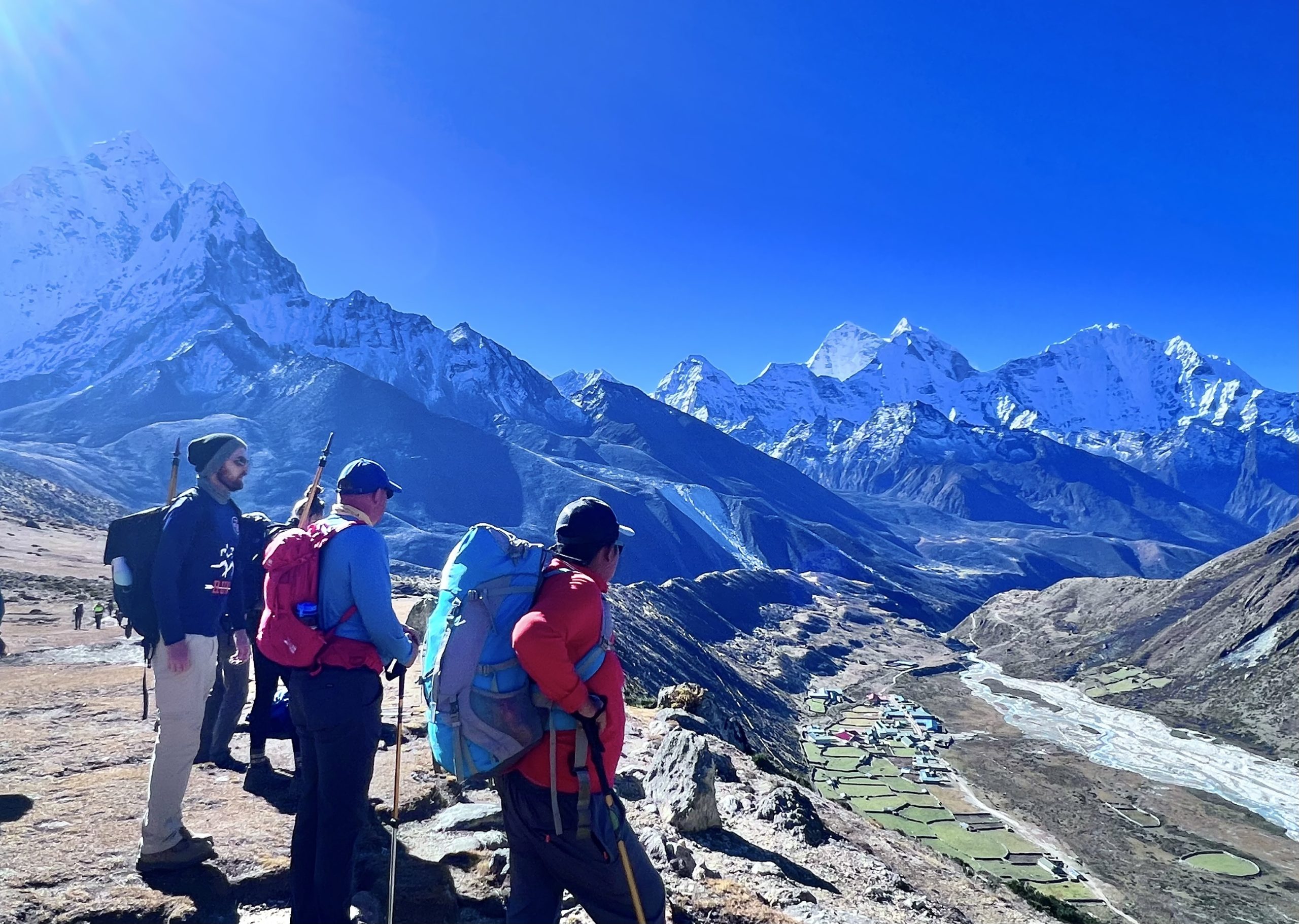
Choosing a trek that matches your fitness level and previous hiking experience is one of the best ways to enjoy the journey. Starting with a route that suits your abilities allows you to build confidence while appreciating the landscapes without feeling overwhelmed.
If you’re new to trekking, shorter routes with gradual elevation gain are often a comfortable introduction to the Himalayas. These treks still offer beautiful mountain views and cultural experiences while being less physically demanding than high-altitude expeditions.
Trekkers with some hiking experience may enjoy routes that involve longer walking days and higher elevations. These journeys require more preparation but reward you with diverse landscapes, remote villages, and spectacular mountain scenery.
For experienced trekkers looking for a greater challenge, high passes and longer circuits require stronger endurance, careful acclimatization, and more detailed planning. Reading a full itinerary before choosing a trek is always worthwhile, as it helps you understand the daily distances, elevation changes, and overall pace of the journey.
There’s no single “best” trek for everyone. The right choice depends on your fitness, available time, interests, and previous experience. Selecting a route that feels achievable often leads to a more enjoyable and memorable adventure.
Essential Trekking Gear for Nepal
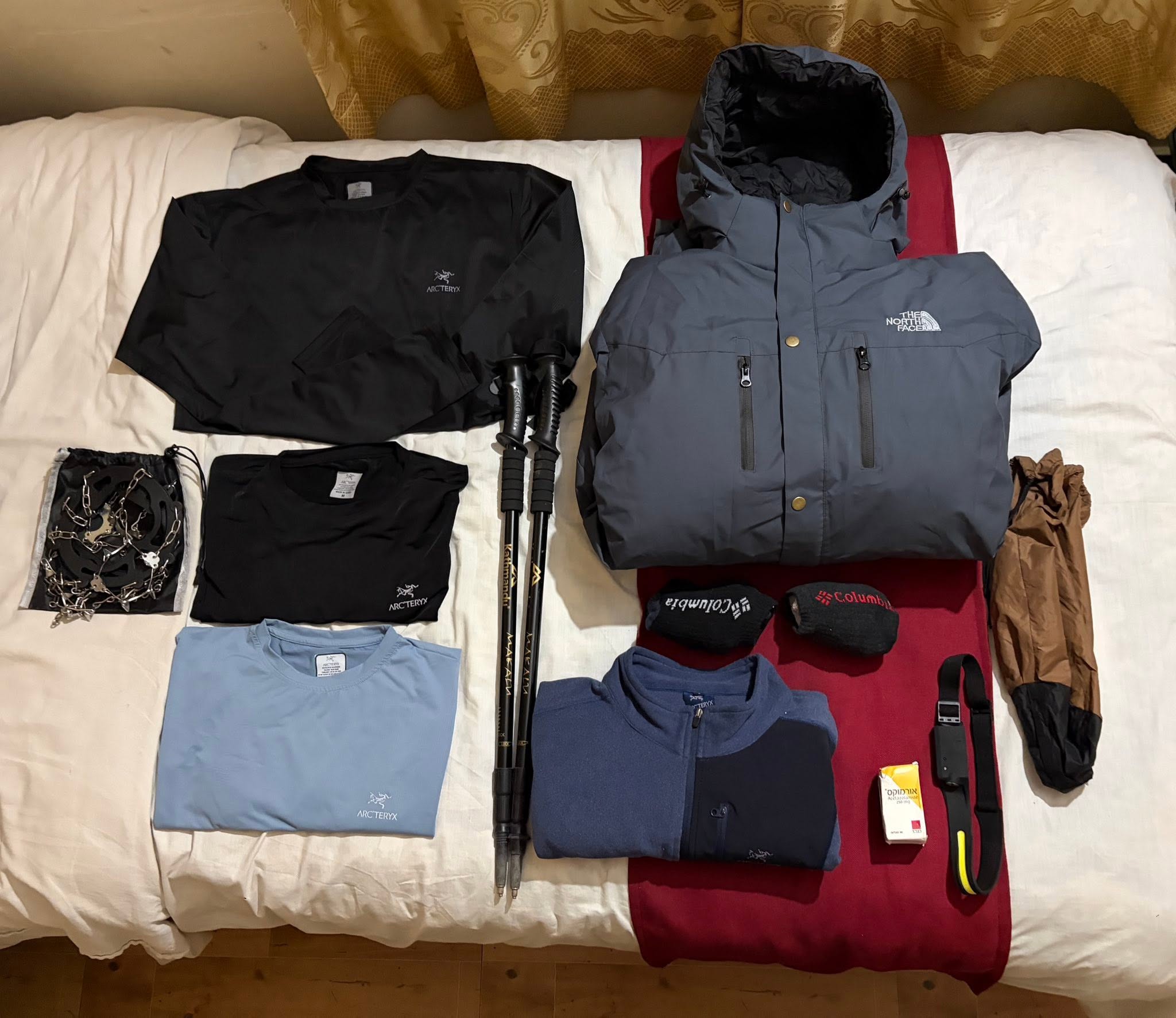
Having the right trekking gear keeps you comfortable, safe, and prepared for changing mountain conditions. You don’t need the most expensive equipment, but choosing reliable gear that suits the season and your trekking route can make a significant difference throughout your journey.
The weather in the Himalayas can change quickly, especially at higher elevations. A sunny morning can turn into a cold, windy afternoon within a few hours. Dressing in layers is one of the simplest ways to stay comfortable, allowing you to add or remove clothing as temperatures change during the day.
A good pair of trekking boots is one of the most important investments you’ll make. They should provide ankle support, have good grip for uneven trails, and be well broken in before your trek. Wearing brand-new boots on the trail often leads to blisters and unnecessary discomfort.
Your backpack is equally important. A comfortable daypack with padded shoulder straps is enough for your daily essentials, while larger luggage is usually carried by a porter if you’re trekking with one. Packing only what you need also makes walking easier and reduces strain on your body.
It’s also worth checking your gear before travelling. Testing your clothing, backpack, and footwear during practice walks helps you identify anything that needs replacing or adjusting before you reach the mountains.
What Should You Pack for a Trek in Nepal?
Packing for a trek is about bringing the essentials without carrying unnecessary weight. A lighter backpack is easier to manage on long walking days while still ensuring you have everything needed for comfort and safety.
Start with clothing that can be layered. Moisture-wicking base layers, an insulating fleece or down jacket, and a waterproof outer layer will help you stay comfortable in different weather conditions. Trekking trousers, warm socks, gloves, and a hat are also essential, particularly for higher-altitude routes.
Along with clothing, don’t forget personal items such as sunscreen, lip balm, sunglasses, a reusable water bottle, and a basic first-aid kit. These small items are often overlooked but become invaluable once you’re on the trail.
Your daypack should also include snacks, a rain cover, toiletries, personal medication, and important documents such as permits and travel insurance details. Keeping these items organised in waterproof bags makes them easier to access and protects them from unexpected rain.
Many first-time trekkers make the mistake of overpacking “just in case.” In reality, carrying extra weight day after day quickly becomes tiring. Packing smart rather than packing more is usually the better approach.
Preparing for Nepal’s Mountain Weather
Mountain weather can change rapidly, making it important to prepare for a variety of conditions during your trek. Even if the forecast looks clear, temperatures, wind, and visibility can vary throughout the day, especially at higher elevations.
Mornings often begin with cool temperatures and clear skies, while afternoons may bring stronger winds or clouds. During certain seasons, brief rain or snowfall is also possible, depending on the altitude and region. Dressing in layers allows you to adjust to these changes without becoming too hot or too cold.
Checking the weather before your trek is helpful, but mountain forecasts aren’t always exact. It’s better to carry a lightweight waterproof jacket and a warm layer than to rely entirely on predicted conditions. Being prepared means you can continue trekking comfortably if the weather changes unexpectedly.
The trekking season also influences what you’ll need to pack. Spring and autumn generally offer stable conditions and clear mountain views, while winter requires warmer clothing and monsoon treks demand reliable waterproof gear. Understanding these seasonal differences helps you pack more efficiently and avoid carrying items you won’t need.
With the right clothing and a flexible mindset, changing weather becomes part of the adventure rather than a challenge that interrupts your journey.
Understanding Altitude Sickness
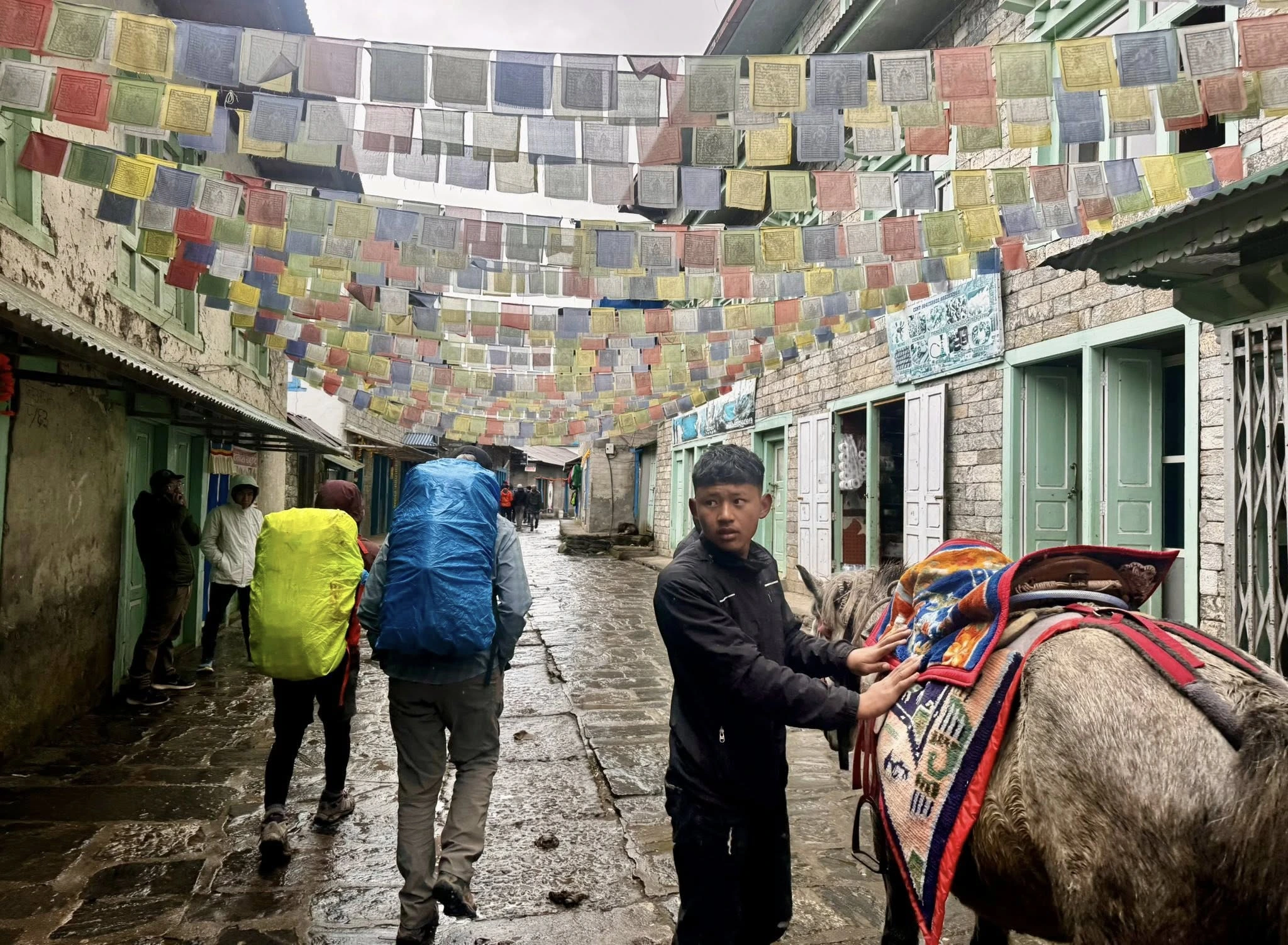
Altitude sickness is one of the most common challenges trekkers face in the Himalayas, but it can often be prevented with proper preparation and a gradual ascent. It occurs when your body doesn’t have enough time to adjust to lower oxygen levels at higher elevations.
One of the biggest misconceptions is that altitude sickness only affects inexperienced trekkers. In reality, it can affect anyone, regardless of age or fitness level. Some people adapt quickly, while others may experience symptoms even after following a well-planned itinerary.
Early signs usually include a headache, dizziness, nausea, loss of appetite, unusual tiredness, or difficulty sleeping. These symptoms shouldn’t be ignored, as continuing to climb without proper acclimatization can make the condition worse.
The best approach is to listen to your body throughout the trek. If you begin to feel unwell, let your guide or trekking companions know and avoid pushing yourself higher until the symptoms improve. Recognising the warning signs early is one of the most effective ways to stay safe in the mountains.
How to Acclimatize Properly During Your Trek
Acclimatization is the process of allowing your body to adjust to higher elevations before continuing your ascent. Taking enough time to acclimatize greatly reduces the risk of altitude sickness and helps you enjoy your trek more comfortably.
Most high-altitude trekking routes include planned acclimatization days. These rest days aren’t a break from the trek, they’re an important part of helping your body adapt to thinner air. Although you stay at the same overnight elevation, you may still take short hikes to a higher point before returning to sleep lower.
Walking at a steady pace is equally important. Many trekkers feel energetic during the first few days and try to walk too quickly, only to become exhausted later. Maintaining a comfortable pace allows your body to use energy more efficiently and adjust naturally as you gain altitude.
Staying hydrated, eating regular meals, and getting enough rest also support the acclimatization process. Even if you don’t feel thirsty, drinking water consistently throughout the day helps your body function more effectively at higher elevations.
Above all, never rush the mountains. Following your itinerary and giving yourself enough time to adapt is one of the simplest ways to have a safer and more enjoyable trekking experience.
Do You Need Trekking Permits in Nepal?
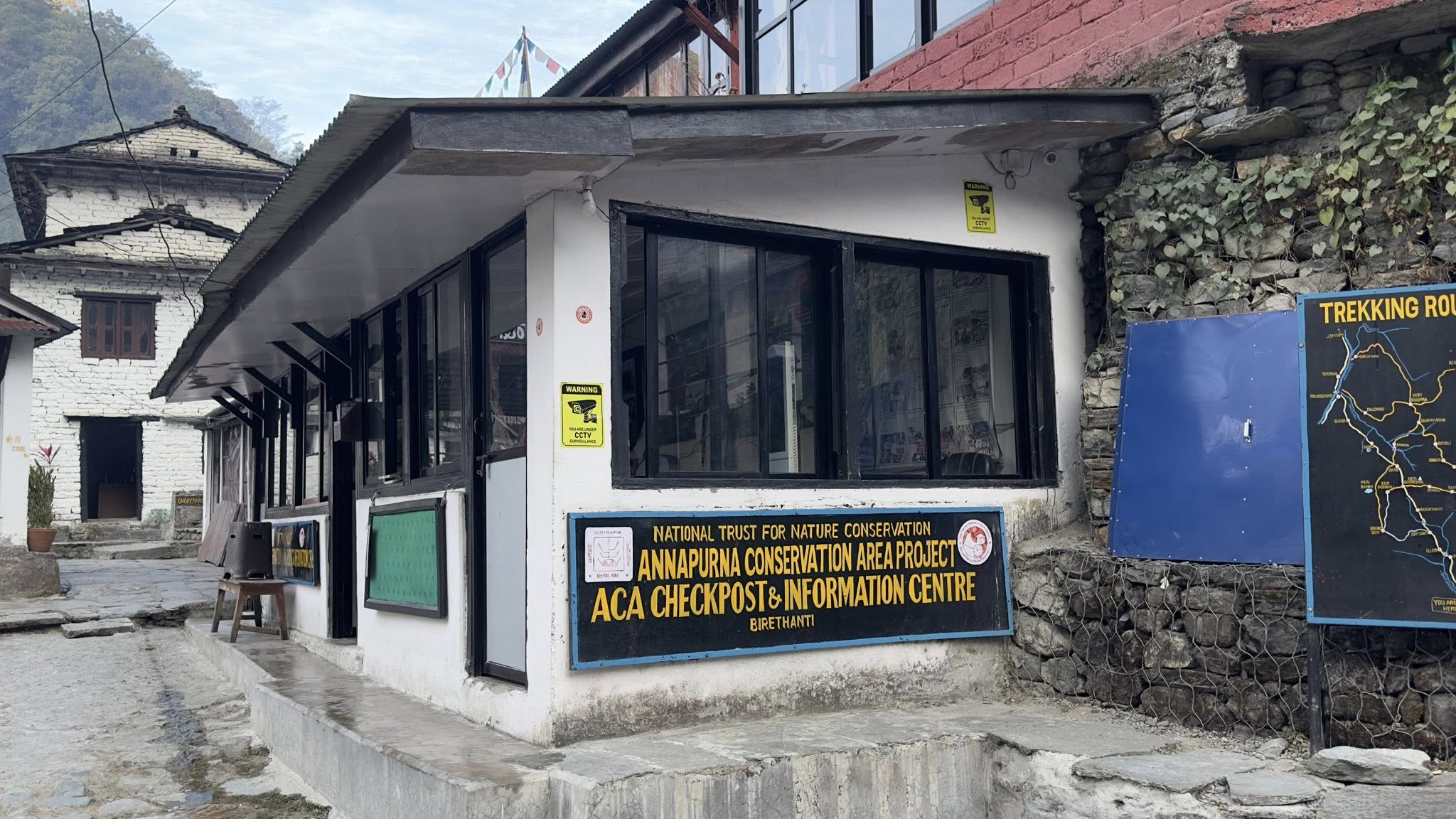
Yes, most trekking regions require permits before you begin your trek. The type of permit depends on where you’re trekking, and carrying the correct documents is essential as they are checked at various checkpoints along the route.
Many popular trekking areas are located within national parks, conservation areas, or restricted regions. These permits help protect the natural environment, support local communities, and manage visitor access. Without the required permits, you may not be allowed to continue your trek.
Some routes only require a conservation area or national park permit, while others, such as restricted areas, have additional permit requirements. It’s a good idea to check the latest permit regulations before your trip, as requirements can change over time.
If you’re still deciding where to trek, reading a region-specific guide can help you understand what permits are needed for that particular route. For example, restricted areas such as the Manaslu Circuit Trek have different requirements compared to treks in the Annapurna or Langtang regions.
Keeping your permits in an easily accessible place is also helpful, as you’ll need to present them at several checkpoints throughout your journey.
Is Travel Insurance Necessary for Trekking?
Travel insurance is highly recommended for trekking in Nepal, especially if your route reaches higher elevations. A suitable policy provides financial protection in case of medical emergencies, trip interruptions, or unexpected evacuations.
Although most treks are completed without major issues, mountain environments are naturally unpredictable. Weather delays, illness, or injuries can occasionally affect travel plans, making insurance an important part of your overall preparation.
When choosing a policy, check that it covers trekking at the maximum altitude of your chosen route. Not all insurance plans automatically include high-altitude trekking, so it’s worth reading the policy details carefully before you travel.
It’s also a good idea to keep both digital and printed copies of your insurance information. Having these details readily available can save valuable time if you ever need assistance during your trek.
While nobody hopes to use their insurance, having the right cover provides extra peace of mind and allows you to focus on enjoying your adventure.
Food, Hydration, and Nutrition on the Trail
Eating well and staying hydrated are essential for maintaining your energy throughout the trek. Long walking days, higher elevations, and changing temperatures require your body to consume more energy than usual, making proper nutrition an important part of your preparation.
Most teahouses along popular trekking routes serve freshly prepared meals that provide the energy needed for trekking. Local dishes such as Dal Bhat are a popular choice because they offer a balanced combination of carbohydrates, protein, and vegetables. Many trekkers also carry energy bars, dried fruits, or nuts for quick snacks during the day.
Hydration is just as important as food. Drinking water regularly helps your body perform better and supports acclimatization at higher elevations. Instead of waiting until you feel thirsty, make it a habit to take small sips throughout the day.
It’s also worth carrying a reusable water bottle or hydration bladder along with a reliable water purification method. This reduces plastic waste while ensuring you always have access to safe drinking water during your trek.
How to Prepare Mentally for a Himalayan Trek
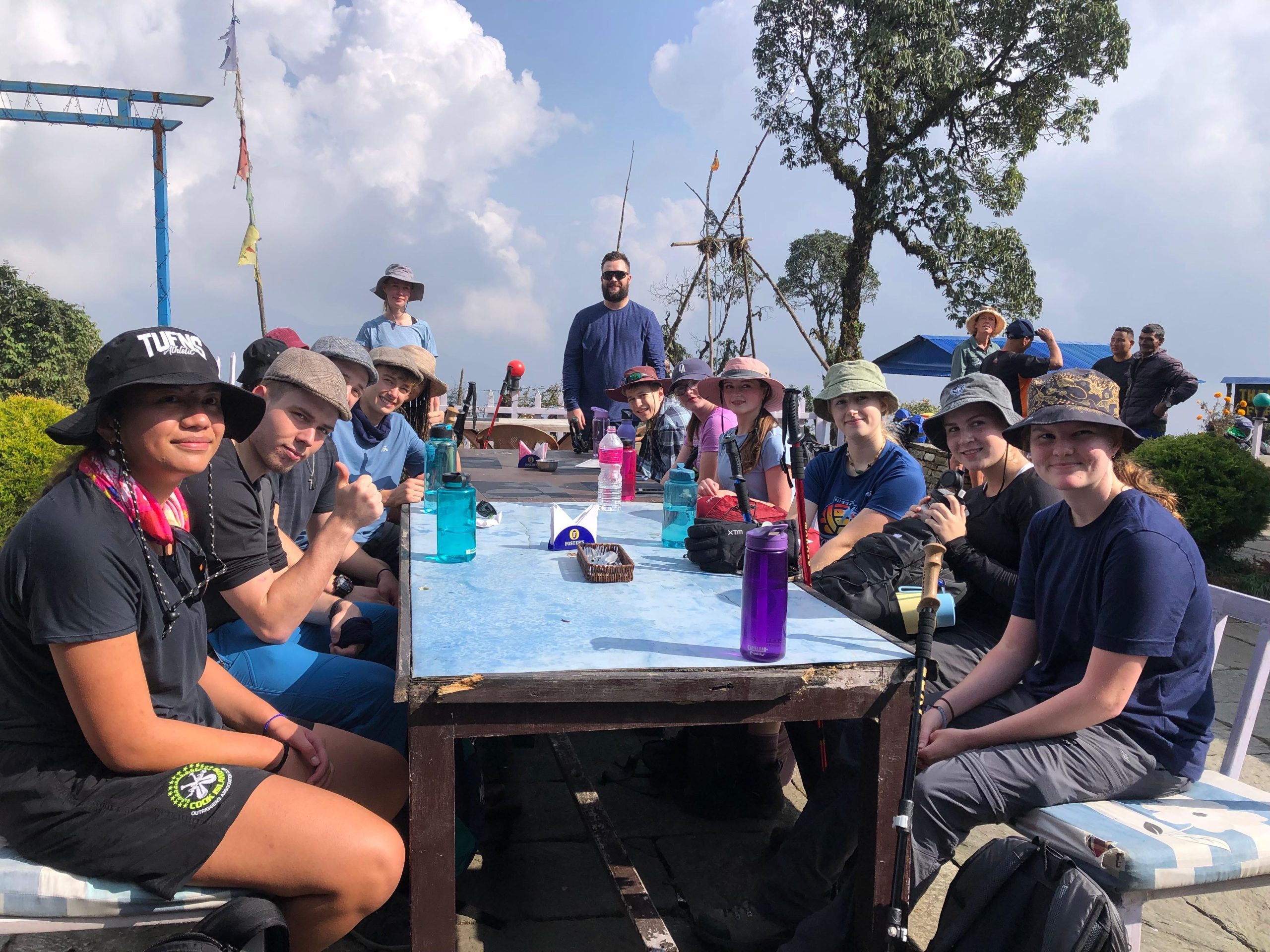
Mental preparation is just as important as physical fitness. A positive mindset helps you handle long walking days, changing weather, and the simple lifestyle you’ll experience in the mountains.
Life on the trail is very different from everyday routines. Accommodation is basic, internet access may be limited, and some days can feel physically demanding. Accepting these conditions before you arrive makes it easier to enjoy the journey rather than focusing on minor inconveniences.
It’s also helpful to understand that every trekking day is different. Some days may feel easy, while others involve longer climbs or changing weather. Remaining flexible and focusing on steady progress rather than speed helps create a more enjoyable experience.
Many trekkers find that slowing down, disconnecting from daily distractions, and spending time in nature becomes one of the most rewarding parts of the journey. Keeping realistic expectations allows you to appreciate both the challenges and the unforgettable moments along the trail.
Why Guides and Porters Play an Important Role
Guides and porters contribute to a safer, smoother, and more enjoyable trekking experience. Their local knowledge, experience, and support allow you to focus on the journey while helping you navigate the trail with greater confidence.
A trekking guide does much more than lead the way. They monitor the pace of the group, keep an eye on weather conditions, assist with route planning, and help identify early signs of altitude sickness. Their understanding of local culture and mountain environments also adds depth to the overall experience.
Porters help by carrying heavier bags, allowing trekkers to walk with a lighter daypack. This reduces physical strain and makes long trekking days more comfortable, particularly on routes with significant elevation gain.
Beyond practical support, hiring local guides and porters also benefits mountain communities by creating employment opportunities. Their knowledge, hospitality, and familiarity with the trails often become one of the highlights of the trek itself.
Whether you’re joining a guided trek or planning your itinerary independently, understanding the role of guides and porters helps you make informed decisions before your adventure begins.
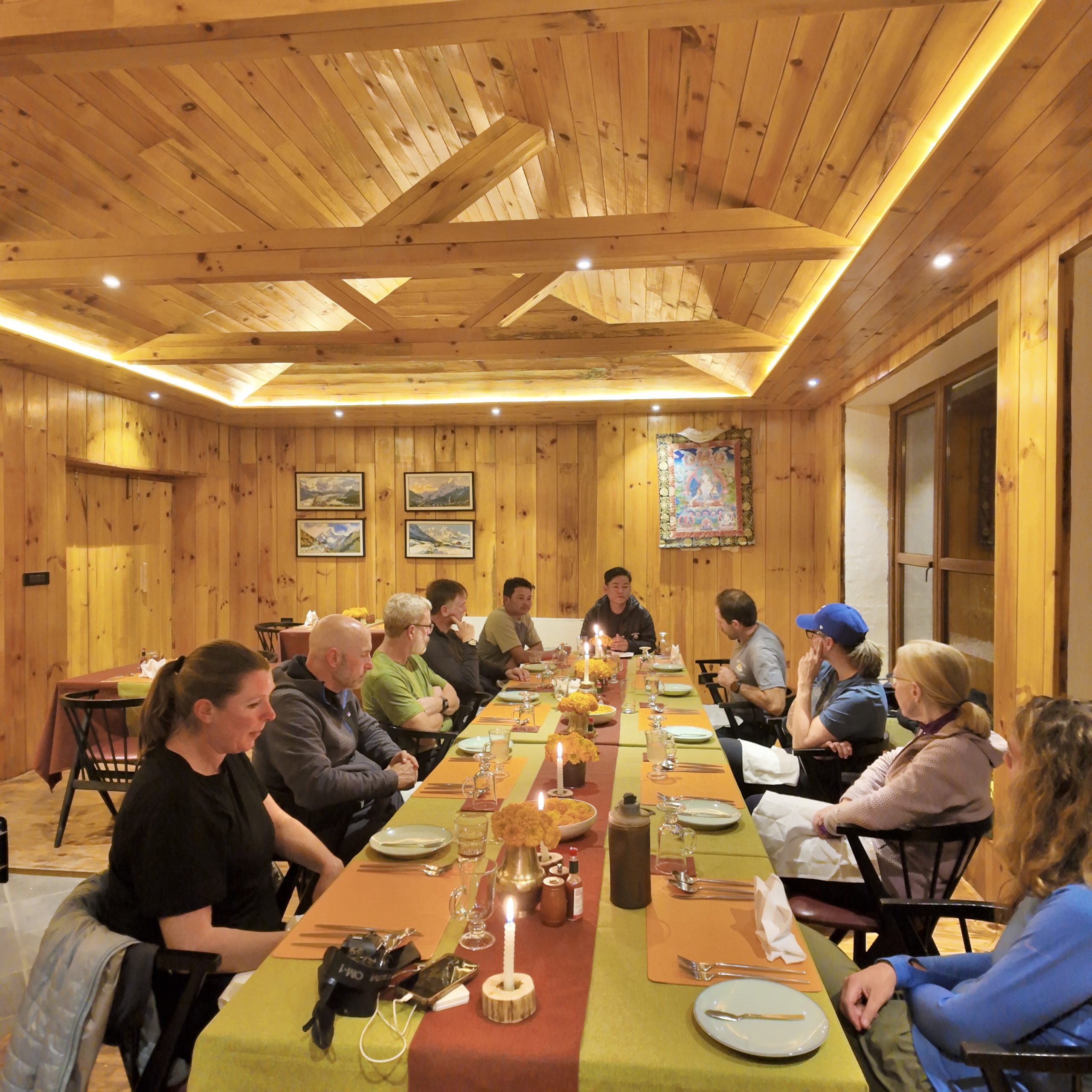
Common Trekking Preparation Mistakes to Avoid
Many trekking challenges can be avoided with good preparation. Knowing the most common mistakes before your trip helps you enjoy the experience with fewer surprises along the way.
One of the biggest mistakes is underestimating the physical demands of mountain trekking. Even relatively moderate routes involve several consecutive days of walking, making basic fitness and endurance an important part of your preparation.
Another common mistake is overpacking. Carrying unnecessary clothing or equipment adds extra weight that becomes increasingly noticeable during long uphill sections. Focusing on versatile, lightweight essentials usually makes trekking more comfortable.
Some trekkers also overlook the importance of acclimatization or try to walk too quickly during the first few days. A steady pace, regular hydration, and following your itinerary give your body the best chance to adjust naturally to higher elevations.
Finally, avoid leaving preparations until the last minute. Taking time to check your gear, understand your route, and organise important documents before travelling allows you to begin your trek feeling confident and well prepared.
Final Nepal Trekking Preparation Checklist
Before starting your trek, take a moment to make sure you’ve covered all the essentials. A simple checklist can help you avoid last-minute stress and ensure you’re fully prepared for your Himalayan adventure.
While every trek is different, most preparations are the same regardless of the region or difficulty. Reviewing your plans a few days before departure gives you enough time to replace missing gear, organise important documents, and make any final adjustments.
Here’s a quick checklist to help you get started:
Physical Preparation
- Completed several weeks of fitness training
- Comfortable walking for long hours
- Practised hiking with a daypack
Trekking Gear
- Broken-in trekking boots
- Layered clothing
- Waterproof jacket and trousers
- Warm hat and gloves
- Comfortable backpack
- Trekking poles (optional but helpful)
Personal Essentials
- Water bottle or hydration system
- Sunscreen and sunglasses
- Personal medication
- Basic first-aid kit
- Power bank and charging cables
- Snacks for the trail
Travel Documents
- Passport
- Trekking permits
- Travel insurance
- Flight confirmations
- Emergency contact information
Before You Leave
- Checked the weather forecast
- Packed only the essentials
- Shared your itinerary with family or friends
- Got enough rest before your trek
Completing these simple checks helps you begin your journey with confidence and allows you to focus on enjoying the incredible experience that awaits in the mountains.
Final Thoughts before leaving Nepal
Preparing for a trek in Nepal isn’t about making the journey more complicated, it’s about making it safer, more comfortable, and far more enjoyable. A little planning before you arrive can make a noticeable difference once you’re on the trail.
Building your fitness, packing thoughtfully, understanding altitude, and learning what to expect all contribute to a smoother trekking experience. While every route has its own unique challenges, the fundamentals of good preparation remain the same.
Remember that trekking isn’t a race. Walking at a comfortable pace, allowing time to acclimatize, and appreciating the landscapes along the way are all part of the experience. The Himalayas reward patience, preparation, and a willingness to embrace the journey as much as the destination.
If you’re still researching different trekking regions, reading detailed route guides can help you understand the daily walking distances, elevation changes, and trail conditions before making your final decision. The more informed you are before your trek begins, the more confident you’ll feel when it’s time to set off.
With the right preparation, you’ll be ready to experience Nepal’s breathtaking mountain scenery, welcoming communities, and unforgettable trails with confidence.
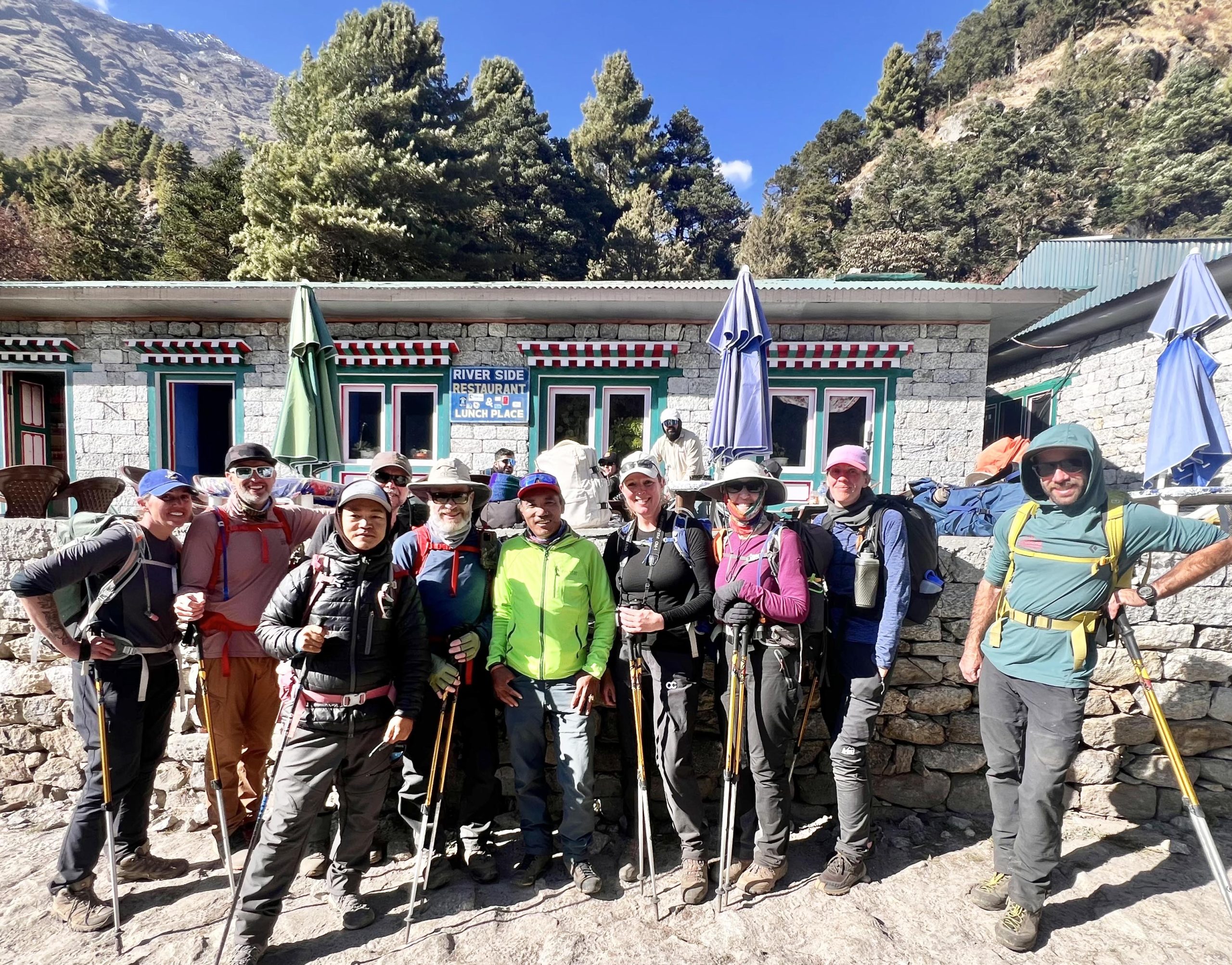
Frequently Asked Questions (FAQs) Nepal Trekking Preparation
Is trekking in Nepal suitable for beginners?
Yes. Several trekking routes are well suited to beginners with a reasonable level of fitness. Choosing a route that matches your experience and allowing enough time to prepare will make your first Himalayan trek much more enjoyable.
How many weeks should I train before trekking?
Starting your training 6 to 8 weeks before your trek is generally recommended. Regular walking, cardio exercises, and basic strength training help build the endurance needed for consecutive days on the trail.
What is the most important piece of trekking gear?
A comfortable pair of well broken-in trekking boots is one of the most important items you’ll carry. Proper footwear helps prevent blisters, improves stability, and provides better support on uneven mountain trails.
Can I rent trekking gear in Nepal?
Yes. Major trekking hubs such as Kathmandu and Pokhara have many shops where trekkers can rent or purchase equipment. Even so, it’s usually best to bring personal items like trekking boots and clothing that you’re already comfortable using.
How can I reduce the risk of altitude sickness?
The best prevention is to ascend gradually, stay hydrated, maintain a steady pace, and follow the recommended acclimatization schedule. Listening to your body and avoiding unnecessary haste are equally important.
What is the best season for trekking in Nepal?
Spring and autumn are generally considered the best seasons because they offer stable weather, comfortable temperatures, and excellent mountain views. However, the ideal time can vary depending on the trekking region and your personal preferences.
Do I need a guide for trekking?
Some trekking routes require licensed guides, while others allow independent trekking under current regulations. Even where not mandatory, many trekkers appreciate the added safety, local knowledge, and cultural insights that an experienced guide provides.
How much weight should my daypack carry?
For most trekkers, a daypack weighing around 5–8 kg is comfortable. It should contain only the essentials you’ll need during the day, while larger bags can be carried separately if porter services are being used.