Larkya La Pass Complete Guide – Route, Difficulty & Crossing Day Tips
July 16, 2026 Lhasso Adventure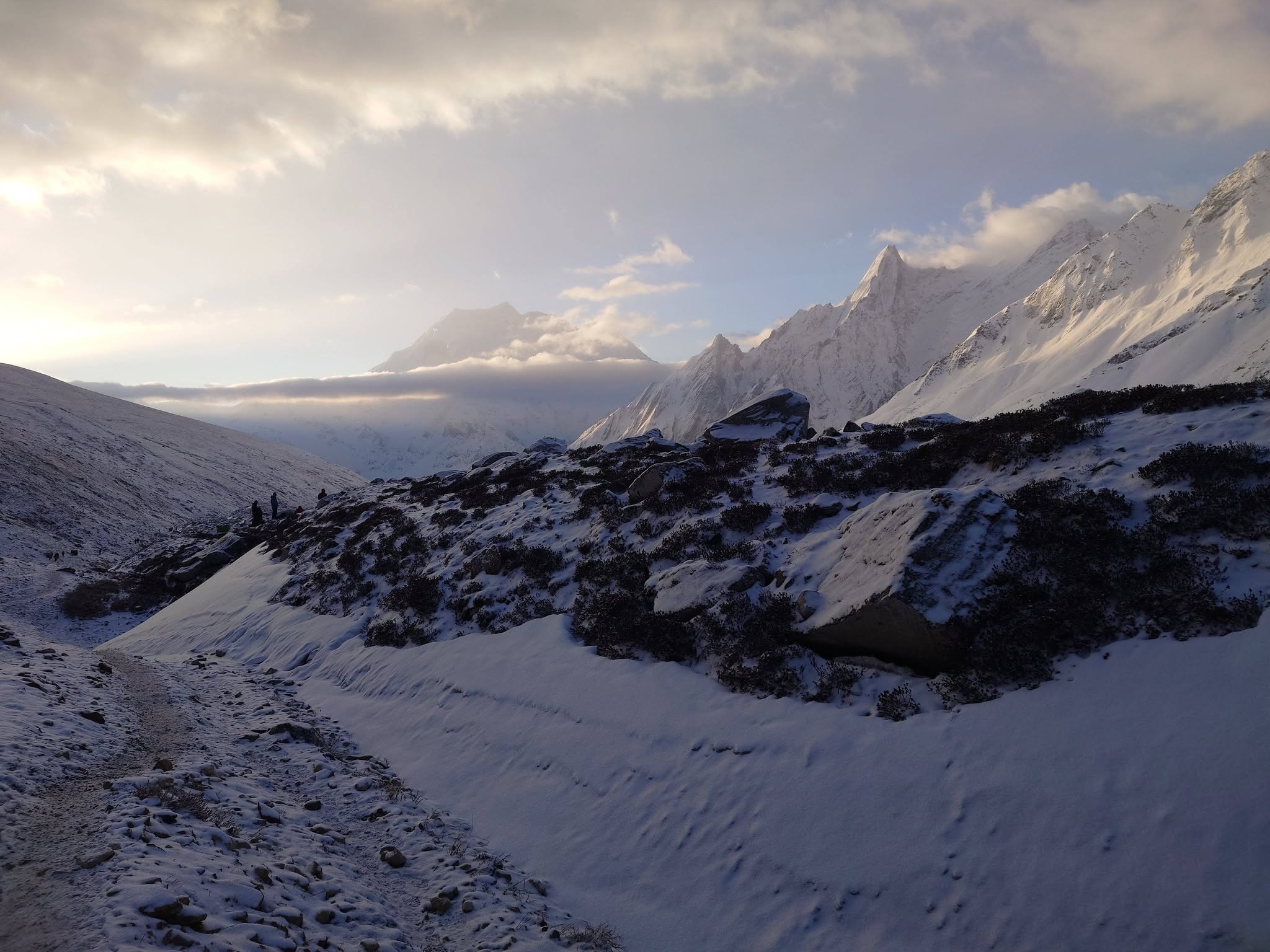
Larkya La Pass is the highest point of the Manaslu Circuit Trek at approximately 5,160 meters, and it is widely considered the most challenging section of the entire route. This high mountain pass connects the Manaslu region with the Annapurna Conservation Area, completing the circuit around Mount Manaslu.
Unlike other trekking sections, Larkya La is not just about walking, it is about endurance, altitude adaptation, weather management, and mental resilience.
The crossing day is long, physically demanding, and highly dependent on early morning timing and weather stability. Even well-prepared trekkers find this section significantly more difficult than previous days.
Understanding the route and conditions of Larkya La is essential before attempting the Manaslu Circuit Trek, especially when evaluating physical demands encountered during long multi-day Himalayan trekking routes at extreme elevation levels.
Where is Larkya La Pass Located on the Manaslu Route?
Larkya La Pass sits between Dharamsala (Larkya Phedi) and Bimthang on the Manaslu Circuit Trek route.
It marks the transition from the restricted Manaslu region into the Annapurna Conservation Area.
The pass is located in a high alpine zone where vegetation is minimal, terrain is rocky or snow-covered, and weather conditions can change rapidly.
This section comes after several days of gradual ascent through Samagaon and Samdo, making it the physical peak of the entire journey.
Its strategic position makes it the final and most important challenge before completing the circuit.
Why Larkya La Pass is So Challenging
Larkya La Pass is considered difficult due to a combination of altitude, distance, terrain, and weather conditions.
At over 5,000 meters, oxygen levels are significantly reduced, making even slow walking physically exhausting.
The route is long, often requiring 8–10 hours of continuous trekking on the crossing day.
The terrain includes steep ascents, icy sections, loose rocks, and snow-covered paths depending on the season.
Cold wind exposure at the top further increases physical strain and reduces endurance capacity.
This combination makes it one of the most demanding sections in high-altitude Himalayan trekking environments above 5,000 meters.
The Standard Larkya La Crossing Route
The crossing begins early from Dharamsala (Larkya Phedi), usually before sunrise to avoid strong winds and unstable afternoon weather.
The ascent starts gradually but becomes steeper as trekkers approach the pass.
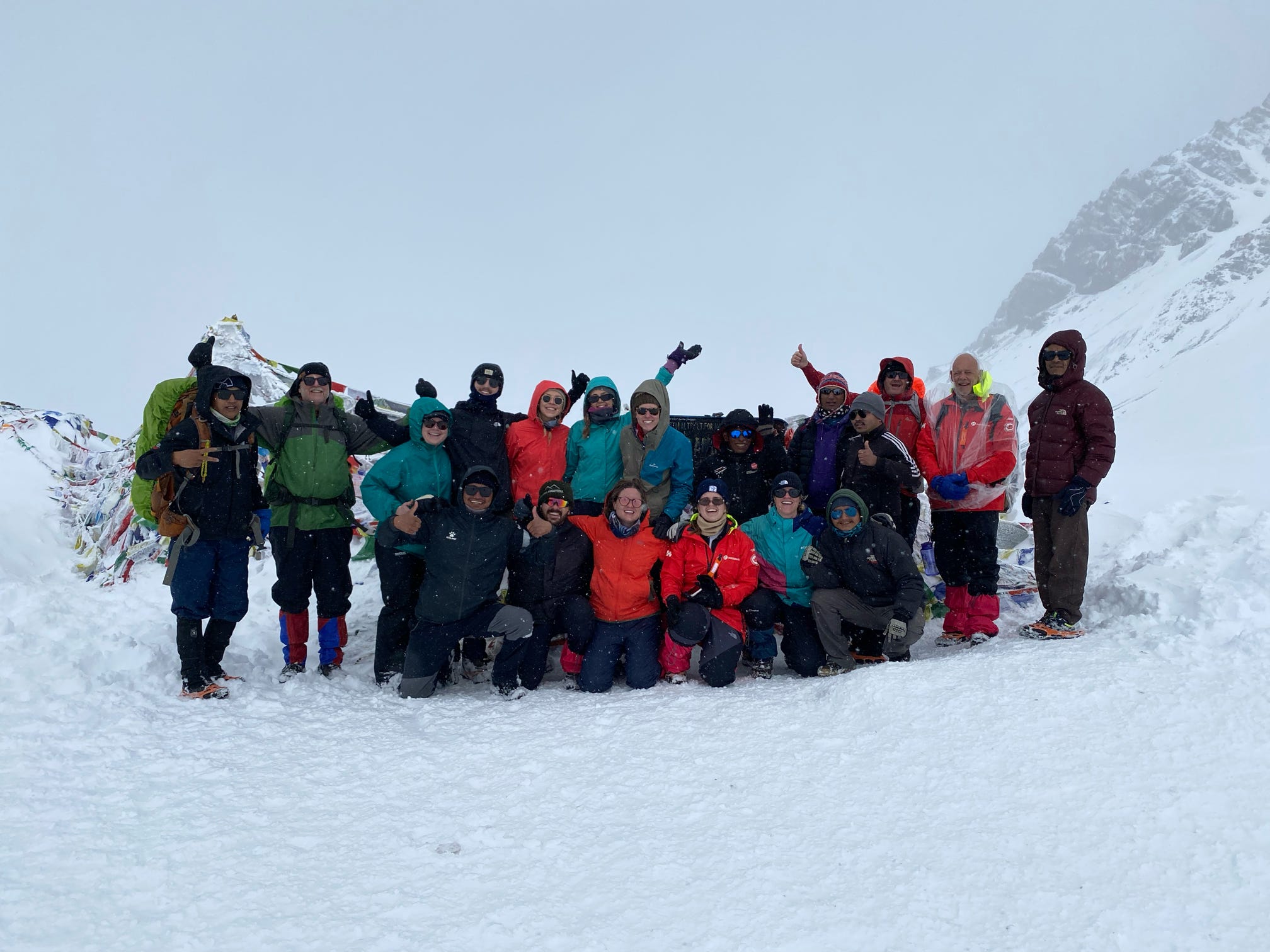
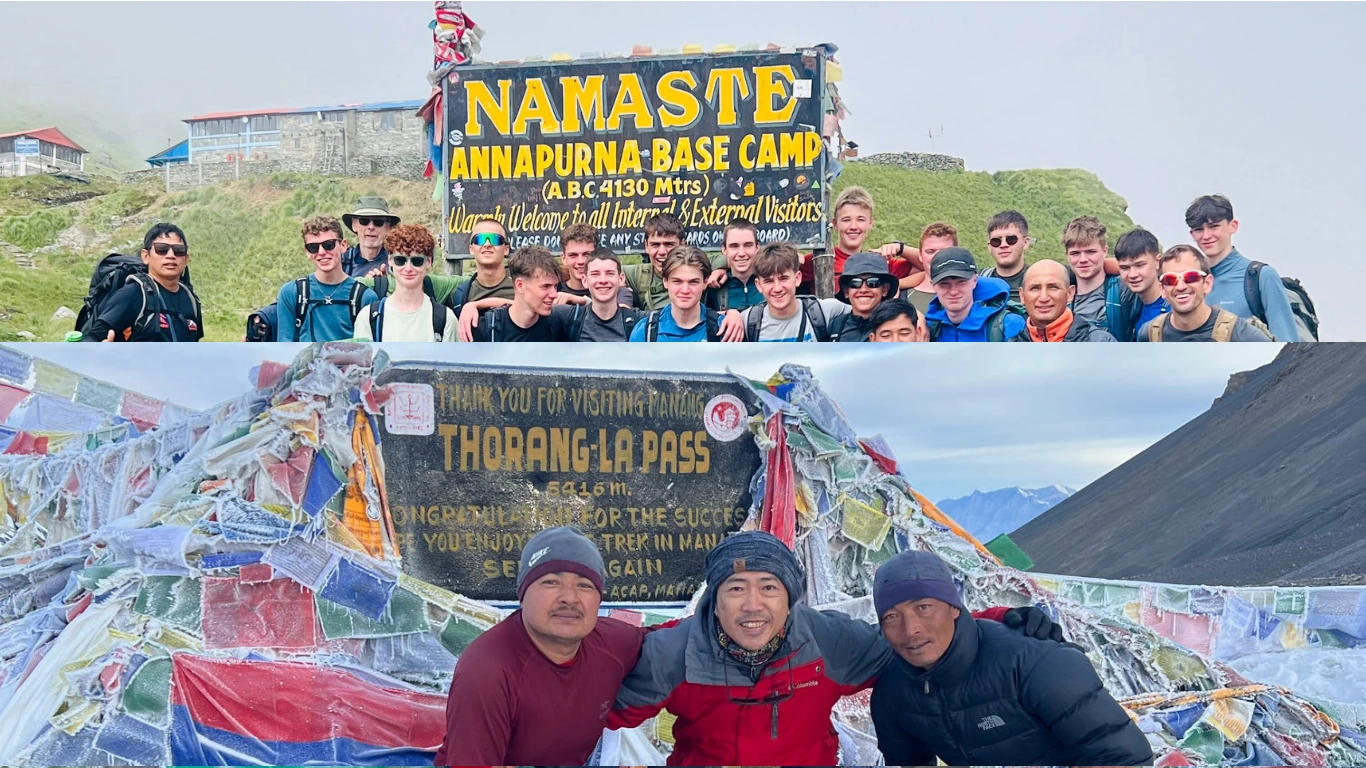
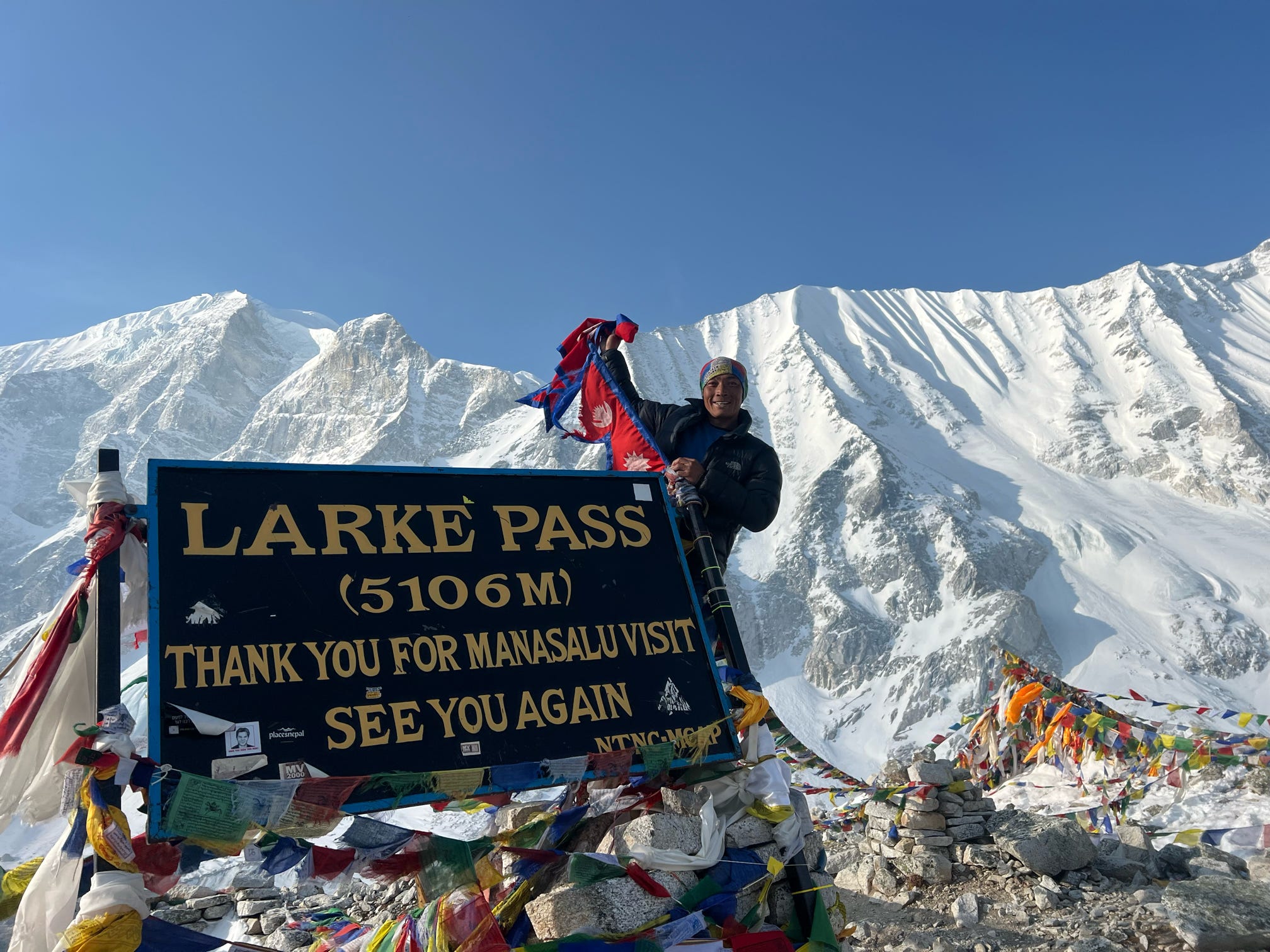
After several hours of climbing, the route reaches the Larkya La summit, marked by prayer flags and panoramic Himalayan views.
From the top, the trail descends sharply toward Bimthang, which is a long and physically tiring downhill section.
The full crossing is a continuous effort with no major settlement in between.
This route structure requires careful pacing and energy management throughout the day.
Elevation Profile of Larkya La Pass
The elevation gain on the Larkya La crossing is one of the most significant on the entire trek.
Starting from Dharamsala (around 4,460m), the route climbs steadily to 5,160m at the pass before descending to around 3,700m in Bimthang.
This sharp altitude gain followed by a long descent makes the day physically demanding in both directions.
The reduced oxygen levels at the top significantly slow down movement and increase fatigue.
Understanding this profile is essential for preparing mentally and physically for the crossing.
Weather Conditions at Larkya La Pass
Weather plays a critical role in determining the difficulty and safety of the crossing.
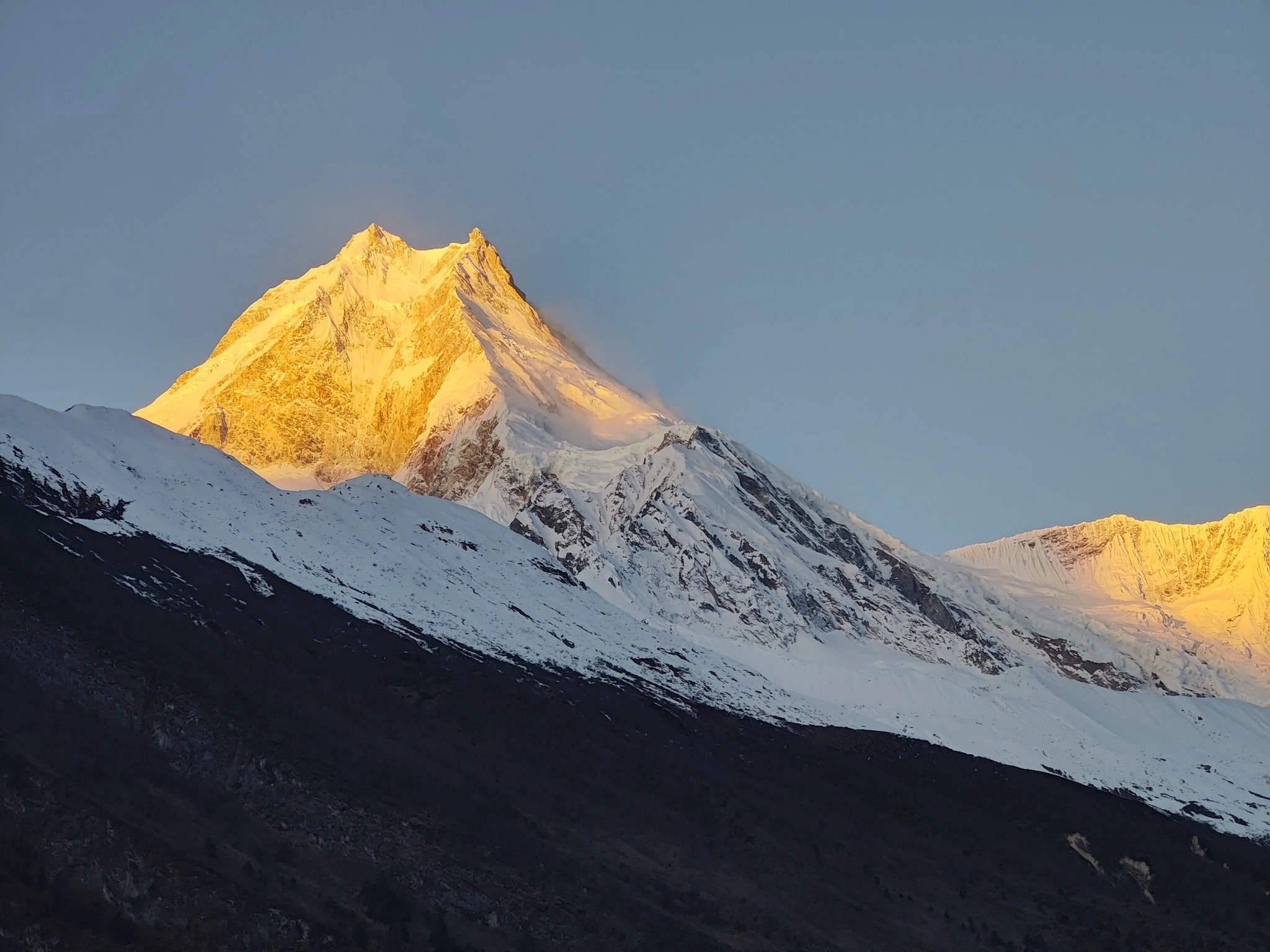
Clear weather provides safe passage and panoramic views of Himalayan peaks such as Himlung Himal, Cheo Himal, and Manaslu.
However, sudden changes in wind, snow, or visibility can make the pass extremely dangerous.
Morning crossings are preferred because wind speed tends to increase later in the day.
Winter conditions often bring heavy snow accumulation, while monsoon clouds reduce visibility in lower sections.
Weather awareness is essential for safe passage through gradual altitude adaptation during multi-day Himalayan trekking routes.
Time Required to Cross Larkya La Pass
The total time required to cross Larkya La Pass typically ranges from 8 to 10 hours depending on fitness, weather, and trail conditions.
The ascent alone can take 4–6 hours, followed by a long descent of 4–5 hours.
Slower pacing is common at higher altitude due to reduced oxygen levels.
Rest breaks are short and strategic rather than long stops, as maintaining body warmth is important in cold conditions.
Time management is crucial to avoid late descent in unstable weather conditions.
Difficulty Level of Larkya La Pass Day
The Larkya La crossing day is considered the most difficult part of the entire Manaslu Circuit Trek.
The combination of high altitude, long distance, cold temperatures, and steep terrain creates extreme physical demand.
Even experienced trekkers often find this day significantly more challenging than expected.
Mental endurance is equally important as physical strength during the crossing.
This day represents the peak of physical demands encountered during long multi-day Himalayan trekking routes at extreme elevation levels.
Acclimatization Strategy Before Crossing Larkya La Pass
Proper acclimatization is one of the most important factors for successfully crossing Larkya La Pass. The body needs time to adjust to reduced oxygen levels above 4,000 meters, especially before attempting the final ascent at 5,160 meters.
Most well-structured Manaslu Circuit itineraries include an acclimatization stop at Samagaon, where trekkers spend an extra day before continuing toward Samdo and Dharamsala. This pause allows the body to stabilize and reduces the risk of altitude-related complications.
Without proper acclimatization, the Larkya La crossing becomes significantly more difficult and physically exhausting. Slow ascent and rest days are essential for maintaining oxygen efficiency.
This process is closely linked to gradual altitude adaptation during multi-day Himalayan trekking routes, where controlled elevation gain determines trekking safety.
AMS Risk During Larkya La Pass Crossing
Acute Mountain Sickness (AMS) is one of the biggest risks during the Larkya La Pass crossing due to extreme altitude exposure. At over 5,000 meters, oxygen levels are significantly lower, increasing the likelihood of symptoms.
Common symptoms include headache, dizziness, nausea, fatigue, and loss of appetite. These symptoms often appear during the final ascent or at the summit zone.
Trekkers who ascend too quickly or skip acclimatization days face a higher risk of AMS. Hydration, slow pacing, and regular monitoring of physical condition are essential.
If symptoms worsen, the safest option is immediate descent rather than continuing toward the pass.
AMS management is directly connected to high-altitude Himalayan trekking environments above 5,000 meters, where oxygen scarcity becomes a serious challenge.
Best Time to Cross Larkya La Pass
The safest time to cross Larkya La Pass is during stable weather seasons, particularly spring and autumn. These periods offer clearer skies, stable temperatures, and reduced snowfall risk.
Autumn provides the most consistent trail conditions, while spring offers good visibility and blooming landscapes in lower sections.
Winter crossings are more difficult due to heavy snow accumulation and freezing temperatures at the pass. Monsoon season increases risk in lower trail sections due to landslides and poor visibility.
Early morning starts are essential regardless of season to avoid strong winds and sudden weather changes later in the day.
Seasonal timing plays a major role in reducing difficulty and improving overall safety.
Essential Gear for Larkya La Pass Crossing
Proper gear selection significantly reduces difficulty during the Larkya La crossing. At high altitude, protection against cold, wind, and snow becomes essential for both safety and endurance.
Layered clothing systems help regulate body temperature during continuous movement and changing weather conditions.
Insulated jackets, thermal base layers, waterproof outer shells, gloves, and warm headwear are necessary for extreme cold exposure near the summit.
Trekking boots with strong grip are important for navigating icy and rocky terrain.
Trekking poles are highly recommended for stability during both ascent and long descent sections.
Good gear does not reduce altitude difficulty, but it greatly improves comfort and energy efficiency.
Safety Protocols for Larkya La Crossing Day
Safety is a critical priority during the Larkya La Pass crossing due to unpredictable weather and extreme altitude conditions.
Trekkers are advised to start early in the morning, usually before sunrise, to ensure safe passage before wind conditions intensify.
Group pacing is important to avoid separation and maintain consistent movement across difficult terrain.
Regular hydration and short rest intervals help maintain energy levels during the long ascent.
Turning back is always the safest option if weather conditions deteriorate or physical symptoms worsen.
Safety awareness is essential for managing physical demands encountered during long multi-day Himalayan trekking routes at extreme elevation levels.
Time Management and Pacing Strategy
Pacing plays a major role in determining success during the Larkya La Pass crossing. Moving too fast at high altitude increases fatigue and oxygen depletion, while overly slow movement can expose trekkers to cold for longer periods.
A steady, consistent pace is the most effective approach for conserving energy throughout the ascent.
Short breaks are more effective than long stops because the body cools down quickly at high altitude.
Maintaining rhythm helps balance breathing and reduces unnecessary exhaustion.
Proper pacing significantly improves endurance during long high-altitude trekking days.
Weather Window and Crossing Timing
Weather conditions at Larkya La Pass can change rapidly, making timing one of the most important factors for safety.
Morning crossings are preferred because wind speeds are generally lower before midday. As the day progresses, wind intensity often increases, making the pass more difficult to cross.
Clear visibility is essential for safe navigation across rocky and snowy sections.
Cloud cover or snowfall can make trail markers difficult to see, increasing risk.
Understanding the weather window is crucial for safe travel through gradual altitude adaptation during multi-day Himalayan trekking routes.
Mental Preparation for the Crossing Day
Mental strength is just as important as physical fitness during the Larkya La Pass crossing. The long hours, cold temperatures, and slow progress can create psychological fatigue.
Staying focused on steady movement rather than speed helps maintain motivation throughout the day.
Breaking the journey into smaller sections mentally can make the crossing feel more manageable.
Positive mindset and patience are key factors in completing the pass safely.
Mental preparation often determines success as much as physical endurance.
Emergency Considerations at Larkya La Pass
Emergency situations at Larkya La Pass are rare but can occur due to sudden weather changes or altitude-related health issues.
Descending immediately is the safest response in case of severe AMS symptoms or worsening weather conditions.
Communication options are limited in this region, so preparation and guide support are essential.
Carrying basic first aid and altitude medication is recommended for added safety.
Proper risk awareness ensures safer decision-making in remote high-altitude environments.
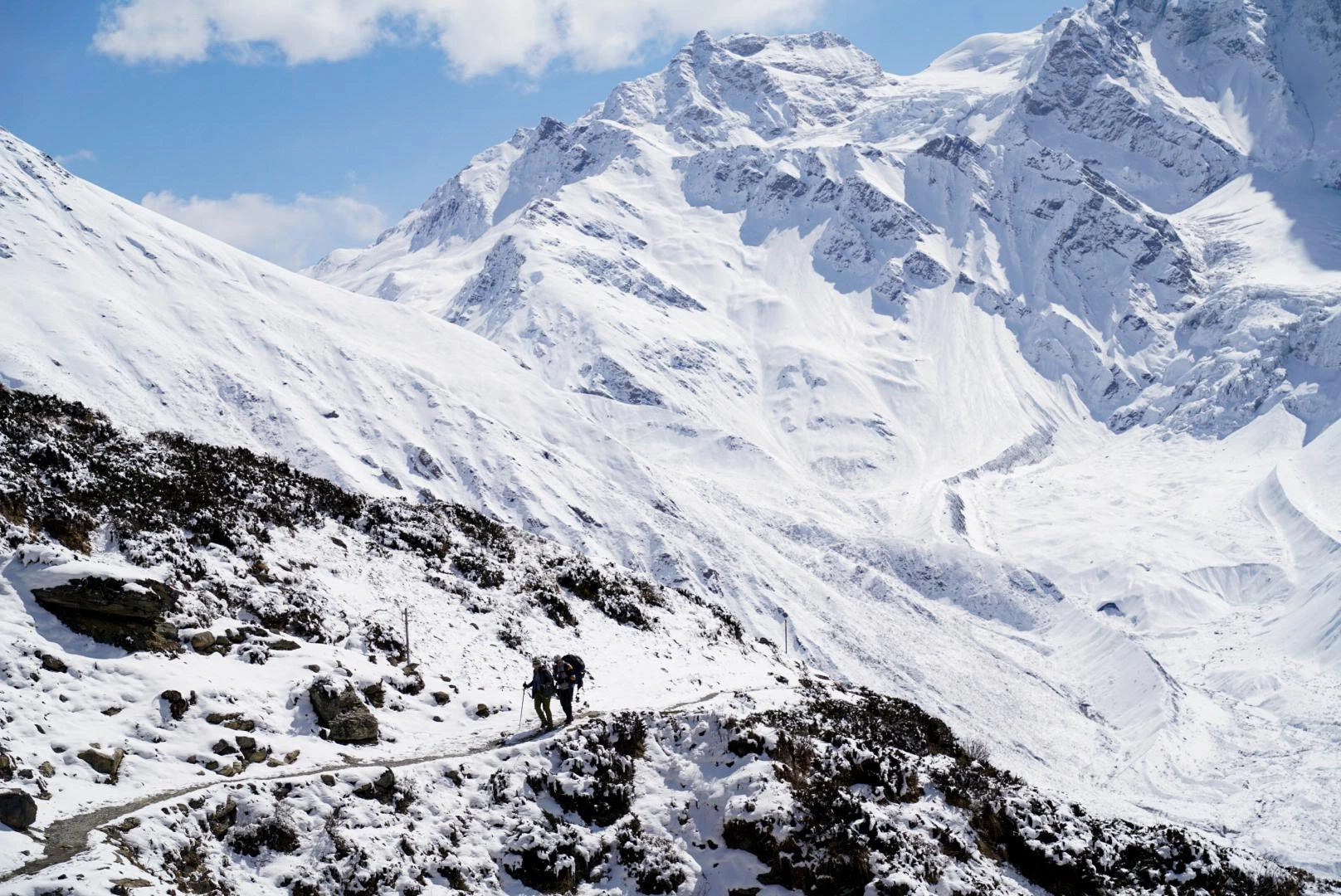
Descent from Larkya La Pass to Bimthang
After reaching the summit of Larkya La Pass, the route descends sharply toward Bimthang. This descent is long, continuous, and physically demanding despite being “downhill.”
The terrain shifts from icy and rocky high-altitude ground to glacial valleys and open alpine landscapes. While oxygen levels gradually improve, fatigue from the ascent makes this section feel equally challenging.
Trekkers often underestimate this descent, but it requires strong knee stability, controlled movement, and careful pacing to avoid injury.
This section represents a major transition from high-altitude Himalayan trekking environments above 5,000 meters into lower, more oxygen-rich valleys.
Why the Descent is More Difficult Than Expected
Although descending reduces altitude stress, it increases physical strain on joints, especially knees and ankles. The long downhill distance places continuous pressure on leg muscles.
Loose rocks and uneven surfaces also increase the risk of slipping, particularly when fatigue is high after the summit push.
Many trekkers find this section mentally draining because energy levels are already depleted from the ascent.
Unlike climbing, descent requires controlled braking movement, which engages different muscle groups.
This combination makes the descent physically demanding in a different way compared to the ascent.
Terrain Transition: From Alpine Pass to Green Valley
As trekkers move away from the pass, the landscape gradually changes from barren alpine terrain to glacial valleys and eventually greener surroundings near Bimthang.
Snow patches slowly disappear, and vegetation begins to reappear as altitude decreases.
The dramatic shift in scenery provides psychological relief after the harsh conditions of the pass crossing.
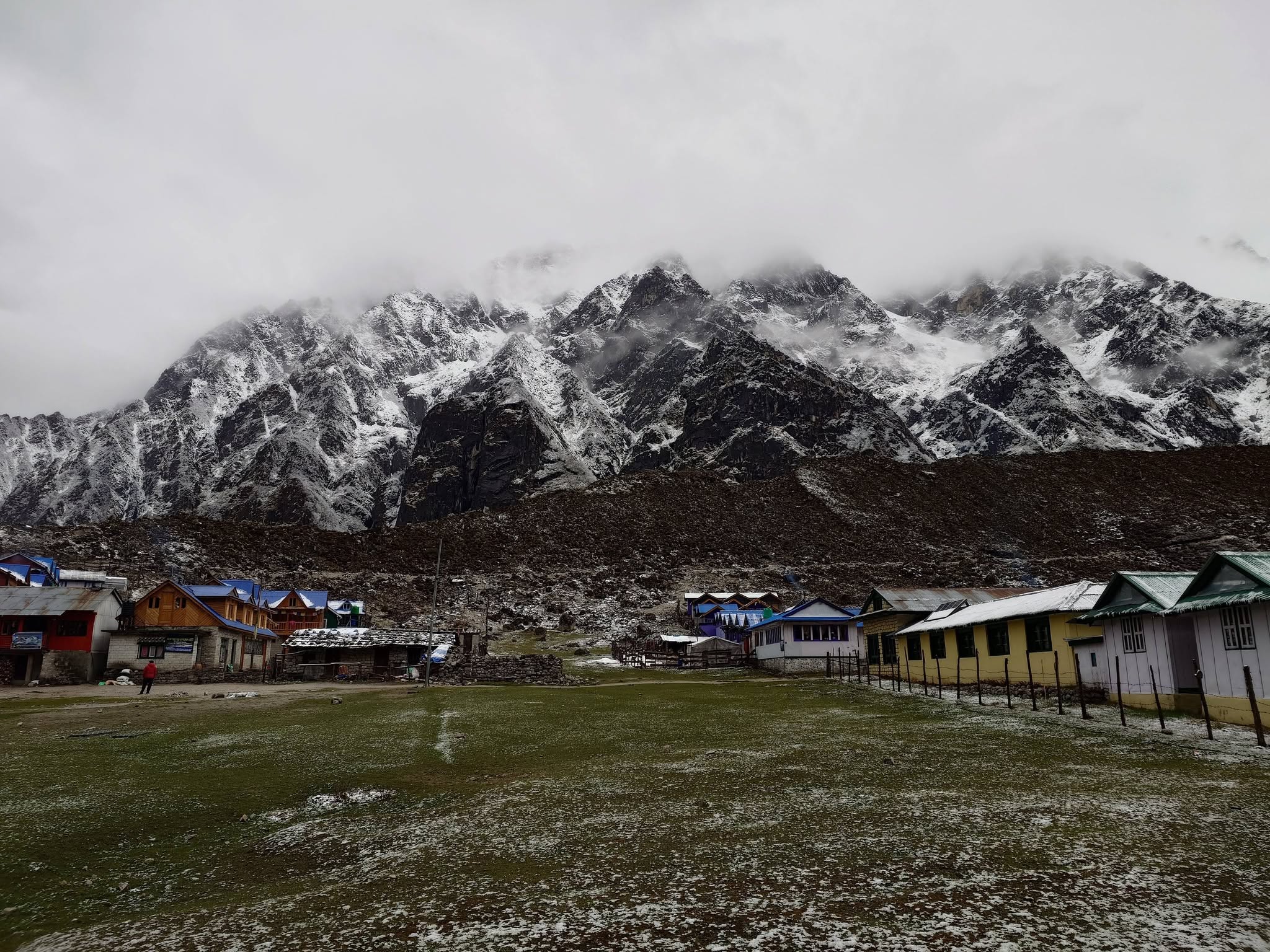
Bimthang is located in a wide valley surrounded by snow-capped peaks, making it one of the most visually rewarding campsites on the entire Manaslu Circuit Trek.
This transition marks the exit from the most extreme section of physical demands encountered during long multi-day Himalayan trekking routes at extreme elevation levels.
Time Required for Descent
The descent from Larkya La Pass to Bimthang typically takes 4 to 5 hours depending on trail conditions, weather, and trekking pace.
However, total crossing time including ascent and descent can reach 8 to 10+ hours, making it one of the longest single-day efforts on the trek.
Slower pacing is common due to fatigue and technical terrain.
Short breaks are necessary to manage energy levels and maintain safe movement on uneven ground.
Time management remains important even after the summit to avoid late arrival in changing weather conditions.
Common Mistakes During Larkya La Crossing Day
Many trekkers make avoidable mistakes during the Larkya La Pass crossing that increase difficulty and risk.
One common mistake is starting too late, which exposes trekkers to stronger winds and unstable afternoon weather.
Another mistake is moving too fast during ascent, which leads to early fatigue and increases AMS risk.
Improper hydration and skipping short breaks also reduce endurance during the crossing.
On the descent side, rushing downhill increases injury risk due to unstable terrain and tired muscles.
Avoiding these mistakes significantly improves safety and success rate.
Physical and Mental Fatigue Management
Fatigue management is essential during the descent from Larkya La Pass. The body is already exhausted from high-altitude exertion, and continued movement requires controlled pacing.
Hydration and short rest stops help maintain energy levels during the long downhill section.
Mental focus becomes important as concentration tends to drop after reaching the summit.
Breaking the descent into smaller segments can help maintain motivation and reduce perceived difficulty.
This stage requires both physical endurance and mental discipline to complete safely.
Bimthang: Recovery Zone After the Pass
Bimthang serves as the first major recovery point after crossing Larkya La Pass. Located at a lower altitude, it offers more oxygen-rich air and relatively warmer conditions.
The valley setting provides relief after the extreme conditions of the pass crossing.
Trekkers often experience noticeable physical recovery upon reaching Bimthang.
The area is surrounded by mountains and glaciers, creating a peaceful environment after the demanding high-altitude section.
This stop marks the beginning of easier trekking terrain for the remainder of the route.
How Larkya La Impacts Overall Trek Difficulty
Larkya La Pass is the single most important factor in determining the overall difficulty of the Manaslu Circuit Trek.
Even well-conditioned trekkers often rate this section as more difficult than expected due to altitude and distance.
The pass crossing combines multiple challenges in one day: steep ascent, extreme altitude, cold weather, and long descent.
Its difficulty significantly influences overall trek grading from moderate to challenging.
Understanding this section is essential for realistic preparation and expectation setting.
Success Checklist for Larkya La Pass Crossing
A successful Larkya La crossing depends on preparation, pacing, and awareness.
Key success factors include:
- Proper acclimatization before reaching high-altitude section
- Early morning start for stable weather conditions
- Consistent slow pacing during ascent
- Proper hydration and energy management
- Warm layered clothing for summit conditions
- Controlled descent technique to protect knees
- Mental patience and steady focus throughout the day
Following these principles greatly increases the likelihood of a safe and successful crossing.
Final Perspective on Larkya La Pass Difficulty
Larkya La Pass is not just a physical challenge but a complete endurance experience that tests fitness, mindset, and preparation.
It represents the highest and most demanding point of the Manaslu Circuit Trek, where conditions can change quickly and effort levels peak.
However, with proper acclimatization, pacing, and awareness, it is achievable for well-prepared trekkers.
The sense of achievement after crossing into Bimthang makes this section one of the most rewarding moments of the entire journey.
Conclusion: Is Larkya La Pass Really That Difficult?
Larkya La Pass is the most demanding section of the Manaslu Circuit Trek, but it is also one of the most rewarding high-altitude experiences in Nepal. The difficulty comes mainly from altitude, long trekking hours, cold weather, and the physical effort required to cross above 5,000 meters.
The ascent tests endurance and acclimatization, while the descent challenges the legs and joints after a long summit push. Together, they create a full-day expedition that pushes both physical and mental limits.
However, with proper acclimatization, steady pacing, good gear, and correct timing, the pass is achievable for well-prepared trekkers. It is not a technical climb, but it demands respect, preparation, and awareness of high-altitude conditions.
Larkya La is best understood not as an obstacle, but as the defining highlight of the entire Manaslu Circuit experience.
Frequently Asked Questions About Larkya La Pass
How difficult is Larkya La Pass?
Larkya La Pass is considered a challenging high-altitude crossing due to its elevation of 5,160 meters, long trekking hours, and cold weather conditions.
How long does it take to cross Larkya La Pass?
It usually takes 8 to 10 hours in total, including both ascent and descent, depending on weather and trekking pace.
What is the highest point of the Manaslu Circuit Trek?
The highest point is Larkya La Pass at approximately 5,160 meters above sea level.
Is altitude sickness common at Larkya La Pass?
Yes, altitude sickness can occur due to reduced oxygen levels above 5,000 meters. Proper acclimatization significantly reduces the risk.
What is the hardest part of crossing Larkya La Pass?
The hardest part is the long ascent in thin air combined with cold temperatures and the extended downhill section toward Bimthang.
When is the best time to cross Larkya La Pass?
Spring and autumn are the best seasons due to stable weather, clearer skies, and safer trail conditions.
Do I need special training for Larkya La Pass?
Basic endurance training such as hiking, cardio, and stair climbing for 6–8 weeks is recommended before attempting the trek.
Is Larkya La Pass more difficult than other Himalayan passes?
Yes, for many trekkers it feels more demanding due to its altitude, remoteness, and long crossing duration.