How to Plan the Langtang Valley Trek: Cost, Permits & Guide
May 14, 2026 Lhasso Adventure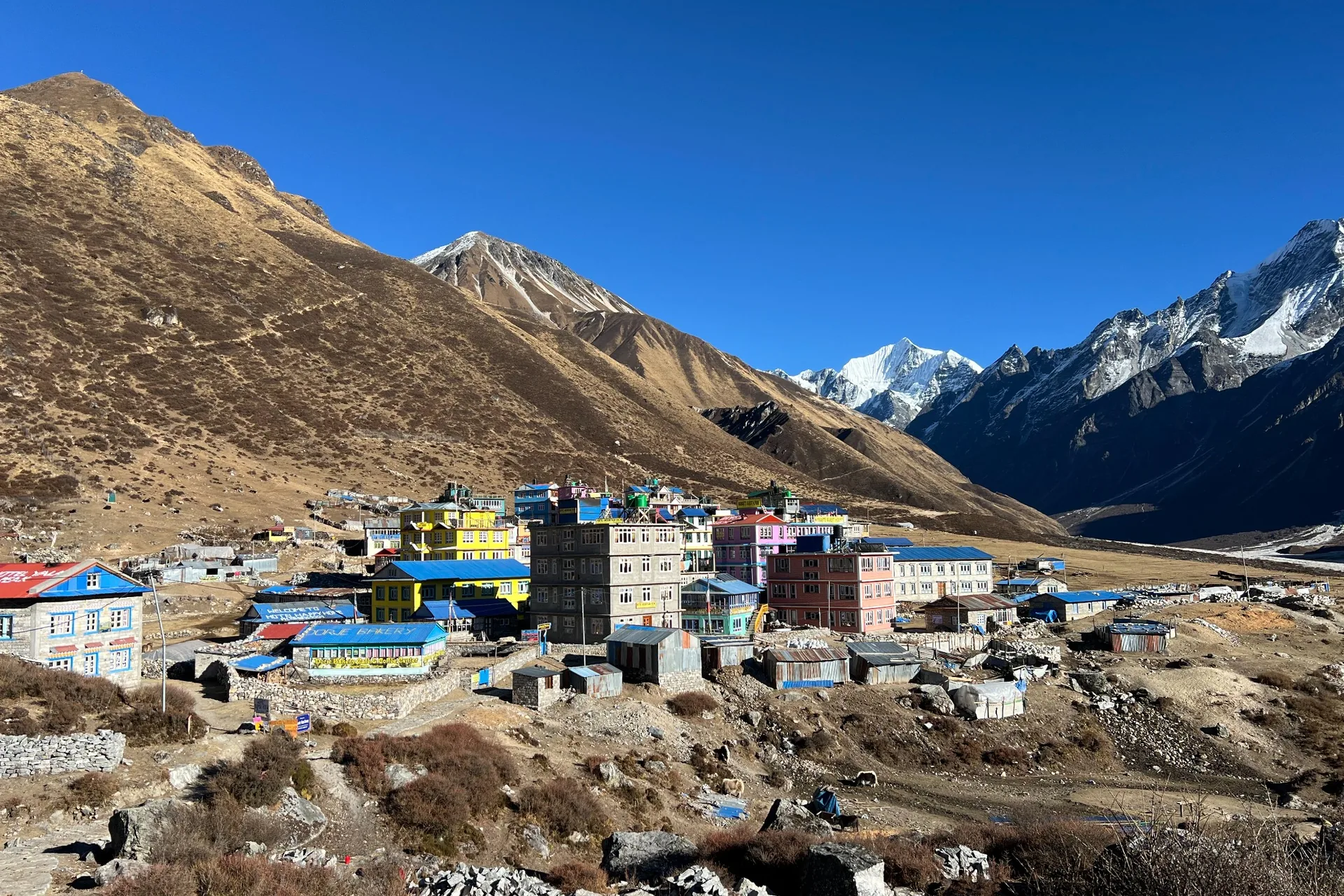
The Langtang Valley Trek is a 10-day Himalayan route north of Kathmandu that combines mountain scenery, Tamang heritage, forest trails, and high-altitude views around Kyanjin Gompa. It is ideal for trekkers who want a complete Nepal trekking experience in a shorter timeframe, with road access from Kathmandu and no need for domestic flights.
Langtang Valley Trek Overview
The Langtang Valley Trek is a moderate Himalayan trekking route located in the Langtang region of Rasuwa District, north-central Nepal, within Langtang National Park , Nepal’s first Himalayan national park, established in 1976. The trek begins with a road journey from Kathmandu to Syabrubesi and follows the Langtang Khola river valley upward through forests, gorges, Tamang settlements, and open alpine terrain toward Kyanjin Gompa.
The route is well-regarded for its balance of natural scenery, cultural richness, and accessibility. As you gain altitude, rhododendron and bamboo forests give way to wide mountain views dominated by peaks such as Langtang Lirung (7,227m), Dorje Lakpa, Gangchenpo, and Yala Peak. The highest overnight point on the standard route is Kyanjin Gompa at around 3,870 meters. Optional day hikes from there take trekkers to Kyanjin Ri (4,773m) or the more demanding Tserko Ri (4,985m), the highest point of the entire Langtang Valley Trek. Which one is better for the hike? Tserko ri or Kyangin Ri
Lhasso Adventure’s 10-day itinerary includes arrival and departure days in Kathmandu, the drive to and from Syabrubesi, and a full exploration day at Kyanjin Gompa, giving trekkers a well-paced, unhurried experience of the main route. Total trekking distance is approximately 65–75 km across the walking days.
Why the Langtang Valley Trek Belongs on Your Nepal List
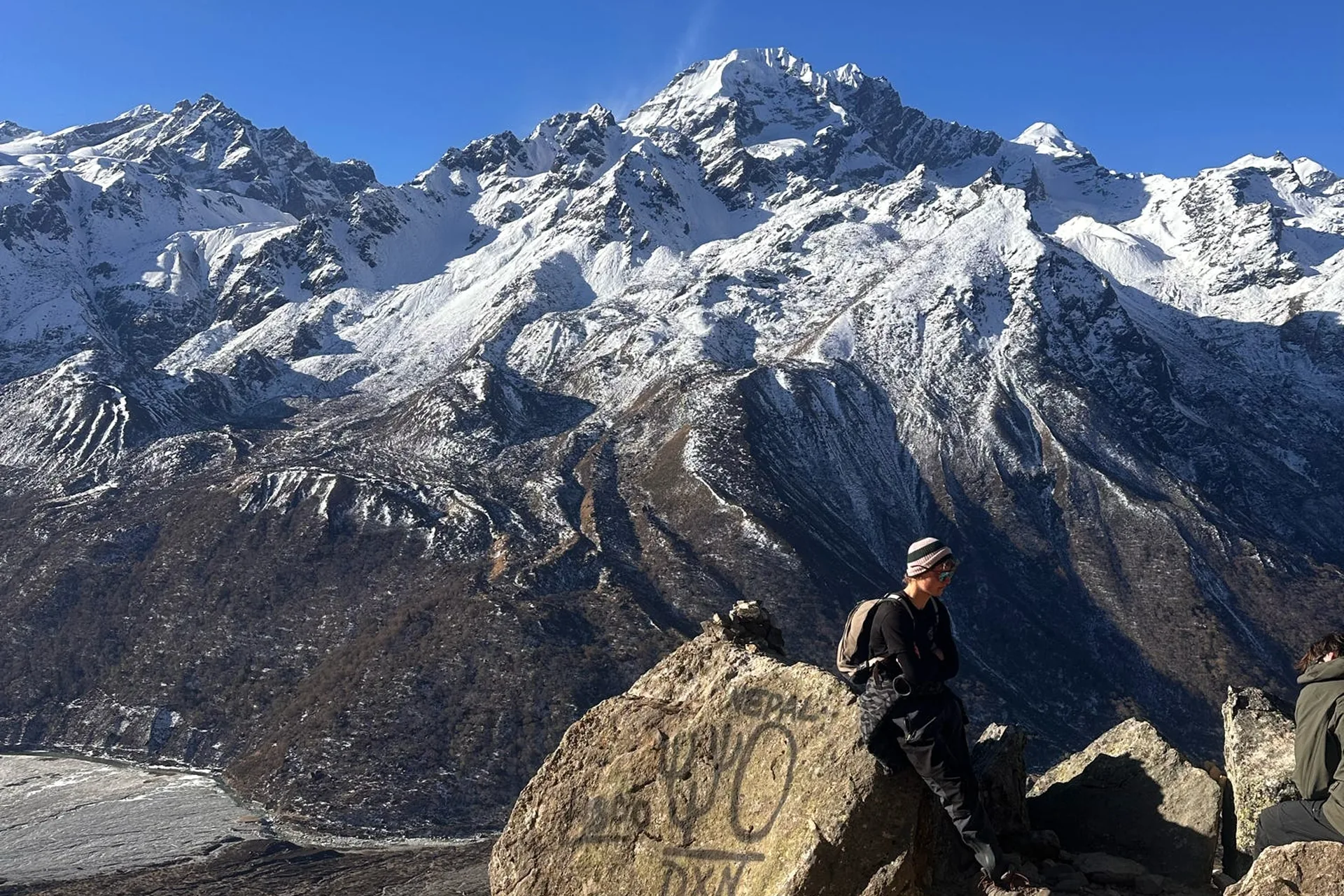
When most travelers plan a Nepal trip, Everest Base Camp and the Annapurna Circuit are the first names that come up. Both are iconic, and both deserve their reputations. But Langtang offers something those routes can’t quite match: a deeply personal, quieter, and more intimate Himalayan experience that fits inside a 10-day schedule.
The Langtang Valley Trek is not just shorter than many famous Nepal routes. It also offers a rare mix of easy access, strong cultural identity, quieter trails, lower travel costs, and meaningful local impact. Here’s why it deserves a place on your Nepal trekking list.
No Domestic Flights Required
The Syabrubesi trailhead is reachable by road from Kathmandu in around 6 to 8 hours. There are no domestic flights to book, no weather-related flight delays to worry about, and no additional airport transfers to coordinate. This makes the Langtang Valley Trek significantly more flexible and logistically simpler than routes that depend on flights into Lukla or Pokhara.
Rich Tamang Culture and Buddhist Heritage
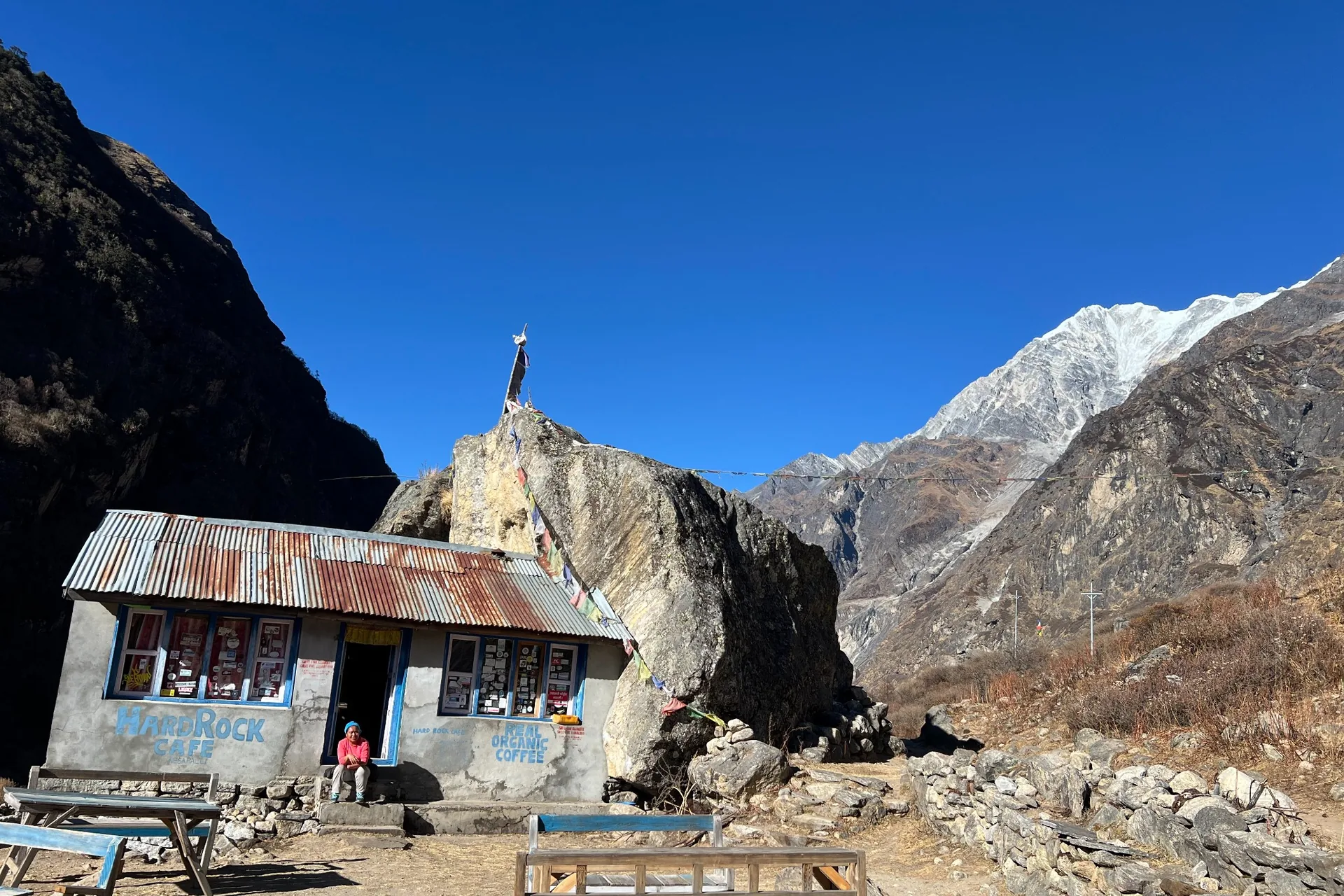
The Langtang region is home to Tamang communities with centuries of Tibetan Buddhist heritage. As you walk deeper into the valley, that heritage becomes visible in every direction, mani walls, prayer flags, chortens, ancient monasteries, and traditional stone villages. The Tamang people’s lifestyle, language, food, and traditions feel distinct and authentic. Langtang is not a cultural showcase. It is a living community that you walk through.
Quieter Trails Than Everest and Annapurna
Langtang is popular, but it is not crowded in the way Everest routes can feel during peak season. You still meet fellow trekkers along the way, but the trail retains a quieter character, more space to think, more interaction with local families, and more room to take in the landscape without queuing for viewpoints.
More Budget-Friendly Than Longer Nepal Treks
Because Langtang requires no domestic flight and runs on a shorter itinerary, the overall Langtang Valley Trek cost is generally lower than comparable routes. This makes it attractive for travelers who want a full Himalayan experience without stretching their budget or their annual leave.
A Trek That Supports Local Communities
In April 2015, a catastrophic earthquake triggered a massive avalanche that buried much of Langtang Village, killing hundreds of residents. The community has since rebuilt with extraordinary resilience, and tourism remains one of the most important pillars of their recovery. When you trek to Langtang Valley with a responsible local operator, your presence, in teahouses, with local guides and porters, through the villages, directly supports families and communities still finding their footing. That is not something you feel on every trek.
Langtang Valley Trek Cost in 2026
Lhasso Adventure Package Pricing
Lhasso Adventure’s 10-day Langtang Valley Trek is priced per person based on group size:
| Group Size | Price Per Person |
| 2-4 pax | USD 836 |
| 5-7 pax | USD 767 |
| 8-10 pax | USD 736 |
| 11-13 pax | USD 707 |
| 14-16 pax | USD 672 |
For a full breakdown of what the package covers, see the inclusions section below.
For solo travelers or those needing a private departure outside the fixed schedule, Lhasso Adventure arranges customised itineraries. Contact the team directly for private trip pricing.
Permits
All required trekking permits are included in Lhasso Adventure’s package and handled on your behalf. For a full breakdown of what each permit covers and costs, see the permits section below.
Personal Expenses to Budget
Even with a full package, carry additional cash for personal spending on the trail. Prices for these extras increase with altitude, as all supplies in the upper valley must be carried in. Common personal expenses include:
- Bottled drinks and extra tea or coffee
- Hot showers
- Wi-Fi and device charging
- Snacks between meals
- Laundry
Tips for your guide and porter are customary and genuinely appreciated. A general guideline is USD 10–15 per day for a guide and USD 7–10 per day for a porter, typically shared across the group and given at the end of the trek.
Travel insurance is non-negotiable. Your policy must cover trekking at the maximum altitude of your itinerary and include emergency helicopter evacuation. Evacuation in Nepal’s mountains can cost several thousand dollars without coverage, this is not a line item to cut.
What’s Included in the Langtang Valley Trek Package
Understanding inclusions and exclusions helps you compare packages accurately and arrive without financial surprises.
Included in the Lhasso Adventure Package:
- Airport arrival and departure transfers
- Kathmandu hotel accommodation with daily breakfast
- Private ground transport, Kathmandu to Syabrubesi and return
- All trekking permits (Langtang National Park entry + TIMS)
- Experienced licensed trekking guide
- Porter support (luggage carried on trekking days)
- Teahouse accommodation during the trek
- Full-board meals on all trekking days (breakfast, lunch, and dinner)
- First aid kit and pulse oximeter
- Duffel bag and down jacket loan where applicable
- All government and local taxes
- Farewell dinner in Kathmandu
Not Included:
- International airfare and departure tax
- Nepal tourist visa fee, which is not included in the trek package and must be paid separately by the traveler.
- Travel insurance (compulsory, must include high-altitude trekking and helicopter evacuation)
- Personal trekking gear and equipment
- Extra drinks, hot showers, Wi-Fi, and device charging on the trail
- Snacks and personal items purchased along the route
- Tips for guide and porter
- Costs arising from flight delays, illness, weather events, or itinerary changes outside the standard plan
- Lunch and dinner in Kathmandu (outside of the included welcome and farewell dinners)
Permits Required for the Langtang Valley Trek
Every foreign trekker entering the Langtang region must carry two valid permits before stepping onto the trail. These are non-negotiable — checkpoints along the route verify both documents, and trekkers without them will not be allowed to proceed.
Langtang National Park Entry Permit
The Langtang National Park Entry Permit is required for all trekkers entering the park boundary, which begins shortly after Syabrubesi. This permit is issued by the Department of National Parks and Wildlife Conservation and must be obtained before the trek begins.
The current fee for foreign nationals is NPR 3,390 per person, inclusive of the mandatory 13% government VAT. SAARC nationals pay a reduced rate of NPR 1,695. Children under 10 enter free. The permit can be obtained at the Nepal Tourism Board office in Bhrikutimandap, Kathmandu, or at the Dhunche checkpoint on the trail — arranging it in Kathmandu in advance is strongly recommended to avoid delays at the trailhead.
TIMS Card and Mandatory Guide Requirement
Under current regulations enforced across Nepal’s major trekking regions, solo and independent trekking is strictly prohibited in Langtang National Park. All foreign nationals are legally required to be accompanied by a licensed trekking guide registered with an authorised agency.
As a direct consequence of this regulation, the individual Green TIMS card is no longer issued for the Langtang route. Trekkers must be registered through a licensed operator and are issued an agency-backed group E-TIMS card, processed digitally at NPR 1,000 per person. This card requires authorised guide credentials to obtain — it cannot be arranged independently.
How Lhasso Adventure Handles Permits
Both permits — along with all necessary licensed guide verifications — are fully included in Lhasso Adventure’s Langtang Valley Trek package. The team arranges everything on your behalf before departure from Kathmandu. There are no hidden additions on arrival, no government office queues, and no checkpoint complications. For international trekkers unfamiliar with Nepal’s permit system, this alone removes one of the most administratively complex parts of planning a Himalayan trek.
Do You Need a Guide for the Langtang Valley Trek?
Yes — and not just because it makes practical sense.
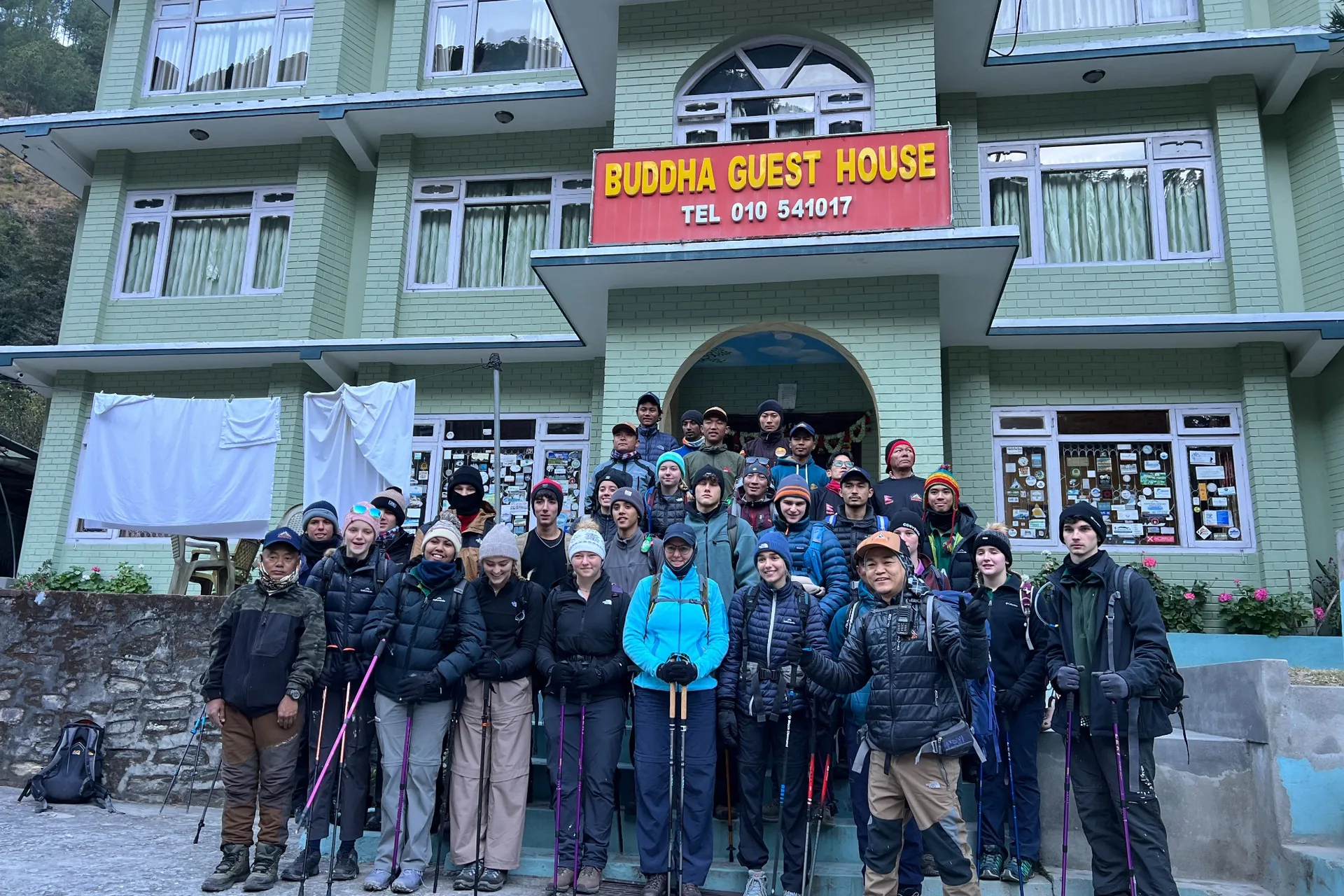
Since Nepal introduced stricter guided trekking rules in April 2023, international trekkers are strongly advised to book the Langtang Valley Trek with a licensed guide. The Nepal Tourism Board moved to restrict independent trekking in designated areas, and a guide also handles permits, safety, accommodation communication, and altitude-related decisions that would otherwise fall entirely on you.
But beyond regulation, the practical case for a guide on this route is strong. The Langtang Valley Trek passes through mountain terrain where weather, trail conditions, altitude, and emergency situations can change quickly. A licensed local guide manages these variables in real time — adjusting pace, recognising altitude symptoms, communicating with teahouses, and making safety decisions with experience behind them rather than instinct.
There is also the cultural dimension. The Langtang region has deep Tamang and Tibetan Buddhist heritage that is easy to walk through without understanding. A knowledgeable local guide turns the trail into a living cultural experience — explaining the meaning of mani walls, the significance of monastery festivals, the history of Tamang communities, and the story of the valley’s earthquake recovery in ways no guidebook can replicate.
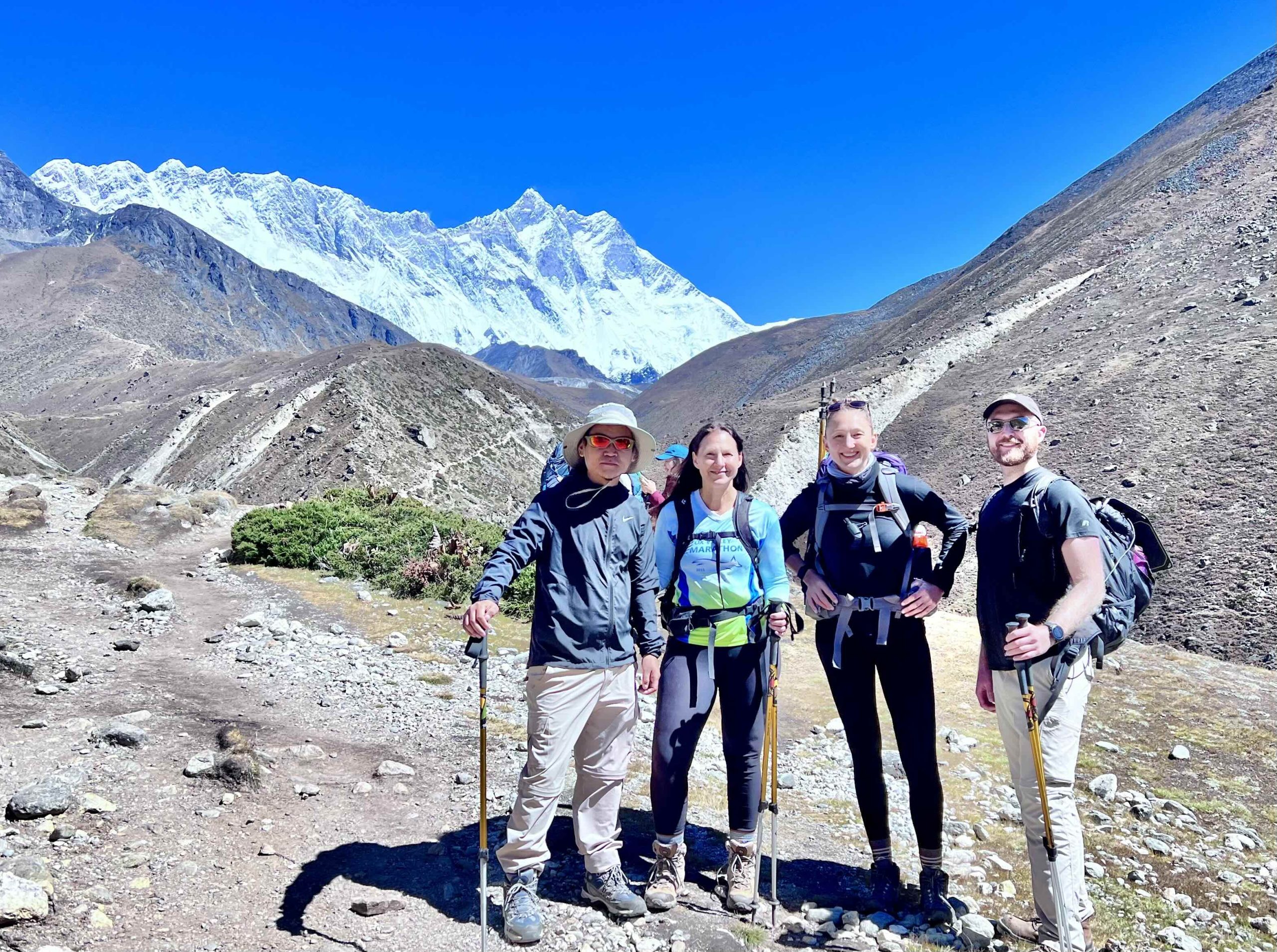
Lhasso Adventure’s trekking guides bring genuine expertise to every journey. Ram Kumar Rai has over 35 years of Himalayan trekking experience, having started as a porter before becoming a certified nature guide and Sirdar fluent in English, Hindi, and Nepali. Dilip Kumar Ghlan Tamang has led treks across Everest, Annapurna, Manaslu, and Langtang since 2021 and is known for his calm, attentive approach with guests. These are people who know this region from the ground up — from the trail conditions in late October to the best teahouse in Langtang Village to how to recognise early signs of altitude sickness in a tired trekker.
For international trekkers new to high-altitude routes, that local expertise and accountability makes a genuine difference to both safety and experience.
Best Time to Do the Langtang Valley Trek
The Langtang Valley Trek is best done in spring or autumn, when weather is most stable, visibility is strongest, and trail conditions are at their most reliable.
Spring — March to May
This time around the year brings warming temperatures, longer daylight hours, and the spectacular bloom of rhododendron forests at lower elevations. The lower trail is lush and colourful, the upper valley is crisp and clear, and Kyanjin Gompa views are often exceptional in April and early May. Late May can see the early edge of the pre-monsoon season, with afternoon clouds building more frequently.
Autumn — September to November
Subsequently, Autumn is widely considered Nepal’s finest trekking season. The monsoon clears the air by late September, leaving the skies sharp, the mountains visible from a distance, and the trails dry and firm. October is peak season on most routes, including Langtang, so if you plan to join a fixed departure or need specific accommodation arrangements, booking earlier is wise.
Winter — December to February
This time of the year is possible for well-prepared trekkers who can handle cold conditions. The trail is significantly quieter, and the upper valley views can be extraordinary on clear winter days. However, temperatures around Kyanjin Gompa drop sharply at night, and side hikes to Kyanjin Ri or Tserko Ri may be restricted by snow and ice conditions. This season is better suited to trekkers who are prepared and experienced.
Monsoon — June to August
Finally, monsoon is the least recommended window for first-time trekkers. In the monsoon season, lower sections of the trail can be muddy and slippery, leeches are more common in forested areas, and clouds often limit clear mountain views. Rain can also make the road journey to Syabrubesi less predictable.
The valley is green and dramatic in its own way, and experienced trekkers do complete the route during this period, but most international visitors plan around it.
Check Lhasso Adventure’s latest fixed departure dates or contact the team to request a private departure based on your travel schedule.
How Difficult Is the Langtang Valley Trek?
The Langtang Valley Trek is rated moderate to challenging. It is accessible to beginners with good fitness and proper preparation, but it is a real Himalayan route, not a gentle day hike, and should be approached accordingly.
Daily Walking Hours
Most trekking days involve 4 to 7 hours of walking. Day 4, from Lama Hotel to Langtang Village, is the most demanding outbound stage due to sustained altitude gain. Day 7, the long return descent from Kyanjin Gompa to Lama Hotel, covers 18 km and can feel punishing on the legs despite being mostly downhill. Days 3 and 8 are shorter and more forgiving.
Altitude and Acclimatisation
Altitude is the primary challenge on this route. Kyanjin Gompa sits at 3,870 meters, and optional hikes push beyond 4,700 meters. At these elevations, most trekkers experience some degree of breathlessness, fatigue, or mild headache, particularly in the first day or two at higher altitude. These responses are normal and manageable with a steady pace, adequate hydration, and proper rest.
Acute Mountain Sickness (AMS) is a genuine risk if altitude gain is rushed or warning signs are dismissed. Common early symptoms include persistent headache, nausea, loss of appetite, disrupted sleep, and dizziness. Your guide will monitor your condition throughout. The golden rule is simple: never ascend with AMS symptoms.
Trail Terrain
The trail changes considerably as you gain elevation, starting with forest paths and river crossings before rising into rougher mountain terrain with glacial moraine, steep switchbacks, and open ridgeline sections. No technical climbing experience or specialist equipment is required, but solid ankle support in well-fitted trekking boots matters throughout.
How to Prepare
In the weeks before departure, focus on cardiovascular fitness, long walks, stair climbing, light trail runs, or cycling. Leg strength and endurance matter more than raw speed. Break in your trekking boots before arriving in Nepal. Blisters are the most common reason otherwise fit trekkers struggle, and they are almost entirely preventable.
In the right hands, fit, prepared, well-guided, and properly paced, the Langtang Valley Trek is an achievable and deeply rewarding experience for most healthy adults.
Plan Your Langtang Valley Trek with Lhasso Adventure
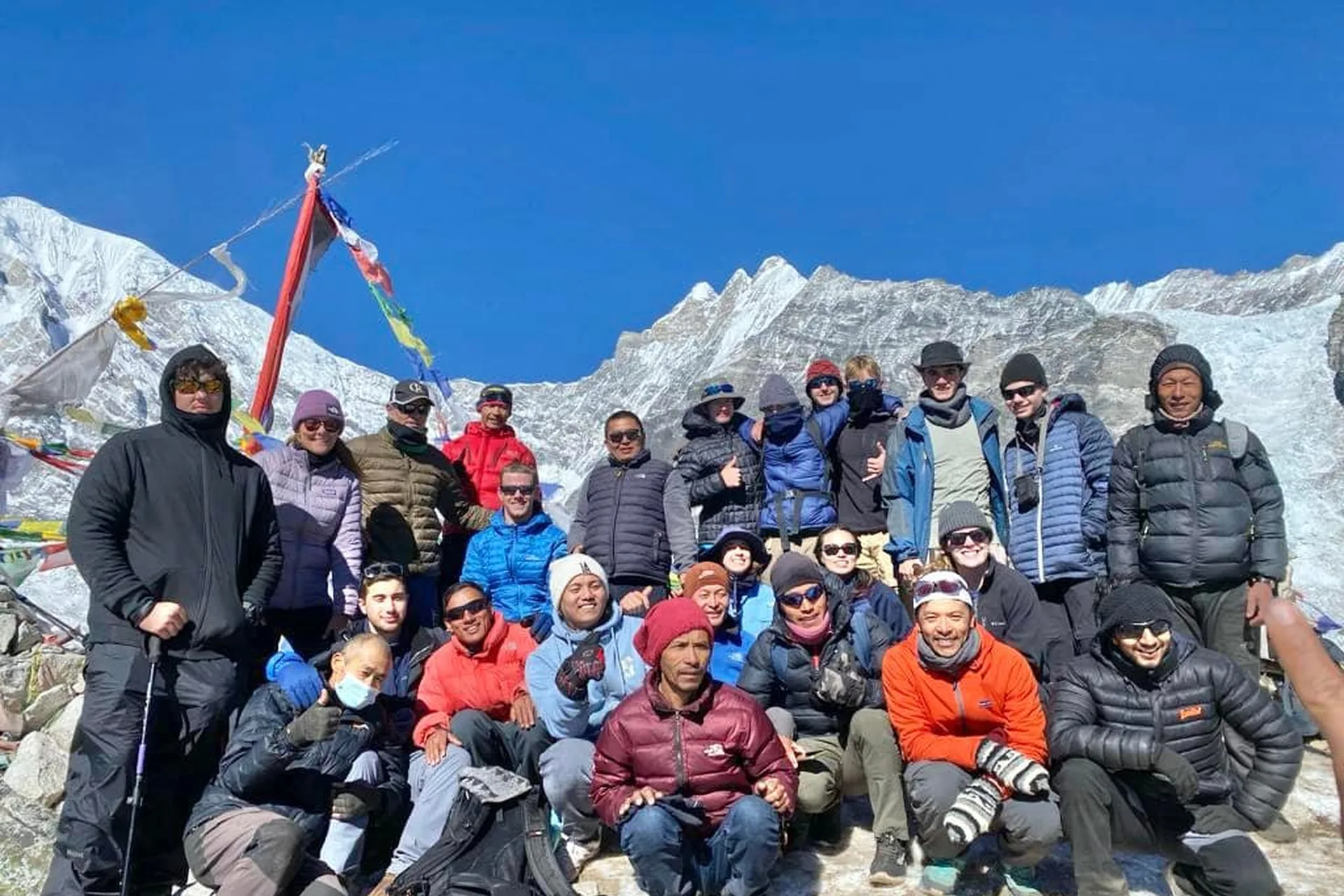
The Langtang Valley Trek is one of the finest 10-day trekking experiences in Nepal. It gives you everything a Himalayan trek should, real mountain terrain, genuine cultural encounter, dramatic altitude, and long days on foot, without requiring the time, budget, or logistics complexity of longer routes.
Lhasso Adventure has been organising guided Himalayan treks since 2011. The team handles every element of the journey, permits, private transport, accommodation coordination, licensed guide assignment, porter logistics, on-trail safety, and Kathmandu hotel arrangements, so you arrive ready to trek, not to manage spreadsheets. As a Nepal-based Destination Management Company, their guides know the trail in every season, their relationships with teahouse owners mean reliable accommodation even during busy departures, and their experience with international trekkers means they understand both the excitement and the concerns of first-time visitors to high altitude.
Fixed departure dates and private trip options are available throughout the trekking seasons. Group pricing applies from two trekkers upward, from USD 672 per person for larger groups to USD 836 per person for smaller parties.
Explore Lhasso Adventure’s Langtang Valley Trek package and secure your preferred dates with a local trekking team that knows this route inside out.