Manaslu Circuit Trek Permits: RAP, MCAP & ACAP Full Guide
July 4, 2026 Lhasso Adventure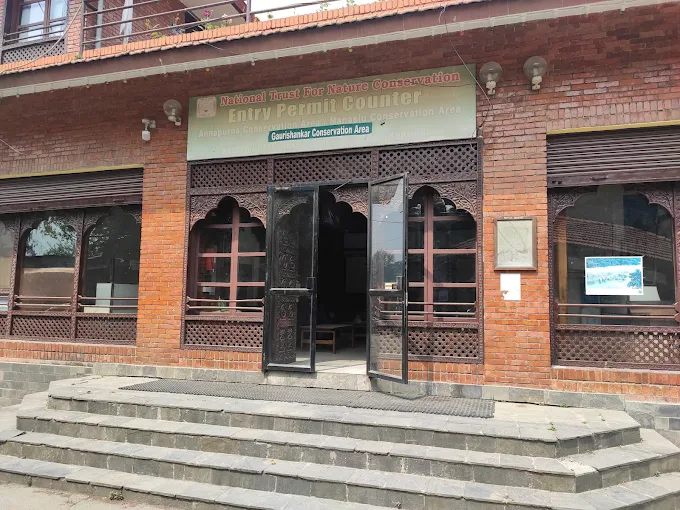
The Manaslu Circuit Trek requires multiple official permits because the region is classified as a restricted area and protected conservation zone. These permits are mandatory for all foreign trekkers entering the route.
To complete the trek legally, you must obtain the Restricted Area Permit (RAP), Manaslu Conservation Area Permit (MCAP), and Annapurna Conservation Area Permit (ACAP). Each permit serves a different administrative and environmental purpose.
The permit system is designed to regulate tourism, protect fragile ecosystems, and ensure controlled access to remote Himalayan villages along the route.
Without these permits, entry into the Manaslu region is strictly prohibited, and checkpoints along the trail actively verify documentation throughout the journey.
Understanding how these permits work is essential before planning your trek, especially since restricted-area entry requirements and conservation permit regulations directly influence itinerary planning, cost structure, and guide arrangements.
What Are the Required Permits for the Manaslu Circuit Trek?
There are three main permits required for the Manaslu Circuit Trek. Each permit is issued by a different governing authority and covers a specific section of the trekking route.
These include the Restricted Area Permit (RAP), Manaslu Conservation Area Permit (MCAP), and Annapurna Conservation Area Permit (ACAP).
All permits must be arranged through a registered trekking agency in Nepal. Independent applications are not allowed due to the restricted status of the region.
These permits are checked at multiple points along the trail, particularly at entry villages and conservation checkpoints.
Together, they ensure legal compliance, environmental protection, and controlled tourism management throughout the Manaslu region.
Restricted Area Permit (RAP) – The Most Important Permit
The Restricted Area Permit (RAP) is the most critical permit for the Manaslu Circuit Trek. It is required for entry into the upper Manaslu region, which lies under government-controlled access regulations.
This permit is issued by the Department of Immigration in Nepal and is strictly regulated.
The RAP is required from Jagat onwards, where the restricted zone officially begins. Trekking without this permit beyond the checkpoint is not permitted under any circumstances.
The cost of the RAP depends on the season. During peak trekking months, the fee is higher, while off-season rates are slightly reduced.
This weekly-based structure means the longer you stay in the restricted zone, the higher the permit cost becomes.
The RAP system plays a key role in controlling tourism flow and preserving the cultural integrity of remote Himalayan settlements.
Manaslu Conservation Area Permit (MCAP)
The MCAP is required to enter and travel within the Manaslu Conservation Area. This region is protected for its biodiversity, wildlife, and cultural heritage.
The permit is issued by the National Trust for Nature Conservation (NTNC).
Unlike the RAP, the MCAP is a fixed-fee permit and does not vary based on season or duration.
This permit ensures that trekkers contribute to conservation efforts in the region, including environmental protection, trail maintenance, and local community development.
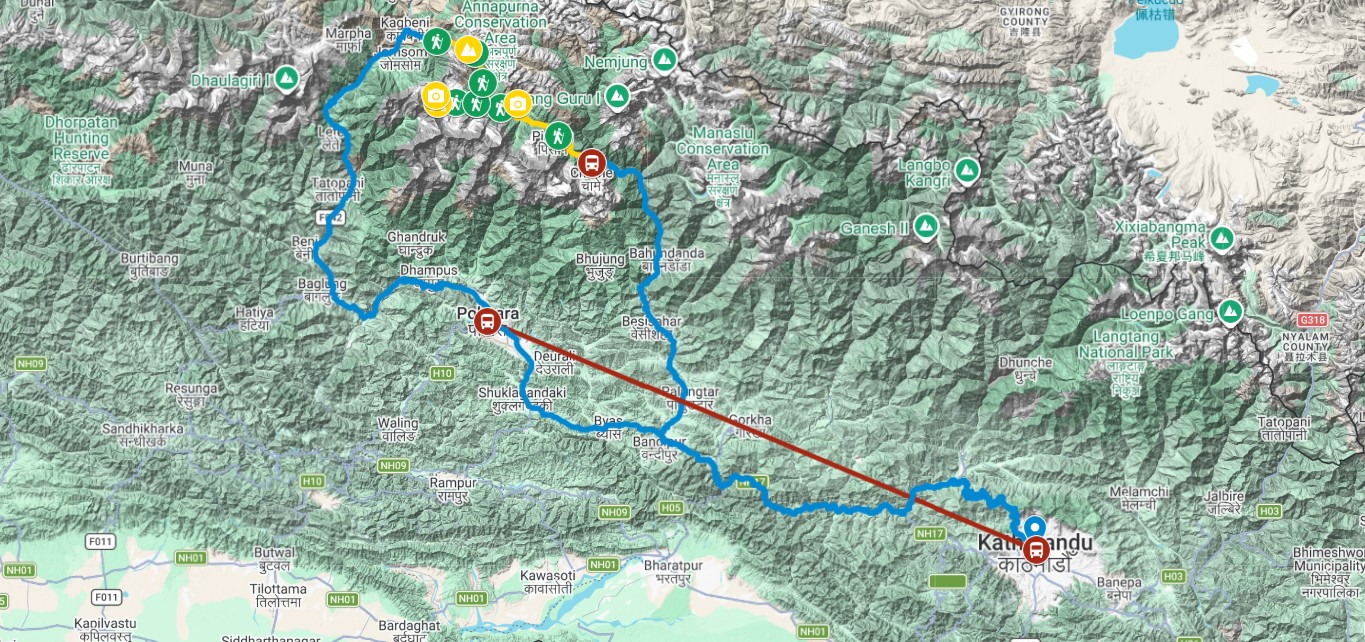
The MCAP applies to the lower and mid-sections of the Manaslu Circuit before entering the restricted upper zone.
It is an essential part of the permit system that supports sustainable trekking practices in the Himalayas.
Annapurna Conservation Area Permit (ACAP)
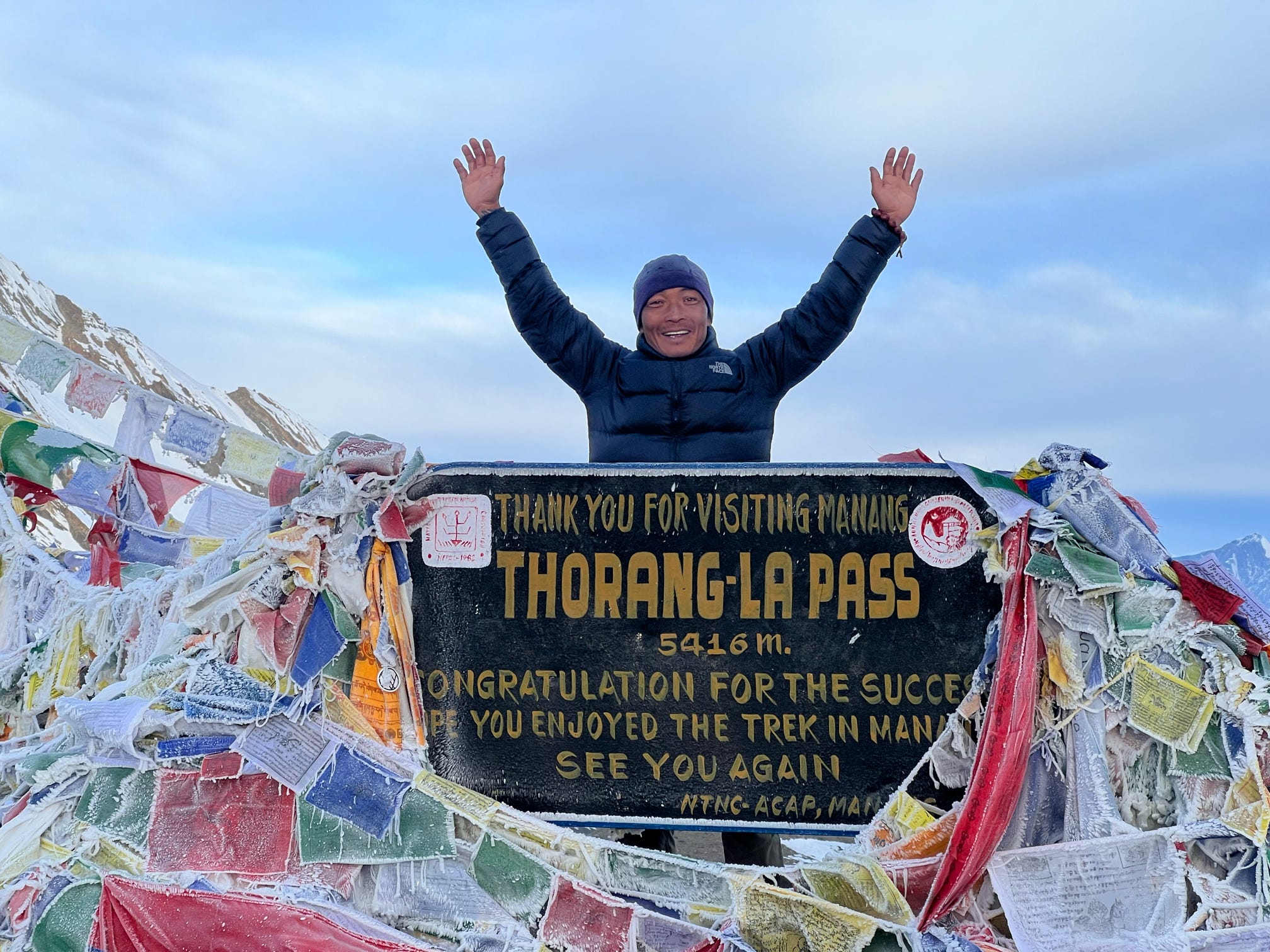
The ACAP is required for the final section of the Manaslu Circuit Trek when the route enters the Annapurna Conservation Area after crossing Larkya La Pass.
This permit is also issued by the National Trust for Nature Conservation (NTNC).
The ACAP ensures environmental protection and regulated trekking access within the Annapurna region, which is one of the most visited trekking areas in Nepal.
Although the Manaslu Circuit is less crowded, the ACAP system connects it to a larger conservation framework that spans multiple Himalayan regions.
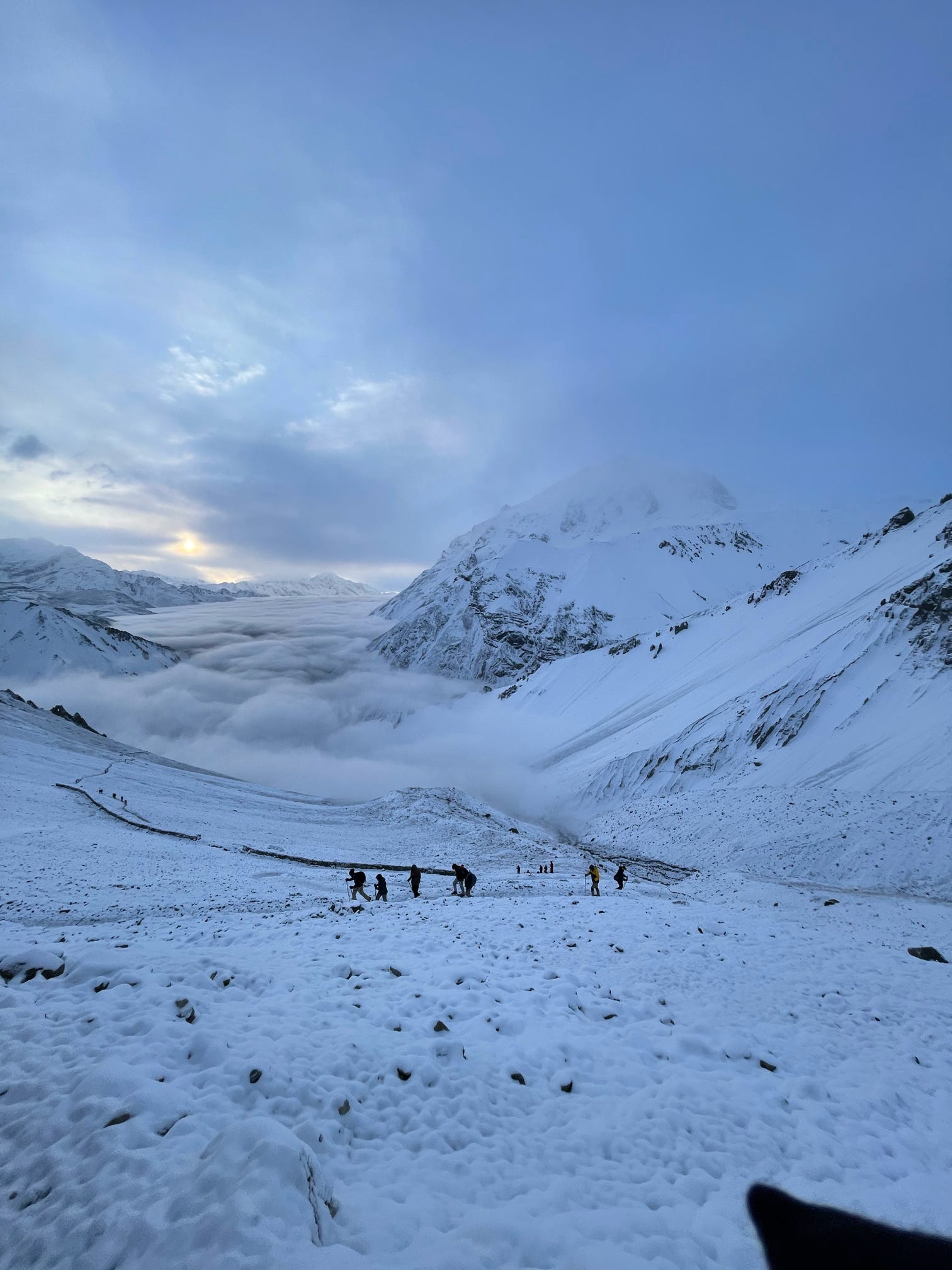
Trekkers usually enter the ACAP zone during the final descent phase of the trek after crossing the highest pass of the route.
How Permit Checks Work on the Manaslu Circuit Trek
Permit verification is carried out at multiple checkpoints along the Manaslu Circuit Trek. These checkpoints are managed by local authorities and conservation officers.
Trekkers are required to show their permits whenever they enter restricted or conservation zones.
The most important checkpoint is located at the entry point of the restricted area, where RAP documentation is carefully verified.
Additional checks may occur at village entry points and conservation boundaries throughout the route.
This system ensures that all trekkers are properly registered and traveling under legal and environmental guidelines.
Why You Cannot Trek Manaslu Without Permits
Trekking the Manaslu Circuit without permits is strictly prohibited by Nepalese law. The region is classified as a restricted zone, meaning entry is controlled for safety, security, and environmental reasons.
Checkpoints along the route are actively monitored, and unauthorized trekkers are not allowed to proceed beyond entry villages.
Permits also ensure that trekkers are accompanied by licensed guides, which is mandatory in this region.
This regulated system helps maintain safety in remote areas where weather, altitude, and terrain can become challenging.
Permit regulations are directly linked with guide requirements and regulated trekking procedures in restricted Himalayan regions, ensuring structured and responsible tourism.
When and Where to Get Manaslu Trek Permits
Manaslu Circuit Trek permits must be obtained before starting the trek. They are usually issued in Kathmandu through registered trekking agencies.
Independent application is not allowed, especially for the Restricted Area Permit.
The process typically requires passport copies, photographs, and confirmed trekking arrangements with a licensed operator.
Permit processing is usually completed within a short timeframe when all documents are properly prepared.
Most trekkers finalize permits during the pre-trek planning stage before traveling to the trailhead.
Importance of Permits in Trek Planning
Permits play a central role in planning the Manaslu Circuit Trek because they determine entry eligibility, route access, and legal compliance.
Without proper permits, the trek cannot proceed beyond initial villages.
Permit requirements also influence itinerary structure, as certain checkpoints must be crossed within specific timeframes depending on regulations.
They are an essential part of overall trek preparation alongside transportation, accommodation, and acclimatization planning.
Understanding permit rules in advance helps ensure a smooth and well-organized trekking experience in the Manaslu region.

Manaslu Circuit Trek Permit Costs Explained (RAP, MCAP & ACAP)
The total cost of Manaslu Circuit Trek permits depends mainly on the Restricted Area Permit (RAP), which follows a seasonal and weekly pricing structure. MCAP and ACAP are fixed-fee conservation permits.
These combined permit costs form a mandatory part of the overall trekking budget and must be arranged before entering the trail.
Permit pricing is regulated by the Government of Nepal and cannot be modified or obtained independently without a registered trekking agency.
Restricted Area Permit (RAP) Cost Structure
The RAP is the most expensive and important permit for the Manaslu Circuit Trek. It is charged on a per-week basis and varies depending on the season.
- September to November (Peak Season): USD 100 per week per person
- December to August (Off Season): USD 75 per week per person
This pricing applies from the entry point of the restricted zone and continues until you exit the regulated area.
Since the Manaslu Circuit typically takes 7–12 days inside the restricted region, the RAP cost is calculated based on the number of trekking days inside the zone rather than the full itinerary.
This structure directly influences overall budgeting considerations for multi-day high-altitude trekking routes in Nepal, especially for longer itineraries.
Manaslu Conservation Area Permit (MCAP) Cost
The MCAP is a fixed-entry conservation permit required for trekking inside the Manaslu Conservation Area.
- MCAP Cost: USD 30 per person
This fee contributes to environmental protection, trail maintenance, and local community conservation projects managed by the National Trust for Nature Conservation (NTNC).
Unlike RAP, the MCAP does not vary by season or duration.
Annapurna Conservation Area Permit (ACAP) Cost
The ACAP is required for the final section of the trek after crossing Larkya La Pass into the Annapurna region.
- ACAP Cost: USD 30 per person
This permit supports conservation efforts in one of Nepal’s largest protected trekking regions and ensures regulated tourism flow across the Annapurna zone.
Together, MCAP and ACAP connect the Manaslu Circuit to a broader Himalayan conservation network.
Permit Validity and Duration Rules
Each permit has specific validity rules depending on the trekking section and administrative requirements.
The RAP is valid only for a defined entry and exit period inside the restricted zone. It is strictly monitored and cannot be extended without official approval.
MCAP and ACAP remain valid throughout the entire trekking duration once issued.
Permit duration is closely linked to trekking pace, itinerary structure, and acclimatization planning.
Understanding these validity rules is essential when planning daily movement through restricted Himalayan villages and conservation zones.
Why Manaslu Permits Must Be Issued Through an Agency
Independent trekking is not allowed in the Manaslu Circuit due to its restricted area classification. As a result, all permits must be issued through a licensed trekking agency.
This system ensures proper documentation, guide allocation, and compliance with government regulations.
The agency is responsible for submitting passport copies, processing permit applications, and coordinating with immigration authorities in Kathmandu.
Trekkers cannot apply for RAP independently, even if they are experienced hikers or repeat visitors to Nepal.
This regulated system is designed to maintain safety and environmental control in remote mountain regions where conditions can change rapidly.
Required Documents for Manaslu Trek Permits
To process Manaslu Circuit Trek permits, trekkers must provide basic documentation to their trekking agency before departure.
These typically include:
- Valid passport with at least 6 months validity
- Passport-sized photographs
- Confirmed trekking itinerary
- Agency booking confirmation
These documents are submitted to immigration and conservation authorities for verification and permit issuance.
Proper documentation ensures smooth processing and avoids delays before the trek begins.
Permit Checkpoints on the Manaslu Circuit Trek
Permit verification occurs at multiple checkpoints along the Manaslu Circuit Trek. These checkpoints are managed by local authorities and conservation officers.
The first major checkpoint is located at the entry point of the restricted area, where RAP documents are strictly verified.
Additional checks occur at village entry points and conservation boundaries throughout the route.
Trekkers must carry physical copies of all permits at all times during the trek, as digital copies are not always accepted in remote regions.
These checkpoints ensure compliance with national regulations and help maintain controlled access to sensitive Himalayan areas.
Common Mistakes Trekkers Make With Permits
One of the most common mistakes is underestimating the RAP duration, which can lead to additional costs if trekking days inside the restricted zone increase.
Another frequent issue is failing to carry printed permit copies, which can cause delays at checkpoints.
Some trekkers also misunderstand the requirement for agency-based application and attempt to plan independently, which is not permitted.
Incorrect documentation or last-minute permit processing can also create logistical challenges before the trek begins.
Proper planning helps avoid these issues and ensures a smooth entry into the Manaslu region.
How Permits Affect Trekking Itinerary Planning
Permit rules directly influence how itineraries are structured on the Manaslu Circuit Trek.
Since RAP is charged per week, trekking duration inside the restricted area must be carefully planned to avoid unnecessary cost increases.
Acclimatization days, weather delays, and pacing strategies are all considered when designing the itinerary.
Permit timing also affects entry and exit points, especially when crossing into the Annapurna region after Larkya La Pass.
Understanding these factors ensures a realistic and well-balanced trekking schedule.
Importance of Permits for Safety and Conservation
The permit system is not only a legal requirement but also a critical part of safety and environmental protection in the Manaslu region.
It helps regulate the number of trekkers entering fragile mountain ecosystems and ensures that local communities benefit from controlled tourism.
Permit enforcement also ensures that trekkers are accompanied by licensed guides, which is essential for safety in remote and high-altitude terrain.
This structured system supports sustainable tourism while preserving the natural and cultural heritage of the Manaslu region.

How to Get Manaslu Circuit Trek Permits Step by Step
The process of obtaining Manaslu Circuit Trek permits is straightforward when handled through a registered trekking agency. Since independent applications are not allowed for the restricted area, the entire procedure is coordinated in Kathmandu before the trek begins.
Understanding the step-by-step process helps trekkers prepare documents in advance and avoid delays during permit issuance.
The system is designed to ensure legal compliance, proper documentation, and coordination with immigration and conservation authorities.
Step 1: Trek Booking and Itinerary Confirmation
The first step in the permit process is confirming a trekking itinerary with a licensed agency. This itinerary defines the route, duration, and entry/exit points of the Manaslu Circuit Trek.
Permit issuance depends on a confirmed travel plan because the Restricted Area Permit (RAP) is calculated based on the number of days spent inside the restricted zone.
This stage is closely connected to permit duration rules and trekking pace planning, as itinerary structure directly impacts overall permit cost and validity.
Step 2: Document Submission
Once the itinerary is confirmed, trekkers must submit essential documents to the trekking agency.
These usually include a valid passport, passport-sized photographs, and basic personal information required for permit registration.
The agency uses these documents to apply for RAP, MCAP, and ACAP through the relevant government offices.
Accurate documentation is important to avoid delays or rejections during the approval process.
Step 3: Permit Application Processing in Kathmandu
After document submission, the trekking agency processes the permit applications in Kathmandu.
The Restricted Area Permit (RAP) is issued by the Department of Immigration, while MCAP and ACAP are issued through the National Trust for Nature Conservation (NTNC).
This stage typically takes a short processing time when all documents are correctly prepared.
Once approved, permits are printed and verified before being handed over to the trekking guide.
Step 4: Permit Verification Before Trek Departure
Before starting the trek, all permits are double-checked by the agency and guide team.
This verification ensures that all documents are valid, correctly issued, and ready for checkpoint inspection along the route.
Trekkers are also briefed on how and when permits will be checked during the journey.
This preparation is essential for smooth movement through daily trekking routes across restricted Himalayan villages and conservation zones.
Step 5: Permit Checks During the Trek
Permit verification is not limited to the start of the trek. It continues throughout the Manaslu Circuit route at designated checkpoints.
The most important check occurs at the entry point of the restricted zone, where RAP is strictly verified.
Additional checks are conducted at village boundaries and conservation areas along the route.
Trekkers must carry printed permits at all times, as authorities may request them at any point during the journey.
Best Time to Apply for Manaslu Permits
Permits should be arranged at least a few days before the trek begins to allow sufficient processing time.
Although applications are usually processed quickly, early preparation helps avoid last-minute delays, especially during peak trekking seasons.
Applying in advance also ensures better coordination of logistics such as transportation, guide assignment, and accommodation planning.
Permit preparation is closely linked with overall trekking season planning and route scheduling in the Manaslu region.
Role of a Guide in Permit Management
A licensed trekking guide plays an essential role in managing and presenting permits throughout the Manaslu Circuit Trek.
Guides ensure that all permits are carried correctly and presented during checkpoint inspections.
They also assist with communication at local offices and help resolve any verification issues if they arise.
Since guided trekking is mandatory in the Manaslu region, permit management is integrated into the overall trekking support system.
How Manaslu Permits Compare to Other Treks in Nepal
Compared to other trekking regions in Nepal, the Manaslu Circuit has a more structured and regulated permit system due to its restricted area status.
Unlike open trekking regions, Manaslu requires multiple permits, including a weekly-priced RAP, which adds a unique layer of planning complexity.
This system is designed to control visitor flow and protect sensitive Himalayan ecosystems.
In comparison, treks in non-restricted regions usually require fewer permits and offer more flexible entry options.
Permit Planning Checklist for Trekkers
Before starting the Manaslu Circuit Trek, trekkers should ensure the following:
- Valid passport with sufficient validity
- Passport-sized photographs ready
- Confirmed trekking itinerary with agency
- All three permits (RAP, MCAP, ACAP) issued and verified
- Printed copies of permits for checkpoint use
- Guide assigned for full trek duration
This checklist ensures smooth entry into the restricted area and reduces the risk of administrative delays during the trek.
Why Proper Permit Planning Matters
Proper permit planning is essential for a smooth trekking experience in the Manaslu region. Since access is strictly regulated, any issue with documentation can delay or interrupt the journey.
Permits are not only a legal requirement but also a safety and coordination mechanism used throughout the trek.
When properly managed, they ensure uninterrupted movement through remote Himalayan landscapes while maintaining compliance with national regulations.
This structured system supports both environmental protection and safe trekking operations in one of Nepal’s most controlled trekking corridors.
Conclusion: Understanding Manaslu Circuit Trek Permits Clearly
The Manaslu Circuit Trek requires three essential permits: the Restricted Area Permit (RAP), Manaslu Conservation Area Permit (MCAP), and Annapurna Conservation Area Permit (ACAP). Together, these permits ensure legal access, environmental protection, and regulated trekking movement across one of Nepal’s most controlled Himalayan regions.
The RAP is the most important and costly permit due to its weekly structure and restricted-area classification. MCAP and ACAP are fixed conservation permits that support environmental conservation and sustainable tourism management.
When properly arranged through a licensed trekking agency, the entire permit process becomes straightforward and fully compliant with government regulations.
A clear understanding of permit rules helps trekkers avoid delays, manage budgets accurately, and prepare a well-structured itinerary for the Manaslu Circuit Trek.
Frequently Asked Questions About Manaslu Circuit Trek Permits
What permits are required for the Manaslu Circuit Trek?
The Manaslu Circuit Trek requires three permits: the Restricted Area Permit (RAP), Manaslu Conservation Area Permit (MCAP), and Annapurna Conservation Area Permit (ACAP). These are mandatory for all trekkers entering the region.
Can I get Manaslu permits without a guide or agency?
No, permits for the Manaslu Circuit Trek cannot be obtained independently. A licensed trekking agency is required to process all permits, and a guide is mandatory throughout the trek.
How much does the Manaslu Restricted Area Permit cost?
The RAP costs USD 100 per week during the peak season (September to November) and USD 75 per week during the off-season (December to August). The total cost depends on the number of days spent inside the restricted area.
When should I apply for Manaslu Circuit Trek permits?
Permits should be arranged a few days before the trek begins. Early preparation ensures smooth processing and avoids delays in transportation, guide assignment, and itinerary planning.
What happens if I trek without Manaslu permits?
Trekking without permits is illegal in the Manaslu region. Authorities at checkpoints will not allow entry into restricted zones, and trekkers without valid permits are not permitted to continue the route.
Are Manaslu permits checked during the trek?
Yes, permits are checked at multiple checkpoints along the route, especially at the entry to the restricted area and at conservation boundaries. Trekkers must carry printed copies at all times.
Do MCAP and ACAP apply to the entire trek?
MCAP applies to the Manaslu Conservation Area, while ACAP applies to the final section of the trek after crossing into the Annapurna region. Each permit covers different geographical zones.
Why is the Manaslu permit system so strict?
The permit system is designed to protect the environment, regulate tourism, and ensure safety in remote and sensitive Himalayan regions. It also helps manage visitor flow and support local communities.