Everest Base Camp Trek Cost | Cost Of Trekking to Everest Base Camp
September 6, 2026 Lhasso Adventure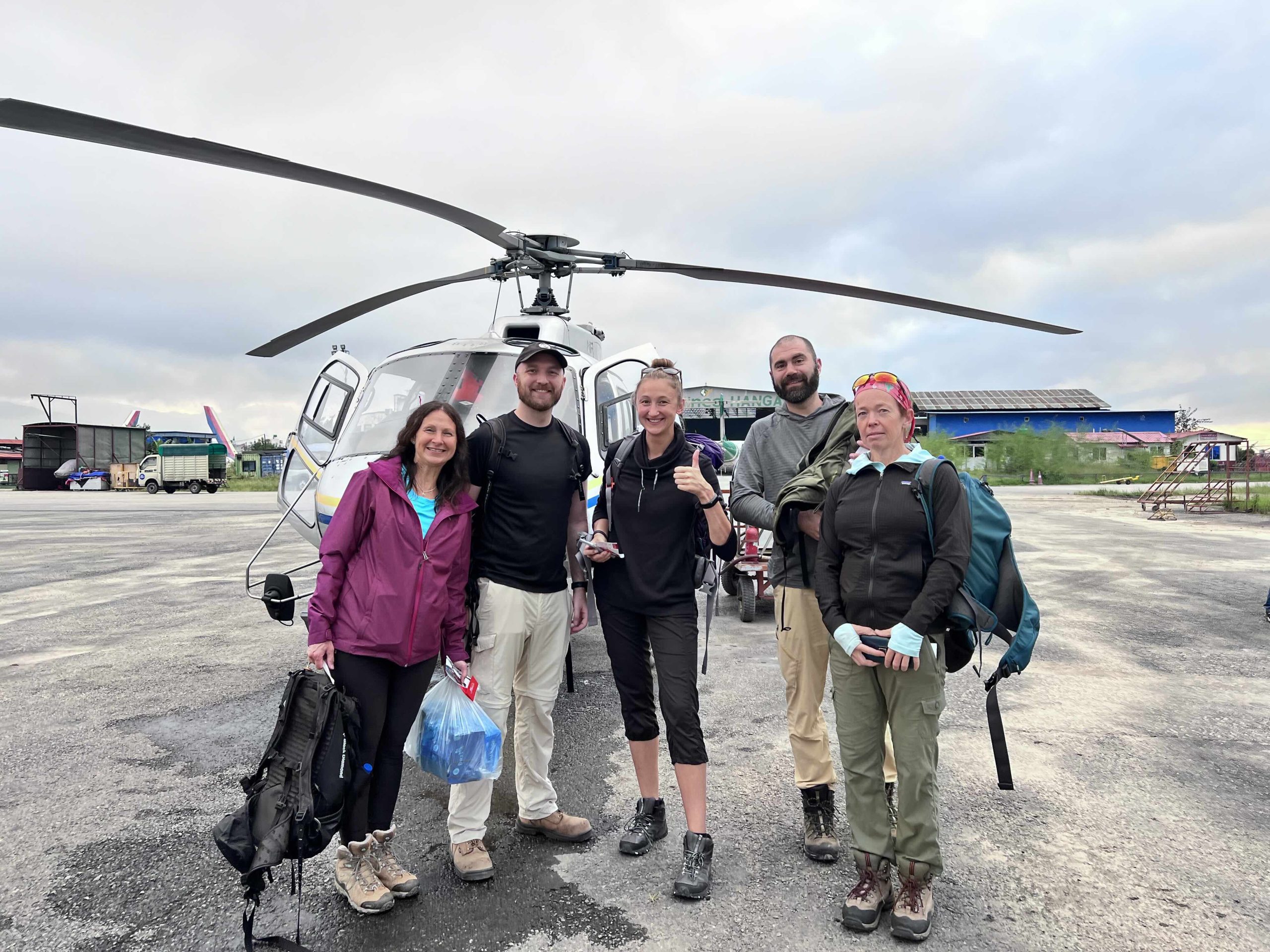
The Everest Base Camp trek cost ranges from USD 1,457 to USD 1,815 per person, depending on group size, for a fully guided 14 day package that includes permits, accommodation, meals on the trail, and a licensed guide. Smaller private groups sit at the higher end of that range, while larger group departures bring the per-person price down considerably.
That figure covers the trek itself rather than the full trip. International flights to Kathmandu, travel insurance, personal gear, and a few optional extras sit outside the standard package price, and accounting for them upfront avoids any surprise once you’re already on the trail.
How Much Does the Everest Base Camp Trek Cost?
The short answer: between USD 1,457 and USD 1,815 per person, depending entirely on group size. Every group tier is priced separately below, so you can see exactly where your own trip lands rather than working from a single average figure.
| Group Size | Price Per Person (USD) |
|---|---|
| 2–4 pax | $1,815 |
| 5–7 pax | $1,665 |
| 8–10 pax | $1,598 |
| 11–13 pax | $1,534 |
| 14–16 pax | $1,457 |
This is the full package price, not a deposit or a starting-from figure that grows once extras get added. It covers permits, guide, teahouse accommodation, and meals throughout the trek, which is what most trekkers actually mean when they ask what the trek “costs” in total.
What it doesn’t cover is explained in detail further down this guide, alongside how to manage your total budget once flights, tips, and personal spending are factored in on top of this baseline figure.
Everest Base Camp Trek Price: What’s Behind the Number
A trek price isn’t a single arbitrary figure; it’s built from several fixed and variable costs stacked together. Understanding what makes up that price helps explain why it shifts by group size rather than staying flat for every trekker.
Fixed costs, like the Sagarmatha National Park permit and the Khumbu Pasang Lhamu Rural Municipality fee, stay the same no matter how many people are in your group. Variable costs, like guide fees and logistics coordination, get spread across more people as group size grows, which is why the price per person drops at larger tiers.
Comparing this trek’s price against other Himalayan treks of similar length shows it sits in a reasonable middle range, reflecting genuine logistics rather than inflated markup. A separate breakdown of that comparison sits further down this page for anyone weighing this trek against alternatives.
The price shown here is the full package rate, not a “from” price that requires add-ons to become usable. Everything a trekker needs to safely complete the standard route is included at the tier shown.
Everest Base Camp Trek Cost Per Person by Group Size
Group size is the single biggest factor shaping the per-person price on this trek, since fixed costs like guide fees, permits, and logistics coordination get spread across more people as a group grows larger. Our standard 12 to 14 day Everest Base Camp package is priced as follows.
| Group Size | Price Per Person (USD) |
|---|---|
| 2–4 people | $1,815 |
| 5–7 people | $1,665 |
| 8–10 people | $1,598 |
| 11–13 people | $1,534 |
| 14–16 people | $1,457 |
A trekker joining as part of a 14 to 16 person departure pays roughly 20% less per person than someone booking with just one or two companions, purely because the fixed costs of running the trip get divided across a larger group. Solo trekkers and pairs typically join a scheduled group departure rather than booking a private trip at the smallest tier, which keeps costs closer to the group rates shown above rather than the higher end reserved for genuinely private trips.
Private departures outside these group sizes are also available for trekkers who want full control over pacing and dates, though private trips generally cost more per person than joining an existing group departure at the same headcount, since there’s less flexibility to combine logistics with other travelers heading the same direction on the same schedule.
Larger groups don’t sacrifice quality for the lower per-person price, either. Guide-to-trekker ratios, safety monitoring, and daily pacing decisions stay consistent regardless of group size, so the savings come purely from spreading fixed costs rather than from any reduction in the level of support each trekker actually receives on the trail.
What’s Included in the Everest Base Camp Trek Price?
The package price covers everything essential to safely completing the trek, structured so trekkers arrive with a clear sense of what’s already paid for versus what to budget separately. Understanding this breakdown matters more than the headline number itself when comparing packages between operators.
Permits make up a fixed portion of the cost, including the Sagarmatha National Park entry permit and the Khumbu Pasang Lhamu Rural Municipality entry fee, both required to legally trek through the region. These fees don’t change based on group size, unlike guide and logistics costs, which is why the per-person savings on larger groups come specifically from those variable line items rather than from permits.
A licensed guide and porter support are included throughout the trek, along with all accommodation in teahouses along the route and three meals a day while on the trail. Domestic flights between Kathmandu and Lukla are also built into the package, along with airport transfers in Kathmandu itself, removing several separate booking steps a trekker would otherwise need to coordinate independently.
Government taxes and the operational costs of running a safe, well-supported trip, including emergency communication equipment and basic first aid supplies carried by guides, round out what’s covered. Trekkers comparing prices across operators should confirm each of these items is genuinely included rather than assuming a lower headline price covers the same scope, since a package missing even one of these components can look cheaper on paper while actually costing more once the gaps are filled in separately.
What’s Not Included in the Everest Base Camp Trek Cost?
A handful of costs sit outside the standard package price, and budgeting for them separately avoids any unwelcome surprise once already on the trail. None of these are optional extras in the sense of being skippable; they’re simply billed separately from the core trekking package rather than folded into the headline number.
International airfare to and from Kathmandu tops this list, since flight costs vary considerably depending on departure city and booking timing. Nepal’s tourist visa fee, paid on arrival at Kathmandu’s airport, is a separate, relatively small cost that every international trekker needs to budget for regardless of nationality or the trekking package chosen.
Travel insurance covering high-altitude trekking and emergency evacuation is essential and sits outside the package price, since coverage needs and costs vary by trekker and by home country. Tipping for guides and porters, while not mandatory, is a well-established practice on this route and worth budgeting roughly USD 200 to 300 per trekker for a standard group departure, split between the guide and support porters based on group size and trip length.
Personal expenses on the trail, including bottled or boiled water beyond what’s included, device charging at teahouses, hot showers, wifi access, and snacks or drinks bought along the way, add up gradually and are worth budgeting an extra USD 15 to 25 per day for. Personal trekking gear not already owned, from a sleeping bag to proper boots, is the final variable, and costs here depend entirely on what a trekker already has versus what needs buying or renting either at home or once in Kathmandu.
Everest Base Camp Trek Cost from Kathmandu
Once a trekker has arrived in Kathmandu, the remaining cost of the trek itself follows the standard package pricing shown above, since the domestic Lukla flight and all on-trail costs are already built into that figure. This makes Kathmandu the practical starting point for budgeting the trek portion specifically, separate from getting to Nepal in the first place.
A night or two in Kathmandu before and after the trek is worth budgeting for, both for the pre-trek briefing and gear check most operators run and for a buffer day in case the Lukla flight faces weather delays on either end of the trip. Kathmandu accommodation ranges widely depending on comfort level, from simple guesthouses to more comfortable hotels near Thamel.
Trekkers arranging permits and TIMS registration independently, rather than through an operator, will find this is handled directly in Kathmandu before departure, adding a small amount of processing time and a separate permit fee on top of the guided package cost if booked that way. Booking through an established operator generally folds this entire process into the package price with far less coordination required from the trekker.
Getting from the airport to a hotel and back, along with the short transfer to Kathmandu’s domestic terminal for the Lukla flight, is typically included as part of a guided package rather than needing separate arrangement, which removes one more logistical detail from a first-time trekker’s planning list.
Is the Everest Base Camp Trek Expensive?
Compared to many international adventure trips of similar length, the Everest Base Camp trek sits in a moderate price range rather than at the extreme end of what high-altitude trekking can cost. A two-week guided trek supporting a full team of local staff, permits, and remote logistics naturally costs more than a domestic weekend hike, though considerably less than a full mountaineering expedition on the same peak.
Much of the cost reflects genuine logistical complexity rather than markup. Every item consumed on the trail, from food to fuel, has to be carried or flown in by porter, yak, or aircraft, since no road access exists beyond Lukla anywhere along the route. This drives teahouse meal and accommodation prices considerably higher than equivalent costs at lower, road-connected elevations elsewhere in Nepal.
Comparing package prices across operators purely on the headline number can be misleading, since a noticeably cheaper price sometimes reflects fewer included services, a smaller support team, or reduced safety protocols rather than genuine savings. Trekkers researching the guide qualifications and safety standards that separate a well-run operator from the rest often find this distinction explains most of the price variation between competing packages.
For what the price actually covers, including two weeks of full logistical support, permits, flights, meals, and a team of trained local staff supporting the trip throughout, most trekkers find the cost reasonable relative to the scale and remoteness of what’s being organized on their behalf.
Is It Expensive to Get to Everest Base Camp?
Getting to Everest Base Camp involves two separate cost layers: getting to Nepal, and then getting from Kathmandu into the Khumbu itself. Neither layer is as expensive as trekkers sometimes assume before researching the actual figures.
International flights to Kathmandu vary widely depending on departure city, and this is usually the single largest cost in the entire trip, often exceeding the trekking package price itself for travelers coming from outside Asia. Booking several months ahead generally keeps this cost more manageable than a last-minute booking would.
Once in Kathmandu, reaching the trailhead is comparatively affordable. The domestic Lukla flight is included in the standard trekking package price, so this leg doesn’t add a separate cost on top of what’s already covered. Trekkers choosing the overland jeep route instead face a different cost structure, generally lower per leg but spread across an extra day or two of travel.
Beyond transport, reaching Base Camp itself costs nothing extra once you’re on the trail, since the permits covering trail access are already built into the standard package price. The “getting there” cost is front-loaded into flights and the package price, not something that accumulates further once trekking begins.
How Much Does It Cost to Go to Everest Base Camp by Helicopter?
A helicopter isn’t a way to reach Base Camp itself, since there’s no regular tourist helipad at the Base Camp marker. What “going by helicopter” actually means in practice is flying the Lukla-to-Kathmandu leg by air instead of trekking or taking the standard fixed-wing flight, either as a scenic day tour or as the return leg of a trek.
A shared helicopter flight between Lukla and Kathmandu costs roughly USD 350 to 500 per person, seated alongside other passengers on the same aircraft. This is the more affordable of the two options and the one most trekkers choose when adding a helicopter segment to an otherwise standard trip.
A private helicopter charter costs considerably more, running roughly USD 2,500 to 3,200 per flight, accommodating up to five passengers. Split across a full group of five, this actually lands close to the shared-flight price per person, while offering a fixed departure time and full control over the aircraft rather than waiting for a shared seat to fill.
Neither option is included in the standard trek package price shown earlier in this guide, and both need to be booked and paid for separately, either independently or arranged through your trekking operator ahead of departure. Weather affects helicopter flights just as it affects the standard Lukla flight, so delays remain possible regardless of which option you choose.

Everest Base Camp Trek Cost for Nepali Citizens
Nepali citizens pay considerably less for the trek’s permit costs specifically, since Sagarmatha National Park entry fees and the local municipality fee are both set at a reduced domestic rate compared with the fee international trekkers pay. This difference applies to the permit portion of the cost rather than to guide, accommodation, or meal pricing, which stays broadly similar regardless of nationality.
Domestic trekkers often organize trips more independently than international visitors do, given the shorter distance from home and easier access to Kathmandu without the added cost of international airfare. This alone removes one of the largest line items international trekkers need to budget for, making the overall trip meaningfully more affordable for trekkers already based in Nepal.
SAARC nationals, including Indian citizens, also qualify for a reduced permit rate compared with the standard international fee, sitting between the Nepali domestic rate and the full international rate charged to trekkers from outside the region. Confirming current permit categories with an operator before booking ensures the correct rate gets applied from the outset rather than discovered as a discrepancy partway through the booking process.
Guide and porter costs, along with teahouse accommodation and meals, remain consistent regardless of a trekker’s nationality, since these reflect the actual cost of services provided on the trail rather than a fee tied to citizenship. Nepali trekkers booking a fully guided package should still expect this portion of the cost to match what any other trekker in the same group pays.
Everest Base Camp Trek Cost from India
Indian trekkers typically face one additional cost that domestic Nepali trekkers don’t: the flight to Kathmandu itself. Direct flights connect several major Indian cities to Kathmandu, and prices vary considerably depending on departure city, airline, and how far in advance the ticket is booked, so comparing a few routes ahead of time is worth the effort.
Beyond that flight, Indian trekkers benefit from the reduced SAARC permit rate mentioned earlier, which brings the overall cost of the trek portion closer to the domestic rate than the full international rate charged to trekkers from outside the region entirely.
Currency exchange is worth planning for before departure, since Indian Rupees aren’t always accepted directly at every point along the trail, particularly once past Kathmandu. Exchanging currency to Nepali Rupees or carrying US Dollars for larger payments like park fees tends to be the more practical approach, and doing this exchange in Kathmandu rather than en route saves both time and a less favorable exchange rate.
Trekkers coming from India occasionally combine the Everest Base Camp trek with a shorter Kathmandu stay given the relatively short flight distance, which is worth factoring into an overall trip budget alongside the standard package price shown earlier in this guide, particularly if sightseeing or shopping time in the city is part of the plan.
Everest Base Camp Trek Cost for Foreigners
The pricing shown throughout this guide, from USD 1,457 to USD 1,815 per person depending on group size, is the standard international rate that applies to foreigners generally, meaning any trekker who isn’t a Nepali citizen or a SAARC national qualifying for the reduced regional rate.
This rate reflects the full Sagarmatha National Park entry fee and the full Khumbu Pasang Lhamu Rural Municipality fee, both set higher for international visitors than for Nepali citizens specifically. Every other cost in the package, including the guide, porters, accommodation, and meals, stays identical regardless of nationality.
Foreign trekkers should budget for one additional layer that domestic and regional trekkers often skip: the international flight to Kathmandu itself, along with Nepal’s entry visa. Neither of these is part of the trekking package price, and both need to be arranged separately well ahead of departure.
There’s no separate “foreigner surcharge” hidden inside the standard package beyond the permit rate difference already explained here. A trekker from the United States, Europe, Australia, or anywhere outside South Asia pays the same standard rate as any other foreign trekker booking the same group size.
Can You Trek Everest Base Camp on a Budget?
A genuinely budget version of this trek exists, though it involves real trade-offs rather than simply finding a cheaper package at the same scope of service. The core costs of permits, the Lukla flight, and basic teahouse accommodation stay largely fixed regardless of budget, since these are set fees rather than negotiable extras.
The clearest way to reduce cost is joining a larger scheduled group departure rather than a small private trip, since the per-person price drops meaningfully as group size increases, as shown in the pricing table earlier in this guide. A trekker joining a 14 to 16 person departure pays considerably less than someone insisting on a private two-person trip covering identical services.
Trimming personal spending on the trail, rather than cutting corners on safety-related services, offers the next-best savings. Limiting wifi use, device charging, and hot showers to only what’s genuinely needed, and sticking to teahouse meals rather than pricier trail snacks, can meaningfully reduce the daily personal expense estimate mentioned earlier.
What shouldn’t be trimmed for budget reasons includes travel insurance, a licensed guide, and adequate cold-weather gear, since cutting any of these to save money introduces real safety risk rather than genuine value. A trek that’s cheap because it skips a licensed guide or proper insurance isn’t a budget version of the same trip; it’s a materially riskier one.
Everest Base Camp Trek Cost Without a Guide
Trekking Everest Base Camp without a licensed guide is no longer a straightforward option in the way it once was. Nepal’s tourism regulations now require registered local guides for trekkers in most of the country’s major trekking regions, including the Khumbu, which has effectively closed the fully independent, guideless version of this trek that some older guides describe from years past.
Where solo trekking without a guide isn’t permitted, the cost comparison shifts from “guided versus unguided” toward “which guided package offers the right balance of service and price,” since a guide is now a fixed requirement rather than an optional cost to remove from a budget entirely.
Trekkers researching this question are often really asking how to minimize cost while staying within current regulations, which points back toward the group-size pricing table earlier in this guide as the most effective lever available, rather than trying to remove guide costs entirely from the equation.
For anyone who trekked the region independently before these rules took effect and is planning a return trip, confirming current guide requirements with a licensed operator before departure avoids arriving in Kathmandu with an outdated assumption about how the trek can legally be organized, which can otherwise disrupt travel plans at the last minute.
How to Manage Your Everest Base Camp Trek Budget
A few practical habits help trekkers stay close to their planned budget without cutting into anything that affects safety or overall trip quality. Booking with a group departure rather than a small private trip is the single biggest lever, given how much the per-person price shifts across the group-size tiers shown earlier in this guide.
Setting a daily personal spending estimate before departure, rather than figuring it out on the trail, helps avoid the gradual creep of small purchases that can add up over twelve to fourteen days. Budgeting USD 15 to 25 per day for wifi, charging, hot showers, and snacks gives a realistic buffer without over-budgeting unnecessarily or coming up short partway through the trip.
Carrying enough Nepali Rupees or US Dollars in cash matters more on this trek than in most travel situations, since card payments and ATMs become unreliable or unavailable entirely beyond Namche Bazaar. Withdrawing or exchanging enough cash in Kathmandu before departure avoids running short partway through the trek, where the only option to top up would be an expensive currency exchange at a remote teahouse.
Booking travel insurance early, rather than as an afterthought, sometimes offers better rates and always ensures coverage is confirmed well before departure rather than scrambled together at the last minute. This is one cost worth locking in as early as possible in the planning process, alongside the trekking package itself, since some policies require purchase within a set window of booking the trip.
Who Is the Guide for the Everest Base Camp Trek?
Every guided departure with us is led by a licensed, government-certified trekking guide with direct experience on the Everest Base Camp route, supported by porters who handle the bulk of group gear along the way. Trekking leaders Bhim Tamang and Norbu Tamang, along with guide Shyam Bahadur Lama, lead the majority of our scheduled departures through the Khumbu.
Guide fees factor into the overall package price as a fixed cost rather than a separate line item trekkers pay directly, which is one reason group size affects the per-person price so significantly. A guide’s daily rate stays roughly the same whether leading a group of four or sixteen, so spreading that fixed cost across more trekkers naturally lowers everyone’s individual share.
Beyond route knowledge, our guides carry pulse oximeters for daily altitude monitoring, basic first aid supplies, and satellite communication equipment for emergencies, all factored into the overall cost of running a safe trip rather than billed as optional add-ons. This level of support is part of what separates the guided package price from what an unsupported, DIY version of the trip might otherwise appear to cost.
Trekkers curious about the guide qualifications and safety standards behind how a route is actually managed on the ground tend to find this is where most of the meaningful price difference between operators actually comes from, rather than from the headline package number alone.

Can a Beginner Do the Everest Base Camp Trek?
Reasonably fit beginners with no prior high-altitude trekking experience complete this trek successfully every season, provided they train properly beforehand and follow a well-paced itinerary. No technical climbing skill is required anywhere on the standard route, which keeps the entry barrier lower than the trek’s reputation sometimes suggests to first-time trekkers researching the trip.
Cost factors into this question indirectly, since beginners benefit most from a properly guided, well-supported package rather than attempting to cut costs by skipping preparation time, quality gear, or professional guidance. The extra safety margin a guided trip provides matters more for a first-time high-altitude trekker than it does for someone with prior experience at elevation.
A closer look at the fitness level and physical preparation genuinely required for the standard itinerary helps beginners set realistic training expectations well ahead of departure, since showing up undertrained tends to create more difficulty on the trail than the trek’s underlying terrain itself, regardless of how well the trip was budgeted for.
Budgeting a few months ahead of departure for fitness preparation, alongside the financial cost of the trip itself, gives beginners the best combination of physical readiness and trip value, since arriving well-prepared reduces the chance of needing to cut a trek short after costs are already committed. Treating training time as part of the overall trip investment, not just the money spent, tends to produce the best outcome for first-timers.
Everest Base Camp Trek Cost 2026/27
Trek pricing shifts over time as permit fees, flight costs, and local operational costs change, so the figures a trekker finds while researching should always be confirmed as current before booking rather than assumed to be fixed indefinitely.
The pricing shown throughout this guide, from USD 1,457 to USD 1,815 per person depending on group size, reflects our current published rates. These rates are reviewed periodically rather than adjusted mid-season, so a booking made today reflects the same pricing a trekker researching a few months out would see.
Seasonal demand can affect availability more than it affects price itself. Group departures during the busiest windows, October and April in particular, fill up faster, which is a scheduling consideration rather than a pricing one.
Trekkers planning further ahead, for a trip more than a year out, should expect to reconfirm pricing closer to their actual departure date, since permit fees in particular are set by Nepal’s government and can be revised independent of any single operator’s own pricing decisions.
Comparing Everest Base Camp Trek Cost to Other Himalayan Treks
Placing the Everest Base Camp package price next to other Nepal treks helps put the cost into perspective, since it’s often assumed to be the most expensive option simply because of the destination’s fame. That assumption doesn’t always hold up once actual package prices are compared side by side.
The Annapurna Base Camp trek typically runs at a similar or slightly lower price point, given its shorter duration and lower permit fees, while still delivering a comparable level of guided support and teahouse accommodation throughout. The Manaslu Circuit tends to cost more per person despite its similar length, largely due to its restricted-area permit fees, which run considerably higher than the Sagarmatha National Park entry fee included in the Everest Base Camp price.
Shorter regional treks like Poon Hill or Mardi Himal cost meaningfully less, reflecting both their shorter duration and lower permit and logistics costs, making them a reasonable lower-cost alternative for trekkers with a tighter budget who don’t necessarily need to reach Everest Base Camp specifically.
What holds fairly constant across all these comparisons is that per-day cost scales with remoteness and permit complexity more than with a destination’s name recognition. A trek’s fame doesn’t automatically make it more expensive; the actual driver is how much logistical support a remote, high-altitude route genuinely requires to run safely.
Frequently Asked Questions for Everest Base Camp Trek Cost
Is the Everest Base Camp trek expensive?
The trek sits in a moderate price range for a two-week guided high-altitude trip, with much of the cost reflecting genuine logistical complexity in a remote, road-free region rather than excessive markup.
How do I manage my Everest Base Camp trek cost?
Booking with a larger group departure, setting a daily personal spending estimate, and carrying enough cash before departure are the most effective ways to manage overall trek cost without cutting into safety-related services.
What is the Everest Base Camp trek cost from Kathmandu?
Once in Kathmandu, the trek itself follows standard package pricing from USD 1,457 to USD 1,815 per person, which already includes the domestic Lukla flight and all on-trail costs.
Can I trek Everest Base Camp without a guide?
Current Nepal tourism regulations require a licensed local guide for trekkers in most major trekking regions, including the Khumbu, making a fully guideless trek no longer a standard option.
Can a beginner do the Everest Base Camp trek?
Yes, reasonably fit beginners with no prior high-altitude experience complete this trek successfully each season, provided they train properly and follow a well-paced, guided itinerary.