Luxury Everest Base Camp Trek Cost: What Does a Premium Everest Experience Really Cost?
August 29, 2026 Lhasso Adventure
A luxury Everest Base Camp trek cost between USD 3,910 and USD 4,870 per person, depending on group size. Smaller private groups sit at the higher end of that range, while larger groups bring the per-person price down through shared logistics.
The number itself only tells part of the story. What that price actually includes, how group size changes it, and where the real cost differences between a luxury and standard trek show up all matter more than the headline figure alone.
Luxury Everest Base Camp Trek Cost Per Person by Group Size
Group size is the single biggest factor behind the final price, since fixed costs like guides, permits, and ground logistics get shared across more people as the group grows.
| Group Size | Cost Per Person |
| 2–4 pax | USD 4,870 |
| 5–7 pax | USD 4,467 |
| 8–10 pax | USD 4,288 |
| 11–13 pax | USD 4,116 |
| 14–16 pax | USD 3,910 |
A private departure of two to four trekkers sits at the top of this range because staffing, permits, and a private helicopter charter (where included) are being divided across fewer people. By the time a group reaches fourteen to sixteen trekkers, those same fixed costs are spread thin enough that the per-person rate drops by roughly USD 960.
This pattern holds across most premium trekking packages in Nepal, not just Everest Base Camp, smaller, more personal departures cost more per head, while larger ones trade some flexibility for a lower price point.
It’s worth noting that these figures apply specifically to a fully guided, fully catered luxury package rather than an independent trek arranged piecemeal. Trekkers piecing together permits, guides, and lodging on their own can sometimes undercut the lower end of this range, but they also take on the coordination risk that a packaged departure is specifically designed to remove.
Booking timing plays a role too. Reserving a spot in a mid-sized group several months ahead of departure generally locks in a more predictable rate than trying to join a departure last-minute, when availability at premium lodges is tighter and pricing tends to reflect that scarcity.
For trekkers weighing a private departure against joining an existing group, the honest trade-off is schedule flexibility versus per-person cost. A private booking lets you set your own dates and pace; joining a scheduled group departure brings the price down but means working around someone else’s calendar.
Why Does the Price Drop as Group Size Grows?
Several costs on this trek are fixed regardless of how many people are walking together, and that’s exactly what drives the per-person price down as groups get larger.
A private vehicle from Kathmandu to the domestic terminal, a lead guide’s daily wage, and, on itineraries that include one, a helicopter charter all cost roughly the same whether two people are using them or sixteen. Splitting a fixed cost across more people simply lowers everyone’s individual share.
Lodging works a little differently, since larger groups sometimes need to book across more rooms or even a second lodge during peak weeks, which slightly offsets the savings from shared logistics elsewhere.
Guide-to-trekker ratios rarely change proportionally with group size on a well-run luxury departure, which is worth checking directly with an operator, a group of sixteen sharing two guides moves very differently than one sharing four.
Permits and park fees are a smaller but genuinely fixed cost in the mix. Sagarmatha National Park entry and the Khumbu municipality permit are charged per person regardless of group size, so this particular line item doesn’t benefit from the same economies of scale as flights or staffing, everyone pays it individually no matter how the rest of the package is structured.
Insurance and contingency planning follow a similar individual-cost pattern. Each trekker’s travel insurance is priced separately based on personal coverage needs, and this remains one of the few costs in a luxury package that group size has essentially no influence over.
Understanding which costs scale with the group and which don’t makes it much easier to estimate savings realistically before committing to a particular departure size, rather than assuming every line item drops evenly as more people join.
What’s Included in a Luxury Everest Base Camp Trek Cost?
A luxury Everest Base Camp trek cost typically covers domestic flights between Kathmandu and Lukla, all trekking permits, licensed guide and porter wages, and full board, breakfast, lunch, and dinner, throughout the trek.
Accommodation is upgraded compared to a standard trek, with private rooms at premium lodges replacing the shared teahouse dorms common on budget itineraries. Hot showers, better insulation, and stronger Wi-Fi at higher-altitude stops are common upgrades bundled into this tier.
Airport transfers in Kathmandu, a pre-trek briefing, and often one or two nights in a Kathmandu hotel before and after the trek are usually included as well, rounding out a package that’s meant to handle logistics from arrival to departure.
Where itineraries include a helicopter return, that charter cost is folded into the headline price rather than billed separately, though it’s worth confirming this line by line, since exactly what a return flight adds to both the schedule and the invoice varies between operators more than most people expect.
A licensed guide is now a standard requirement on this route rather than an optional upgrade, and their wage is baked into every reputable package regardless of tier. What distinguishes a luxury booking is typically the ratio, fewer trekkers per guide, rather than the presence of a guide at all, since that’s a baseline requirement across the board.
Emergency support arrangements are also commonly bundled in at this tier, including coordination with rescue services if a medical evacuation becomes necessary. This isn’t the same as travel insurance, which remains a separate purchase, but many luxury operators include on-the-ground evacuation coordination as part of their standard service.
Equipment like sleeping bags, down jackets, and trekking poles is sometimes included at this price point as a rental or loan, though this varies enough between operators that it’s worth confirming directly rather than assuming it’s standard across every luxury package.
How the Everest Base Camp Trek Itinerary Connects to Cost
The Everest Base Camp trek itinerary is the single biggest driver of what a package actually costs, since every day added to the schedule adds another night of lodging, another set of meals, and another day of guide and porter wages.
A typical luxury itinerary runs 9 to 12 days depending on the return method, while a fully walked standard itinerary usually stretches to 12–14 days. Comparing two quotes side by side without checking the day count behind each one is one of the most common ways trekkers misjudge value, a longer itinerary at a similar price point isn’t automatically a worse deal.
Some searchers use “luxury Everest Base Camp hiking” or “Everest Base Camp hiking” interchangeably with “trekking”, worth clarifying that this is a multi-day trek through the Khumbu valley rather than a single-day hike, and pricing is structured accordingly around nights on the trail rather than a per-hour or per-day hiking rate.
The exact day-by-day structure, which villages are visited, where the rest days fall, and how the return leg is handled, is laid out in full in the day-by-day duration breakdown for this specific route, which pairs naturally with this cost guide when comparing packages.
Itinerary length also interacts with acclimatization, and cutting days to save money usually means cutting rest time first, which is the wrong place to save. A shorter itinerary built around a helicopter return keeps both rest days intact; a shorter itinerary built by trimming acclimatization does not, regardless of what it saves on the invoice.
What’s Not Included in the Price?
International flights to and from Kathmandu are almost never included in the quoted trek cost, and typically represent one of the largest separate expenses trekkers budget for.
Travel insurance covering high-altitude trekking and emergency evacuation is a separate purchase as well, and it’s not optional in practice, most licensed operators require proof of coverage before departure.
Nepal’s tourist visa fee, personal gear not provided by the operator, alcoholic drinks, and bottled water above what’s included in the package also fall outside the headline price. Bar tabs and shower fees at higher lodges, where hot water sometimes costs extra past a certain elevation, add up more than most first-time trekkers anticipate.
Tips for guides and porters round out the list of extras. They’re customary rather than mandatory, but the amount is worth budgeting for separately since it typically isn’t folded into the trek’s base price.
Extra domestic flights caused by Lukla weather delays occasionally fall into a gray area worth clarifying upfront. Some operators absorb reasonable rebooking costs as part of their service, while others pass them directly to the trekker, a detail worth asking about before departure rather than discovering mid-trip.
Optional add-ons like a Kathmandu city tour, an extra night of hotel accommodation, or a side trip to Gokyo Lakes are almost always priced separately from the core package, since they extend the itinerary beyond what the base cost is built to cover.
A reasonable working budget is to set aside a modest cushion above the quoted package price, enough to comfortably cover insurance, tips, personal spending, and any weather-related contingencies that surface along the way without needing to scramble for extra funds mid-trek.
How Trek Duration Affects the Price
Longer itineraries generally cost more, since each additional day on the trail adds another night of lodging, another day of guide and porter wages, and more meals to the total.
The gap isn’t always as large as the extra days suggest, though. A nine-day helicopter-return itinerary and a fourteen-day fully walked one can land closer together in price than expected, since the charter fee on the shorter trip partly offsets the lodging and staffing savings from fewer nights.
Exactly how many days a given itinerary runs, and why that number shifts by two to four days depending on the return method, is covered in more depth in the day-by-day duration breakdown for this specific route, which is worth reading alongside this cost guide before comparing packages side by side.
Shorter trips aren’t automatically cheaper once every line item is accounted for, which is one reason cost comparisons based on day count alone tend to be misleading.
The clearest way to compare two itineraries fairly is to look at cost per day rather than total cost alone. A nine-day package at a given price and a fourteen-day package at a moderately higher price can represent very different per-day values once the math is actually worked out, even though the longer trip’s total looks larger at a glance.
Extra acclimatization days, when added beyond the base itinerary, typically carry a smaller marginal cost than the average day elsewhere in the trip, since they don’t require additional flights or major logistics, just an extra night of lodging, meals, and guide wages at a fixed location.
Trekkers deciding between a shorter and longer itinerary purely on cost grounds are often better served comparing what each additional day actually buys, more acclimatization margin, a side trip, or simply a more relaxed pace, rather than treating duration and price as a strict trade-off.
Luxury Everest Base Camp Trek With Helicopter Return: 11-Day Cost Breakdown
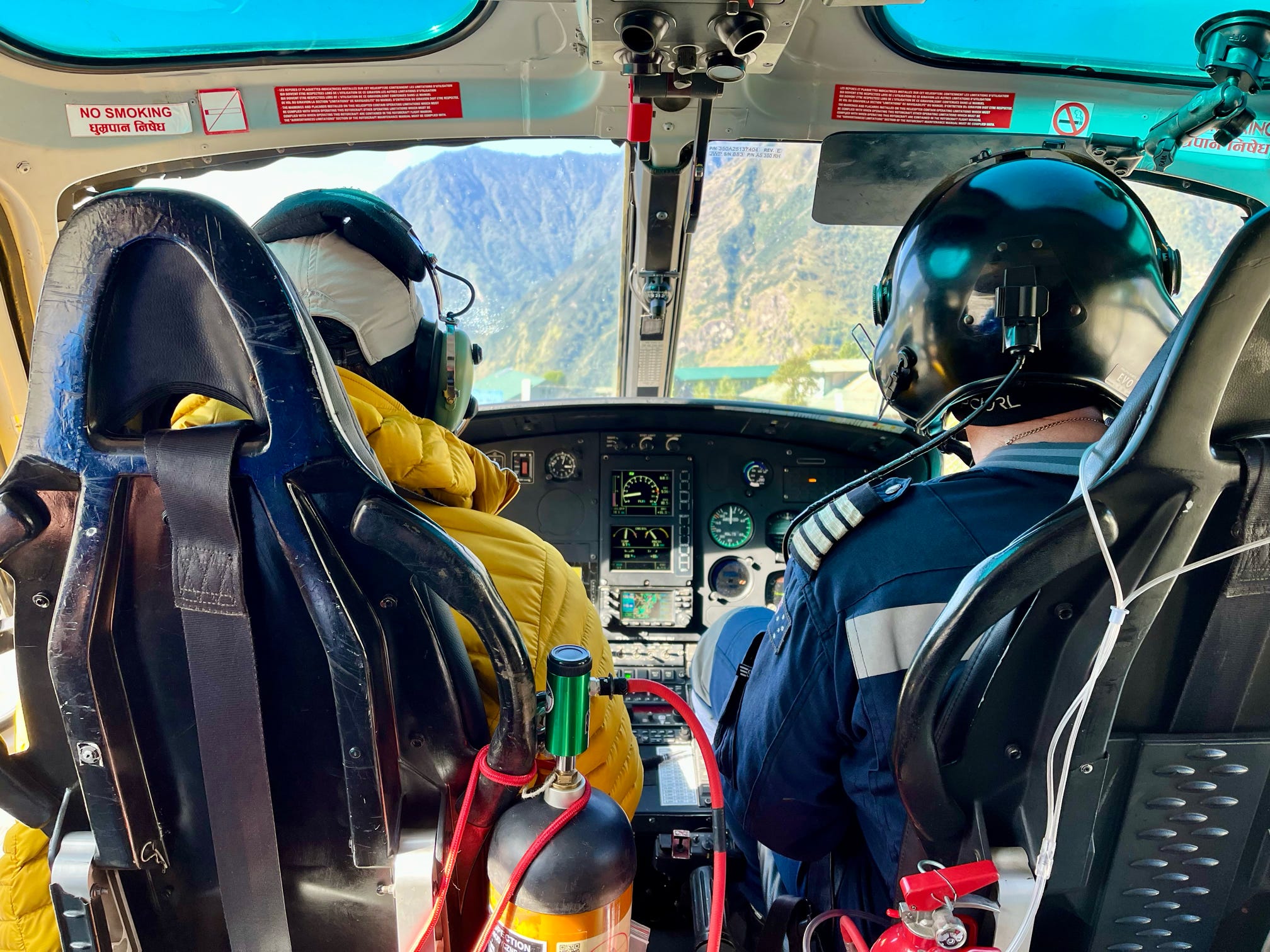
A helicopter return typically adds a noticeable premium to the base trek cost, though it also removes three to four nights of lodging, meals, and guide wages that a fully walked return would otherwise require. On an 11-day luxury itinerary with a helicopter return, that charter is usually the single largest add-on line item in the whole package.
Because of that offset, the net cost difference between flying and walking out is usually smaller than the sticker price of the charter alone suggests. Trekkers comparing two similarly priced packages sometimes assume the walking version is cheaper overall, when the totals end up closer than expected once every line item is added up.
Weather remains the one variable no amount of budget can control. Flights can be delayed by low cloud cover or high wind at Gorak Shep, which is why even helicopter-inclusive itineraries carry a walking contingency built into the plan rather than treating the flight as guaranteed.
An 11-day luxury itinerary with a helicopter return sits near the middle of most premium Everest Base Camp packages, long enough for full acclimatization, short enough to avoid the extra nights a full walking return adds to the bill.
Charter pricing also depends on how many trekkers are splitting the flight. A helicopter typically has a fixed seat capacity, so a private group of two or three pays a higher per-person share of the charter than a larger group able to fill more seats on the same flight, which is another reason group size influences the final invoice.
Luxury vs Standard Trek Cost: Where the Difference Comes From
A standard Everest Base Camp trek generally costs less per person than a luxury version, and the gap comes almost entirely from lodging, staffing ratios, and logistics rather than from the trail itself, both versions climb to the same base camp.
Shared teahouse dorms cost less than private rooms at premium lodges, and a standard departure’s guide-to-trekker ratio is typically lower than what a private luxury group receives, which affects day-to-day pace as much as it affects price.
Meals follow a similar pattern. Standard itineraries usually include set menu options at each teahouse, while luxury packages tend to offer a wider selection and better quality at altitude, which costs more to source and carry in.
A fuller comparison of what separates the two experience tiers beyond the price tag alone is worth reading directly if the deciding factor is less about total cost and more about which experience actually fits, since the headline price difference only tells part of that story.
Ground transport is another quiet difference between the two tiers. Standard packages generally use shared vehicles between the airport and hotel, while luxury packages typically include private transfers throughout, a small detail that adds up across multiple legs of the trip.
Flexibility around the itinerary itself also carries a cost. Standard group departures generally follow a fixed schedule with limited room to adjust, while luxury packages, particularly private ones, allow changes to pace, rest days, or even the return method without renegotiating the entire booking, a level of flexibility that’s baked into the higher price rather than offered as a separate service.
None of this means a standard trek is a lesser experience, for trekkers focused purely on reaching Base Camp with a reliable, well-run operator, it remains a genuinely solid option. The luxury tier simply targets a different set of priorities: comfort, flexibility, and a faster overall trip.
Cost Difference between Standard Everest Base Camp Trek vs Luxury Everest Base Camp Trek Cost
| Group Size | Luxury Everest Base Camp Trek | Everest Base Camp Trek |
|---|---|---|
| 2–4 Pax | US$4,870 | US$1,815 |
| 5–7 Pax | US$4,467 | US$1,665 |
| 8–10 Pax | US$4,288 | US$1,598 |
| 11–13 Pax | US$4,116 | US$1,534 |
| 14–16 Pax | US$3,910 | US$1,457 |
Luxury Everest Base Camp Trek Cost for Nepali and SAARC Trekkers
Nepali citizens and trekkers from SAARC countries typically pay reduced park and municipality entry fees compared to other international trekkers, which lowers the fixed-cost portion of the overall package slightly.
Guide, porter, lodging, and flight costs remain largely the same regardless of nationality, since those expenses are tied to the service itself rather than to citizenship. The savings from reduced permit fees are real but modest against the total trek cost.
Group departures made up primarily of Nepali or SAARC trekkers sometimes see a small additional reduction on the overall package, since operators can factor the lower permit costs into the group rate rather than the individual one.
Anyone trekking on a Nepali or SAARC passport should confirm current permit categories directly with their operator, since documentation requirements differ slightly from the standard foreign-national process.
Domestic flight pricing between Kathmandu and Lukla can also differ slightly for Nepali citizens compared to international trekkers, depending on the airline and booking channel used, which adds a small additional variable to the total for Nepali-led groups.
For mixed groups combining Nepali, SAARC, and other international trekkers, operators typically calculate the group rate using a blended average across permit categories rather than charging each trekker a fully individual rate, which simplifies invoicing without significantly changing the outcome for anyone involved.
Trekkers booking through a Nepal-based operator directly, rather than through an international intermediary, sometimes see a modestly lower overall quote as well, since removing an additional booking layer can reduce overhead costs passed on to the trekker.
Everest Base Camp Trek Cost From India: What Changes
Trekkers flying in from India typically add international airfare to Kathmandu as a separate cost, similar to any other international departure point, though flight times and prices are often more favorable given the shorter regional distance.
SAARC permit rates apply to Indian nationals specifically, which brings entry fees down slightly compared to other international trekkers, though this saving is small relative to the overall package cost.
Visa requirements differ as well, Indian nationals do not require a visa to enter Nepal, which removes one line item that other international trekkers typically budget for separately.
Beyond these two adjustments, the core trek cost, guides, lodging, meals, and permits, stays consistent regardless of where a trekker is flying in from, since the trek itself doesn’t change based on point of origin.
Connectivity between Indian cities and Kathmandu has improved enough that many trekkers now fly directly rather than routing through a third country, which keeps the international travel portion of the budget relatively modest compared to trekkers departing from farther afield.
Currency exchange is worth planning for separately, since permits and many smaller on-trail purchases are paid in Nepali rupees rather than Indian rupees or US dollars. Exchanging currency in Kathmandu before departure generally offers better rates than relying on limited exchange options along the trail.
Indian trekkers joining a mixed international group won’t notice any difference in the trekking experience itself, guides, itinerary, and lodging are identical regardless of a trekker’s nationality once the group is on the trail together.
How Difficult Is Everest Base Camp Trekking, and Does It Affect the Price?
Everest Base Camp is a strenuous trek rather than a technical climb, and that distinction matters for cost as much as it does for preparation, no specialized climbing equipment or technical guiding fees apply here the way they would on an actual mountaineering expedition. In terms of how difficult Everest Base Camp trekking actually is day to day, most trekkers describe it as demanding but achievable: long walking hours and thinning air, not steep climbing or exposed scrambling.
What does affect cost is staffing ratio, not difficulty itself. A luxury package’s higher guide-to-trekker ratio exists to support pace and safety at altitude, and that staffing level costs more regardless of how physically demanding any individual day turns out to be.
Trekkers who need a slower pace or extra rest days don’t typically pay more for it directly, since acclimatization days are already built into most itineraries rather than billed as optional extras. Where cost does shift is if extra days get added beyond the base itinerary to accommodate a more cautious pace.
Older trekkers or anyone with specific pacing needs should raise this directly with an operator before booking, since the particular planning considerations that come with trekking at a gentler pace can affect both itinerary length and, indirectly, total cost.
Physical difficulty on this route comes primarily from sustained altitude exposure and long daily walking hours rather than technical obstacles, and that distinction shapes what a luxury package actually spends money on. Rather than technical gear or specialized mountaineering guides, the budget goes toward staffing depth and faster evacuation coordination if symptoms of altitude sickness appear.
Fitness level going into the trek has more influence over comfort than over cost. A well-prepared trekker and an underprepared one pay the same package price, but the underprepared trekker is far more likely to need an unplanned extra rest day, which does carry its own additional cost if it extends the itinerary beyond what was originally booked.
Why the Luxury Everest Base Camp Trek Has Become So Popular
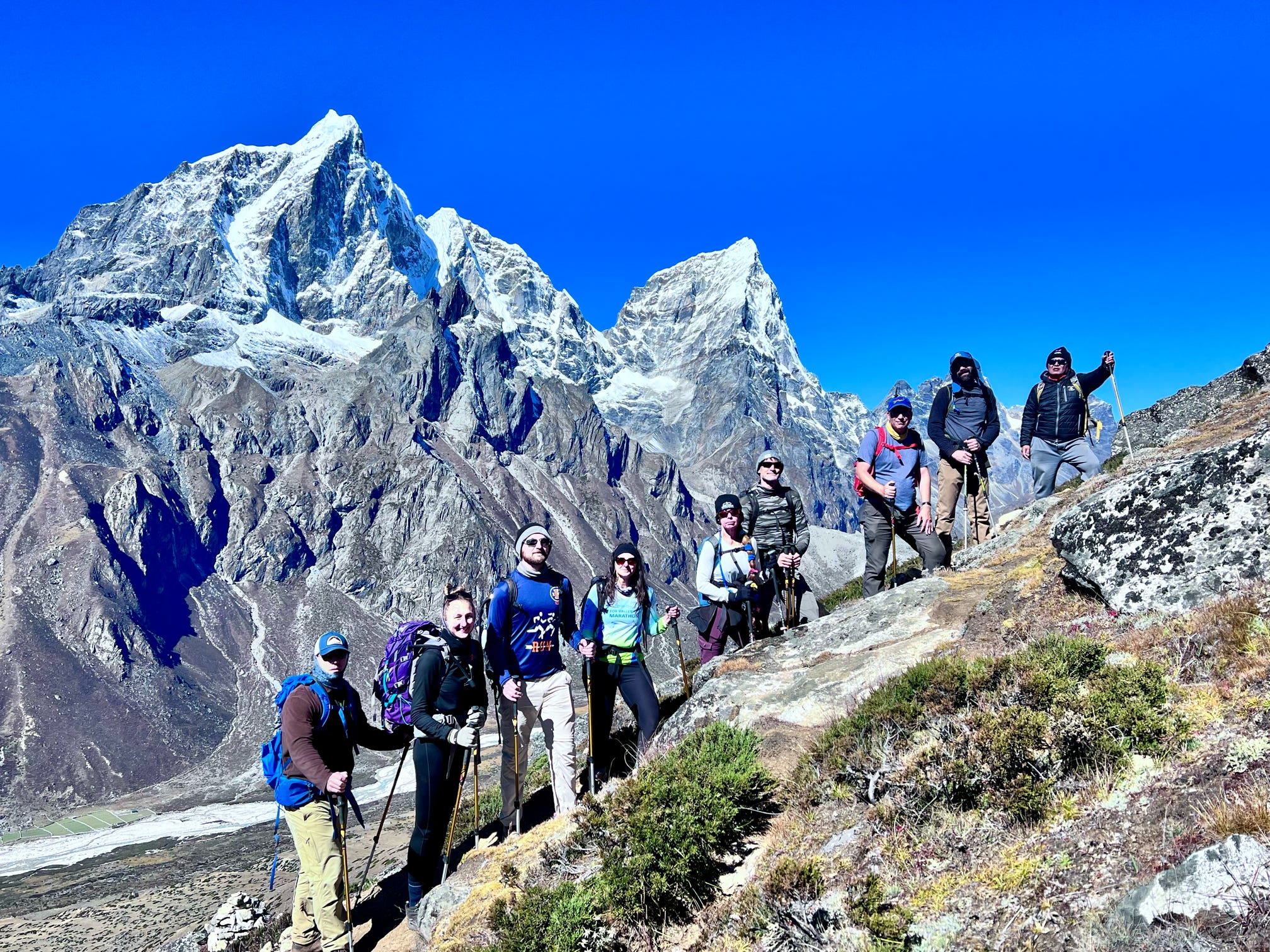
Demand for the luxury version of this trek has grown alongside a broader shift toward premium, time-efficient travel, trekkers with limited vacation days increasingly want the same bucket-list experience without stretching it across two full weeks.
Comfort plays a real role too. Private rooms, better food at altitude, and a higher guide-to-trekker ratio meaningfully change how the trek feels day to day, particularly for trekkers who want the achievement without sacrificing recovery quality each night.
The helicopter return option has driven a noticeable share of this popularity on its own, since it makes the trek genuinely accessible to people who couldn’t otherwise commit to a full two-week itinerary around work or family schedules.
Social proof matters as well. One trekker’s real day-by-day account of where the money actually went and what the experience delivered tends to carry more weight with prospective trekkers than a marketing page ever could, which is part of why detailed trip reports have become such a common reference point before booking.
Travel patterns have shifted toward this kind of experience across the wider adventure travel industry, not just in Nepal. Trekkers increasingly treat a bucket-list trip as an investment worth spending more on to guarantee comfort and reliability, rather than defaulting to the cheapest available option and hoping logistics work out along the way.
Word-of-mouth referrals play an outsized role in this specific niche too. Because the trek itself is physically demanding and logistically complex, trekkers researching a premium package tend to trust direct recommendations from people who’ve completed it far more than they trust advertising.
The growing availability of shorter, helicopter-supported itineraries has also widened who this trek is realistically accessible to, professionals with limited annual leave, older trekkers, and anyone unwilling to commit two full weeks to a single trip now have a genuinely viable path to Base Camp that didn’t exist in the same form a decade ago.
Everest Base Camp Trek Nepal Companies: What to Check Before Booking
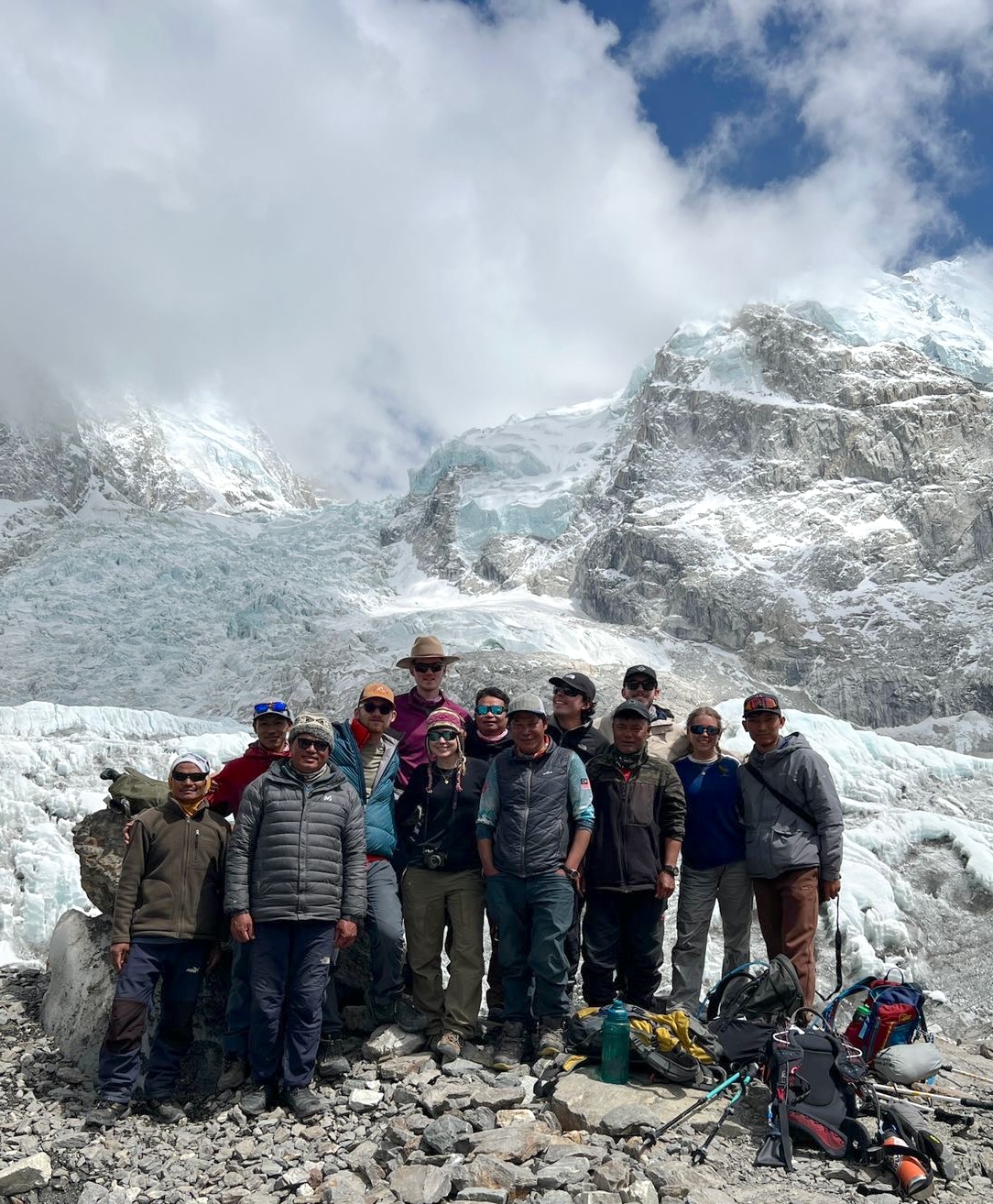
Nepal has a wide range of companies offering Everest Base Camp packages, and pricing alone rarely tells the full story of what’s actually included or how experienced the ground team is.
Licensing matters more than most trekkers realize going in. A registered, NMA-affiliated operator with a verifiable safety record is worth the extra scrutiny compared to booking on price alone, especially for a trek that involves genuine altitude risk.
Guide-to-trekker ratio is worth asking about directly rather than assuming it matches the marketing materials, since this single detail affects both pace and safety margin more than almost any other factor in the package.
Transparent, itemized pricing is the clearest signal of a well-run operator. Companies that break down exactly what’s included, permits, lodging tier, staffing, and any helicopter charter, tend to be more reliable than those quoting a single all-in number with no further detail available on request.
Reviews and trip reports from previous trekkers are worth reading critically rather than skimming for star ratings alone. Specific details, how weather delays were handled, whether the promised guide ratio actually held up on the ground, how communication worked during the trek, tell far more than a generic five-star summary ever will.
It’s also worth asking directly how an operator handles emergencies, since this is the one area where the difference between a well-prepared company and an underprepared one becomes immediately obvious if something does go wrong. A clear, specific answer about evacuation procedures and insurance coordination is a far better sign than a vague reassurance that “safety is our top priority.”
Local, Nepal-based operators with a long operating history in the Khumbu region often bring a level of on-the-ground relationship and logistical knowledge that’s difficult for a purely international booking agency to replicate, particularly when conditions on the trail shift unexpectedly.
A Realistic Cost Breakdown: Where Your Money Actually Goes
Domestic flights between Kathmandu and Lukla typically represent one of the largest single line items in the package, given how weather-dependent and limited that route’s flight capacity is throughout the year.
Guide, porter, and support staff wages make up another significant share, and this is exactly where a higher-ratio luxury package costs noticeably more than a standard one, more staff per trekker means a larger portion of the total price going toward people rather than logistics.
Lodging and meals form the next major category, scaling with both trek duration and comfort tier. Premium lodges with private rooms and better food cost meaningfully more per night than standard teahouses, which is one of the most visible differences between the two trek tiers.
Permits, park fees, insurance, and contingency buffers round out the remainder, smaller individually, but adding up to a meaningful portion of the total once combined, especially on itineraries that include a helicopter charter as a line item of its own.
Staff welfare costs are worth mentioning specifically, since they’re an increasingly visible line item for trekkers who care about how their trip supports the people making it possible. Fair wages, appropriate gear for porters working at altitude, and insurance coverage for guides and support staff are costs that responsible operators build directly into the package rather than treating as optional.
Contingency planning absorbs a smaller but genuinely necessary share of the budget too. A well-run operator holds back a portion of the total package cost specifically to cover rebooked flights, extra lodging nights, or unexpected logistics if weather disrupts the planned schedule, rather than passing every surprise cost directly onto the trekker mid-trip.
Taken together, these categories explain why two packages advertised at similar headline prices can differ meaningfully in what they actually deliver, the breakdown, not just the total, is what determines whether a quote represents genuine value.
Final Thoughts for Luxury Everest Base Camp Trek Cost
A luxury Everest Base Camp trek cost sits between USD 3,910 and USD 4,870 per person, with group size doing most of the work in moving that number up or down. The price reflects staffing ratios, lodging tier, and logistics far more than it reflects the difficulty of the trail itself, since every version of this trek reaches the same base camp.
Whether that price difference translates into a noticeably better experience is a fair question to ask before booking, and it’s one the broader case for and against the premium version of this trek addresses directly, alongside the day count and comfort trade-offs covered throughout this guide.
For the complete range of package tiers, group sizes, and what’s included at each price point, the full lineup is laid out within Lhasso Adventure’s Exclusive Comfort Trek collection.

Frequently Asked Questions for Luxury Everest Base Camp Trek Cost
How much does a luxury Everest Base Camp trek cost?
Prices range from USD 3,910 to USD 4,870 per person, depending on group size, with smaller private groups at the higher end.
How long is a luxury Everest Base Camp trek?
Most luxury itineraries run 9 to 12 days, depending on whether a helicopter return is included.
Does the luxury Everest Base Camp trek cost include the helicopter return?
It depends on the package, some fold the charter into the base price, while others list it as an optional add-on, so this is worth confirming directly.
Is the Everest Base Camp trek cost different for Nepali or SAARC trekkers?
Yes, permit and park entry fees are reduced for Nepali and SAARC nationals, though guide, lodging, and flight costs stay largely the same regardless of nationality.
Does trekking from India change the total cost?
Slightly. SAARC permit rates apply, and no Nepal visa is required for Indian nationals, though the core trek cost remains consistent across nationalities.
Do other companies in Nepal offer a luxury Everest Base Camp package?
Yes, several operators offer premium or luxury versions of the trek, though service levels, staffing ratios, and what’s included in the quoted price vary considerably between companies, worth comparing itemized quotes rather than headline prices alone.
What’s the best luxury Everest Base Camp trek cost for my budget?
There’s no single “best” price, it depends on group size, whether a helicopter return is included, and how many comfort upgrades are built in. Comparing cost per day, not just the total, is the most reliable way to judge value across quotes.
Is the Everest Base Camp trek considered hiking or trekking?
It’s typically called trekking rather than hiking, since it spans multiple days with overnight stays rather than a single day out. The terms are often used interchangeably in casual search, but pricing and itineraries are structured around trekking days, not hourly hiking rates.
Is the Everest Base Camp trek difficult for the price you’re paying?
It’s physically demanding due to altitude and long daily walks, but it doesn’t require technical climbing skills, and the luxury tier’s higher staffing ratio is designed specifically to support trekkers through that difficulty.
Why is a luxury Everest Base Camp trek more popular now than a few years ago?
Shorter helicopter-return itineraries and rising demand for comfort-focused travel have both made the premium version more accessible to trekkers with limited time.